
Betti Scholem wrote to her son Gershom in February 1933, a month after Adolf Hitler became chancellor of Germany. Her words read, “For the time being, the Jews have nothing to fear.”
As the Nazi leader began to implement a series of anti-Semitic measures, Mrs Sholem’s optimistic predictions soon proved to be false. In November 1938, the murder of a German diplomat at the hands of a young Polish Jew gave the Nazi regime the pretext to unleash a wave of violence against Jews known as Kristallnacht (Night of Broken Glass). The event notoriously marked the radicalization of the persecution of the Jewish minority. But why did Kristallnacht happen?
Why Did Kristallnacht Happen? The Ideological Background
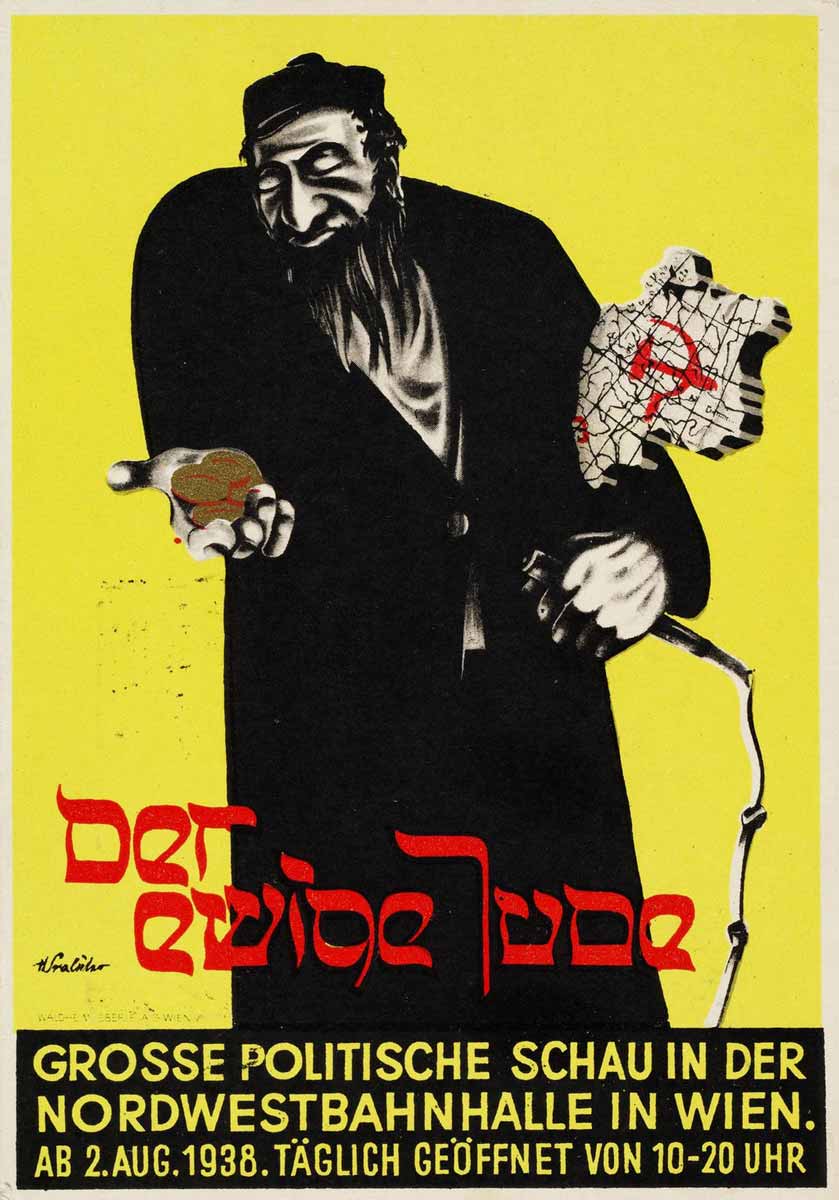
Why did Kristallnacht happen? The roots of the 1938 nationwide pogrom can be traced to the racial anti-Semitism of the National Socialist German Workers’ Party, or NSDAP. “Only those of German blood, whatever their creed, may be members of the nation,” declared the fourth point of the program of the political organization. Influenced by a mixture of racial theories, eugenics, and Social Darwinism, Nazi high officials defined national identity and ethnicity in terms of “blood and soil.” According to their worldview, only the communities that managed to retain their racial purity would achieve dominance on the global stage. Germans, however, had “forgotten [their] Germanic character,” claimed Joseph Goebbels in a 1928 article in Der Angriff titled “Why We Are Enemies of the Jews.”
In the difficult years after the end of World War I, Goebbels saw German Jews as the main culprits of Germany’s social and economic troubles. “The Jew has caused our misery, and today he makes a living from it,” he added, combining the “Stab in the Back” myth (a far-right narrative attributing the country’s defeat to the November Revolution) with anti-Semitism. “The Jew is our greatest misfortune,” declared Goebbels in the closing lines of his piece, “that is going to change, as sure as we are Germans.”
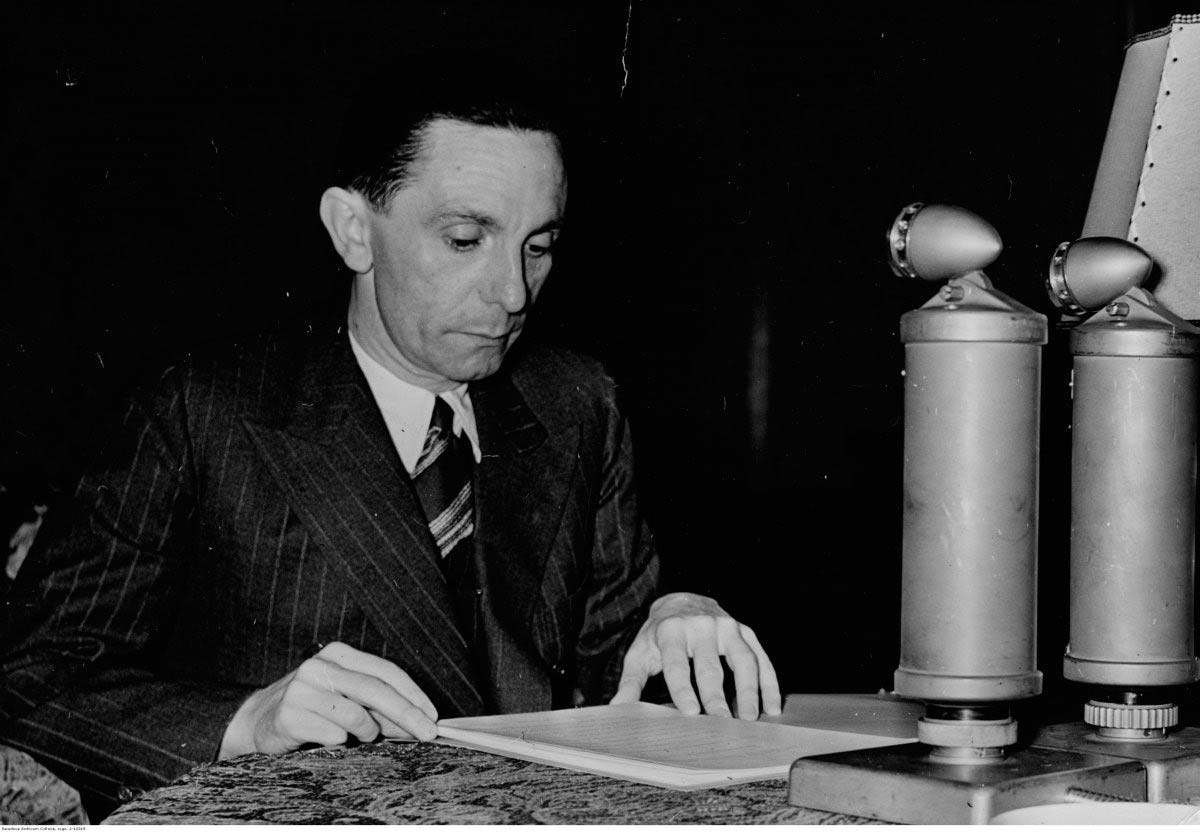
In his article, the future Minister of Propaganda, who would play a key role during Kristallnacht, echoed Adolf Hitler’s deep hatred for the Jews. In 1919, in one of his first public statements against the Jewish community, the leader of the Nazi party defined Jews as a “racial tuberculosis of the nation,” calling for “a systematic and legal struggle against … the privileges the Jews enjoy over the other foreigners living among us.” The ultimate goal of the anti-Semitic policy advocated by Hitler was “the total removal of all Jews by our midst.”
In the 1920s, Hitler reiterated his view on the so-called “Jewish question” in several public speeches and interviews. In 1923, shortly before his failed attempt to seize power with the Beer Hall Putsch, he expressed his hope to expel Jews from German society to Catalan journalist Eugeni Xammar. Comparing them to “a cancer that is gnawing away at the German national organism,” Hitler invoked their elimination as the only way to cure Germany.
Upon his appointment as chancellor in January 1933, Hitler set to turn his violent anti-Jewish rhetoric into a series of measures aiming to socially and economically isolate German Jews.
Kristallnacht & “Aryanization”
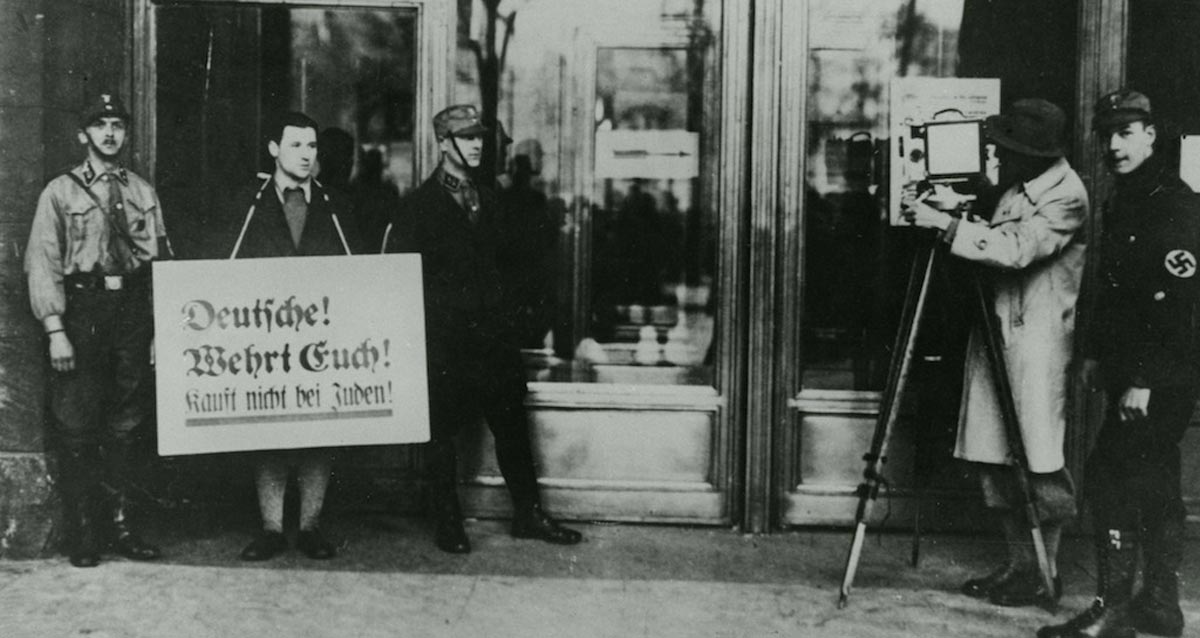
On April 1, 1933, at 10 a.m., members of the Sturmabteilung (SA) and Schutzstaffel (SS) gathered in front of Jewish-owned shops, law firms, and medical practices. By holding signs and shouting slogans like Deutsche! Wehrt Euch! Kauft nicht bei Juden! (“Germans! Fight back! Don’t buy from Jews!”), they intimidated customers and clients, preventing them from entering the buildings. In the 1920s, the SA had organized numerous boycotts against Jewish businesses in several cities and towns. In 1933, however, the nationwide action against Jews was directly coordinated by the Nazi party leadership, especially by Joseph Goebbels and Julius Streicher, the Gauleiter (regional leader) of Franconia. It was the first anti-Semitic measure implemented by the regime.
Heinrich Katz, the owner of a shoe shop in Darmstadt (a town near Frankfurt), was one of the many victims of the April 1933 boycott. Despite paying protection money to the local SA unit to avoid further actions against his business, Mr. Katz’s revenues soon decreased by half. In 1935, he finally sold his shop. His inventory was appraised for a fraction of its market value. In the same years, Moritz Garbáty, the manager of a cigarette factory based in Berlin, struggled to keep his firm afloat amid increasingly strict anti-Semitic regulations. Shortly before Kristallnacht, he finally opted to put it on the market. The “Aryan” buyer paid Mr Garbáty a sum far below the firm’s actual value.
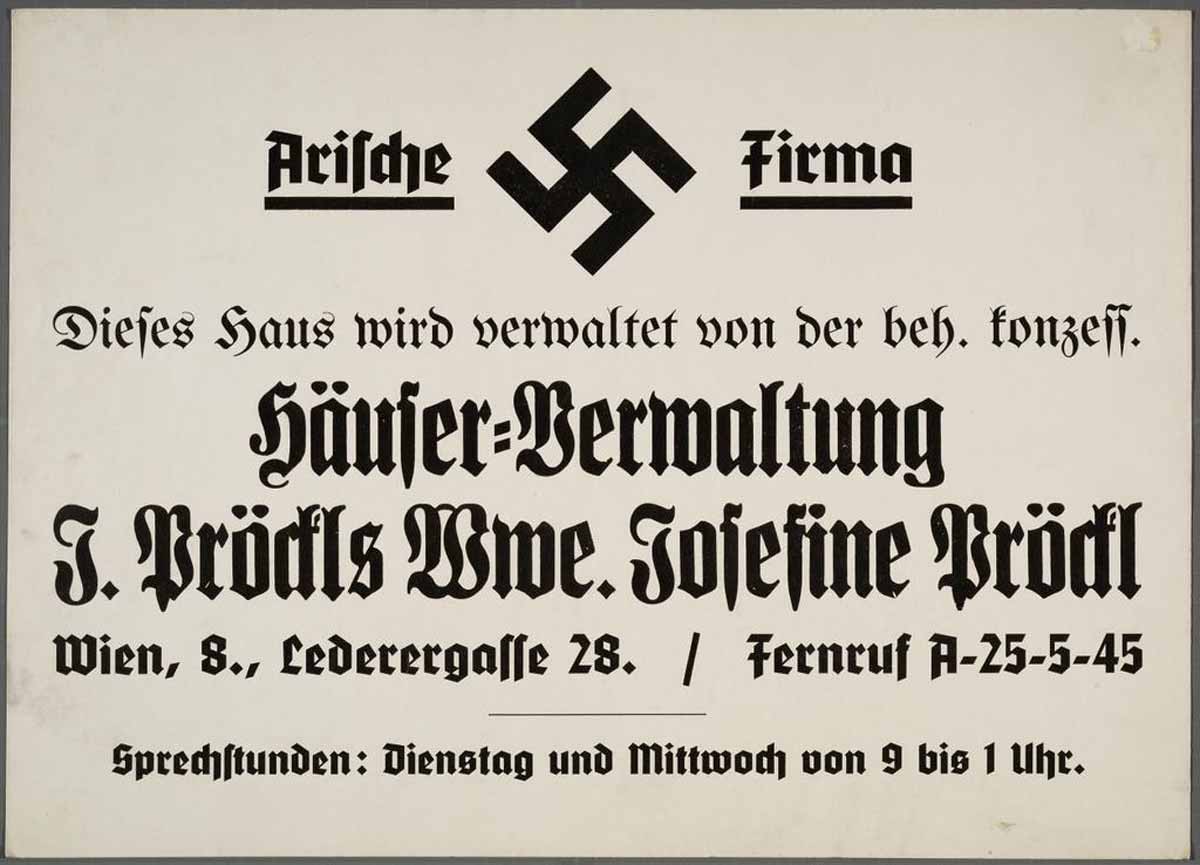
In the early months of 1933, the Nazi government gradually began to harass Jewish entrepreneurs and business owners. The “Aryanization” of their property served the double aim of expelling “racial enemies” from Germany and transferring their assets to the treasury. Measures like the Emigration Tax and the Dego-Abgabe (a fee for money transfers) allowed the regime to seize significant portions of the financial resources of Jews opting to leave the country. In 1937, when he became the new Economics Minister, Hermann Goering accelerated the Aryanization process.
A year later, Kristallnacht gave him the pretext to exacerbate the expropriation of Jews. In a meeting held at the Aviation Ministry on November 12, 1938, the Reichsmarschall and several high-ranking officials even decided to introduce an “atonement tax” that forced the Jewish community to cover the damages inflicted during the violence. Moreover, the regime seized all insurance payouts claimed by the victims of Kristallnacht. The conference members also emphasized the need to expel Jews from the territories of the Reich. “In spite of the elimination of the Jew from the economic life, the main problem, namely to kick the Jew out of Germany, remains,” remarked Reinhard Heydrich, the head of the Gestapo.
“It’s Time You Left For Palestine”
The anti-Semitic decrees and laws introduced by the Nazi regime regularly provoked waves of violence throughout the territories of the Third Reich. The main perpetrators of the attacks were the rowdy rank-and-file of the party, frustrated with the leadership’s indecisiveness regarding the “Jewish question.”
In the early hours of March 3, 1933, a group of SA, clad in their brown uniforms, turned up at the apartment of Jakob Steinhard, a Jewish painter living in Berlin, and arrested him without a warrant. The following day, he received an alarming phone call. “Well, Mr. Steinhardt, how did you like things yesterday?” asked the anonymous person, “… Have you realized now that it’s time you left for Palestine? We’re going to pay you frequent visits in the future. We have your keys and can get in any time we like.” After his wife suffered a mental breakdown, Jakob Steinhard decided to emigrate. Toward the middle of the month, the family moved to Jerusalem.
Upon selling their businesses, Heinrich Katz and Moritz Garbáty also decided to leave Germany.
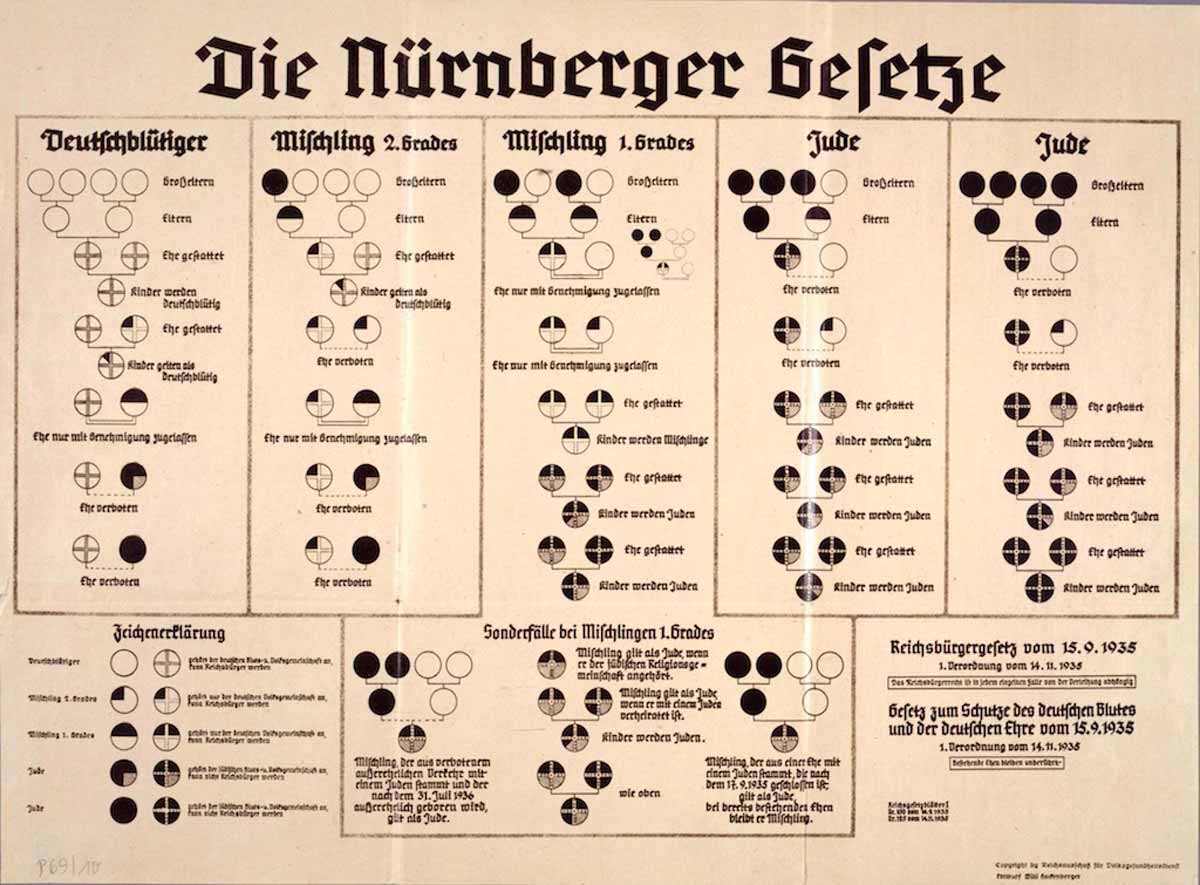
Those who remained in the Reich struggled to live as the Nazi regime gradually stripped them of their professions, livelihood, and rights. On April 7, 1933, for example, the “Law for the Restoration of the Professional Civil Service” cast Jews out of schools, universities, and state administration. The Jews’ situation worsened in 1935 when the Nuremberg Laws denied their status as citizens of the Reich.
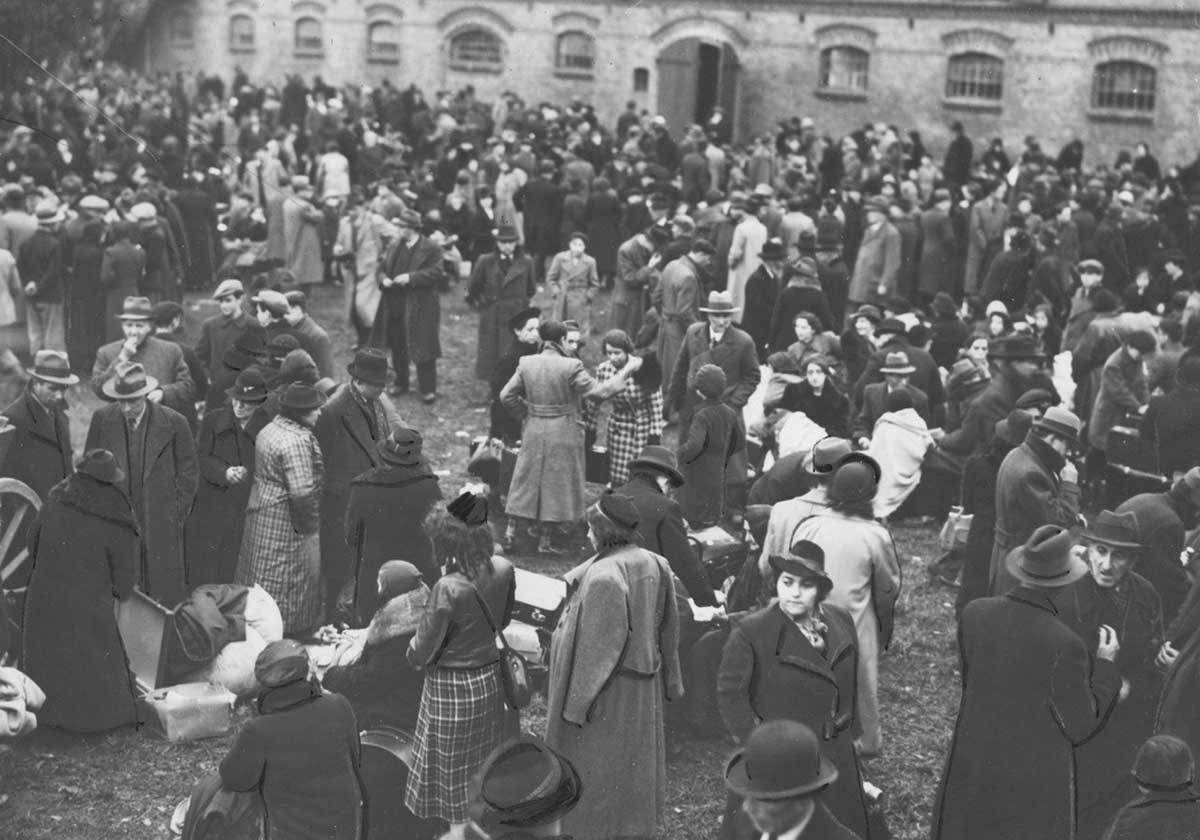
Three years later, amid growing tensions between Germany and the Western powers, the Nazi regime carried out its first mass deportation of Jews. The victims of the forced expulsion, known as Polenaktion (Polish Action), were the Polish Jews residing in the territories of the Reich. In October 1938, in the aftermath of the Anschluss, fearing a sudden influx of Jewish refugees from Austria, the Polish government announced the imminent revocation of the passports of citizens who had been living abroad for more than five years. In response, the Nazi leadership deported around 17,000 Polish Jews. When Poland refused to let them cross the border, they languished for weeks in precarious conditions in no man’s land. Eventually, the German government allowed some of them to return to their homes to organize their relocation abroad.
Kristallnacht accelerated the emigration rate of German Jews from the Reich, with around 120,000 people opting to leave the country in the wake of an unprecedented wave of nationwide anti-Semitic brutality.
The Casus Belli: The Murder of Ernst vom Rath
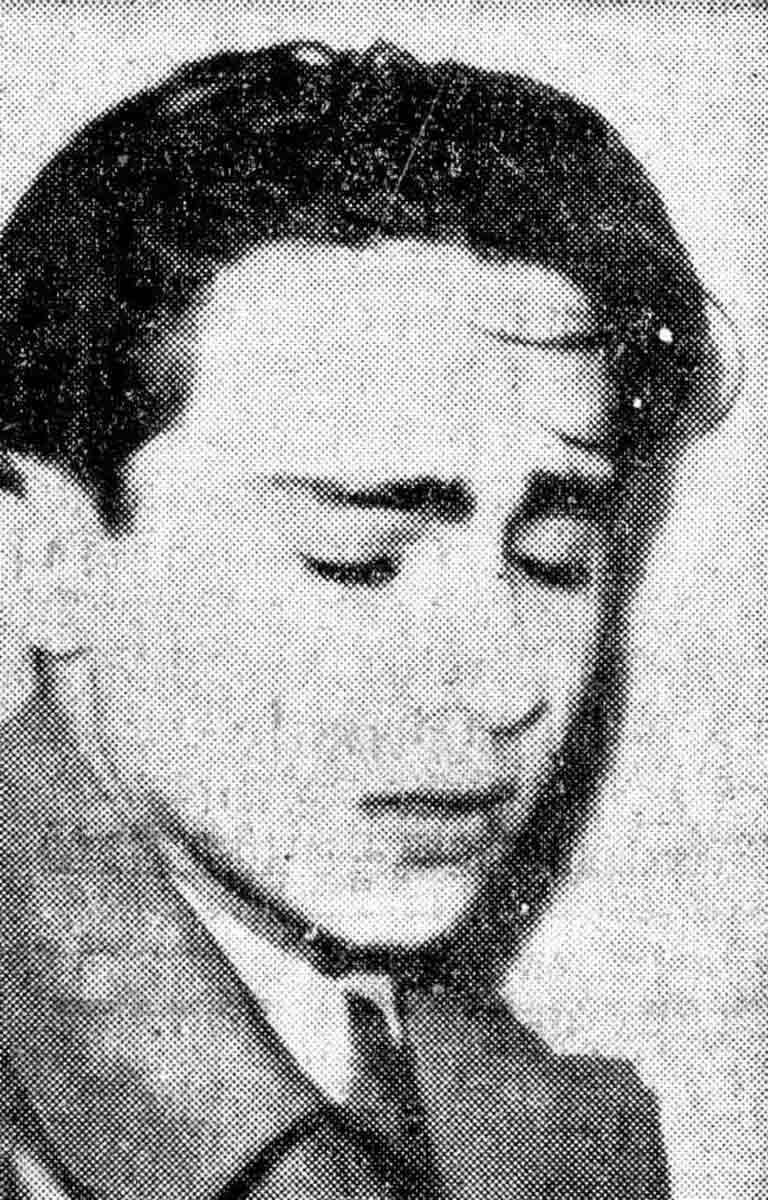
On November 3, 1938, Herschel Grynszpan, a 17-year-old Polish Jew living in Paris, received some distressing news. In a postcard sent from the refugee camp of Zbąszyń, a town near the German-Polish border, his sister informed him that Nazi authorities had expelled their family from Hanover, the city where Herschel was born in 1921. She went on to describe their ordeal and the grueling conditions of the camp.
On November 7, around 9:30 a.m., Herschel entered the German Embassy in Paris, asking for a travel visa. Then, he fired his pistol against Ernst vom Rath, a junior secretary, in a desperate attempt to draw the attention of the international community to the plight of the Jews suffering under Nazi rule. “It is not, after all, a crime to be Jewish,” he declared during his interrogation with the French police, “… My people have a right to exist on this earth.”
German radios broadcast the news of the assassination attempt on the evening of November 7. The Propaganda Ministry wasted no time in instructing newspaper editors to present the event as evidence of an international Jewish conspiracy. The Deutsches Nachrichtenbüro (German News Agency) immediately described Herschel’s attack as a “bloody Jewish deed,” referring to the teenager as a “tool of international Jewry.” The real aim of the shooting, according to the agency, was “the extermination of National Socialist Germany.”
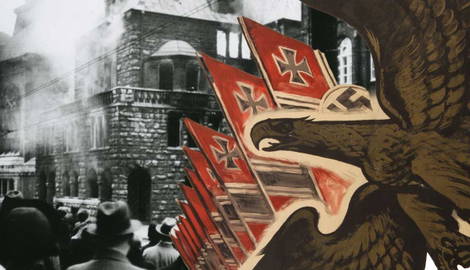
Through Germany, the Nazi officials of Kassel, a city in central Germany, responded to the news by organizing anti-Semitic riots against the local Jewish communities. In the night, the angry mob destroyed Jewish-owned shops and desecrated the synagogue. Similar acts of violence subsequently erupted in other towns.
Why Did Kristallnacht Happen? The Role of the Nazi Leadership
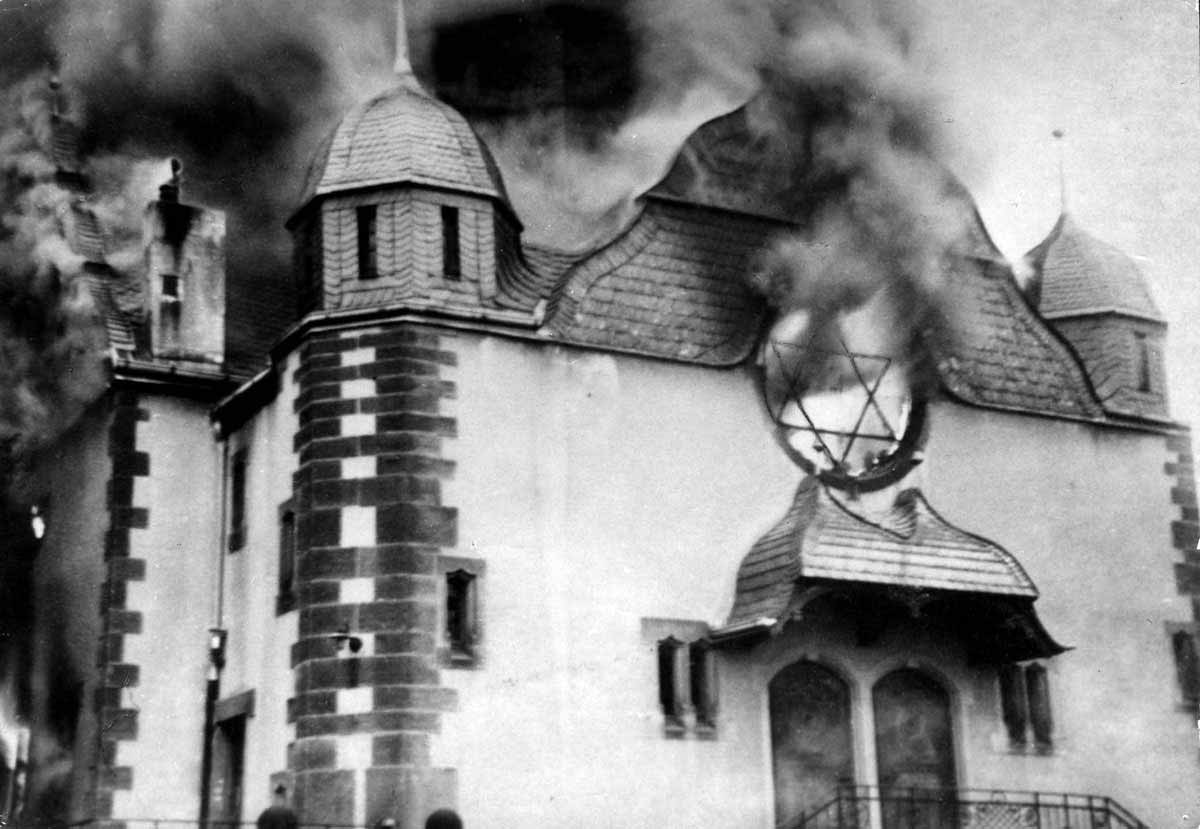
Ernst vom Rath died on November 9, 1938, the anniversary of the 1923 Beer Hall Putsch in Munich. Every year, the Nazi leadership commemorated the event with an elaborate celebration that ended with a dinner in the Old Town Hall. Minister of Propaganda Joseph Goebbels interrupted the festivities to share the news of vom Rath’s death. In his speech, Goebbels declared that eventual anti-Semitic demonstrations, “insofar as they erupt spontaneously, … are not to be hampered.”
The Nazi officials gathered in the room understood the minister’s words as an authorization to unleash a wave of violence against the Jews of the Reich. As soon as Goebbels finished speaking, they rushed to contact their men, instructing them to destroy synagogues and Jewish property. “Neighboring houses occupied by Aryan population may not be damaged,” urged the SA leader of the Mannheim division. “The action is to be carried out in civilian clothes,” advised the official. In the early hours of November 10, as the orders from Munich spread through the Reich, German Jews became the target of a brutal pogrom.
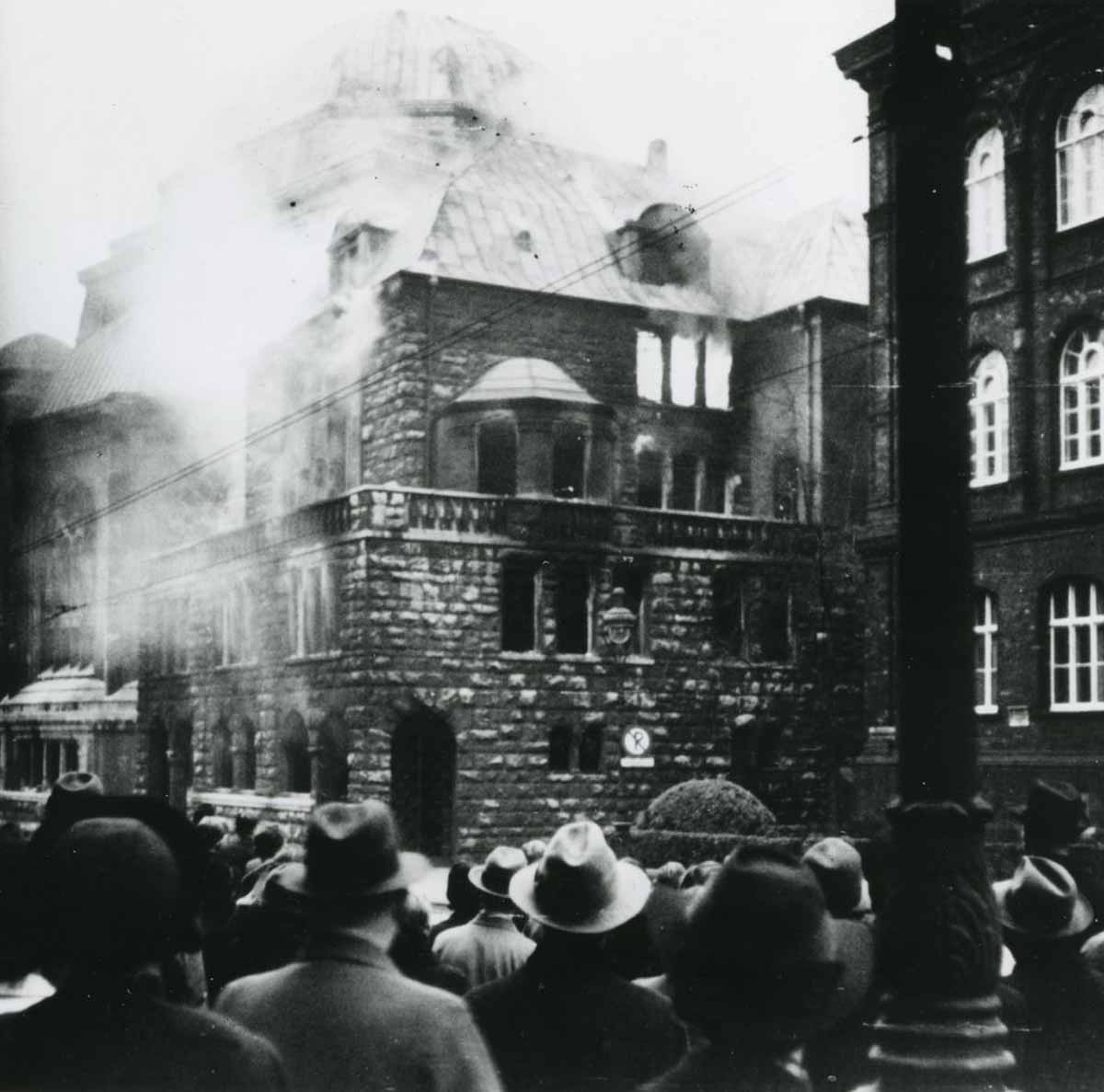
The SA men, aided by members of the SS and the Hitler Youth, were the protagonists of Kristallnacht. Before 1933, Adolf Hitler had tolerated the often unchecked street violence carried out by the Sturmabteilung. After he was appointed chancellor, the Nazi leader grew weary of the paramilitary’s call for a National Socialist revolution, fearing that it might compromise his alliance with the traditional elites. In the summer of 1934, during the Night of the Long Knives, he finally decided to purge the SA from the party. While anti-Jewish violence had always been an inherent component of the Nazi movement, Hitler believed that only a “rational anti-Semitism,” consisting of legal measures, would efficiently solve the “Jewish question.”
So, why did the Nazi leader allow Kristallnacht to happen? By 1938, the regime had completed the Gleichschaltung (“Nazification”), a process that enabled the NSDAP to control almost all sectors of German society. Thus, Hitler was confident of his ability to manipulate the rioting crowds. Indeed, in the afternoon of November 10, the regime put an end to the pogroms, proclaiming that “the definitive response to the Jewish assassination in Paris will be delivered to Jewry via the route of legislation and edicts.” Meanwhile, newspapers received the order to depict Kristallnacht as a spontaneous act of Volkszorn (popular indignation).
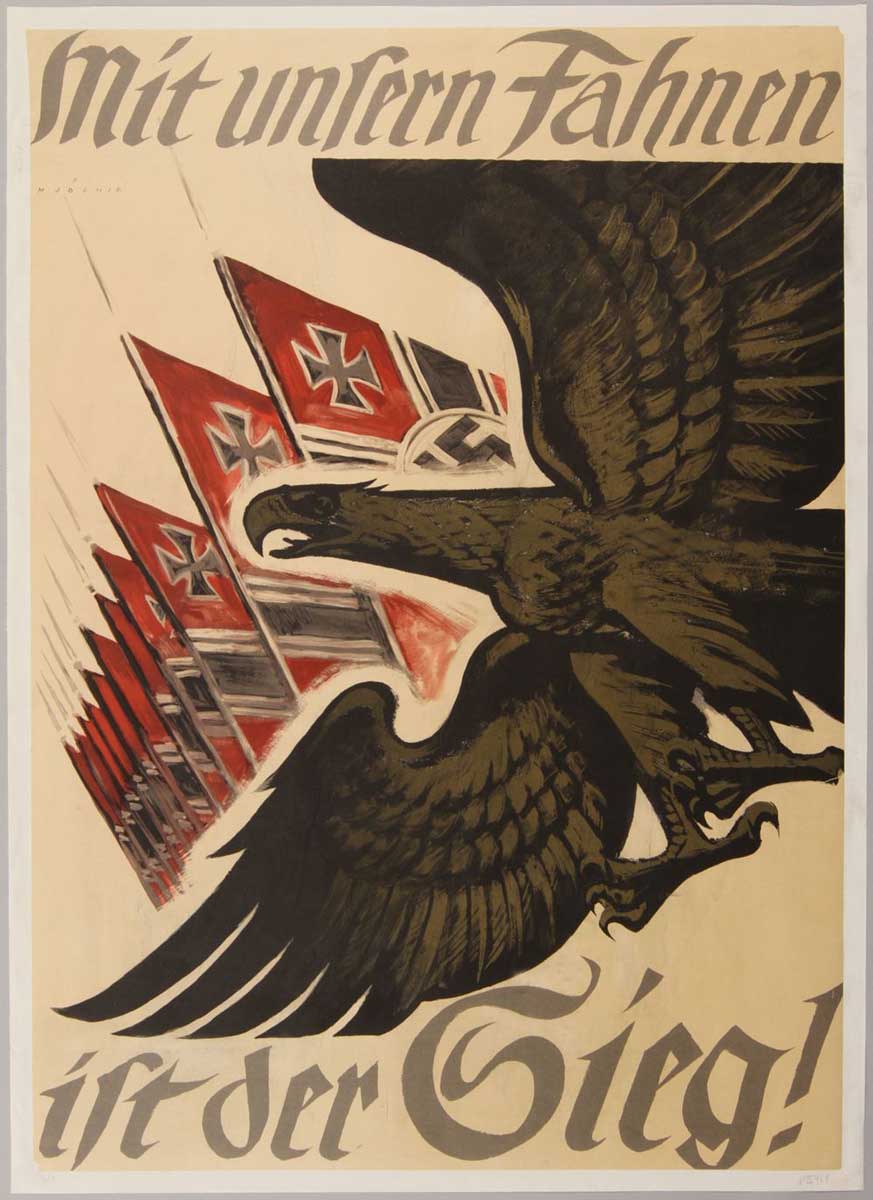
The narrative of the brutality as a form of public outrage allowed the regime to implement stricter measures against the Jews living in the Reich. Two days after the end of Kristallnacht, the “Order for Exclusion of Jews from Economic Life,” for example, accelerated the Aryanization process. The assets confiscated from Jews were crucial in funding Germany’s rearmament. The exacerbation of the anti-Semitic policy was also a signal the Nazi leadership sent to the Western powers. In September 1938, the Sudeten Crisis had worsened relations between the Reich and the Allies. By unleashing a nationwide wave of violence, the regime defied its opponents, reaffirming its intent to persecute Jews.
In 1941, as World War II raged on, the Nazi leaders proposed an Endlösung (final solution) to their “Jewish question.” Instead of forcing Jews to leave Germany and the invaded Eastern countries, the regime ordered their systematic annihilation.