
The 1849 Gold Rush catapulted California to global prominence, sparking a frenzied rush. This turmoil alerted Americans and the globe that sudden wealth could be had. And by the millions, people flocked to America’s West seeking their share, betting on the popular saying, “There’s gold in them thar hills.” Indeed, by the end of 1849, San Francisco’s population went from 1,000 to 25,000. The city’s harbor housed dozens of abandoned ships as new arrivals barely hesitated before heading inland.
Yet 1849 only marked a beginning. The next 50 years saw gold rush towns pop up from Kansas to California. First built of flimsy lumber, tents, and motivation, these unruly shanty towns often disappeared as quickly as they materialized. But it’s not difficult to see what they did.
Gold Rush Demographics
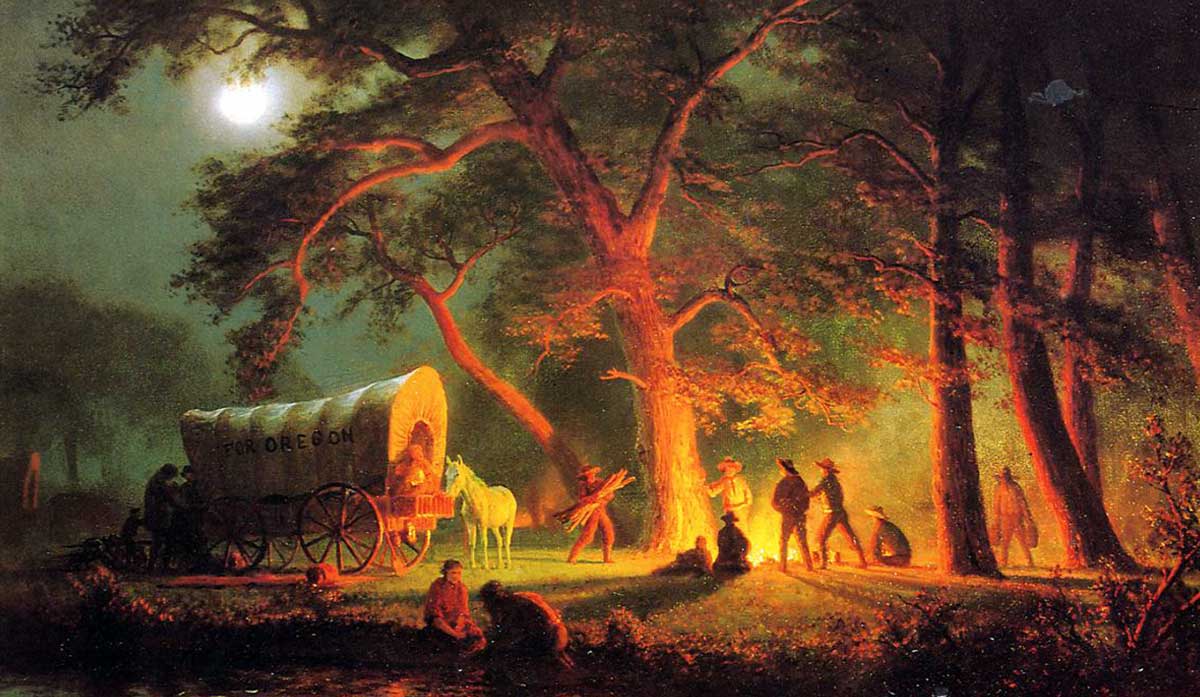
When discussing the Gold Rush, most don’t realize that demographics are the narrative. While tales of gold strikes or Western pulp fiction tales dominated the media, the movement of people is the real story. The Gold Rush and the founding of towns sparked a massive migration. While not America’s biggest, this movement became the most transformative.
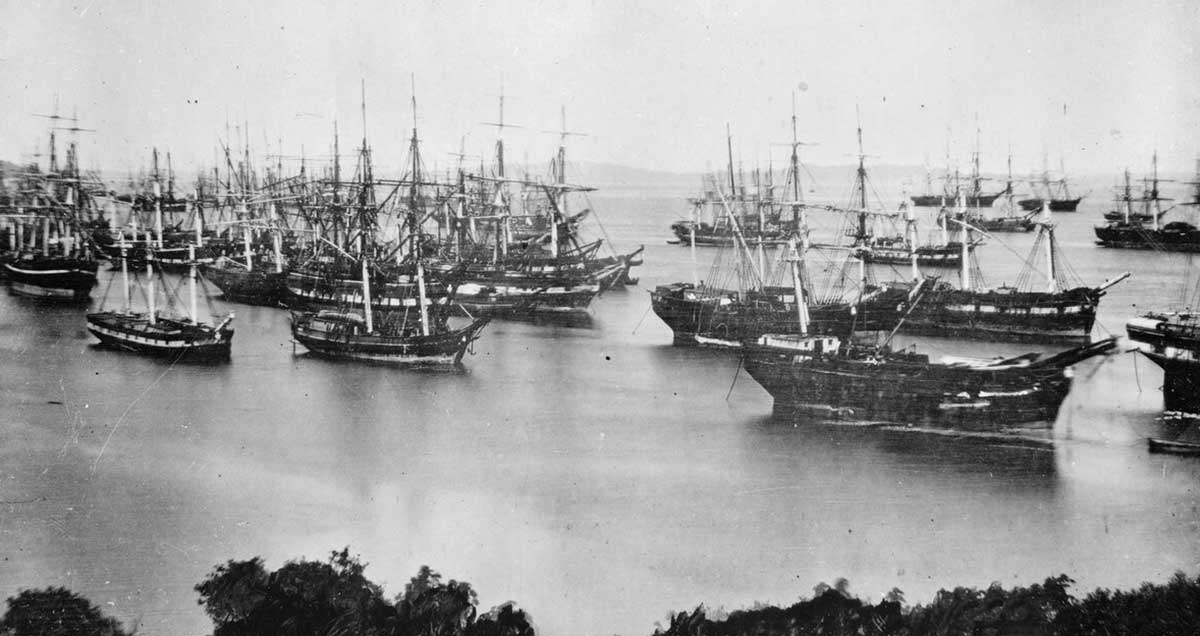
Millions came to California, leaving jobs or selling possessions to finance their trips. Only a small percentage came to Gold Rush towns, which became unintentional multicultural hotspots. These included Chilean and Australian miners, Chinese laborers, and Europeans by the thousands. For example, in 1852, nearly 20,000 Chinese arrived in San Francisco. This soon became one of America’s most ethnically mixed regions.
As emigrants established Gold Rush towns, they catalyzed significant changes. The West’s sparsely populated region became home to substantial populations. Most communities lasted until the gold ran out. Other Gold Rush towns and mining camps evolved into permanent spots.
These Italians, Irish, Chinese, and other groups stayed. Wagon routes became rail lines, and hubs became cities. As they became ex-prospectors, people turned to farming, ranching, and commerce. Permanent examples of grown-up Gold Rush towns are San Francisco and Denver.
Gold Rush Town Economics and Inevitable Politics
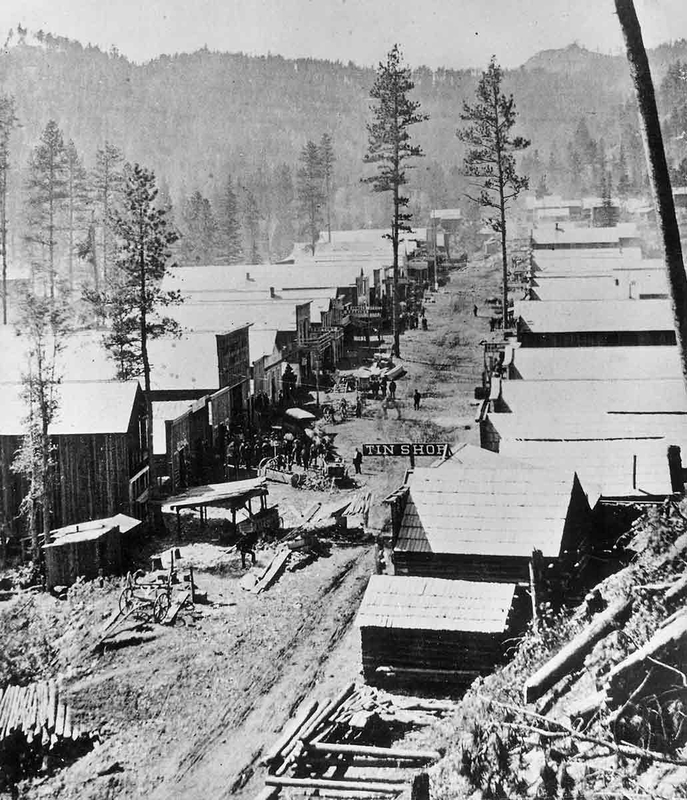
While towns like Sacramento, Deadwood, and Leadville extracted gold, they also created instantaneous markets. The incredible population surge needed goods, services, and labor. Mining endeavors required shovels, food, banking, entertainment, and more. It’s a known fact that mined gold headed eastwards. Yet established gold rush towns developed permanent markets, able to thrive beyond the gold rush.
The gold flowing out of Gold Rush towns generated wealth well beyond local levels. First, this gold bolstered the US Currency Reserves. In America, gold served as the dollar’s backbone. Every dollar in circulation required a fixed amount of gold (or silver).
With such a precious metal influx, the US could print more money. This fueled lending for investment, most importantly for infrastructure, supply chains, and banks. Railroads were a significant investment in the late 1800s, consuming enormous amounts of money, materials, and manpower. With the completion of the 1869 Transcontinental Railroad, Gold Rush towns in the West often became rail terminals and communication hubs.
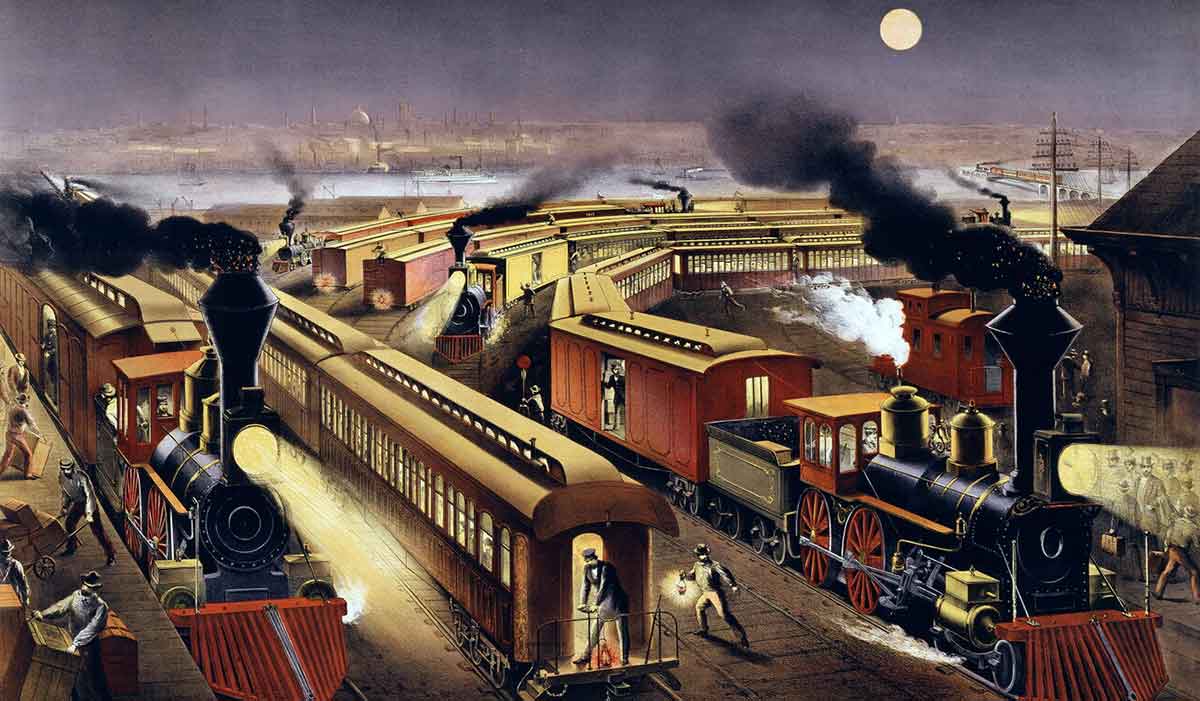
Railroads offered reliable communication and shipping, and Gold Rush town general stores became huge centers of trade. With consistent supply chains and freight shipping, these stores occasionally grew into major retailers. Levi Strauss, the famous inventor of blue jeans, arrived in 1853; within two decades, he had patented his clothing standard. In a similar vein, gold fueled the evolution of local banks into financial institutions like Lazard.
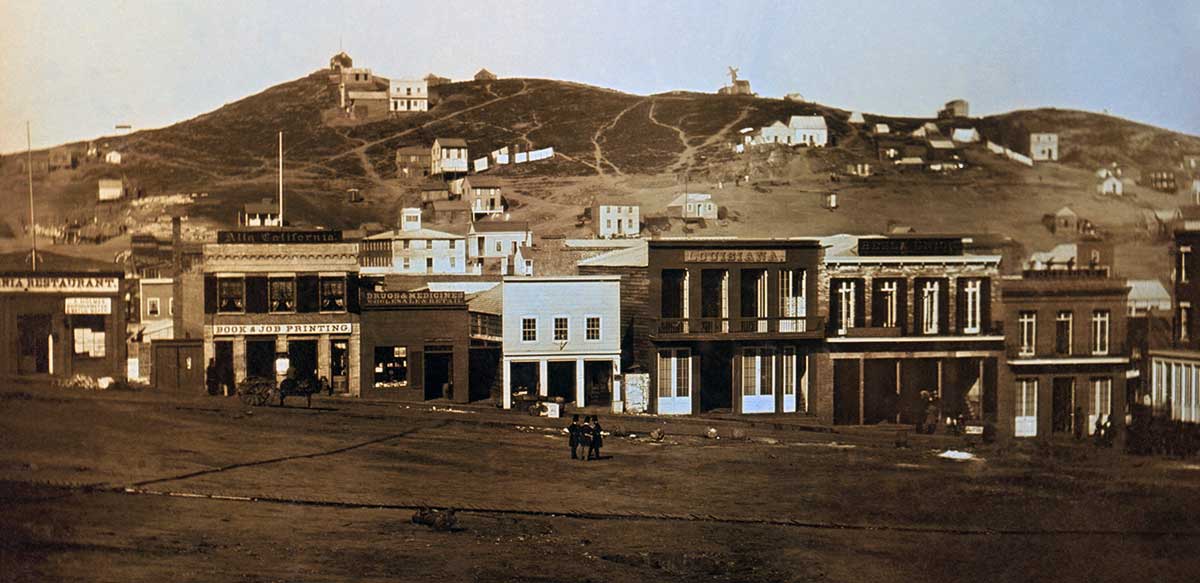
Amid the commotion following the sudden boom, Gold Rush towns accelerated political growth. Town inhabitants created ad hoc government institutions.
Town committees, fire brigades, police or sheriffs, and courts helped bring order to gold-fueled chaos. Though controversial, vigilante groups enforced frontier justice. And though written quickly, such laws or regulations remained on the books at the State or Federal level. The “first in time, first in right” rule appeared in the 1850s. This principle applies to Prior Appropriation: the first person to find, control, and use is legally protected against those who come later. This doctrine is still in use today.
A Landscape Forever Altered
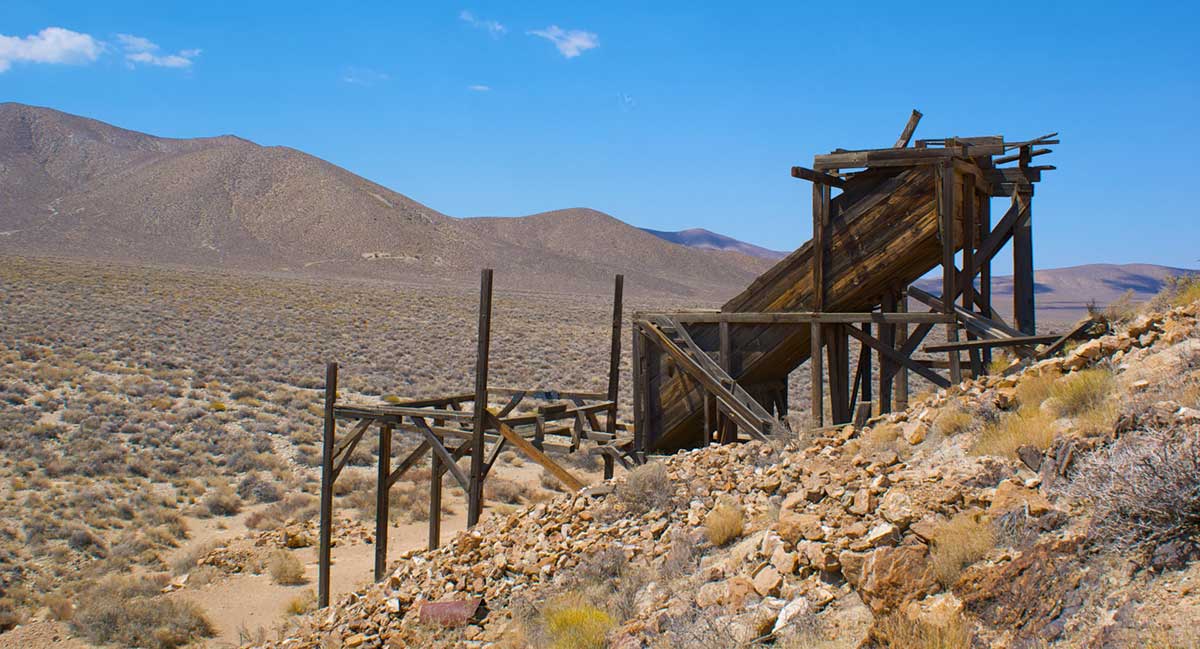
Gold Rush towns no doubt benefited America’s westward growth; the evidence is obvious. From California’s statehood in 1850 to the rise of great cities like Boise and San Francisco. Yet, on the heels of such success came environmental damage. Mining led to water pollution from runoff, soil erosion, and strip mining. Ecological damage from the Gold Rush towns’ heyday remains visible in many locations.