
Having fought under Alexander for years, droves of veterans, Macedonians and other Greeks, were settled in the farthest reaches of his empire, their wishes to be rewarded and sent home sacrificed for the sake of strategic objectives and resource control. However, such was the authority of Alexander the Great that it was only the rumors of his demise, falsely in India, in 326-325 BC and correctly in Babylon, in 323 BC, which inspired these men to rise up and seek their own way back home.
A Castle of Glass
Descriptions of Alexander the Great’s glorious, lightning conquest of the Achaemenid Empire, both ancient and contemporary, have the tendency to also paint an image of uncontested consensus. The enemy, the objectives, and the alliances appear clear to us, and the entire endeavor flounders only at its latest stages, in India, when Alexander’s soldiers refused to go further.
Up to this point, one is led to assume that Alexander steamrolled through the erstwhile Persian empire, founding Alexandrias all the while. Yes, the conquest of Bactria (modern-day Afghanistan) proved to be a bloody, multiyear affair. And yes, there were attempts on his life by the upper echelons of Macedonian youth, but overall, everyone, perhaps even those conquered, appeared to be on board with Alexander’s imperial project.
Sarcasm aside, Alexander’s conquests, glorious though they undoubtedly were, were not a settled affair. They had real consequences on the lives of millions of people, combatants and non-combatants, who faced them with a variety of reactions, far from universal support and loyalty. Nowhere is this more obvious, one could argue, than in the revolts of the Greek mercenaries of 326-325 and 323 BC in Bactria and Sogdiana, and in the response of Alexander’s imperial authorities.
The Many Alexandrias
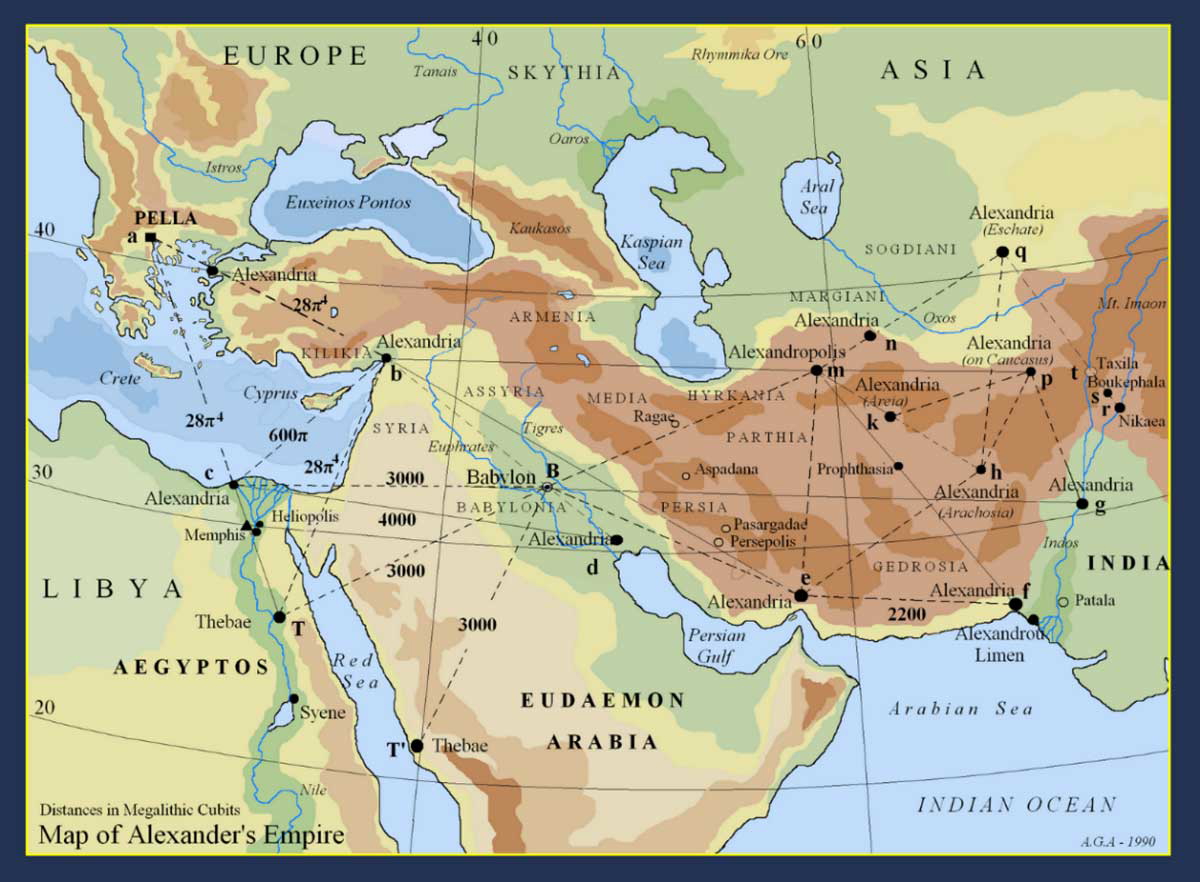
The foundation of the many different Alexandrias across the newly established Macedonian empire is a very well-known feature of Alexander’s conquests, often mentioned in the same breath. These appeared on the surface as mere vanity projects, but in reality had many practical and strategic purposes, founded on key locations, often on the site of earlier settlements, near rivers, mountain passes, key points of control, in order to solidify ownership of natural resources or to oversee local populations with a penchant for resistance. Alexandria in Egypt, of course, is the most famous of these and was built to assume control of the eastern Mediterranean trade, after the earlier destruction of Tyre by Alexander.
Bactria (Afghanistan) and Sogdiana (divided between modern-day Uzbekistan and Tajikistan) are very good examples of this. Bactria was rich in natural resources, such as lapis lazuli, but characterized by hostile terrain, a hotspot for local guerrilla resistance, and Sogdiana was the gateway to the vast Central Asian steppes, home to nomadic tribes which routinely harassed the wealthy empires of the Iranian plateau.
For this reason, there were two major foundations in these regions: Alexandria on the Oxus, that is, on the modern river Amu Darya, in northeastern Afghanistan, sometimes identified with the famous site of Ai Khanoum, and Alexandria Eschate, “the Furthest” in the western edge of the Ferghana valley, near the river Jaxartes, the modern Syr Darya in Tajikistan. We can also assume that these were accompanied by smaller foundations of various kinds, such as outposts, garrisons, camps, etc.
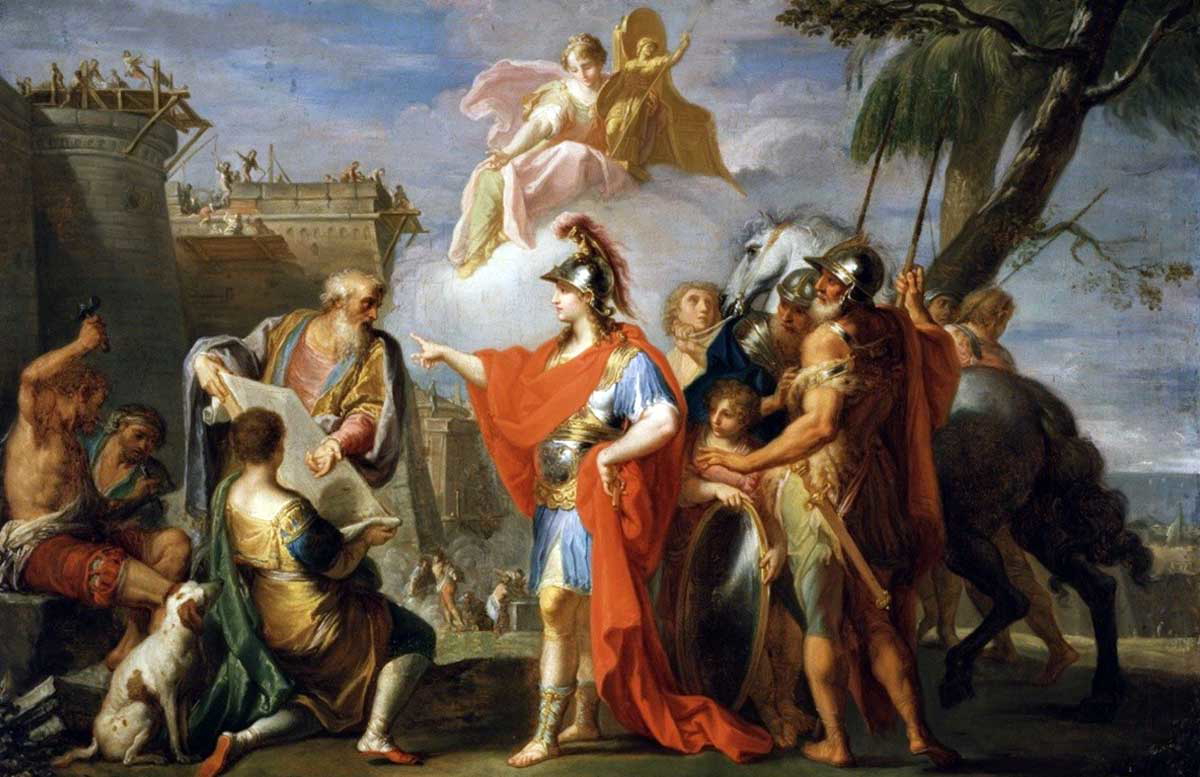
Alexandria Eschate, founded in 329 BC, gives us the clearest picture of what the process of founding such cities looked like, through several ancient sources. The reasoning is clear: “He [Alexander] was himself planning to found a city […] and to give it his own name. For in his view, the site was suitable for the city to rise to greatness, and it would be well placed for any eventual invasion of Scythia and as a defense bastion of the country against the raids of the barbarians dwelling on the other side of the river” (Arrian, Alexander’s Anabasis, 4.3).
Quintus Curtius, a Roman historian, was even more frank about the purpose of the city: “he had chosen a site for founding a city […] as a barrier both to those who had already been subdued and to those whom he had decided to attack later” (History of Alexander, 7.6.13.).
Consequently, the settlement of the city went as follows: “Alexander himself now spent twenty days building the wall of the city he proposed to found, and settling there some Greek mercenaries, any of the neighboring barbarians who shared in the settlement as volunteers, and also some Macedonians from the army who were no longer fit for active service.” (Arrian, Alexander’s Anabasis, 4.4.1). Curtius, for his part, mentions that “As inhabitants for the new city prisoners were chosen, whom he freed by paying the masters their price…” (History of Alexander, 7.6.25).
A Recipe for Disaster
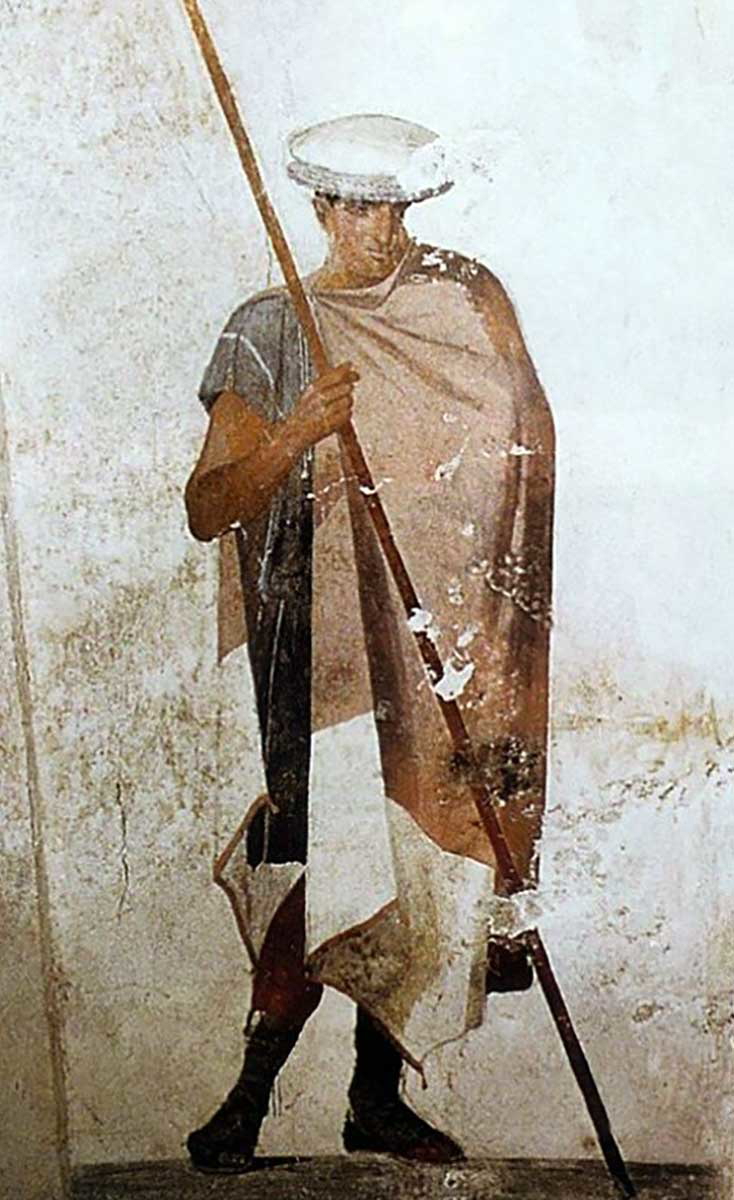
“No longer fit for active service” to the unsuspecting eye would mean the injured, the sick, and the old, and while certainly some of them would have belonged to this category, we will see that many of the men settled in these regions were none of those things. Rather, they may have been chosen to be left behind out of necessity (as a Greek armed force was needed for protecting the new foundations) and out of suspicion, for their potentially rebellious nature.
Some might have been Macedonian troops whose loyalty to Alexander could no longer be guaranteed. Otherwise, the mercenaries in question were Greeks from other regions and city-states of Greece who had joined the campaign at later stages. They were treated with suspicion by Alexander and the other Macedonians, as southern Greece had been subjugated by force and was constantly on the brink of rising up against Macedonian authority. As such, they were used for garrison duty or as settlers for new foundations, rather than at the frontlines.
Added to this mix were the natives mentioned as part of the population of these Alexandrias. The ancient historians’ euphemisms of “volunteers” and “freed prisoners” do little to alter the very real possibility that these were populations forced to settle there or who had been enslaved during the conquest, and who provided the bulk of manual labor for the construction of these new cities. As early as the Achaemenid Persian empire, Bactria had been used as a place to exile rebellious populations, and Alexander appears to have continued the practice.
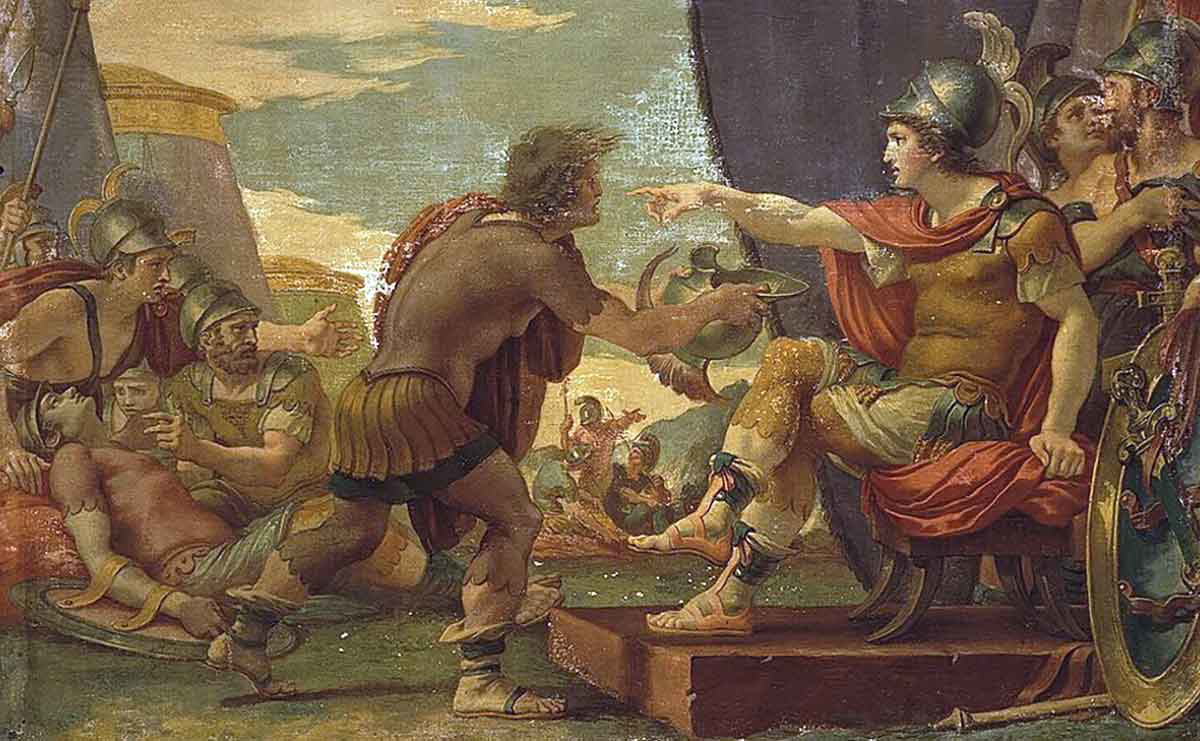
The new foundations in Bactria and Sogdiana may, then, be seen as an ancient Greek equivalent of prison-colonies where the undesirable and unstable elements were sent, out of sight and out of mind. Justin (Epitome, 12.5.13), another ancient source, is even more explicit: “He established, indeed, twelve cities in the country of the Bactrians and Sogdians […] he settled in them all the mutinous and seditious characters from his army, whom he would neither have dared to keep in his camp, nor have been able to send home without danger to his authority.”
Bands of rebellious Macedonians and southern Greeks, suspicious of each other, in a sea of barely subjugated natives. Truly, a recipe for disaster.
The First Revolt
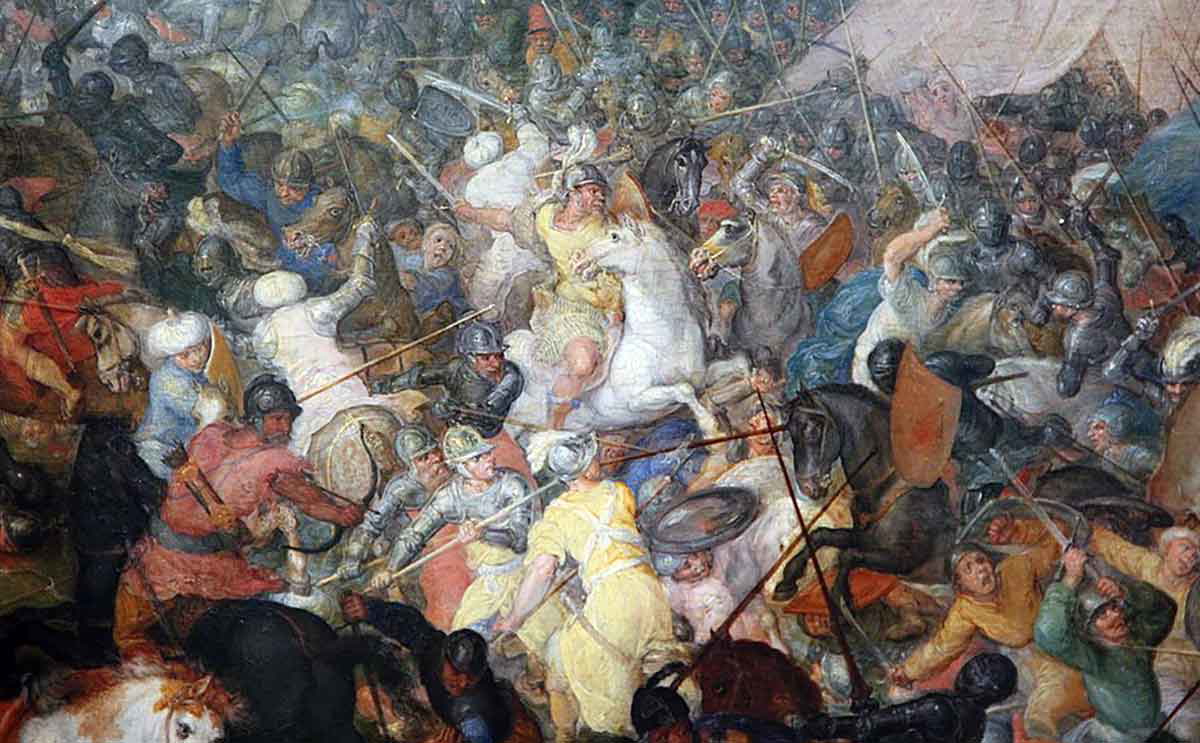
The first revolt took place around 326-325 BC. First, a false report reached the Greeks settled in Bactria and Sogdiana, that Alexander had been killed in India. According to Diodorus (17.99.5-6), it was the hardships they had endured among the barbarians and their longing for their homeland, which induced them to rebel and unite into a force of 3,000 strong.
What had kept them in check up to this point was, apparently, their fear of Alexander and the reprisals that would follow. Curtius (9.7.1-11) goes into further detail: one group of Greek settlers in Bactra, the most populous city in Bactria and the capital of its satrapy, murdered another group and seized the city’s citadel. In doing so, they “forced” some of the natives to join them as well. Their leader was a man called Athenodoros who even proclaimed himself king, not for the title itself, but for the authority it lent him in leading his countrymen back to Greece. Despite this, he was soon murdered at a banquet by a Bactrian called Boxus, at the behest of another Greek, Biton.
Biton soon found himself the target of a similar conspiracy by the Athenodoros loyalists, from which he was saved by another faction of Greeks, against whom he ended up hatching yet another plot, as one does. Biton and Boxus were arrested and would have been put to death if not for the breaking out of another civil insurrection between the Greeks, which allowed the former to escape. Biton is reported by Curtius to have made his way back to Greece with some other survivors.
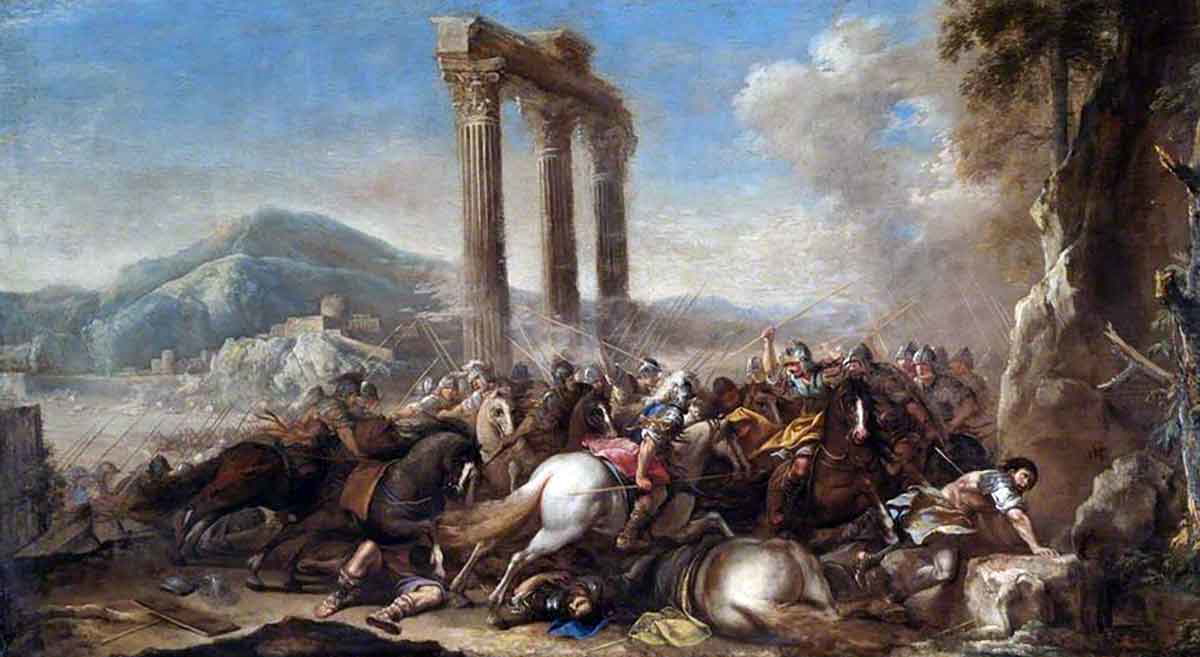
The image painted by this incident is one of unchecked suspicion, rivalry, sedition, and murder. The way Curtius describes the uncertainty, the different factions of Greeks, shifting loyalties, men murdered at the dinner table, truly encapsulates the madness and confusion of this revolt. By reading the passages of Diodorus and Curtius as one, we can perhaps piece together elements of what occurred in Bactria and Sogdiana at the time.
The initial uprising might indeed have been because the Greeks did not wish to remain where they had been forcibly settled, and news of Alexander’s purported death was enough to incite them to rebellion. The Macedonian contingents are not mentioned at all in this, so we may assume that they either did not partake in the revolt or even suffered because of it. The citadel at Bactra may well have been manned by Macedonian troops who were slaughtered by the seditious Greeks.
Soon after this, the Greeks fell into infighting. This was potentially because of disagreements as to who would lead them, as seen in the Athenodoros-Biton rivalry. Curtius (9.7.1) claims that they revolted out of fear of punishment by Alexander. Therefore, another factor behind all of the confusion might have been that the rebels learned that Alexander was not, in fact, dead, and some of them might have wanted to keep going, while others wished to cease and hope for clemency.
Happily Ever After?
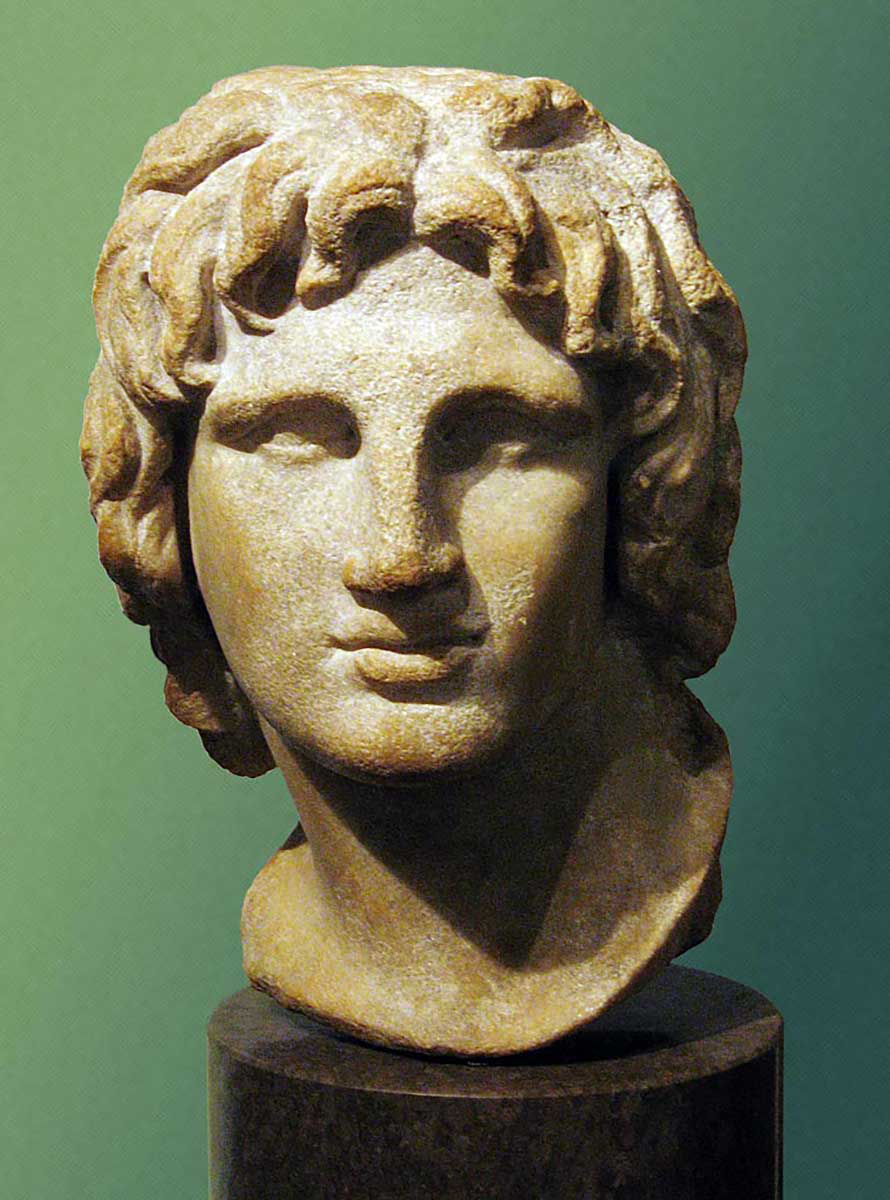
Either way, the presence of Boxus and the mention of the barbarians who were forced to join in show that this was not a purely Greek revolt, and indeed, the natives may have wished to help the Greeks in vacating their lands. At the same time, no explicit reaction is mentioned by Alexander, which might indicate that the rebellion was handled successfully by the local Macedonian satrapal authorities.
As for the fate of the rebels, Curtius’s version is the more optimistic one, having Biton leave Bactria and presumably make it back to Greece, which appears very unlikely, given the distances in question and a rebel army pursued by royal authorities all the way, unless Biton’s band now consisted of a small enough force as to go unnoticed. Diodorus, on the other hand, mentions that they were massacred by the Macedonians after Alexander’s death. This more likely outcome still indicates that the rebels were roaming across Alexander’s empire for two years before they were finally crushed (325-323 BC)!
The Second Revolt
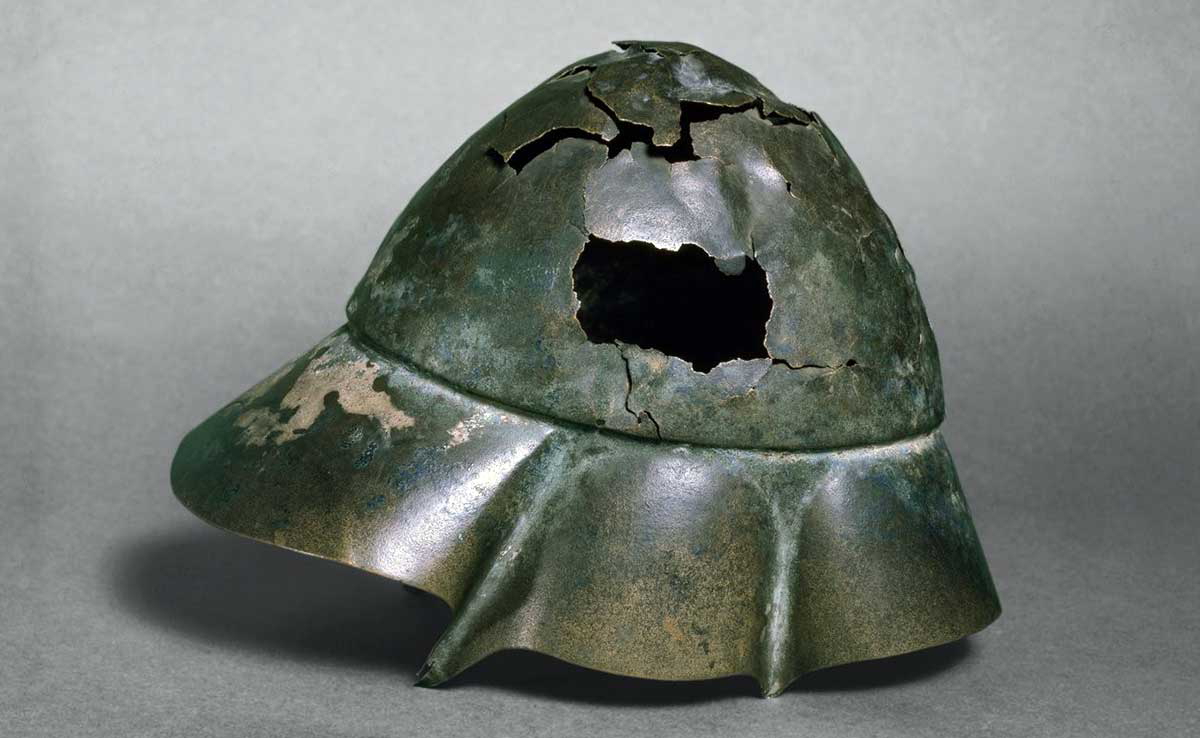
The second uprising of the Greeks in Bactria and Sogdiana, known as the “Upper Satrapies,” happened in 323 BC, when news of Alexander’s actual death in Babylon reached the soldiers settled there. According to Diodorus (18.7.1), “they longed for the Greek customs and manner of life and were cast away in the most distant part of the kingdom, yet submitted while the king was alive through fear; but when he was dead they rose in revolt.” Indeed, on the other side of the world, back in Greece, at around the same time, the southern Greek states also rebelled upon hearing of the Macedonian king’s death, in a conflict known as the Lamian War.
Perhaps in the manner of the previous revolt, certainly well within memory, the Greek rebels in Bactria elected a man by the name of Philon the Aenianian, possibly from the region of Thessaly in Greece, to lead them. They formed an army of 20,000 infantry and 3,000 cavalry, all veterans of multiple campaigns. This, of course, brings us back to the notion that these men were very far from “unfit” for duty but had rather been forcibly kept away from military action, out of suspicion by their commanding authorities. They were now determined to make the long trek back to Greece, and there was no Alexander to stop them.
Perdiccas, the reigning regent in charge of the late Alexander’s empire, dispatched a force of 3,000 Macedonian footmen and 800 riders under the command of Peithon, a man from Alexander’s personal bodyguard. Letters were sent ahead to the various satraps between Babylon and Bactria, ordering them to supply the punitive expedition with reinforcements up to 10,000 infantry and 8,000 cavalry.
An Unsuccessful Successor and the End of the Second Revolt
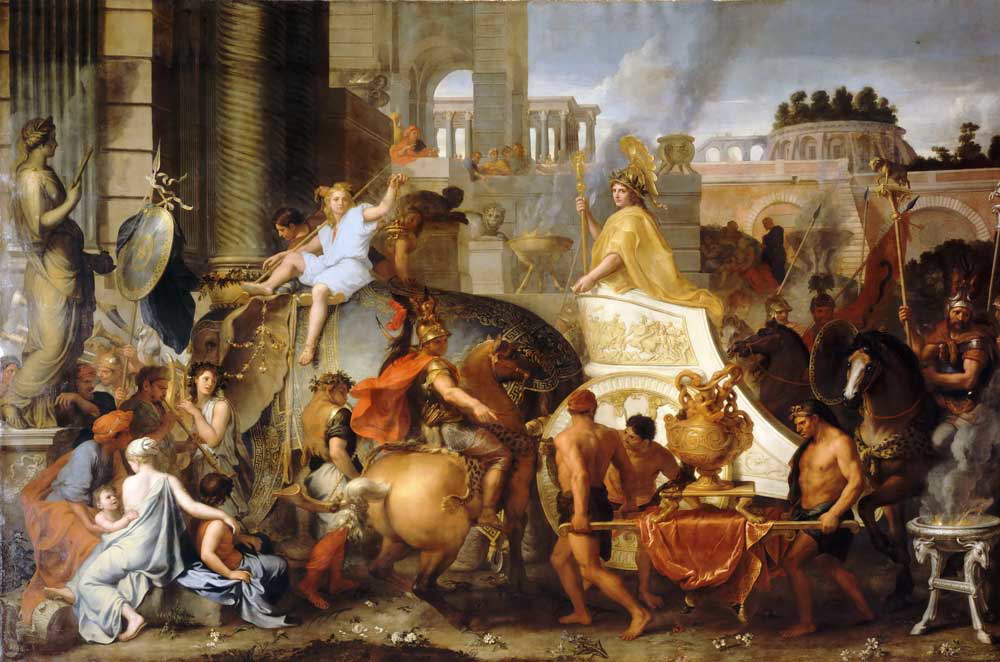
However, this was the dawn of the struggles of Alexander’s successors for his empire, and Peithon was no exception. He never intended to destroy the rebel forces; rather, he aimed to gain their allegiance through gifts and promises and add them to his own armies. The battle-hardened veterans of Bactria would prove an invaluable asset to any man who had set his sights on Alexander’s empire. Suspecting exactly this, Perdiccas gave him explicit orders to kill all of the rebels and distribute the spoils to his soldiers. This created the conditions for the tragic outcome of the second revolt.
When faced with the rebel army, Peithon bribed a section of it, approximately 3,000 men, to withdraw when the battle started, and upon doing so, caused panic and confusion among the remaining forces. Thus, he easily defeated them and, following his own ambitions, asked them to lay down their arms and allowed them to return to the colonies where they had been settled, giving them pledges of security. Peithon’s Macedonian troops, however, remembered Perdiccas’s orders and disobeyed their commander, pursuing the pacified rebels and slaughtering all of them. With his machinations thwarted, Peithon returned to Perdiccas.
In the end, we can see that resistance to the Alexandrian imperial project, during the life and after the death of its chief architect, came from within as well as without. People were moved around like pawns on a chessboard and forcibly settled in regions far away from their homelands, among foreigners who resented them, for reasons of strategy and resource control. Far from a consensus, very often instability, sedition, and rebellion characterized this new world that Alexander sought to build.
Bibliography
Arrian, Alexander’s Anabasis.
Diodorus Siculus, Library of History.
Quintus Curtius, History of Alexander.
Holt, F. L., Alexander the Great and Bactria. The Formation of a Greek Frontier in Central Asia, (Leiden, 1988).
Iliakis, M., “Greek mercenary revolts in Bactria: A re-appraisal,” Historia: Zeitschrift für Alte Geschichte, (2013), pp. 182-195.