
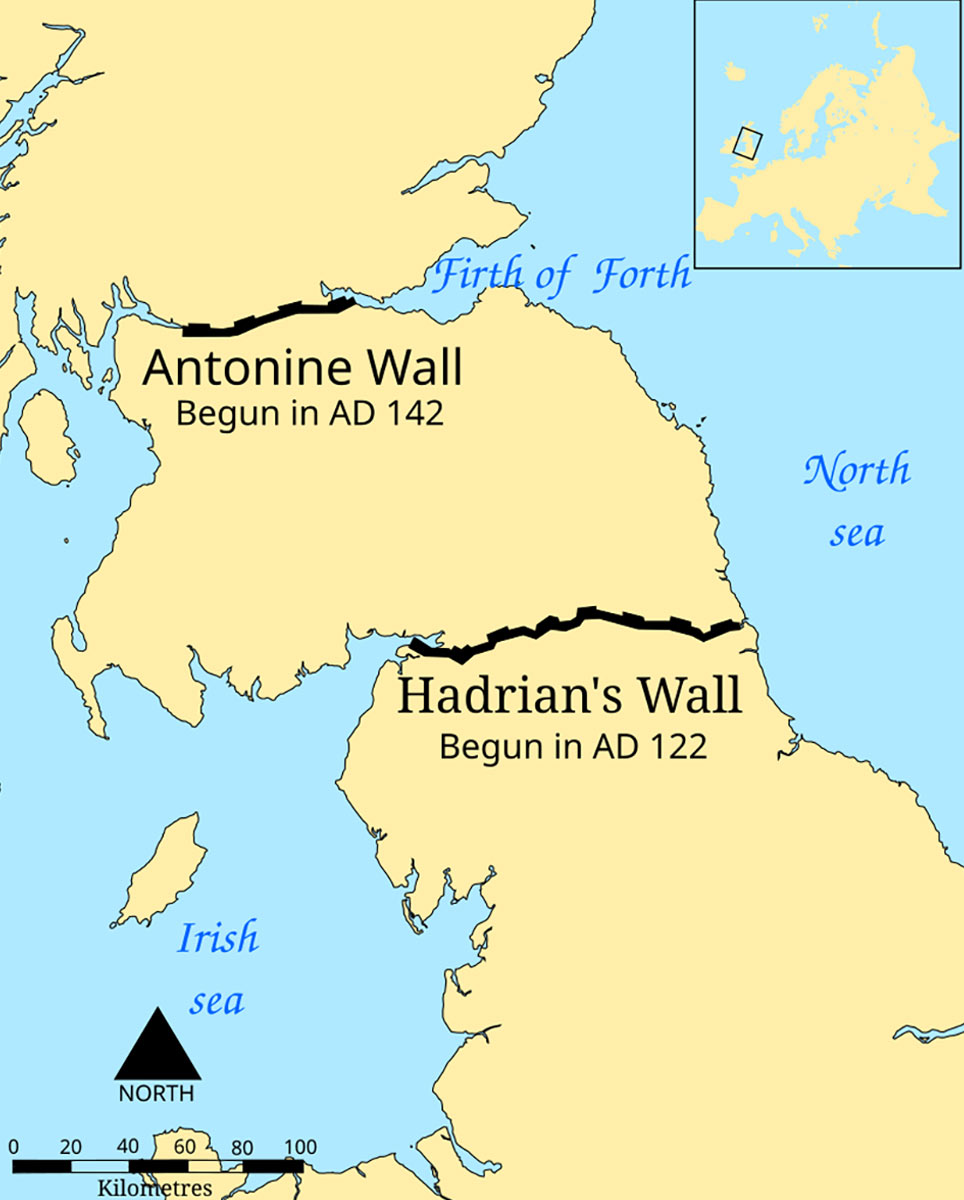
Famously, Hadrian’s Wall was constructed by the Romans and stretched from one side of Britain to the other, marking the furthest limit of Roman territory. But it is not true that they never ventured further north, as evidenced by the remains of another great Roman wall. The Antonine Wall, mostly forgotten today, marked another attempt by the Romans to create a frontier between Roman Britain and the unconquered “barbarian” regions.
What Is the Antonine Wall?
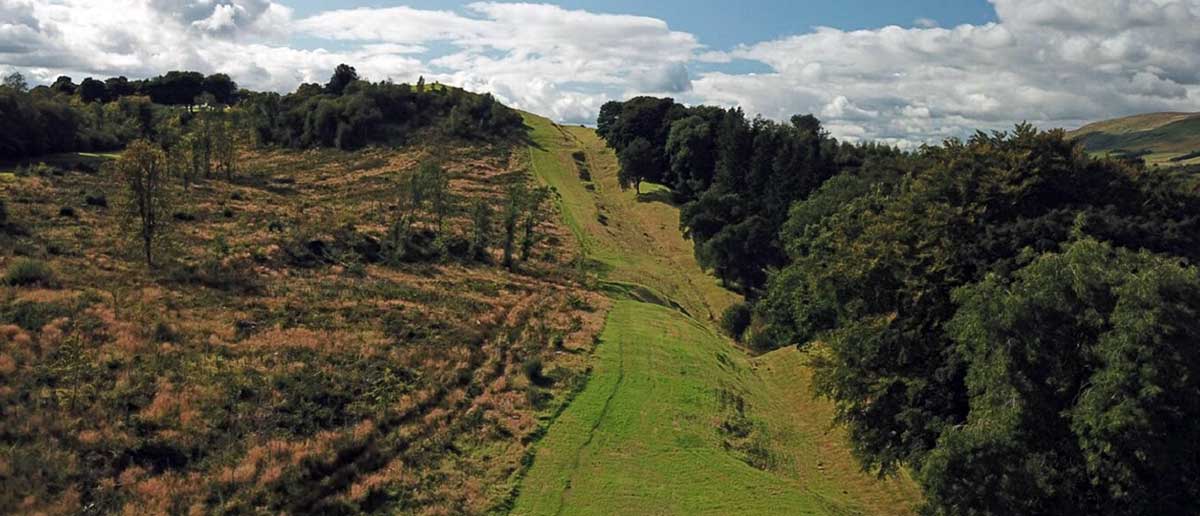
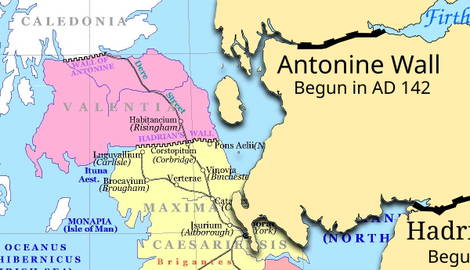
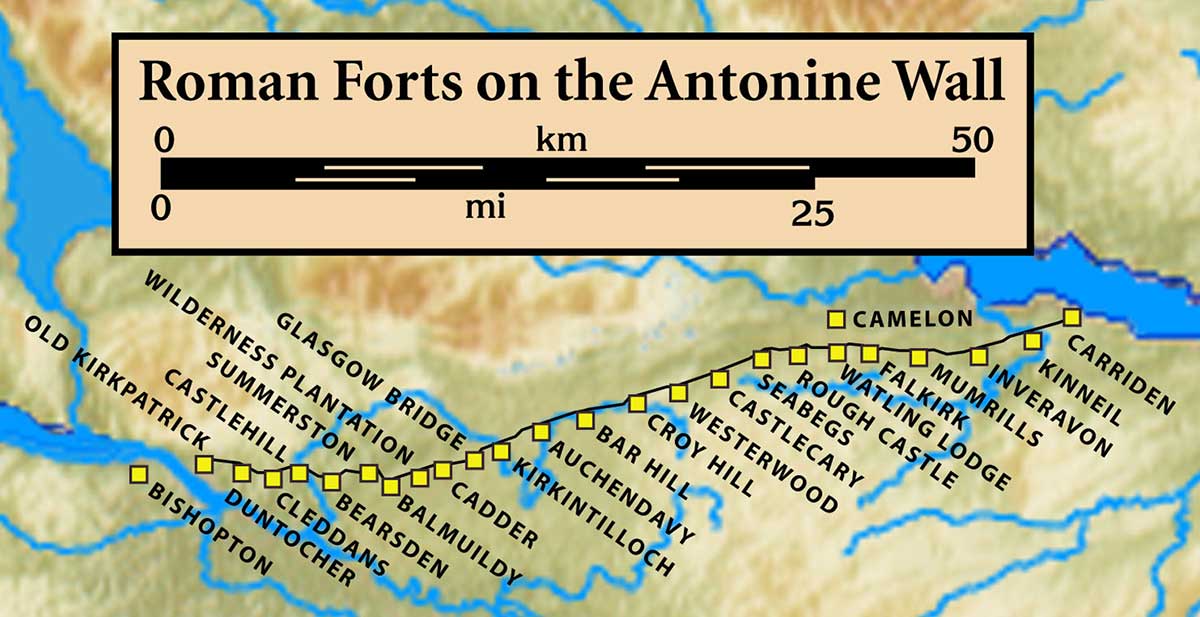
The Antonine Wall is a defensive frontier constructed by the Romans at the northernmost part of their territory in Britain. Unlike the more famous Hadrian’s Wall, it was not maintained for long before being abandoned, nor was it a proper stone structure. It stretched some 37 miles from the Firth of Forth in the east to the Firth of Clyde in the west. Along this wall, there were at least 16 forts. Between these forts, archaeologists have found various fortlets, or smaller defensive outposts.
The Romans also constructed a road running down the length of the wall, known as the Military Way. This allowed for quick and easy transport from one part of the wall to another. In other words, this was a very well-defended frontier. We can clearly perceive the effort that the Romans went to in making sure that they were able to maintain control over the border.
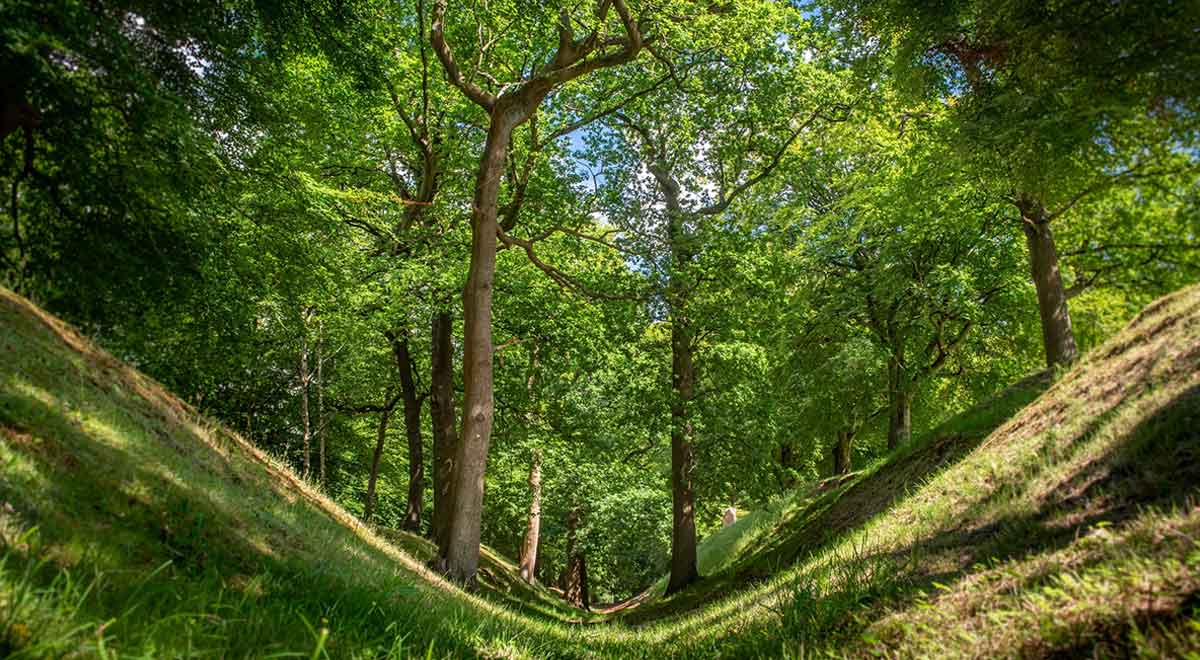
What was the wall itself like? It was not a massive stone construction like Hadrian’s Wall to the south. Rather, it was primarily a turf fortification, made of heaped earth and likely with a wooden palisade on top. Furthermore, it was built on top of a stone base to provide a firm foundation for the entire fortification. Archaeologists believe that the wall may have been as much as 3 meters, or 10 feet, in height. Additionally, the Antonine Wall had a deep ditch in front of it, on the north side, to provide added defense against any potential attackers.
Background to Its Construction
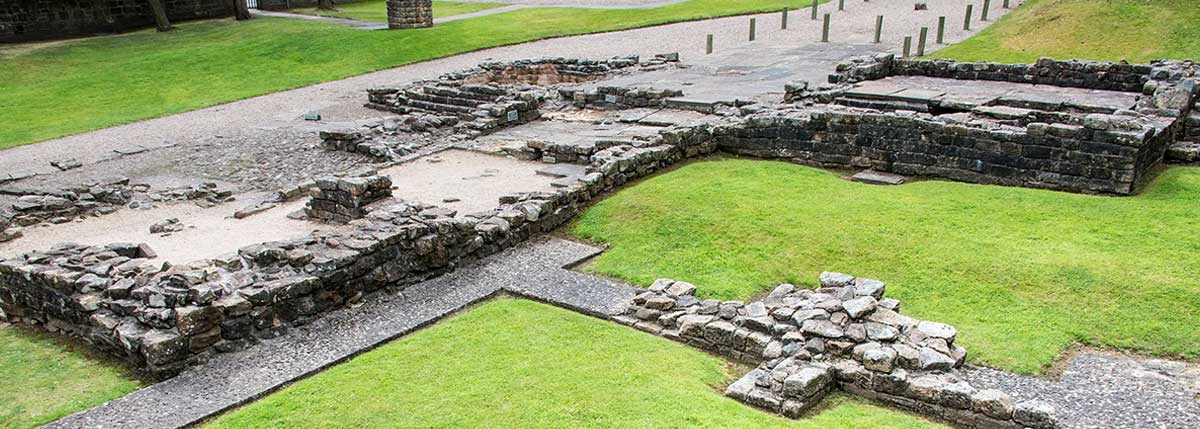
What was the background to the construction of the Antonine Wall? The origins of the fortifications, which later became part of the Antonine Wall, go back further than one might expect. In the first century AD, in the 80s under Domitian, Julius Agricola engaged in military campaigns in Scotland. During these campaigns, the Romans constructed several forts in the area between the Firth of Forth and the River Clyde. Some of these forts would later go on to be incorporated into the line of forts defending the Antonine Wall. However, this would not occur until the following century. Very soon after Agricola’s conquests, the Romans mostly withdrew from Scotland, as their military resources were needed elsewhere in the Empire.
In the year AD 122, Emperor Hadrian had ordered the construction of a defensive wall to serve as the border between Roman Britain and the unconquered part of the island. This would defend the Roman territory from attacks from hostile tribes to the north. The construction of this wall took about six years, being completed in about AD 128. The Romans successfully maintained a presence right up to that newly constructed fortification, with various forts all along it to maintain control.
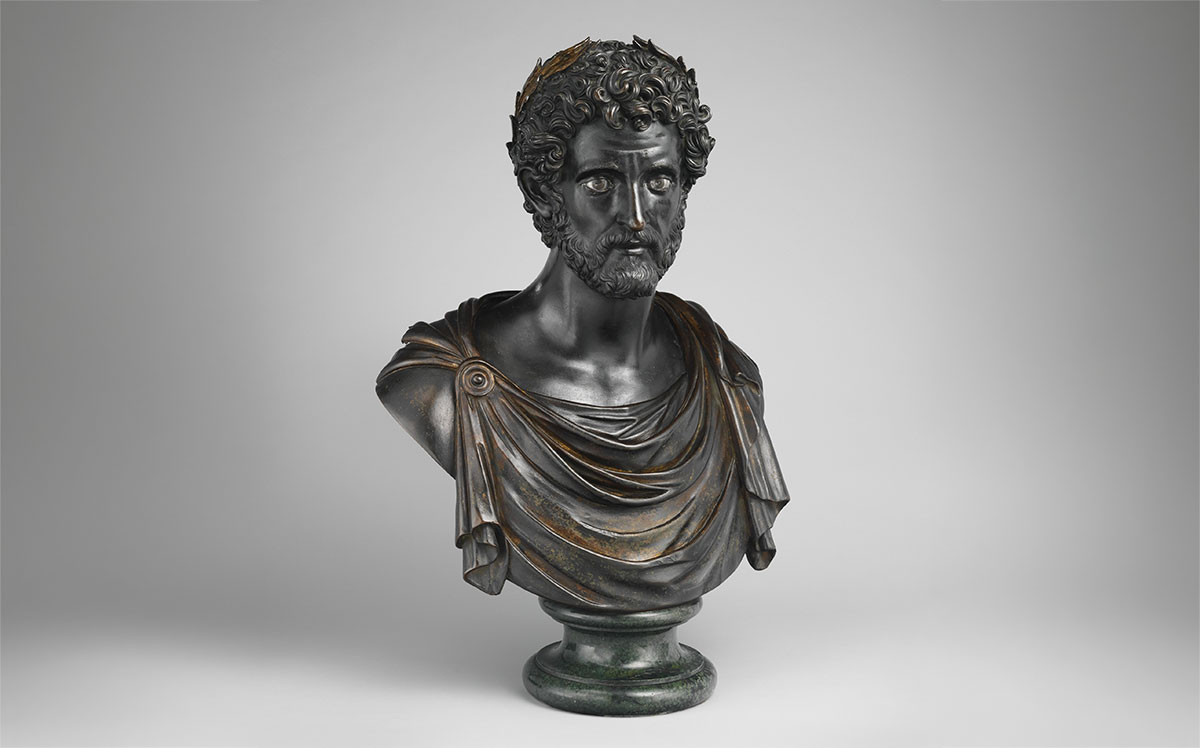
Hadrian died in the year AD 138. By that time, the large wall that he had constructed was still the northernmost frontier of the Empire. He was succeeded by Antoninus Pius. Shortly after becoming emperor, Antoninus decided to campaign in Scotland, though the exact reason is unknown. Unfortunately, very little contemporary information survives about this emperor, despite his relatively lengthy reign of 23 years.
It is entirely possible that Antoninus wanted to secure some glorious military victory early in his reign. Certainly, the construction of a new frontier would have been an impressive achievement to boost his reputation.
The Construction of the Antonine Wall
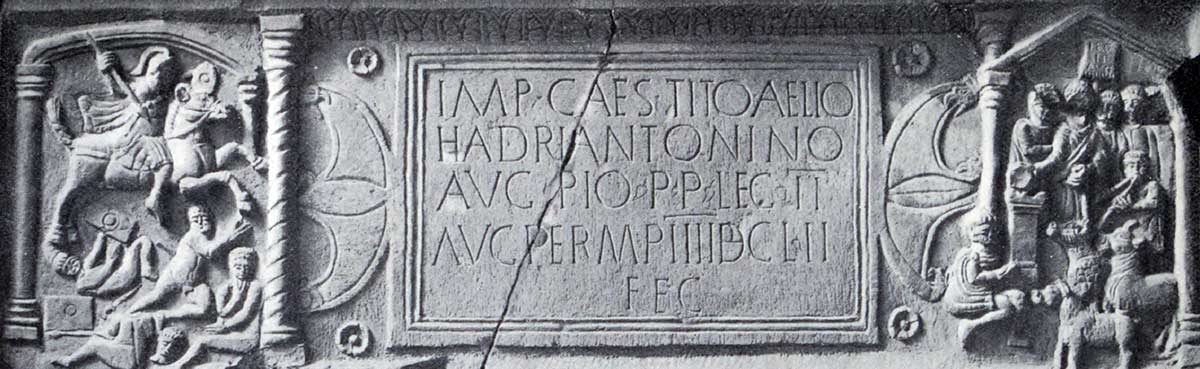
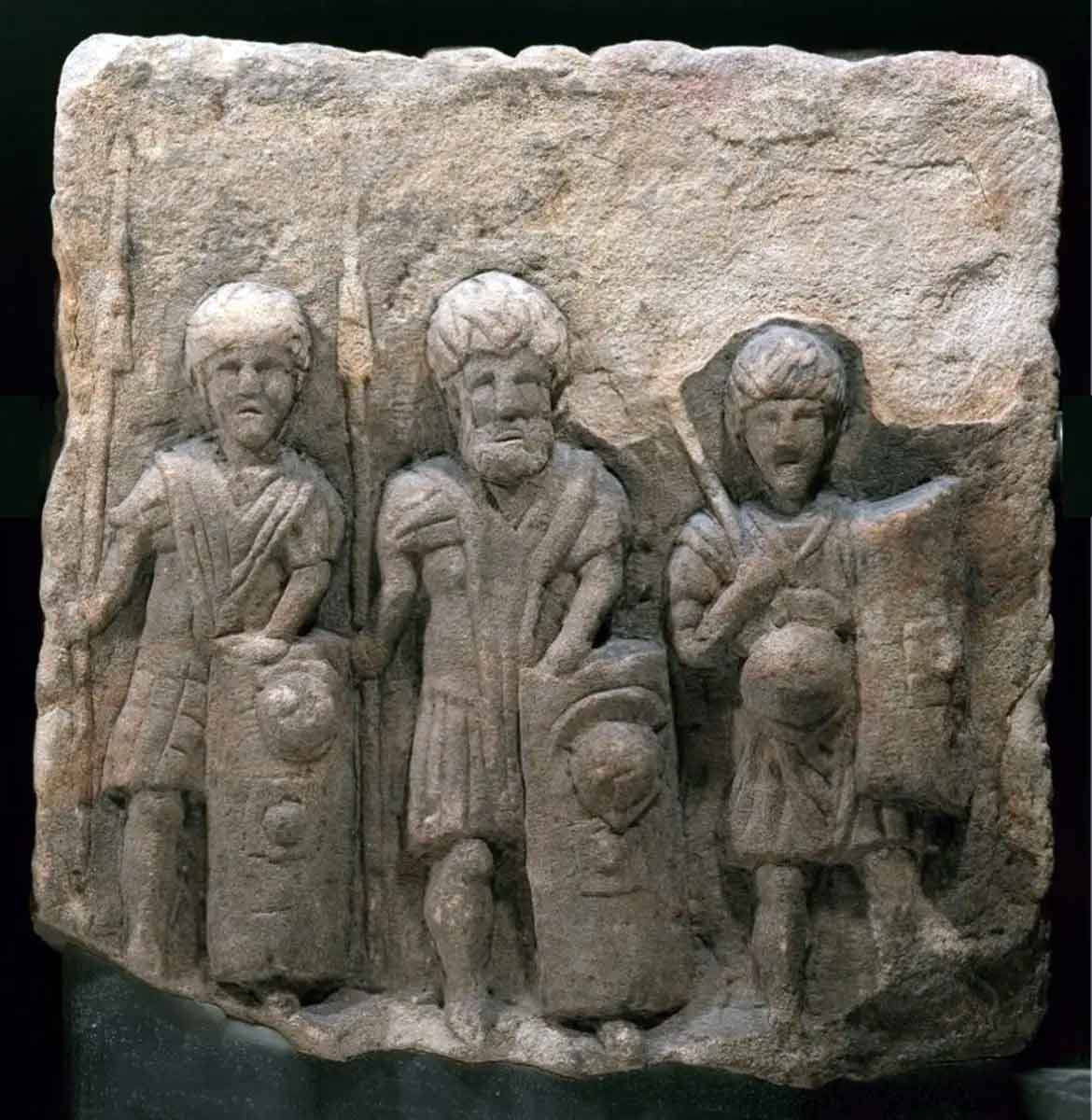
In the year AD 142, Antoninus began the construction of the Antonine Wall. Legionaries from three legions were involved in its construction. These were Legions II, VI, and XX. It is believed that around 7,000 men worked on the extensive project. As they worked, they created various distance slabs to record their progress. These distance slabs contain information about the length of the section that had just been constructed, as well as depictions of military campaigns against the northern tribes.
After constructing the stone base mentioned earlier, which provided the structure with stability, some twenty layers of turf were placed on top of it. One section of the wall, near the eastern end, was built somewhat differently. It was constructed out of earth and clay, the reason probably being that there was not enough good-quality turf available in the local area. Along the top of the Antonine Wall, as well as a wooden palisade, there may well have been a wooden walkway.
Historians do not know exactly how long it took to build the Antonine Wall. It is thought that it probably took approximately ten years to complete, even though the evidence suggests that it could have easily taken much less time than that.
Why Did the Romans Abandon It?
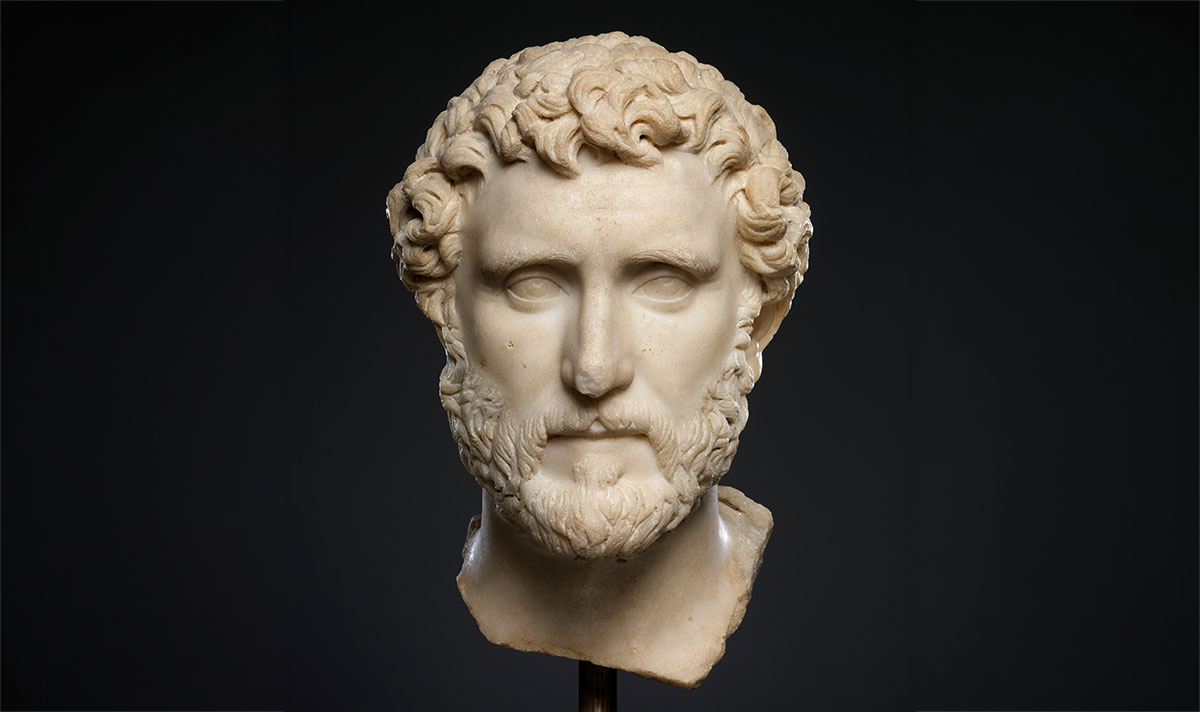
Unlike Hadrian’s Wall, the Antonine Wall was not maintained for very long. In fact, it was abandoned shortly after the death of the emperor who had ordered its construction. Antoninus Pius died in the year 161, and then just a few years later, in about 165, the Antonine Wall was abandoned. In fact, the Romans did more than just abandon it. It appears that they intentionally destroyed some or all of the forts that made up that defensive frontier. With this, they withdrew to Hadrian’s Wall further south and stayed there. Therefore, that wall returned to being the northern frontier of Roman Britain.
At first, it might seem strange that the Romans abandoned the Antonine Wall in favor of Hadrian’s Wall. After all, the Antonine Wall is considerably shorter. Thus, it seems more easily defendable, requiring less manpower to guard its length. However, when we compare the two walls themselves, it is clear that Hadrian’s Wall is the superior construction. This large and intimidating stone wall served as a much more effective protection against attacks than the turf-built Antonine Wall.
Furthermore, the tribes in this more northerly region seem to have been even more aggressive against the Romans than those further south, who were already difficult enough to keep under control. Additionally, the area between Hadrian’s Wall and the Antonine Wall was not a very productive or valuable piece of territory. Therefore, although we do not know the exact reasons why the Romans abandoned it, we can see that there are several plausible explanations.
Lasting Impact of the Antonine Wall
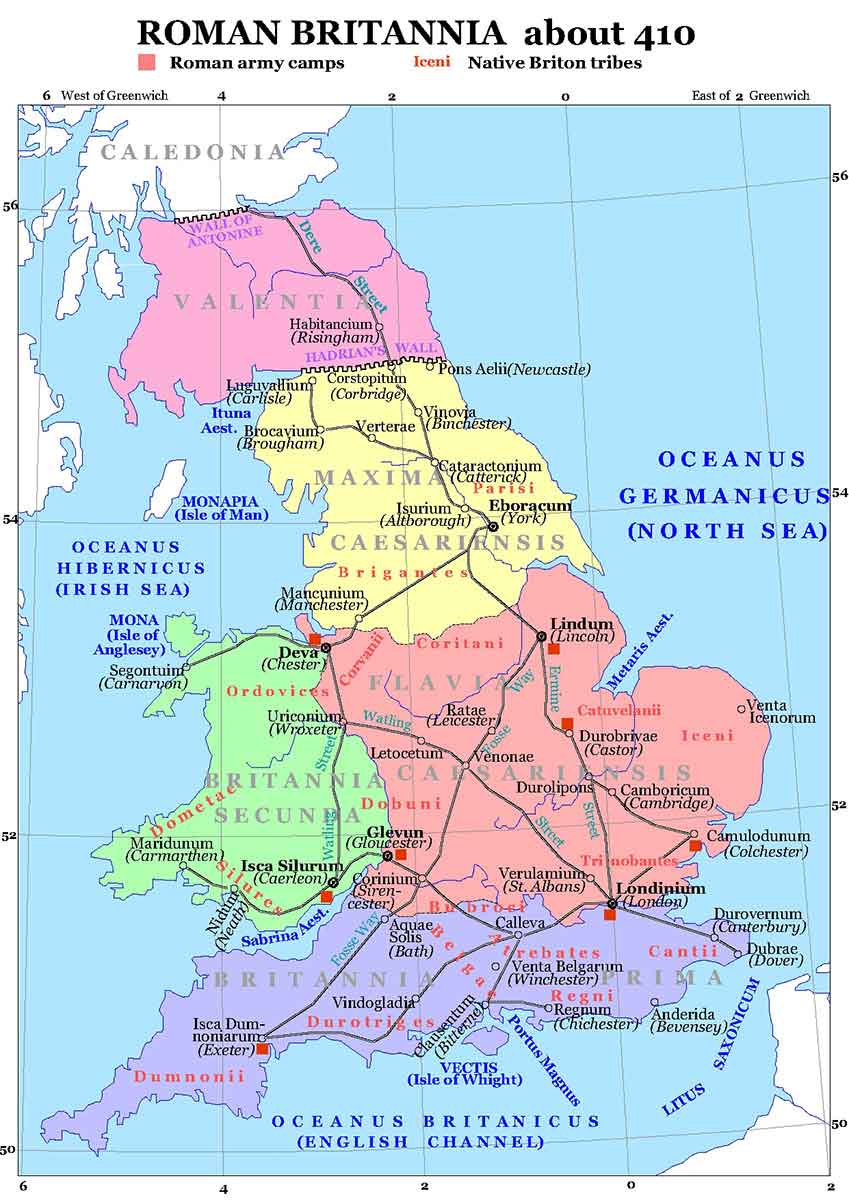
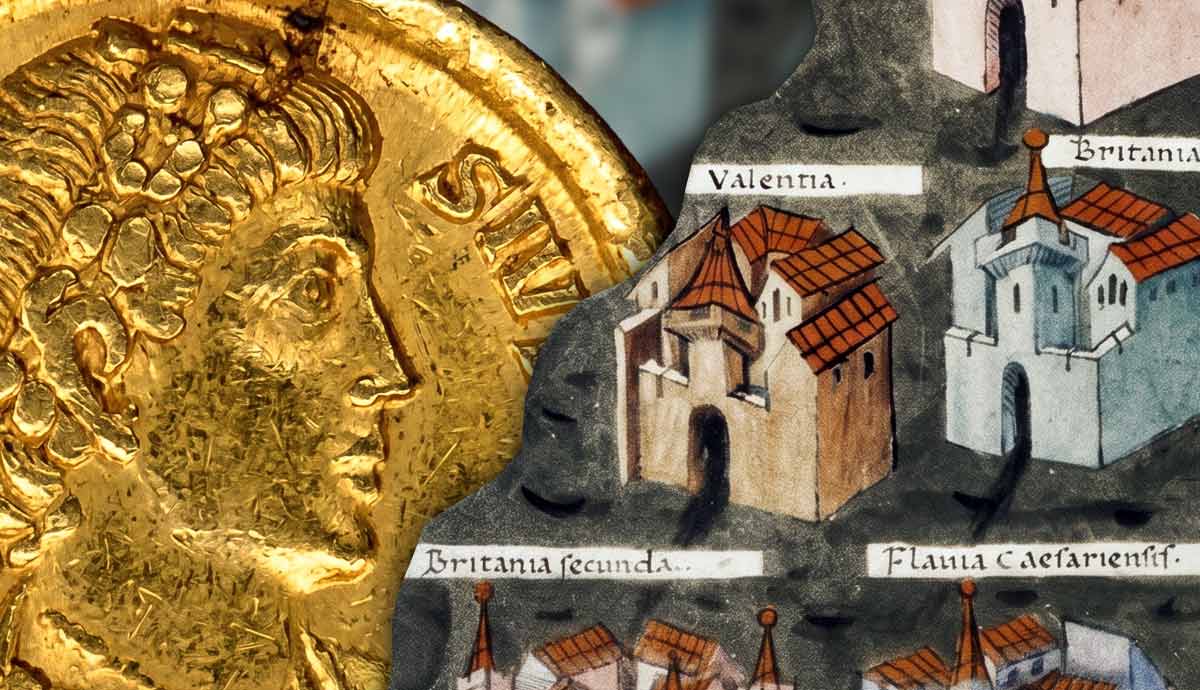
Although the Romans did not maintain a permanent presence at the Antonine Wall after this period, that does not necessarily mean that it was entirely forgotten. In fact, there is speculation that it may have continued to serve as the frontier of Roman Britain in some later periods. For instance, there is a late Roman document that refers to five provinces of Britain. One of them is called the province of Valentia. The reason this is so interesting is that all the other provinces mentioned in this document are already known and identified, and they seem to make up the totality of Roman Britain when we view Hadrian’s Wall as its frontier. Hence, we are left with the question of where the province of Valentia was.
There are several different ideas about this. One of them is that an existing province was renamed. However, another idea is that Valentia was the name given to the region between Hadrian’s Wall and the Antonine Wall. If the Romans gave this region a name, viewing it as a province, then they evidently considered it to be part of their territory. In other words, this would mean that they still held the Antonine Wall to be the frontier of Roman Britain.
Of course, this is just one possible explanation of the evidence. Not all scholars believe that the province of Valentia refers to this region between Hadrian’s Wall and the Antonine Wall. Nevertheless, it is a distinct possibility. However, even if this were the case, there is no evidence that the Romans actually held power as far north as the Antonine Wall. Their control over it would likely have been far weaker than it was over the more southerly territories.
What We Know About the Antonine Wall
In conclusion, what do we really know about the Antonine Wall? We know much less about it than we do about Hadrian’s Wall. The latter is mentioned in several ancient texts and has several centuries of artefacts and inscriptions revealing its history. The Antonine Wall, in contrast, appears in just a single ancient document and was only maintained for some twenty years. It is also much less obvious on the landscape, given its construction primarily of dirt rather than stone.
Yet, despite the general obscurity with which the Antonine Wall is shrouded, we do know a fair bit about it. It was constructed under the orders of Emperor Antoninus Pius in about AD 142, after a successful campaign into Scotland. The Romans built it to establish a more northerly frontier to their Empire. The wall was constructed by legionaries from three legions over the course of about ten years. They laid down a stone base at first, and then covered it with about twenty layers of turf. They also built forts and a road along the length of the fortification, as well as a ditch in front of it.
Despite not being maintained for long, the presence of this northerly frontier may well have had a lasting impact. Although not all scholars agree, the province of Valentia could very well have been the territory between Hadrian’s Wall and the Antonine Wall.