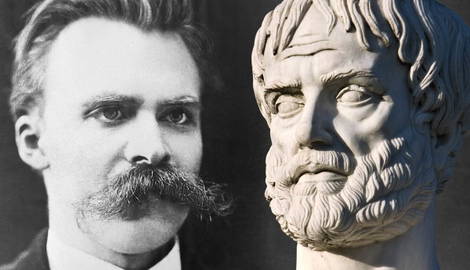

Philosophers hardly ever meet over centuries. But their ideas do sometimes bump into each other like people arguing in the same room. And the conversation between Aristotle and Friedrich Nietzsche would definitely not have been quiet. Aristotle believed that humans need to follow the laws of nature, act on their reasoning faculties, and be virtuous while being part of society. On the other hand, Nietzsche was taken with intensity. Aristotle developed a theory of balance, whereas Nietzsche developed one of disturbance.
Aristotle’s World: Balance, Virtue, and Stability
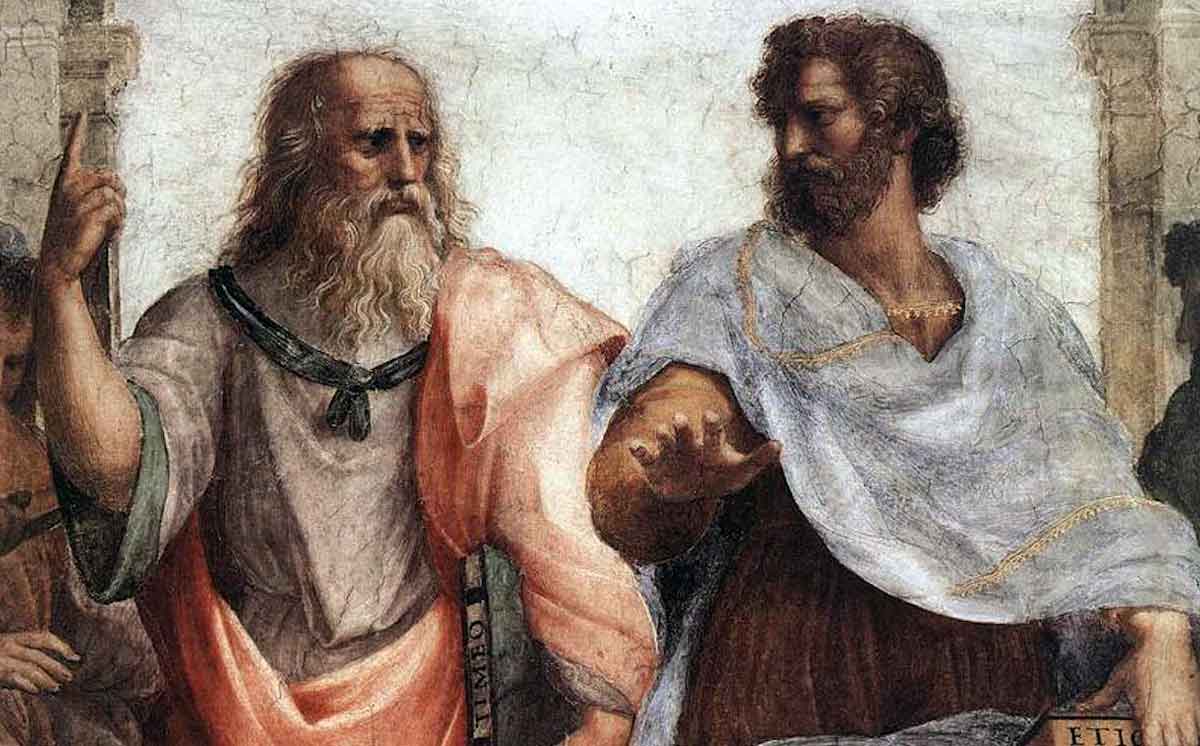
In the opinion of Aristotle, Nietzsche would be seen as risky; a person destroying moral bases and advising individuals to overcome common values and rules. But from the standpoint of Nietzsche, Aristotle would be viewed as hesitant and traditional, an expert who did his utmost in keeping things stable. It is not only an intellectual argument but also a clash of two views of how human beings should turn out.
Aristotle thought that a good life depended on virtue, and he defined virtue as being in the middle. Courage falls between recklessness and cowardice, and generosity falls between being wasteful and being stingy; virtue always finds the middle ground, which he referred to as the “golden mean.” Also, he considered man to be a social creature and stated that people can grow well within community surroundings. The regulations, education system, and a common set of rules and values mold good character traits. A stable and strong society implies a balanced human soul.
The great philosopher claimed that virtues are not created through our personal choices. Morality is not invented by people. They grow out of human nature and social life. Good habits can only be achieved over a period of time, which leads to a stable self as well as good character in the long run.
If Aristotle had read some of Nietzsche’s works, then he would have worried himself sick. In his own opinion, Nietzsche did not commend anything to do with moderation or harmony among individuals in society; instead, he questioned morality based on old customs. This looked too alarming to Aristotle.
An absence of universally accepted virtues in a society might lead it to fall apart. And the reason for this is that Aristotle loved and cherished order so much.
Nietzsche’s Challenge: Break the Herd Morality
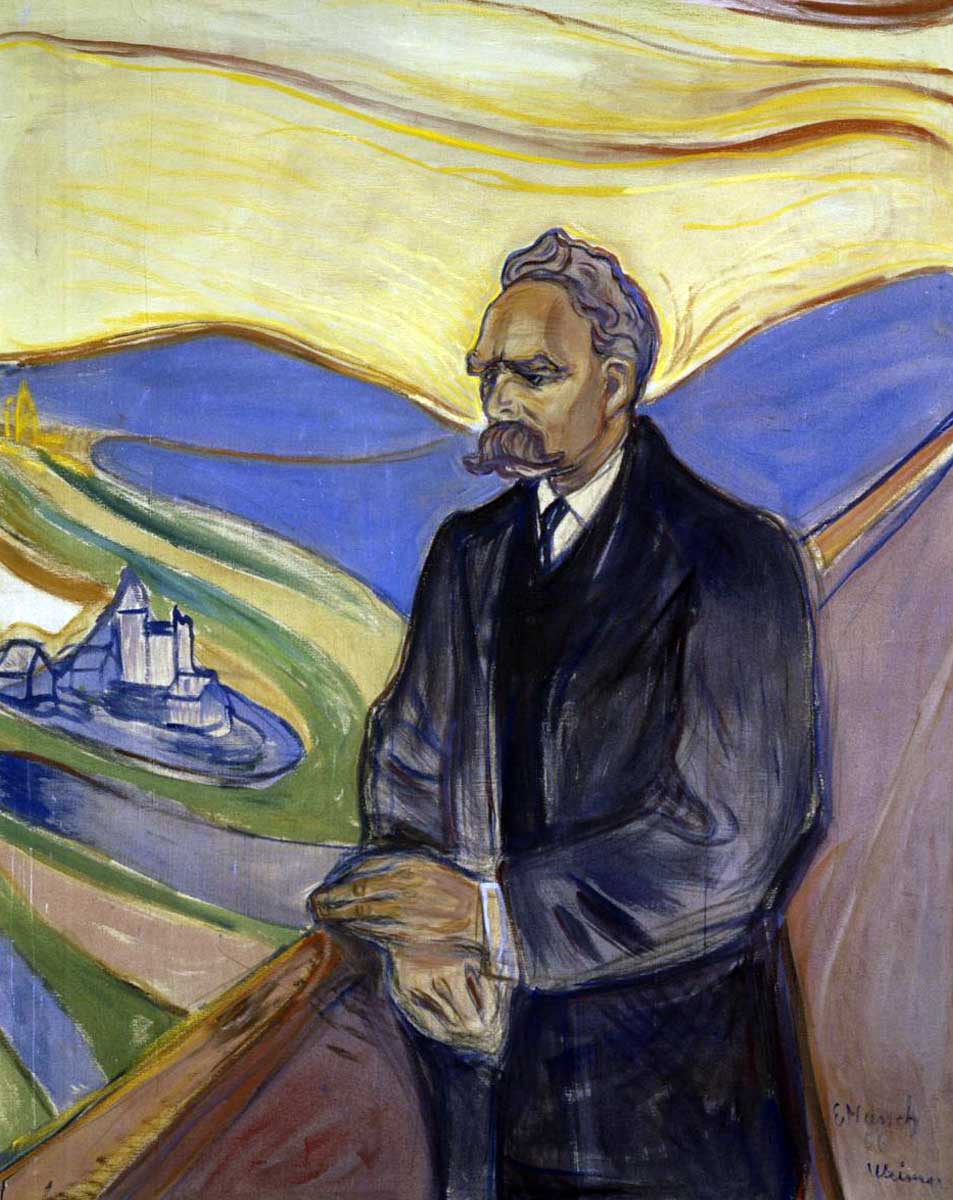
For Nietzsche, morality is largely a product of human weakness. He argued that traditional moral systems are designed to protect the vulnerable while acting as a restraint on the powerful. Nietzsche even came up with a specific term to support this idea: “herd morality.” Our society teaches us to be moderate, humble, and obedient. You may say that it is OK, they do it because these are good things. But, in reality, when people are moderate and humble, it is quite easier to control them.
The great philosopher admired those who created their own values. He even spoke about them as about the “overman.” Simply, for him, it was a person who could shape meaning with their inner strength and creativity.
To Aristotle, this idea would appear to be dangerous. He was the one who believed that virtues are not created or invented. They are found and discovered. And human nature and reason are the main sources of our virtues. But Nietzsche believed people should go beyond inherited rules. He even once stated that we must sometimes create our inner chaos to give birth to our dancing stars.
Aristotle could view this idea as taking uncontrolled action. Too much chaos results in the disturbance of order. And excessive self-assertion has negative effects on the community. But Nietzsche would not apologize for such behavior. He believed growth requires breaking all the limits.
Virtue vs. Will to Power
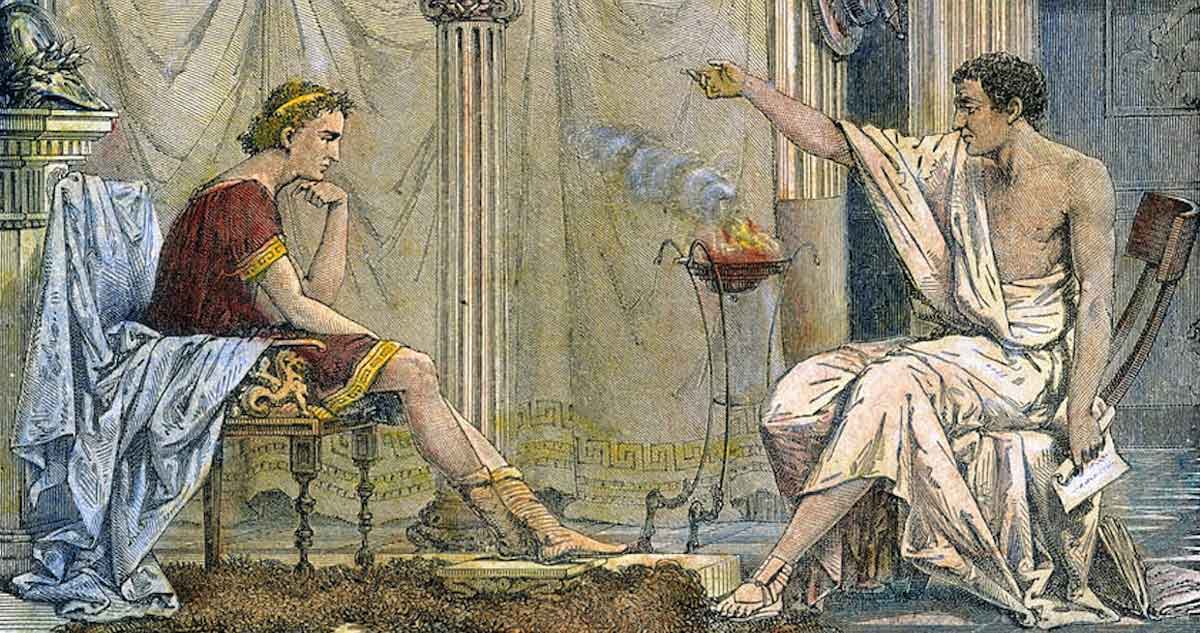
At the center of their debate are two different views on what energizes the human being. Aristotle saw man striving to bloom with the aid of intelligence. We all strive to progress at an even pace. Happiness is achievable through virtue.
On the other hand, Friedrich Nietzsche thought humans were pushed by the “will to power.” This is a very powerful inner drive that pushes us forward to achieve success, break barriers, and overcome them. To Aristotle, it was ideal for a human being to control his feelings using intellect. To Nietzsche, however, it should be possible to transform one’s feelings into strong positive aspects of oneself.
Conceive of a young emerging artist. Aristotle would tell him about discipline, balance, and gradual progress, which follow societal orders. However, Nietzsche might encourage him or her to take high risks, have rebellious stances, and also express himself or herself fearlessly and without any concern for societal expectations.
Because of this, Aristotle might see Nietzsche as too risky a proposition. Philosophy that tells people to turn against collective norms could end up endangering social order. It would be argued by Nietzsche that society, at times, requires some turmoil.
Community vs. the Exceptional Individual
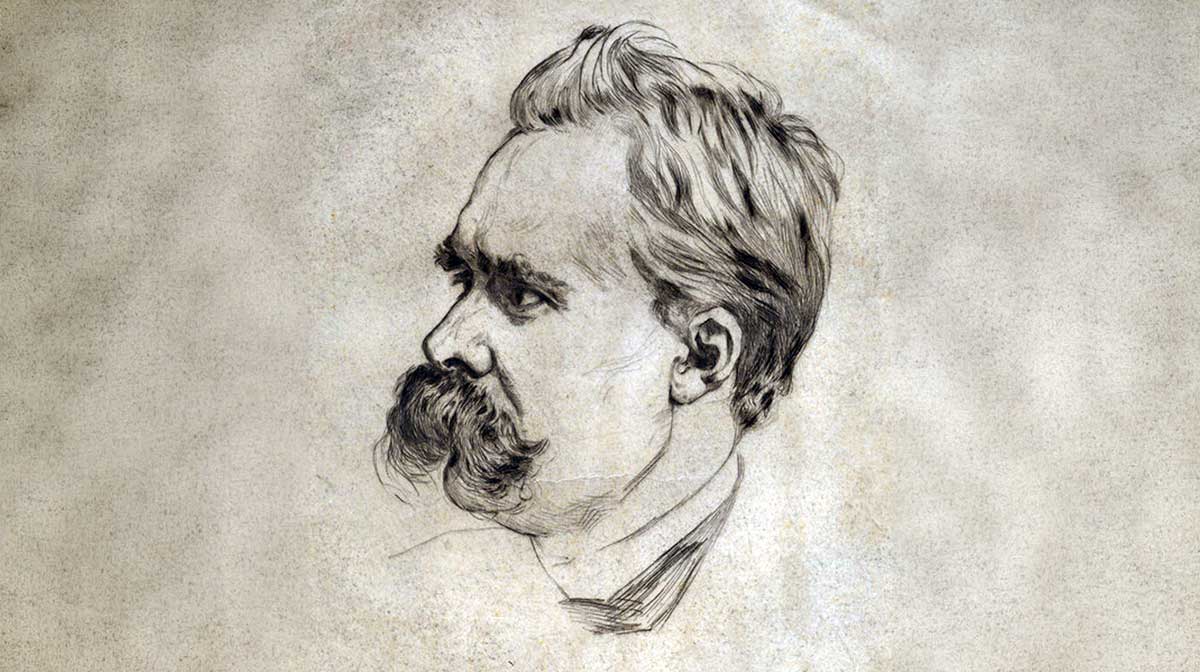
Aristotle’s ethics are deeply intertwined with politics. To him, the city is established for man so that they can lead a prosperous life. Education and law point the direction towards a virtuous citizenry. In his sight, the good life cannot be led by an individual alone. It needs the elements of friendship, cooperation, and common ethos among members of society. However, Nietzsche was wary about focusing on society. He believed that unique and talented individuals usually differ from society. The creative minds, inventors, and intellectuals might have the need to isolate themselves from the rest of society. He greatly cherished personalities who overstepped the limits of normalcy in changing the culture around them.
To Aristotle, this individualism poses sociological issues for the unity of society. If all individuals attempt to develop their own moral code, what binds the society? On the contrary, Nietzsche thought that if there were too much unity, then we would be mediocre. Societies that value being comfortable at the expense of being greater than others suppress excellence. Here, the opposition becomes apparent. Aristotle advocates for stability. Nietzsche champions change. One values continuity. The other admires breakthroughs.
Why Aristotle Would Worry
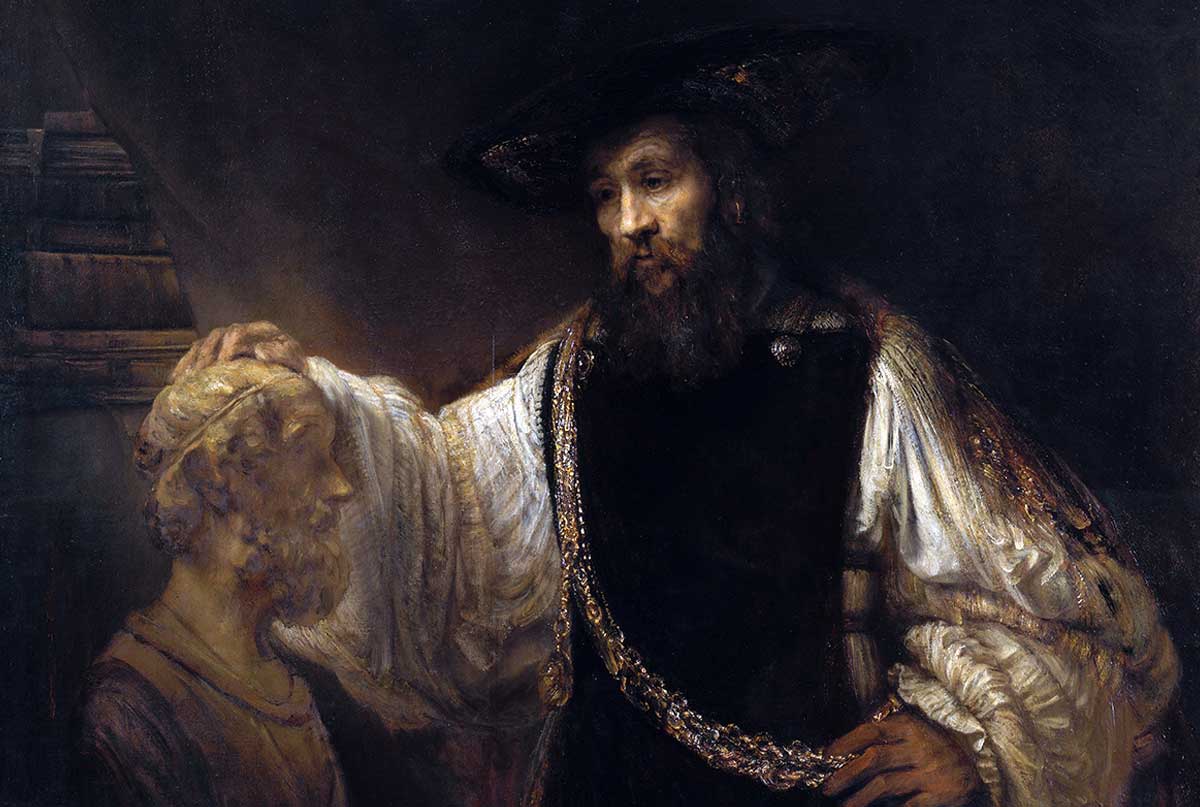
Aristotle could suggest that Nietzsche sees human weakness as less than it really is. Not every person can create value responsibly. In the absence of widely accepted values, some individuals are likely to defend their selfishness and cruelty. History has shown us that extreme ideas can be used for wrong purposes. Aristotle would claim that ethics were meant to help out the majority in steady progress and not urge them to become heroic creators by themselves.
He could also say that the philosophy of Nietzsche gives rise to an opinion where ambition turns into arrogance and where strength results in domination. To Aristotle, moderation was fundamental in building virtues. Even courage had to be controlled. Overabundance of bravery just turns out to be impulsive.
However, Nietzsche was more often daring enough. Danger was part and parcel of his view on growth. And he thought comfort produced stagnation. Aristotle would then have asked, “At what expense?” Nietzsche’s response would be that, without taking such risks, there will never be any heroism.
Why Nietzsche Wouldn’t Care
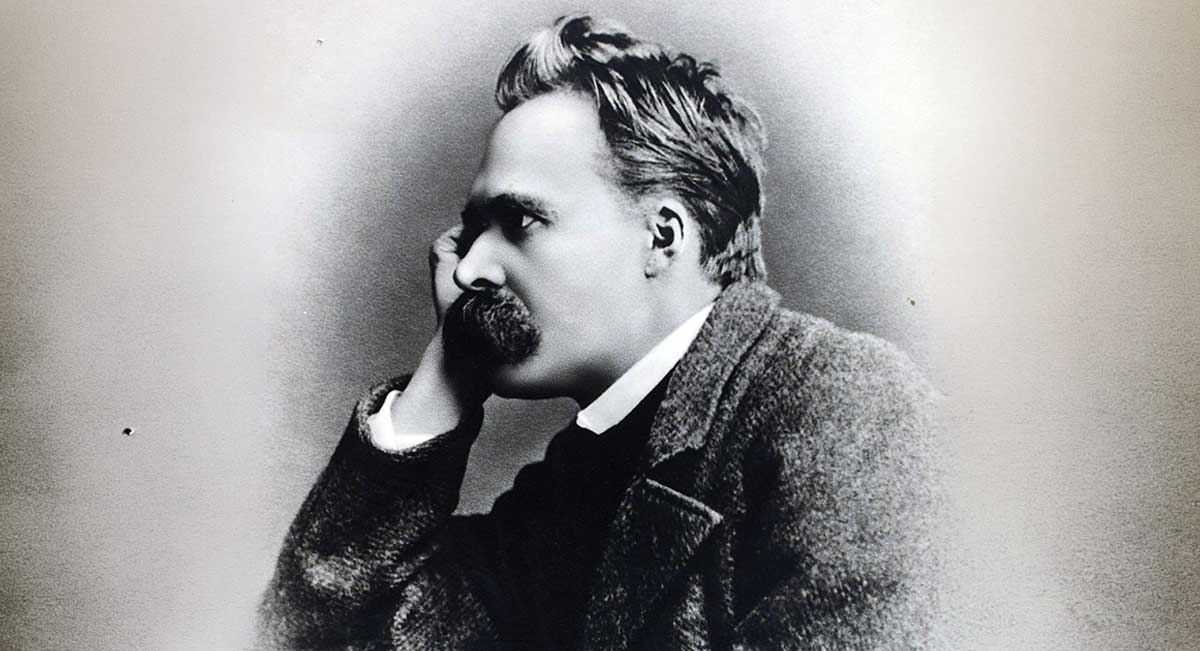
If Aristotle said Nietzsche was dangerous, he would probably just smile. The goal of the philosopher was not to give society a soft word. On the other hand, he aimed at changing it. To him, most of the set rules of morality stifled human energy.
The followers of Nietzsche did not have to be numerous since his philosophy was directed at individuals who were courageous enough to question their beliefs and knowledge. It can also be argued that Aristotle’s emphasis on maintaining balance protects humanity, but from exceptional development. However, Nietzsche was of the view that although there is danger accompanying such an approach, the chance for human beings to achieve great things is worth it. At some point, Nietzsche stated that one should be ready to be misinterpreted by others. Being described as dangerous could not disturb him because he felt this was evidence of the power of his thoughts.
Aristotle and Nietzsche: What This Clash Teaches Us

The tension between Aristotle and Nietzsche is still alive today. Should we value stability or disruption? Shared morality or personal creation? Balance or intensity? Aristotle calls us back to the importance of community. Character is constructed gradually over time. Shared virtues hold society together.
On the other hand, Nietzsche tells us that the rules can often turn out to be cages. Growth may require breaking away from some established patterns. Perhaps both philosophers are correct in their arguments, but by different means of reasoning.
An excess of order leads to stagnation, while too much opposition results in chaos. The biggest question here is not about the winner of the discussion, but rather about how we integrate these opposing forces into ourselves.
Aristotle suggests cultivating consistent and stable virtues. Nietzsche advises us to muster the courage to become something completely novel. One looks for harmony while the other seeks change and transformation. And between these two perspectives, the contemporary person struggles with both sides’ ideas.