
When Jesus multiplied the fishes and the loaves, he was not just doing another miracle. Christ’s and the disciples’ concern about the crowd’s nutrition highlights the socio-economic context he found himself in, revealing a brutal class divide in Roman Judea. This miracle took on a deeper meaning as the humble lunch of a poor boy brought relief from not only their spiritual, but also their physical hunger.
The Poverty and Hopeful Expectations of First Century Palestine
In the parables of Jesus, he repeatedly opted for metaphors and wording that had to do with nature and farming. That was because the people he was teaching all understood one language: that of agriculture.
Zooming out beyond a Biblical timeline into secular history, these were the days following Alexander the Great. Rome was in power, enforcing strict taxation laws on Jews and other displaced peoples living in the region. Many families were living a hand-to-mouth existence and were forced to give the best of the land (wheat, olive oil, wine) to the ruling empire.
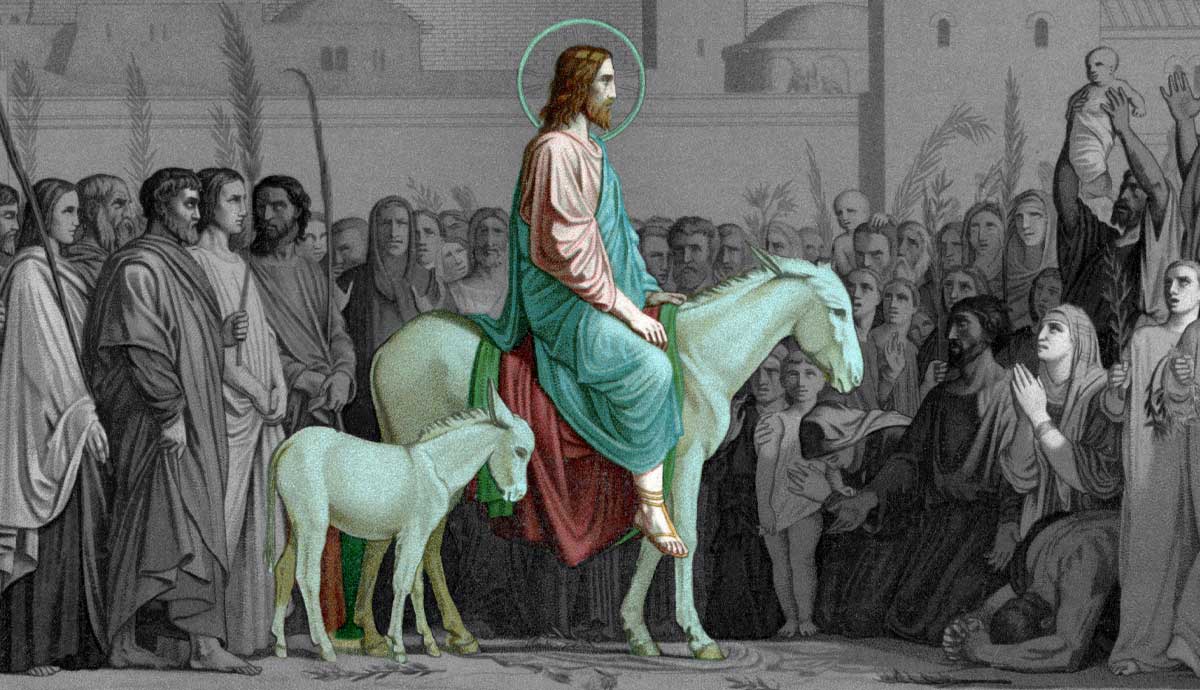
The Jews cried out to their God to send the promised one who would save them from the oppression and suffering they faced, just like they were saved from slavery in Egypt about 1500 years prior. What they prayed for was a mighty warrior king on a stallion, but they got a humble rabbi riding a donkey instead.
Wheat for Elites and Barley for Beasts
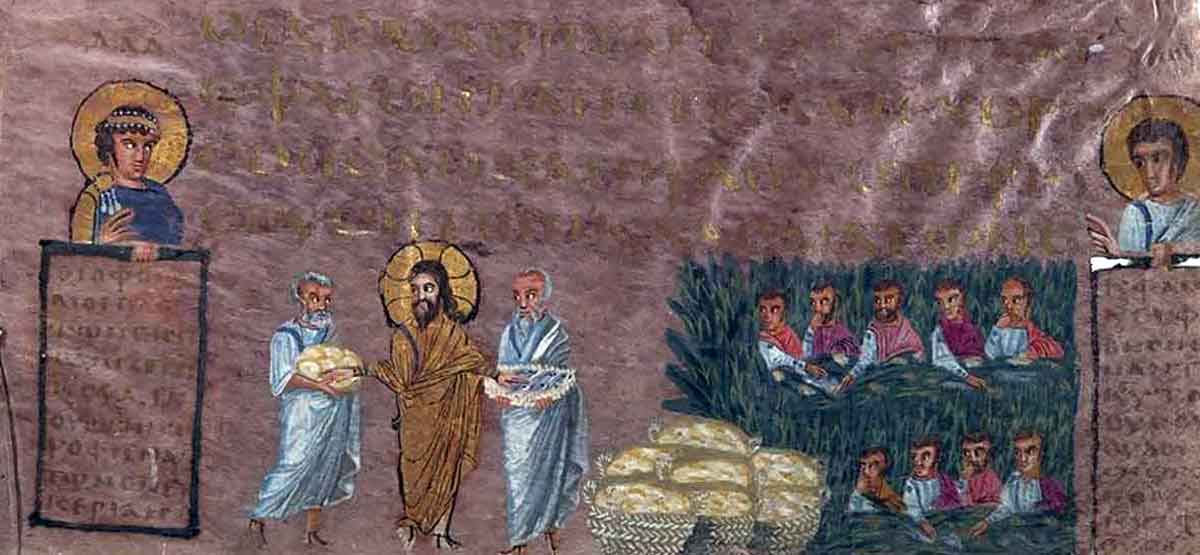
While wheat was seen as a luxury grain, because of its softness and light color, coarse and heavy barley was all that remained for the poor.
“As a foodstuff it [barley] is of somewhat doubtful merit, suited to irrational animals and men in unhappy circumstances.”
– Philo, a Hellenistic Jew and philosopher
In ancient Jewish literature (like what we know as the Old Testament), barley was described as the food of beasts.
- Prophetic imagery: The prophet Elisha compares ‘the finest flour’ directly with barley in 2 Kings 7.
- Book of Hosea: A man has to buy back his wife who turned against him and chose a life of prostitution. In the end, the price Hosea pays to get her back is 15 shekels of silver and some barley (Hosea 3:2).
“Barley bread, which was the ancient foodstuff of the common people, has now been relegated to the use of beasts.”
– Pliny the Elder
How Roman Taxation & Temple Offerings Pushed Local Farmers to the Brink

The severe tax burden on Judean peasants surfaced often in the life and teachings of Jesus: “Is it right for us to pay taxes to Caesar or not?” (Luke 20:22).
Rome imposed land tax (10-20%), poll tax (one annual payment per person), and further indirect tolls. Yet the remainder of their money had to be given to the Temple. The heavy burden of the law of Moses did much more than state that a person must tithe 10% to the “church.” They also had to bring countless other offerings and gifts in order to obtain righteousness before God.
All of this is before wicked religious leaders, like money-loving Pharisees, who twisted the law to get a second 10%, the first fruits of the harvest, and even more. The taxation and offerings took more than 40% of a family’s income, forcing farmers to sell their best crops and subsist on inferior grains like barley.
Social Standing Measured by the Daily Loaf
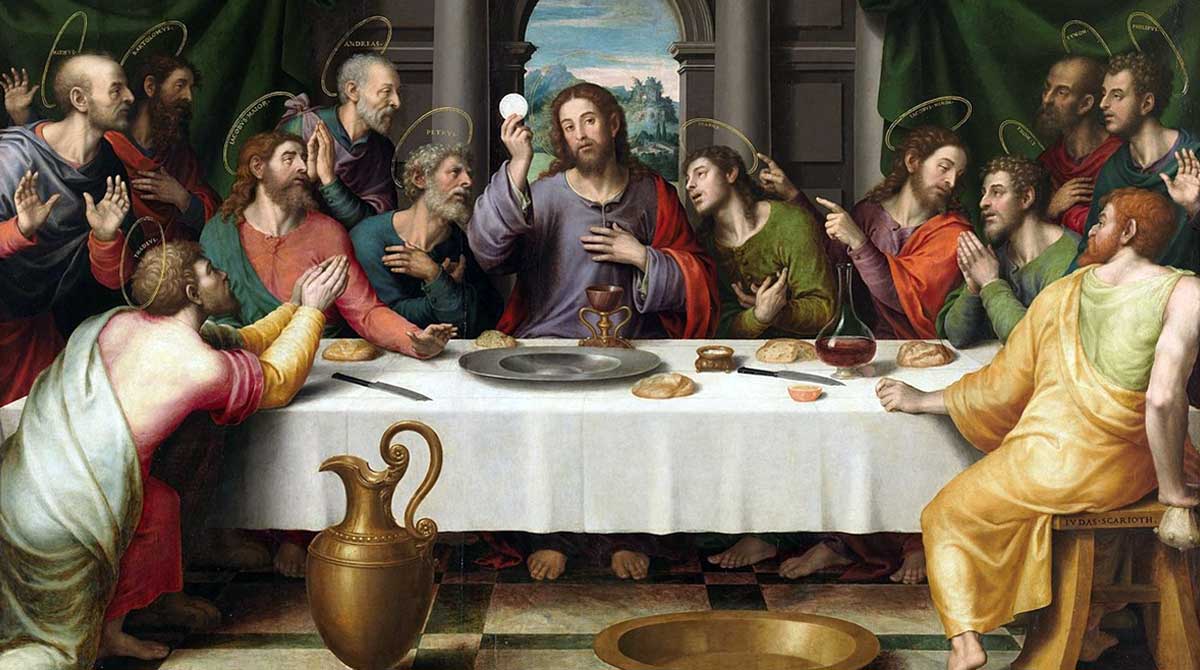
What a person ate in that time and day said a lot. This is part of the reason why the New Testament authors make such a big deal of Jesus dining with sinners. Consider, for example, when Jesus goes to the house of Zaccheus the tax collector for a meal.
Instead of suffering with the crowds, it seemed to them that Jesus often accepted invitations (and even invited himself) to dine with the wealthy. Even one of his twelve disciples, Matthew, was a tax collector before joining Jesus’ company!
In a society where social standing was measured by the daily loaf, Jesus’ actions infuriated the crowds. Christ’s ability to cross over socio-economic barriers was a major reason why the people eventually turned on him and killed him.
In Roman Judea, food security and malnutrition were a reality in the first century, echoed in the believer’s prayer: “Give us today our daily bread”.
Recontextualizing the Dietary Reality of the Ancient Poor
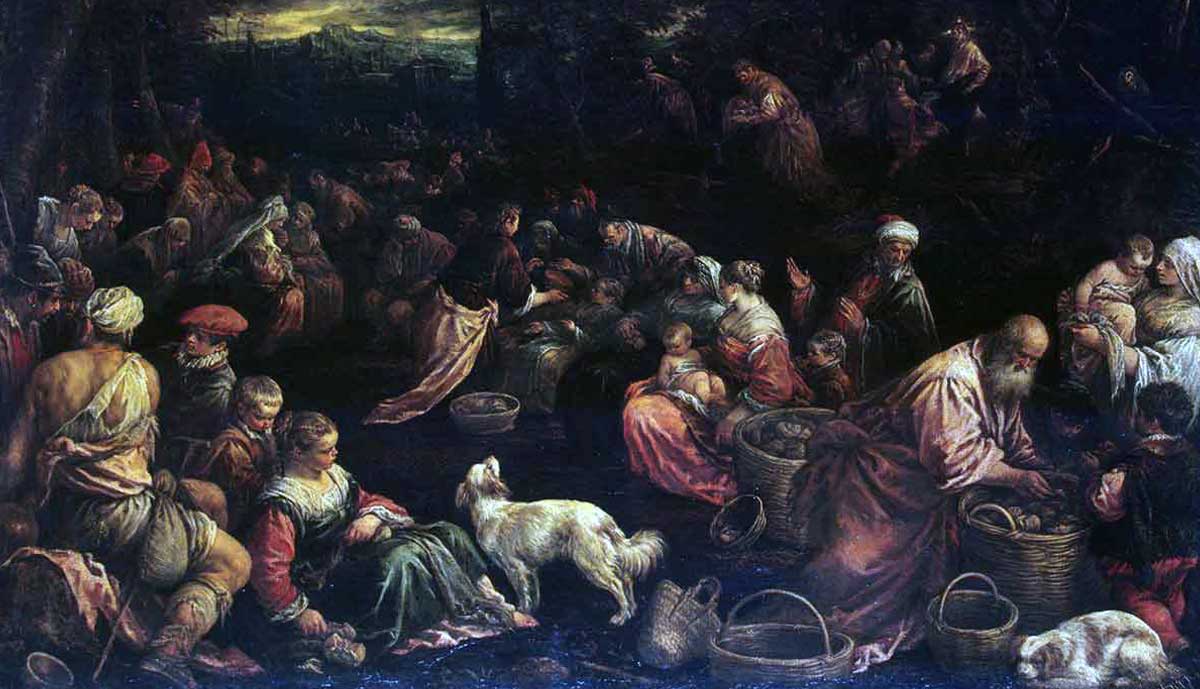
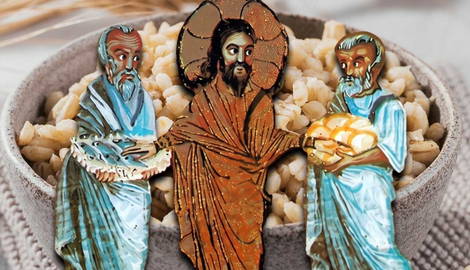
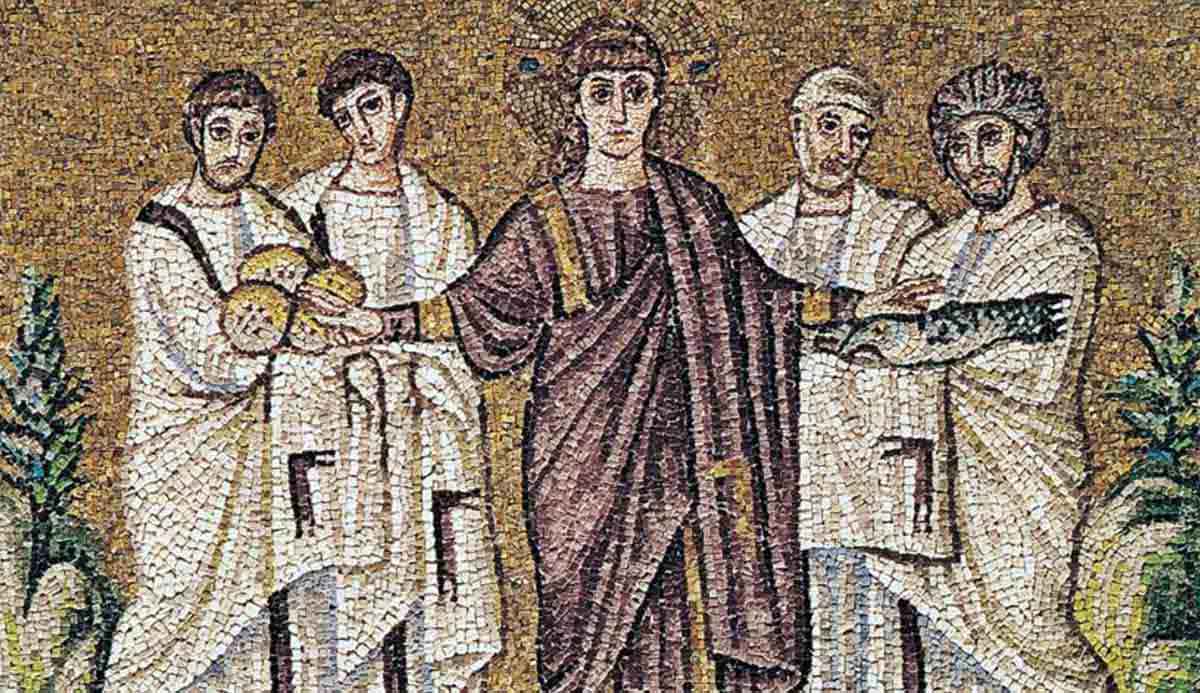
When this reality is applied to the miracle where Jesus used five barley loaves and two fish to feed thousands, the event takes on new meaning. The disciples’ concern about the hungry crowd in the middle of nowhere makes it clear that there was truly no food. Interestingly, this crowd resembles the hungry Israelites in the wilderness after the Exodus before God rained down manna on them for sustenance.
The boy’s lunch of five barley loaves indicates the extreme poverty of the crowd. When Jesus took the boy’s bread, it was not the food of the rich, but of the poor. Yet afterward, there were even leftovers. He had turned their scarcity into abundance.
This socio-economic perspective of a well-known miracle exemplifies the value of using social history to understand ancient texts like the Bible— the five barley loaves reveal the harsh truth about what life was like in Roman Judea.