
Scattered on the hillside in seemingly random groups, the hungry crowd sat filled with anticipation for what would come next: Would it rain manna from Heaven like in Moses’s day?
When Jesus gathered a young boy’s simple lunch and raised it in blessing, his every move was calculated, and his message was loud and clear.
The Context of First-Century Judean Politics
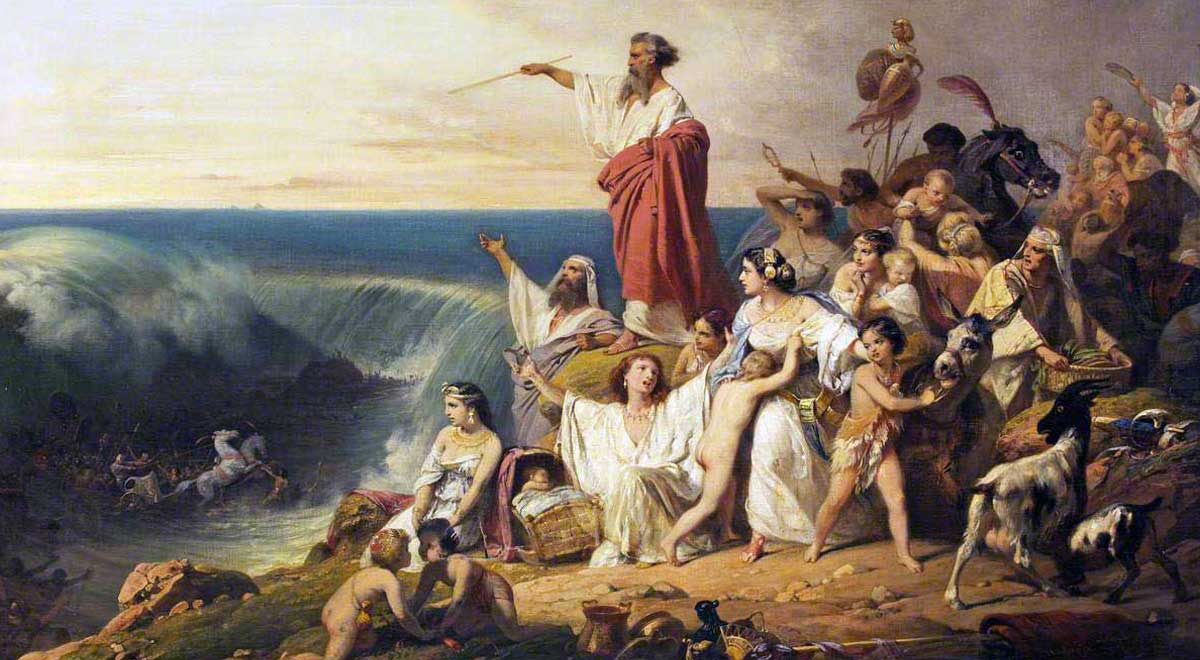
About 1500 years after Moses led the Israelites out of Egyptian captivity as slaves and into the wilderness, there were rumors spreading of a second Moses. Finding themselves in a desperate situation once more, the people remembered the promise Moses made to them so many years ago:
“The Lord your God will raise up
a prophet like me from among you”
(Deuteronomy 18:15)
While they were free from the Pharaoh’s rule and forced labor of generations prior, the Jews faced the tense socio-political environment of Roman-occupied Judea during the first century.
Their every move was watched, while they prayed for the day their deliverer would come in all God’s glory. Their expectation was not only for someone like Moses, but for the king promised throughout the Scriptures and the prophets, the one who would be the Son of God and the Son of Man.
The Exodus Blueprint and the Law of Moses
Biblical theologians would be careful to call Jesus a second Moses or a new Moses, since that is not exactly what Scripture states:
“Moses was faithful as a servant in all God’s house…
But Christ is faithful as the Son over God’s house.”
(Hebrews 3:5-6)
Yet there were some unmistakable similarities in the actions of Jesus and those of Moses, as evidenced in the miraculous feeding of the five thousand. The parallels find their origins in three specific parts of the well-known warning that Moses’s father-in-law, Jethro, gave him in Exodus 18.
- “Select capable men from all the people and appoint them as officials…” (v.21)
- “…over thousands, hundreds, fifties and tens.” (v.21)
- “…and all these people will go home satisfied.” (v. 23)
Jesus also chose capable men, divided the crowds into groups, and all the people were satisfied.
Organizing a Multitude into Military Units
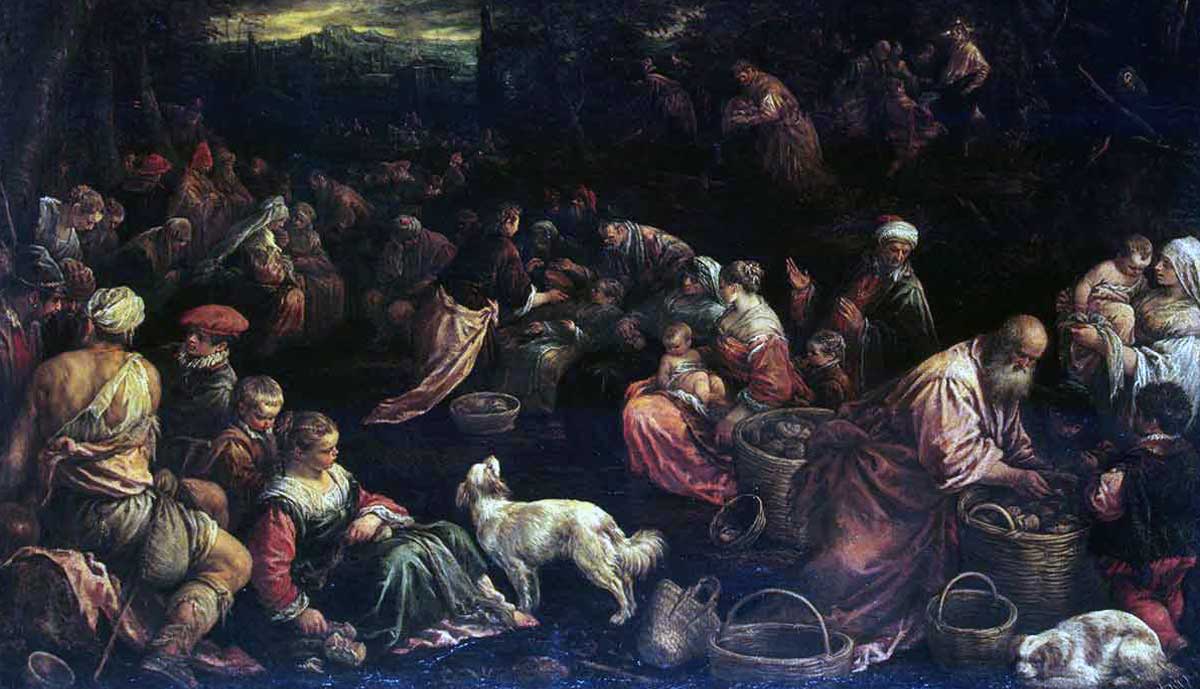
First-century Jewish peasants awaited their coming king, while they held onto the law taught by Moses in the wilderness. Here, they found themselves in a wilderness again with someone like Moses leading them.
The Roman Empire was not unaware of Christ’s presence and popularity in the region. The strict rule of Rome would have monitored the growing group following Jesus, as evidenced in the Gospels when centurions approach him for healing. Yet Jesus blatantly made dangerous decisions, sending a clear message.
- He utilized the disciples as capable men (Luke 9:15).
- He had them sit down in groups of fifty (Luke 9:14 and Mark 6:39).
- They all ate and were satisfied (Luke 9:17).
- They were in a remote place (Matthew 14:15).
- The crowd was “like sheep without a shepherd” (Mark 6:34).
- Afterward, the people called him the prophet (John 6:14).
Why the Wilderness Was the Space for Rebellion
The similarities summarized above would not be lost on the Jewish crowd or even the Roman soldiers patrolling nearby or monitoring the situation from within. Gathering outside the urban center, in a crowd of over five thousand, being organized into groups, listening to teaching, and receiving a meal was not a normal event then—just as it isn’t today.
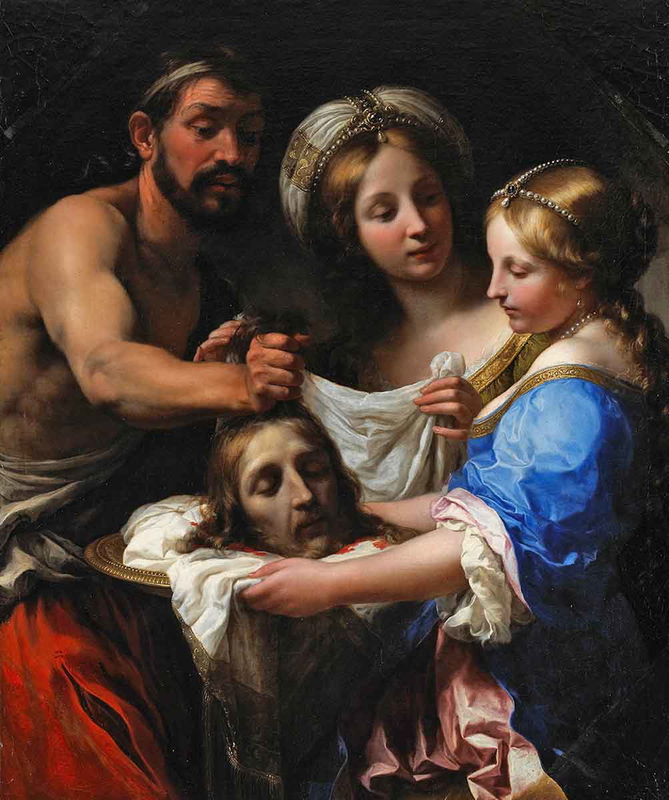
Throughout Scripture, the wilderness or desert takes on the metaphoric and literal role of the location where pivotal moments took place. Consider John the Baptist, the desert prophet who wore camel hair clothing and ate locusts and wild honey. Perhaps it is no coincidence that three of the four Gospels mention the beheading of John by the Roman client king, Herod, right before mentioning the miracle at hand.
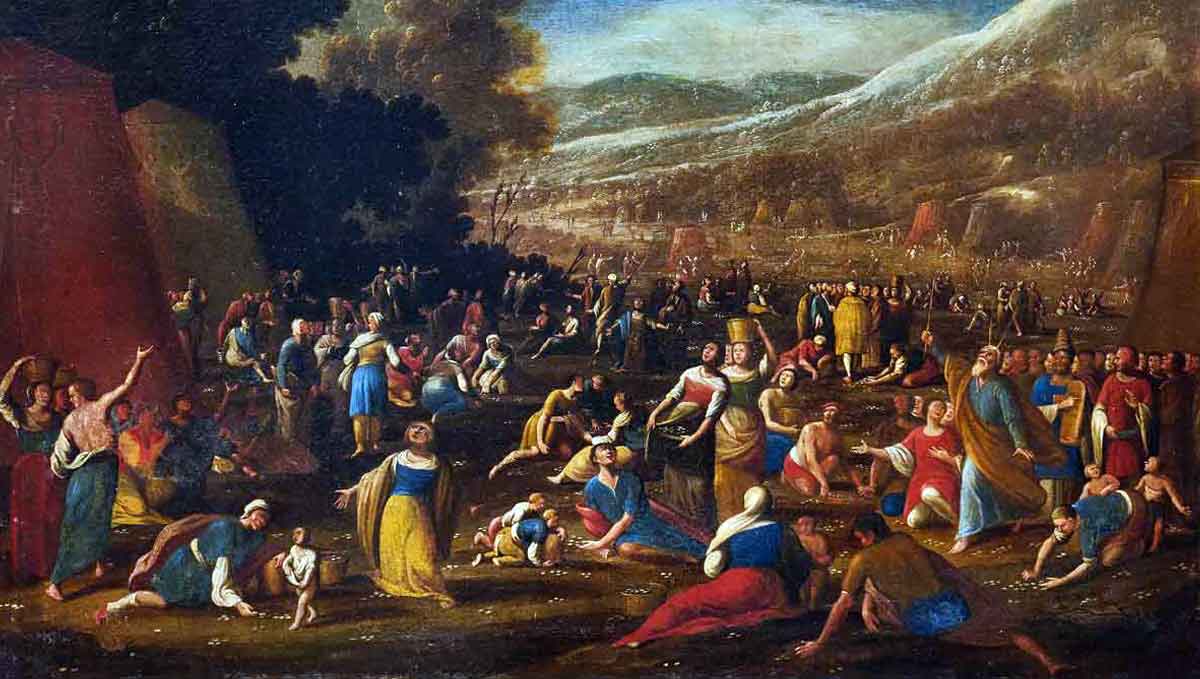
The crowd re-enacted the Exodus in real time, receiving not only spiritual food (teaching) but also physical food (bread and fish) from Jesus.
The Threat to Rome and the Fear of a New Moses
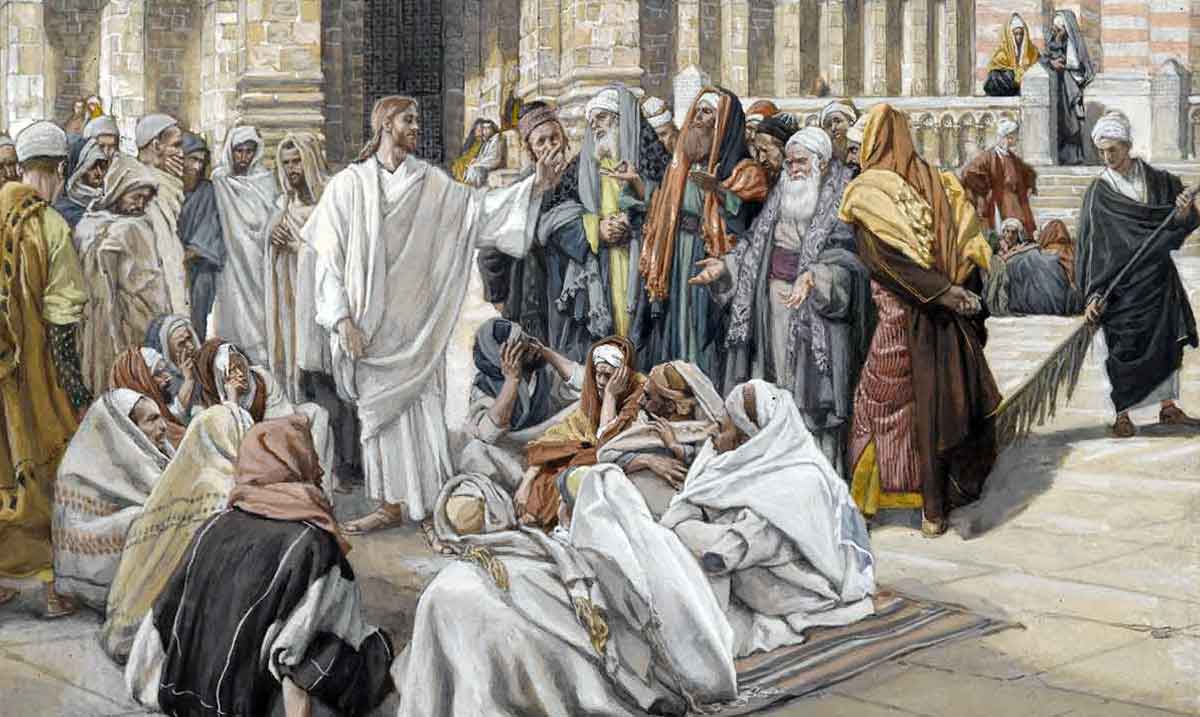
Such a structured mobilization in the desert would cause warning signals to flare for Roman officials and local elites (like the Herodians).
Compare this with what happened when Theudas gathered a group at the Jordan River to watch him split the water as Moses and Joshua did. He was killed and beheaded in a surprise attack by Rome before he could even try to enact his miracle.
The crowd understood the political significance of what had happened in this wilderness revolution. We already discovered that they called Jesus a prophet (like Moses) after the miracle, but there was one more thing they wanted to do before Jesus got away from them: They wanted to take him by force and crown him king (John 6:13).
This is but one example of how utilizing social history reframes ancient religious narratives into complex studies of imperial friction and political theater.