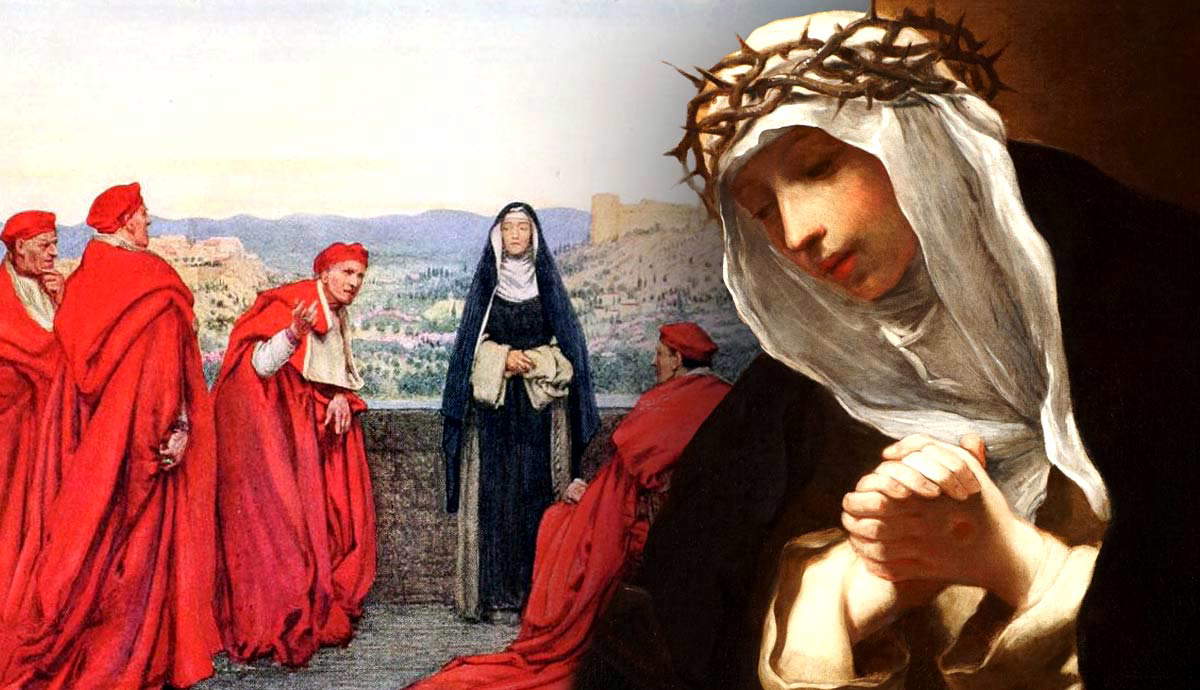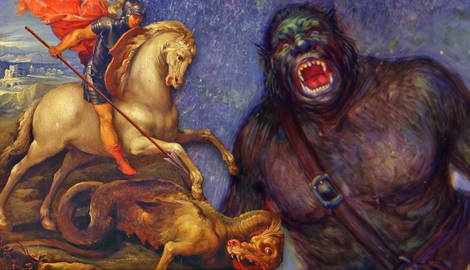

When we think of mythology, we are often talking about gods, monsters, dragons, and super-powered heroes. Most mythology worldwide predates Christianity, and while Christianity contains fantastical elements, much of it has been documented within such a short timeframe after the actual events that, at minimum, the mythological element is removed.
Mythology tends to develop through various stories that were rooted in some facts, and often those facts are not completely known, so people created stories to fill in the gaps (or to sell books). For Christianity, much of the development happened in the late medieval era, where we see post-Biblical stories arise regarding Christian heroes and the challenges they faced.
How Did Centuries of Medieval Writers Construct the Legend of King Arthur?
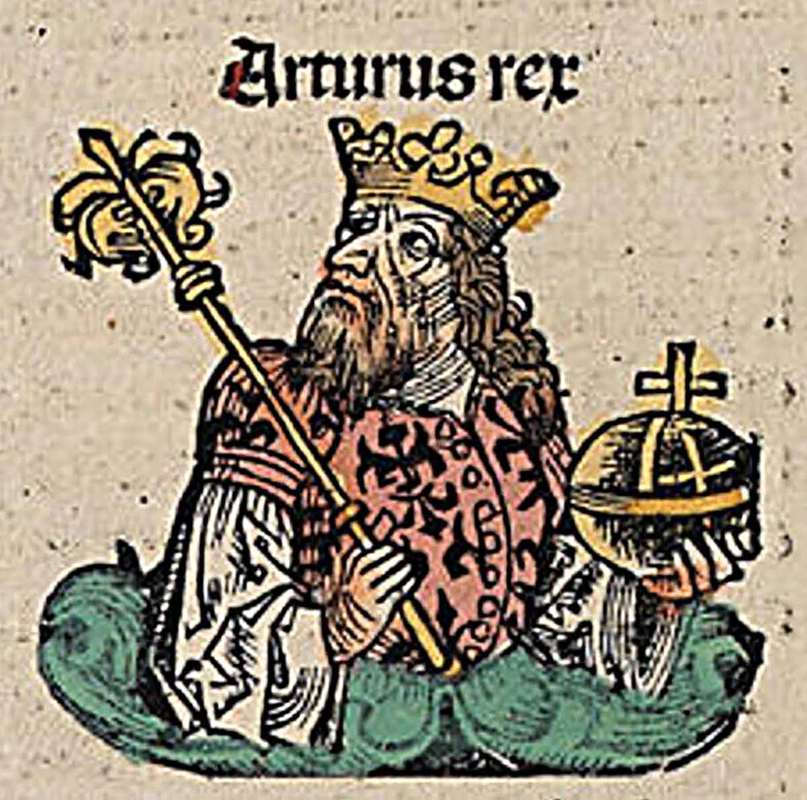
Likely the most prominent figure of Christian mythology is that of King Arthur. The development of his story is long and draws on many early medieval stories and concepts. Even Joseph of Arimathea, in whose tomb Jesus Christ was laid, plays a part. King Arthur’s myth is inseparable from another prominent Christian myth, that of the Holy Grail. King Arthur is likely an amalgamation of various historical figures who lived beginning around 500 AD after the Anglo-Saxon invasion of England.
When the Welsh cleric Geoffrey of Monmouth in the 1100s wrote his History of the Kings of Britain, Merlin, Guinevere, Mordred, and Avalon entered the story. The Holy Grail and several other knights entered around that time from France. By 1485, Sir Thomas Malory, in his Le Morte D’Arthur, had combined all the elements of the classic Arthurian myth.
How Did Biblical Serpent Symbolism Evolve Into the Myth of St George?
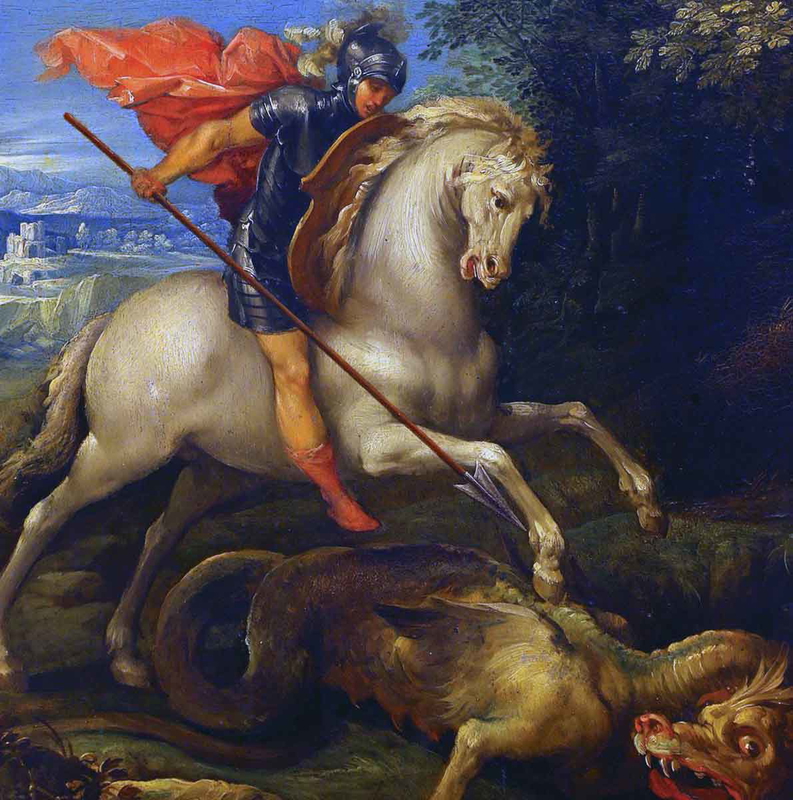
The story of a hero slaying a great beast is common throughout the mythology of every culture. Hercules and Gilgamesh are among the examples we have in the West, but the one most closely aligned with Christianity is St George and the Dragon. The tale in its full form arises in Jacobus de Voragine’s Golden Legend, a chronicle of mostly fantastical lives of saints. The myth of St George may have come from a similar tale of St Theodore Tiron, who was a soldier-turned-saint who lived in the 300s AD.
Serpent images were common in Christian iconography as a representative of Satan (from the Garden of Eden in Genesis). The snake images gradually turned into dragons, and by the 900s it was Theodore slaying a dragon, sometimes alongside George. St George would replace Theodore in a more developed myth by the time de Voragine wrote the Golden Legend.
How Christian Faith Transformed a Pagan Epic
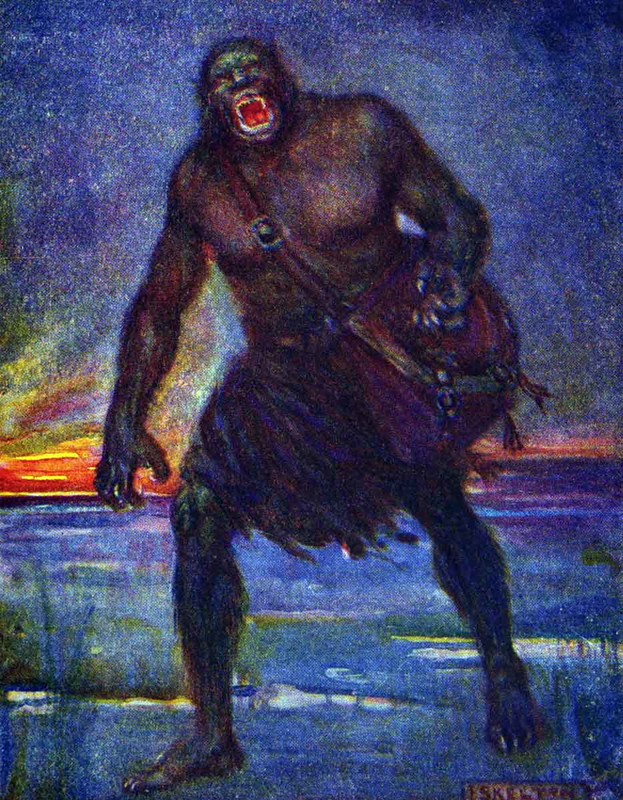
One of the traits of Christian myth is that it tended to replace pagan ideas and images within stories with Christian ones. Such replacement is probably most prominent in the Beowulf story.
Beowulf comes along at a strange time historically. Two cultures were clashing in the 800s around when Beowulf was written—pagan northern Europe and Roman Catholic southern Europe.
The story combines Biblical elements, such as Grendel being a descendant of Cain, and the aid of God in Beowulf’s success, with what may have been historical Scandinavian figures such as Hrothgar, Halfdan, and Halga from the 500s AD. What developed was a rich tale of good versus evil, courage, and death. The story does not appear to have a specific literary ancestor, and almost disappeared, as only a single copy from around 1000 AD survived.
Medieval Chroniclers Recorded and Exaggerated Local Legends
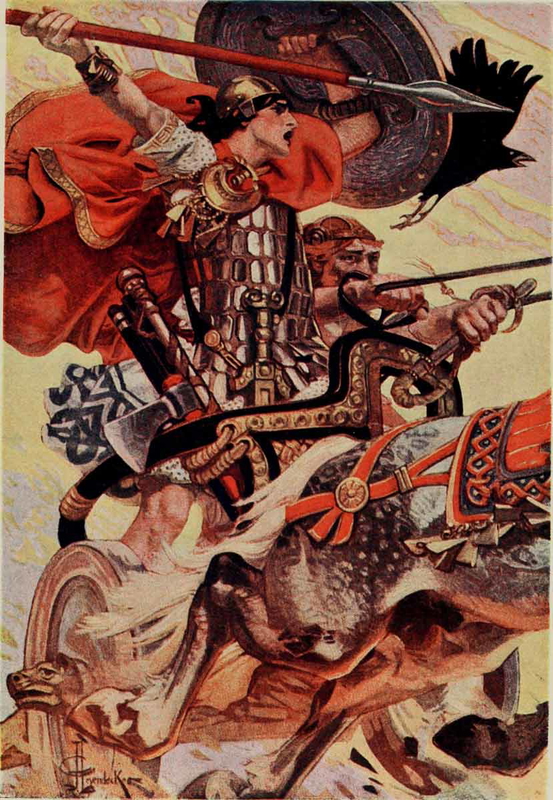
In addition to King Arthur and the Holy Grail, St George, and Beowulf, medieval writers often collected and exaggerated local stories. Sometimes the stories were adapted from pagan tales, others from strange miracles supposedly performed by some saints. What resulted was an often questionable historical record as to those figures. However, the usefulness of the stories allows us to see into the past regarding the cultures and people of those times, which gave rise to the stories of the fictional heroes we have today.