Most museums rely on their priceless displays to attract the crowds, while others prove that first impressions can be just as enticing. In those unique buildings, it is the architecture that steals the limelight and sets high expectations about the kind of experience you can enjoy once you step through the doors.
If you care about architecture as much as you do about art and history, here are ten of the most beautiful museum buildings to add to your travel list.
1. The Louvre, Paris
What began as a medieval fortress in the late 12th century slowly evolved into a royal palace, expanding as French monarchs added wings to reflect their own authority. When the building opened as a public museum in 1793, during the French Revolution, it already encapsulated centuries of political power.
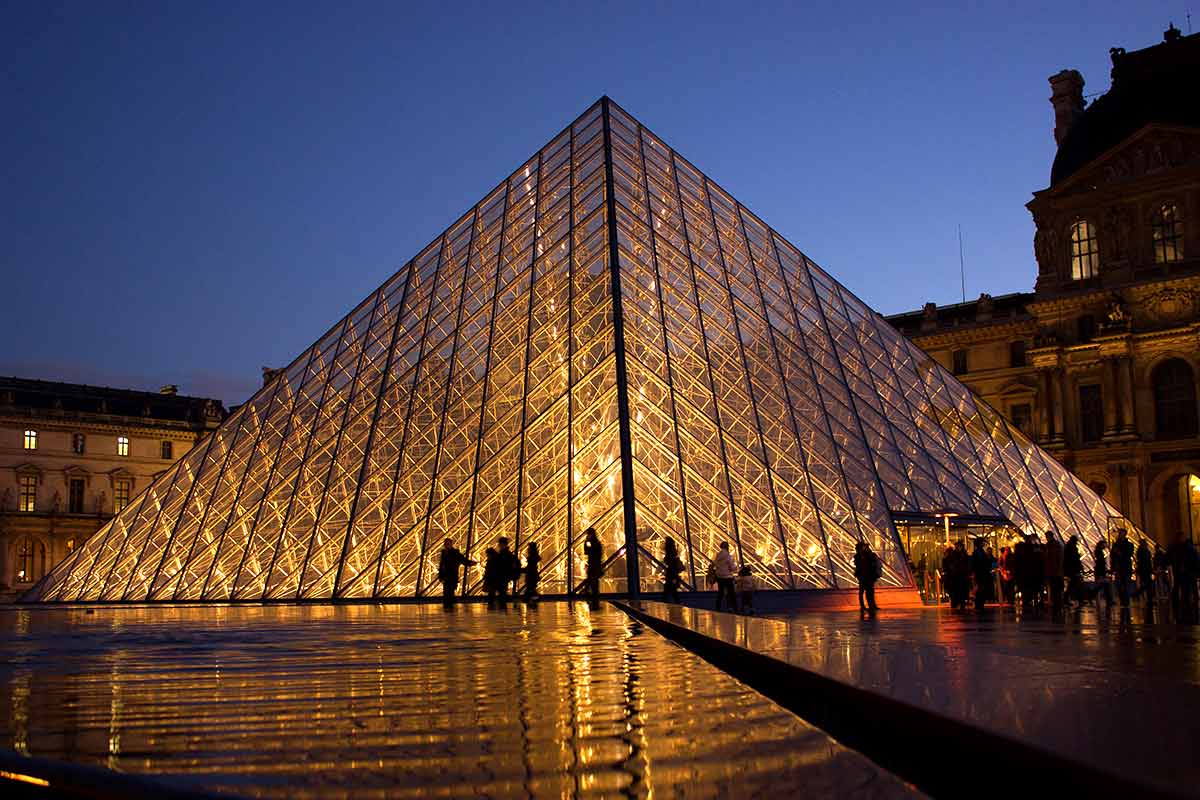
The museum’s most recognizable icon is the glass pyramid that was added in 1989. It often steals the limelight from the exterior, but its creation was primarily intended to solve a practical conundrum. The complex had become difficult to navigate, and there was a need to create a clear focus entry point without affecting the historic façades. Bypassing traditional architectural competitions, President François Mitterrand personally commissioned architect I.M. Pei in 1983 to oversee the sweeping Grand Louvre project, streamline museum access, and design its central entryway. And so it was that the new, modern pyramid became yet another layer in a building that has always absorbed each new chapter of French history.
2. Guggenheim Museum, Bilbao
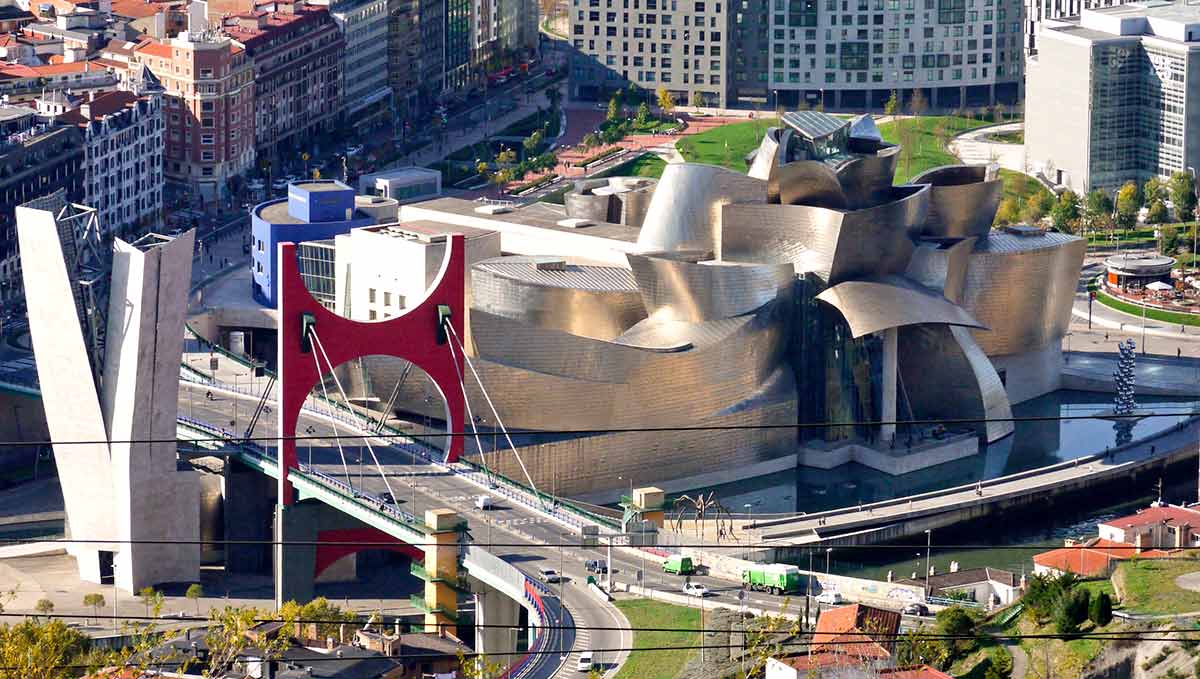
Designed by Frank Gehry and opened in 1997, Bilbao’s Guggenheim stands along the Nervión River, on what was once heavily industrial land. Its inception marked a spectacular turning point for the city, which had been struggling economically for years. The building’s curved, almost fluid shapes were created with more than 30,000 thin titanium panels, chosen specifically because they could withstand the city’s damp climate.
The eye-catching structure, now widely considered one of the most beautiful museum buildings in the world, became a catalyst for Bilbao’s renewal. It greatly revitalized Bilbao’s tourism scene, and construction costs were recouped within just three years.
In this case, the old adage “build it and they will come” proved unexpectedly accurate.
3. The British Museum, London
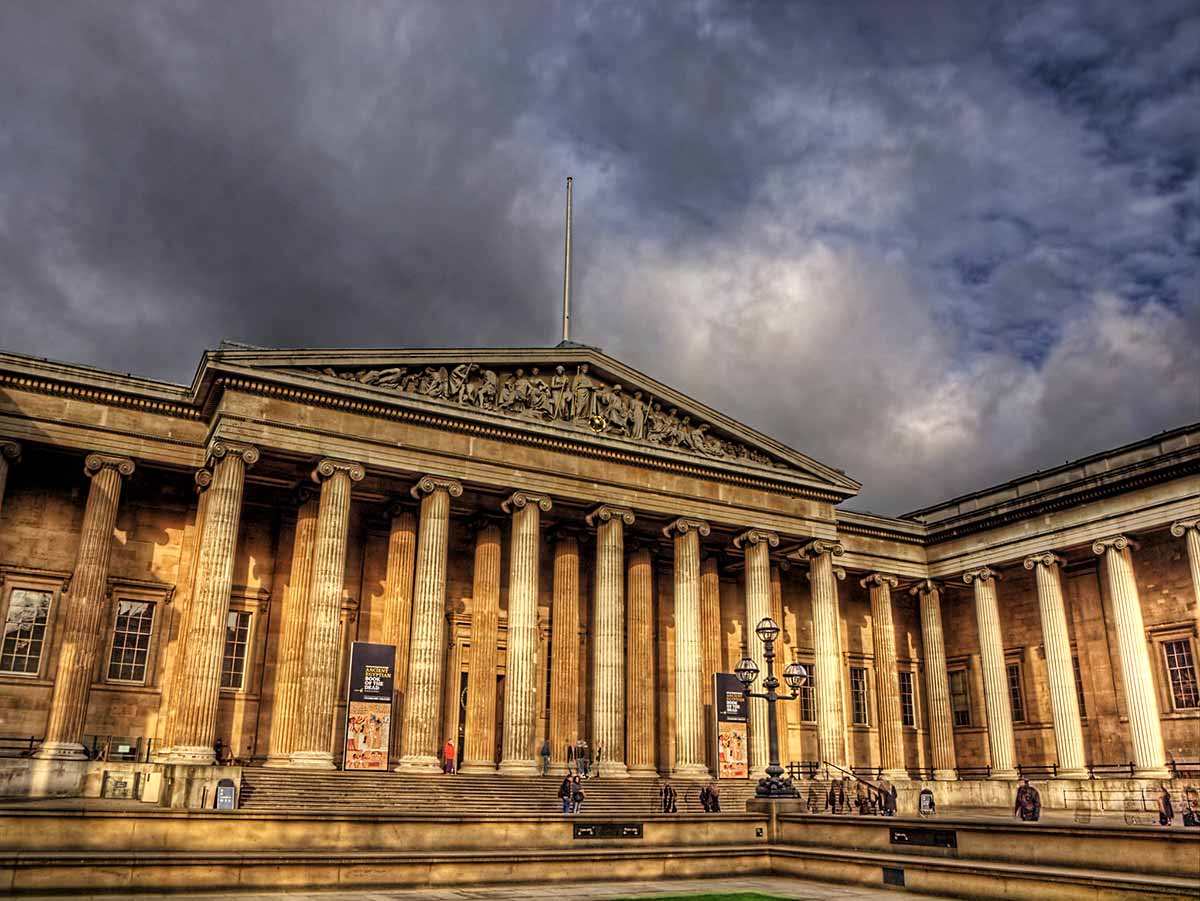
Completed in 1852, the British Museum‘s neoclassical façade was the brainchild of Sir Robert Smirke. The long row of Ionic columns and the triangular pediment were inspired by ancient Greek temples, a deliberate choice in a country that has always considered classical culture the very foundation of scholarship.
From the get-go, the museum stood out for another reason too: it was one of the first national museums to open free of charge to the public, welcoming what it described as the “studious and curious.”
The building continued to change over time. For decades, the central courtyard was closed and used mainly for offices and storage. But in 2000, it reopened as the Queen Elizabeth II Great Court, covered by a glass and steel roof designed by Norman Foster. The structure is made from more than 3,000 uniquely shaped panes of glass and remains the largest covered public square in Europe.
4. The Vatican Museums
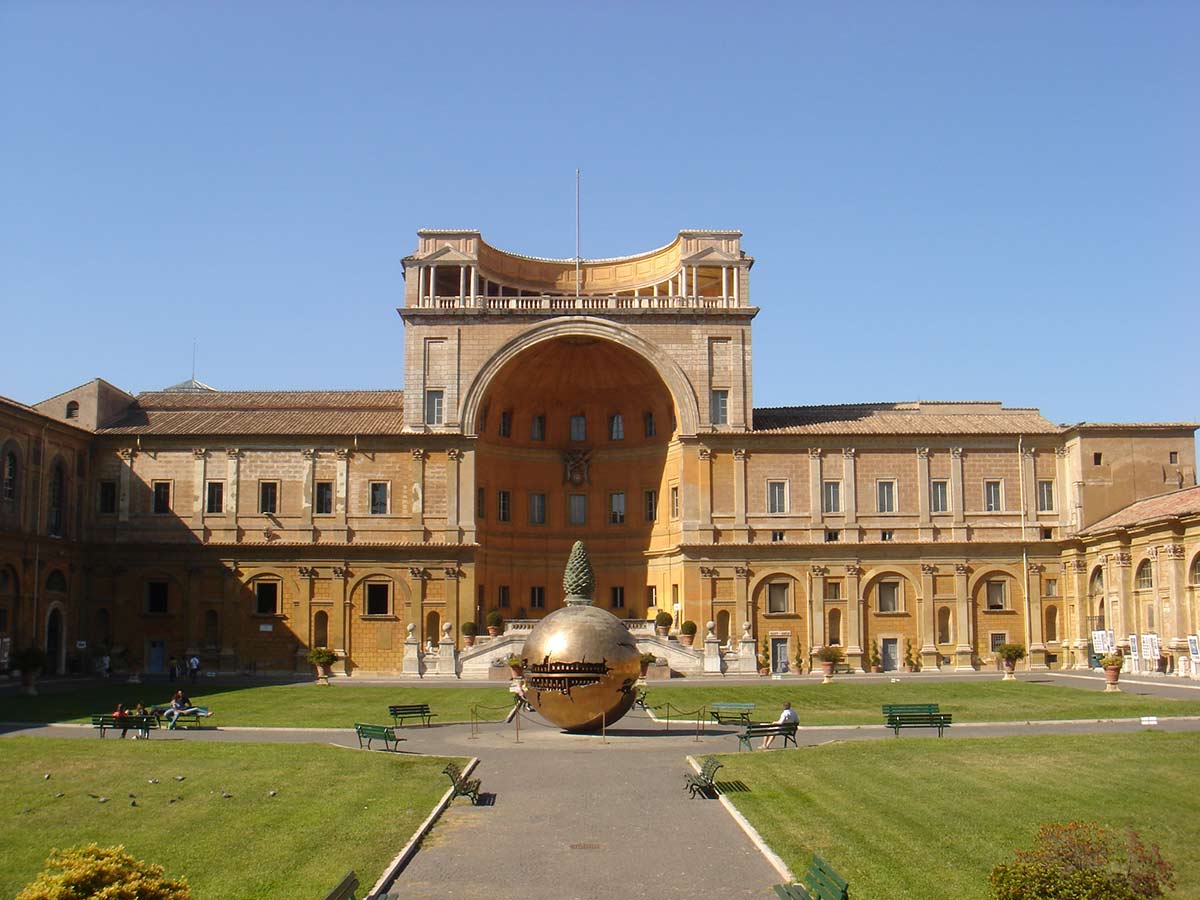
As opposed to many other beautiful institutions, the Vatican Museums were never conceived as a single, unified project. They were formally founded in 1506, when Pope Julius II placed the newly unearthed Laocoön sculpture on public display. From then on, successive popes continued expanding both the collections and the spaces that housed them, adding galleries, chapels, and corridors as tastes, priorities, and even politics shifted.
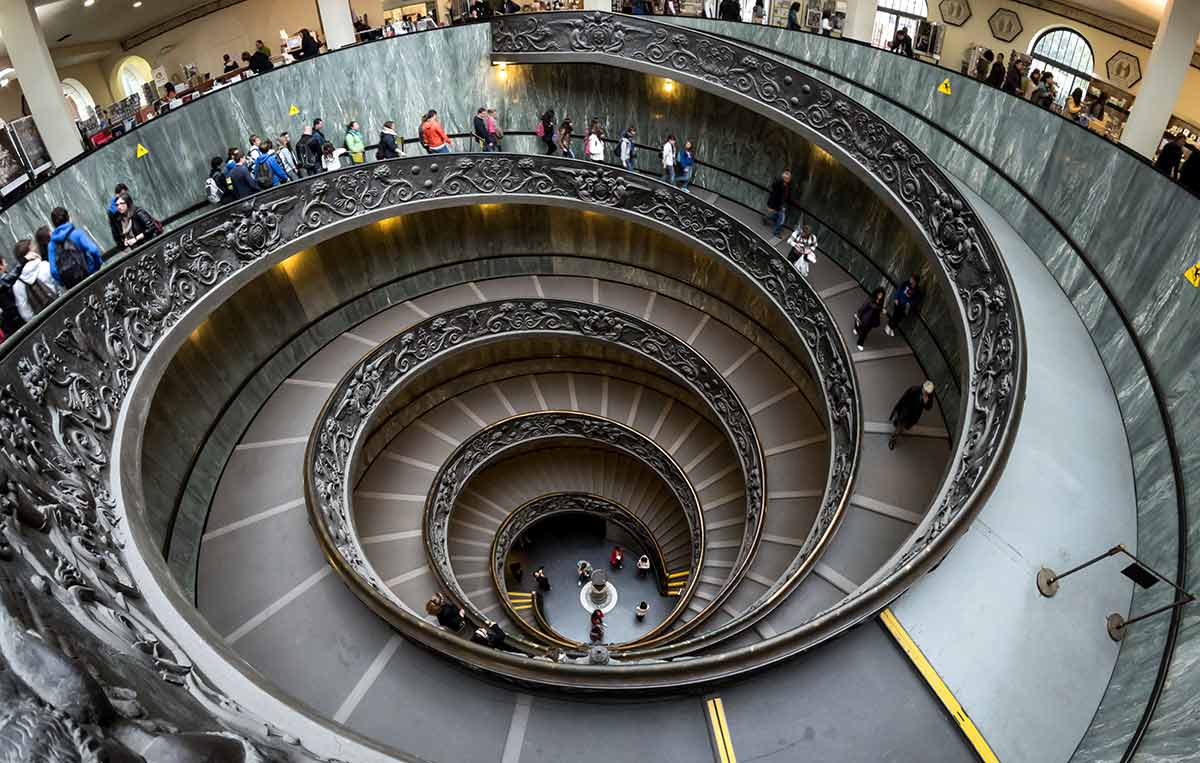
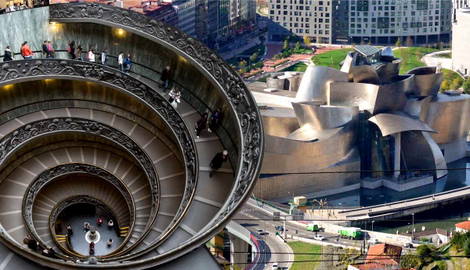
The spectacular spiral staircase, designed by Giuseppe Momo and completed in 1932, is one of those later additions. Its double-helix design allows today’s heavy tourist crowds to move up and down without crossing paths, a practical solution that has now become one of the museum’s most recognizable features.
5. The Metropolitan Museum of Art (The Met), New York City
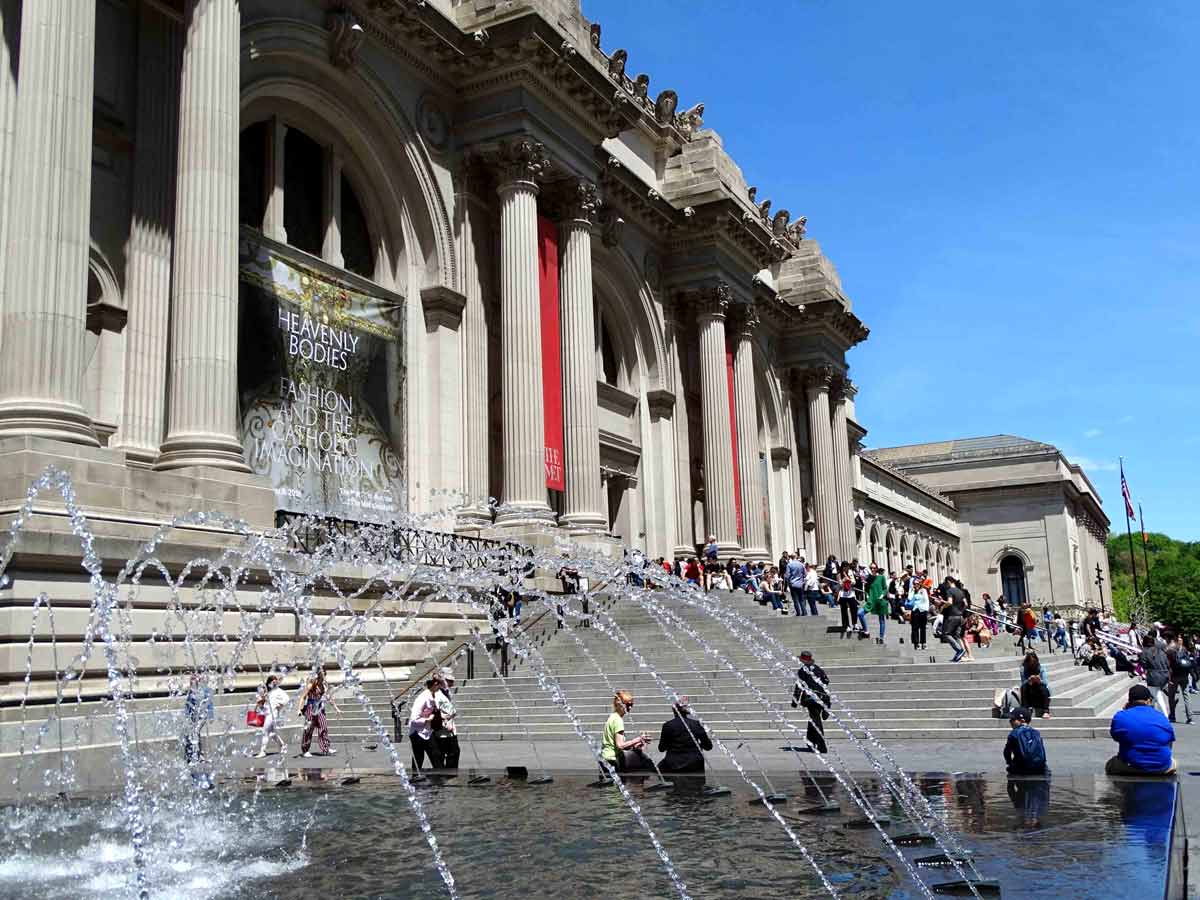
Founded in 1870 and opened to the public in 1872, the Metropolitan Museum of Art did not begin as the grand institution we know today. Its collections were first displayed in a much smaller space before the museum moved to its current site along Fifth Avenue. Over time, it expanded steadily as the collection grew.
The well-known Beaux-Arts façade was completed in 1902 and designed to ensure the museum would look at home at its high-end address. Behind that façade, the museum continued to grow and now reflects more than a century of expansion.
6. The Acropolis Museum, Athens
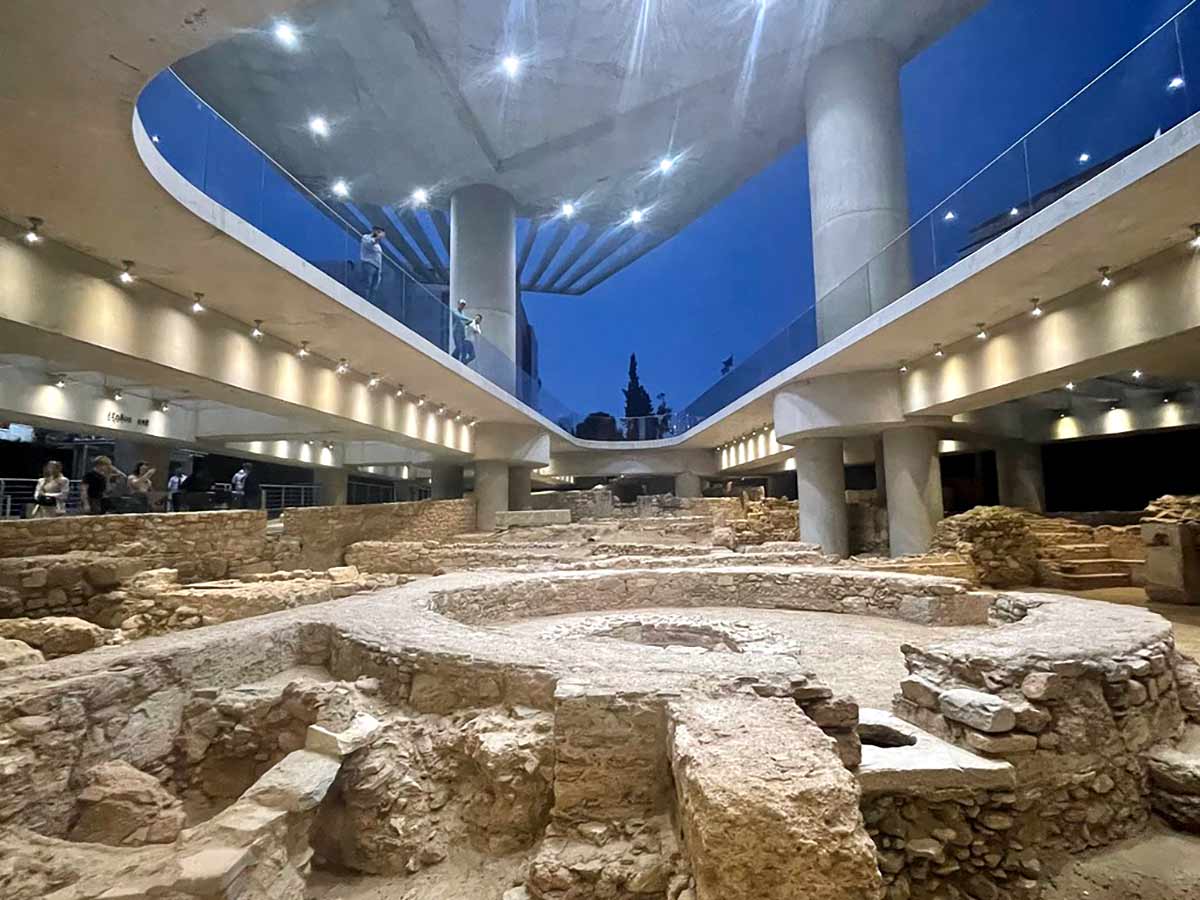
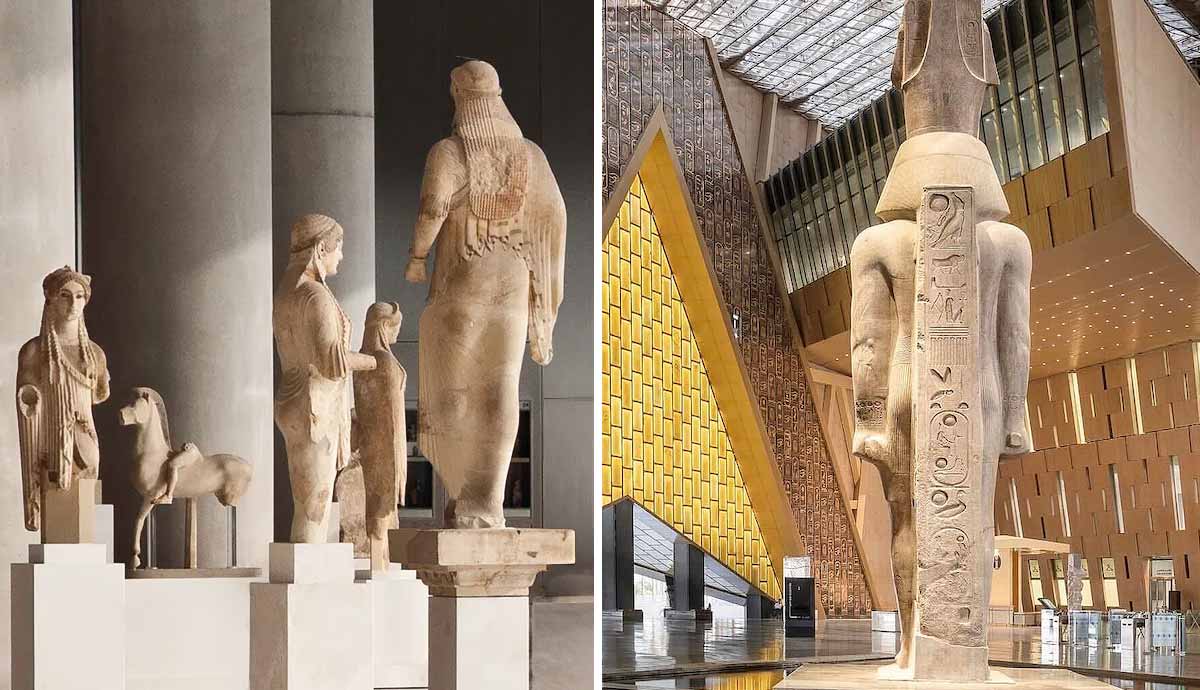
One of the newest entries on this list, the Acropolis Museum opened in 2009 in Athens, just below the Acropolis hill and within clear sight of the Parthenon. That proximity to such priceless treasures shaped every decision behind its construction.
In a country where the past rarely stays buried for long, excavations for the museum uncovered the remains of an entire ancient neighborhood beneath the site. Rather than remove it, the museum was raised on pillars, and sections of glass flooring now allow visitors to look down at Roman and Byzantine houses beneath their feet. The top-floor Parthenon Gallery is carefully aligned with the temple above, displaying surviving sculptures in their original order and orientation. Natural light was also factored into the design, so the marbles are seen in conditions similar to those outdoors. The result is a design that literally blends modernity with antiquity.
7. The Rijksmuseum, Amsterdam
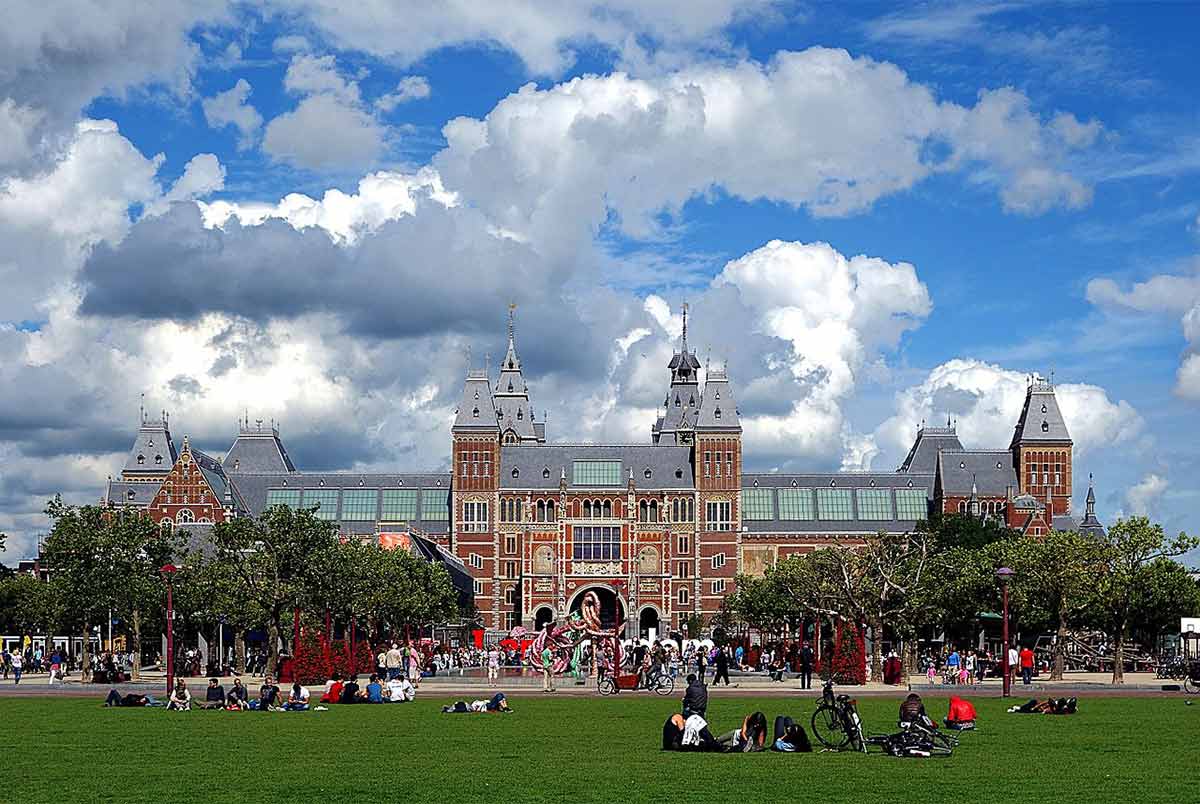
Opened in 1885 and designed by Pierre Cuypers, the Rijksmuseum anchors Amsterdam’s Museumplein with its red brick façade, pointed arches, and decorative details drawn from Dutch history. Cuypers treated the building itself as part of the national story, filling it with murals, stained glass, and sculptural references to key moments in the Netherlands’ past.
Over time, however, the layout became cluttered and dark, and many of the original decorative elements were lost. In 2003, the museum began a decade of renovations; the later additions were stripped away, and light and clarity were restored to the galleries. The one feature that did not disappear, however, was the central passageway that allows cyclists to ride straight through the museum. In Amsterdam, culture has always been part and parcel of daily life.
8. The National Museum of Anthropology, Mexico City
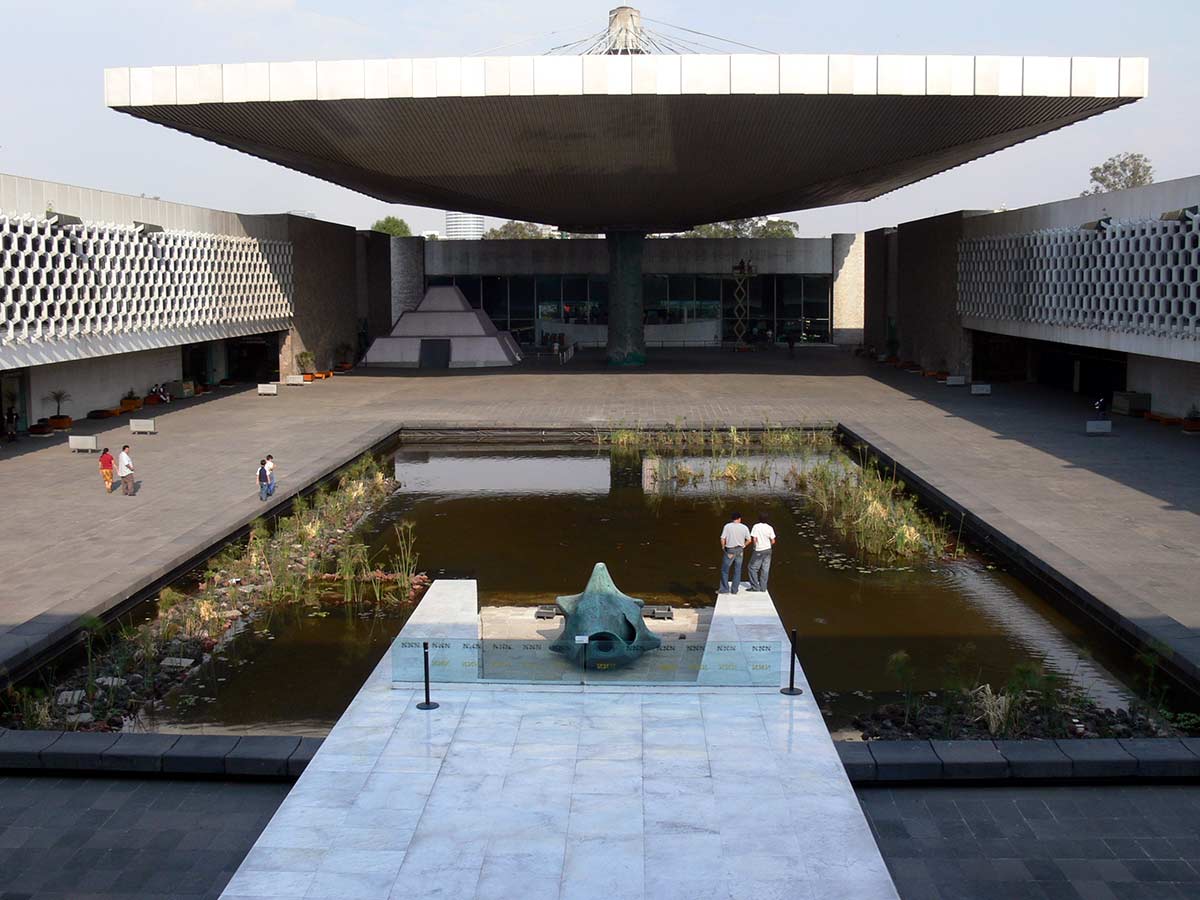
Opened in 1964 in Mexico City’s Chapultepec Park, the National Museum of Anthropology is often listed among the most beautiful museum buildings in the world for the way it connects architecture with cultural identity.
Designed by Pedro Ramírez Vázquez, it was built at a time when Mexico was redefining its modern image while staying connected to its pre-Columbian past. Instead of copying ancient temples, the design draws on Mesoamerican spatial traditions, especially the use of large open courtyards as public gathering spaces.
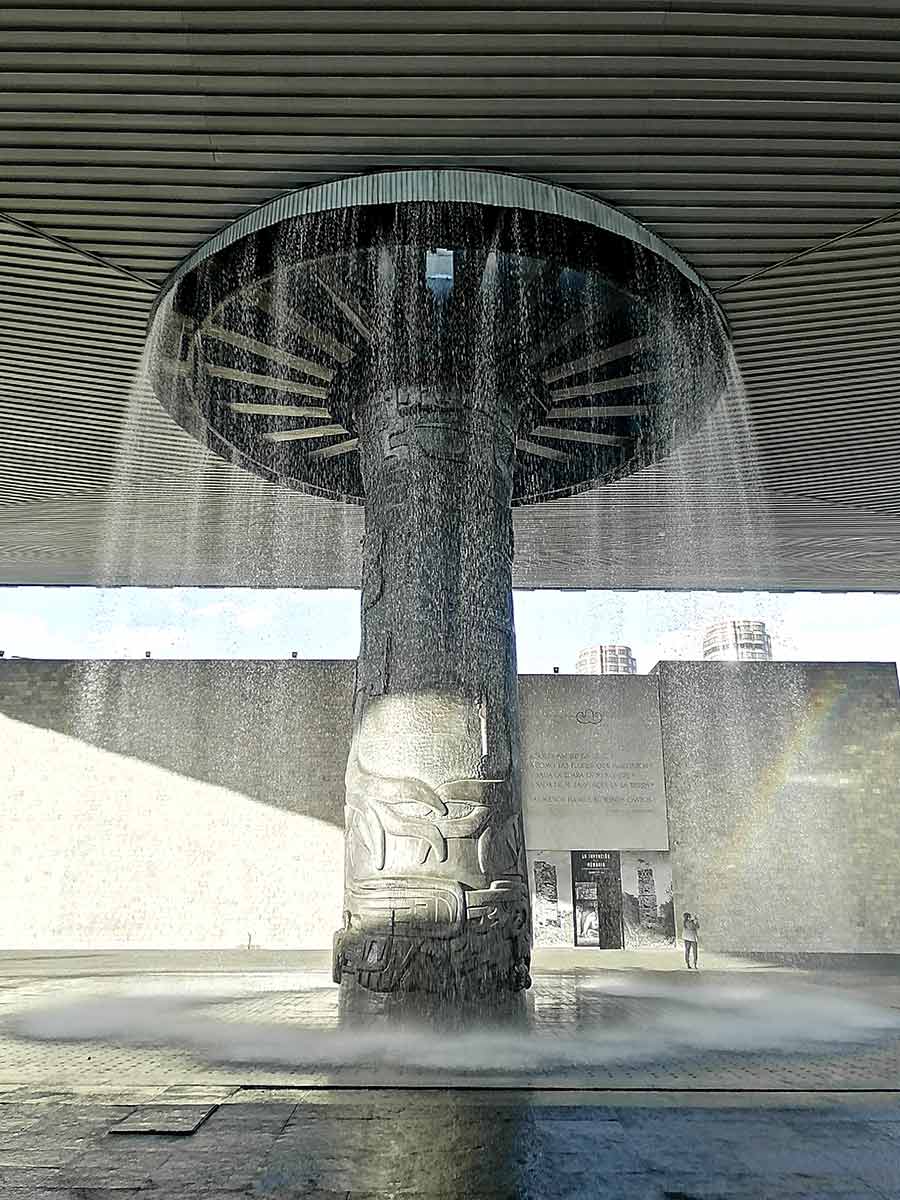
The museum’s central point is its most recognizable feature: a vast concrete canopy supported by a single sculpted column, known as “El Paraguas,” or “the umbrella.” It shelters the courtyard while rainwater flows down through the column into a basin below, making it arguably the country’s most iconic fountain.
9. The Jewish Museum, Berlin
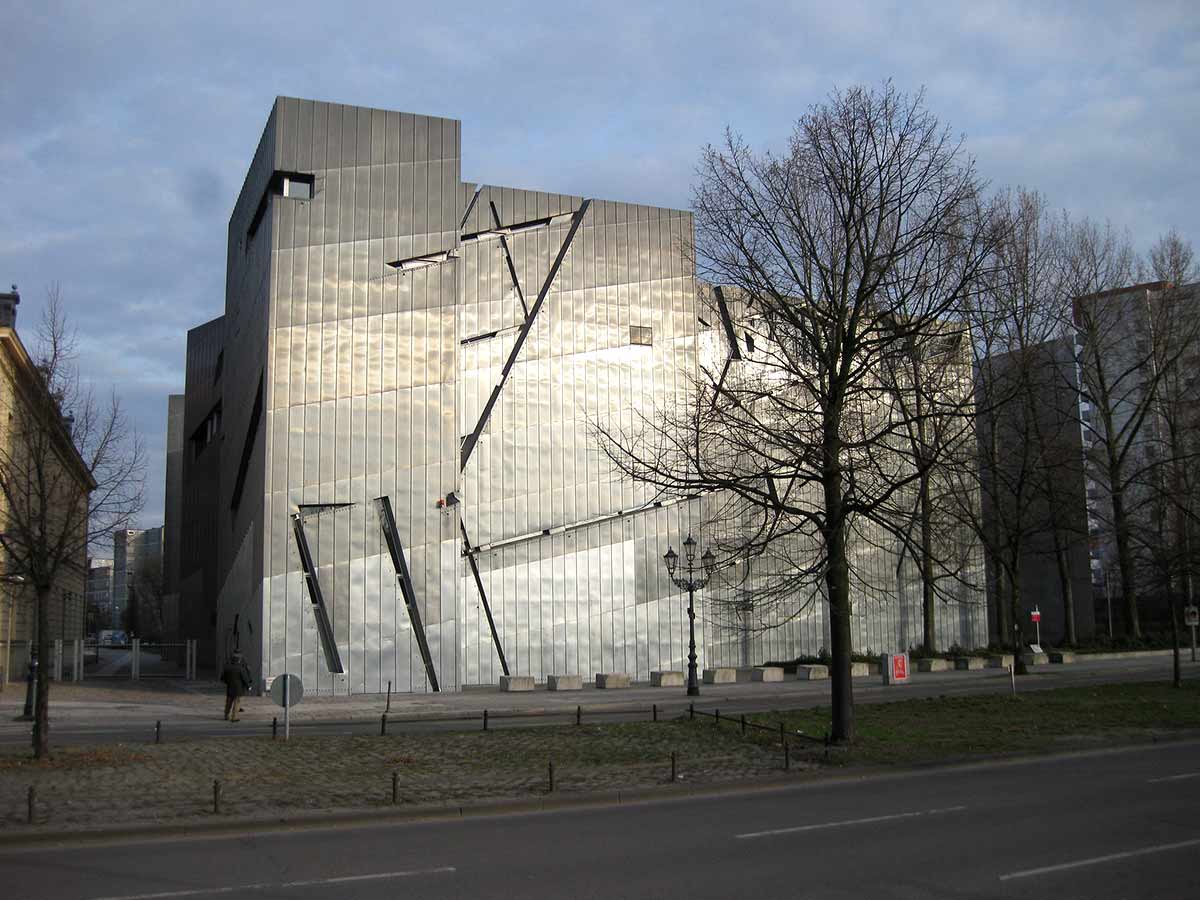
Opened in 2001, the Jewish Museum Berlin was designed by Daniel Libeskind as an extension to the older Baroque Kollegienhaus next door. From the outside, the new building stands apart immediately. Its zinc-clad façade zigzags across the site, broken by narrow, irregular windows that cut sharply through the surface. Libeskind mapped them using the former addresses of prominent Jewish figures in Berlin’s history, weaving biography into the architecture itself.
10. The Louvre, Abu Dhabi
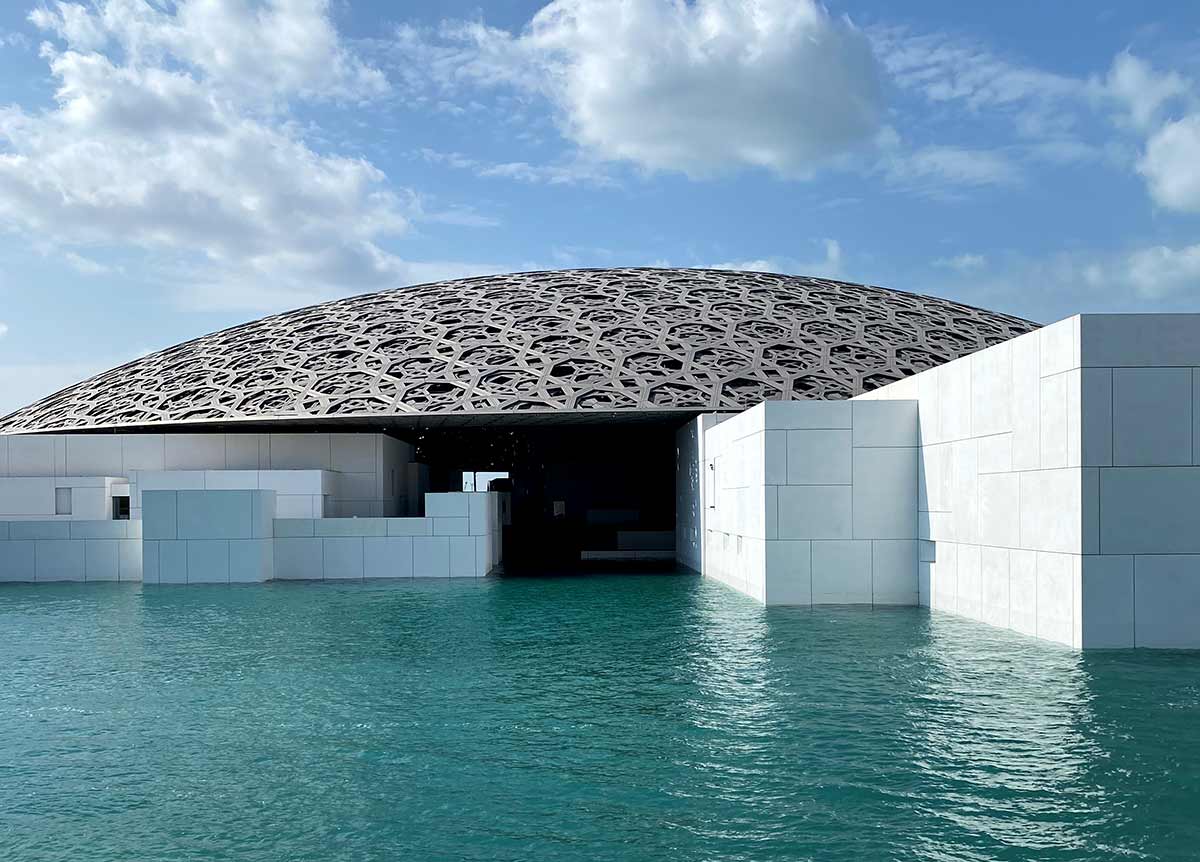
Built on Saadiyat Island, the Louvre Abu Dhabi was designed by Jean Nouvel and inaugurated in 2017. Rather than focusing on a monumentally distinctive façade, the museum centers on its enormous perforated dome, nearly 600 feet wide, that lets natural sunlight do most of the design work.
The dome is composed of eight overlapping layers and weighs thousands of tons, yet it appears to float above the galleries and surrounding water. Sea channels run through the complex, and as the sun shifts, so do the patterns of light across walls and walkways. It is undoubtedly one of the most beautiful museum buildings in the Arab world.