
Julius Caesar is one of history’s most famous figures. While he is best known as a skilled military commander and wily and ambitious politician, he also fancied himself an academic. Caesar was an avid reader well acquainted not just with history and poetry, but also “modern” works on subjects such as science and geography. He also wrote himself, writing about his military campaigns, with the express purpose of boosting his fame and popularity back in Rome while he was abroad for a decade in the 50s BC. But Caesar did not limit himself to battles and politics, he also took the opportunity to write about the geography, zoology, and ethnography of parts of the world the Romans considered distant. But in his “scientific” digressions, Caesar made some pretty wild claims.
Caesar the Scholar
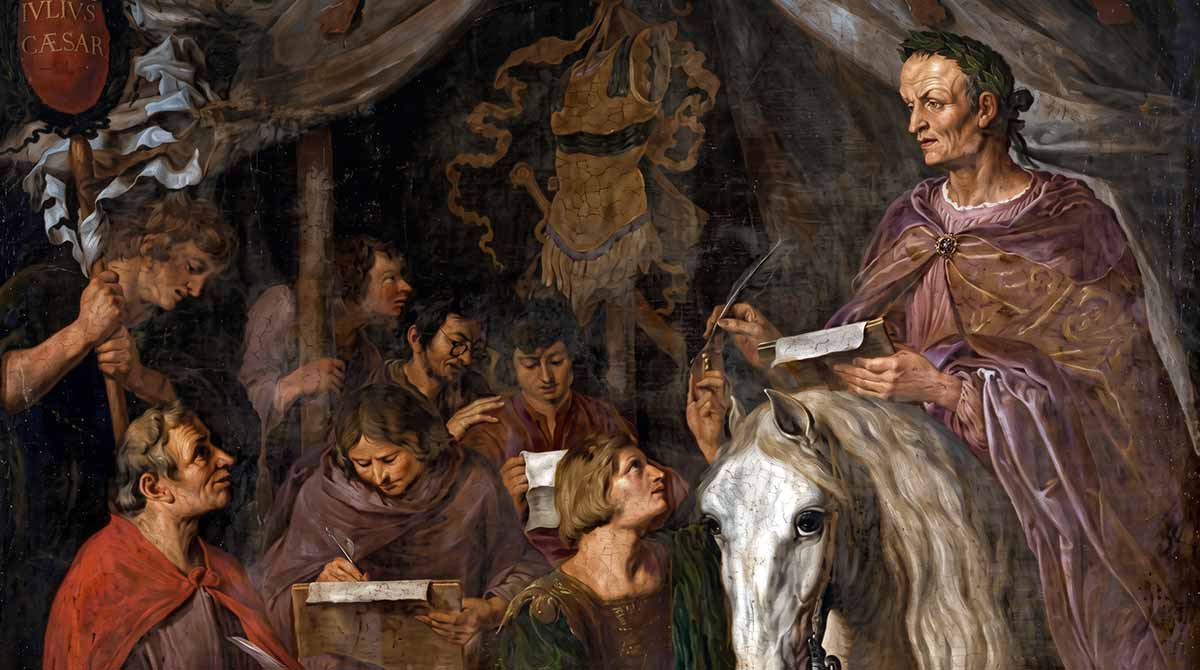
Julius Caesar did not just try to stay informed about intellectual innovations. He actively engaged in scholarly discourse and scientific research. For example, a work entitled De astris, or “on the stars,” is attributed to him. This may have been linked to his reform of the Roman calendar, which he changed from a lunar to a solar model based around an annual duration of 365.25 days, a system he devised with the help of the Greco-Egyptian astronomer Sosigenes while in Alexandria.
Caesar also reportedly wrote a two-volume technical treatise on Latin grammar and linguistic theory composed called De Analogia, or “On Analogy.” He also reportedly wrote poetry, and even a tragedy, in his youth. Plus he compiled an anthology of famous apothegms, historical quotes, and memorable sayings gathered from broad readings across Greek and Roman literature.
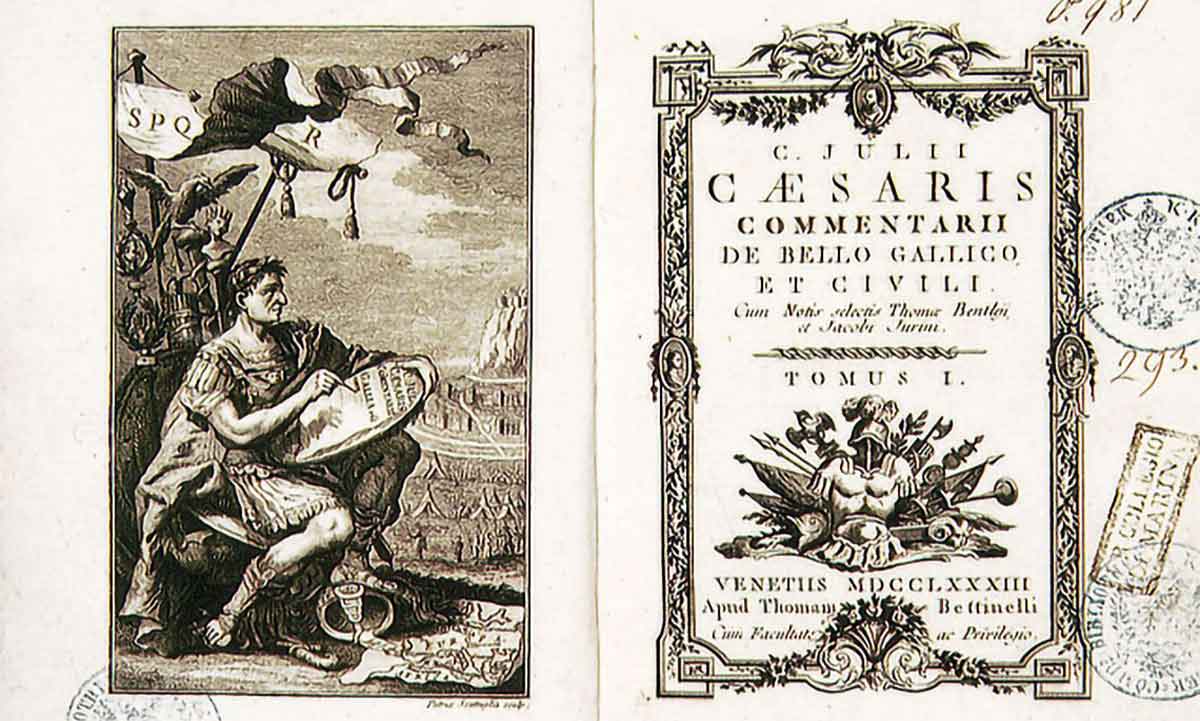
But Caesar’s most famous literary work was his account of his Gallic Wars. But it is more than just an account of his campaigns in Gaul and Britain between 58 and 50 BC. While his core purpose was to share his diplomatic, political, and military undertakings with the public back in Rome, the narrative is interspersed with observations on the lands, people, and wildlife he encountered during his wide-ranging campaigns through large parts of modern-day France, Belgium, and the Netherlands, over the Rhine into Germany, and across the Channel into Southern England.
Geography in the Gallic Wars
Caesar’s military campaigns took him across large stretches of central and northern Europe. Consequently, he gives a lot of geographical information to provide context for his narrative and make his readers familiar with the natural surroundings. He also seems motivated by his own scientific inclination and interest. But how accurate is his geography?
Caesar states that the Maas River (or Meuse) has its source in the mountain range of the Vosges. In fact, the river originates about 100 kilometers westward. On the other end, he also conflates the mouth of the Maas with that of the Rhine and the Scheldt.
Another territory that makes an appearance in Caesar’s work is the Ardennes forest, known to history buffs as the location of the “Battle of the Bulge” in World War II. He says that it extends more than 500 Roman miles (roughly 465 miles or 750 kilometers) westwards from the shores of the Rhine. Again, Caesar misses the mark and greatly exaggerates the distance. It measures roughly 90 to 120 miles (150 to 200 kilometers) across.
Therefore, despite spending significant time traveling around Gaul with his army, there are still major issues with his account of its geography.
Britannia Ruled by the Waves
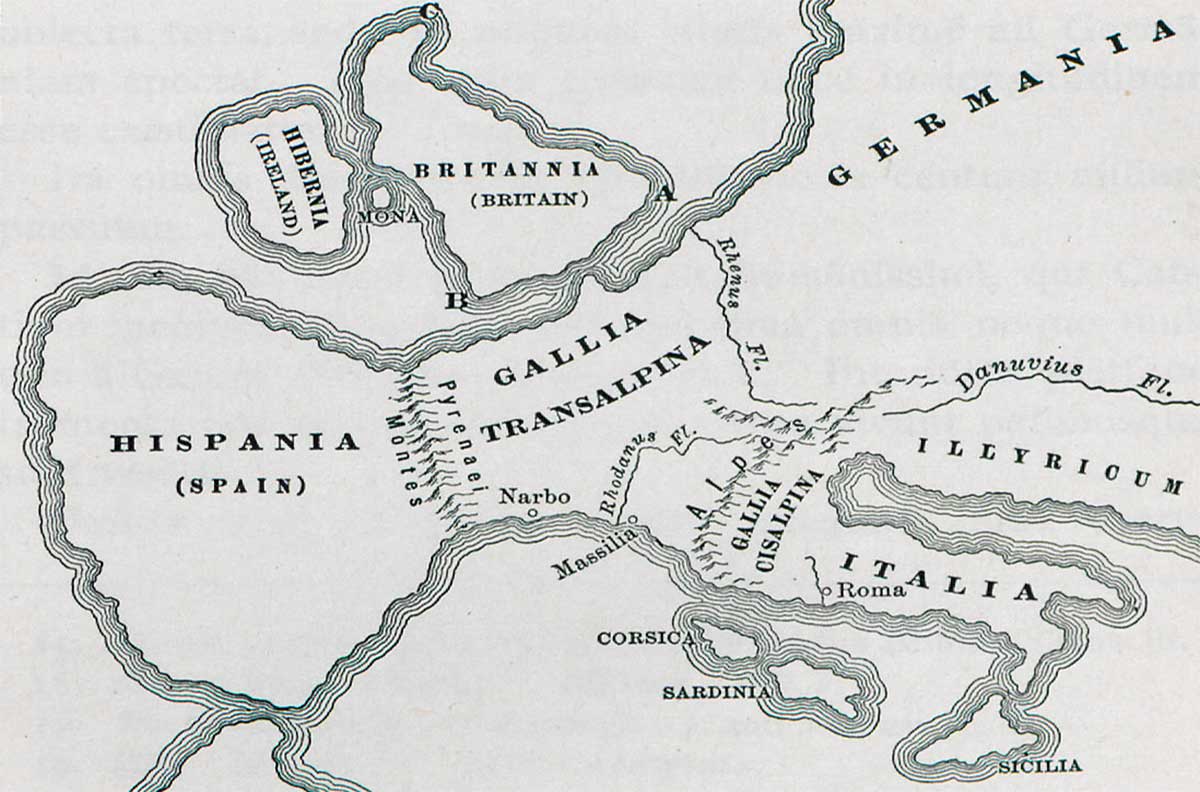
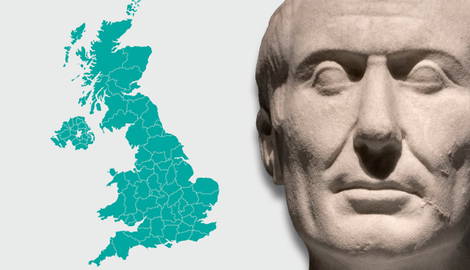
Caesar’s most detailed geographical description concerns Britain. He mentions that the waves between Gaul and Britain are not as high as those in the nostrum mare, the Roman name for the Mediterranean Sea, because of the higher frequency of the tide. This passage on the tide is one of very few instances where Caesar is seemingly unaware of the scientific discussion of his time. The average wave height in the Channel and the Mediterranean are roughly the same, but in other parts of the coastline between mainland Europe and the British Isles, the contrast is stark.
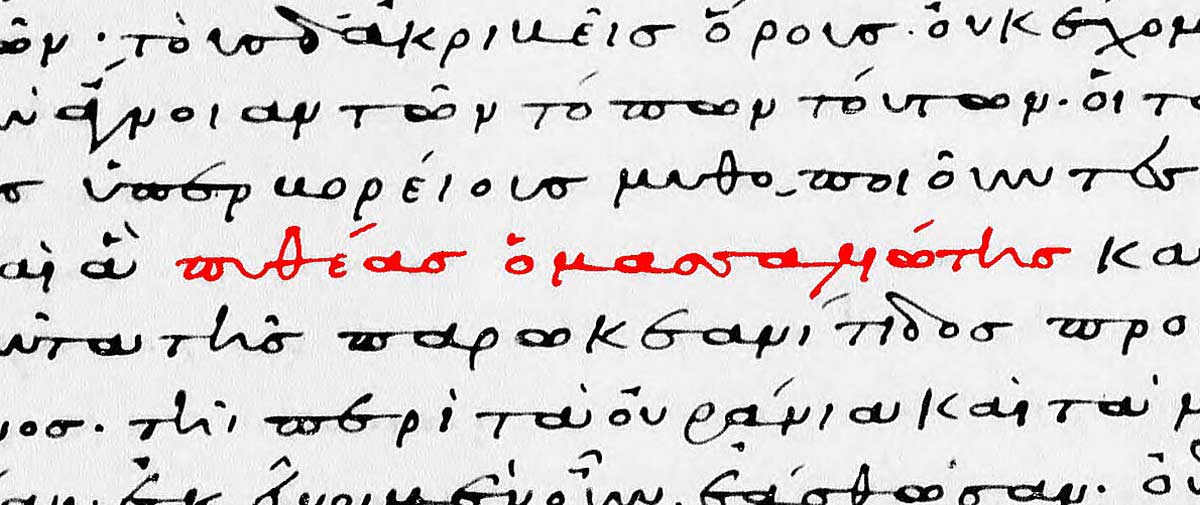
Generally, his treatment of Britain is among the most telling about Caesar’s scientific attitude. On the one hand, he displays familiarity with existing, especially Greek, geographical works, but he also uses critical faculties to evaluate his sources and correct where necessary. For example, he states that Britain is shaped like a triangle, echoing a theory espoused by Pytheas of Massalia in the 4th century BC, whose work was the authoritative source on the region at the time. Generally, the simplification of geographical shapes is a common tendency among ancient Geographers. Sicily, for instance, was also long viewed as a triangular landmass.
But Caesar does not just copy Pytheas. He corrects him both regarding the positioning of Britain and its circumference, which he holds to be about 2,000 Roman miles, which is less than half what Pytheas had assumed. However, Pytheas was closer to the actual mark, as its circumference is 11,000 miles.
There are other examples of Caesar correcting intellectual giants, such as his revision of the famed polymath Eratosthenes’ descriptions of the middle and upper Rhine. Clearly, he is not afraid to challenge existing, accepted notions.
Caesar’s Geography of the British Isles
Caesar also mentions that Hibernia, the Latin name for Ireland, is roughly half as big as Britain. Ireland is, in fact, roughly one third its size. To Caesar’s credit, he uses the phrase ut aestimatur (as is assumed), thereby admitting that the information provided is only an estimation and might be inaccurate.
Furthermore, he writes that the island of Mona, which is the Isle of Man, and other islands, probably the Scottish Isles, are reportedly shrouded in perpetual night for 30 days straight around the time of the winter solstice. He goes on to say that despite their best efforts, they were unable to find out anything about this phenomenon. The only thing they were able to discover with the help of measurements with a clepsydra (water clock) was that the nights were shorter than those on the mainland. Here, as elsewhere, Caesar displays genuine scientific interest and a desire to advance collective knowledge.
But despite the above-mentioned shortcomings, there are parts of Caesar’s description of the British Isles where the distances mentioned are remarkably accurate, especially considering the limited knowledge about the area during Caesar’s time. For example, he states that Hibernia is exactly as far removed from Britain as Britain is removed from the coast of Gaul, and that halfway between Britain and Hibernia lies the island of Mona, all of which is true.
In short, the geographical data Caesar provides varies in terms of its reliability. But it has to be kept in mind that Caesar only had very limited sources and vague tales to draw on, especially the further north and northeast he traveled. In many cases, he is the first Roman to report on what he is seeing.
Fantastic Beasts and Where to Find Them

In addition to the geographical observations, the Gallic Wars offers a few interesting paragraphs on the wildlife Caesar came across, or at least heard about, while in Gaul.
In his description of the location and extent of the Hercynian Forest, the mountain ranges between the Black Forest and the Carpathians, Caesar delivers an excursus on the most curious animals to be found there. Firstly, he writes about a type of cow which resembles a stag in appearance. In the middle of the forehead, it has a horn which protrudes strongly and is straighter than that of other horned animals. At its tip, the horn spreads into different parts like leaves or twigs. While we cannot be sure what animal Caesar is referring to here, some modern scholars have suggested that he is describing a reindeer.
Another mammal mentioned by Caesar is the Aurochs, Bos primigenius, which Caesar says is a little inferior in size to an elephant and similar to a bull in appearance and color. Caesar’s description seems to fit quite well, given that the Aurochs, which died out in 1627, were towering bovines with a shoulder height of up to six feet.
The Elk and Caesar’s Cabinet of Curiosities
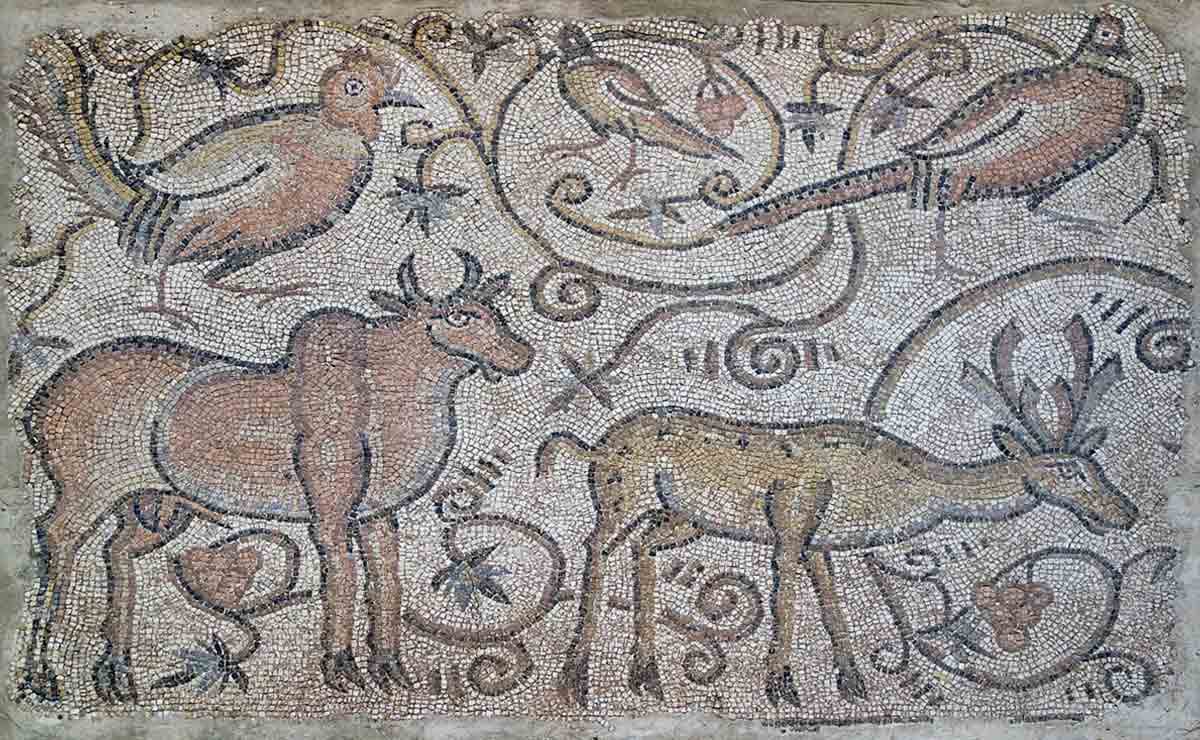
Far and away the most curious member of Caesar’s zoological collection is the elk. In his words, it looks like an oversized goat with colored fur, blunt horns, and legs without joints. Because of this, elks do not lie down, not even for sleeping, and if they happen to fall by accident, they are unable to get back up. Hence, they resort to leaning against trees when they need to rest.
According to Caesar, the local hunters have devised an ingenious way of preying on them. First, they spy on the animal and seek out the tree it uses for its naps. Then, they visit said tree during daytime and dig out or cut off the roots on one side, while leaving the tree upright so as to trick the animal into thinking that everything is as usual. When the elk duly returns to rest and lean on the tree, both the tree and the animal topple over, leaving the elk helpless and defenseless on the ground, ready to be killed and eaten.
It is impossible to say where this caricature of an elk has its origin, but one explanation put forth by M. Deissmann is that the sluggish and ponderous way in which elks tend to move might have given rise to the erroneous belief that they lacked joints. It is passages like these which prove that Caesar was not immune to the allure of supplying his audience with juicy, sensationalist stories about the otherness and strangeness of the foreign lands he traveled.
By Caesar’s time, a focus on such thaumasia (marvels or wonders), as ancient Greeks called them, was already a long-standing tradition among geographical and historical writers. It dated back to figures such as Hecataeus of Miletus in the 6th century BC and Herodotus in the 5th century BC. Caesar’s elk is as outlandish and ludicrous from a modern perspective as, for example, the gold-digging and almost dog-sized ants of India found in Herodotus’ histories (3.102-105). However, there is some doubt whether the chapters of the Gallic Wars containing the animal descriptions were actually authored by Caesar. Some scholars have argued that they might be later additions, added for entertainment value.
The Question of Caesar’s Sources
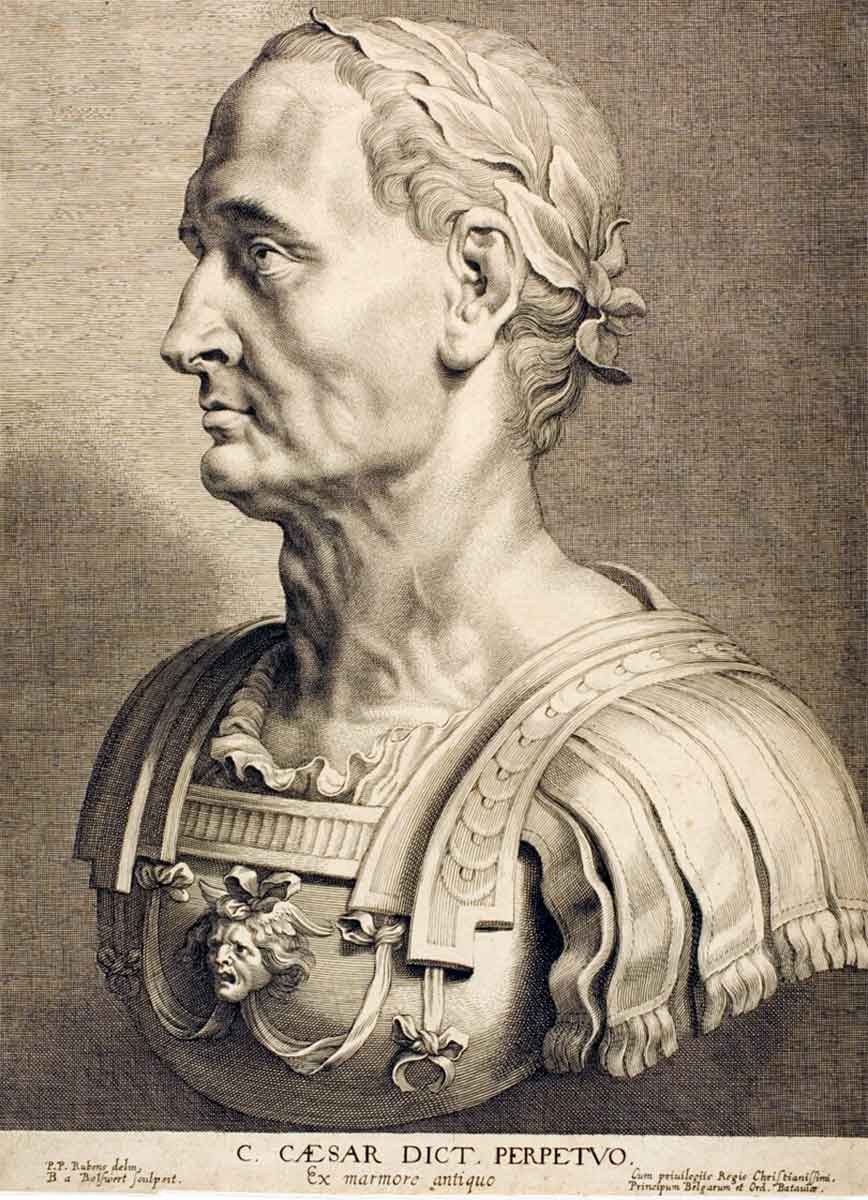
So what’s the verdict on Caesar as a geographer and zoologist? When trying to assess Caesar’s scholarly achievements, the question of his sources is paramount. Generally, we can say that the information provided stems from the following three sources.
- Previous geographical and historical works which Caesar had access to
- Caesar’s own research and experiences
- Information Caesar received from his subordinates
Caesar’s familiarity with the literature on these regions available at the time is unquestionable. In some instances he explicitly mentions specific authors and works. Regarding points two and three, modern scholarship is essentially divided into two camps. Some attribute the majority of observation to Caesar himself, while others believe he relied heavily, and sometimes too readily and uncritically, on accounts provided by his generals and soldiers.
The latter view was already voiced by Caesar’s contemporary Gaius Asinius Pollio. But we know that Caesar was accompanied by some competent and learned men, such as the legate Publius Crassus, who, according to Cicero, was very erudite. A reliance on middlemen is not necessarily a bad thing. Pollio added to this criticism the haste in which the work was compiled. In his opinion, Caesar, had he lived longer, would surely have reworked his Gallic Wars extensively. Doubtless, some of the inaccuracies and falsities can be attributed to this.
Caesar seems to have done the best he could given the information at his disposal, which became increasingly scarce and unreliable the further his campaigns took him away from Rome’s existing sphere of influence.
Curating His Commentary
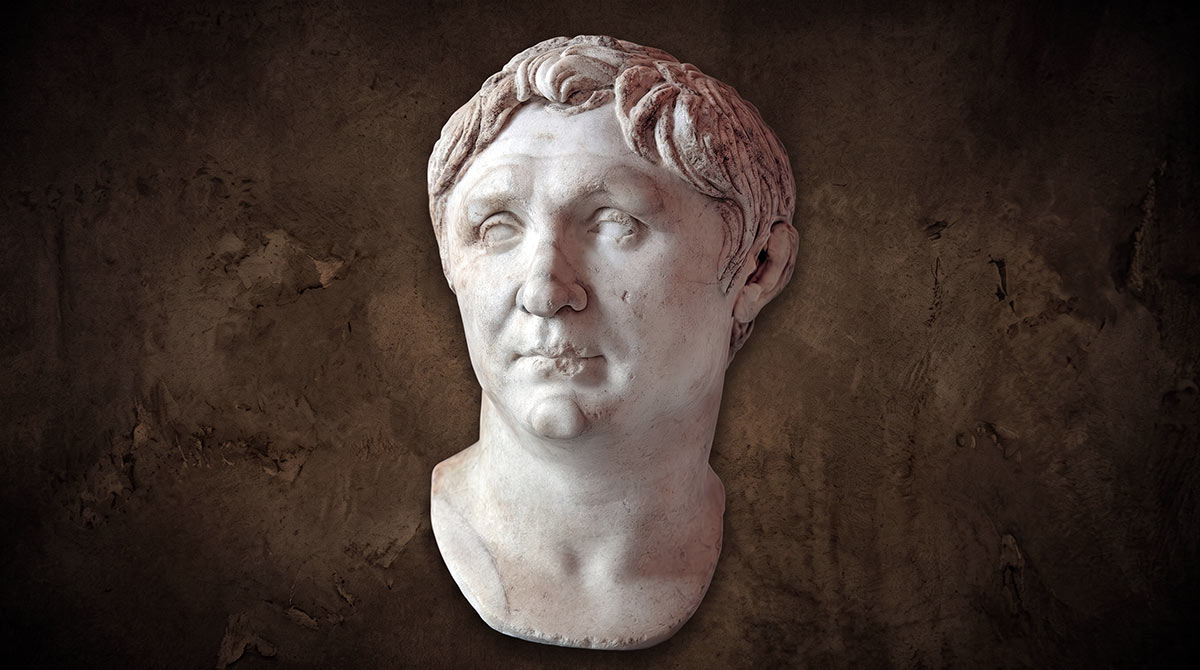
Given the nature and conception of the work, it is logical that Caesar’s selection of what to include was mostly based on whether he deemed it relevant to the military and political endeavors and events he wanted to set down. But at times, Caesar digresses from this path to record hitherto unknown facts, seemingly for reasons of personal interest and a wish to advance knowledge. In other instances, he writes about spectacular things and curious observations for his audience to marvel at. Yet another motivation we can assume to have factored into his decision-making was an ambition to rival or outdo the deeds of other great figures of the past and present, such as Pompey, who had explored previously unknown parts to the east of the Roman Empire around ten years earlier.
In sum, the scholarly digressions within the Gallic Wars are a genre-bending treasure trove of information on a variety of different subjects, and while many of Caesar’s observations have since proven to be inaccurate or incorrect, some have withstood the test of time and are influential to this day. Furthermore, Caesar offers a fascinating insight both into the state of knowledge on the regions in question at the time of writing, as well as into the scientific mind of their creator. They paint an image of Caesar as a very unusual figure among Roman military commanders, one who ruthlessly pursued his political and military goals, but also went out of his way to explore and document hitherto unknown or barely known lands and phenomena.