
‘The Renegade’ is a short story born of a crisis brought about by the harsh, often unfair criticism Camus received for daring to question the oppressive path that modern revolutionary ideas were taking. As part of the collection Exile and the Kingdom, ‘The Renegade’ shares a concern with the impossibility of communication. The story shows the failure of communication and subsequent oppression at its most stark: a man whose tongue is cut out and who comes to love and serve his torturers.
Situating the Text
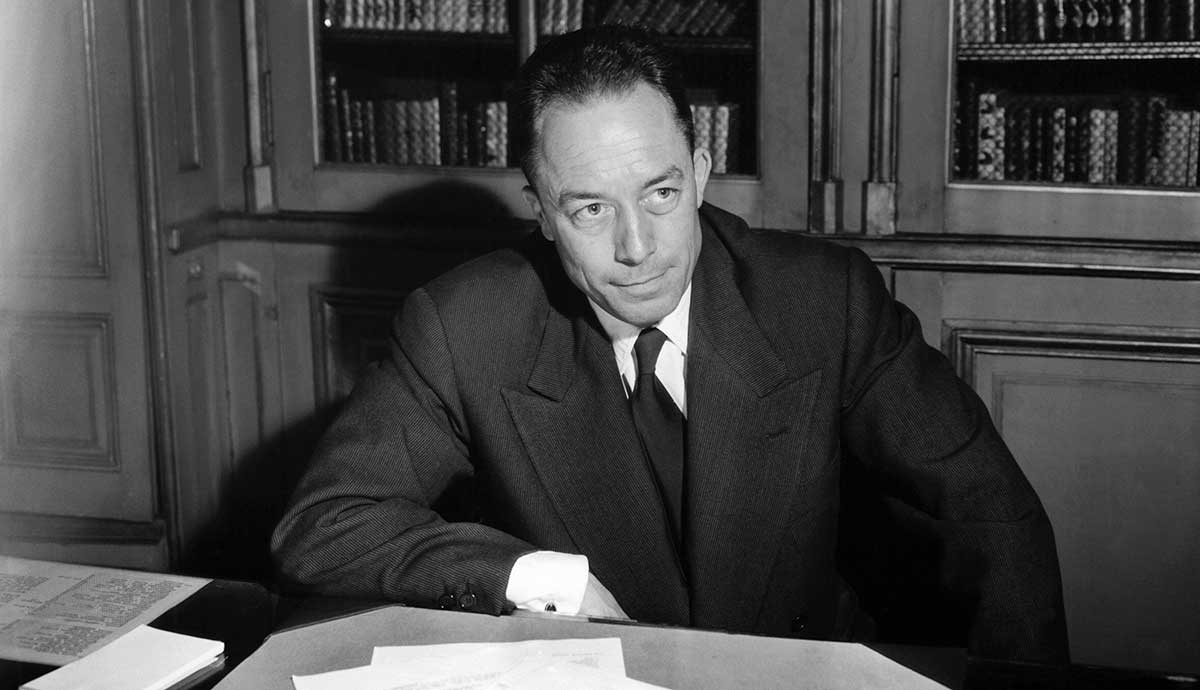
Albert Camus (1913-1960) wrote the short story ‘The Renegade’ for inclusion in a collection of stories published as Exile and the Kingdom. This is Camus’s only collection of short stories and was published in 1957. At this time, he was going through a personal crisis. It is worth taking a brief look at this crisis in order to better understand how some of the themes of the stories reflect personal issues for Camus.
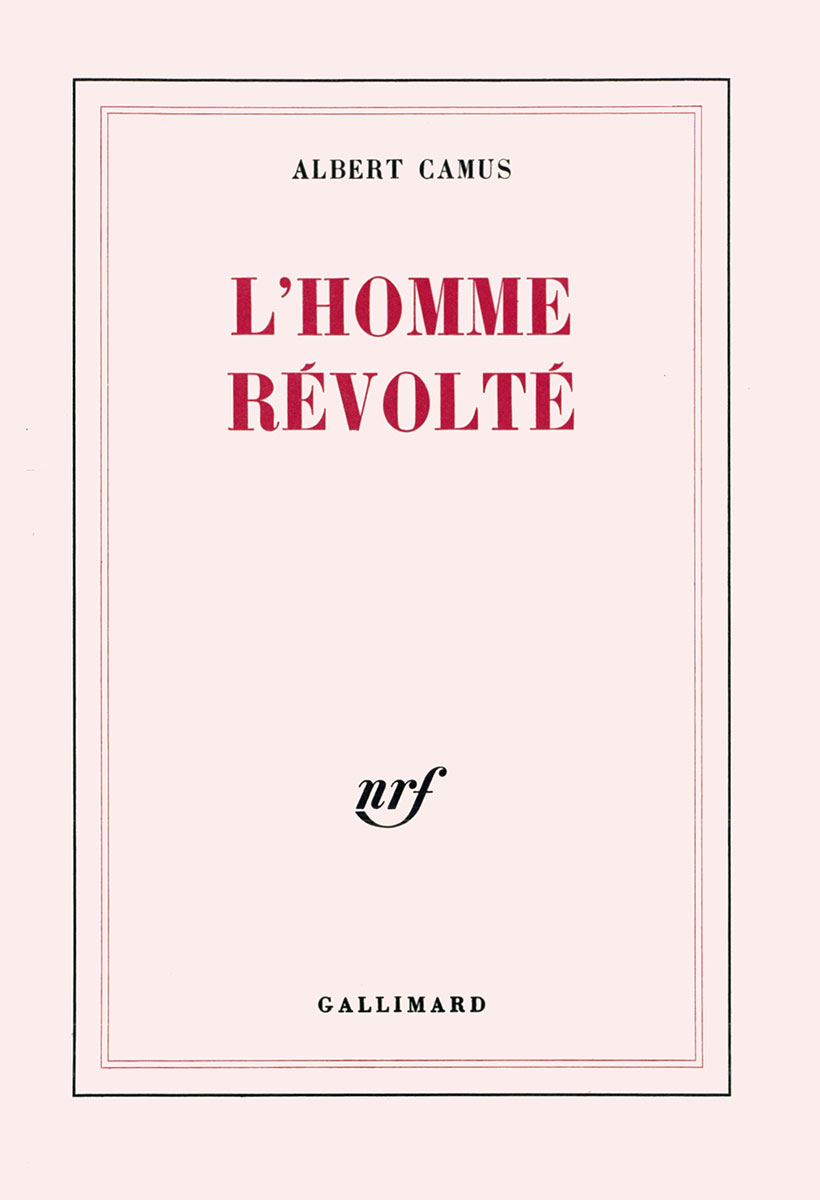
In 1951, he published his book-length essay The Rebel to great controversy. In this essay, Camus attempts to trace the genealogy of rebellion in order to find out what has gone wrong with our moral thinking. His argument, put very simply, is that human beings have a natural instinct to rebel against injustice but that, somewhere along the line, modern revolutionary groups betray this instinct.
Camus was writing at a time when the purges and repression in Stalin’s Russia were becoming widely known and something of a problem for left-wing thinkers in his native France. It was generally considered taboo for those on the left wing to publicly criticize the Soviet Union, as this was seen as providing ammunition for anti-Communist thinkers on the right.
Many on the left, whom Camus had previously considered friends and fellow-travelers, were outraged by The Rebel, and he became a persona non grata on the left-wing literary and philosophical scene.
Camus felt, justifiably, that he had not been treated fairly in the furor that followed the publication of The Rebel and, in particular, that he had not been given a fair hearing. He was also greatly troubled to realize that a lot of people he had believed to be friends and admirers did not actually like him all that much and were pleased to see him suffer.
‘The Renegade’

The full title of Camus’s short story is ‘The Renegade or a Confused Mind.’ The story begins abruptly with the narrator announcing that his tongue has been cut out. Here, we can see the theme of communication difficulties in its most startling form.
The narrator, whom we will refer to from now on as the Renegade, says that he is “in a muddle” and highly confused. He knows he is waiting for a missionary to replace him.
We quickly learn that the Renegade is in Taghaza, which is a salt flat in Mali, and that he is originally from the Massif Central, a mountainous region of South-Central France. He is lying in wait among some rocks armed with a rifle. He also refers to himself as “a filthy slave.”
The Renegade reflects on his conversion from Catholicism to Protestantism and his entry into the seminary. In a reference to one of Napoleon’s greatest victories, he refers to his reception by the Catholic priests as “like the sun at Austerlitz.”
His father, “a pig,” died, presumably of alcoholism. The Renegade expresses great resentment towards the Church and his father: “they drank sour wine, and their children have rotten teeth, gha gha, kill the father, that’s what one had to do.” The reference to “sour wine” refers to the wine Jesus drank at his crucifixion. The “gha” sound is the noise the tongue-less Renegade makes when he attempts to speak.
The Renegade’s father is already dead and so cannot be killed. Instead, “all that’s left is to kill the missionary.” So the Renegade is armed with a rifle and awaiting a missionary he plans to kill. But why?
The Renegade’s Mission
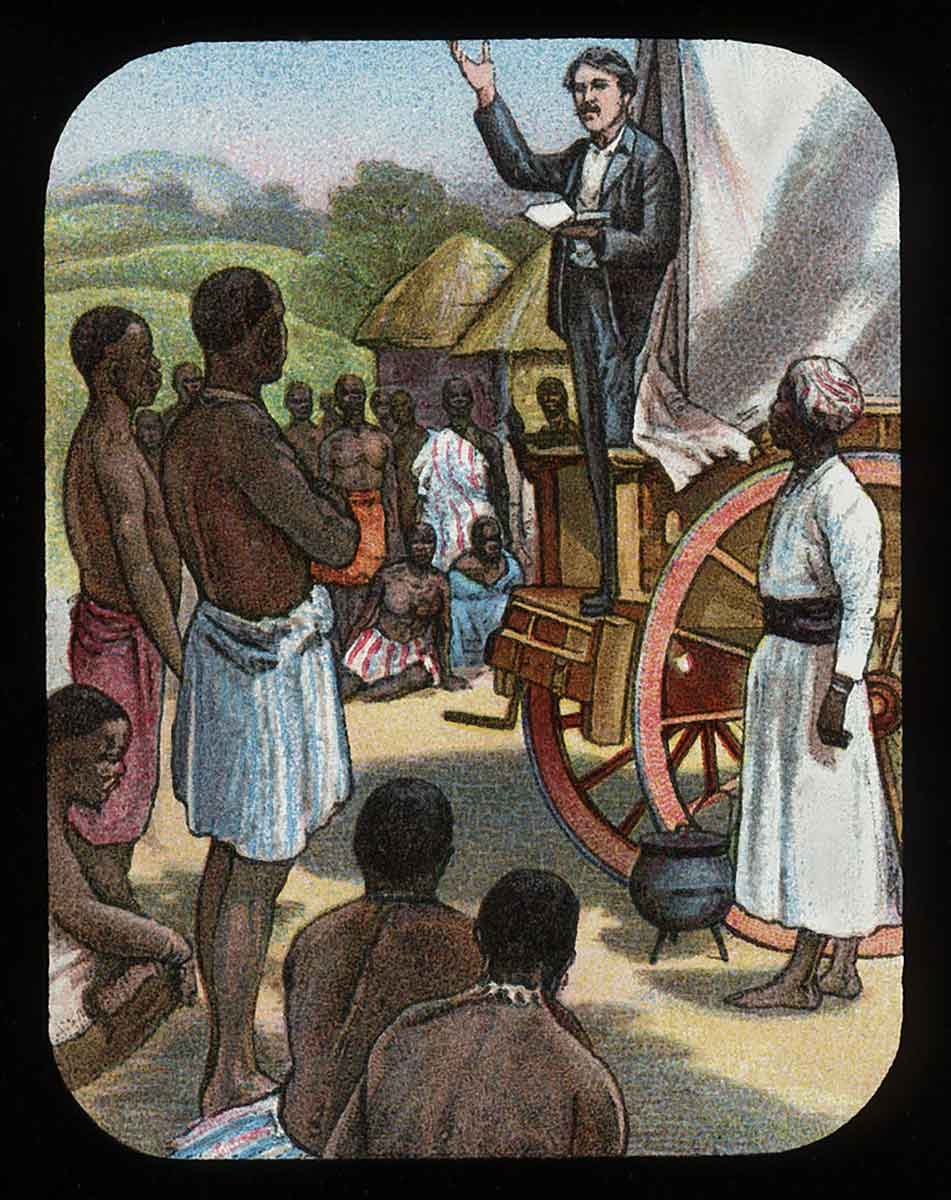
We learn that the Renegade, even as a young student, actively sought abuse from others. For example, he welcomed the mocking taunts of young women who would see him walking around in his seminary clothes. His motive is not, however, purely masochistic. For him, the ability to take abuse from others without letting it get him down is a display of his strength.
After learning about Taghaza and the locals’ extreme hostility towards missionaries, the Renegade sets his mind on travelling there. He is warned several times not to go as it is too dangerous. Taghaza is not considered ready for missionaries. But to the Renegade, this is music to his ears. The harsher, the more hostile and aggressive the people, the better.
The Renegade’s concern is not the salvation of souls but the opportunity to exercise his power. Indeed, the Renegade goes on to say, “I dreamed of absolute power, the kind that forces the adversary to kneel on the ground, to capitulate.”
In the end, the Renegade steals the money he needs to reach Taghaza and sets off without permission to pursue his missionary work. He is warned along the way by the people he meets not to go.
The House of the Fetish
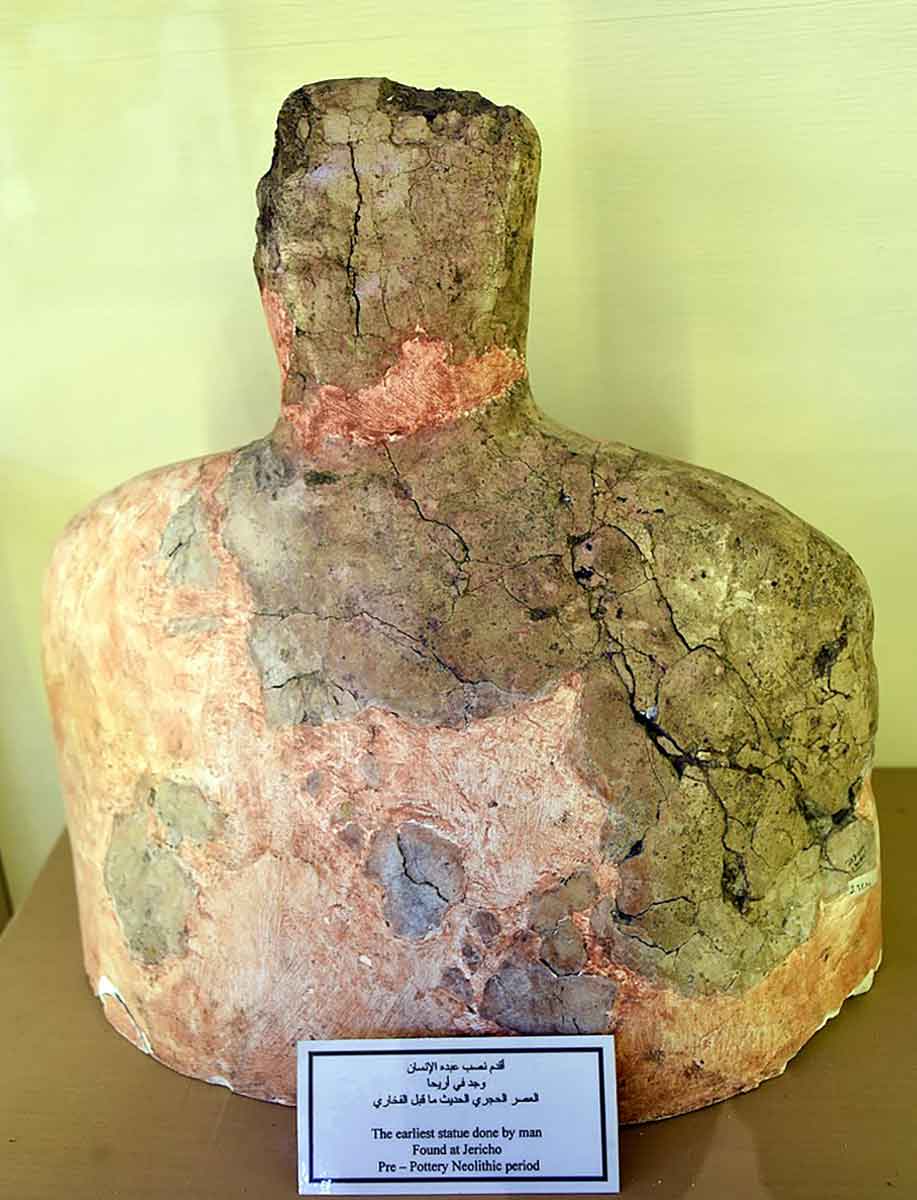
When the Renegade finally reaches the people he wants to convert to Christianity, he is met with the hostile reception he anticipated. They throw him into the “house of the fetish.” This is a religious building that houses an effigy of their god.
Here, the Renegade is kept like an animal and tortured. He is given grain to eat and offered no toilet facilities. The village “sorcerer” arrives and treats the Renegade roughly. The Renegade undergoes various tortures and violent religious rituals. He becomes a kind of temple-slave, cleaning and preparing the house of the fetish prior to the religious rites that will take place.
We learn that the Renegade begins the process of becoming a convert to a religion he cannot understand. As he tells us the story, we are intermittently reminded that he is lying in wait for a replacement missionary he aims to kill.
The Renegade then recounts the story of how his tongue was removed. A woman is brought into the house of the fetish and offered to him sexually. He attempts to have sex with her but is pulled off her by the sorcerer, his “sinful place” is beaten and his tongue cut out. The Renegade passes out. When he awakes, he fully converts to the new religion and to worshiping the fetish.
The Renegade now embraces the hatred of his own people in service of the dark god: “only evil can go to the limit and reign absolutely, it must be served in order to establish its visible kingdom, then we shall see, then we shall see what it means, only evil is present – down with Europe, reason and honor and the cross.”
The Conversion of the Renegade

The Renegade fully converts to the religion of those he set out to convert and becomes their slave. One day, he hears voices speaking a language he recognizes. French soldiers have come to the village and are speaking with the natives. The door to the house of the fetish is locked, and the existence of the Renegade is kept a secret from the French.
However, is it not as if he would see these compatriots as his potential rescuers. The Renegade is horrified at the idea that the villagers would make deals with the French.
He manages to escape from the house of the fetish and to steal a rifle. Then, the Renegade goes to find a place from which he can shoot and kill the missionary he heard was coming to the village.
We are now at the point at which the story began. The Renegade is waiting, rifle in hand, for the arrival of a French Catholic missionary that he plans to kill in the name of the dark fetish he now worships. He carries out his plan and shoots the missionary dead.
At this point, he is overcome by the villagers who have found him. They are terrified of the repercussions that might come from the murder of the missionary. The Renegade is crucified by the villagers. The story ends with the line: “a fistful of salt fills the mouth of the babbling slave.”
The Ending of ‘The Renegade’ Explained
‘The Renegade’ is a difficult story to interpret. One of the more fanciful explanations is that the locals (to whom Camus refers as ‘black Eskimos’) who exist on the salt-white background of the salt flat represent the written word (in black ink) on the white page.
In other words, ‘The Renegade’ is a metaphor for Camus’s writer’s block. But if Camus was writing about his writer’s block, how do we explain the other stories in the collection? This includes ‘The Guest,’ which is now considered as close to perfection as a short story, and The Fall, a story that was originally part of the short story collection, which is now considered a masterpiece.
A more fruitful line of inquiry comes from looking at who Camus’s collection is aimed at. We have seen that The Rebel critiqued revolutionaries who, in Camus’s view, betray genuinely rebellious impulses. In ‘The Renegade,’ we see a rebel whose rebellion is aimed more at attacking his own people and milieu than at any other, more noble cause.
This renegade is “confused.” In other words, his attack is misguided. Rather than oppose injustice (the sole correct motivation for rebellion, according to Camus) the Renegade simply ends up siding with the most oppressive power.
The Renegade does not just side with the strongest, most repressive power that opposes his own milieu but actually ends up helping the most oppressive aspects of the culture he rejects. By killing the missionary, all he does is encourage the violent retribution of his own culture against his new, adopted culture.
Here we see Camus’s critique of the French left wing, which he saw as complicit in oppression, more the result of a hatred of their own kind than of a love of justice.