
For many years, Africa has been the melting pot of a wide variety of faiths from different parts of the globe. Today, Christianity and Islam are the two main religions in Africa. Christians make up about 50 percent of Africa’s total population, while Muslims make up about 40 percent. Interestingly, about 10 percent of Africa’s population still practices traditional religions. To fully understand how these two faiths became so widespread, one must look into how they were introduced and how they spread across the continent.
Ancient Origins of Christianity in North and East Africa
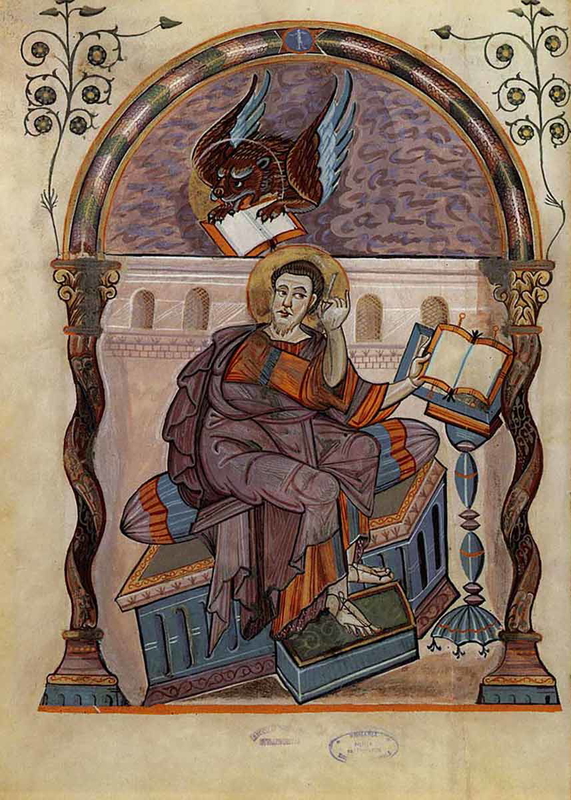
Christianity appeared in Africa in the 1st century AD, long before the European colonialists arrived, and regions in Africa such as Egypt and the Kingdom of Aksum (in present-day Ethiopia and Eritrea) were among the first in the world to embrace Christianity. Saint Mark, a Christian missionary, is credited with bringing Christianity to Egypt around 42 AD.
By the 4th century AD, Christianity had spread to the Kingdom of Aksum. Around 340 AD, King Ezana of Aksum declared Christianity the official religion of his kingdom, making Aksum one of the first sovereign states in the world to do so. The early adoption also made the Ethiopian Orthodox Church one of the oldest Christian churches in existence.
How Early Arab Conquests Brought Islam to North Africa
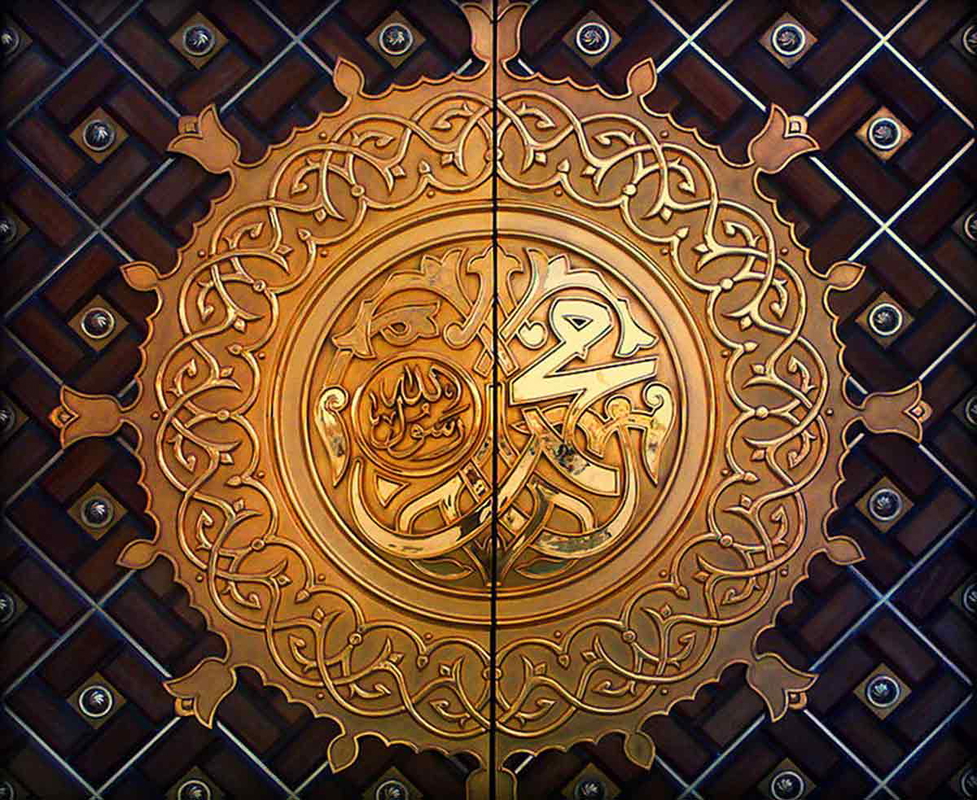
Islam entered Africa in the 7th century, following its establishment in the Arabian Peninsula. Muslim Arab armies conquered Egypt and much of North Africa a few decades after the death of Muhammad, its founder, who died in 632 AD. The conquest of Egypt occurred under Caliph Umar ibn al-Khattab, while the prolonged conquest of the Maghreb region began under Caliph Uthman ibn Affan, who ruled from 644 to 656 AD. Besides the allure of loot, including gold, which was used to pay for the campaigns, religious ideology motivated the armies.
Early Arab historians themselves presented the conquests as acts of jihad. The North African conquests took decades as Berber resistance was fierce and sustained. Before the Muslim Arab conquests, North Africa was part of the Byzantine Empire, and Christianity was the official religion. But when the Arab armies defeated the Byzantine forces and pushed them out of major territories such as Egypt and Tripolitania, and eventually the entire Maghreb, they effectively dismantled the imperial structure that had enforced Christian Chalcedonian Orthodoxy.
Eventually, cities in North Africa became engines of Islamization because they attracted Muslims from Arabia and the Levant. This was particularly after the Umayyad caliphs encouraged Arab families to move west and settle in the newly conquered lands. The expansion of Islam into sub-Saharan Africa, however, followed a very different and more peaceful process. Trade, not war, was responsible for the spread of Islam in the region.
How Trans-Saharan Trade Spread Islam Across West Africa
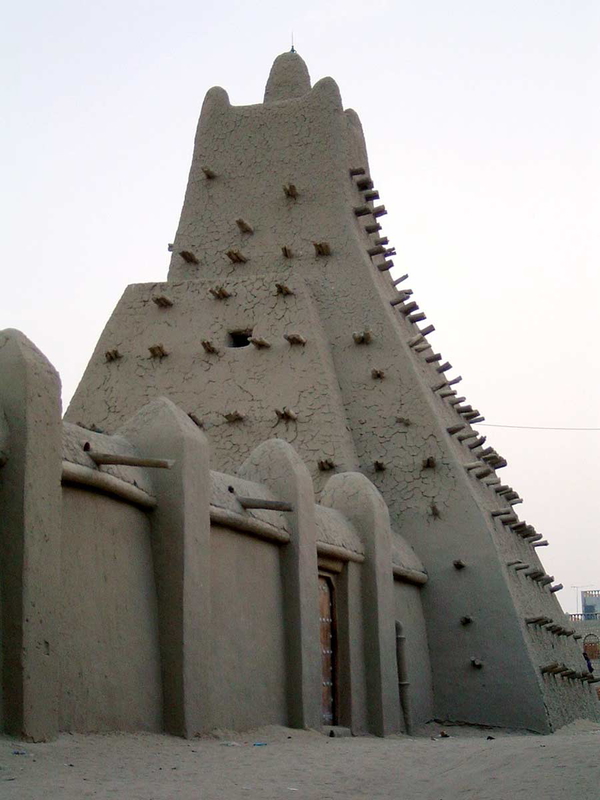
Islam was established in West Africa following the emergence of the Trans-Saharan trade. As Muslim traders from North Africa traveled across the Sahara Desert to exchange salt, gold, and other trade items with empires such as Ghana and Songhai, they often brought with them scholars and clerics of Islam. Cities where these travelers settled, such as Timbuktu and Gao, would eventually become major centers of Islamic education. Gradually, the religion took hold in major cities as the elites and merchants sought ties to the prestigious networks of the greater Islamic world.
Soon, towns started to follow Islamic laws and write in Arabic for commercial and business purposes. Conversion to Islam was further aided by Muslim teachers and later Sufi orders who mixed Islam with traditional practices. These aspects increased Islam’s appeal to the general populace. As a result, Islam had become quite popular among the elites and merchants of West African society by the time explorers from Europe arrived in West Africa in the 15th century.
The Expansion of Christianity During the Colonial Era
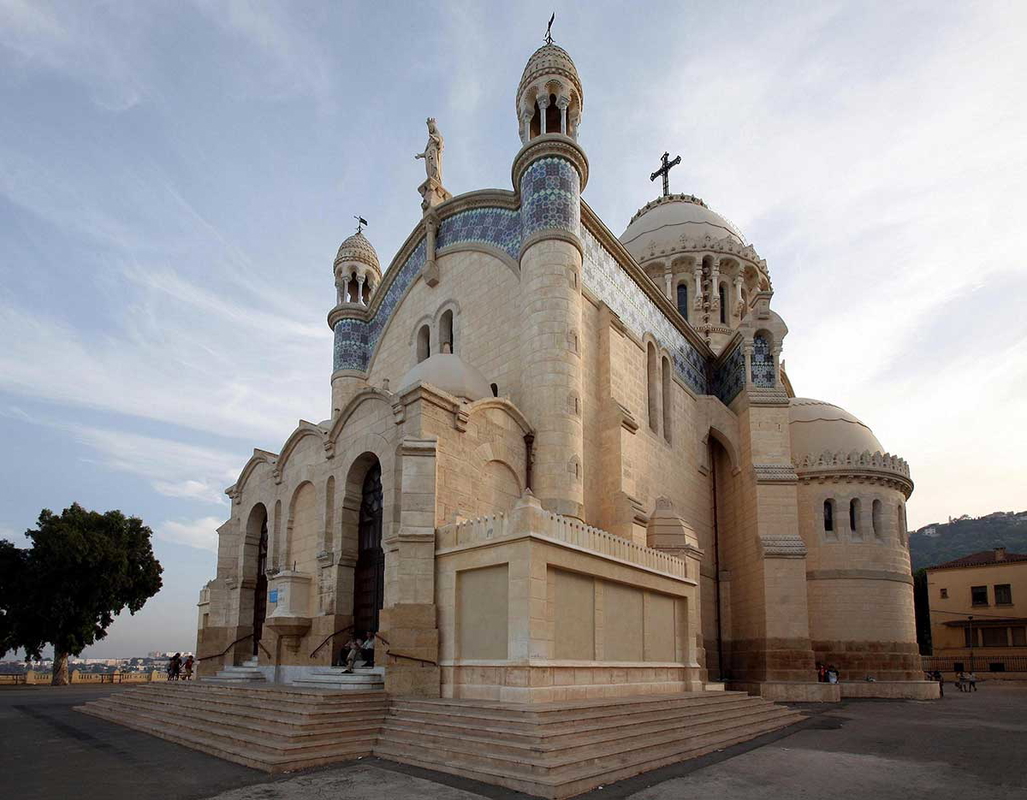
Many religious changes occurred during the 19th and 20th centuries as European nations began colonizing large parts of Africa. Christianity first spread quickly across sub-Saharan Africa as the invaders took over large swathes of territory. Notably, they also had large groups of missionaries in tow. Since Christian missionaries also built schools, hospitals, and clinics, which were needed by many Africans seeking Western-style education and healthcare, many Africans were drawn to the religion.
Some African converts also blended their customs with Christian practices rather than completely replacing their traditional beliefs, eventually founding independent African Christian churches. These African Christian churches mixed Christian ideals with African languages, music, and dance, which appealed to locals. By the mid-1900s, when much of Africa was on the verge of gaining independence, many of those churches had grown to become cornerstones of local community life.
As a result of those and other historic processes, much of North Africa is today Muslim, while sub-Saharan Africa is mixed. In certain nations such as Nigeria, Christianity and Islam are at odds to the extent that there is a clear geographical separation. As a result, the North is predominantly Muslim, and the South is largely Christian. In much of Africa, however, the two religions coexist peacefully.