
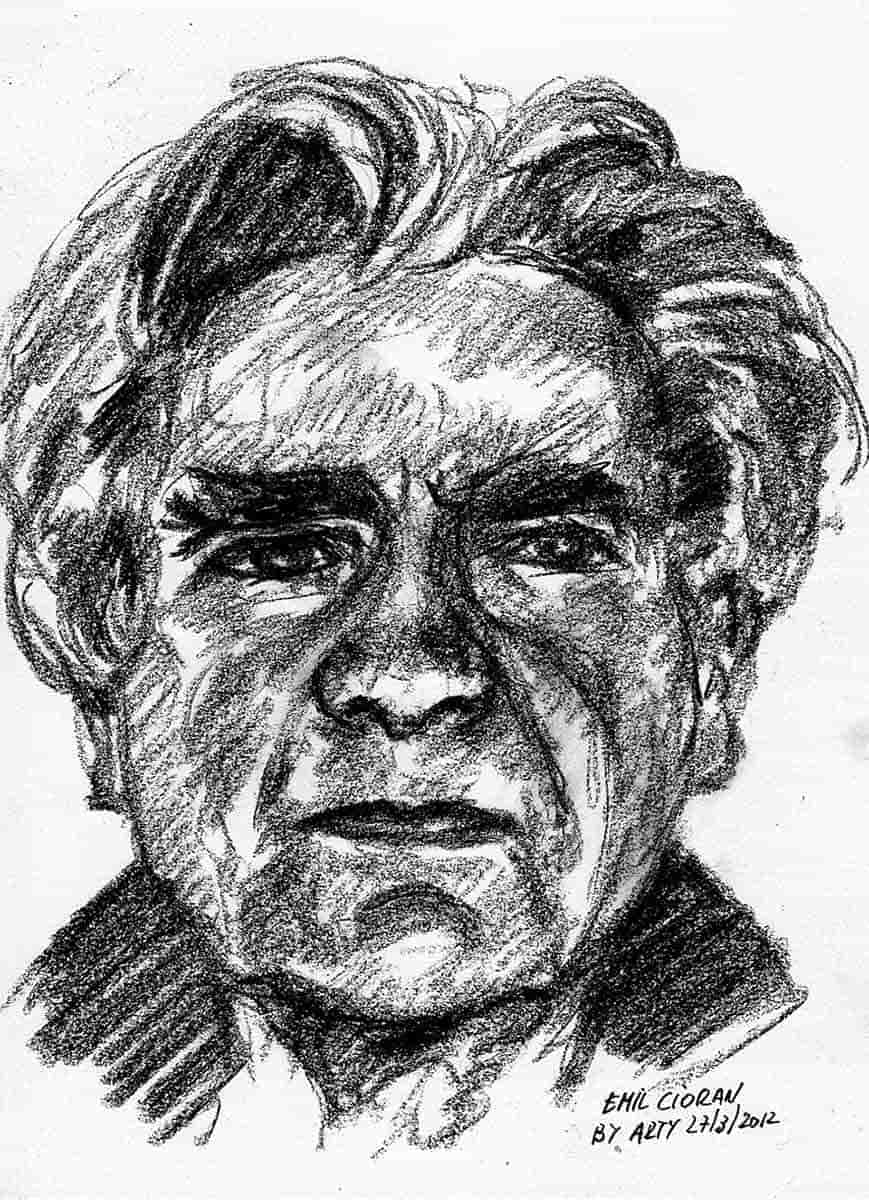
Emil Cioran was a complex and troubled thinker. He was plagued by insomnia and obsessed with failure. In his works, he often expressed the idea that human existence was somehow one big mistake. Yet despite this, or as Cioran would say because of this, he wrote some of the most profound (and witty) works of philosophy addressing such things as suffering, the human condition, and the absurdity of life itself.
Who Was Emil Cioran?
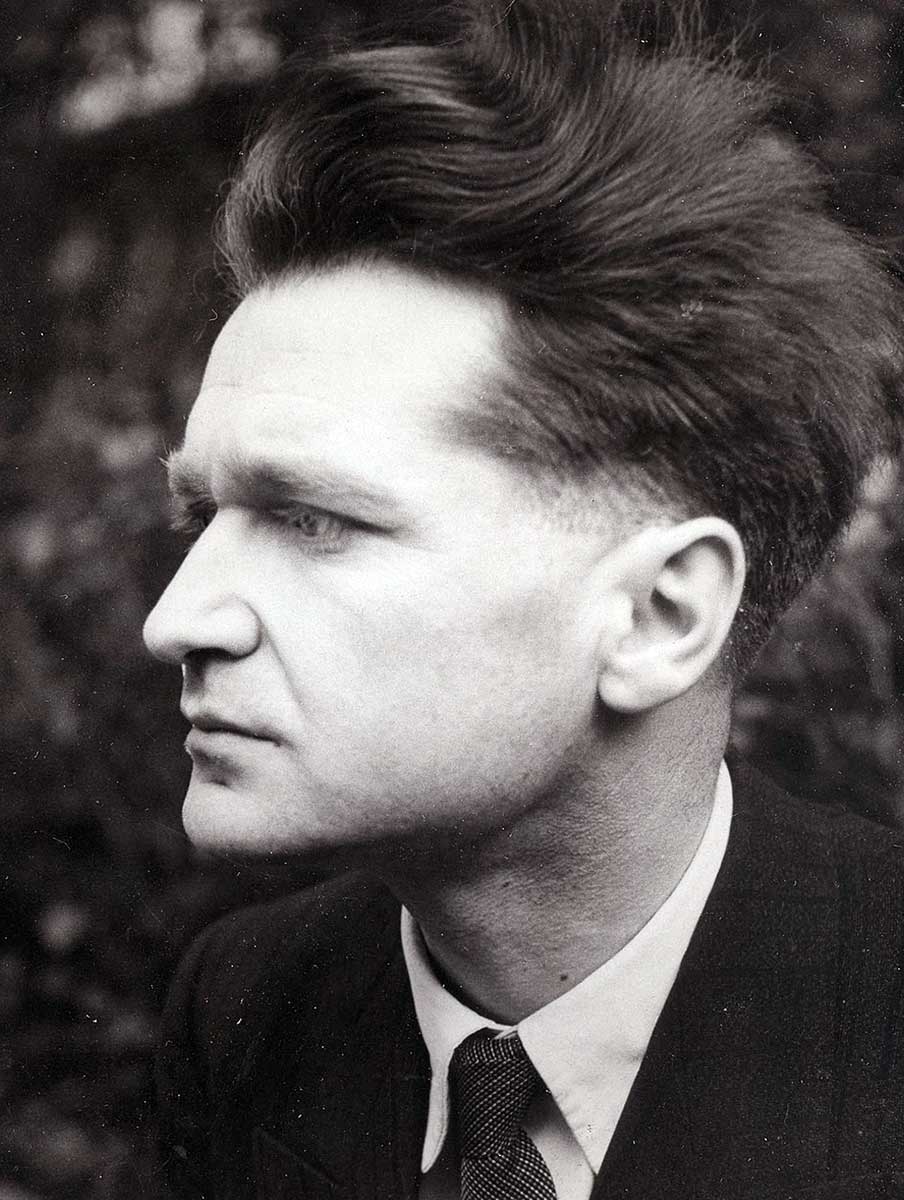
Emil Cioran was born in 1911 in what is today known as Rășinari, Romania. At the time, Resinár, as it was then known, was in the Kingdom of Hungary. The young Cioran was brought up in a very religious household. His father was an Orthodox priest, and his mother was the head of a women’s Christian organization. As a teenager in college, Cioran identified as an agnostic, and later one of his works would be banned in Spain for its perceived atheism and even blasphemy.
Cioran’s college years were spent in Romania, where he studied literature and philosophy at the University of Bucharest. It was here that he met and became friends with the Romanian historian of religion Mircea Eliade and the French-Romanian playwright Eugène Ionesco. During his studies, the young Cioran developed a passion for writers such as Friedrich Nietzsche, Arthur Schopenhauer and Fyodor Dostoevsky.
In 1933, Cioran won a scholarship to the University of Berlin and while there witnessed the rise of Hitler and the Nazis. He would return to Romania in 1936 with some disconcerting views concerning the regime (discussed below).
In addition to his native Romanian, Cioran had a strong command of German and could read German philosophy in the original. Later in life, after moving to France, he wrote solely in French.
His first published work was the prize-winning On the Heights of Despair, published in Romanian in 1934. After that, Cioran published several more texts in his own language until his A Short History of Decay (1949), which was published in French by Gallimard.
Cioran’s Reclusive Life and Forgotten Death in Paris
When Cioran moved to France, he did so without plans to get a job… ever. As a PhD student, he could live on his scholarship and eat all his meals in the cheap university cafeteria. His desire to live without employment was not motivated by a desire to devote all his time to study and the pursuit of knowledge. Of course, it meant that he also had no intention of completing his doctorate.
It was a plan that could have worked. Unfortunately for Cioran, the rules in France changed, limiting the age of all students to no older than twenty-seven. And so, Cioran was forced by necessity to seek another way of getting by. Remaining true to his commitment never to work for a living, he spent the rest of his life mostly relying on the help of others to survive.
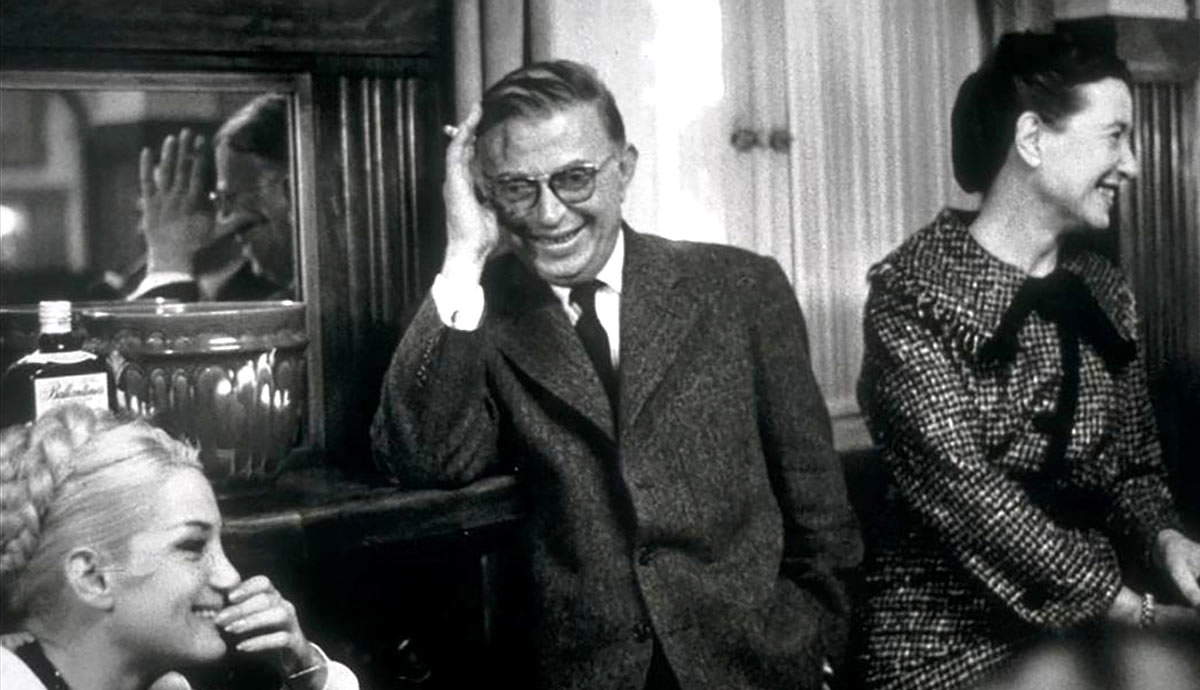
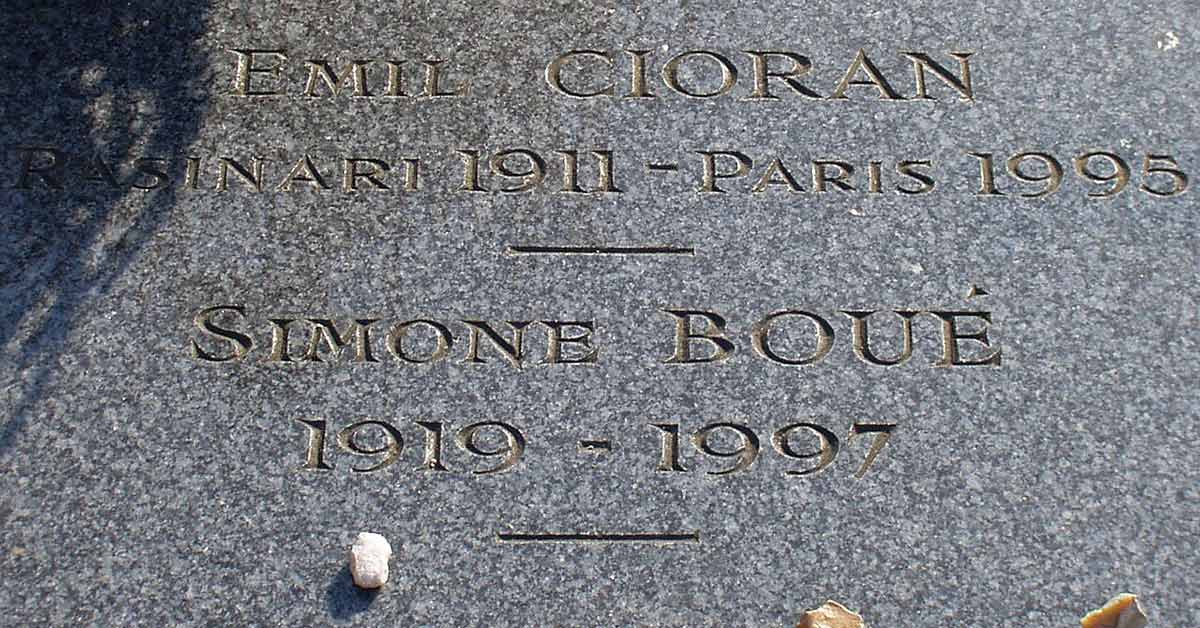
While living in Paris, Cioran met his lifelong companion, a Frenchwoman named Simone Boué. The couple set up home and lived, largely in seclusion, in the Latin Quarter. Boué, like Cioran, suffered from chronic insomnia, and it is easy to imagine the two of them awake and alone together at night while everyone in the city was sleeping.
In the early 1990s, Cioran started exhibiting the symptoms of Alzheimer’s disease. He and Boué made a suicide pact, but in a tragic irony caused by his condition, this pact was forgotten. Cioran died in 1995. Boué was found drowned two years later. The cause of her death, whether suicide or accidental, remains unknown.
Cioran and a Flirtation With Fascism
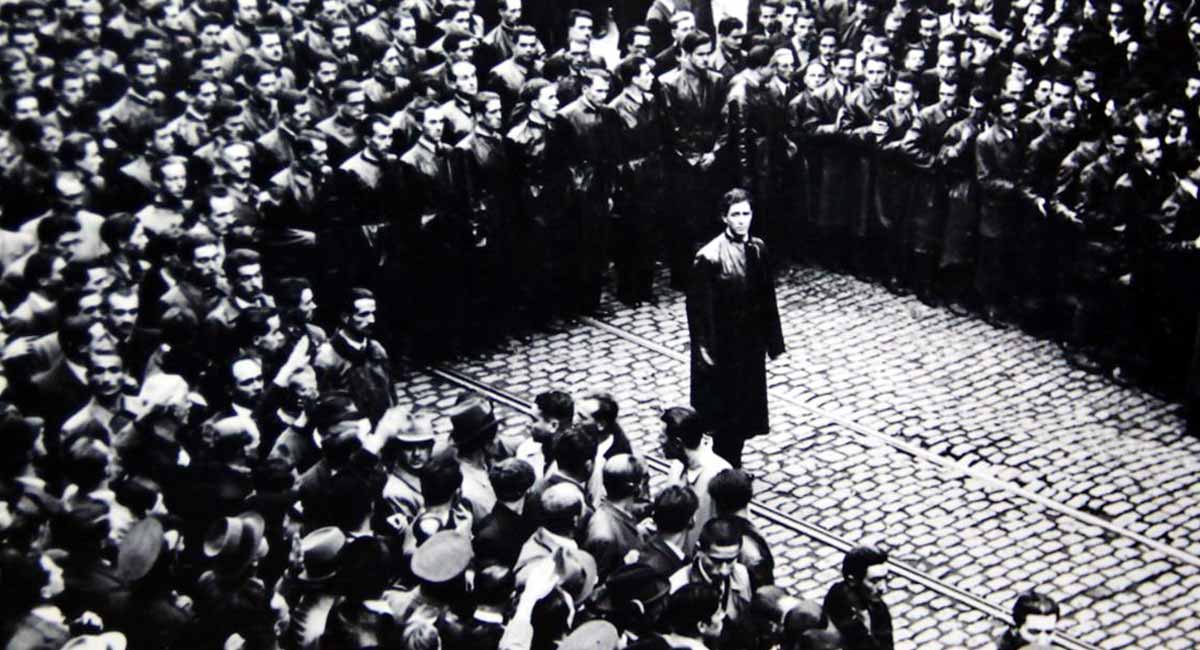
A regrettable aspect of Cioran’s past is his flirtation with fascism and praise for Hitler and the Nazis, Italian fascism, and the fascist Iron Guard in his native Romania. It was a period in Cioran’s life that he soon came to regret and quickly became a source of embarrassment for him.
There is sometimes a temptation to downplay the enthusiasm of philosophers and thinkers who were early supporters of fascism. Such figures include the German philosopher Martin Heidegger; the English novelist D. H. Lawrence; the American poet Ezra Pound; the Norwegian writer and Nobel Prize winner Knut Hamsun; and the historian Mircea Eliade, Cioran’s friend.
Cioran could not have known about the atrocities to come, but he was well aware of the Nazis’ use of political violence. Indeed, he wrote approvingly of the infamous Night of the Long Knives. He went on to support the Iron Guard after returning to Romania but disapproved of their violence.
By the 1970s, he was referring to his dalliance with fascism as the worst folly of his life and a sickness.
Cioran and Failure
We have been discussing one of Cioran’s major failings, his support for fascism. Another of his failings may be a lack of ambition, unwillingness to work, and a tendency to rely on others. A lifelong insomniac, we might even say he failed at sleep!
Of course, there were many successes in Cioran’s life too. He won prestigious accolades, and he would not be the subject of many books and articles had he not succeeded in producing important and valuable insights.
Indeed, we only need to read the titles of Cioran’s texts to see what a wonderful command of language he possessed (writing in a foreign language, no less). Adding to the intrigue is the fact that he concerned himself almost exclusively with nihilistic themes. As well as an intriguing thinker, Cioran was a very funny writer.
As a philosopher, then, Cioran was not a failure. However, one of his major contributions to philosophy is his work on the idea of failure. He believed people do not really understand the value of failing.
The way he saw it, failure plays an essential part in helping us understand who we really are.
In his texts, we often find the idea that our existence is characterized by failure and that life itself is a fundamental mistake. Nihilistic as this sounds, something interesting is going on here. If Cioran thinks failure has value and that life is a failure, then he must think life has value as well.
Cioran’s Nihilism
Cioran’s work is often associated with the concept of the absurd. There are many different conceptions of the absurd, and philosophers make their own use of the idea, but what they share is the idea that life itself may be meaningless.
Note, there is nothing in itself absurd about the belief that life is meaningless. For a belief or situation to be absurd, there must be some kind of contradiction. When philosophers talk about the absurd – and not just something in general being absurd – they are referring to the contradictory idea that life is meaningless but at the same time something we ought to value intensely.
Why would people believe that life is meaningless and what does that actually mean?
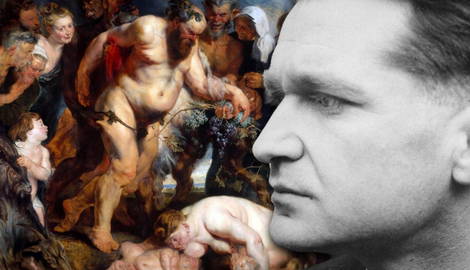
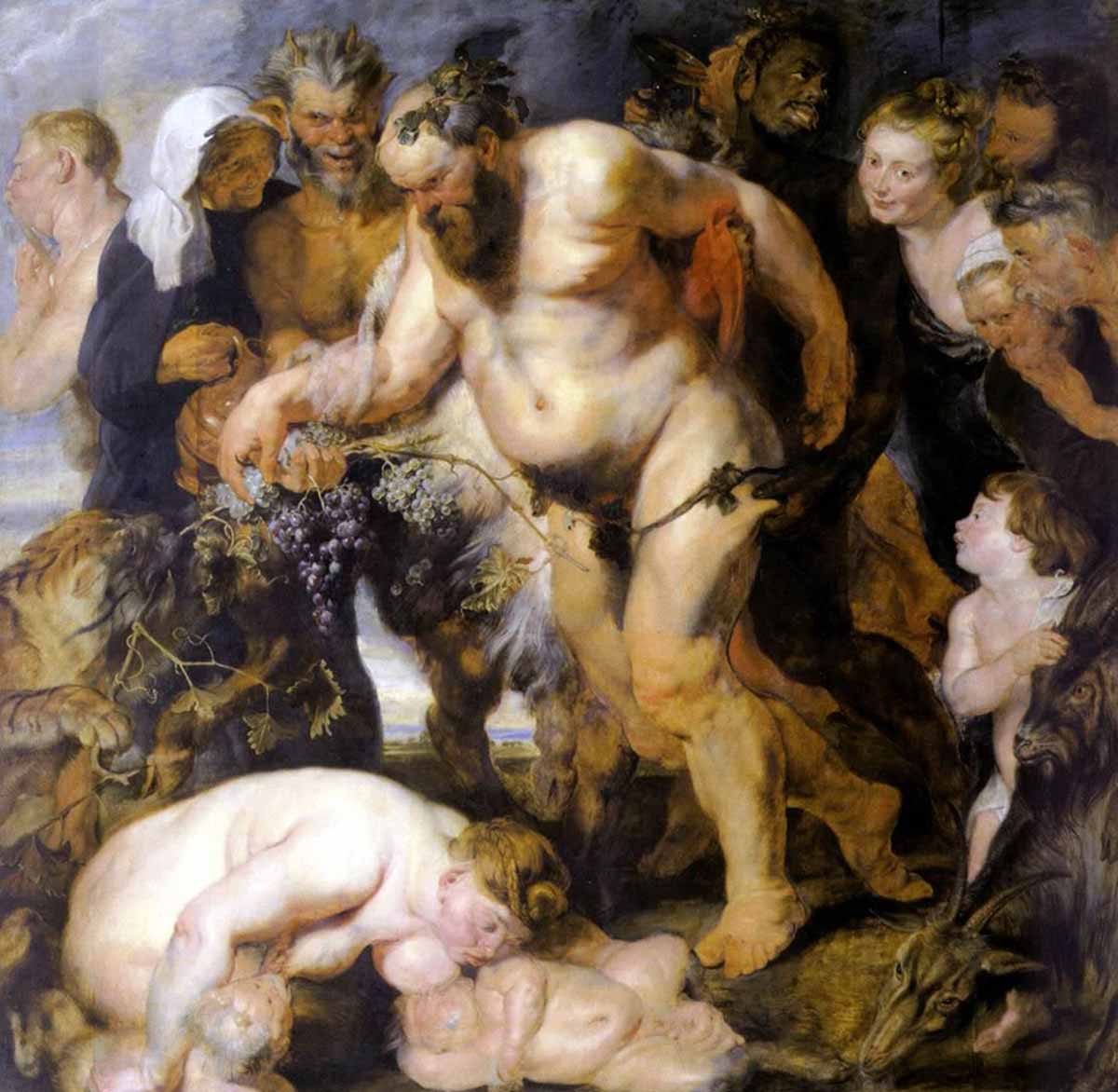
It is an ancient idea that life itself has no purpose and, as a result, no value. This is expressed in Greek mythology through the myth of Silenus and his terrible wisdom. Silenus, when asked what the best thing is for human beings, replied “to have never been born.” The second best thing, he adds, is to “die as soon as possible.” His message is clear: life is not worth the effort.
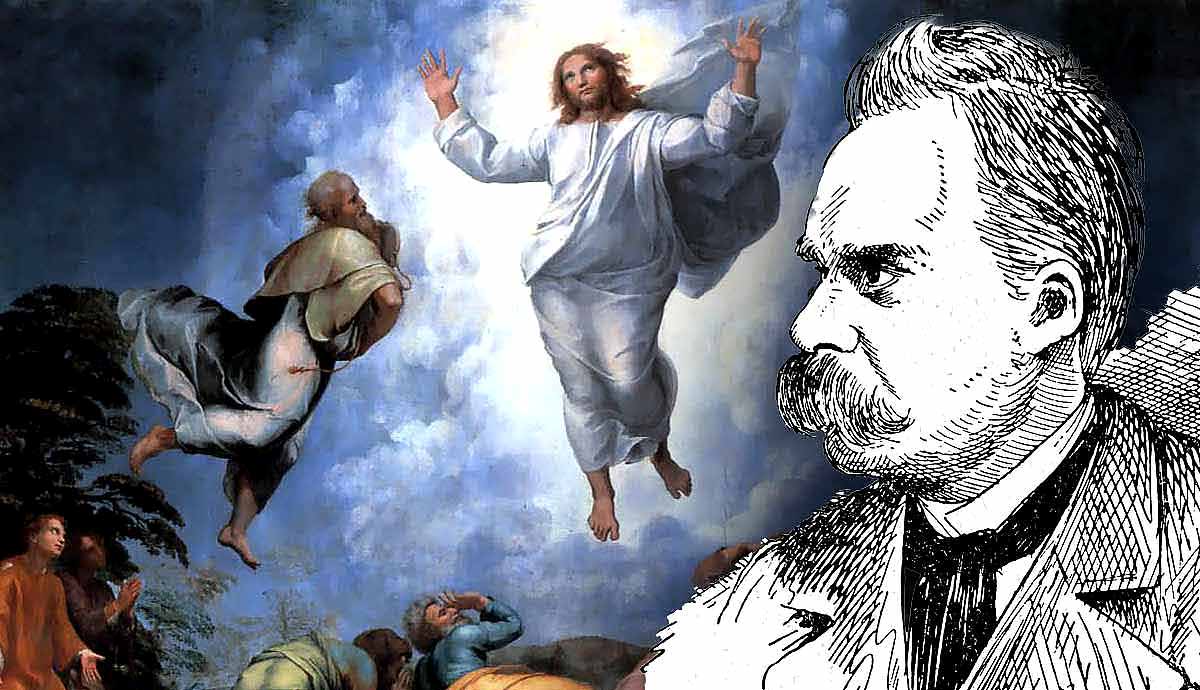
Nietzsche, a great influence on Cioran, once claimed that all the rest of Greek mythology was an attempt to overcome Silenus.
It is important to remember that we are not talking about individual lives that for specific reasons are not worth living. Unfortunately, there are some people for whom their lives might not be worth the pain and suffering they endure. Our focus is on all human life, not the unfortunate few.
Nihilism and the Absurd
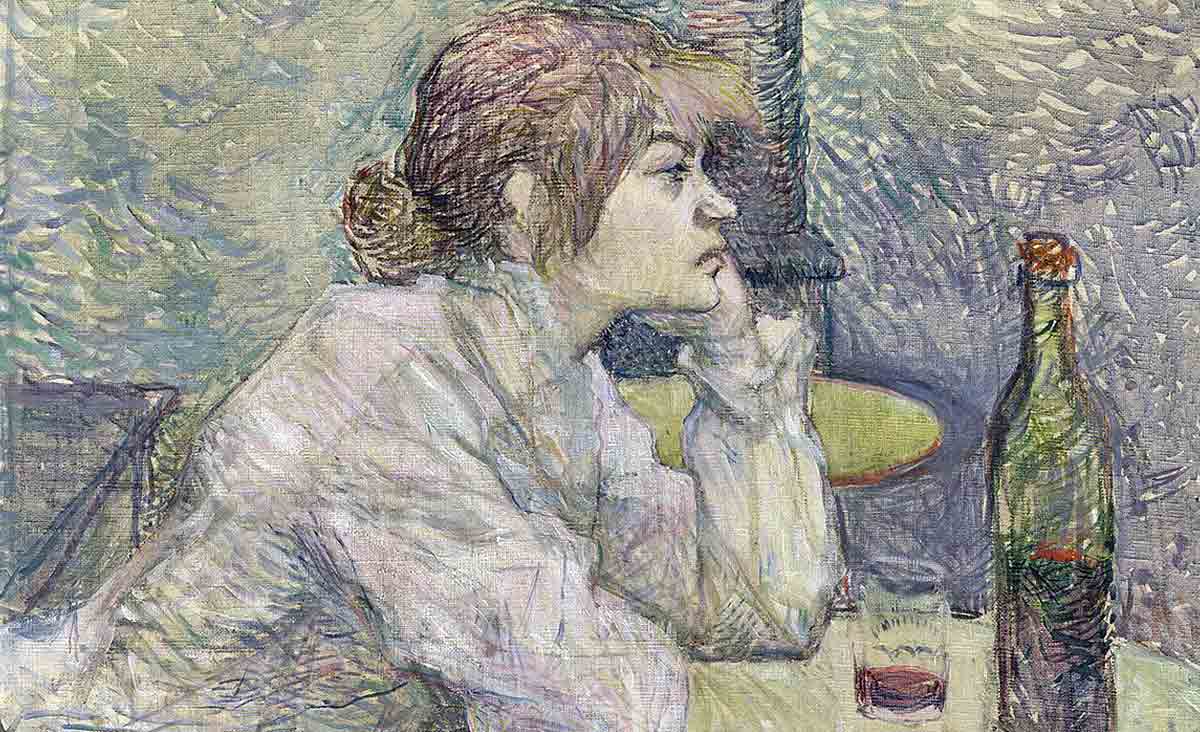
Nihilism, the belief that life is without meaning, purpose, or value, is not in itself an absurd position. However, it raises the question for those professing a nihilistic worldview: why do they continue with life if it is worthless?
Continued existence is a struggle, and life for everyone is marked by suffering to various degrees. There have been people throughout human history, and there will continue to be, who think their own lives not worth living. These individuals might be very ill and facing the prospect of unbearable pain and suffering; or those that choose to sacrifice their own lives so that others might live. Martyrs of all kinds have given their lives for causes they believe to be of greater value than their own existence.
None of these are examples of nihilism. Indeed, every kind of self-sacrifice described above is carried out because the individuals involved believed life to have value. Even in cases of self-euthanasia, it is chosen because a person’s individual life is deemed to fall short of how normal life ought to be.
Nihilists are not concerned with individual lives but with life itself. For them, all human existence is meaningless and without value. And so, the question remains: why do nihilists not just commit suicide?
One simple answer is that if all life is meaningless and without purpose, then there is no good reason for a person to do anything, and this necessarily includes suicide. For a nihilist, taking one’s own life (in response to the idea that life has no value) would be a meaningless action that serves no purpose.
Now, Cioran is not a nihilist. As we have seen, he believes that life is characterized by failure and is itself a mistake. But, for him, this is what gives life value.
The Value of Insomnia and Failure
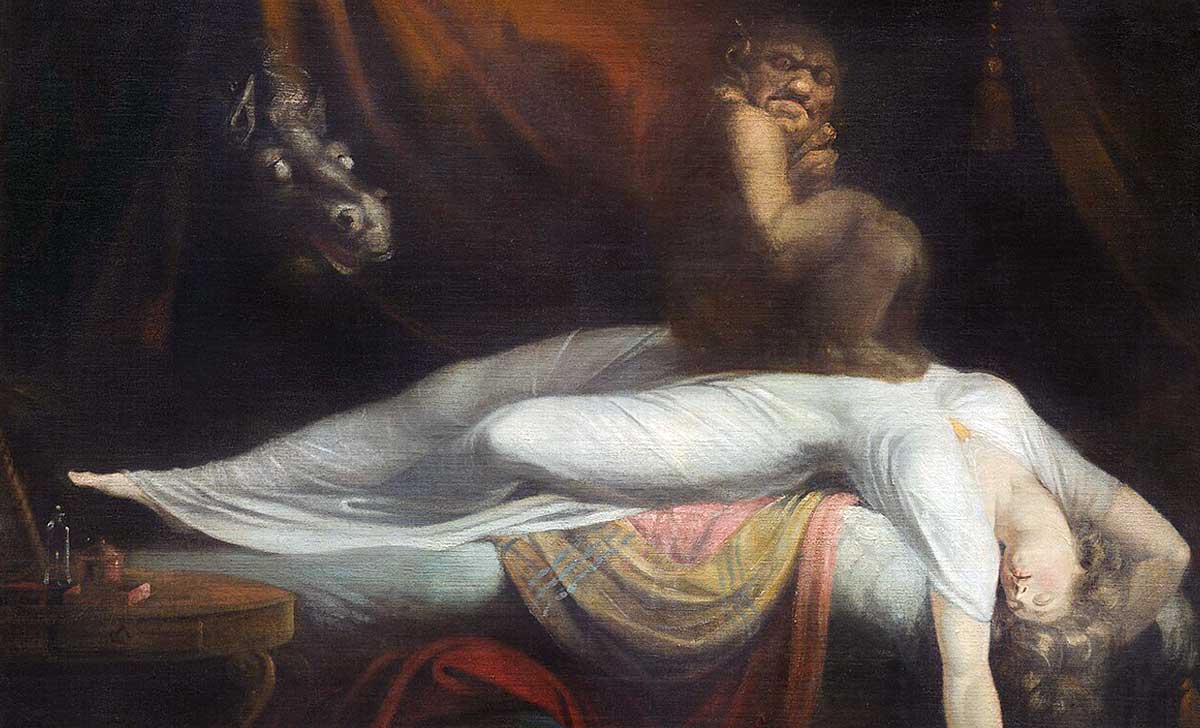
Cioran said that what separates human beings from other animals is that humans are the only species that experiences insomnia.
Anxieties and other negative emotions are exacerbated by insomnia. This is especially so at night while the insomniac lies awake alone with their thoughts. But it is this isolation and heightening of awareness that, according to Cioran, gives value to insomnia.
When a person lies awake at night, unable to sleep, it is not their successes and achievements that come to mind but their failures and regrets. With nothing else to do and without the anesthetizing effect of sleep, they are forced to confront them. The more failures and regrets they have to dwell upon, the more profound their reflections will be. Insomnia forces people to spend their nights philosophizing while everyone else around them sleeps.
For Cioran, the failure to sleep, coupled with failure in life, makes people more interesting. Surely he got this right. If we are honest, do we not find other people’s failures and their responses to them far more interesting than hearing about their successes?
In our own lives, is it not our failures that we keep returning to in our minds while our successes are often overlooked and forgotten?
And finally, is it not a desire to overcome failure that pushes us to keep striving in life?