Summary
- The Plantation of Ulster by King James I in the 17th century laid the groundwork for centuries of conflict in the region.
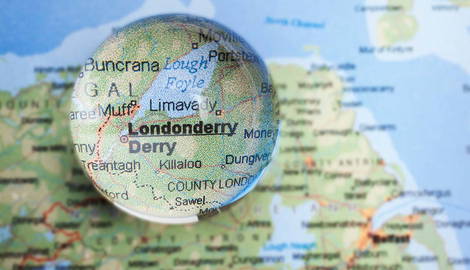
- Known as both Derry and Londonderry, the city is physically divided by the River Foyle, separating its Catholic and Protestant communities.
- Derry’s nickname, the “Maiden City,” comes from its famous walls never being breached, most notably during the 1689 Siege.
- Following the 1921 Partition of Ireland, Derry saw significant violence, with a Catholic majority ruled by a Protestant oligarchy.
When scores of Scottish Presbyterians and English Anglicans first set foot in Ulster, then the most Gaelic region of Ireland, in the early 17th century, they may not have imagined that their presence on Irish soil would lay the foundations for centuries of conflict. Generations of 20th-century men and women, both Protestant and Catholic, would pay with their lives for the decision of a Protestant English king three centuries earlier, James I (1566-1625), to colonize Ulster and consolidate his power. In a sense, the history of Derry/Londonderry is a lens through which we can read and study Irish history.
A Border Town
Derry is a city of many names. Among its Protestant and Unionist population, as well as within the United Kingdom, it is usually referred to as Londonderry, reflecting its loyalty to and association with London and the United Kingdom. Catholics and Nationalists prefer the name Derry, an anglicization of Doire from the Old Irish (or Old Gaelic) name Doire Calgaich, meaning “oak wood of Calgach.” It is believed to be in honor of a (now unknown) pagan or of Calgacus, although the latter interpretation is less likely.
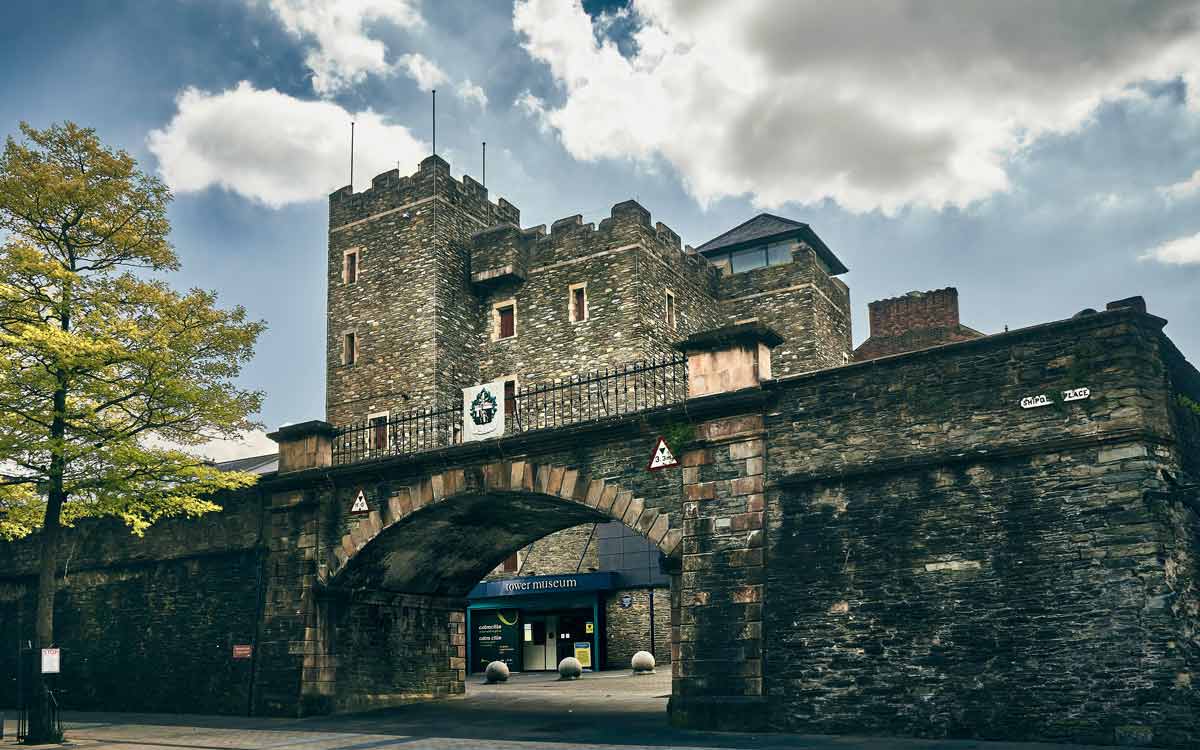
Historically, the city walls, now lined with more than 20 cannons and fully accessible on foot, have never been breached despite the many sieges the city has withstood over the centuries, hence, Derry’s nickname the “Maiden City.” Derry is the only city on Irish soil to have completely intact and walkable city walls.
The border between the Republic of Ireland and Northern Ireland, a part of the United Kingdom, curves just around Derry/Londonderry, skirting the outskirts of the city. To the west, the border runs parallel to the River Foyle, a river which is itself a symbol of the border, as it originates from the confluence of the Finn and Mourne rivers and straddles two Irish towns, Lifford and Strabane, which are themselves divided by the border. While Lifford is in County Donegal, one of the 26 counties of the Republic of Ireland, Strabane, on the east bank of the Foyle, is in County Tyrone, one of the six counties of Northern Ireland.
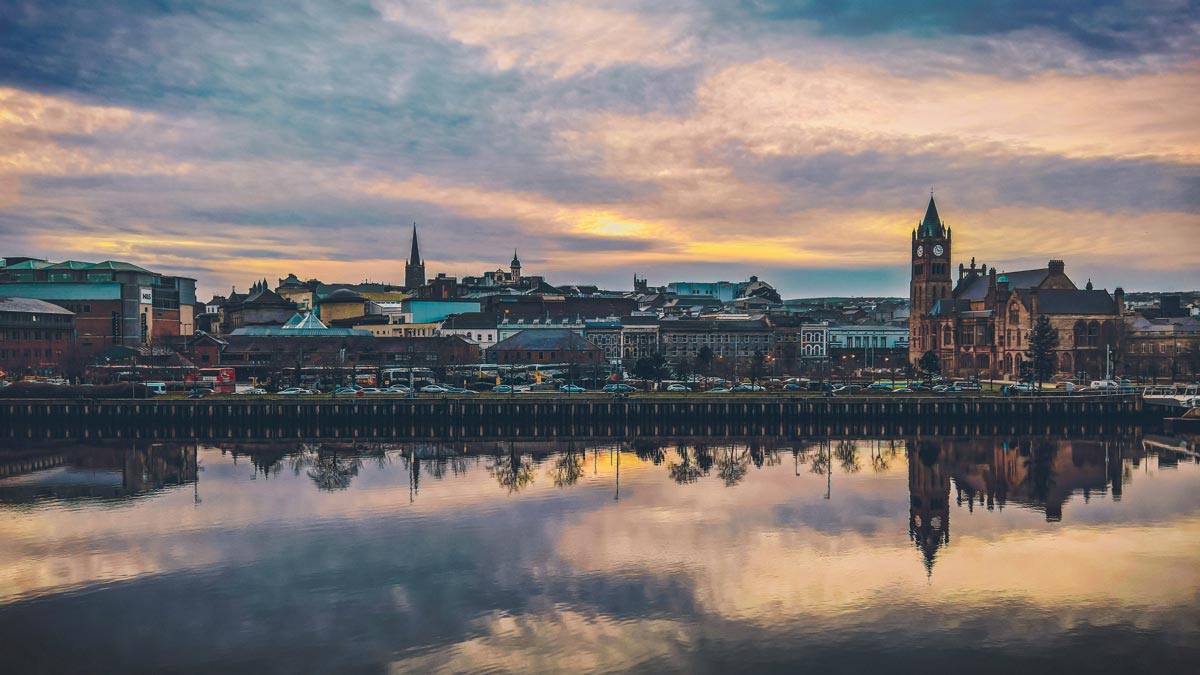
The River Foyle also runs through Derry/Londonderry, one of the oldest continuously inhabited places in Ireland, and divides the city into two areas: the so-called Cityside (on the west bank of the river) and the Waterside (on the east bank of the Foyle).
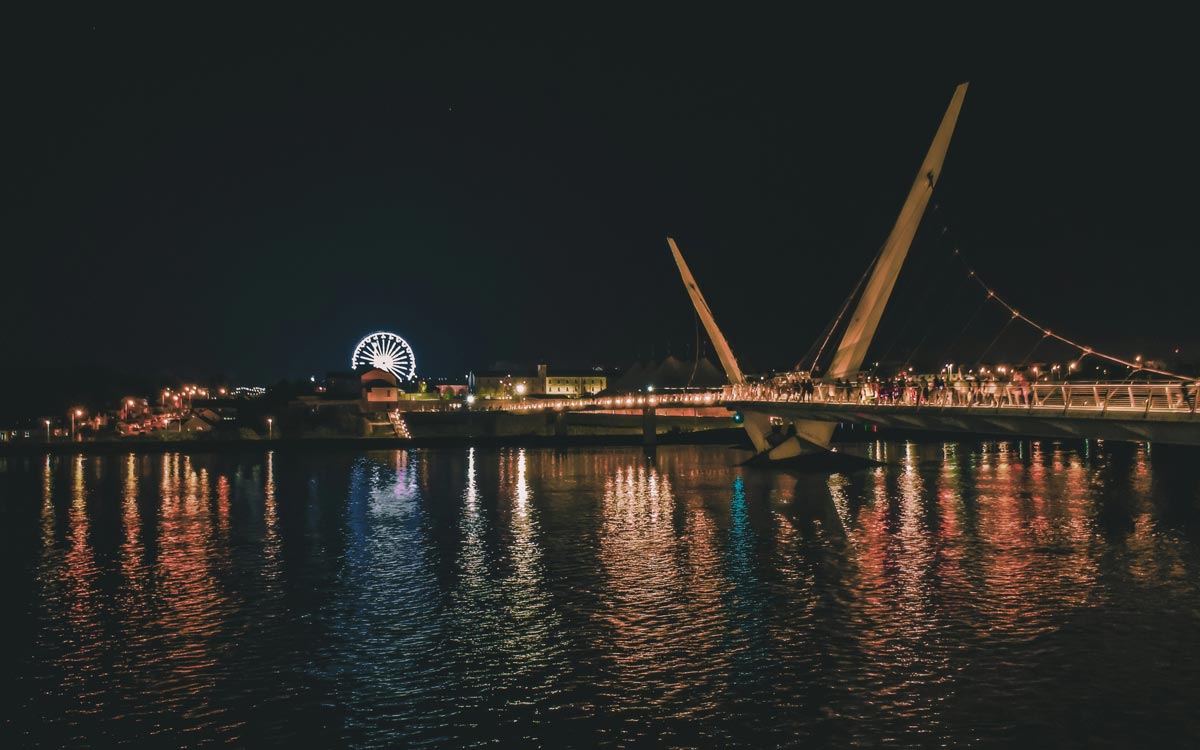
It was the construction of the first wooden bridge over the Foyle in 1789-1791 that led to the creation of the Waterside, now a predominantly Protestant (and Unionist) area. The Cityside, on the contrary, is home to Derry’s Catholic (and Republican) population. Today, the two areas are linked by three bridges, the Craigavon Bridge, the Foyle Bridge, and finally the Peace Bridge.
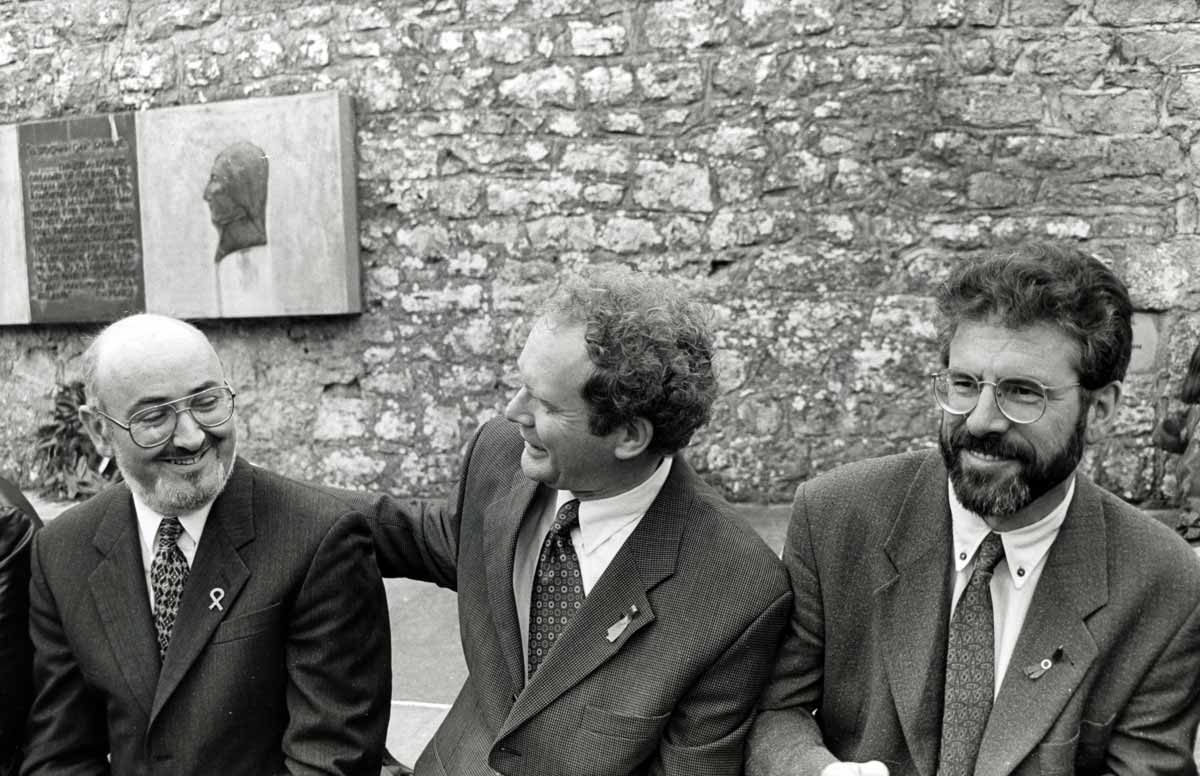
Opened in June 2011, the Peace Bridge physically and symbolically connects Ebrington Square in the Protestant Waterside and the Guildhall, in the Catholic Cityside. The opening ribbon-cutting ceremony was attended by then First Minister of Northern Ireland Peter Robinson, then the Deputy First Minister Martin McGuinness (1950-2017), and then Taoiseach Enda Kenny, as well as the EU Commissioner Johannes Hahn and former Social Democratic and Labour Party (SDLP) leader John Hume (1937-2020).
From the Plantation to the Rebellion of 1641
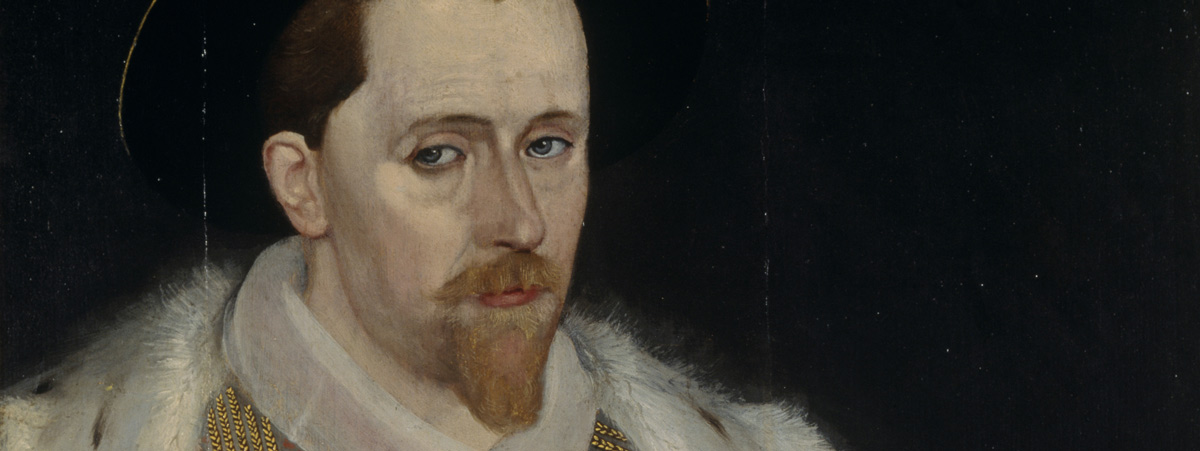
The Irish Rebellion of 1641 shaped the perception of Derry as a loyal Protestant stronghold and set the stage for further division and death. Like many other violent events in Northern Ireland’s history, the rebellion had its roots in the “Plantation,” the colonization and settlement of Ulster by King James I in the 17th century. It was during the Plantation, between 1613 and 1619, that the walls of Derry were built and that the city was officially renamed Londonderry in the Royal Charter of 1613.
More than ten centuries earlier, in the mid-6th century, St. Columba (or Colmcille) had built a Christian monastery on the west bank of the Foyle on land granted to him by a local king. It was on this land that Derry/Londonderry was eventually built. In the 6th century, Derry was still known as Doire Calgaich and remained a predominantly monastic settlement with people living in the surrounding area.
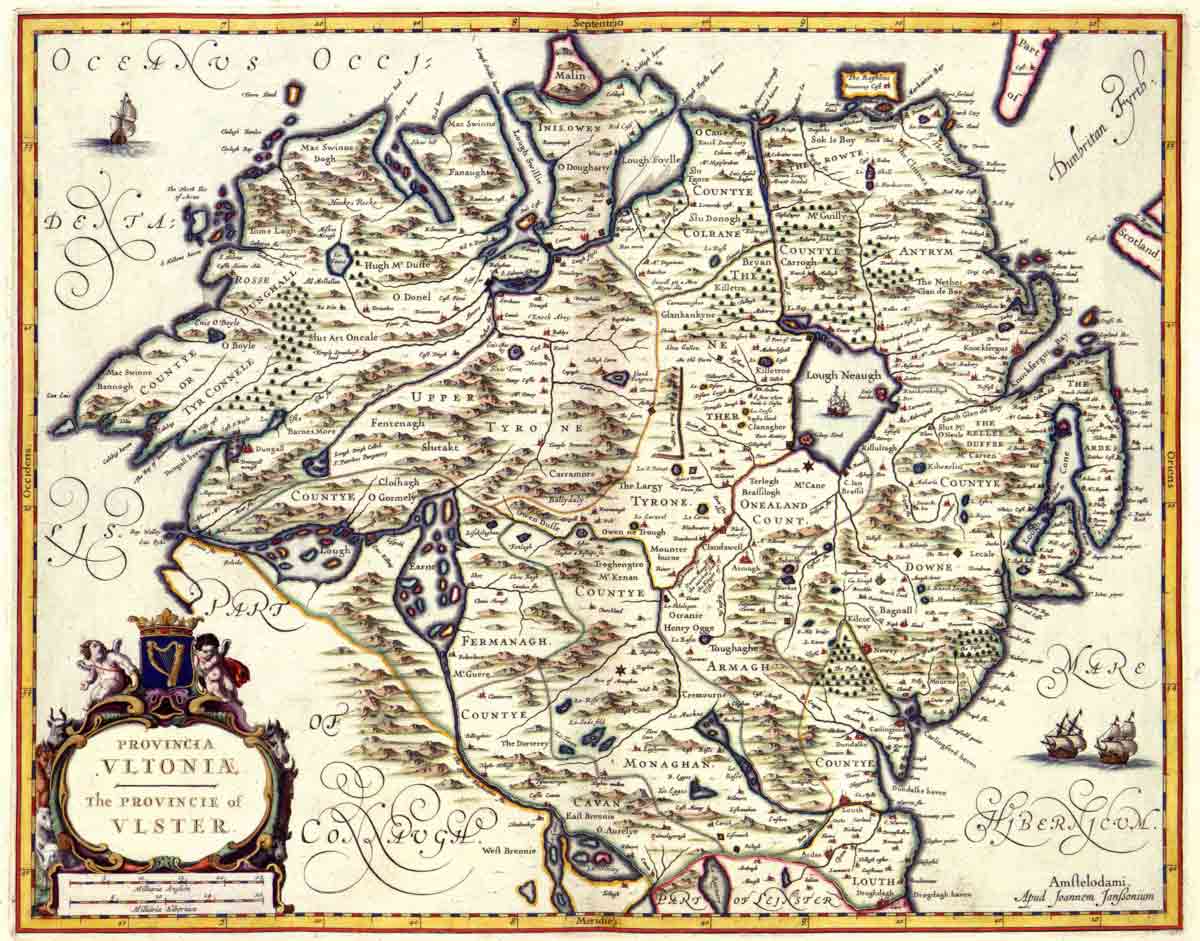
From 1609, however, the British Crown embarked on a major colonial project, the so-called Plantation of Ulster. On the one hand, the Crown wanted to bring the region, then one of the most Gaelic areas in Ireland, under its control and to spread Protestantism and English laws. On the other hand, it also wanted to completely eliminate the rule of the native Gaelic-speaking Irish lords. As a result, thousands of Anglican and Presbyterian settlers (“planters”) from southern Scotland and northern Great Britain who were loyal to the Crown were encouraged to move to Ulster.
Derry/Londonderry was founded as a Protestant town and remained a predominantly Protestant town for almost two centuries, from the early 1600s to the late 1700s. During the Plantation, thousands of acres of land in the present counties of Donegal, Cavan, Tyrone, Armagh, and Londonderry were confiscated and distributed to Protestant landowners.
Thousands of Gaelic Irish Catholic families were dispossessed and lost their lands and influence. Sir Phelim (Felim) O’Neill (1604-1653), one of the leaders of the Irish Rebellion of 1641, was one of them.
During the seven-month rebellion, which lasted from October 23, 1641, to May 1642, O’Neill and his men were responsible for occupying strategic points and towns throughout Ulster, from Dungannon to Lisburn, from Derry to Coleraine. In mid-November, Irish rebels marched 100 Protestant prisoners from the Loughgall prison camp to a bridge over the River Bann at Portadown, stripped them naked, and forced them off a broken wooden bridge down into the cold river below. Anyone who tried to swim ashore was shot with muskets. The Portadown massacre was the largest and bloodiest (but not the only) massacre of Protestants during the rebellion.
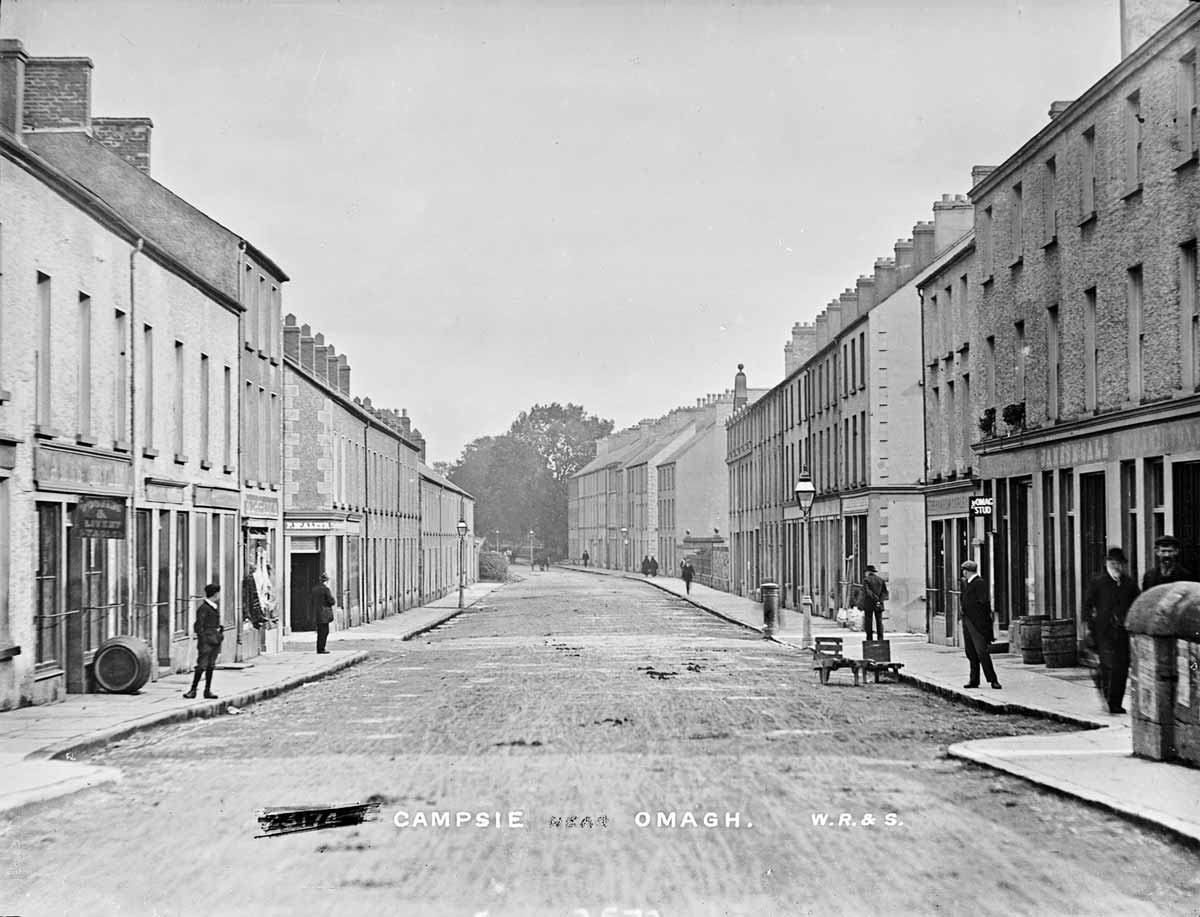
At this time, Derry/Londonderry became a refuge for thousands of Protestants who had fled from the surrounding countryside, which had been devastated by clashes between the Catholic Irish rebels and the British forces. The 1641 Rebellion and the massacres of Protestants that took place in various Ulster counties, from County Armagh to Tyrone, served to exacerbate sectarian divisions and deepen mistrust between the Irish Catholic population and Protestant settlers, not only in Derry/Londonderry but throughout Ulster. Indeed, because of its strategic location and defensive walls, Derry was chosen by the Crown as a military base to restore order in Ulster.
Ensuring Protestant Ascendancy
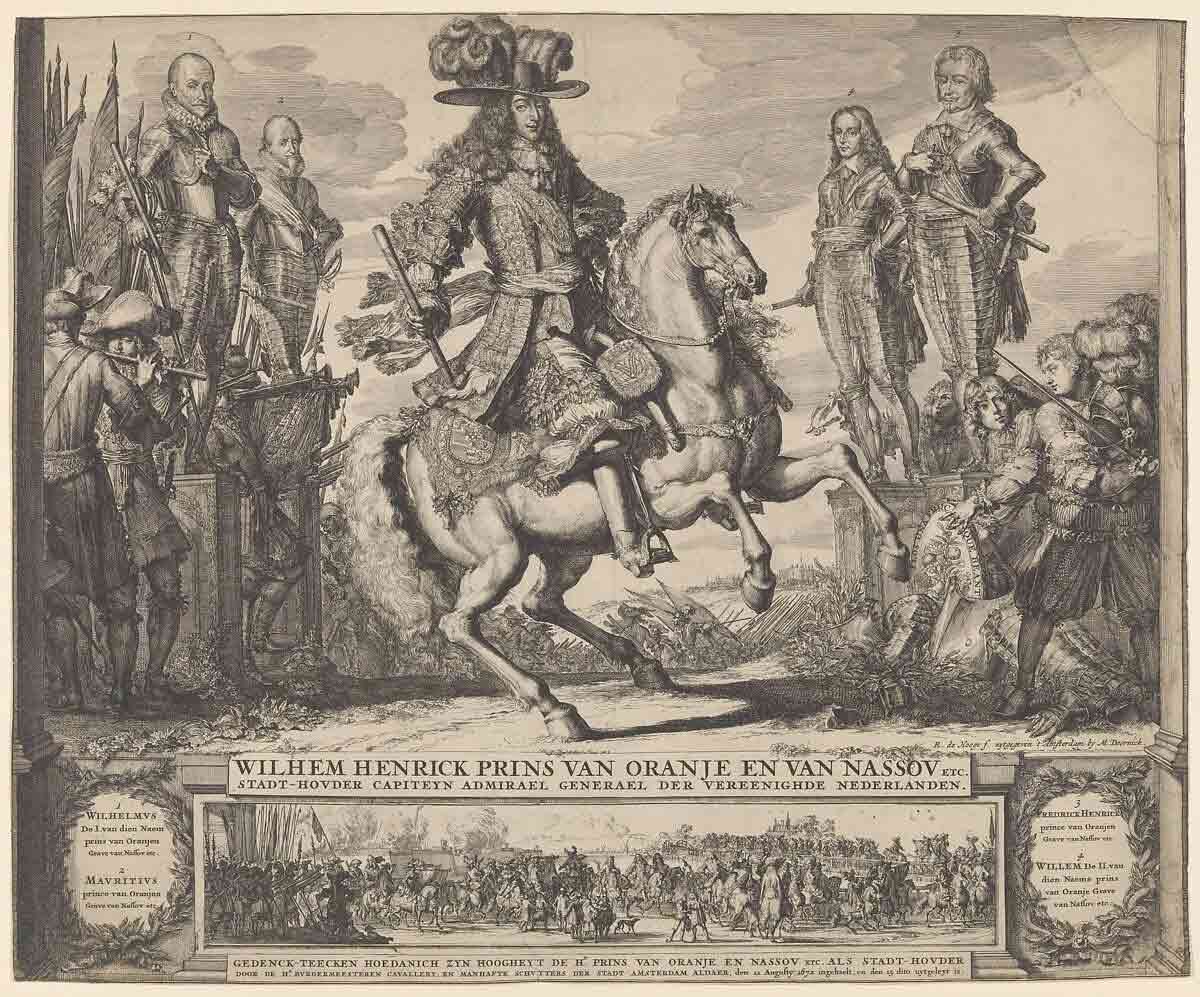
Brian Walker effectively sums up the history of Ulster when he writes in his article for the Irish Review: “These three dates mark what are often regarded as key events in Unionist and Protestant history. 1641 is the date of the outbreak of the rebellion in Ireland, 1689 is the year of the Siege of Derry, and 1690 marks the date of the Battle of the Boyne. (…) 1641 represents a time of betrayal and death, 1689 marks a famous siege, while 1690 is the date of a great victory.”
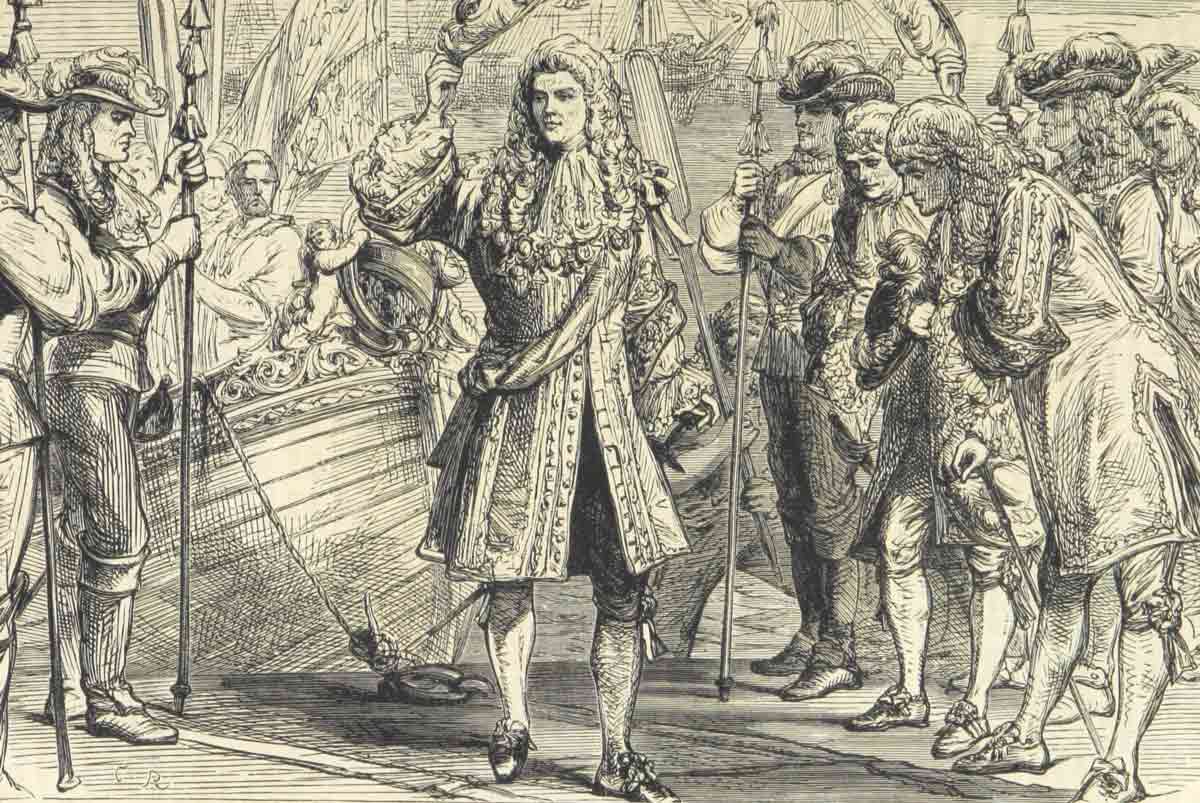
The Siege of Derry in 1689 was a direct consequence of the Glorious Revolution of 1688-89, which led to the deposition of the (Catholic) King James II (1633-1701) in favor of the (Protestant) William III (1650-1702), or William of Orange, and his wife Mary II (1662-1694), James II’s daughter. In Ulster, the Catholic population largely supported James II, while the Protestants sided with William of Orange.
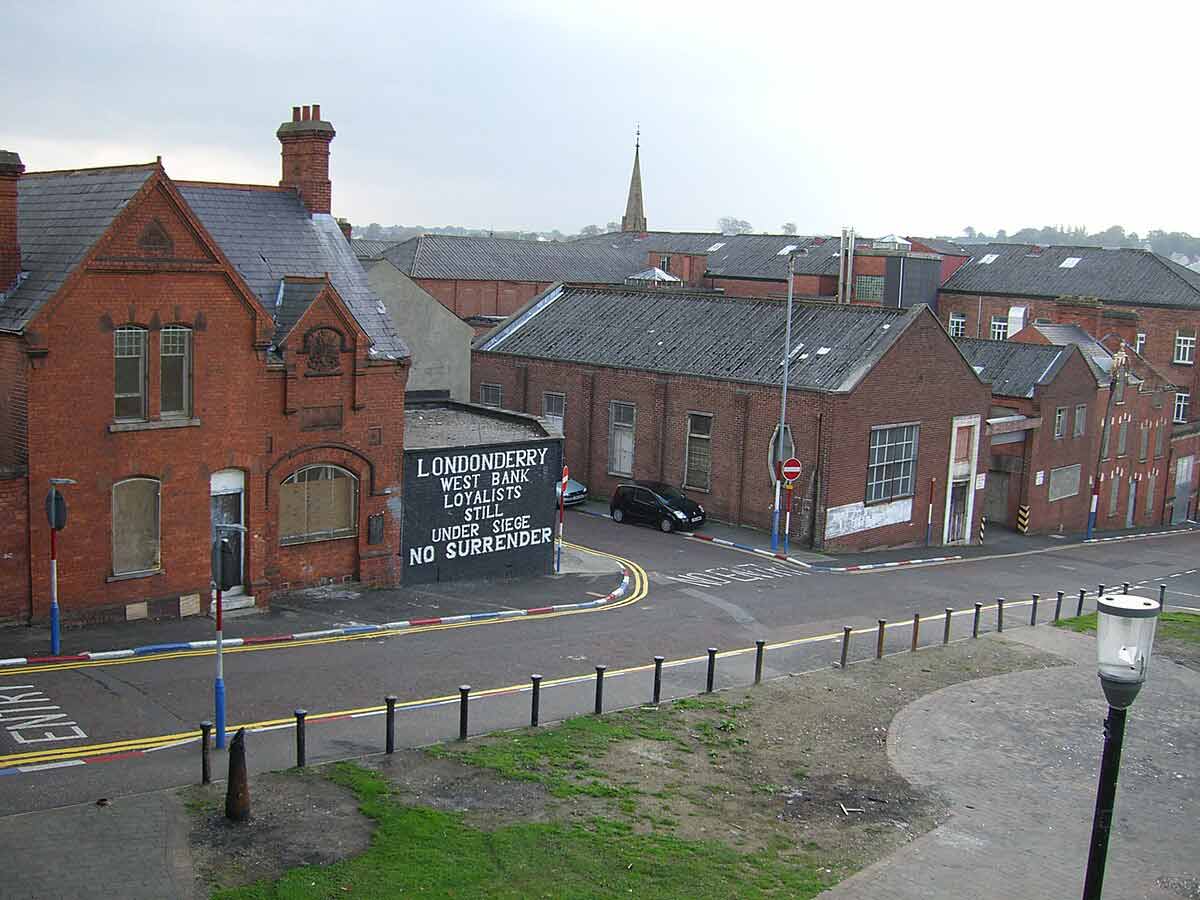
When James’s troops, the Jacobites, arrived outside Derry in April 1689 and the (deposed) king himself called on the city to surrender, the defenders fired cannons at them from the city walls. Some of them were heard shouting “No surrender!” a slogan that can still be seen painted on the walls of Derry more than three centuries later.
The siege, the longest in Irish history, lasted for 105 days, and up to 10,000 people died within Derry’s fortified walls, mostly from disease and starvation. Relief came three months into the siege in the form of four ships, the HMS Dartmouth and three merchant ships, which managed to break through a blockade on the River Foyle and bring food to the exhausted people of Derry. By the end of the month, James’s forces had lifted the siege.
On the morning of August 1, the besieged, leaning over the walls of Derry, discovered that the army was gone. The Siege of Derry, like the Battle of the Boyne, is part of what British historians call the Williamite War (1689-1691). In Ireland, it is known as the War of the Two Kings.
The Boyne is the name of a river that rises near Carbury in County Kildare, in the Republic of Ireland and flows northeast through County Meath and County Louth before emptying into the Irish Sea. In July 1690, a force of some 23,000 Irish Catholics and French allies led by James II clashed with (and were defeated by) William of Orange’s army—a multinational force of 36,000 English, Danish, Dutch, and Huguenot men—on the banks of the Boyne River at Drogheda.
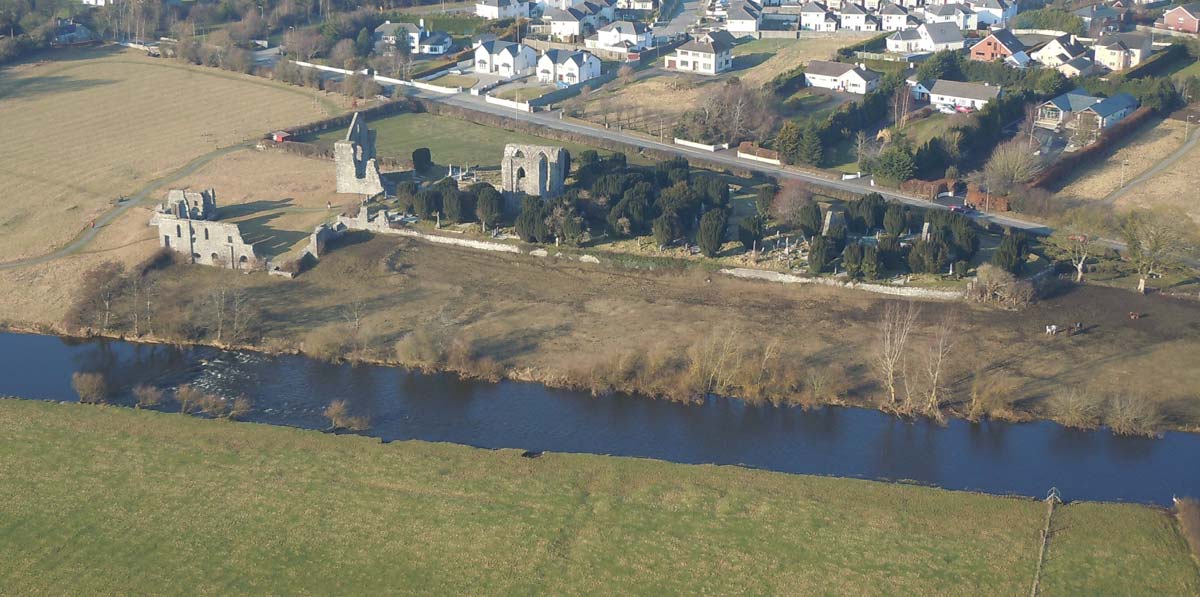
If the Siege of Derry had consolidated Protestant control in Ulster, the Battle of the Boyne dashed the Jacobite hopes of restoration. It also cemented William III’s rule over Ireland (as well as England and Scotland). From this point on, the Penal Laws further segregated Irish society, preventing Catholics (and Protestant dissenters) from participating in public life, serving in Parliament, joining the army, possessing firearms, marrying Protestant men or women, inheriting “Protestant land” (i.e. land that had previously belonged to a Protestant), buying land on a lease of more than 31 years, or building stone Catholic churches near main roads. William III’s victory at the Battle of the Boyne had the effect of securing the ascendancy of Anglican Protestantism in Ireland (and particularly in what is now Northern Ireland) and set the stage for the Irish Rebellion of 1798.
The Partition of 1921
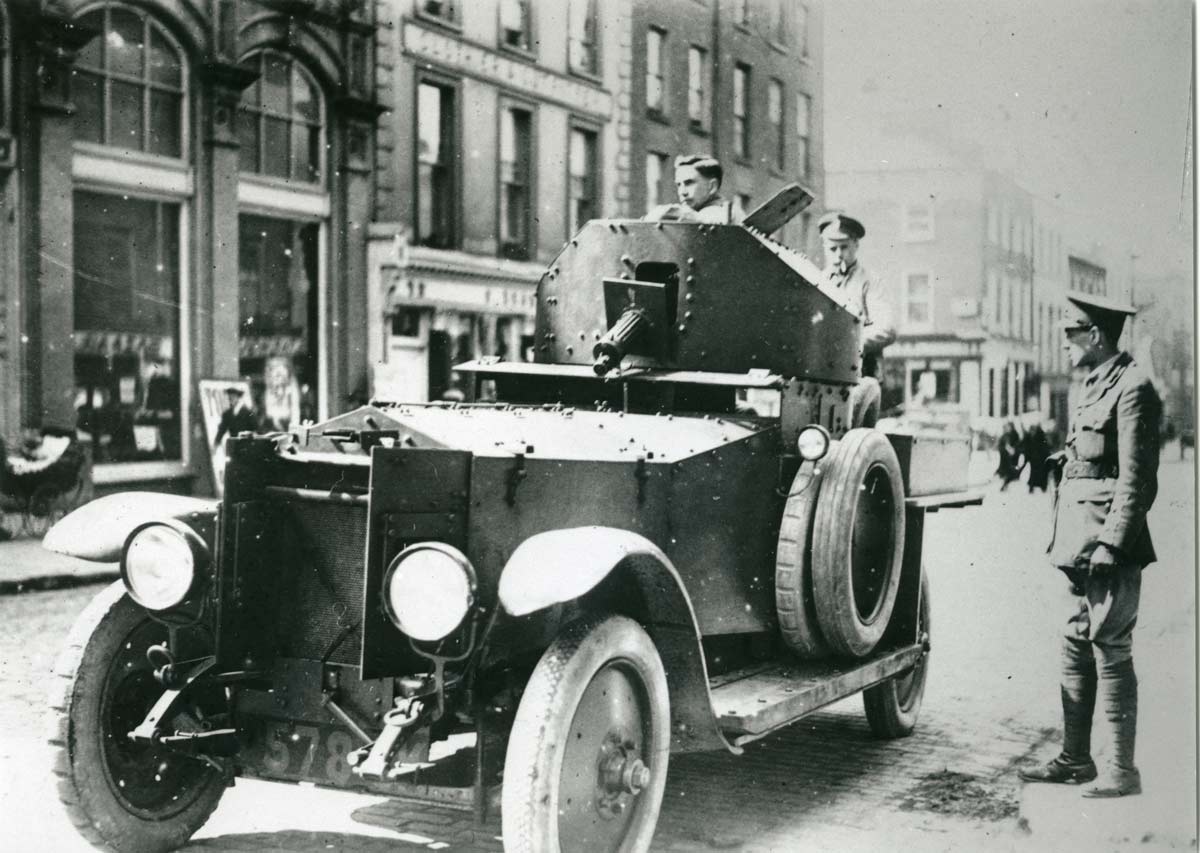
By 1850, although Catholics comprised most of the population in Derry, the city was ruled by a Protestant oligarchy. This significant imbalance continued after the Government of Ireland Act 1920 (or Fourth Home Rule Bill) and the 1921 partition of the island of Ireland into the Irish Free State (which later became the Republic of Ireland) and Northern Ireland (which remained part of the United Kingdom).
By the end of the 19th century, Hennessey writes in his A History of Northern Ireland, “There was a new divide, that between nationalists who wanted self-government for Ireland—which had been absorbed into the United Kingdom of Great Britain and Ireland in 1801—and unionists, who wished Ireland to remain part of the United Kingdom.” This divide was to shape the history of Derry/Londonderry and Ulster throughout the 20th century.
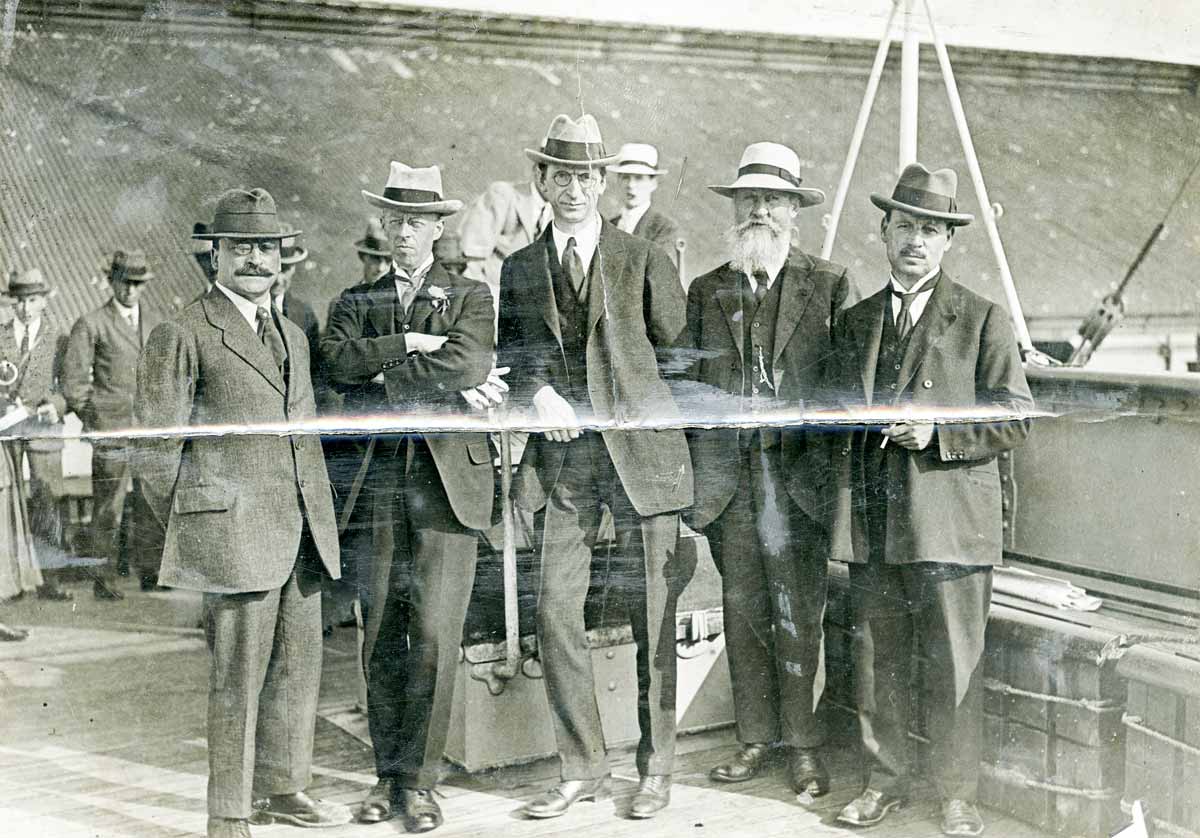
In early June 1920, Derry entered a week of bloodshed. At the time, the West Bank was still a largely mixed area, where Catholics (who were the majority) still lived side by side with Protestant families. After a group of Unionists shot dead five people, Nationalists began to mobilize.
Over the next few days, as gunfire ripped through the walled city, shops were looted and destroyed, many residents were forced to flee their homes, thousands of Catholics and socialist workers were expelled from their workplaces, and bystanders were caught in the crossfire. On June 24, ten-year-old George Caldwell was killed as he looked out of a window in Nazaret House. A woman, Margaret Mills, was killed in her own home after answering a knock at her front door. Howard McKay, the son of the governor of the Apprentice Boys of Derry, was abducted, blindfolded, and shot by nationalist gunmen. Bodies were found floating in the Foyle.
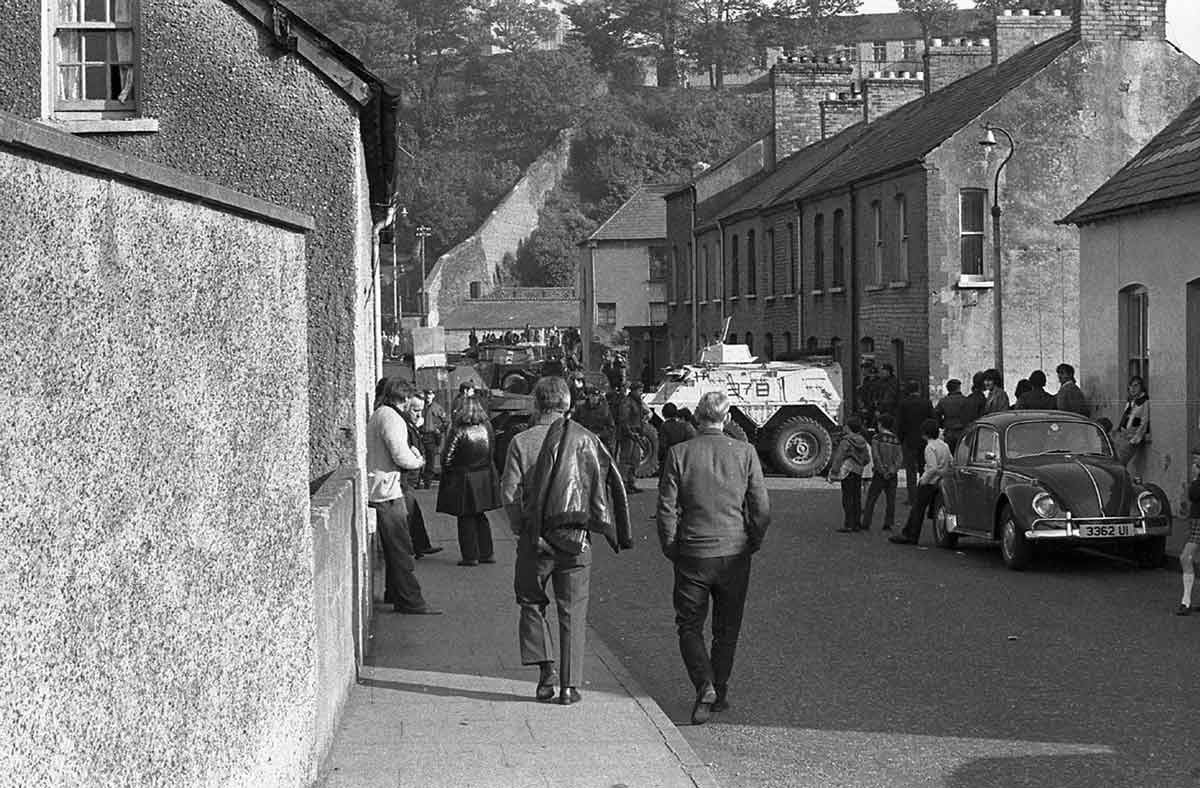
British troops arrived in the city on June 23, 1920, to restore order alongside the Royal Irish Constabulary (RIC), further enraging Nationalists. In the two years between July 1920 and July 1922, 557 people were killed in the widespread sectarian violence that accompanied the birth of Northern Ireland. The majority of them were Catholic. The level of violence that shook Derry/Londonderry in June 1920 was a grim harbinger of what would happen in Derry some 50 years later, with the outbreak of the Troubles.
A City of Riots?
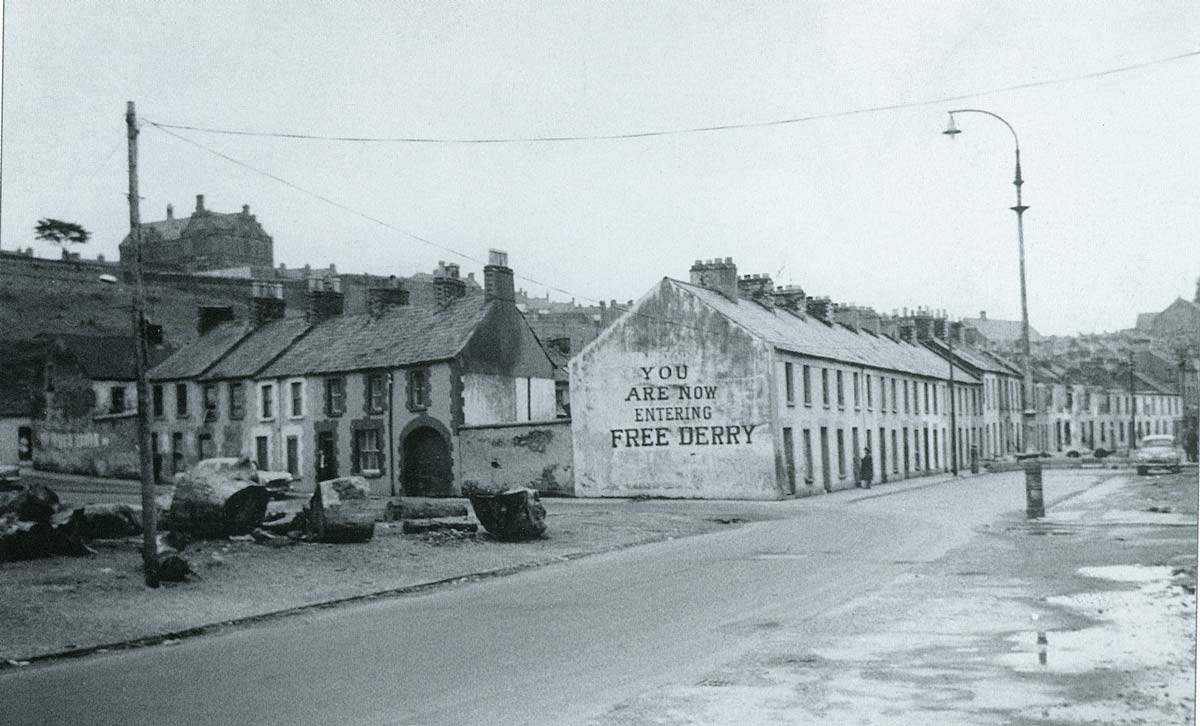
Derry/Londonderry was one of the cities that suffered most in the early years of the Troubles, the conflict that brought death and destruction to the people of Northern Ireland and isolated the province from the rest of Ireland and Europe for thirty years, from 1968-69 to 1998. Although the Troubles did not begin on a specific date, most historians agree that the conflict started on the streets of Derry/Londonderry in August 1969, following the Battle of the Bogside.
The Troubles, writes Irish historian Niall Ó Dochartaigh in his From Civil Rights to Armalites (1997), grew out of a “… situation of rapid social and political change that began after the end of the second World War in 1945,” changes that, year after year, eventually “disrupted a set of relationships, in particular a tradition of quiescence by the Catholic population in Northern Ireland, on which the very existence of the Northern Ireland state had been based.”
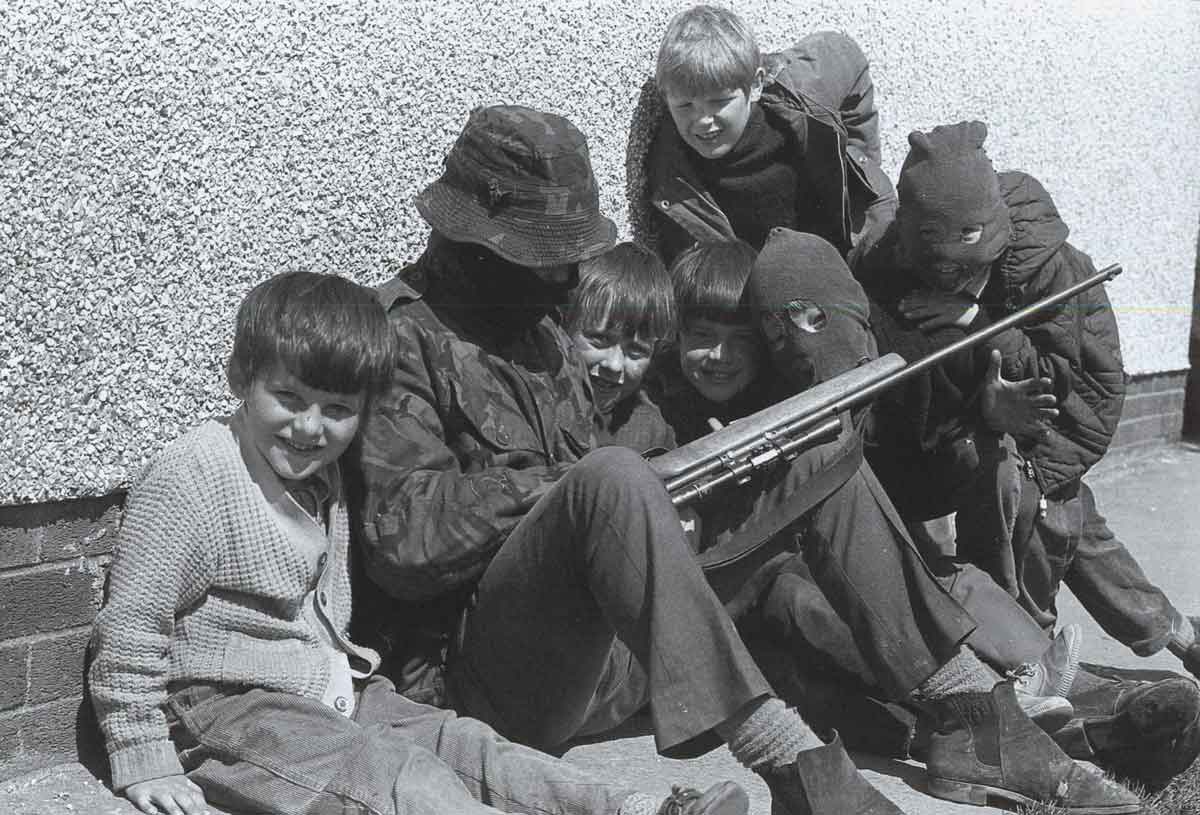
The activism of the Northern Ireland Civil Rights Association (NICRA), an organization founded in 1967 which began campaigning for reforms in housing allocation and voting rights through marches modeled on those of the American civil rights movement, was one of the factors which, in the eyes of many Protestants and Unionists, posed a threat to the status quo. It was during a peaceful march organized by NICRA that 13 demonstrators were killed by British soldiers from the 1st Battalion of the Parachute Regiment in the Bogside on January 30, 1972, during one of the most violent years of the Troubles. Another died of his wounds a few months later. All the victims were Catholics. In the aftermath of the massacre, now known as Bloody Sunday, thousands of young men and women joined the ranks of the Irish Republican Army (IRA).
The Protestant Exodus
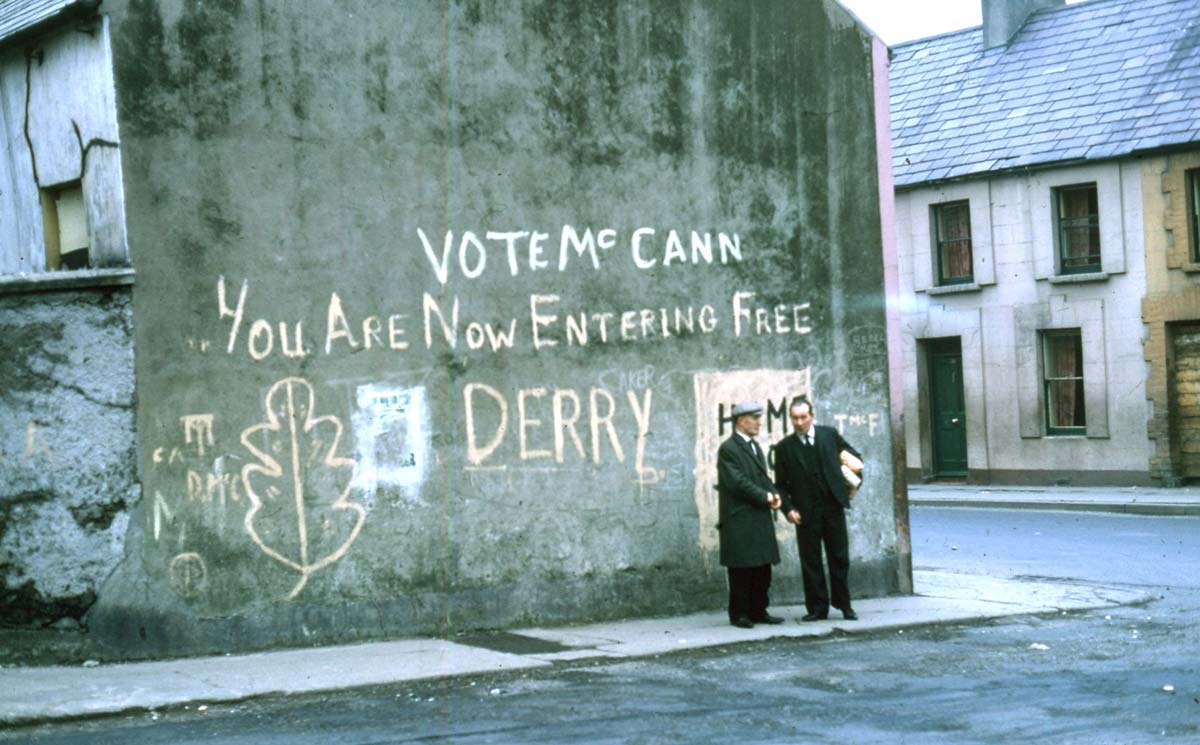
Niall Gilmartin notes that the violence of the Troubles “… has typically been measured using standardised assessments,” assessments that have primarily taken into account the fatality rate, the number of people injured and the economic impact of bombings and related attacks, and that “much of the focus with regards to addressing legacy has, understandably, centred on the needs and interests of those who lost loved ones or those physically and psychologically harmed through shootings and bombings. But there are other forms of violence, harm and trauma which need to be considered.”
The so-called Protestant Exodus is one of them. Following the outbreak of the Troubles in 1969, thousands of Protestants decided to leave their homes and flee Derry. In the decade between 1971 and 1981, the Protestant population of Derry fell from 8,459 to 2,874. By 1991, it had fallen to 1,407, with a reduction of 7,052 in just two decades.
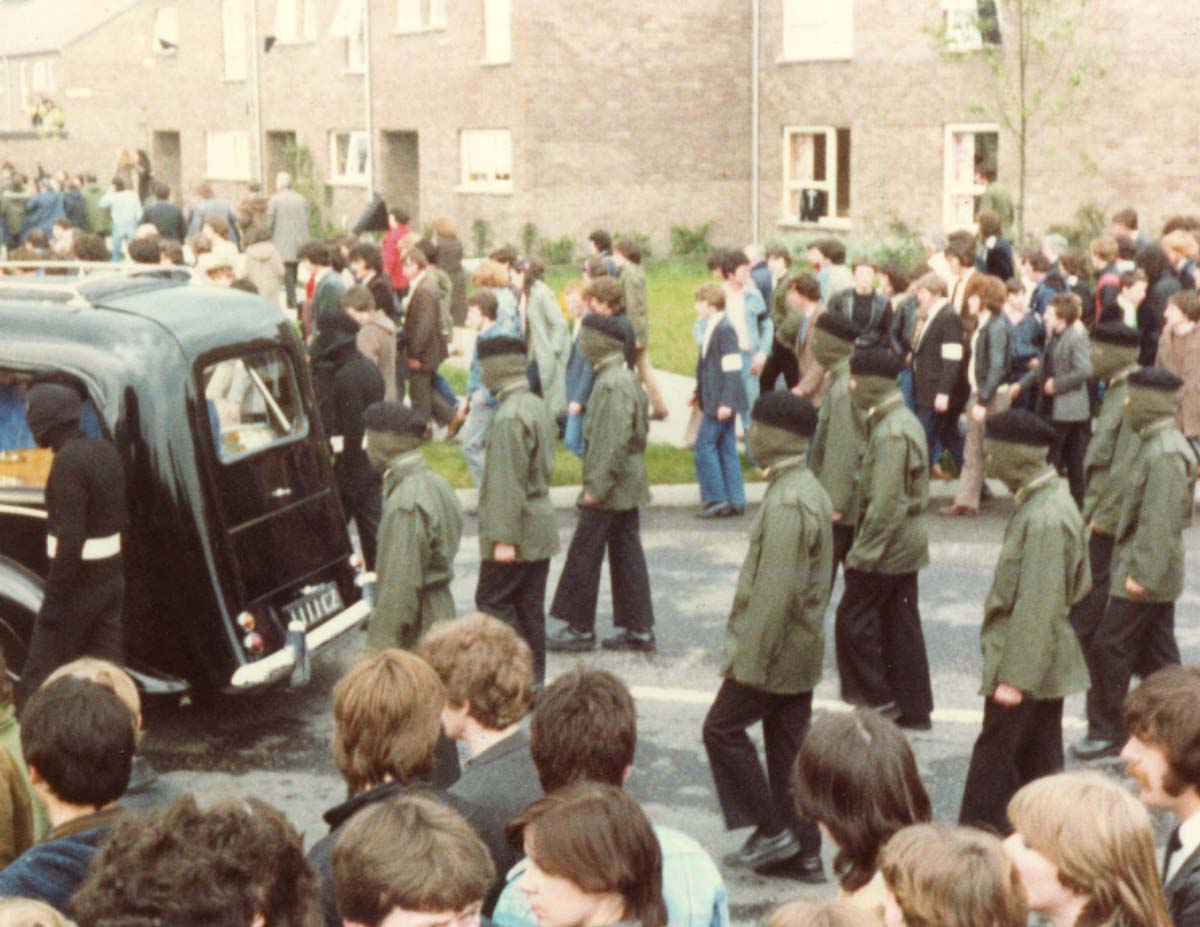
Forced displacement during an armed conflict is traumatic in itself, as it involves the disruption of one’s community and social networks. Many of the people interviewed by Niall Gilmartin and whose stories he shares in his Trauma, Denial, and Acknowledgment: The Legacy of Protestant Displacement in Londonderry/Derry during the Troubles, recall the heartbreak of leaving their homes, homes that “you had paid for, that you had furnished and done up, built on a bathroom and kitchen.”
Interviewed by the News Letter, Doris Carruthers, a Protestant living with her husband and three-year-old child in a predominantly Catholic area in 1969, recalls how, after the Troubles broke out, “we had to live with the back windows boarded because Jeanette was a young child in the back bedroom. We had the wire cages on the front of the house. We had to basically barricade ourselves into the house.”
In 1971, the Carruthers were finally able to move into the newly built Newbuildings estate in the Waterside, on the east bank of the River Foyle. A report commissioned in the autumn of 2016 by the Pat Finucane Centre, “a non-party political, anti-sectarian human rights group,” named after Irish human rights lawyer Pat Finucane, identified housing and employment issues as some of the factors behind the Protestant Exodus. However, based on his own field research, Niall Gilmartin writes that “The overarching reasons for many were intimidation (direct and indirect), the targeting of RUC and UDR personnel by the IRA, bomb attacks in the city centre, feelings of insecurity and vulnerability, and an overwhelming sense that Protestants, their identity and culture were not welcome in the West Bank.”
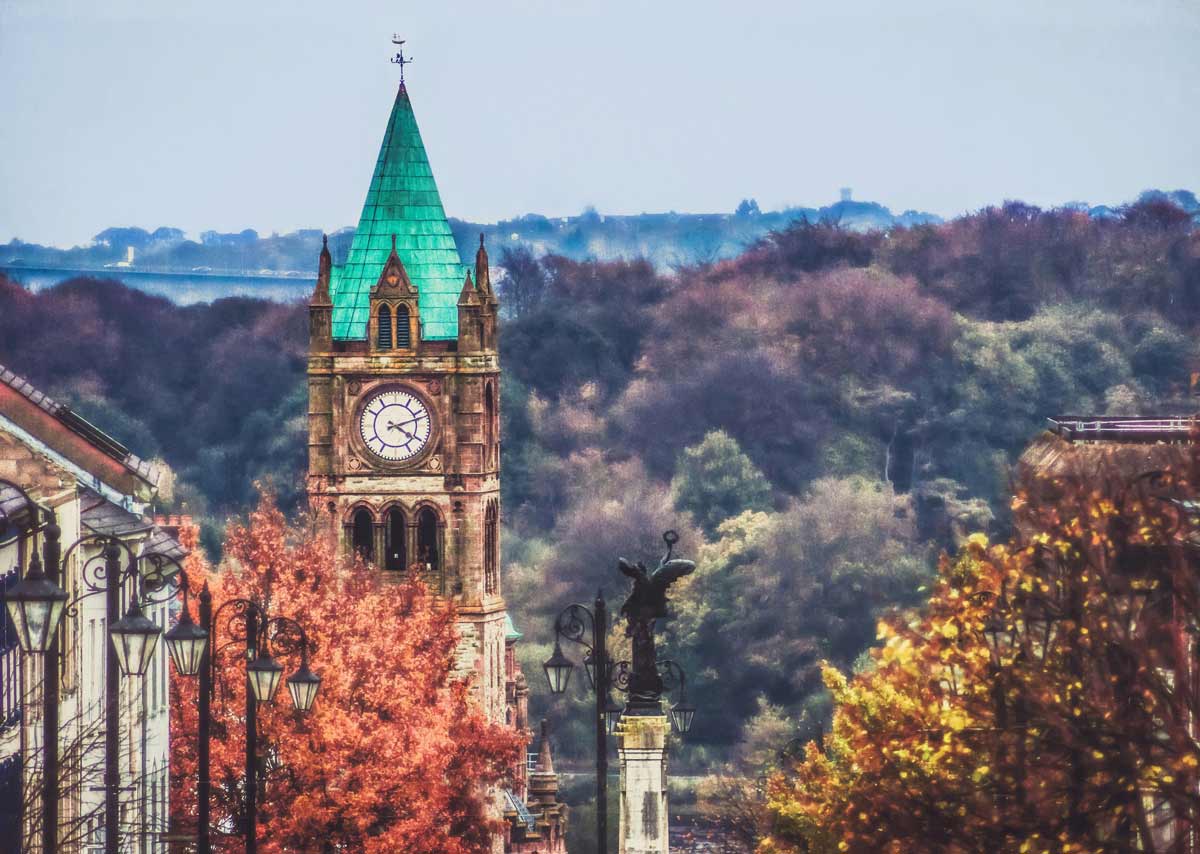
Since the signing of the Good Friday Agreement in 1998, Derry/Londonderry seems to have struck a new, albeit precarious, balance. The checkpoints have largely disappeared. The city center has been revitalized. In 2013, Derry/Londonderry was named the UK City of Culture, attracting visitors from across Ireland and Europe. And while parades and commemorations, particularly in July, continue to highlight the long-standing sectarian divisions at the heart of Derry/Londonderry, for more than two decades after the end of the Troubles, its citizens have been able to work together to secure peace and cross-community dialogue and cooperation.