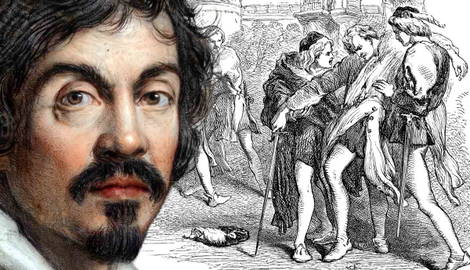
Caravaggio’s victim was Ranuccio Tomassoni, and he was what we would today call a gangster, coming from a wealthy Roman family. But how exactly did he lose his life? Was this a planned murder, or a brawl that got out of control? Caravaggio was sentenced to death by beheading in absentia, with a bounty placed on his head. The court even set an open bounty for him to be brought to justice, dead or alive. Let us uncover why the story of the killing continues to baffle historians.
Did Caravaggio’s Enemies Shape His Reputation?
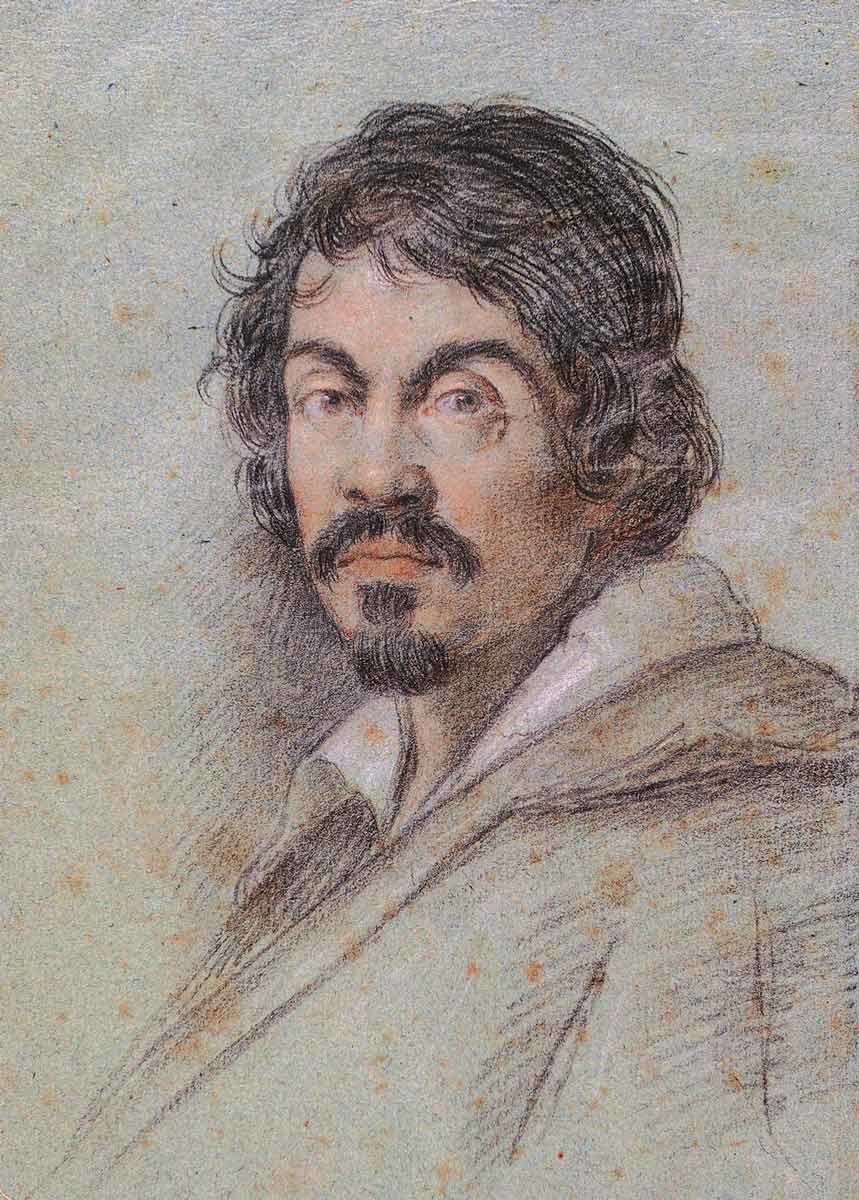
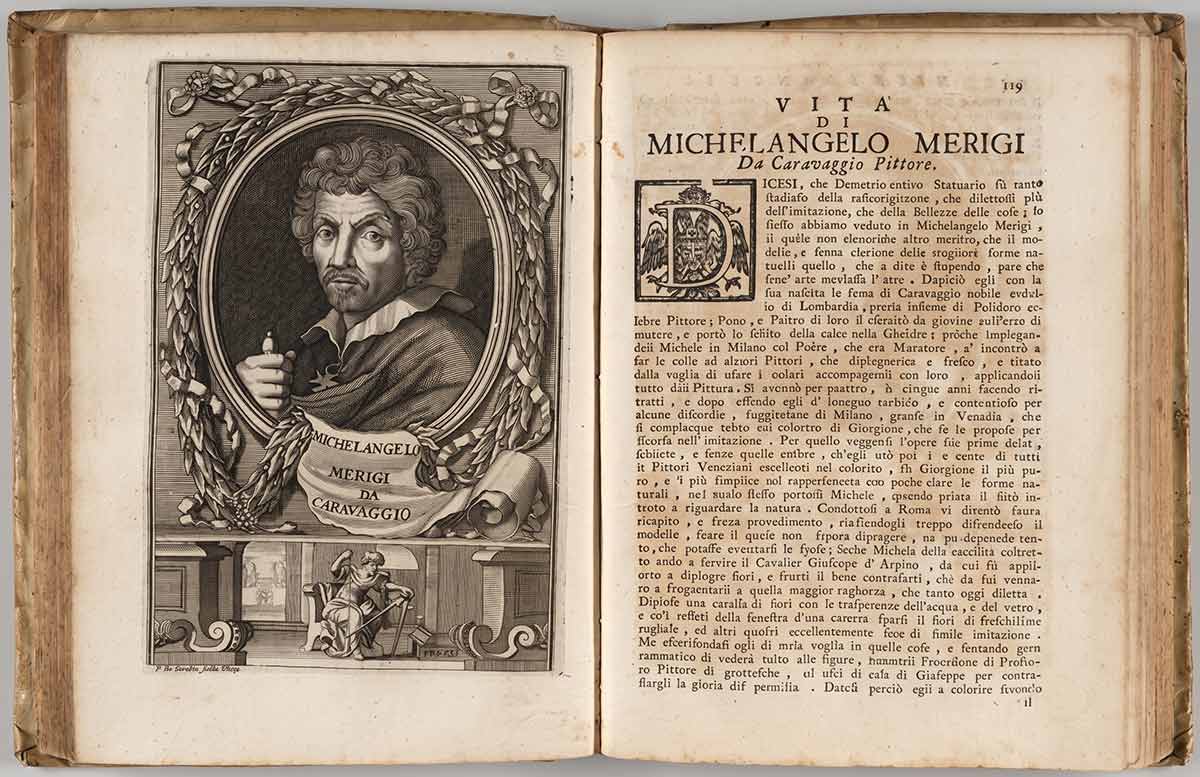
Was Caravaggio truly a murderer in the modern sense, or did rivals and early biographers exaggerate his crimes? Some of the artist’s earliest critics believed his violent paintings reflected his character. The painter Giovanni Baglione famously claimed that Caravaggio “died as badly as he painted.” Later writers went even further. The art historian and critic Giovanni Pietro Bellori depicted him holding a sword instead of a brush, turning the painter into a symbol of artistic rebellion and danger.
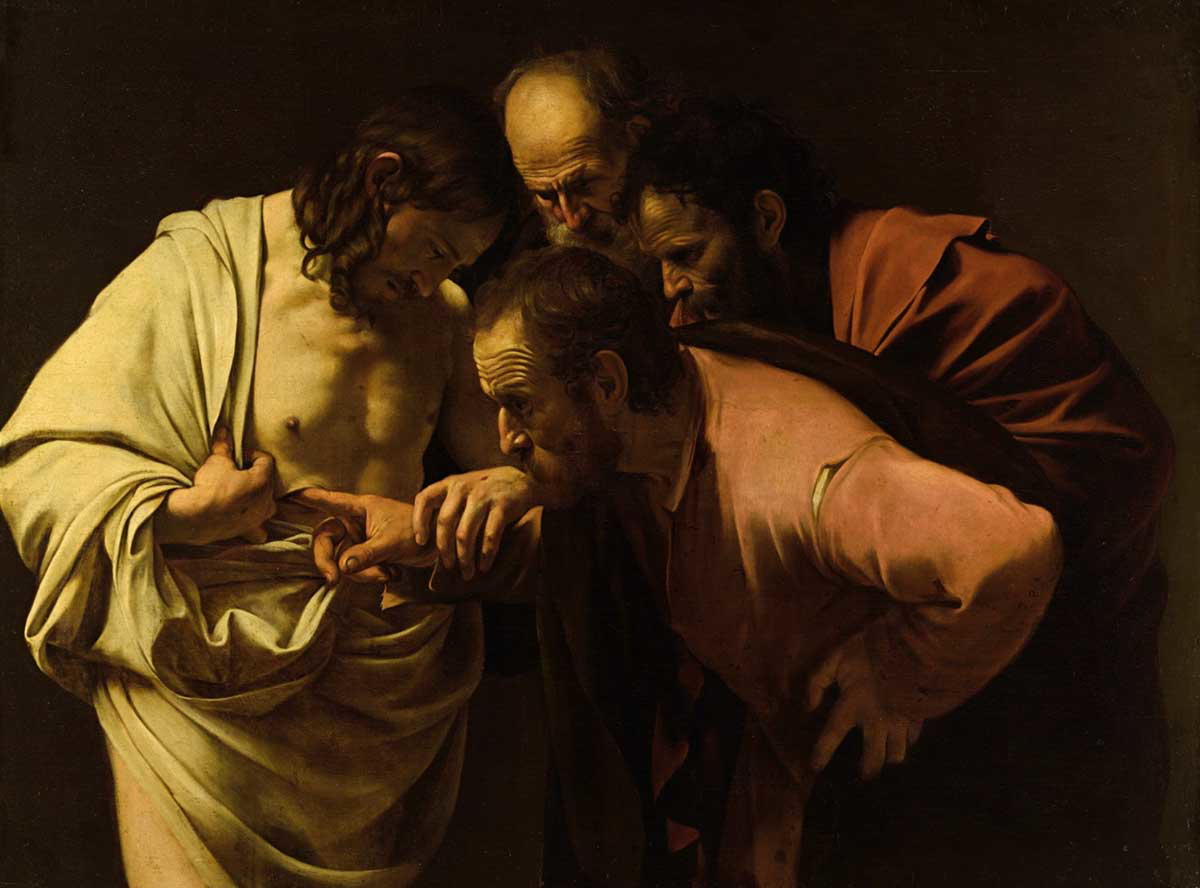
His art was dominated by tenebrism, a heightened chiaroscuro that enhanced the acutely realistic depiction of people. Caravaggio’s characters not only possessed an unprecedented dramatism that would define the Baroque, but they were all too human. For his polished contemporaries, painting saints as commoners was nothing short of a crime.
The Taking of Christ, Michelangelo Merisi da Caravaggio, 1602. Source: National Gallery of Ireland, Dublin.
The German artist and writer Joachim von Sandrart offered another explanation. For him, Caravaggio’s tragic death symbolized the end of one artistic age and the beginning of another. In this version of the story, Caravaggio did not simply die as a criminal in exile. He became the symbol of the dramatic turning point between the elegance of Mannerism and the realism of the Baroque.
Caravaggio’s Endless Criminal Record
Caravaggio had a pattern of bad behavior. He fled Milan for Rome after repeated physical altercations that culminated in the injury of a police officer. In Rome alone, between 1598 and 1606, he committed seven incidents before being accused of murder. Caravaggio left us with such a rich dossier that a recent exhibition in Rome could only focus on his devious behavior.
He was arrested twice for carrying a sword and a dagger without a permit; he was sued for beating a stranger with a stick and tearing his cape with a sword. And the record does not stop there. Caravaggio even assaulted a waiter by throwing artichokes at him because he didn’t distinguish between butter and oil artichokes. The story is as well-documented as it is absurd.
His Powerful Protectors in Rome
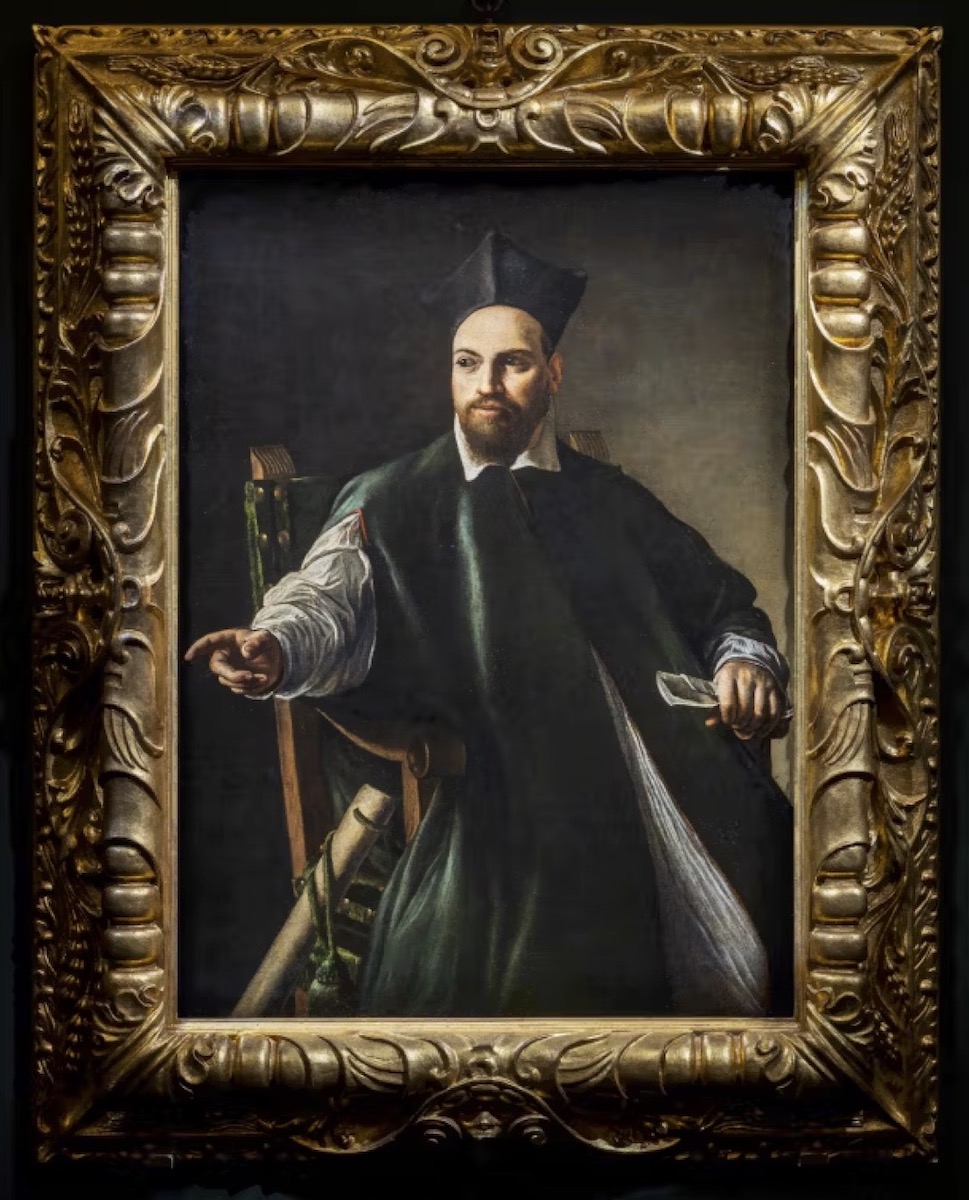
The question is then, how did troubled Caravaggio manage to escape prison for so long? Short answer: he survived thanks to a strong network of aristocrats and mighty patronage from Roman cardinals. In exchange for his art, he received unconditional legal, political, and financial support. Among the most prominent patrons Caravaggio had was cardinal Scipione Borghese. The high-profile support of the Church protected him closely, even if his reputation and painting style caused a scandal.
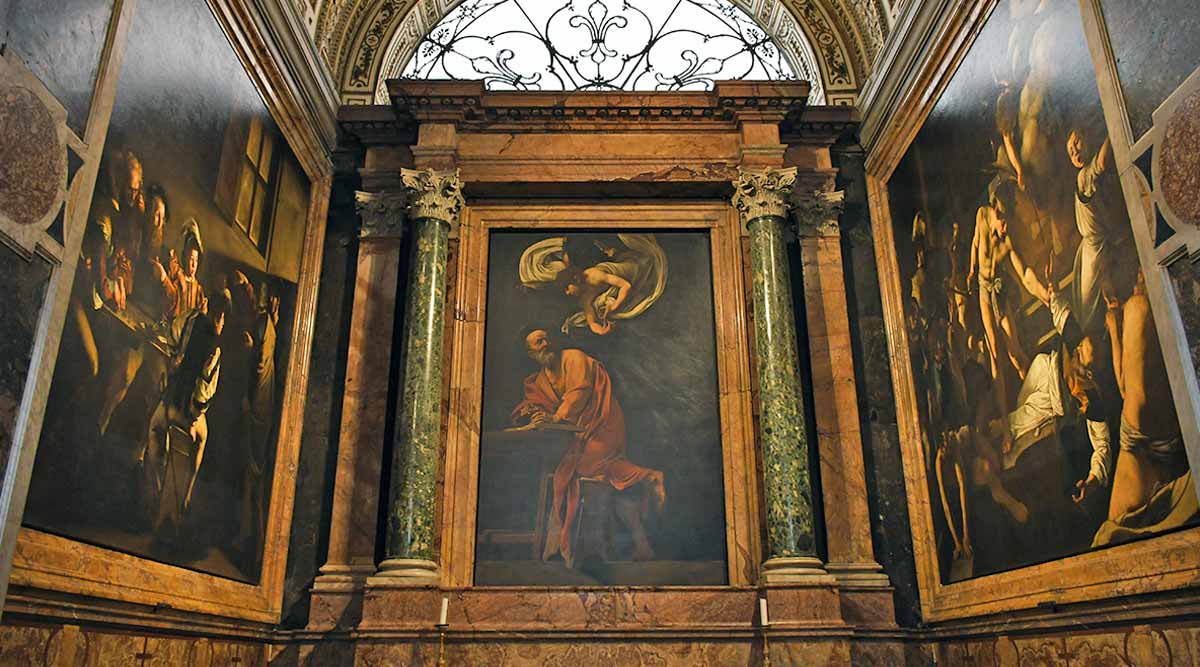
Probably the most central figure in Caravaggio’s ascent in Rome came from Cardinal Francesco Maria del Monte. Del Monte introduced Caravaggio to elite collectors during his very early days in Rome. Thanks to him, the artist obtained the Contarelli Chapel commission and got to know the powerful Mattei and Barberini families. That immunity and protection were going to reach their limits.
What We Know About the Killing

Contemporary reports unanimously agree that Michelangelo Merisi da Caravaggio killed Ranuccio Tomassoni. The transcripts of his police records fill many pages. Caravaggio’s regular brawls were largely easy to bail out of by his powerful patrons in Rome. But not his last crime. What went down on May 29, 1606 between him and Ranuccio Tomassoni was beyond saving.
What the documents show is that the two had many violent arguments. The fatal fight was most certainly an unintentional killing prompted by a sword duel. Documents also say that it was arranged by eight other participants. One of Caravaggio’s supporters was also seriously injured.
What Prompted the Duel?

Countless rumors circulated after the incident. Many thought the quarrel was due to a gambling debt and a disagreement during a pallacorda game (a precursor of tennis). This was going to become the most entrenched account of all. Others reported that the duel, which took place in Campo Marzio, was driven by jealousy over a famous courtesan from Rome named Fillide Melandroni.

She was a model and lover of Caravaggio, and Tomassoni may have acted as her protector. In this scenario, Caravaggio aimed to castrate his adversary – some said he then used the same sword to murder him, others hinted that Tomassoni died as a result of the violent castration. Voices even suggested that the duel was fueled by political animosity, as Tomassoni’s family were loud supporters of the Spanish, whereas Caravaggio was partial to the French. No matter what happened, the consequences of the incident were too serious to escape through political favor. With this, Caravaggio’s Roman period came to an abrupt end.

In today’s terms, what went down was not premeditated murder, but rather resembled manslaughter. As the many statements show, it was difficult to determine the exact details of Tomassoni’s death and how Caravaggio provoked it. What is unequivocal is his sentence: beheading for murder. In the lingo of the times, that was called bando capitale.
The bounty that was attached to his sentence gave anyone who recognized him the license to kill him in the name of justice. The court sentence was the culmination of years of problems with the law, marked by recurrent arrests, summons, and fines, stemming from Caravaggio’s terrible legal record. With Tomassoni’s murder, Caravaggio had crossed the line from petty to murderous crime.
The Setting of an Exile: Naples and Malta
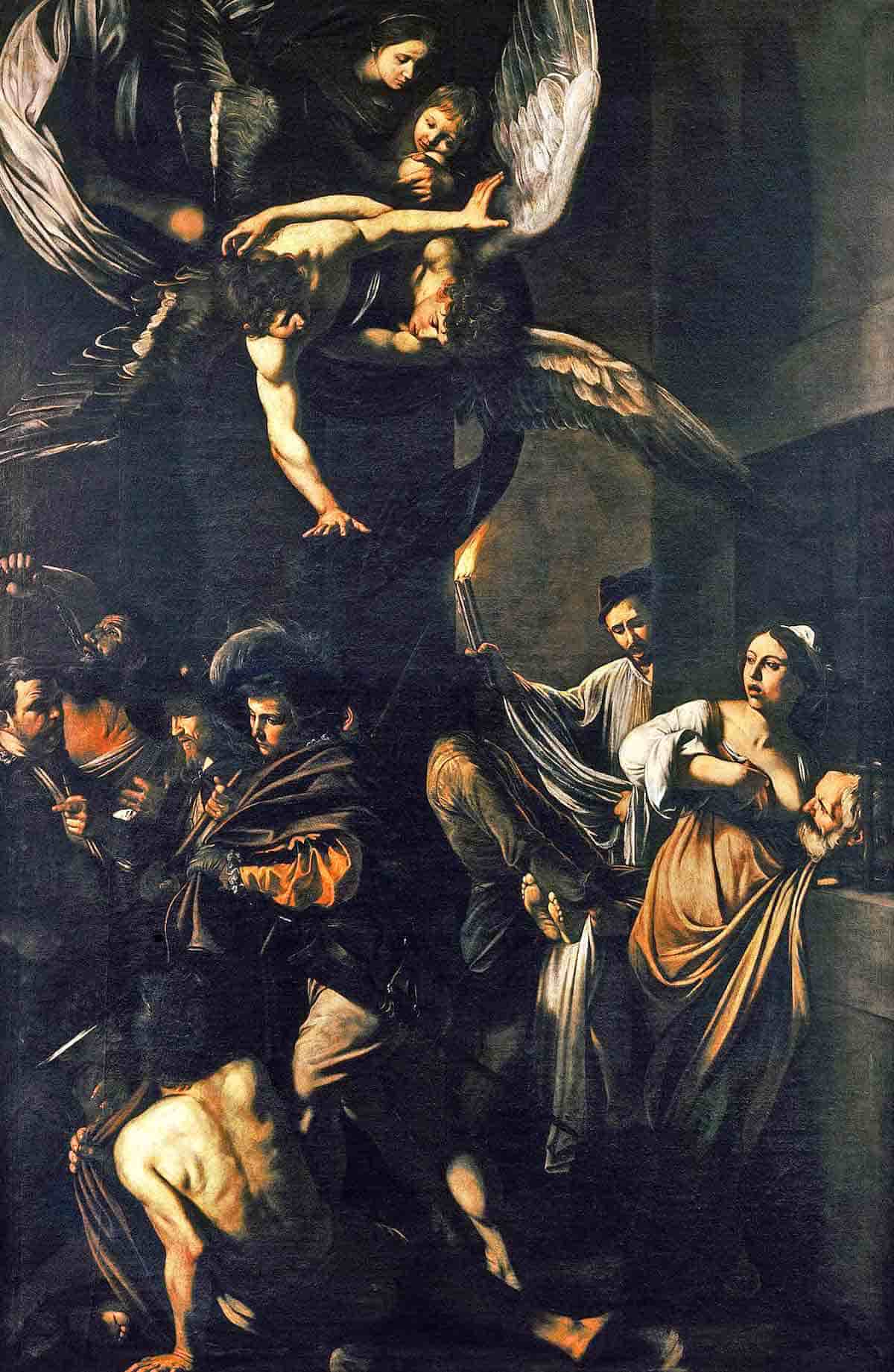
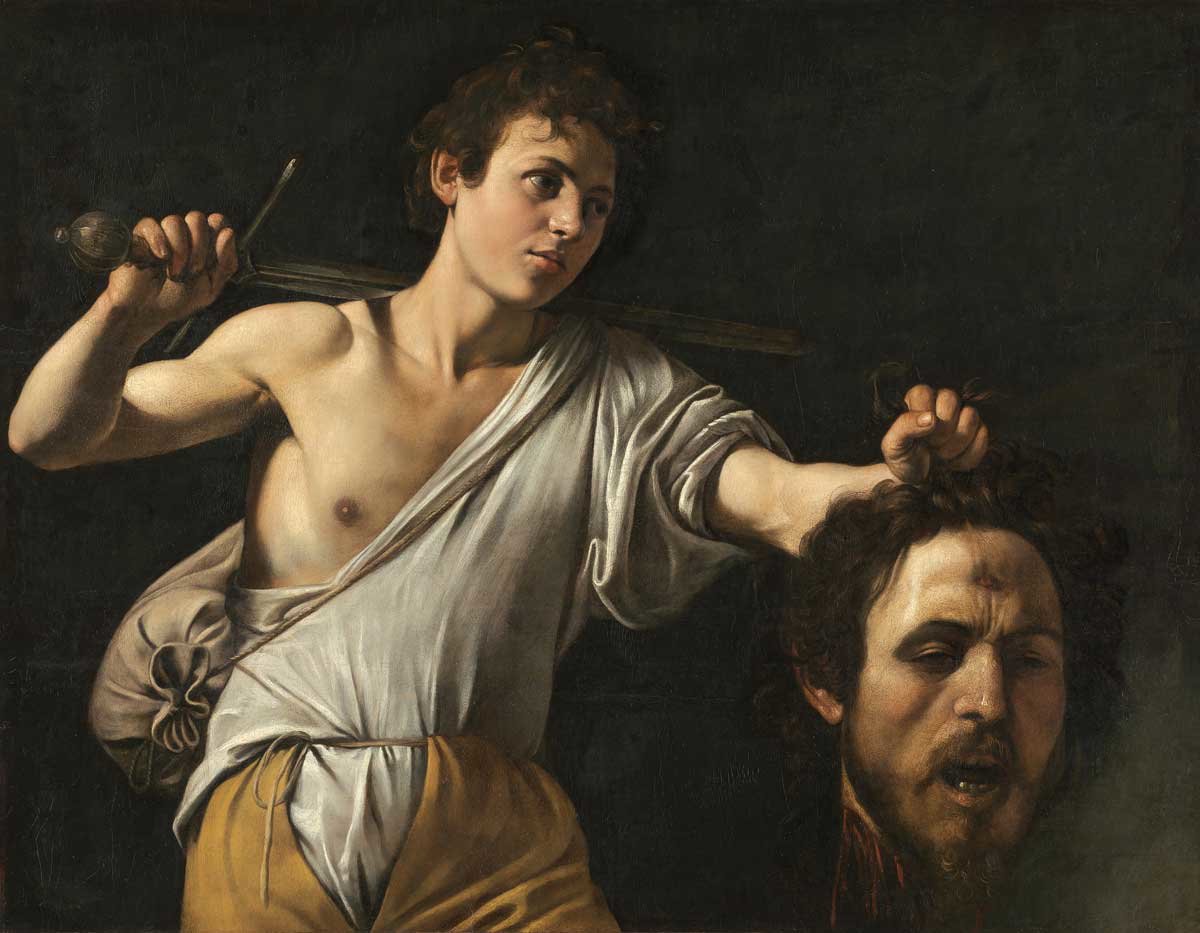
Caravaggio found refuge in Naples, at the court of Constanza Collona Sforza, far from the jurisdiction of Roman courts. In the aftermath of the sentence, the painter started to consistently depict beheadings. The characters he portrays, be they St. John the Baptist or David, resemble the artist. This led many art historians to believe he illustrated his own impending execution. After a few productive months in Naples, he headed to Malta in 1607, where Constanza’s son, Fabrizio Sforza Collona, was a Knight.
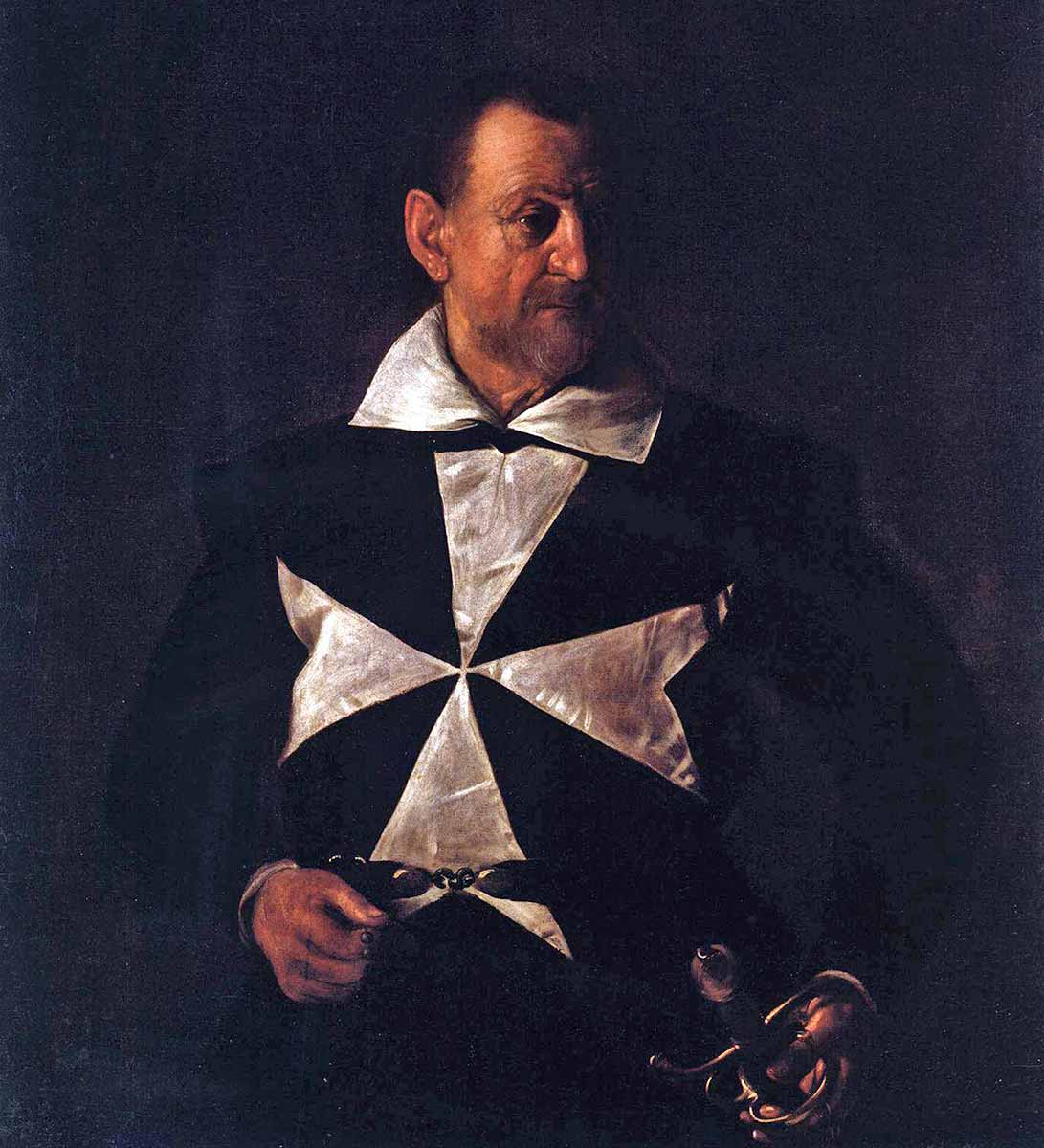
Scholars speculate that Caravaggio was hoping to obtain a pardon for Tomassoni’s killing from the Grand Master of the Malta Knights, Alof de Wignacourt. The painter thus befriended him. The Master was so proud to have such a gifted artist become the painter of the Order of the Malta Knights that he went as far as granting him knighthood.
This privilege didn’t last too long. In 1608, within less than a year, Caravaggio went back to his old habits. He was arrested due to another brawl ending in violence: he fought with a knight and almost fatally injured him. After months in prison, the painter managed to escape. This episode cost him his knighthood and set him on the road again.
Sicily and the Road Back to Rome
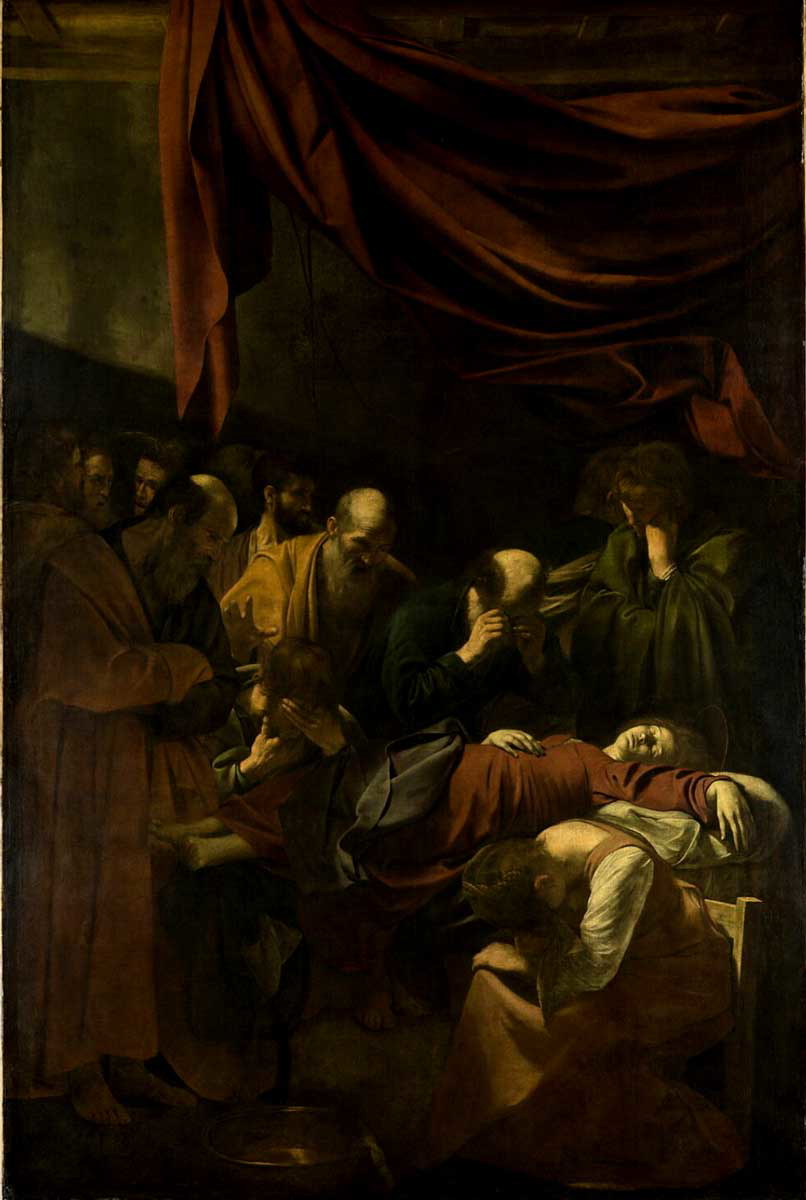
Caravaggio’s next destination was Sicily, where he was again received with open arms by his patrons. From his Sicilian period, we have numerous monumental altarpieces that adorn churches from Syracuse to Messina. Despite the recognition and financial success, accounts from the period indicate that Caravaggio was showing many bizarre habits.
From paranoia and sleeping in fully armed attire to destroying works of art at the slightest hint of criticism, the Milanese artist was slipping gravely. Many of the biographies outlining this period point to Caravaggio’s unescapable fear and lamentable attitude. In August 1609, led by his belief that he was being chased by enemies, he sought refuge with the Collona family back in Naples. His hope was that the protection of the Collona family would aid in obtaining an official pardon from the newly elected pope, Paul V Borghese.
In October 1609, a fight and attempt on his life occurred, and this time Caravaggio was the victim. The attack was so bad that his face was disfigured.
Making Amends and Painting for Pardons
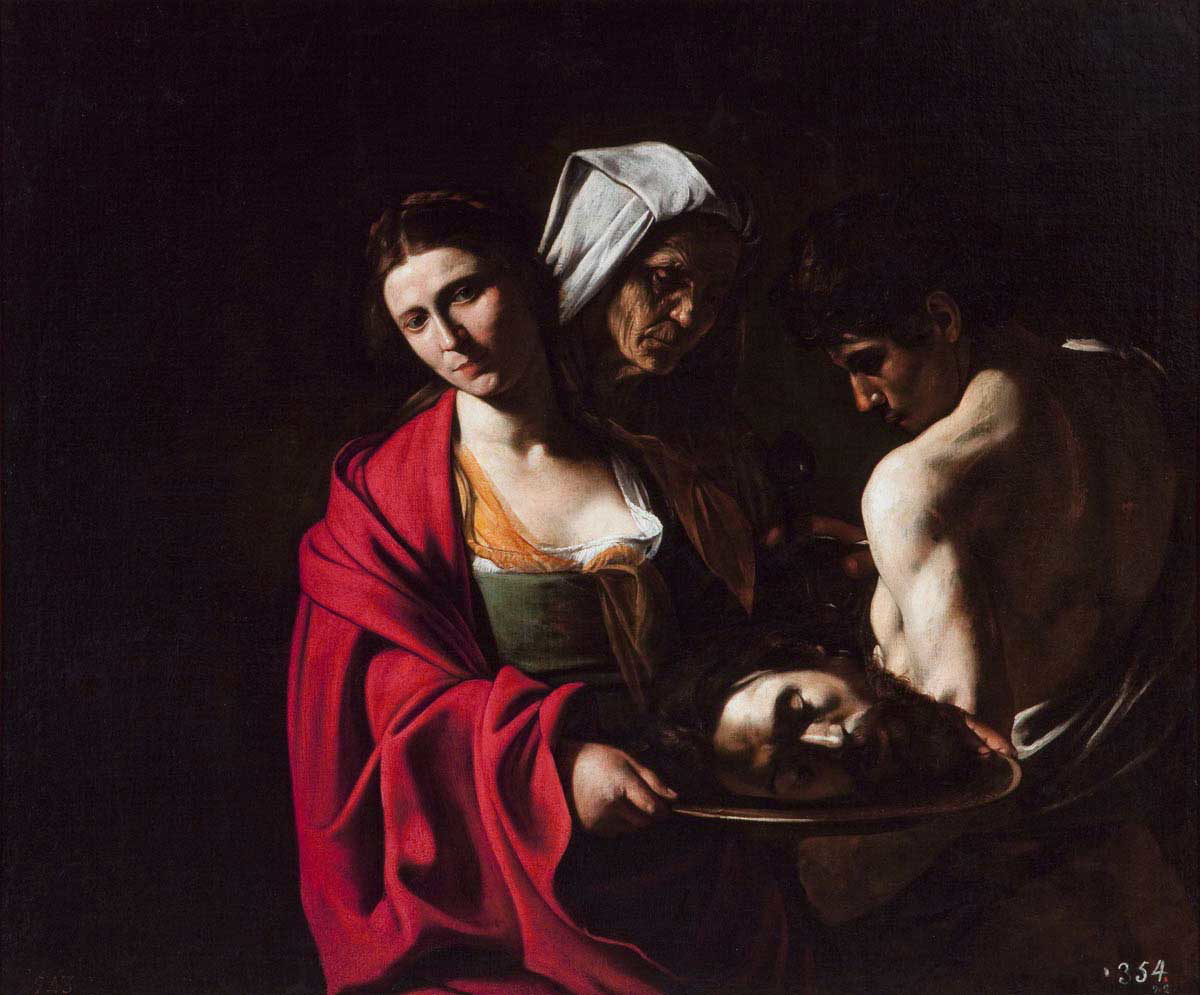
From this moment on, Caravaggio tried to make amends in both Malta and Rome. His white flags were paintings of beheadings, which he sent to Wignacourt and to his previous die-hard patron, Cardinal Scipione Borghese. The artist counted on the family connection of his former patron and still hoped for a legal mediation with Pope Paul V.
Armed with three new paintings for Cardinal Borghese and emboldened by encouraging rumors from Rome, Caravaggio set out on the road in a small boat in July 1610. What happened afterward remains a subject of speculation, just like the story of his crime. The only solid evidence surrounding his death was a brief anonymous avviso, a type of private newsletter, which was sent from Rome to the court of Urbino. The letter, dated July 28, 1610, claimed simply that Caravaggio died of fever. Recent research placed his death ten days earlier, at Porto Ercole, in Tuscany.
Was Caravaggio Indeed a Murderer?
The short legal answer is yes. Historically, it is much more complicated, with an answer that requires wrestling with pre-modern Roman law. Caravaggio’s behavior after the alleged murder can be read both ways: as the erratic manner of a violent, vicious man trying to escape justice, or the desperate flight of someone unjustly accused of a crime he did not intend.
We have to ask ourselves how much of the reputation Caravaggio still carries today reflects historical fact, and how much reflects rivalry, myth, and Baroque-era storytelling. More than four centuries later, Caravaggio’s crime sits at the boundaries of history and legend, shaped by both rumor and historical documents. The only definite fact is that Ranuccio Tomassoni did indeed lose his life.