Before we wrote things down on paper, we passed them down through oral tradition. Ancestral lineages, mythologies, folk tales, and songs were the sort of thing you might expect to hear recited around the hearth each night. Eventually, trade records were inscribed on stone or papyrus: the very first receipts. As cultures began to create more symbols representing phonetic sounds, more things were recorded. By the 14th century, a wealth of information was available in the form of a book. But who wrote them? Let’s learn about medieval scribes.
What Is a Scribe?
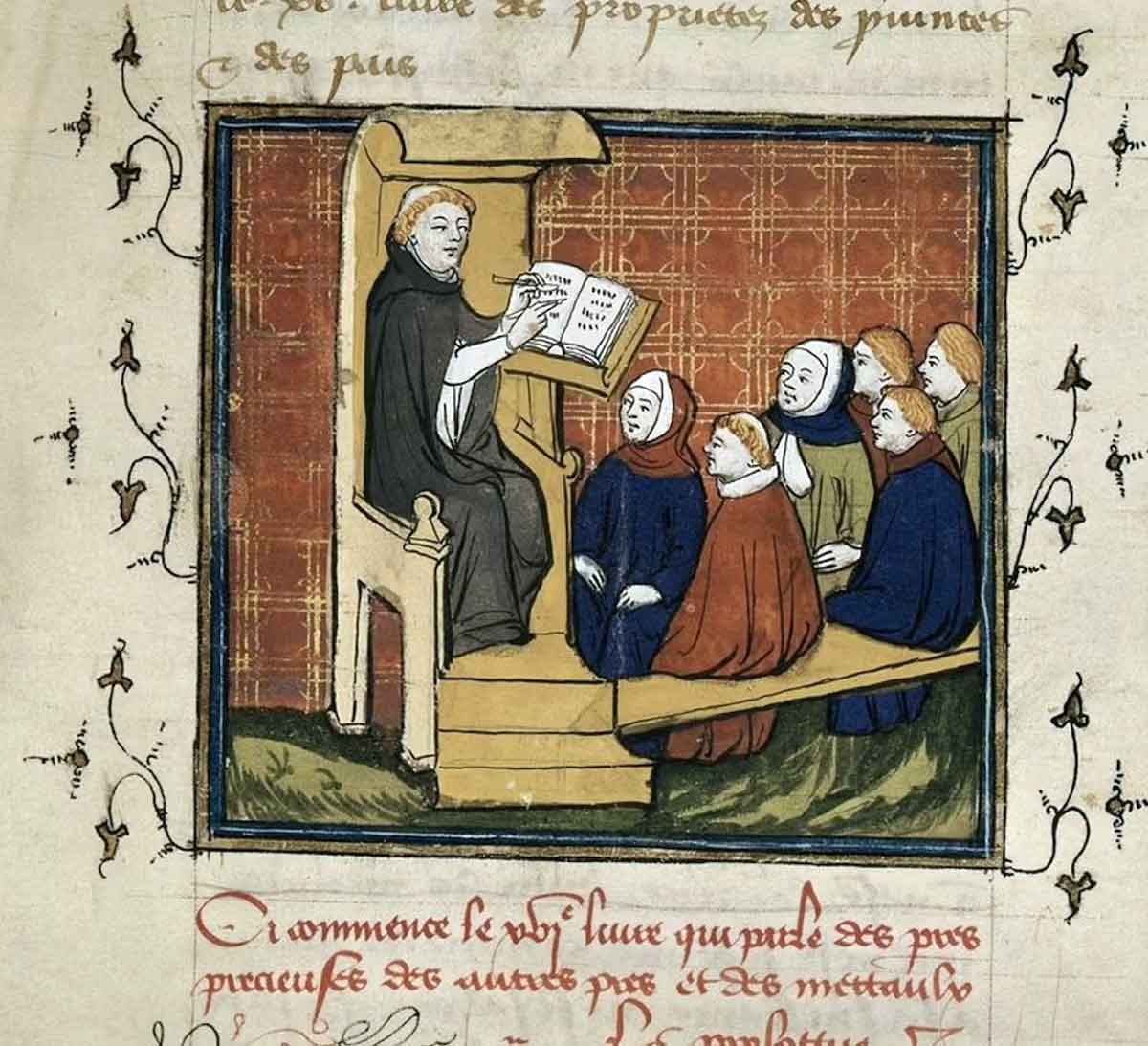
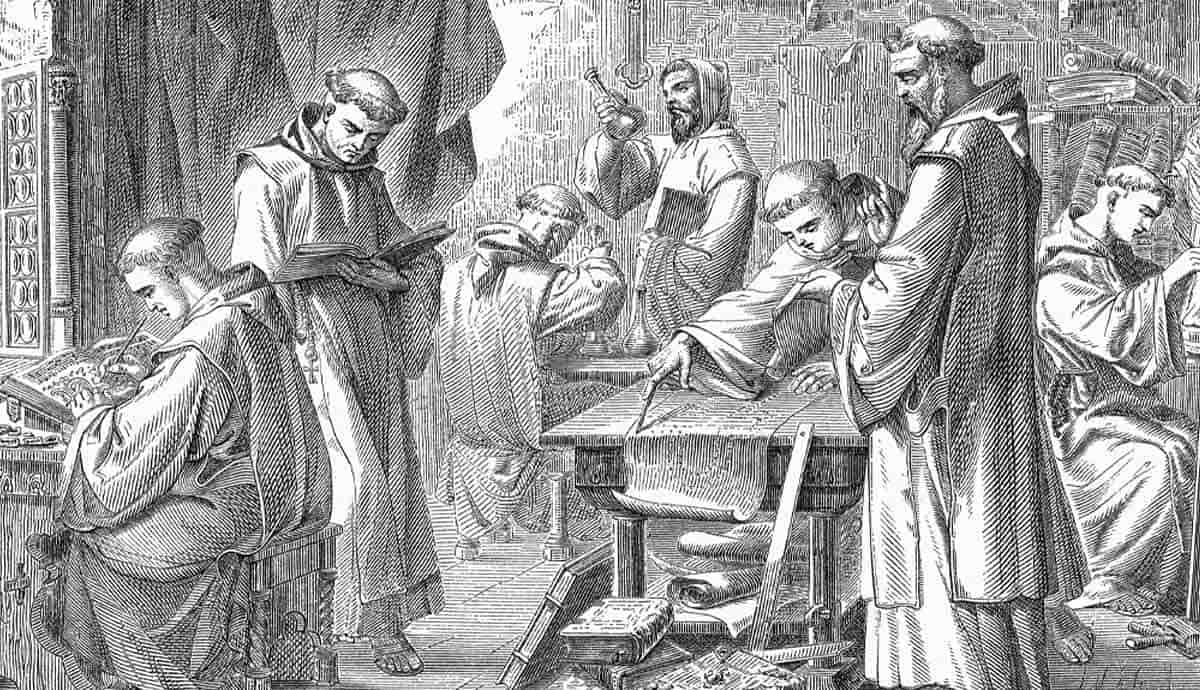
So, what is a scribe? “Scribe,” a contemporary word derivative of the medieval scrībere, or “to write,” was a person whose entire life’s work consisted of copying texts. The beauty of the scribe is in its diversity: a monk or nun could be one as an act of devotion, a literate tradesperson could be one for commission, even a creative courtesan could become a scribe if they had the means.
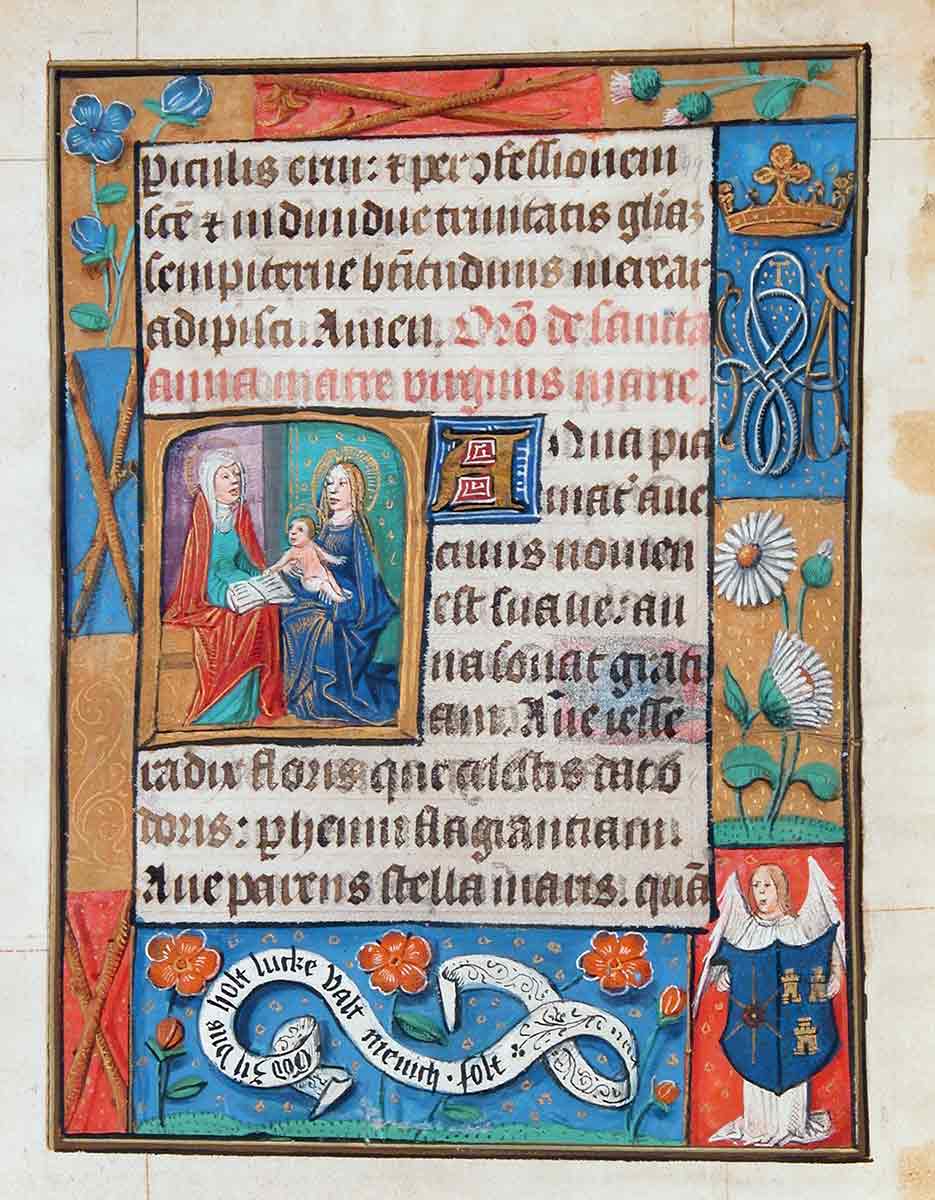
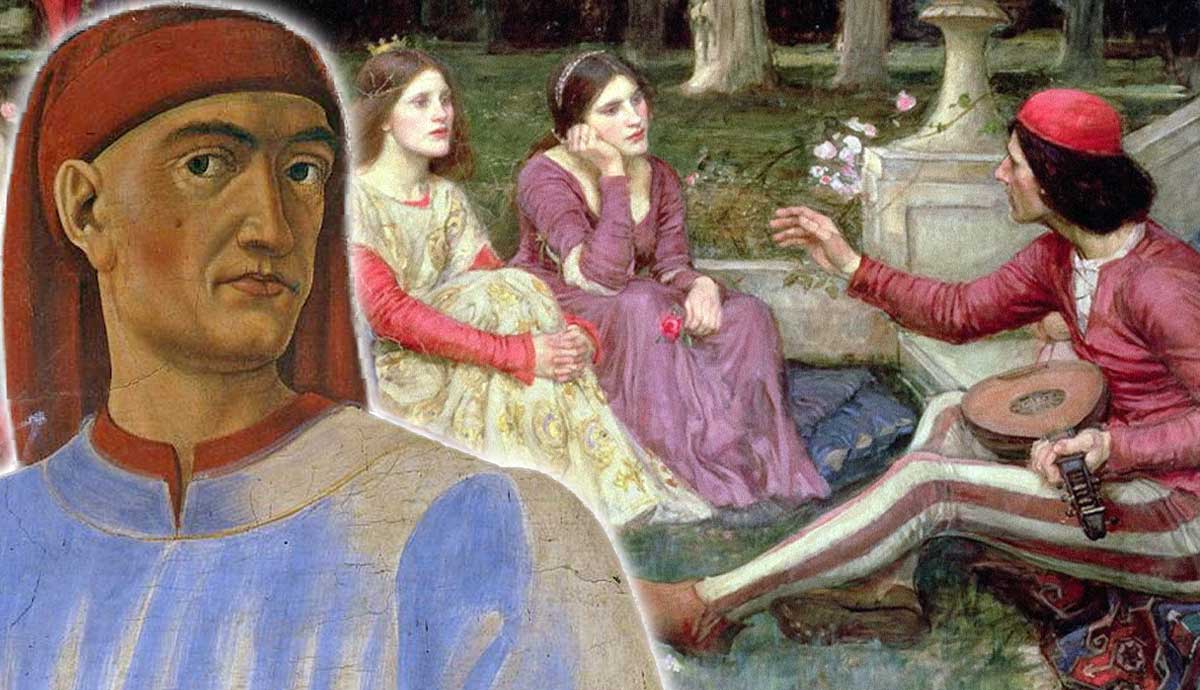
Where you were writing and who the work was commissioned for largely dictated the content of the work. For example, a monastery would likely be commissioned to write a large religious text, whereas a private scribe could be commissioned to copy secular works, such as Roman de la Rose, one of the most popular stories of the period. In some unique cases, the scribe had complete creative liberty over the content as well as the style of the manuscript.
A Day in the Life of a Monk-Scribe
In the medieval world, monks and nuns living in monasteries lived according to a cyclical routine of prayer or meditation. Additionally, each monk/nun in the monastery would be expected to complete a diverse array of daily chores to keep the monastery functioning, as well as to extend spiritual devotion and charity to the community. Monasteries, in addition to being spiritual and educational centers for those who lived there, also served as vital community support. In the Middle Ages, a person who went on a religious pilgrimage, for example, could seek shelter at monasteries throughout their journey. Each monastery functioned as a self-sufficient villa for the people who lived there full-time, so it contained plots for a kitchen garden, an ink garden, a medicinal garden, and a spiritual garden. Folks could come to the monastery in need of medical help or simply looking for a hot meal and a warm bed.
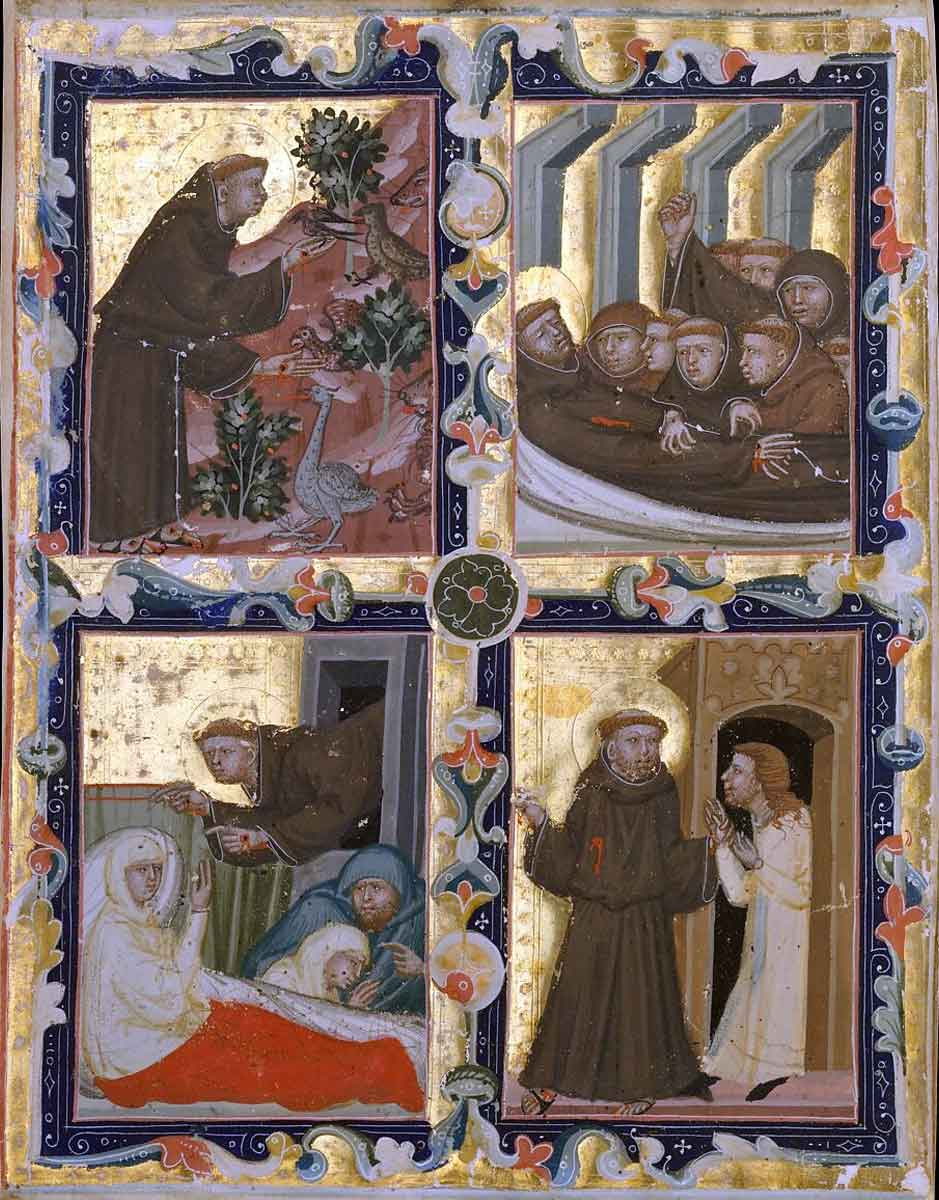
When you weren’t cleaning, gardening, preparing medicine, helping travelers, or praying, monks/nuns spent time reading, copying, and illustrating sacred texts. To be a monk/nun in the Middle Ages was most often to be educated and literate. Like every task in the religious life, however, scribal duties were seen as an extension of faith and not an act of individual authorship. Still, that did not prevent many individuals from being expressive in the margins.
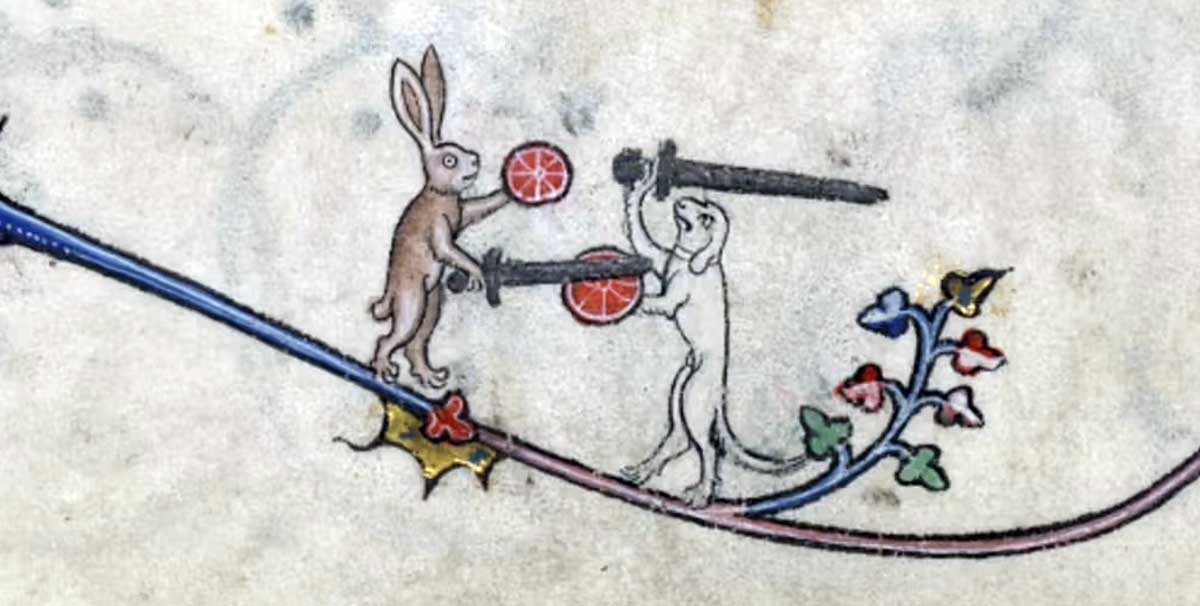
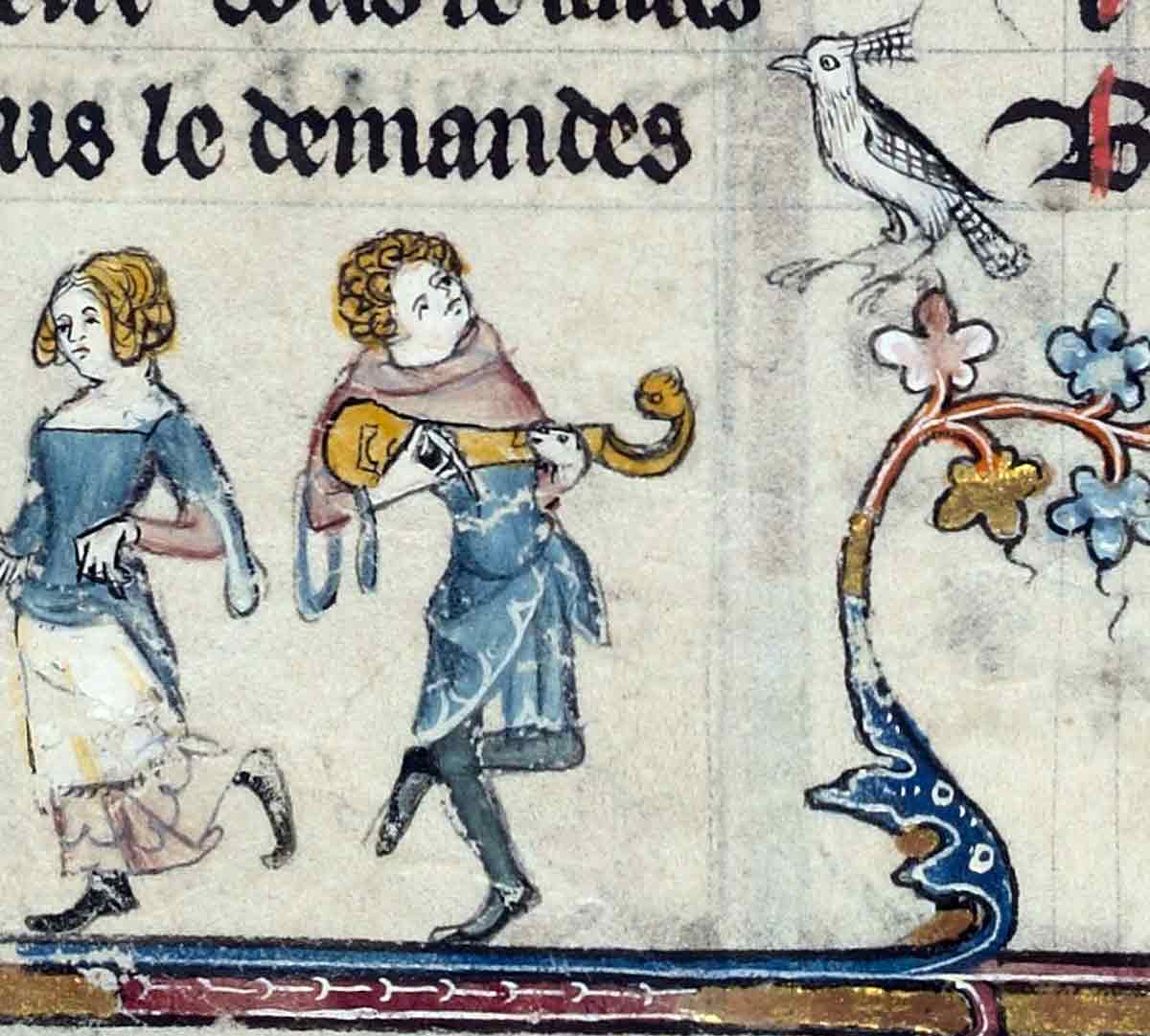
One of the most well-known forms of medieval manuscript art, especially in the context of social media memes, is marginalia. It could be a strange doodle of a mythical animal, a raunchy joke about human anatomy, or animals/characters in uncanny situations. One thing is for sure: being a religious scribe certainly didn’t prevent you from having a sense of humor.
A Day in the Life of a Courtier Scribe
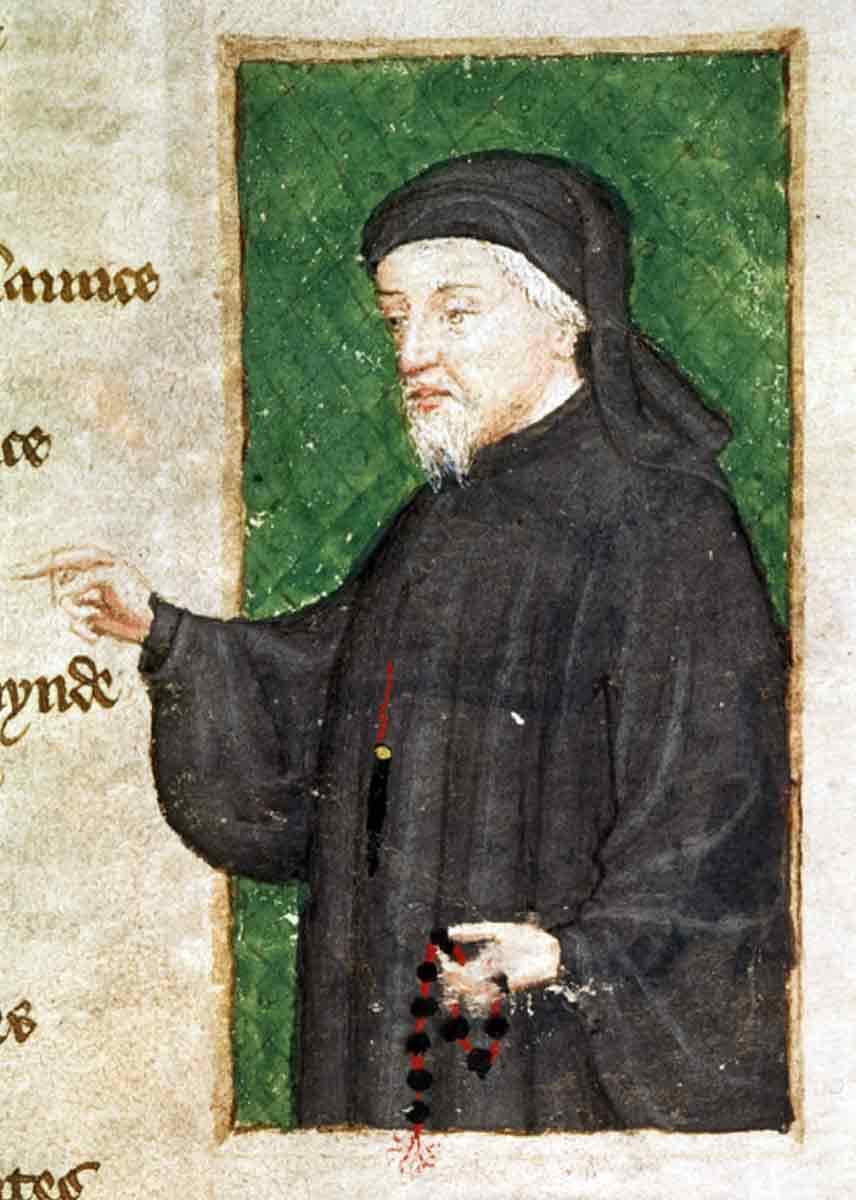
Geoffrey Chaucer (b. ca 1340-1345), to modern historians, is one of the most famous medieval English authors/poets. The son of a wine merchant who began his career as a page, Chaucer rose through the medieval court hierarchy and was even knighted. However, his written works were completed outside of his courtly duties, making him more of a hobbyist. Considering that this was the time before television and radio, it was normal for members of the court to spend time together reading aloud.
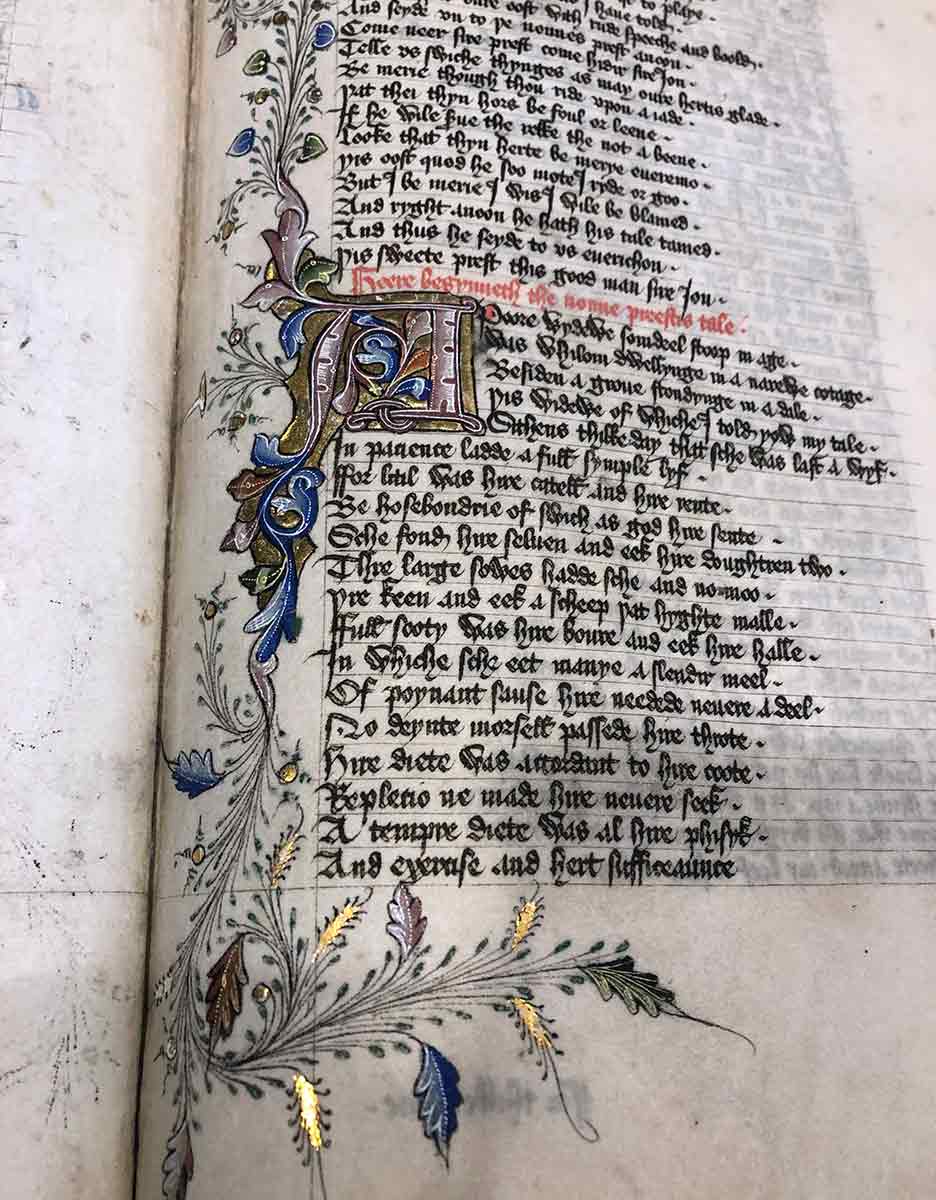
Today, Geoffrey Chaucer is regarded as “the father of English literature,” and medievalists, young and old, continue to discover new insights in his works. Middle English, the language of the people, was important enough to Chaucer to have written it down, even though he was largely working in the capacity of an aristocrat, who would have been speaking and reading French. Chaucer, in his individuality and artistry, decided to publish both old and new works (such as the Canterbury Tales) in Middle English, a decision that continues to solidify his fame into the present.
A Day in the Life of a Professional Scribe
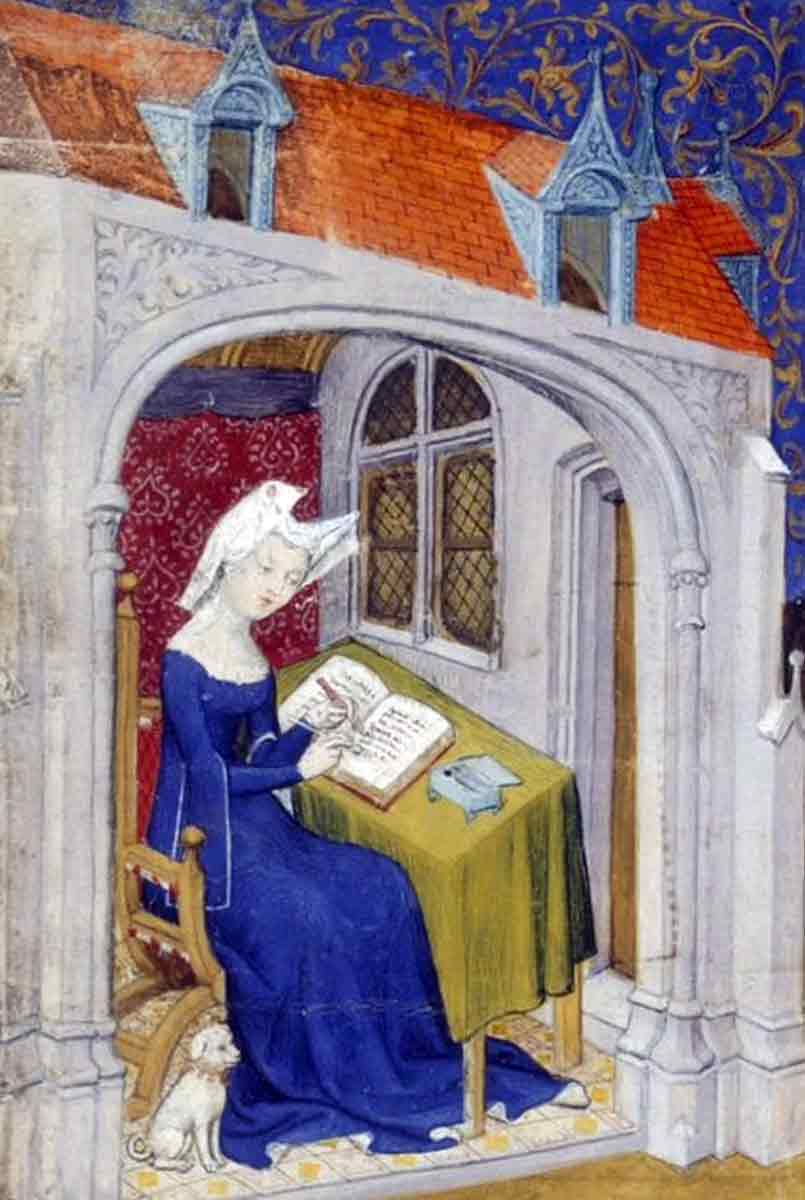
Christine de Pizan (b. 1365-1429) was the daughter of a court astrologer and showed curiosity from a young age. While a young court lady would be expected to perform good social etiquette, learn skills such as weaving and spinning yarn, and learn the histories and lineages of her court, it was rare for a young lady aristocrat to be so devoted to education and social justice. In her most famous work, The Book of the City of Ladies, Christine envisioned a free city ruled by the Queen of Heaven/Mary, crowned by allegorical Justice. As Christine was a humanist, she was not interested in a city only made of ladies/aristocrats, but rather a city for those interested in their own self-improvement, independence, and education. It was a place for people to be free of the constraints of medieval patriarchy and pursue their own dreams.
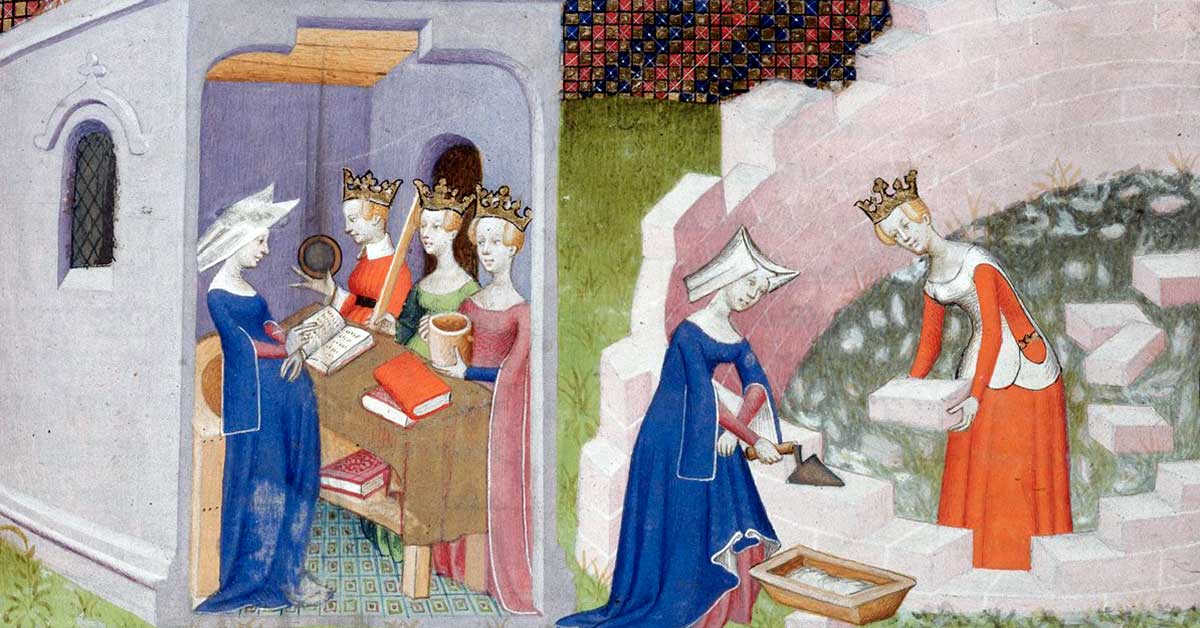
At age 25, Christine was widowed and left with her young children. As an Italian lady in a French court, she needed to find a stable source of income for her family, so she turned to manuscript-making. Given that she was already known at court, she quickly earned her living supervising the production of court commissions. Christine supervised a scriptorium comprised entirely of female scribes. Once the manuscripts were complete, they were sent off via messenger, sometimes even as far as England. Eventually, her own messenger would return with the payment for her work.
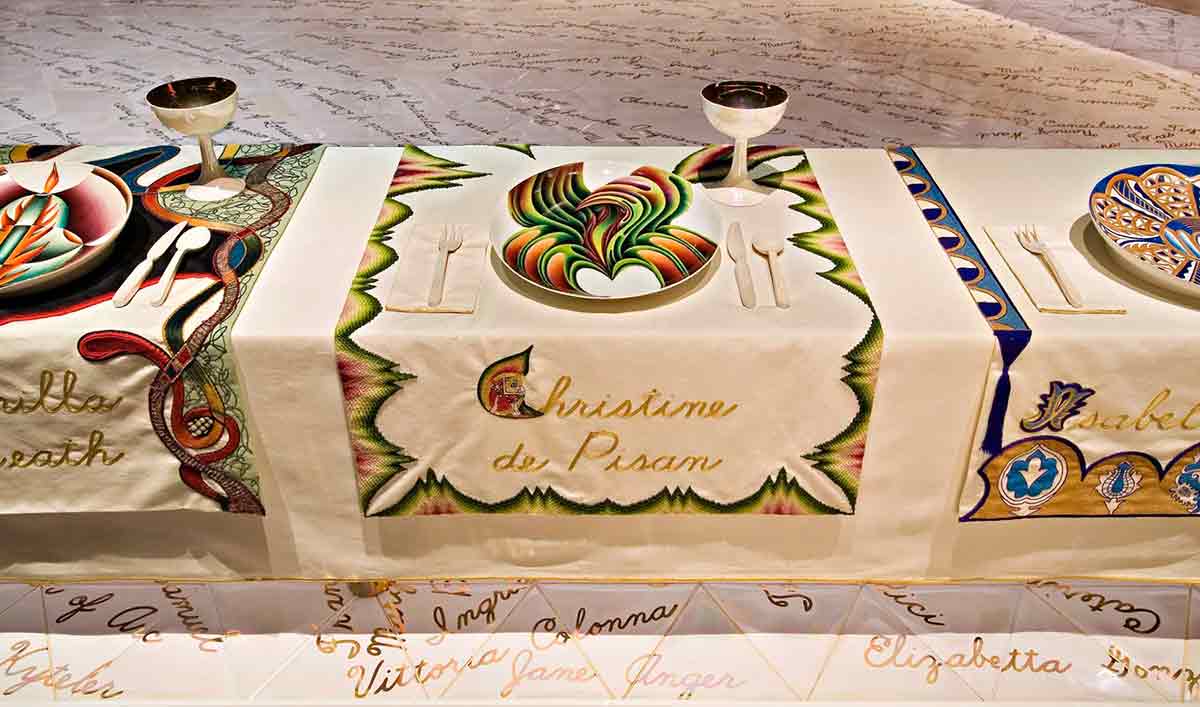
No matter where the book was coming from or the content it contained, all manuscripts from this period were considered by their authors and buyers as costly, precious resources. Literacy itself was a privilege, so in the case where a private individual could read, they still might only ever own 1-5 books in their lifetime, with the exception being scholars and aristocrats. Large collections of books were usually stored in monasteries to be protected, but also so they could be accessed by its religious students for their studies. For Christine, book-making and storytelling weren’t simply a means for a living, but personal achievements. Being a scribe meant she could independently provide for herself and her three children, secure a career in court with access to great libraries, and voice her own beliefs and criticisms of the culture of her world. In essence, it was a kind of liberation from medieval patriarchal constraints in itself.
Transitioning From Parchment to Paper
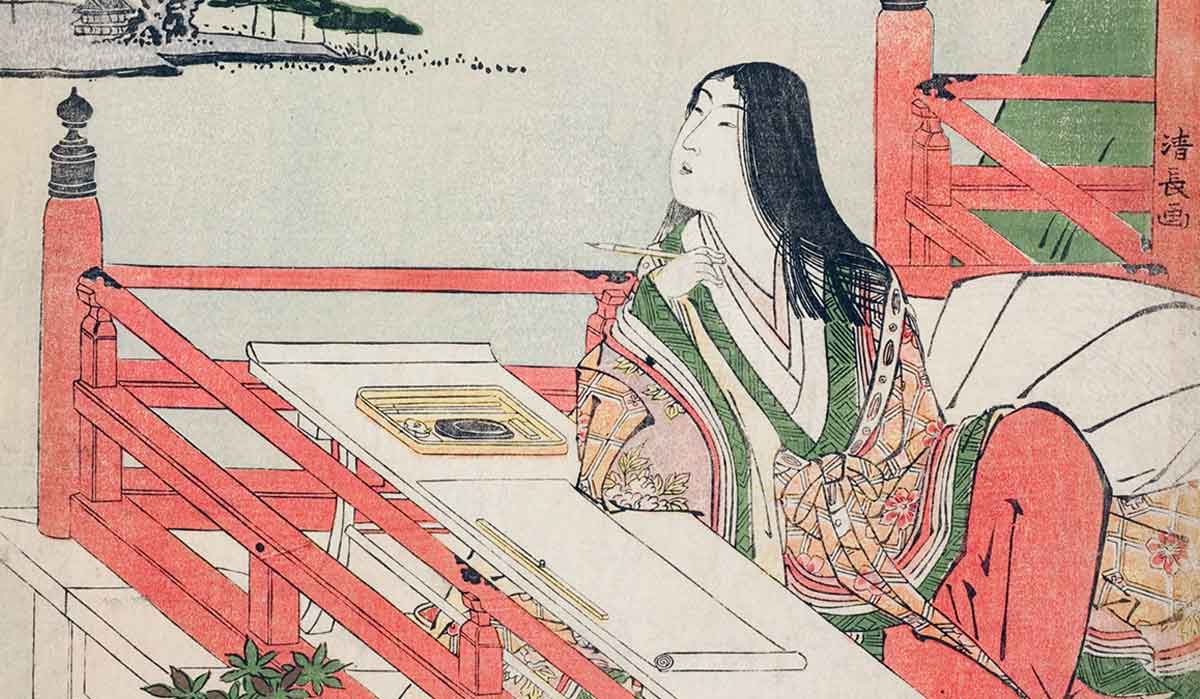
Predating Christine de Pizan was Murosaki Shikibu, or Lady Murosaki, considered to be the world’s first author. Murosaki Shikibu was a Japanese courtesan who was born during the Heian Period, around 978 AD in Heian-kyo, Japan. Similar to Christine, she was also raised in court and born to an educated father. Additionally, she too became a young widow and utilized her skills to craft a self-made career. While working as a lady in waiting for the Empress, Murosaki completed The Tale of Genji in 1021. The Tale of Genji is considered the world’s first novel: a psychological, romantic drama that centers on the intrigues of the Heian court.
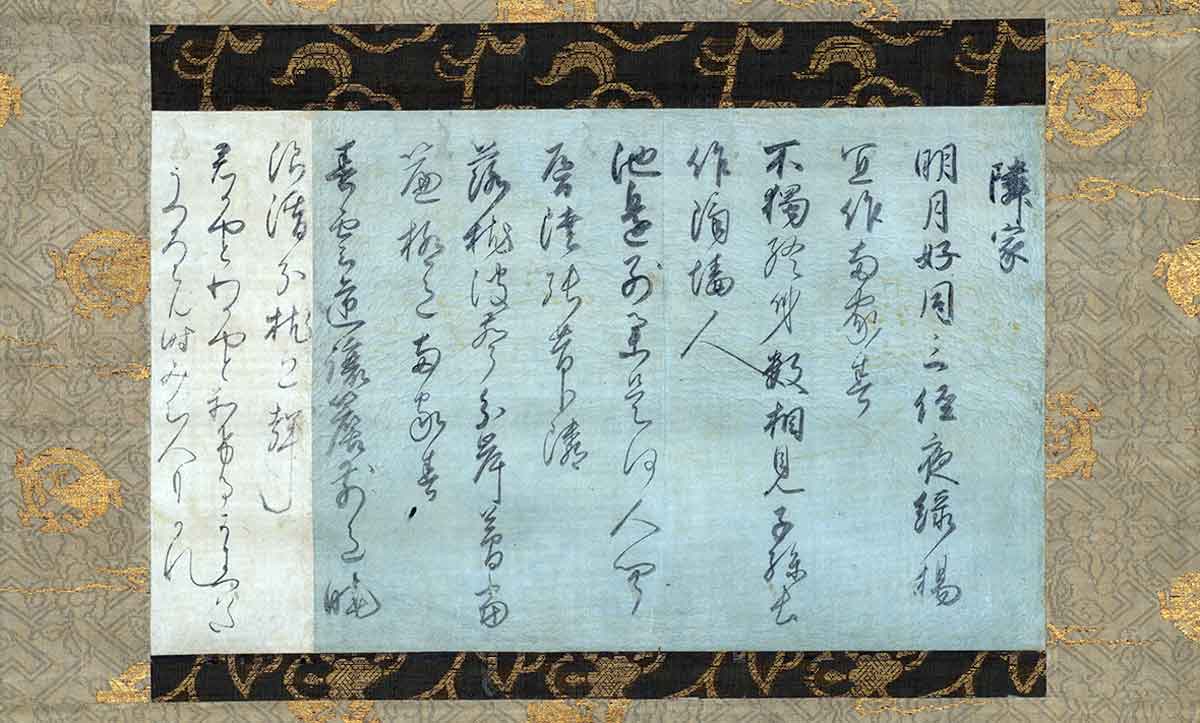
While many of the previously mentioned Western works would have been made of parchment or vellum (treated animal skin), Murasaki Shikibu utilized the fibers of the paper mulberry tree. In Japan, this material is known as washi. Unlike the resource-intensive process of scraping and stretching animal hides, washi is created by cooking mulberry bark in an alkaline solution (like wood ash), pounding the fibers into a pulp, and straining them through a screen to dry into sheets.
Eventually, the secrets of papermaking traveled from East Asia to Europe via the Silk Road. However, for centuries, European paper was actually made from macerated linen and cotton rags rather than wood. This rag paper eventually replaced parchment because it was more cost-effective and easier to produce in the high volumes required by the later invention of the printing press.
Twenty-First Century Scribes
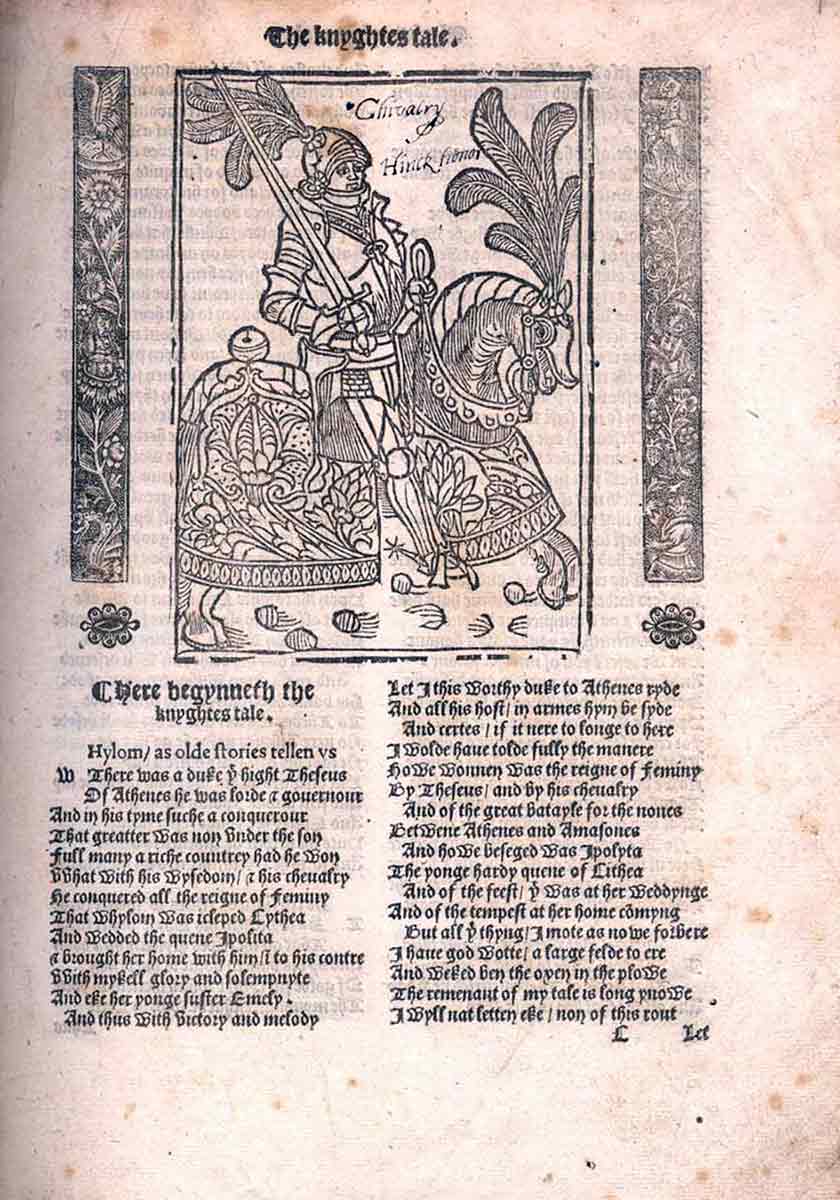
With the arrival of the printing press in the 15th century, the work of the scribe became less in demand and was reserved for legal, religious, or sumptuous artistic manuscripts.
Today, calligraphers around the world continue this work by producing hand-written documents such as university degrees, wedding invitations, perfume bottle labels, certificates, and historical/museum reproductions. There are online courses and books available for anyone interested to learn different styles of calligraphy, so the craft continues into the future.
If you enjoy writing, recording your thoughts and memories by hand in a journal is a great way to be the scribe of your own life.