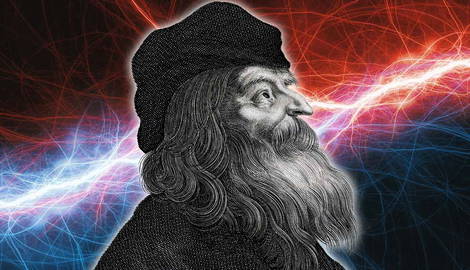

The Ancient Greeks saw the universe as unstable, full of change and drama. They thought reality itself was dynamic. They believed that everything was constantly shifting and that nothing remained constant: cities could rise and then crumble, seasons would change, and friendships would begin and end. In this ever-changing world stepped Empedocles, an amazing thinker from early Greek philosophy. In fact, he was more than just a philosopher. He is also considered a poet, physician, and politician. Historical accounts indicate that he even wore clothes fitting for a prophet.
Empedocles and a Universe Made From Four Elements
Empedocles’ best idea is amazingly simple. All things in the universe are driven by two forces only: Love and Strife. Love unites and holds together. Strife separates and splits apart. To him, this was not just poetic language. It was the natural laws explaining why certain events occurred, the human psychology, as well as the moral code for living, all wrapped up into one. What is surprising is that his concept still feels very familiar today.
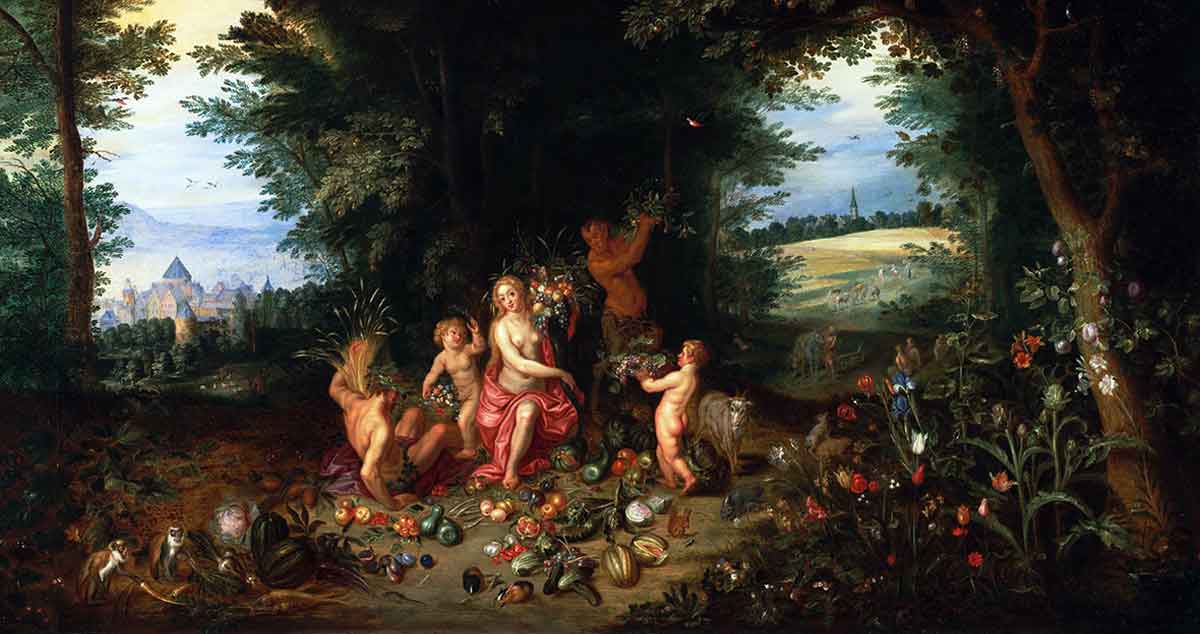
Empedocles was the one who proposed an interesting and innovative idea at that time, that reality does not come from a single substance. All his predecessors were searching for the one, ultimate material. Some thought it was water. Others believed that it was air. Even some thinkers believed in something infinite. However, Empedocles did not support this idea. He proposed that there are four main roots of existence. These include earth, air, fire, and water.
Nothing truly can exist or disappear out of nothing. All the things in our universe, according to Empedocles, simply mix and separate. The growth of trees happens because there is an equilibrium of certain elements. The demise of a human being occurs due to the disintegration of the mixture. This concept bears resemblance to modern-day chemistry rather than mythology.
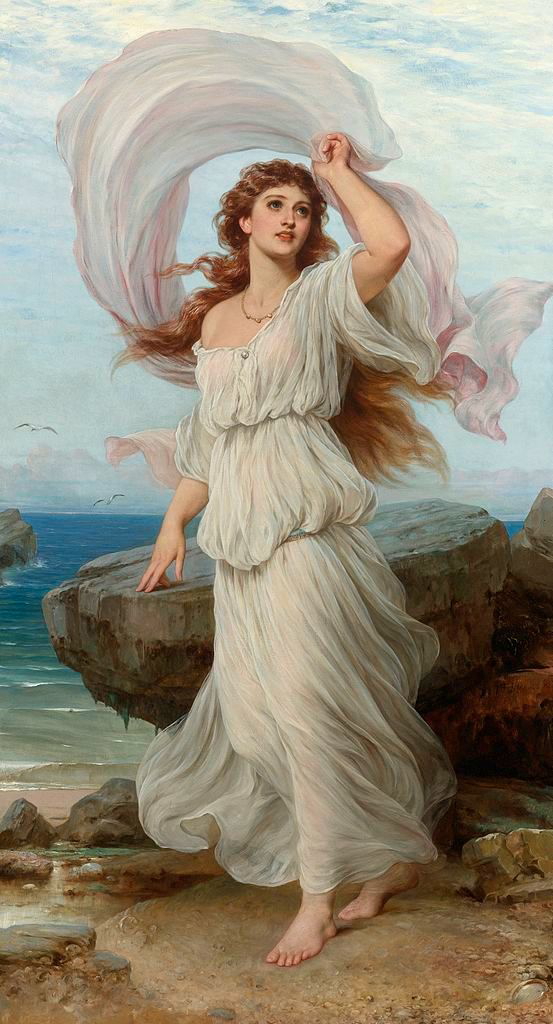
Later thinkers also recognized the effectiveness of such an idea. Aristotle later absorbed the four-element theory in his natural philosophy. This remained part of medieval science for many years.
Empedocles offered an explanation for changes that occur but do not involve creation from nothingness. For example, picture the bread-making process. Flour, water, heat, and air are mixed together to produce a new loaf, but its components preexisted in their current form. Empedocles believed reality behaves in a similar manner. But it remains a question as to what causes things to bind together as mixtures or separate from each other. That is where Love and Strife come in.
Love: The Force That Brings Things Together
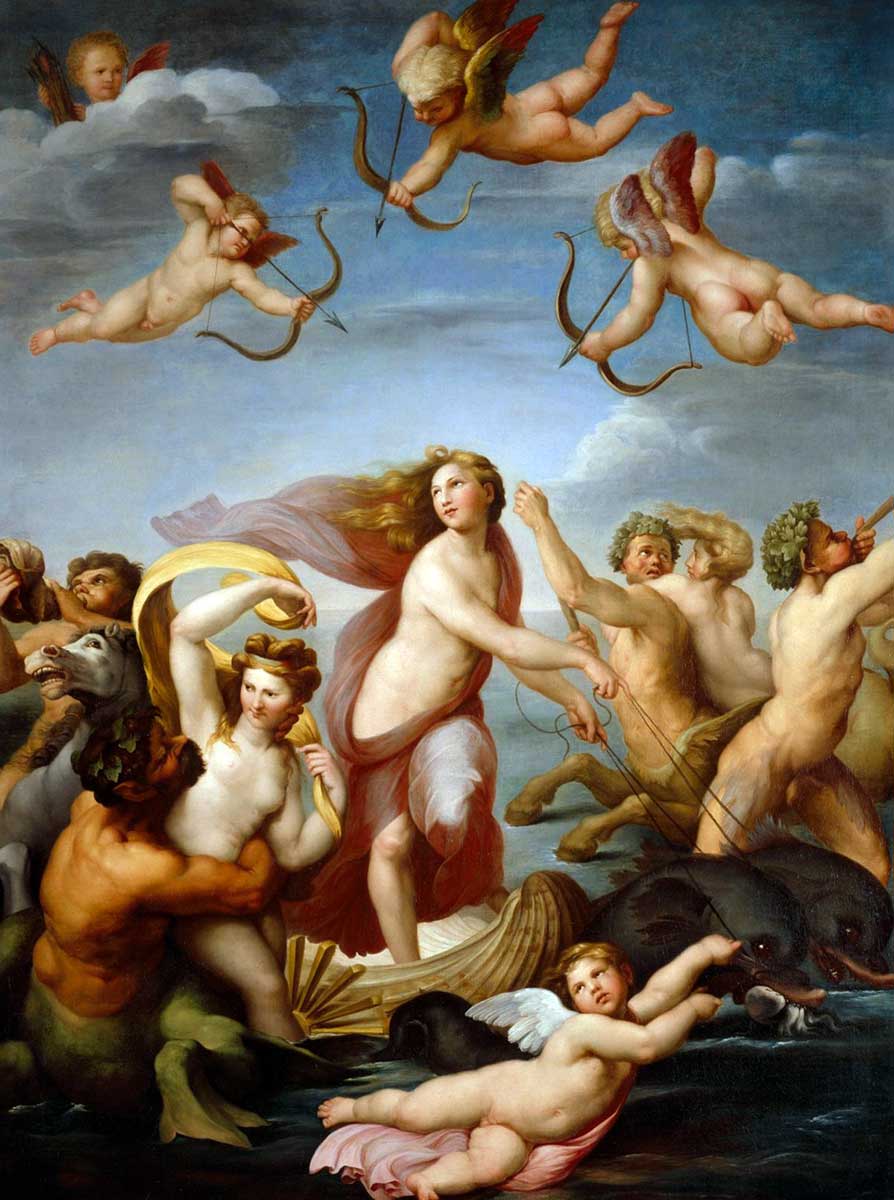
Empedocles described love as being attracted to each other. It combines different things so that they can be harmonious. Under love’s influence, variety becomes unity. Plants and bodies grow. Communities are cooperative. Love does not just refer to romantic feelings. It is the principle behind friendship, the growth of organisms, and also the orderliness of the cosmos.
Occasionally, during the universal cycle, love has complete control over everything. Everything merges into perfect unity, which Empedocles said was the “Sphere.” There is no opposition and there are no divisions.
The concept is repeated by later philosophers intellectually. For instance, Plato explained that love entails moving towards unity and the attractive. In his Symposium, he explained how love draws human beings towards what they lack. Later on, the Dutch philosopher Baruch Spinoza said reality was like one substance that expressed itself through several other entities. In addition to that, contemporary psychologists recognize that social bonding is vital for survival. Individuals literally evolve from being attached to others.
However, Empedocles said that something very crucial should be put into consideration. When we get complete unity, individuals lose their own identity and distinctiveness. If everything turns out into one, the difference vanishes. It is not enough for love alone to sustain or hold the whole universe together.
Strife: Why Conflict Is Necessary
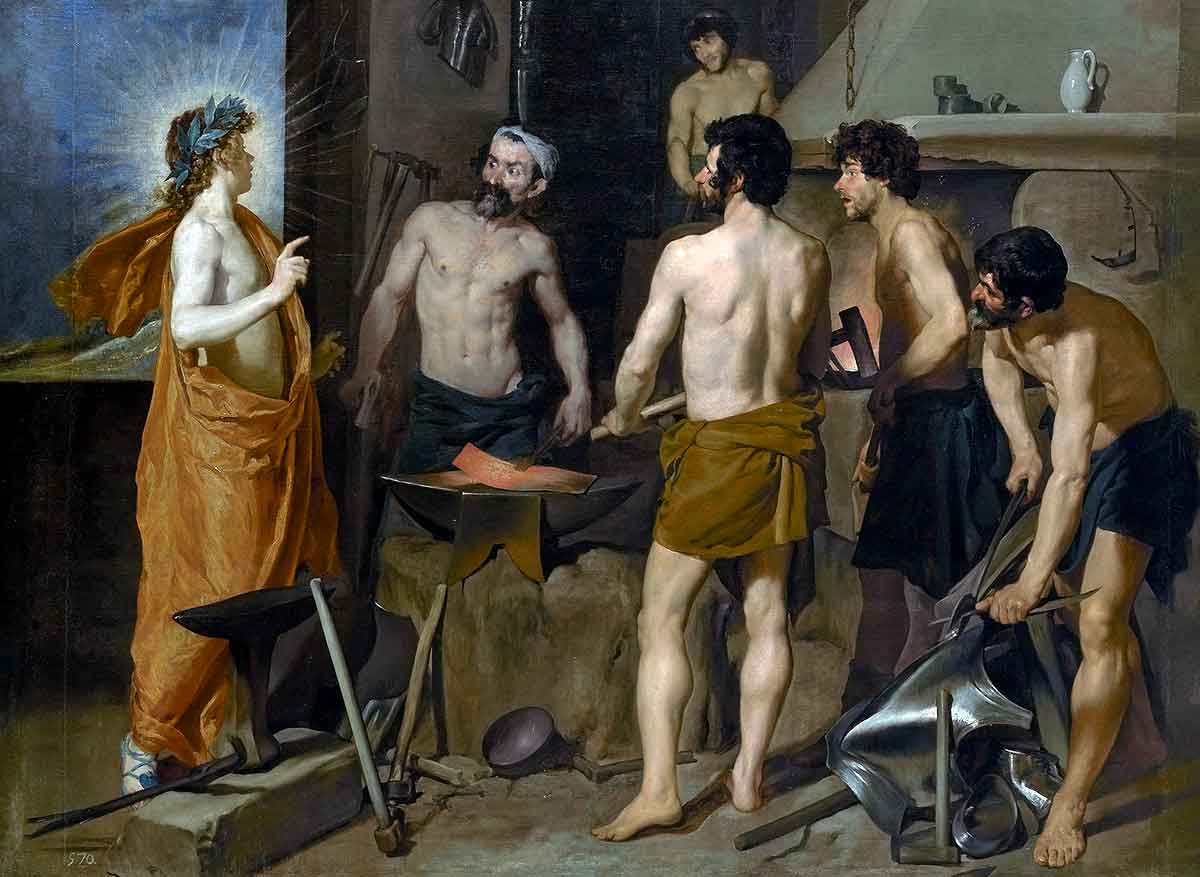
If love unites, then strife separates. The term “strife” has an overall negative connotation. Think about war, division, envy, decay. All these fall under strife’s scope. Yet the philosopher Empedocles considered strife to be very important. Without separation, we cannot have anything distinct existing at all. Picture a painter blending his paints forever until they become only gray. This is the case where shapes cease to be distinguishable from one another by any difference.
Strife establishes clear lines of demarcation. This enables different kinds of living organisms to remain separated into their respective categories. It also contributes to what makes an individual unique. It facilitates the occurrence of change within nature, too.
Later on, some other great thinkers continued exploring such rivalries. Heraclitus is well known for claiming that opposition and conflict are responsible for the origin of everything around us. The opposition gives impetus towards a certain form of dynamic motion. After many years, Georg Wilhelm Friedrich Hegel spoke of historical development as being propelled by oppositions. When human knowledge through experience clashes with rational ideologies, then new truths emerge out of it all.
Even today, creative work depends upon existing oppositions. Artists face failure in their craft. Scientists dispute over widely held concepts. Progress in our personalities most often begins with the difficult feelings we go through. Empedocles grasped a concept that many individuals are resistant to. Harmony by itself does not yield life or development. There must be differences involved.
The Cosmic Cycle: Why Nothing Stays the Same
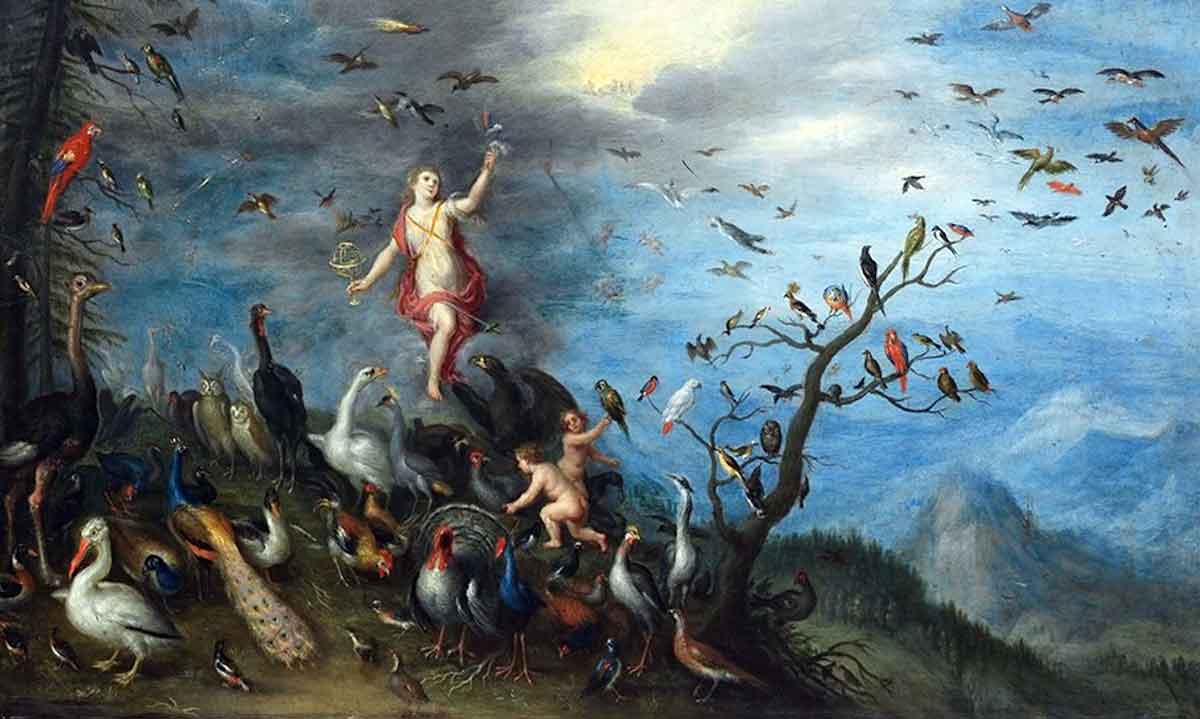
Empedocles is famous for his idea that our universe is moving through endless cycles. He even called these processes the cosmic cycle. Sometimes love dominates. At that phase, everything leans toward unity. However, when strife becomes dominant, it causes separation and diversity to increase. When it gains complete control over all things in our lives, it becomes separate from one another. Then love begins its return, and the cycle is repeated.
This idea is quite innovative and proposes a powerful alternative to different myths and beliefs about ongoing creation or destruction. In fact, our reality is quite rhythmic. Even later philosophical traditions agreed on this idea. Let’s analyze Friedrich Nietzsche here. He was the one who believed in the idea of eternal recurrence. In simple terms, it means that existence repeats endlessly.
Eastern thinkers thought in the same way as well. Here, we can mention Gautama Buddha and his cyclical thinking. He proposed that our lives are just cycles of suffering and renewal. And these cycles are shaped by different internal and external causes and conditions. We can even trace some roots of these cycles in modern science. There are expansions and contractions everywhere, and these are ecosystems that balance our growth and collapse.
Let’s consider relationships here. If you are friends with someone, your connection is deep at the beginning. Then, a distance may occur. And after some time, you may reconnect with your friend again. The same applies to other spheres of our lives. Our careers can rise sharply, then reach a plateau, and rise again. Societies reform and fracture. And Empedocles might think that such a cycle is not about failure. It is the structure of reality itself.
Love and Strife Inside the Human Soul
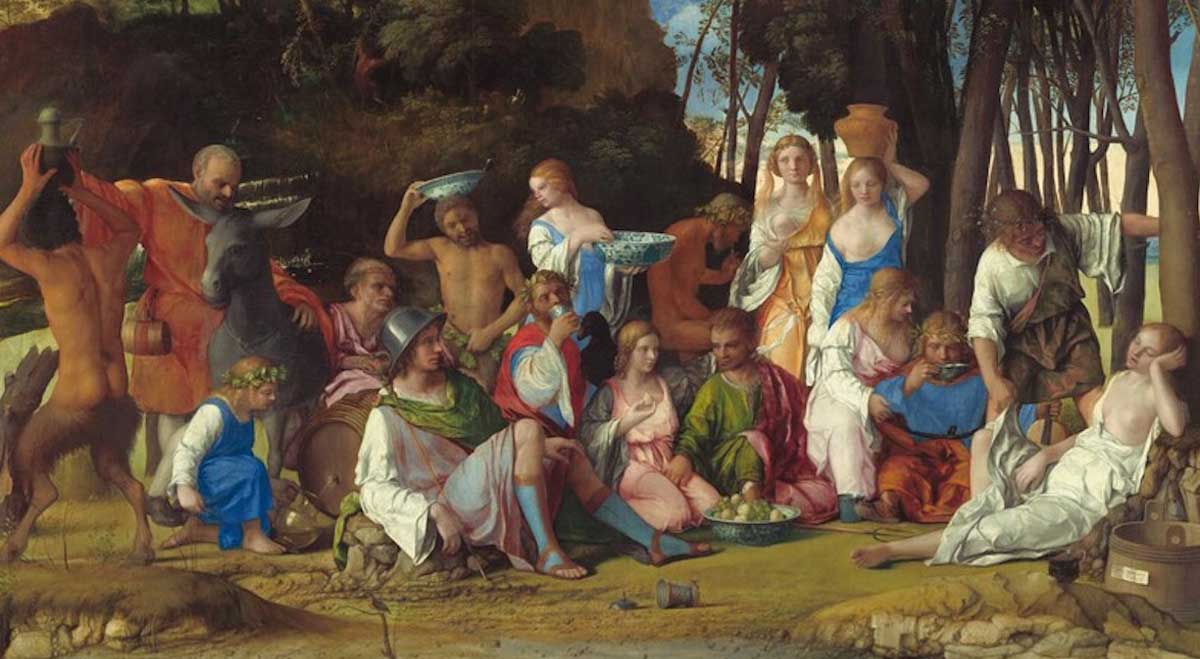
Empedocles’ views were not limited to just cosmology. Humans, too, experience a mix of attraction and division. In their pursuit of connection, they protect their individuality. They crave belonging but at the same time value independence. The philosophers frequently came back to this kind of conflicting nature.
Sigmund Freud explained opposing forces existing in the mind, forces oriented toward life and destruction. Simone de Beauvoir looked into how relationships are caught between freedom and attachment. Even our daily decisions demonstrate the equilibrium of these two elements.
Getting too attached may give one a feeling of being suffocated, while being overly separate can make someone feel lonely. Healthy friendships, love, or community usually need some shifting between being near and far apart from each other. Empedocles gives an extraordinary sense of comfort. Disagreement in relationships might not indicate the failure of the relationship. Rather, it can be part of a larger regular pattern. Growth typically occurs when harmony and tension follow each other in turns.
Why Is Empedocles Still Relevant Today?
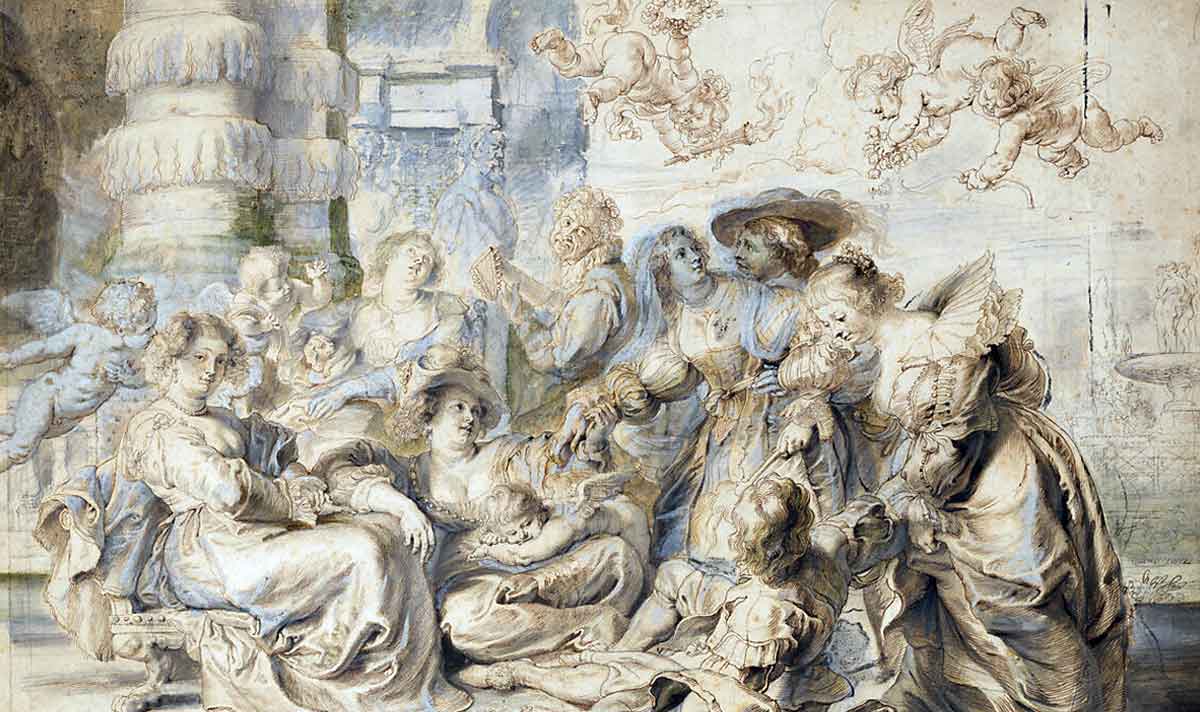
In contemporary society, conflicts are viewed more as matters that should be completely eliminated. We strive for continuous production, lasting happiness, and unchanging identity. However, Empedocles would differ mildly from our views. Too great a degree of harmony results in stagnation, while excessive division leads to chaos. Creativity requires tension. Friendship needs distinct individuality.
Societies have to undergo disagreements so as to progress. Even ecosystems can also benefit from disturbances. The destruction caused by forest fires gives way to growth and new life. This can be seen as not choosing between love and strife. On the other hand, it is important to understand both. Strife supports diversity while love encourages bonding. They create complexity collectively.
Perhaps this is how Empedocles composed his philosophical thoughts using poetic language. He did not see the universe as a mechanical system. Instead, he regarded it like an ongoing live performance, always interweaving together while separating. And if he were alive right now observing human history oscillating between cooperation and discord, he might just smile. The cycle has never ceased.