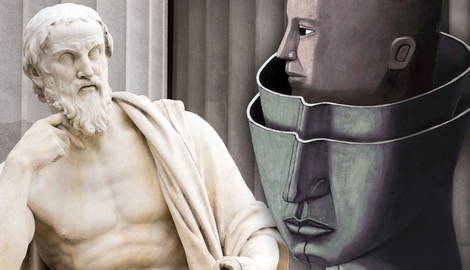
The transition from the Middle Ages to Modernity marks one of the most significant transformations in the history of philosophy. Often dismissed as intellectually stagnant, medieval philosophy was in fact a rich and complex tradition that shaped later debates about reason, faith, knowledge, and reality. As political, scientific, and cultural conditions changed, philosophical inquiry gradually shifted away from theological frameworks toward a new emphasis on human reason and experience. Read on to learn more about the evolution of philosophy from the Middle Ages to Modernity.
The Middle Ages: A Misunderstood Era in the Evolution of Philosophy
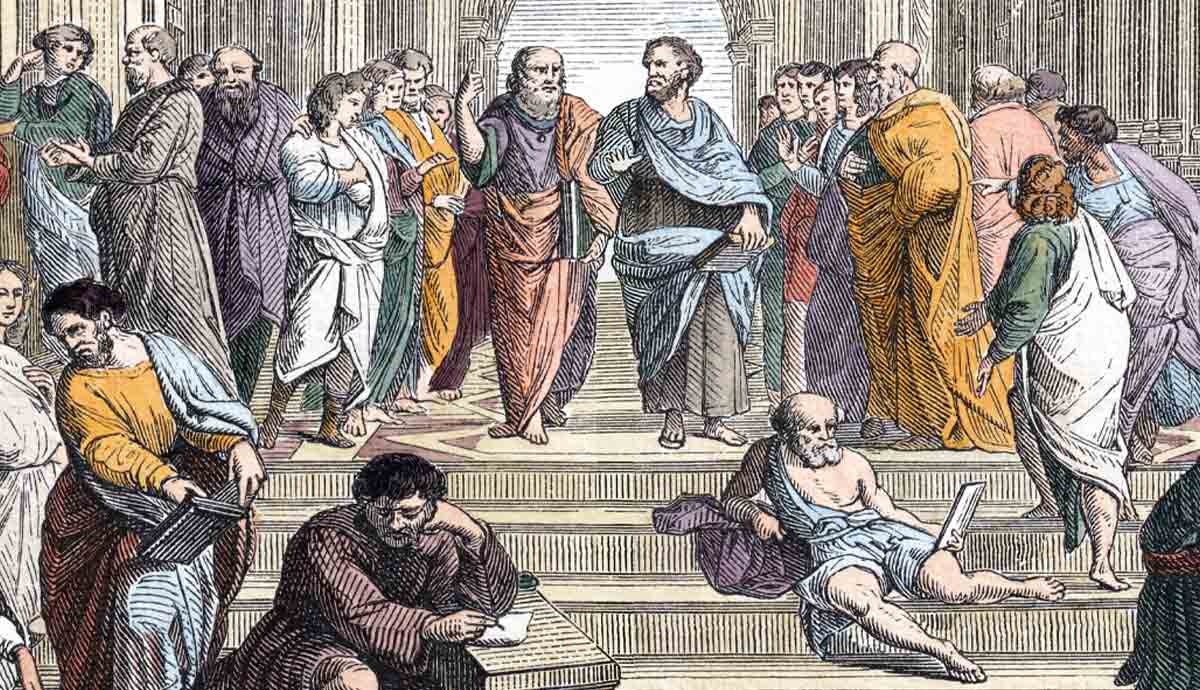
The Middle Ages are often portrayed as an intellectually stagnant period dominated by blind faith and religious authority. This characterization, however, overlooks the depth, originality, and lasting influence of medieval philosophy. Far from suppressing reason, medieval thinkers actively engaged with logic, metaphysics, ethics, and epistemology, developing sophisticated philosophical systems that shaped the course of Western thought.
Medieval philosophy emerged from the encounter between classical Greek philosophy and the theological traditions of Christianity, Judaism, and Islam. Rather than rejecting ancient thinkers such as Plato and Aristotle, medieval philosophers preserved, translated, and critically expanded upon their works. This process ensured the survival of classical philosophy and allowed it to evolve within new intellectual frameworks. Monasteries, cathedral schools, and later universities became centers of rigorous debate and scholarly inquiry.
A defining feature of medieval philosophy was its exploration of the relationship between faith and reason. Thinkers such as Augustine, Anselm, and Thomas Aquinas argued that rational inquiry could coexist with, and even support, religious belief. Logical analysis was used to clarify theological doctrines, while metaphysical arguments addressed questions about existence, causality, and the nature of God. Far from discouraging critical thought, medieval philosophy refined methods of argumentation that remain foundational to philosophy today.
The Middle Ages also produced significant advances in logic and semantics, particularly through scholasticism. Medieval logicians developed precise analytical tools, distinctions, and methods that influenced early modern philosophy and modern logic. Debates over universals, free will, and the nature of knowledge anticipated concerns later taken up by modern thinkers.
Understanding medieval philosophy as a dynamic and intellectually vibrant tradition challenges the myth of a “dark age.” Rather than representing a break in philosophical progress, the Middle Ages served as a crucial bridge between antiquity and modernity. Without its conceptual frameworks, preserved texts, and disciplined methods of reasoning, the philosophical revolutions of the modern era would not have been possible.
Most Prominent Medieval Philosophers
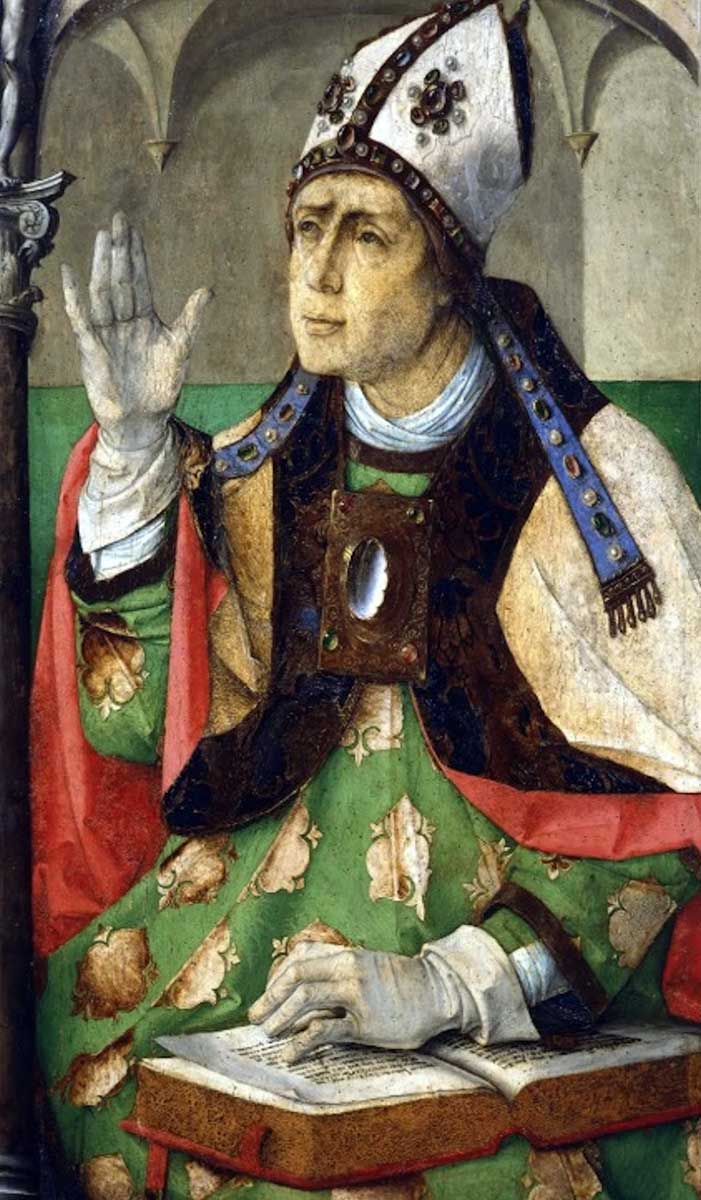
Medieval philosophy spans nearly a millennium and includes a diverse range of thinkers who worked within Christian, Islamic, and Jewish intellectual traditions. Among the earliest and most influential figures is Augustine of Hippo, whose synthesis of Christian theology and Platonic philosophy shaped Western thought for centuries. Augustine emphasized the inner life, divine illumination, and the restless nature of the human soul, laying the foundations for medieval metaphysics and ethics.
Another key figure is Anselm of Canterbury, best known for formulating the ontological argument for the existence of God. Anselm’s motto, faith seeking understanding, captures the medieval conviction that reason and belief are complementary. His work exemplifies the emerging scholastic method, which relied on precise definitions and logical argumentation.
Thomas Aquinas stands as the most influential medieval philosopher. Drawing extensively from Aristotle, Aquinas developed a comprehensive system that reconciled reason and revelation. In works such as Summa Theologiae, he addressed metaphysics, ethics, natural law, and theology, arguing that human reason could attain genuine knowledge of the natural world while remaining consistent with faith.
Beyond the Latin Christian world, medieval philosophy flourished in the Islamic and Jewish traditions. Avicenna and Averroes played a crucial role in preserving and interpreting Aristotle, profoundly influencing European thought. Avicenna’s metaphysics shaped debates on essence and existence, while Averroes defended the autonomy of reason. In the Jewish tradition, Maimonides sought to harmonize Aristotelian philosophy with biblical theology, emphasizing rational understanding of divine law.
Later medieval thinkers such as William of Ockham challenged scholastic complexity, advocating for conceptual economy and separating philosophy from theology. Together, these philosophers demonstrate the richness and diversity of medieval thought, whose influence extended far beyond its historical boundaries and directly shaped the emergence of modern philosophy.
Descartes and the Transition to Modernity
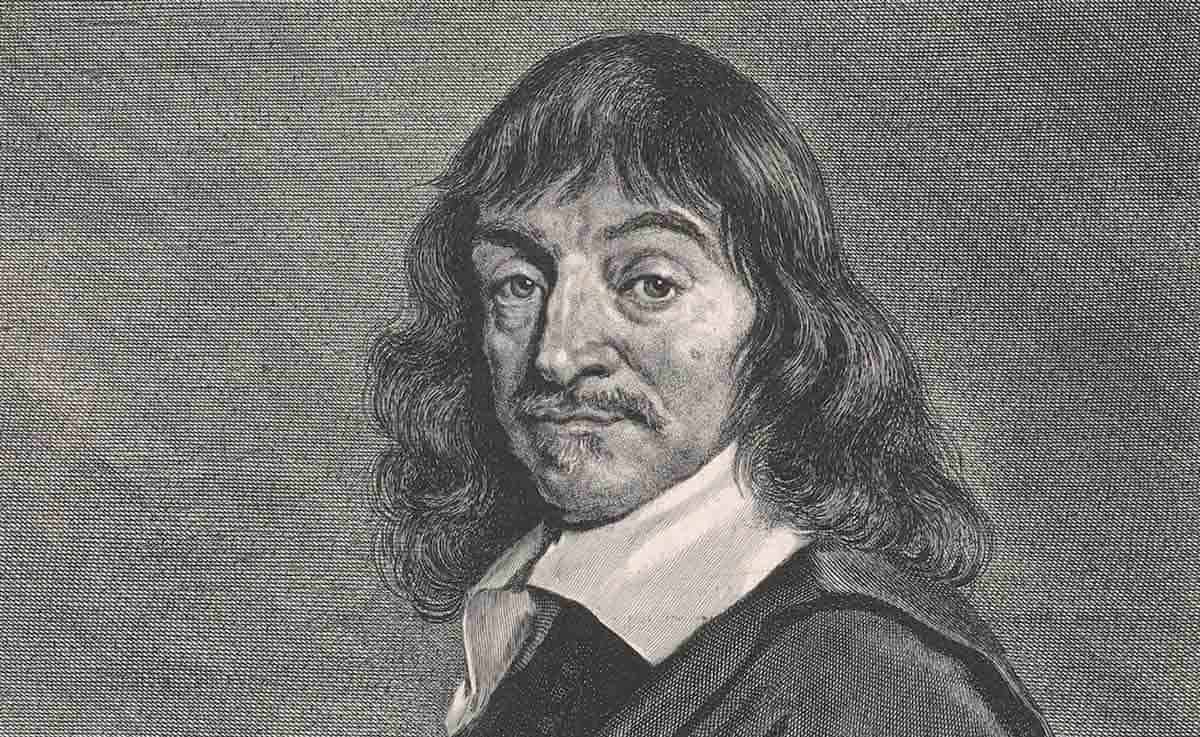
René Descartes occupies a pivotal position in the history of philosophy, standing at the threshold between medieval thought and modern philosophy. Writing in the early 17th century, Descartes sought to break with inherited authorities and establish a new foundation for knowledge grounded in reason alone. His work reflects the broader intellectual transformation of his time, shaped by the scientific revolution, the decline of scholasticism, and growing skepticism toward traditional explanations of the world.
Descartes’ method of systematic doubt marked a radical departure from medieval philosophy. Rather than beginning with theological assumptions or established doctrines, he proposed doubting all beliefs that could possibly be false. This approach led to his famous conclusion, cogito, ergo sum; the realization that the act of thinking itself guarantees the existence of the thinking subject. With this insight, Descartes shifted philosophy’s starting point from God or nature to the self-conscious human mind.
This emphasis on subjectivity signaled the birth of modern epistemology. Knowledge was no longer primarily derived from tradition or authority but from clear and distinct ideas accessible through reason. Descartes also introduced a strict distinction between mind and body, redefining the metaphysical landscape and influencing later debates in science and philosophy.
While Descartes did not entirely reject God or metaphysics, he redefined their philosophical roles. God became the guarantor of rational certainty rather than the starting point of inquiry. In doing so, Descartes helped dissolve the medieval synthesis of faith and reason and paved the way for modern philosophical movements such as Rationalism and Empiricism. His work marks a decisive transition toward modernity, where human reason becomes the primary foundation of knowledge.
Rationalism
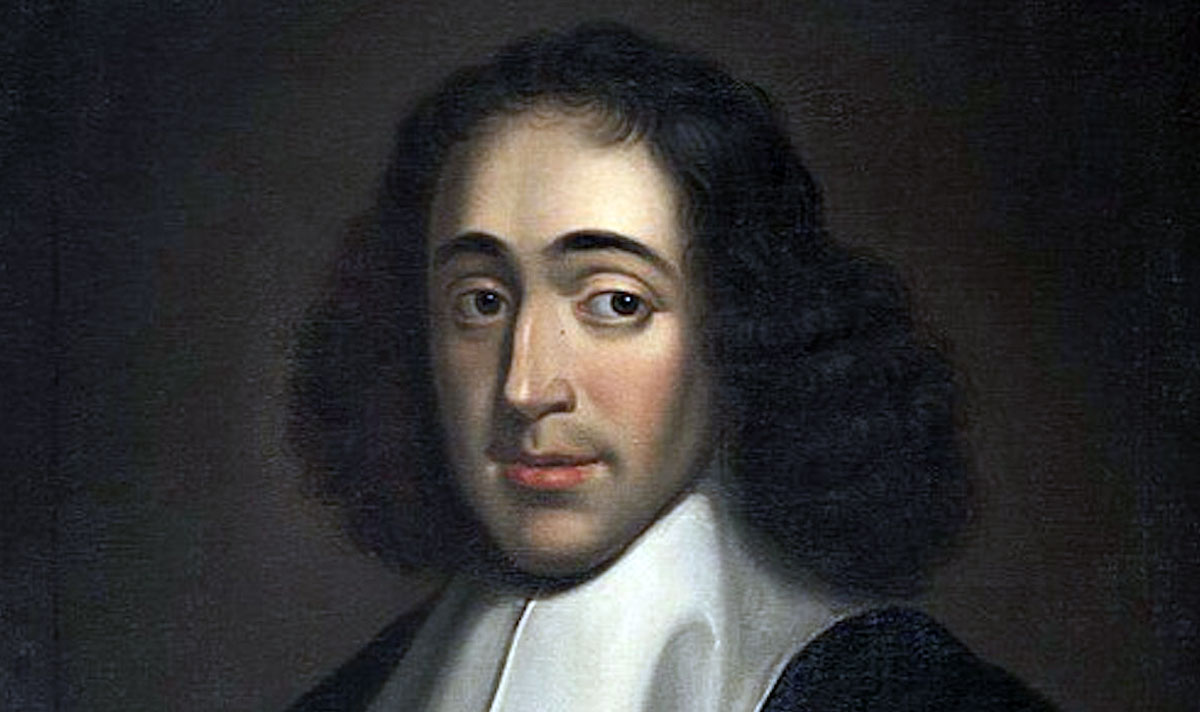
Rationalism is one of the central philosophical movements of the modern era, defined by the belief that reason is the primary source of knowledge. Emerging in the 17th century, rationalism developed in response to skepticism about sensory experience and the limitations of tradition. Rationalist philosophers argued that certain truths can be known independently of experience through intellectual insight, logical deduction, and innate principles of the mind.
As previously mentioned, René Descartes is often considered the founder of modern rationalism, emphasizing clear and distinct ideas as the basis of certainty. However, following Descartes, philosophers such as Baruch Spinoza and Gottfried Wilhelm Leibniz expanded rationalist thought into comprehensive metaphysical systems. Spinoza sought to understand reality through strict logical necessity, arguing that everything follows from a single, rational substance. Leibniz, in turn, proposed that reality consists of immaterial monads governed by rational principles and pre-established harmony.
A defining feature of rationalism is its confidence in the power of reason to uncover fundamental truths about reality, morality, and God. Rationalists often defended the existence of innate ideas: concepts not derived from sensory experience but embedded in the structure of the mind itself. Mathematics served as a model for rationalist knowledge, demonstrating how certainty could be achieved through deduction rather than observation.
Despite its strengths, rationalism faced criticism for its apparent distance from empirical reality. These critiques gave rise to empiricism, which emphasized experience as the source of knowledge. Nevertheless, rationalism played a crucial role in shaping modern philosophy by establishing reason as a central authority in the pursuit of truth and by laying the groundwork for later debates about knowledge, science, and metaphysics.
Empiricism
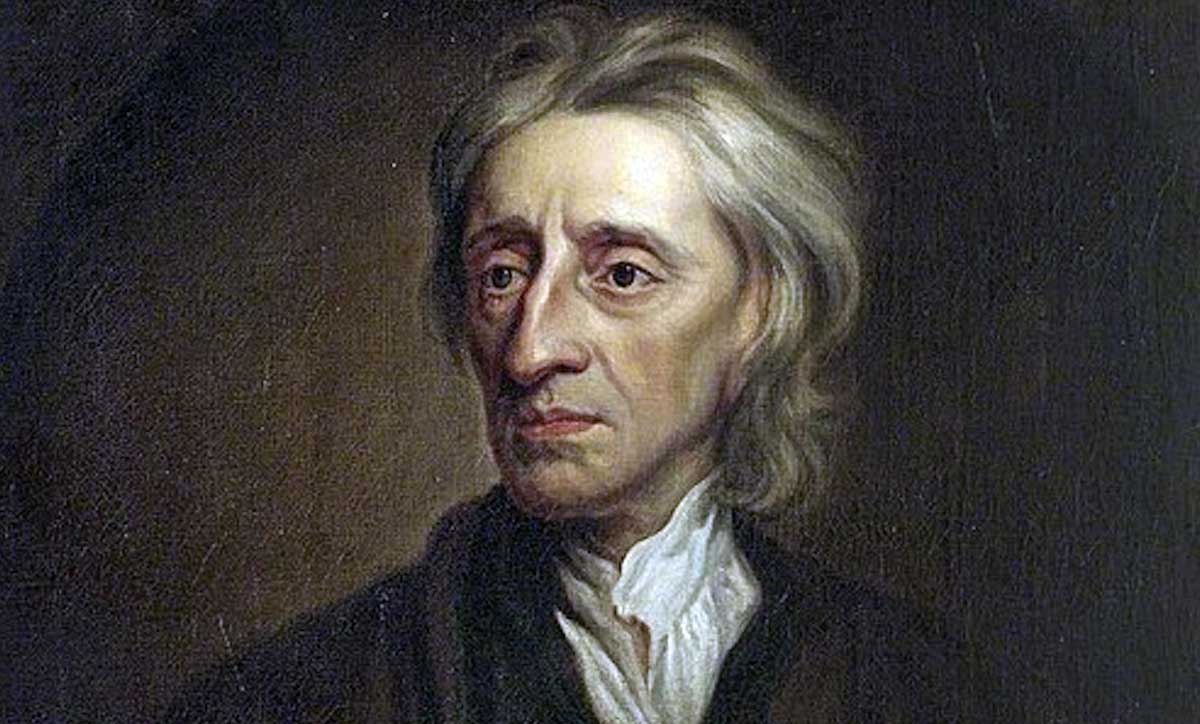
Empiricism, on the other hand, is a major philosophical movement of the modern period that emphasizes experience as the primary source of human knowledge. Emerging largely in Britain during the 17th and 18th centuries, empiricism developed as a response to rationalist claims about innate ideas and purely deductive knowledge. Empiricists argued that the mind gains its content through interaction with the world, and that observation and experience form the foundation of understanding.
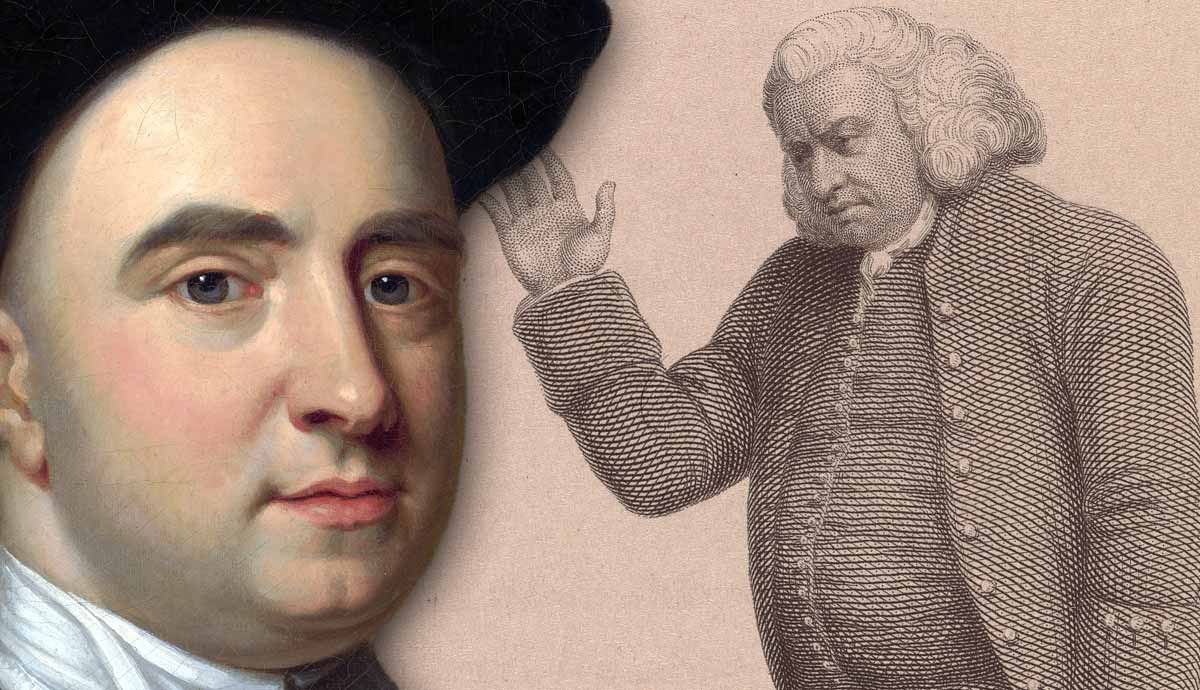
John Locke is often regarded as the founder of modern empiricism. In his Essay Concerning Human Understanding, Locke rejected the notion of innate ideas and described the mind as a tabula rasa, or blank slate, shaped by sensation and reflection. Building on this foundation, George Berkeley pushed empiricism in an idealist direction, arguing that existence consists in being perceived and denying the existence of matter independent of perception.
David Hume brought empiricism to its most radical conclusion. By insisting that all ideas must be traced back to sensory impressions, Hume challenged traditional concepts such as causality, substance, and the self. He argued that causal connections are not logically necessary but formed through habit and expectation, raising serious doubts about the certainty of scientific and metaphysical knowledge.
Empiricism profoundly influenced the development of modern science by prioritizing observation, experimentation, and evidence over speculation. At the same time, its skeptical implications exposed limitations in human reason, prompting new philosophical responses. Most notably, Immanuel Kant sought to resolve the conflict between empiricism and rationalism by arguing that while knowledge begins with experience, it is structured by the mind, a philosophical school called idealism, as we are about to see.
The Evolution of Philosophy and Idealism
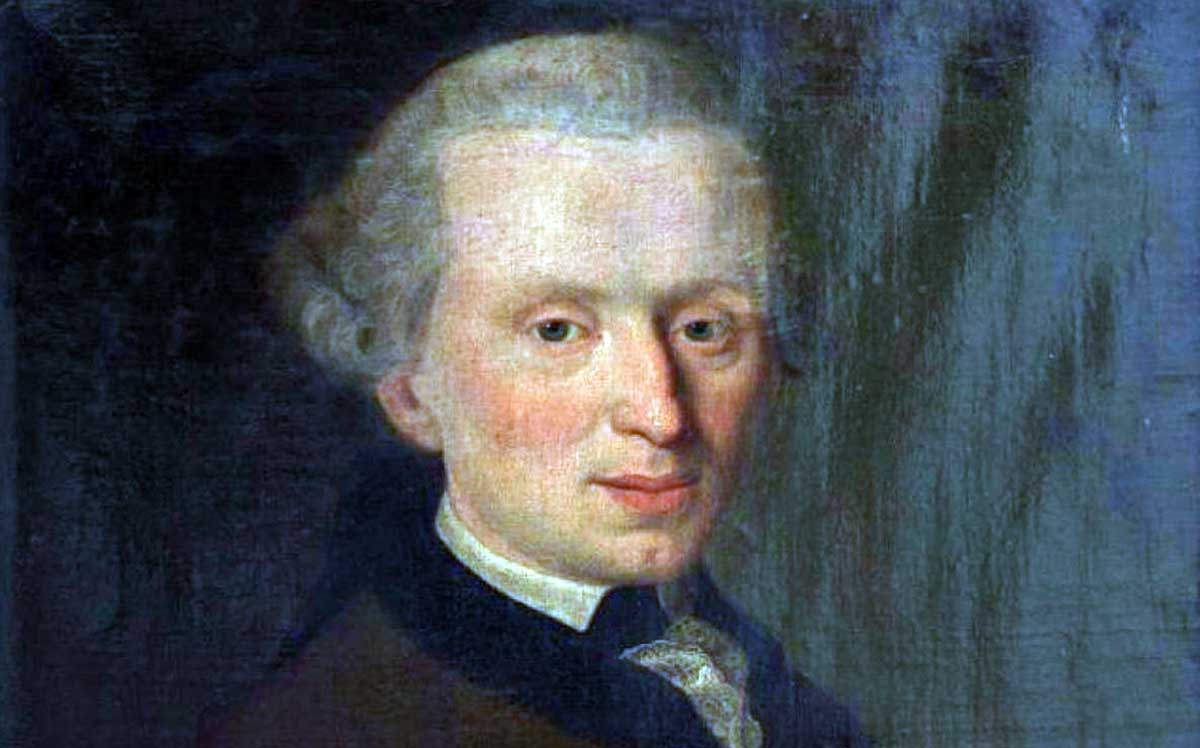
Idealism is a major philosophical movement that emerged in response to the tensions between rationalism and empiricism, seeking to explain how knowledge and reality are shaped by the mind. Rather than treating the external world as something fully independent of human cognition, idealist philosophers argued that reality is in some fundamental sense dependent on mental structures, consciousness, or reason. Idealism became especially influential in the late eighteenth and nineteenth centuries, reshaping modern philosophy.
Immanuel Kant marks the decisive turning point toward idealism. While rejecting the claim that reality is created by the mind, Kant argued that the world as we know it is structured by the mind’s a priori forms and categories. Space, time, and causality are not properties of things-in-themselves, but conditions through which human experience is possible. This position, known as transcendental idealism, sought to preserve objective knowledge while acknowledging the limits of human understanding.
Building on Kant’s work, German Idealists such as Arthur Schopenhauer, Friedrich Schelling, and Georg Wilhelm Friedrich Hegel developed more ambitious systems. Idealism had far-reaching implications for metaphysics, ethics, and political philosophy. By emphasizing the active role of consciousness in shaping reality, it challenged purely materialistic and mechanistic worldviews. Although later philosophical movements reacted against idealism, its influence remains profound, shaping debates about subjectivity, freedom, history, and the nature of reality in modern philosophy.