
Everyday life brings a variety of challenges: illness, stress, uncertainty, and the constant struggle to stay focused and motivated. Stoicism, an ancient philosophy that emerged in Greece and later flourished in Rome, has experienced a resurgence in popularity, offering practical guidance on facing these difficulties with strength and clarity. Instead of trying to control everything around us, Stoicism teaches us to manage our thoughts, actions, and emotional responses.
The Origins of Stoicism

Stoicism began in Athens around the early 3rd century BC, during a time of philosophical experimentation. The philosophy was conceived by Zeno of Citium, a merchant from Cyprus who came to Athens after losing his cargo in a shipwreck. Seeking guidance and meaning, he studied under several philosophers before eventually developing his own approach. Zeno began teaching in the Stoa Poikile, a public painted porch in the Athenian marketplace, and the namesake of the term “Stoicism.” Unlike many other philosophical schools that taught in private academies, Stoicism was accessible to anyone who wished to listen.
Stoicism evolved over time through the contributions of several influential thinkers. Cleanthes, Zeno’s successor, emphasized the connection between the human mind and the rational order of the universe. Chrysippus, who followed Cleanthes, turned Stoicism into a rigorous system of logic, ethics, and natural philosophy. Later, during the Roman era, the philosophy gained new life. Philosophers such as Seneca, Epictetus, and Marcus Aurelius coupled Stoic ideas with Roman culture and society.
What Is Stoicism?

At the center of Stoicism is the belief that the universe is guided by logos, a rational structure or order. Because human beings possess reason, we are capable of understanding our place within this order. Stoics taught that true happiness comes not from wealth or external success, but from living in harmony with nature and exercising its inherent virtue. They identified four primary virtues: wisdom, courage, justice, and temperance. These virtues serve to guide how to think, act, and respond to challenges.
Of equal importance is the Stoic distinction between what we can and cannot control. Our choices and the way we respond to the circumstances of our lives are within our control. External events, such as the choices of others and the circumstances of our lives themselves, are not. Learning to focus only on what we can influence, and to accept the rest with patience, allows us to live a peaceful life.
Stoicism was never meant to be an abstract theory. It was, and remains, a philosophy of daily practice that is most effective when implemented into all facets of one’s life. Its origins show that Stoicism was created not for idle reflection, but for living well even during times of great distress.
Procrastination and Self-Doubt

Procrastination is often misunderstood as simple laziness, but it is more often rooted in self-doubt. We delay tasks not because we do not care, but because we worry that we may not succeed or have the capabilities to perform the task at hand. Stoicism combats procrastination by teaching that our value does not come from external results, but from the quality of our effort and our commitment to acting with virtue. When we internalize this perspective, fear loses much of its power.
Again, Stoicism tells us to focus solely on what is within our control. Self-doubt thrives when our attention shifts to what might go wrong. We must redirect our attention to the present moment and the task immediately before us. Epictetus advised: “Do not demand that things happen as you wish, but wish that they happen as they do, and you will be content.” The goal is not to guarantee success, but to accept the outcomes of any situation, be they positive or negative.
The Certainty of Death

Death is one of the few experiences that unites every human being. No matter our age, culture, wealth, or achievements, life will eventually come to an end. For many, this truth can inspire fear or avoidance. However, Stoicism teaches that the certainty of death is not something to dread, but something that can bring meaning to how we live. By acknowledging death as a natural and unavoidable part of existence, we learn to value the present moment and focus on what matters most.
Marcus Aurelius, in his Meditations, often reminded himself that life is brief and that every day is a gift. He wrote that we should live “as if we could leave life at any moment,” not out of fear, but as a reminder to live sincerely and purposefully. When we remember that our time is limited, we stop wasting energy on trivial concerns, grudges, or distractions. Accepting death brings one peace, while resisting the inevitable only results in anxiety.
This perspective does not remove the sadness of loss, but it helps us bear it with grace. Stoicism acknowledges that grief is a natural response when someone we love dies. The goal is not to suppress emotion, but to avoid becoming consumed by it. By remembering that death is the natural conclusion of our life, we can honor those who have passed and continue living in ways that reflect their importance.
How to Deal With Sickness?
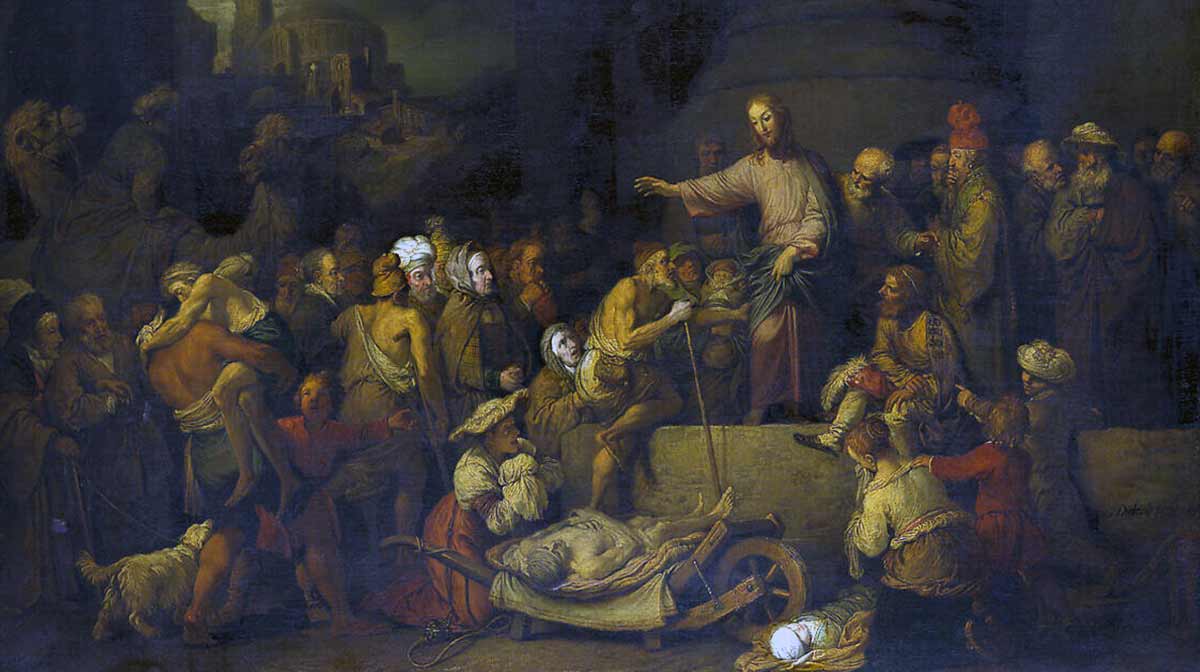
Sickness is another universal aspect of the human experience. Whether it is a temporary cold or a long-term condition, Stoicism offers a perspective that helps us face sickness with acceptance and resilience rather than fear or frustration. The Stoics understood that the body is vulnerable to change. They taught that while we cannot always control our physical health, we can control the meaning we give to our experience and the attitude with which we respond.
Epictetus, who himself suffered from chronic illness throughout his life, reminded his students that the body is something “lent” to us by nature. It can weaken, fail, or change without our permission. Stoicism encourages us to distinguish between physical pain and the distress we add to it through worry or despair. By training the mind to observe rather than panic, we reduce unnecessary emotional struggle.
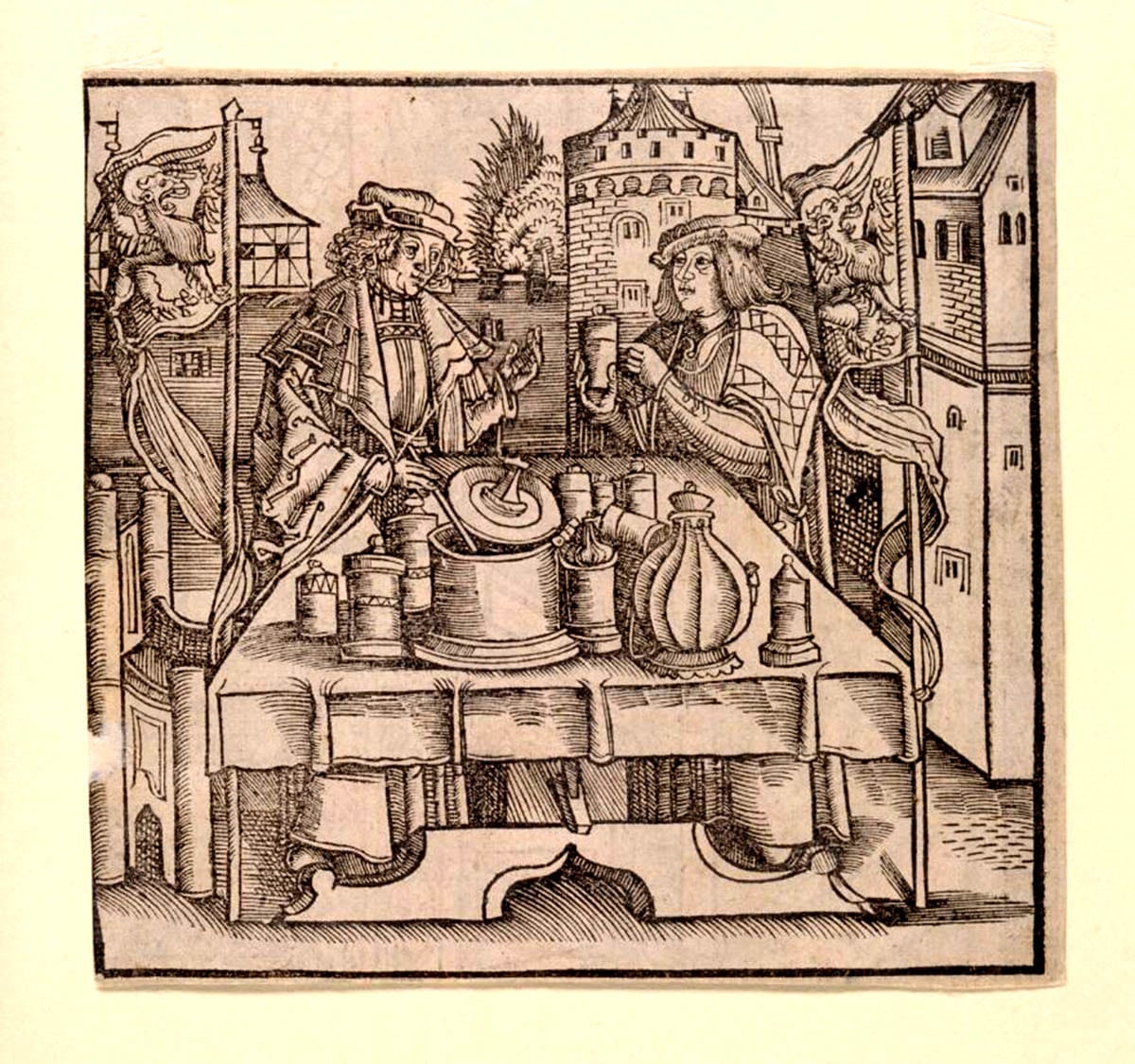
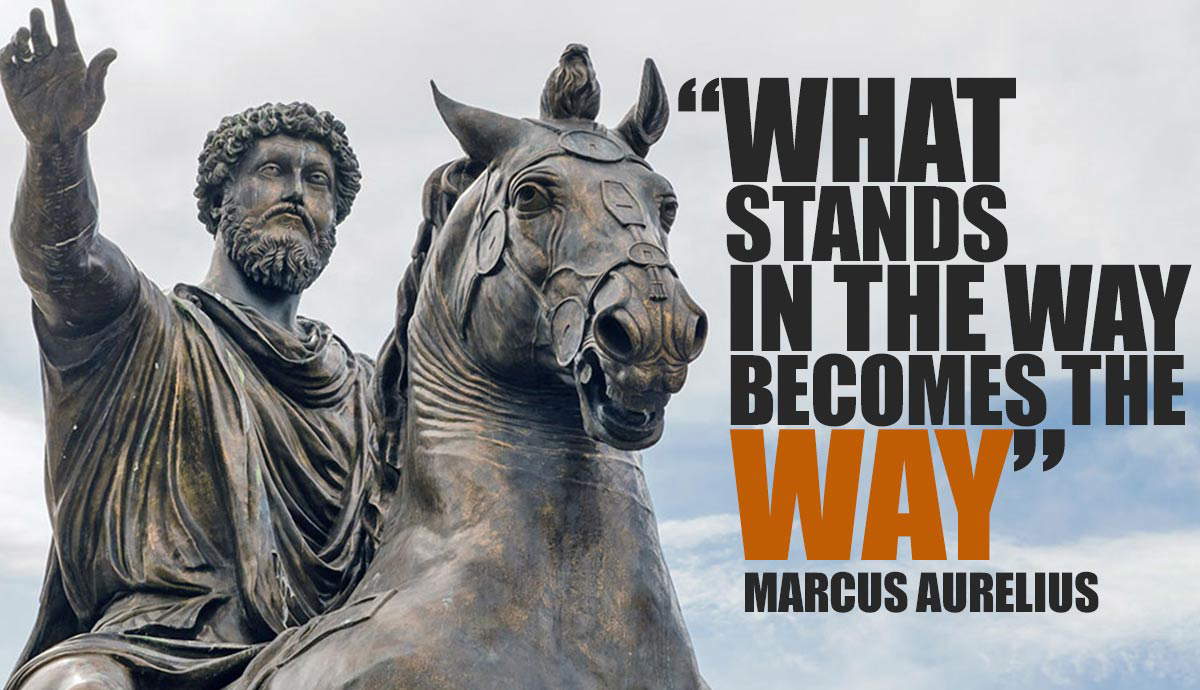
Still, this does not mean ignoring illness or pretending we feel fine. Stoics believed in caring for the body and seeking medical help when necessary, all the while facing sickness with patience. Marcus Aurelius wrote that hardship is an opportunity to practice virtue: “The impediment to action advances action. What stands in the way becomes the way.” Illness can teach perseverance, humility, and gratitude for the times we feel strong.
Stoicism: The Lesson Learned

In summary, Stoicism offers a powerful and practical approach to dealing with the challenges of everyday life. Whether we face sickness, confront the reality of death, or struggle with procrastination and self-doubt, the Stoic teachings guide us to return to what we can control: our thoughts, actions, and responses. By accepting what we cannot change and focusing our energy on what we can influence, we can turn otherwise hopeless and frightening situations into opportunities to grow stronger and wiser as a human being.