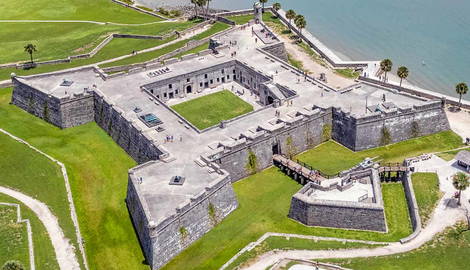

Florida is the third most-visited state in the US, and it’s not hard to see why. The Sunshine State is packed with sun-soaked beaches, vibrant nightlife, and family-friendly theme parks. However, many tend to overlook the rich history that lies beneath Florida’s tropical surface. This iconic state was the site of some of the earliest European settlements in America and was a cultural crossroads long before becoming a vacation hotspot. Here are ten must-see historic landmarks in Florida that should be on your bucket list.
1. Fort Jefferson, Dry Tortugas National Park
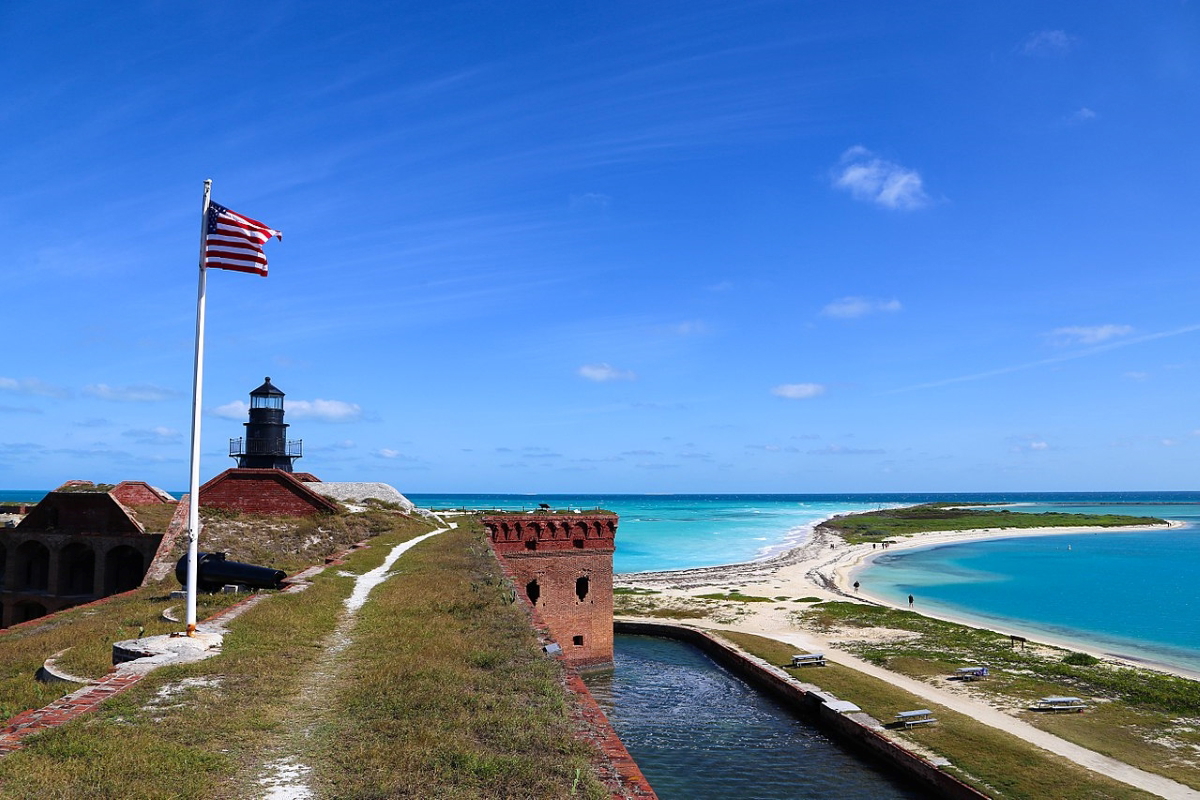
Located within Dry Tortugas National Park, approximately 70 miles west of Key West, Fort Jefferson is a monumental 19th-century coastal fortress. Constructed between 1846 and 1875 to protect one of the most significant deepwater anchorages in North America, it stands as the largest brick masonry structure in the Americas, comprising over 16 million bricks. During the Civil War, Fort Jefferson remained under Union control and was utilized as a prison for deserters and other criminals.
You can explore the fort’s extensive grounds, including its massive walls, historic cannons, and scenic vistas of the surrounding turquoise waters. Accessible only by boat or seaplane, on the journey to Fort Jefferson, you can also enjoy snorkeling among vibrant coral reefs and diverse marine life.
2. The Ernest Hemingway Home and Museum, Key West
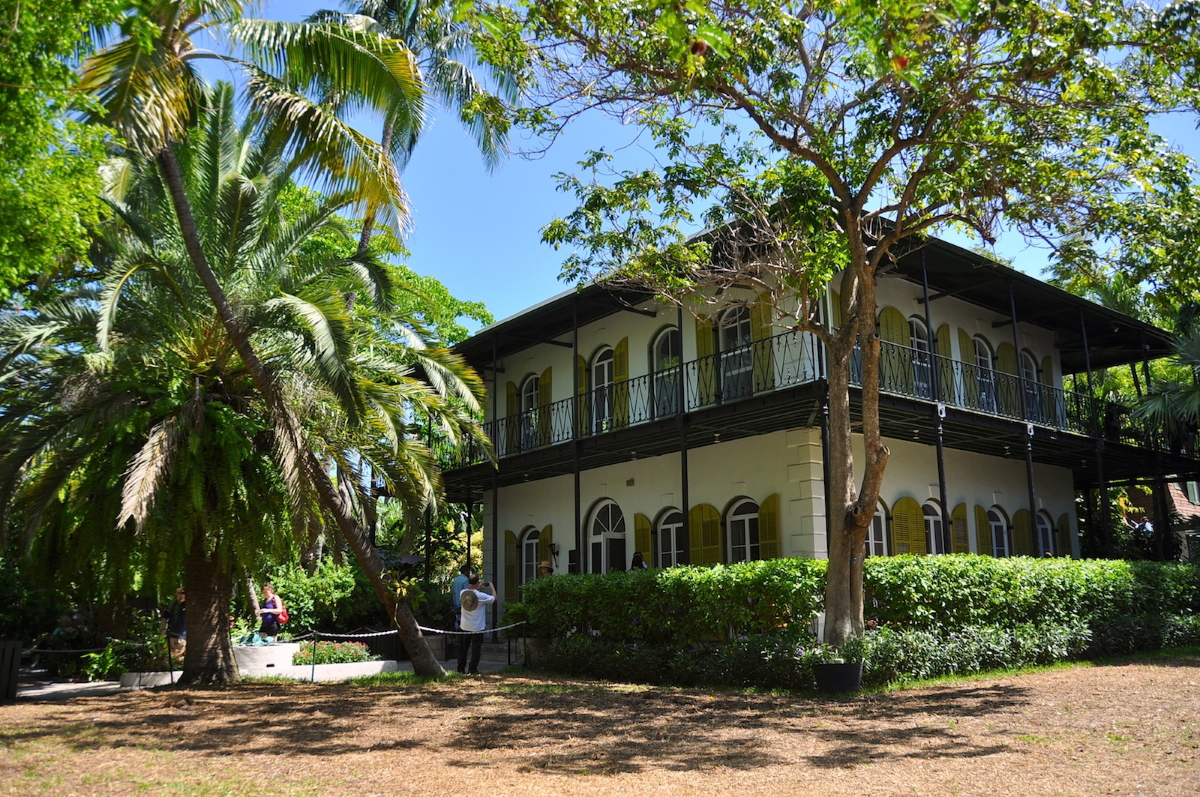
You can find the Ernest Hemingway Home and Museum at 907 Whitehead Street in Key West. Built in 1851 in a Spanish colonial style by marine architect Asa Tift, the two-story residence is built from native limestone. In 1931, Hemingway and his second wife, Pauline Pfeiffer, acquired the then-derelict property, restoring it to its former grandeur. During his decade-long residence, Hemingway penned some of his most celebrated works, including “To Have and Have Not,” which is set in Key West.
Nowadays, the museum preserves the home’s original furnishings and personal artifacts. This will give you the chance to learn about Hemingway’s daily life. A notable feature is the population of approximately 40-50 polydactyl (six-toed) cats, many of which are descendants of Hemingway’s own pet, Snow White.
3. Vizcaya Museum and Gardens, Miami
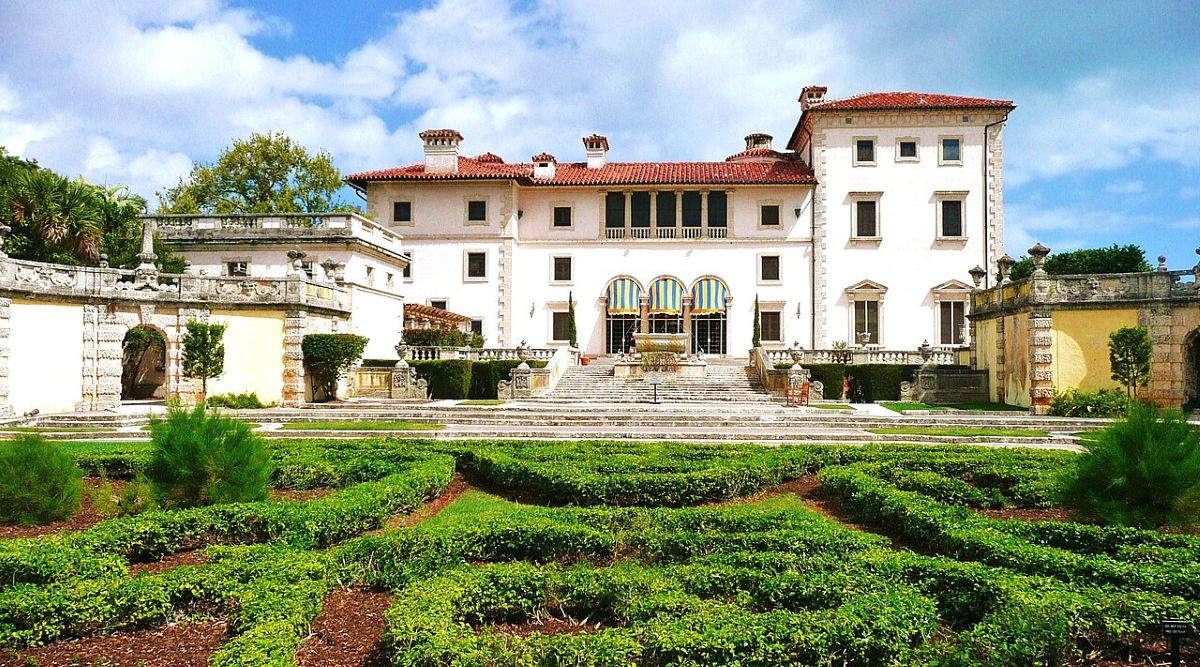
This historic estate in Miami exemplifies early 20th-century opulence and architectural grandeur. Vizcaya Museum and Gardens served as the winter residence of industrialist James Deering, co-founder of International Harvester. Constructed between 1914 and 1922, the estate’s design reflects a harmonious blend of Italian Renaissance and Mediterranean Revival styles, featuring a main house with 34 rooms adorned with European antiques and decorative arts spanning the 15th to 19th centuries.
The surrounding ten acres of meticulously landscaped gardens draw inspiration from French and Italian traditions, incorporating native subtropical flora to create a unique aesthetic. Today, the museum is a cultural hub hosting educational programs, art exhibitions, and community events. Make sure to explore the themed areas, including the Secret Garden, the Theater Garden, and the Maze Garden.
4. The Ringling Museum of Art and Ca’ d’Zan, Sarasota
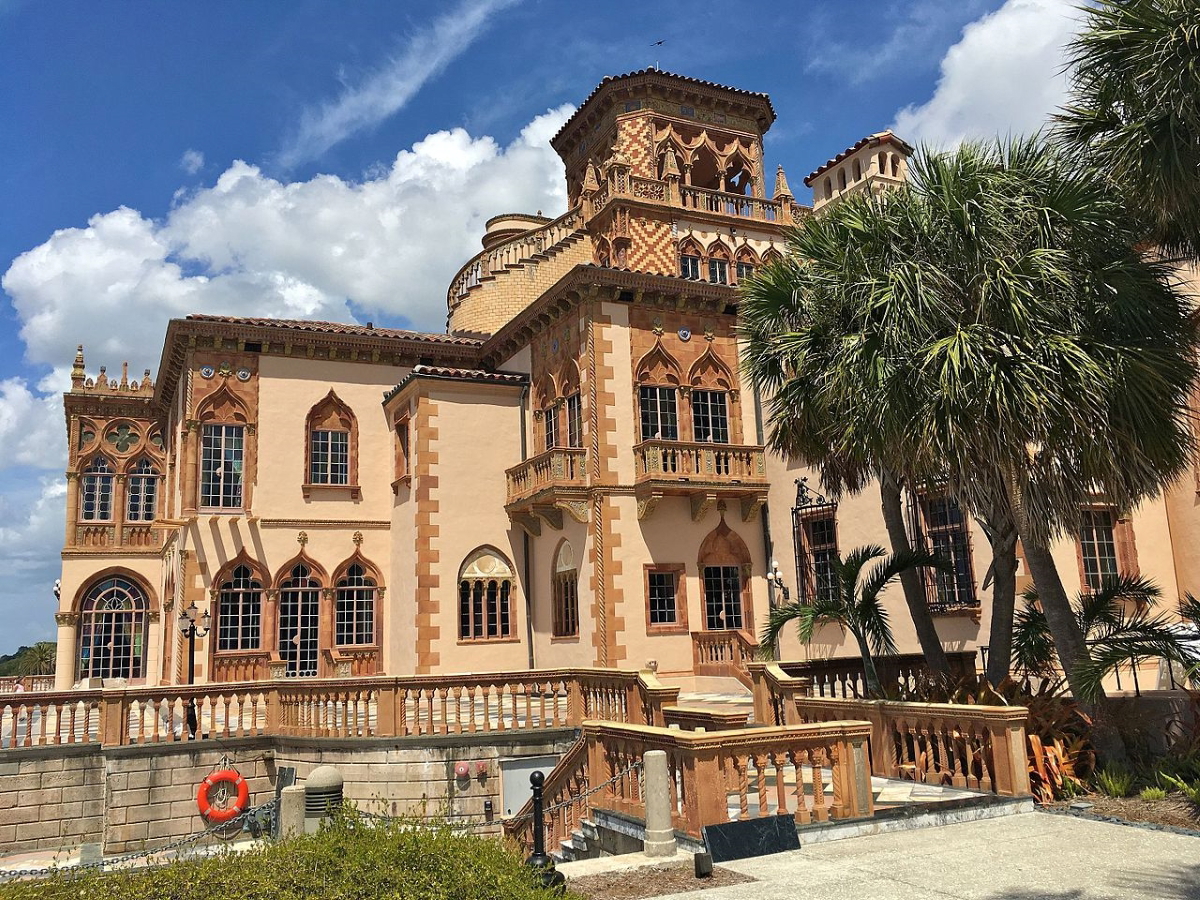
Both these historic Florida landmarks are integral components of The Ringling estate. They reflect the cultural and artistic vision of John and Mable Ringling. The museum was established in 1927 and serves as Florida’s official state art museum. It houses an extensive collection of over 10,000 artworks, including European paintings, sculptures, and decorative arts. Notably, the museum features a renowned collection of Baroque art, with significant works by Peter Paul Rubens.
Ca’ d’Zan, translating to “House of John” in Venetian dialect, was the Ringlings’ opulent winter residence, completed in 1926. Designed by architect Dwight James Baum, the mansion exemplifies Mediterranean Revival architecture with Venetian Gothic influences inspired by the Ringlings’ travels to Venice. The 36,000-square-foot mansion boasts 56 rooms. It features intricate architectural details and luxurious furnishings that reflect the grandeur of the Roaring Twenties.
5. Castillo de San Marcos, St. Augustine
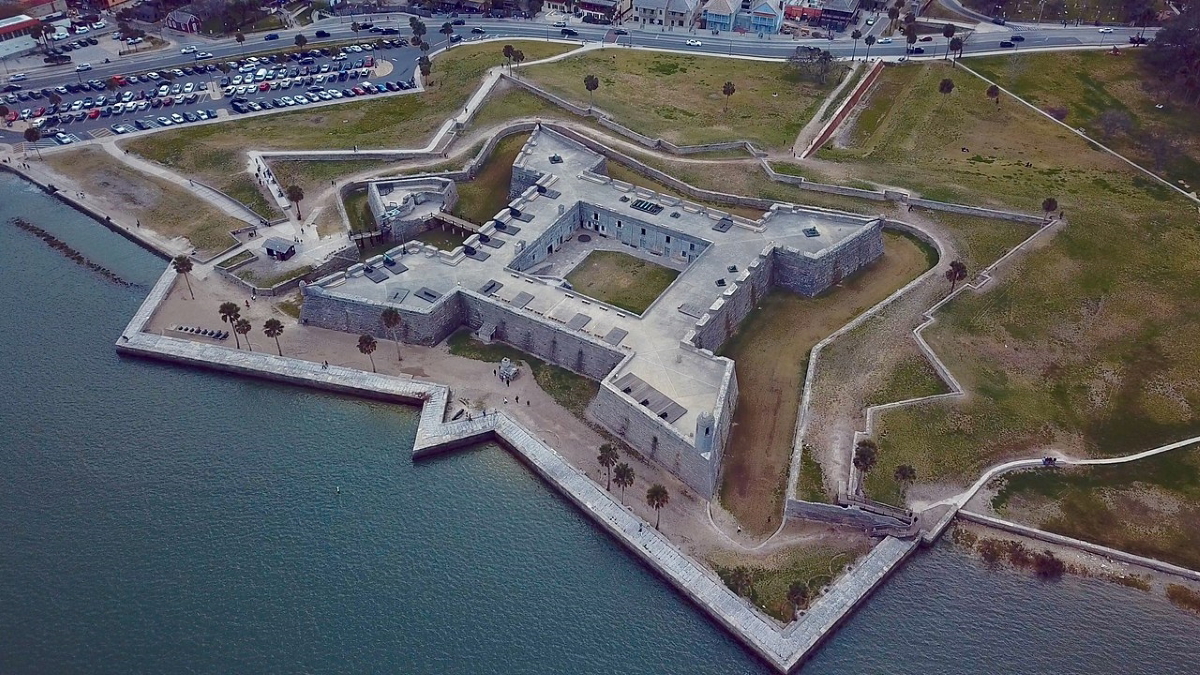
This historic Florida landmark is famous for being America’s oldest masonry fort. Constructed by the Spanish between 1672 and 1695, it was built to defend Florida and the Atlantic trade route. The fort’s coquina stone walls have withstood numerous sieges, including attacks by English forces in 1702 and 1740.
Over the centuries, it has flown the flags of Spain, Britain, and the United States, a reflection of the complex colonial history of the region. Today, you can explore Castillo de San Marcos’ well-preserved bastions, casemates, and gun deck. This gives insight into 17th-century military engineering. The Castillo offers daily ranger talks, historical weapons demonstrations, and exhibits detailing its storied past.
6. The Oldest Wooden Schoolhouse, St. Augustine
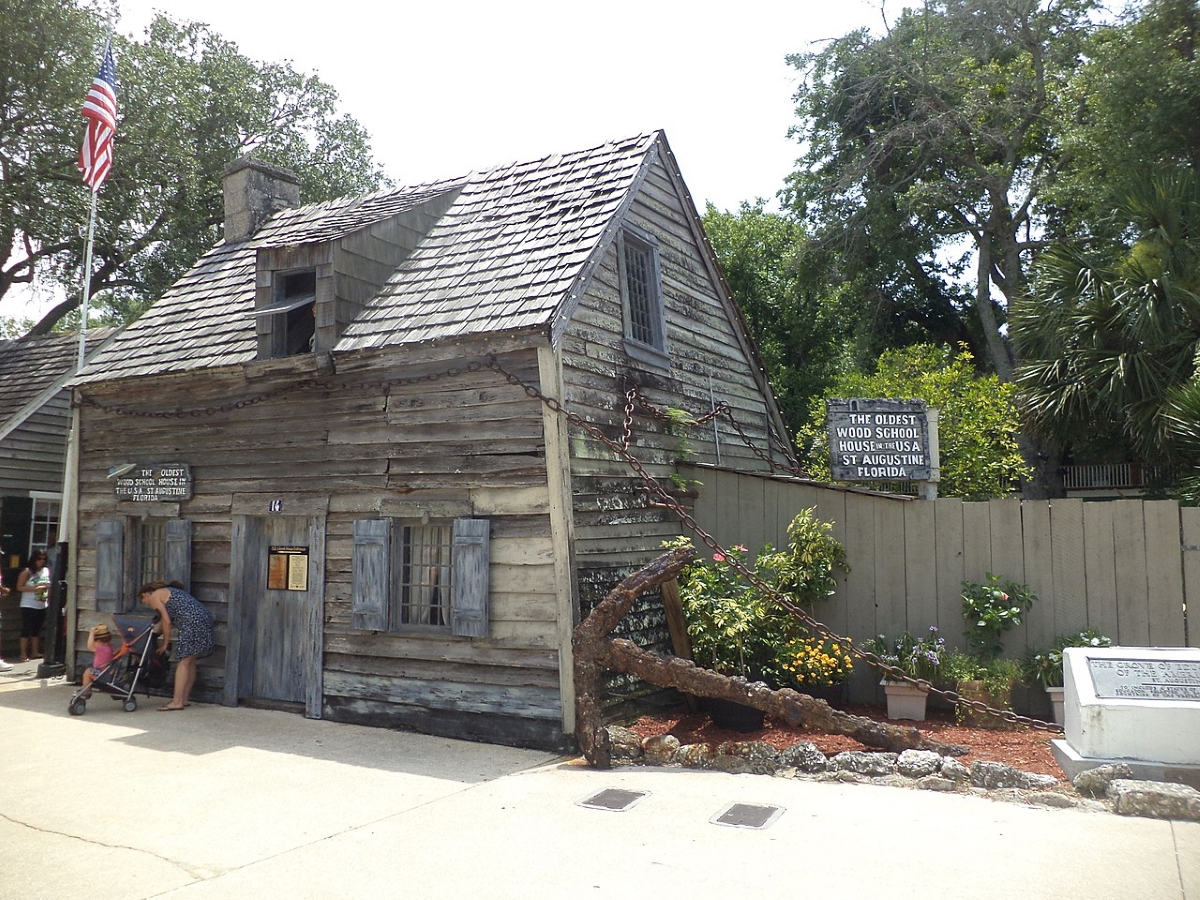
This significant historical landmark is located at 14 St. George Street in St. Augustine. Believed to be the oldest wooden school building in the United States, it first appeared on tax records in 1716. The building is made of bald cypress and red cedar, materials chosen for their durability, and is held together by wooden pegs and iron spikes. Originally a homestead for the Genoply family, the structure was transformed into a coeducational school in 1788 by Juan Genoply, who became the first schoolteacher.
You can tour the preserved schoolhouse, which includes the original classroom, a detached kitchen, and a garden featuring a 250-year-old pecan tree. The interior showcases period-appropriate furnishings, textbooks, and school supplies. All of these provide you with a glimpse into 18th-century colonial education. An animatronic teacher and students provide historical context, which enhances the educational experience.
7. De Soto National Memorial, Bradenton
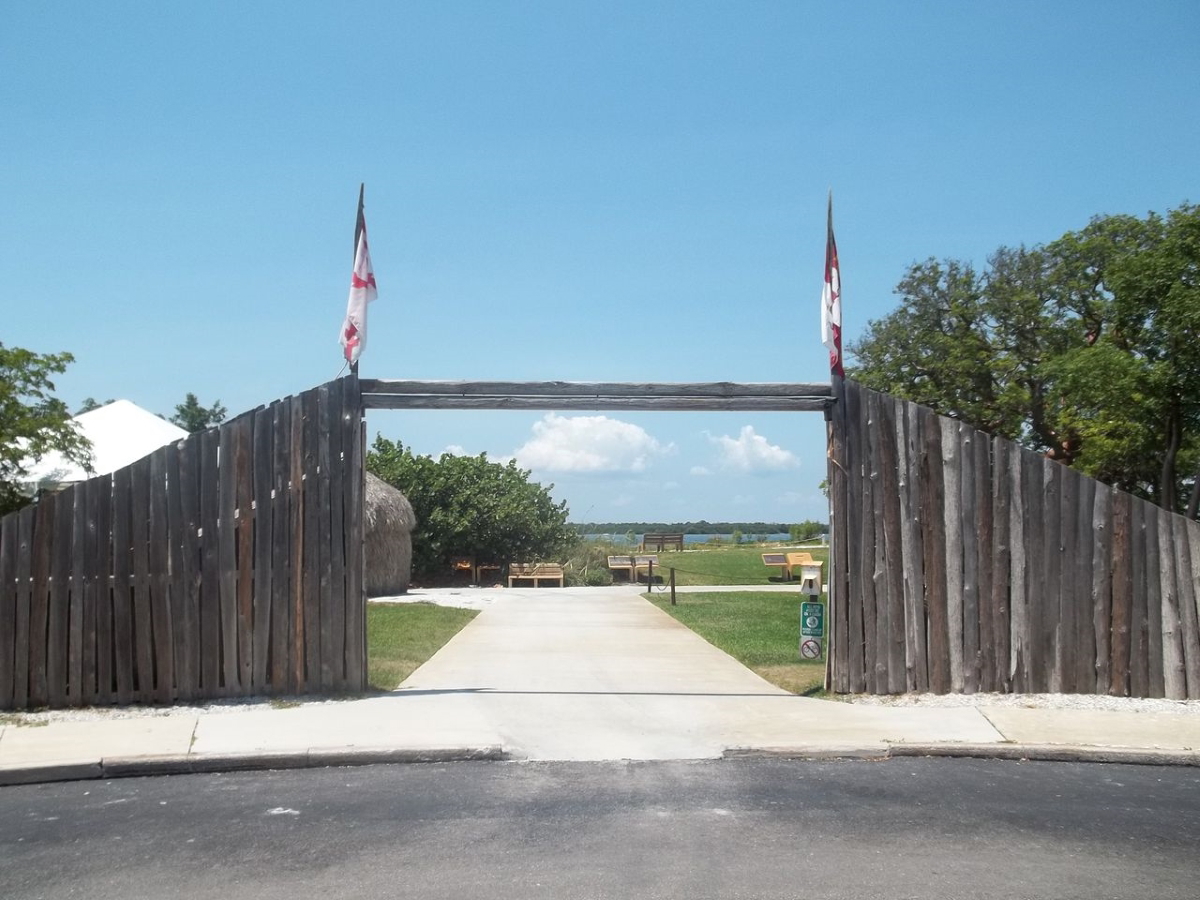
This Florida landmark commemorates the 1539 landing of Spanish explorer Hernando de Soto and his extensive exploration of the southeastern United States. The memorial encompasses approximately 26.84 acres at the mouth of the Manatee River and features 3,000 feet of coastline and a significant mangrove swamp ecosystem.
When visiting the De Soto National Memorial, you’ll be able to explore the park’s nature trails, which wind through coastal landscapes like those encountered by De Soto’s expedition. The visitor center provides you with exhibits showcasing historic armor, 16th-century weapons, and period artifacts, along with a theater presenting the film “Hernando de Soto in America.”
8. The Edison and Ford Winter Estates, Fort Myers
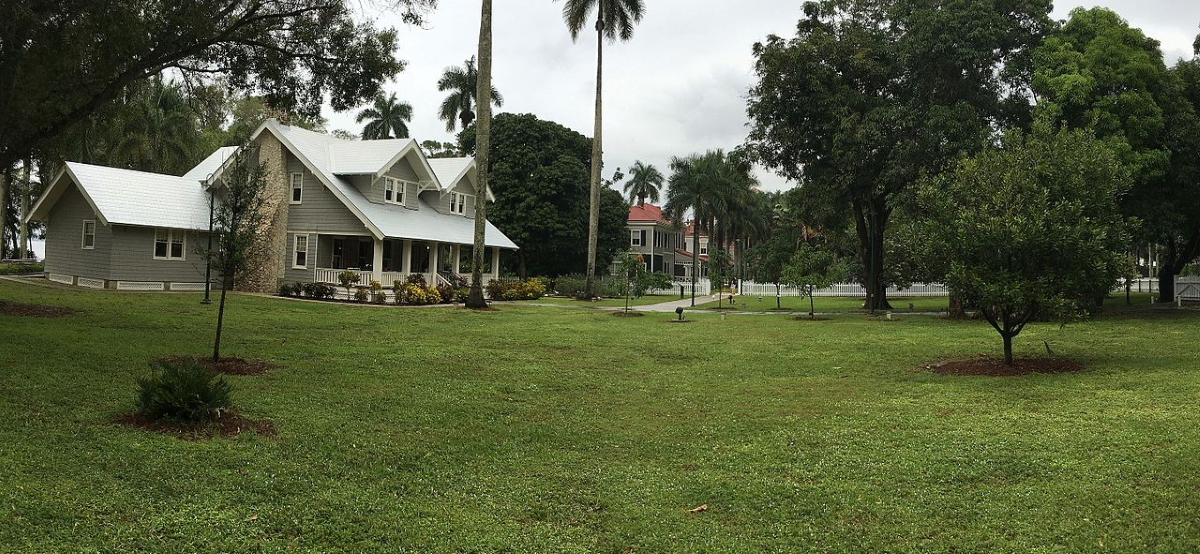
This is where you’ll learn about the lives of two of America’s most influential innovators, Thomas Edison and Henry Ford. In 1885, Edison purchased 13 acres along the Caloosahatchee River, where he built his winter retreat, “Seminole Lodge,” completed in 1886. This estate served as a sanctuary for Edison and his family. In 1916, Henry Ford, a close friend and business associate of Edison, acquired the adjacent property, naming it “The Mangoes.” Ford’s Craftsman-style bungalow became a winter haven for his family. It fostered a deepening friendship between the two families.
The site also features Edison’s 1928 Botanical Research Laboratory, where he conducted experiments to find a domestic source of rubber. The museum houses an extensive collection of artifacts, including Edison’s phonographs, light bulbs, and Ford’s automobiles. This will allow you to learn about their groundbreaking contributions to technology and industry.
9. Kingsley Plantation, Jacksonville
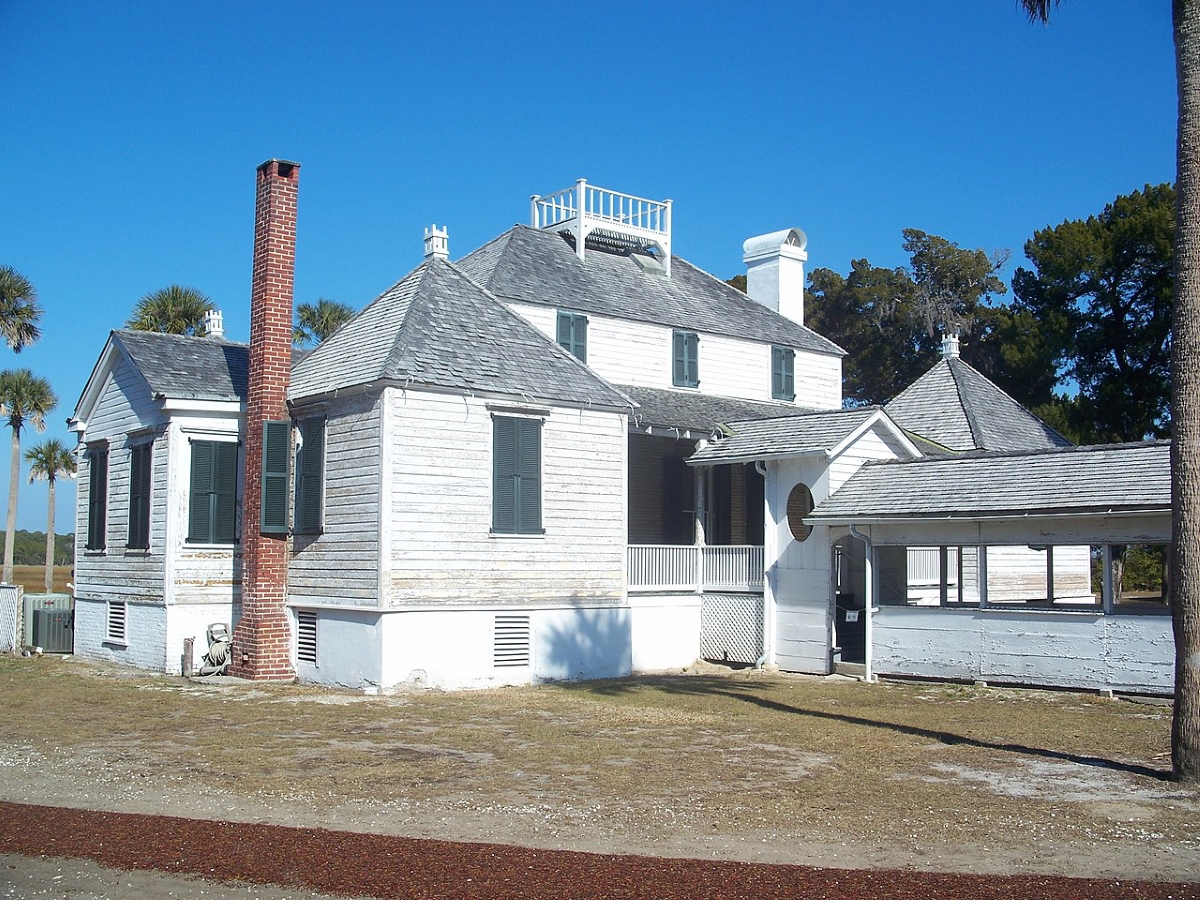
Found on Fort George Island near Jacksonville, Kingsley Plantation is the oldest surviving plantation house in Florida. Established in 1814 by Zephaniah Kingsley, a prominent slave trader and planter, the estate offers a profound insight into the complexities of early 19th-century plantation life. The plantation’s main house, constructed between 1797 and 1798, is a testament to the architectural styles of the period.
Surrounding the house are 25 well-preserved slave cabins arranged in a unique semicircular pattern, built from tabby, a durable mixture of lime, shells, and sand. These structures provide a tangible connection to the lives of the enslaved individuals who labored there.
10. Florida Caverns State Park, Marianna
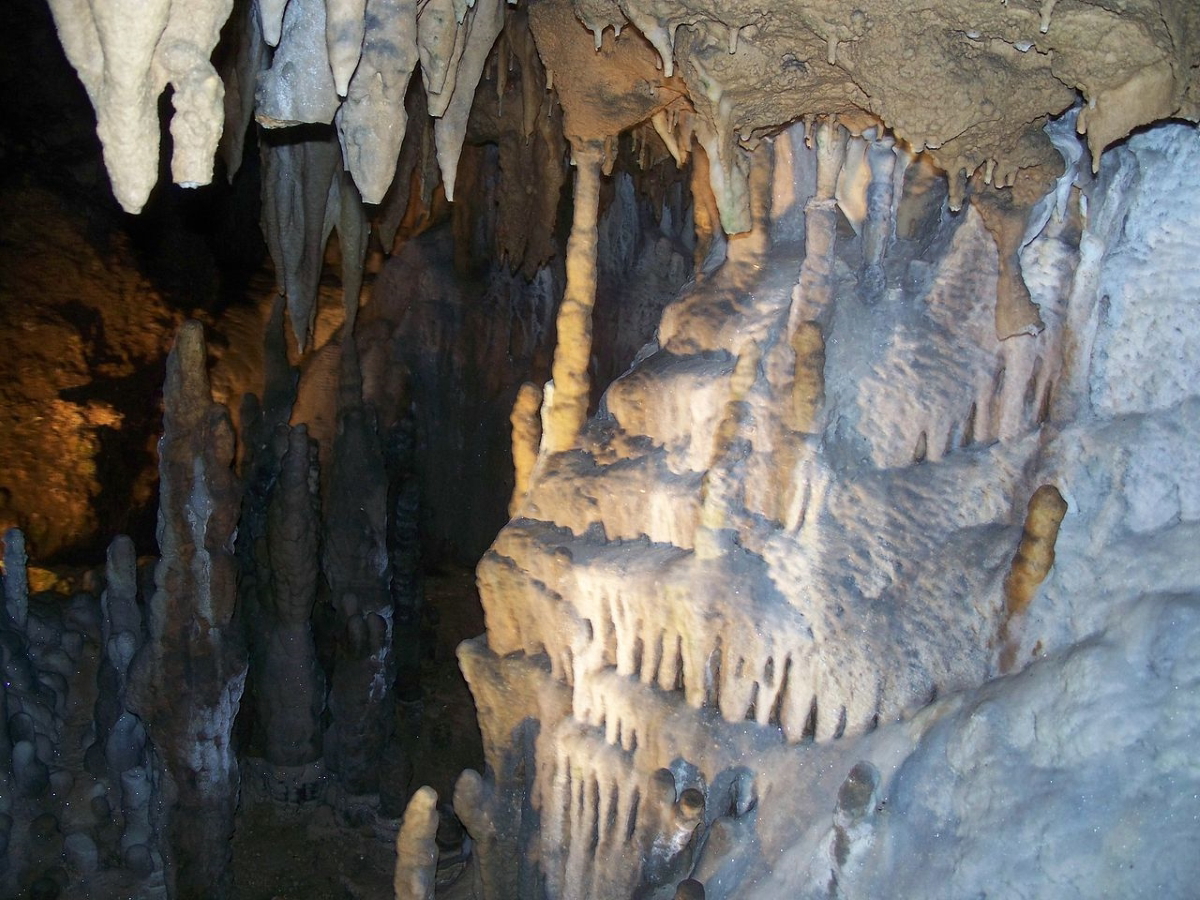
Known for its unique air-filled limestone caves, the only such formations accessible to the public within Florida’s park system, Florida Caverns State Park’s geological history dates back approximately 38 million years, when the area was submerged under a shallow sea. Over time, the accumulation of shells, coral, and sediments formed limestone bedrock. Subsequent fluctuations in sea levels and the action of acidic groundwater dissolved portions of this bedrock. This led to the creation of the intricate cave systems adorned with stalactites, stalagmites, and flowstones.
In the 1930s, during the Great Depression, the Civilian Conservation Corps (CCC) and the Works Progress Administration (WPA) developed the park as part of President Franklin D. Roosevelt’s New Deal programs. Their efforts included excavating the caves to make them accessible for tours and constructing various park facilities. The park officially opened to the public in 1942. It is located near Marianna in the Florida Panhandle.