
The Museum of Fine Arts, Boston (MFA) is a unique space where you can cover more than 5,000 years of art history in just a single afternoon. As with most major collections, displays rotate and pieces are often loaned, so it’s always best to check what’s on view before you go. Regardless of what’s on show, you are guaranteed to be awed at the sheer quality and quantity of priceless works on display.
These are the best Museum of Fine Arts Boston highlights to seek out on your next visit.
1. Dance at Bougival (Pierre-Auguste Renoir – 1883)
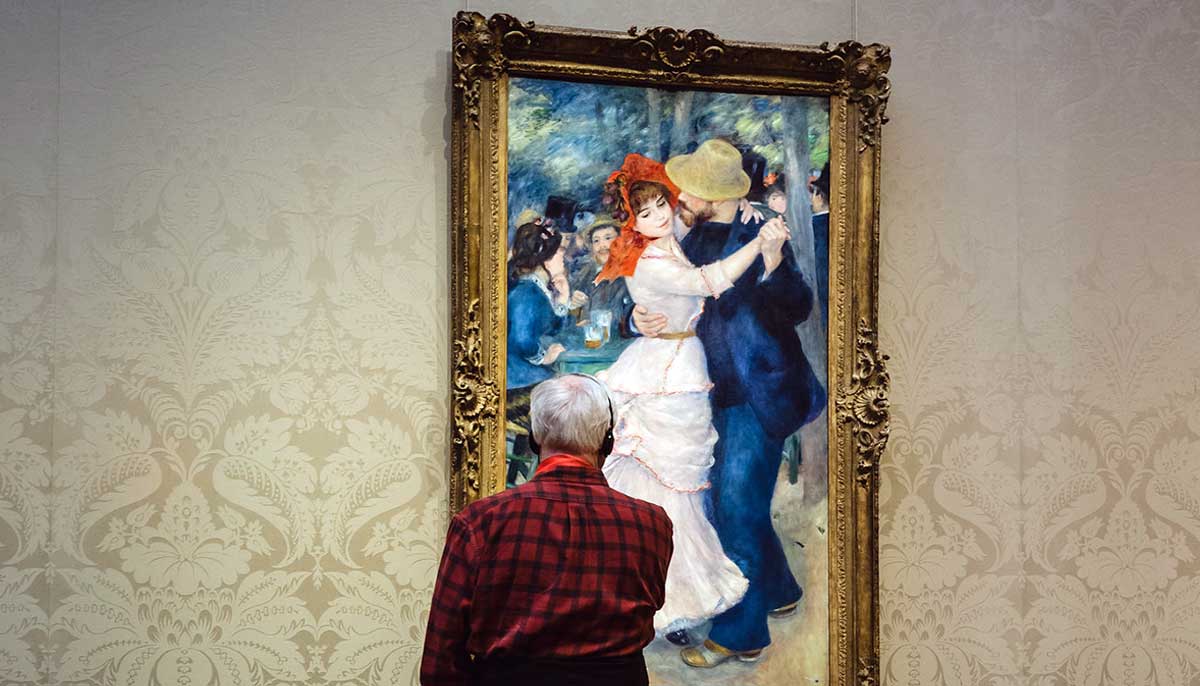
Renoir painted this lively Parisian scene in the village of Bougival, about nine miles west of Paris, during a burst of creativity in the 1880s. Here, at one such café—its floor littered with cigarettes, burnt matches, and a small bouquet of flowers—an amateur boatman in a straw hat sweeps his stylish partner along in a waltz. The model, Suzanne Valadon, later became a celebrated artist herself, and her son was the painter Maurice Utrillo.
2. The Daughters of Edward Darley Boit (John Singer Sargent – 1882)
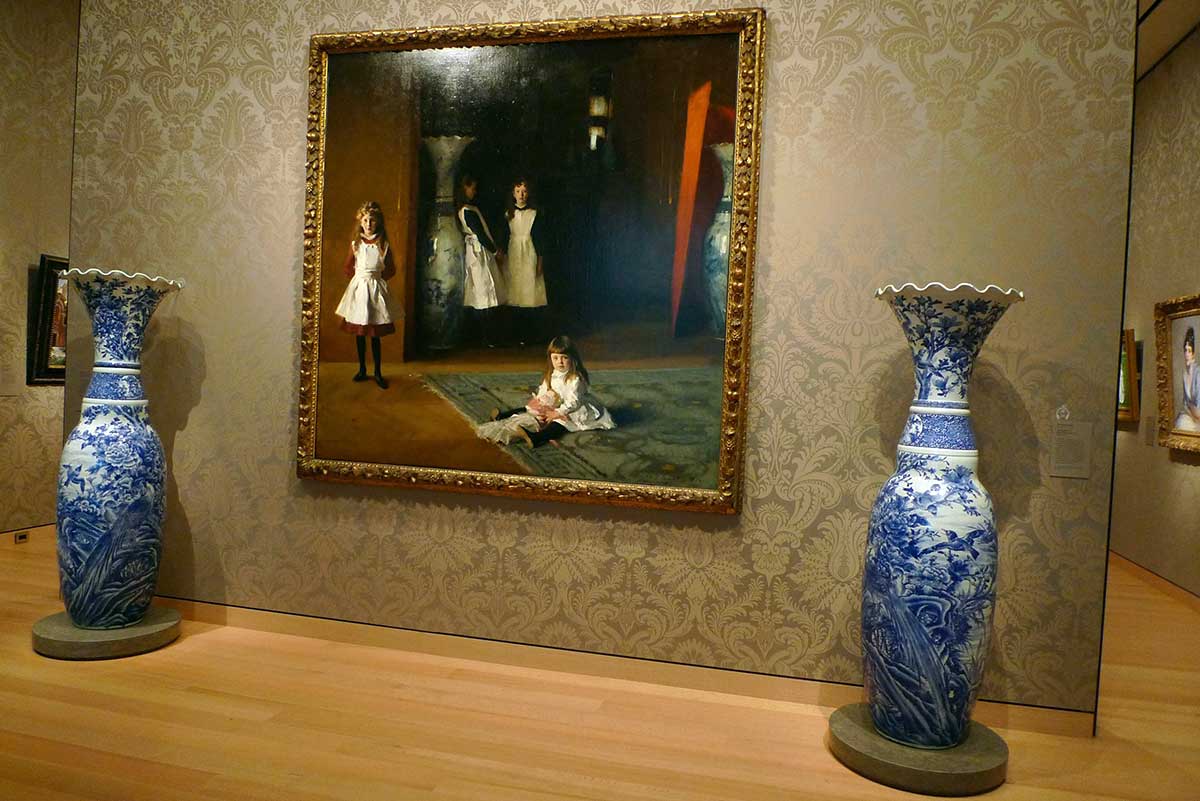
Sargent painted this in Paris for a prominent Boston family, capturing four sisters in an unconventional, almost cinematic composition inspired by Velázquez’s Las Meninas. The two enormous Japanese vases seen in the painting stand beside it in the gallery, creating a rather surreal link between art and life. The work’s unusual balance of light and space puzzled critics in 1883, but it helped cement Sargent’s reputation as a daring portraitist long before his return to America.
3. Sons of Liberty Bowl, 1768 (Paul Revere, Jr., 1734-1818)
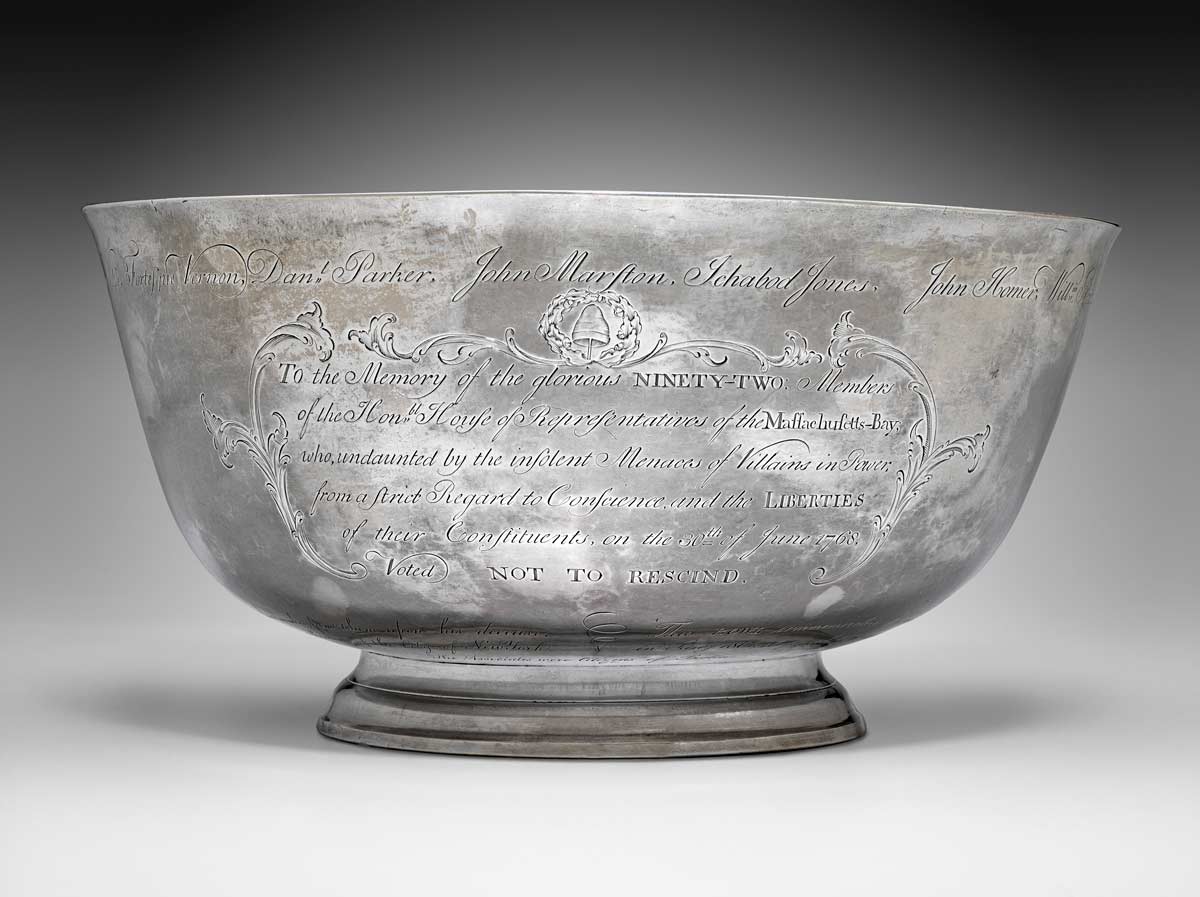
Paul Revere was among Boston’s finest silversmiths long before he became a Revolutionary War hero. Revere’s Sons of Liberty Bowl (1768), an early piece of American protest art, honors the Massachusetts rebels who fought for freedom and self-government, paving the way for the American Revolution.
4. King Menkaura (Mycerinus) and Queen (Old Kingdom)
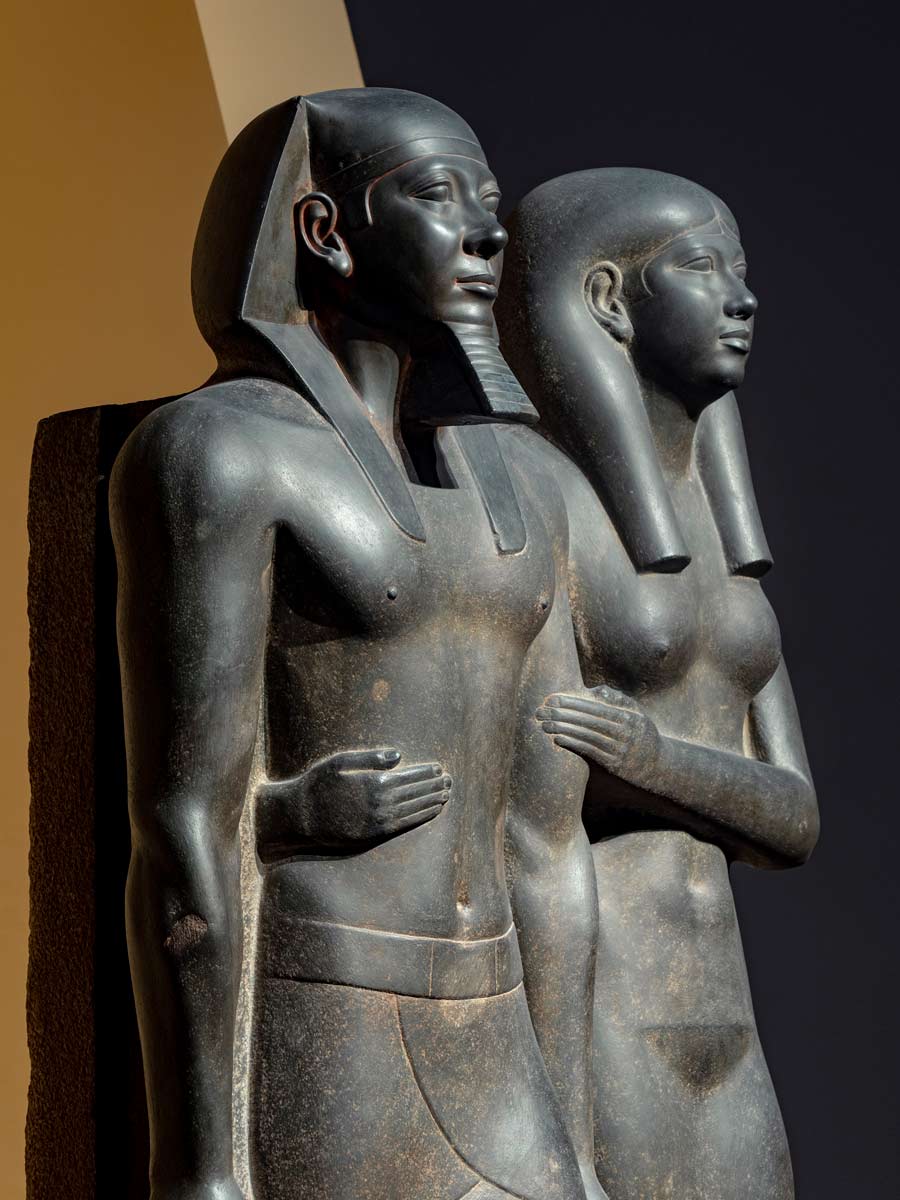
The Museum’s collection of Egyptian art is one of the most important in the world, excelling in both depth and breadth. Much of the collection derives from excavations conducted by Dr. George A. Reisner, from 1905-1942, on behalf of the Museum and Harvard University. A highlight is King Menkaura (Mycerinus) and queen (Old Kingdom, Dynasty 4, reign of Menkaura 2490–2472 B.C.), a masterwork of Egyptian art.
5. Japanese Buddhist Temple Room
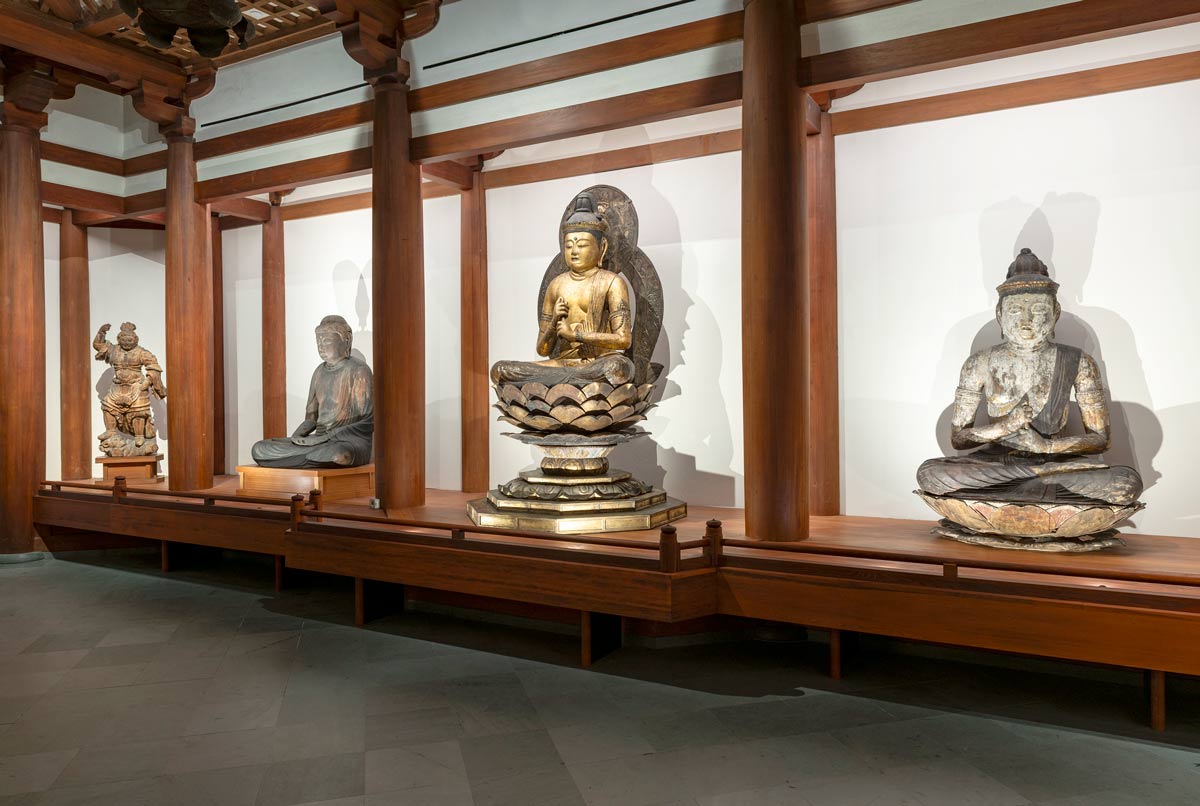
The museum’s Japanese holdings are among the strongest outside Japan, thanks to early Boston collectors like Ernest Fenollosa, who gathered art at a time when Japan was just beginning to open up to the West.
The contemplative space invites reflection and appreciation of the Museum’s collection of Japanese Buddhist sculpture. The room’s architectural elements, though not a replication of a specific site, are adapted from plans for an 8th-century monastic complex and give the sense of being inside a centuries-old Japanese temple hall.
6. Grainstack (Sunset) (Claude Monet – 1891)
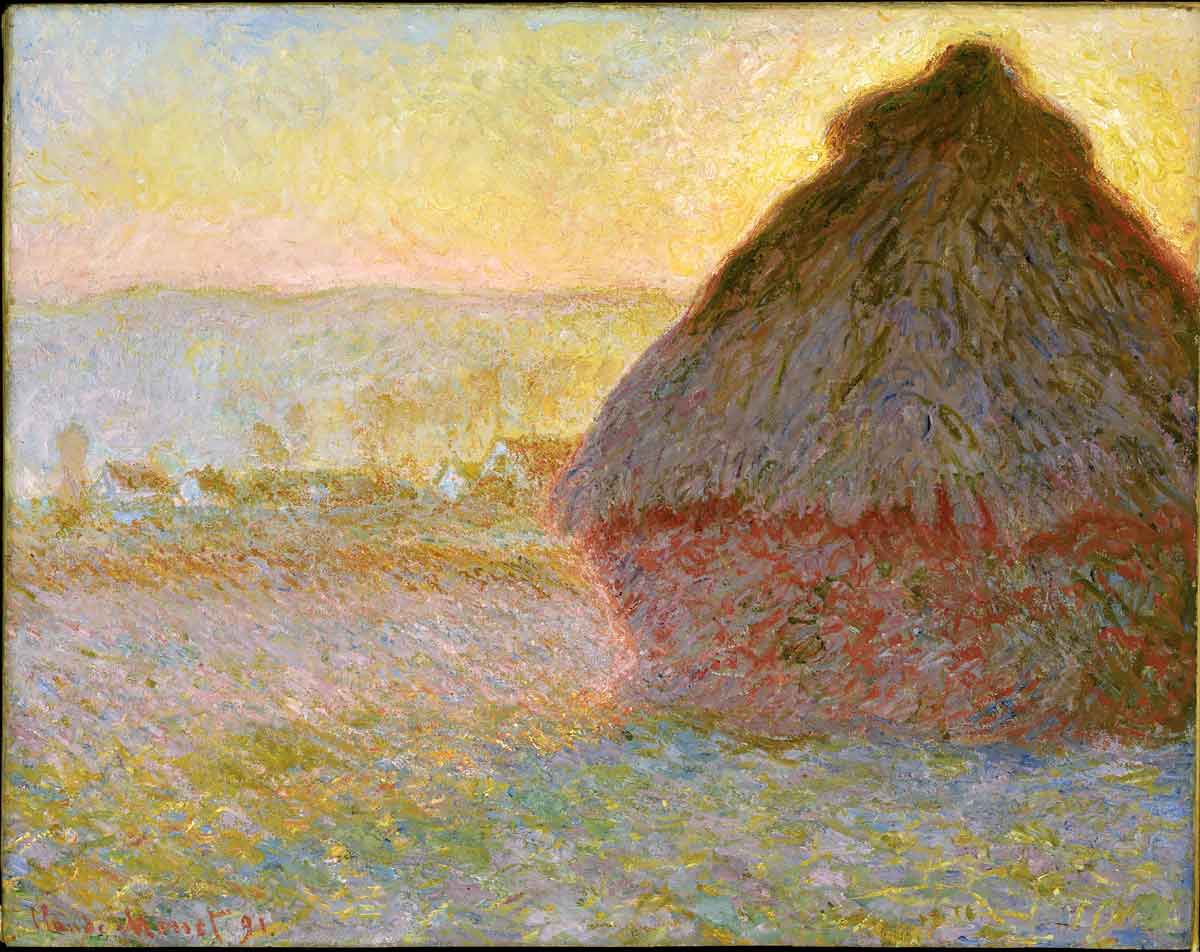
The MFA’s collection of paintings by Claude Monet (1840–1926) is one of the largest outside of Paris, which is representative of the various phases of the artist’s career: from his early forays into plein-air landscape painting in the 1860s, through his association with the Impressionists beginning in the 1870s, into the 1880s when he increasingly became interested in the effects of light on fixed subjects at different times of day, culminating in his series paintings of the 1890s and early twentieth century.
In 1890 and 1891, Monet painted a group of pictures of the stacks of wheat (referred to as grainstacks or haystacks) in the fields near his home, exhibiting them as a series to great critical acclaim in 1891.
7. Juno (Roman, Early Imperial, late 1st B.C.)
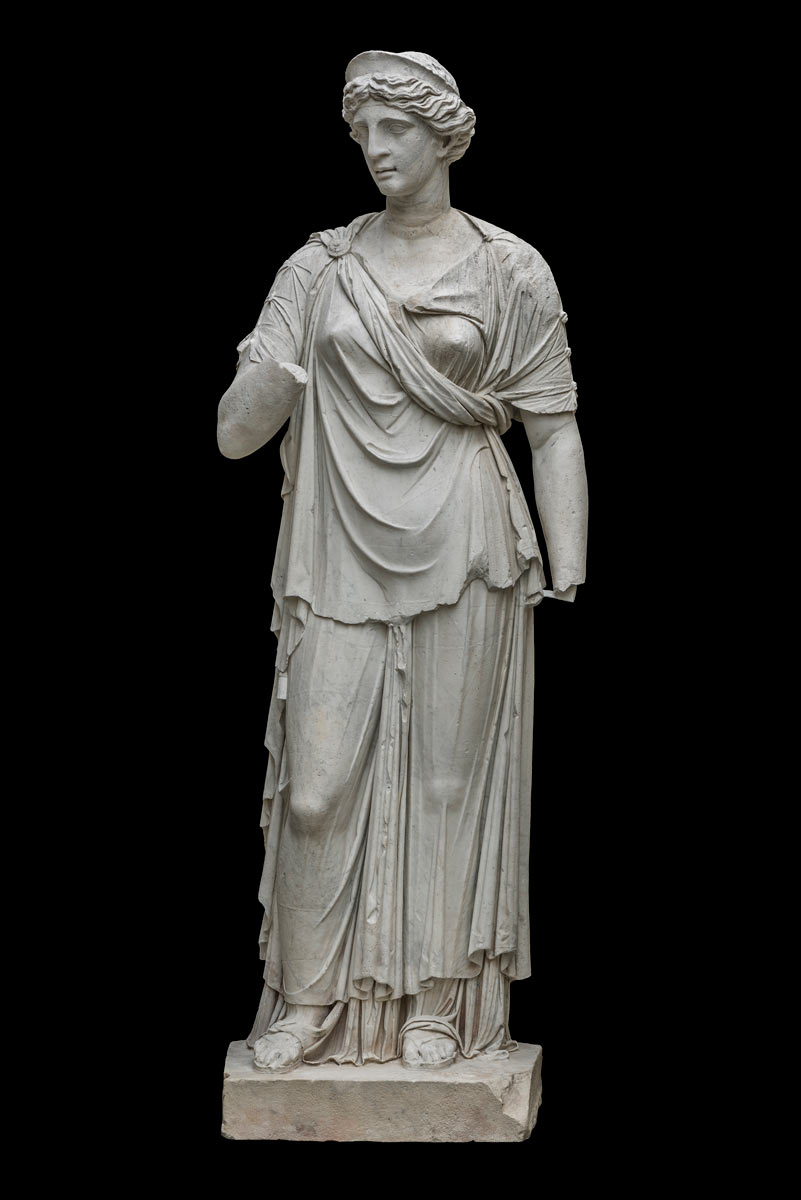
If this monumental Roman statue could speak, she would tell of travels from a theater in ancient Rome to the gardens of an Italian prince’s villa—and then across the Atlantic to a suburban garden, where she endured for a century before finding a home at the Museum of Fine Arts, Boston.
8. Head of a Youth (ca. 330 BCE)
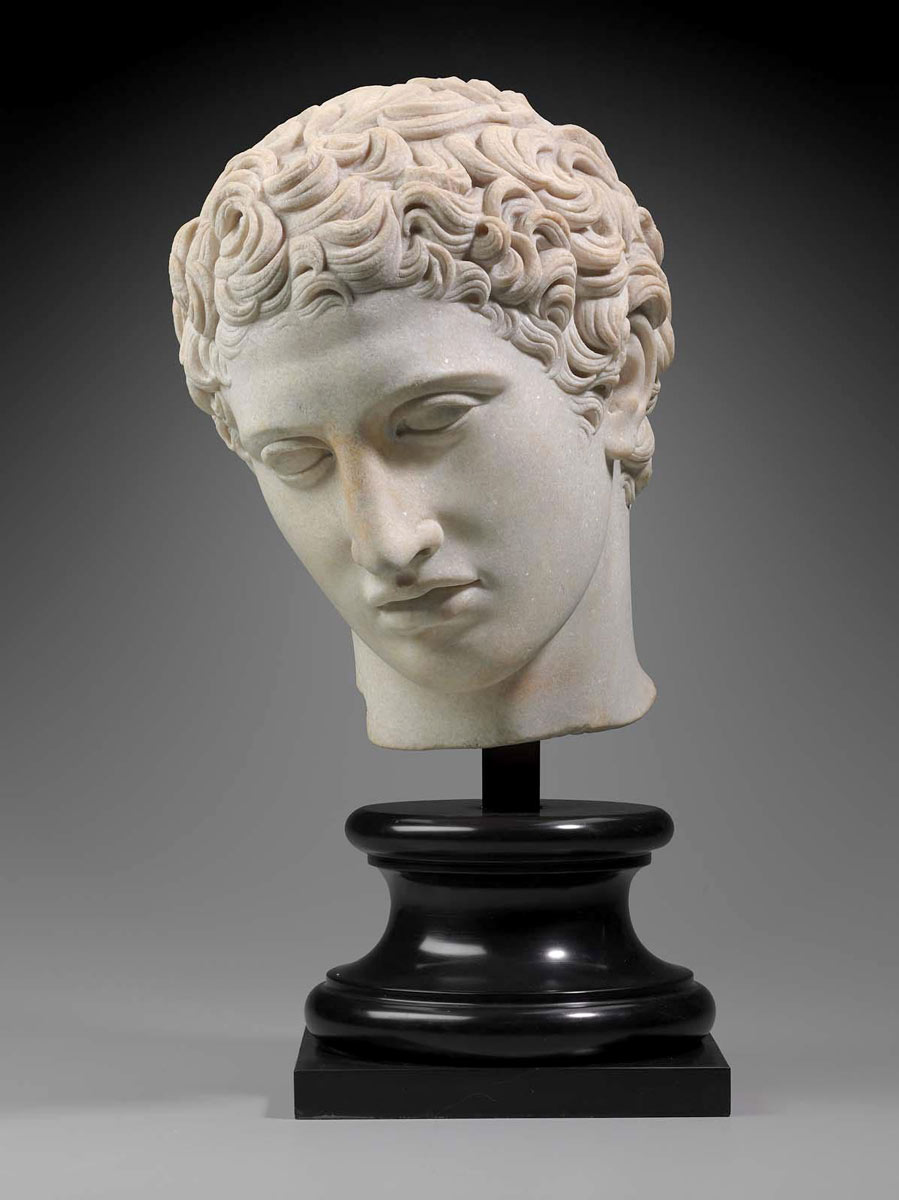
Carved around the time of Alexander the Great, this marble head shows the Greek ideal of beauty: calm and balanced, yes, but primarily, youthful. Sculptures like this, celebrating gods and athletes alike, once filled temples and public spaces all across the Mediterranean. The piece entered the MFA in the late 1800s through collector Edward Perry Warren, whose donations helped shape the museum’s classical galleries.
Many of these works came from excavations in Greece and Italy, primarily, giving Boston one of the earliest and most respected ancient art collections in the country.
9. Drug Store (Edward Hopper – 1927)
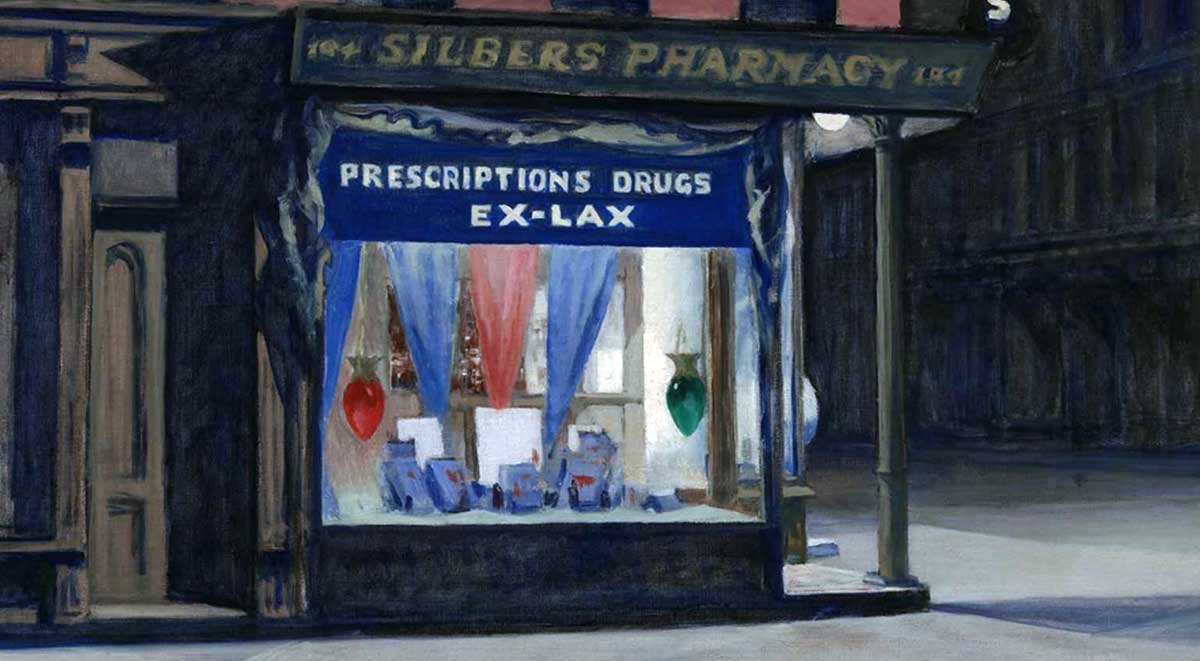
Hopper painted this New York corner shop in 1927, focusing on the quiet stillness of the city after dark. The single glowing “Ex-Lax” sign was a real advertisement of the time. When the MFA bought the painting in 1948, it became one of the first Hoppers in any American museum. Snapshots of ‘daily life’ might be mainstream today, but it was incredibly avant-garde at the time.
10. Kaplan Jewelry Gallery
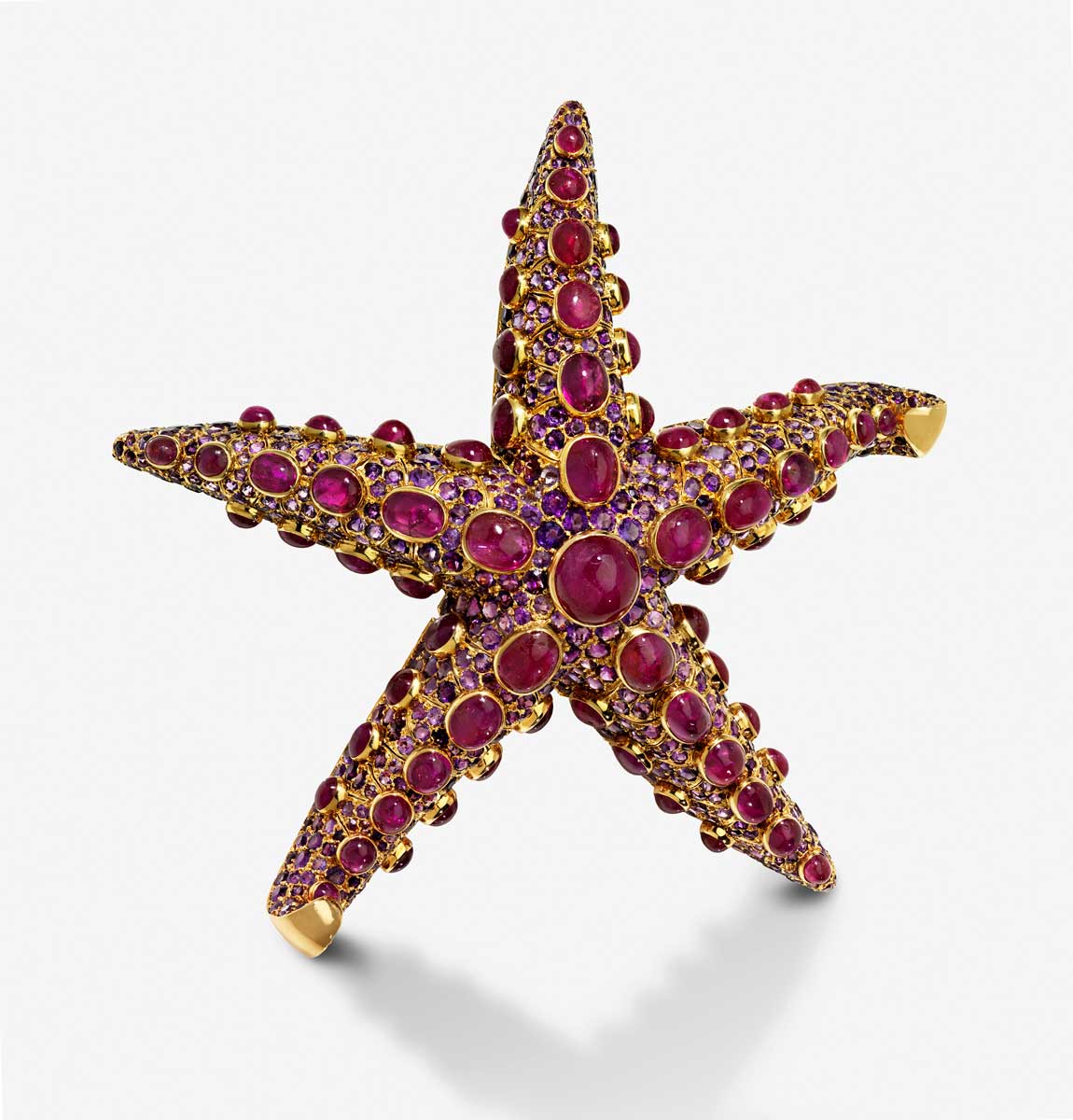
This glittering permanent gallery brings together 4,000 years of jewelry design, from ancient Egyptian gold collars to modern diamond art by renowned brands such as Tiffany. The display shows how people across time used jewelry to express power, faith, or love. A highlight is René Boivin’s life-like gold, ruby and amethyst Starfish brooch from 1937.
Explore the gallery at the MFA
Note: This article contained outdated images and information. It was updated and thoroughly revised on July 2, 2026, to accurately reflect the MFA’s collections.