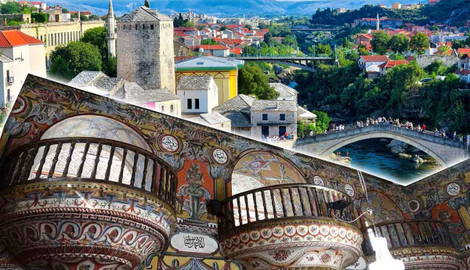

Ottoman architecture continues to define landscapes across Europe and Asia; from Budapest’s hamams to Bosnia’s bridge at Mostar, this article will recommend key Ottoman sites, including mosques, markets, and palaces, offering both historical and travel-related knowledge.
1. Budapest’s Turkish Spas
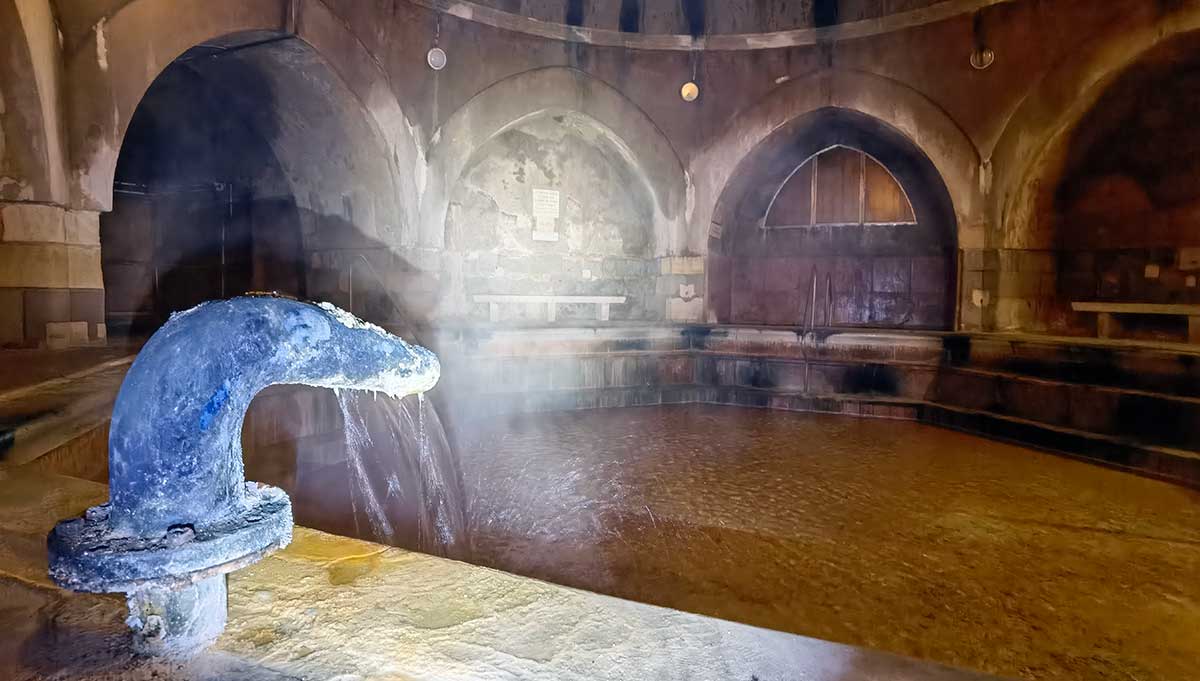
The capital city of Hungary is known for its lush thermal spas, visited by locals and tourists alike for their medicinal properties. Several of these baths, such as Rudas Bath, Kiraly Bath, and Veli Bej Bath, date back to the 16th and 17th centuries, when the Ottomans ruled over the city.
Although these spas reflect the traditional layout of Ottoman hamams (bathhouses), they contain pools of thermal spring water. They are a fascinating combination of Turkish cultural heritage and a local Hungarian geological wonder.
The most popular of the Turkish baths, Rudas Bath, was built in 1566 and contains a circuit of pools ranging from 28 °C (82°F) to 42°C (107.6°F). It is important for visitors to note, however, the bath’s strange rules of visitation: the bath is open to men every weekday except Tuesday, which is a day reserved for women bathers. Mixed-gender bathing is permissible only on weekends, however.
The Kiraly Baths, on the other hand, always allow mixed-gender bathing. Like the Rudas Bath, the Kiraly bathhouse was built in the 1560s by Sokullu Mustafa Pasha, the Bosnian governor-general of the province of Budin. Unassuming from the outside, the Kiraly Baths is full of medieval charm, offering a dimly lit bathing experience. It has, however, been closed for restoration since 2020.
2. The Sarena Dzamija Mosque
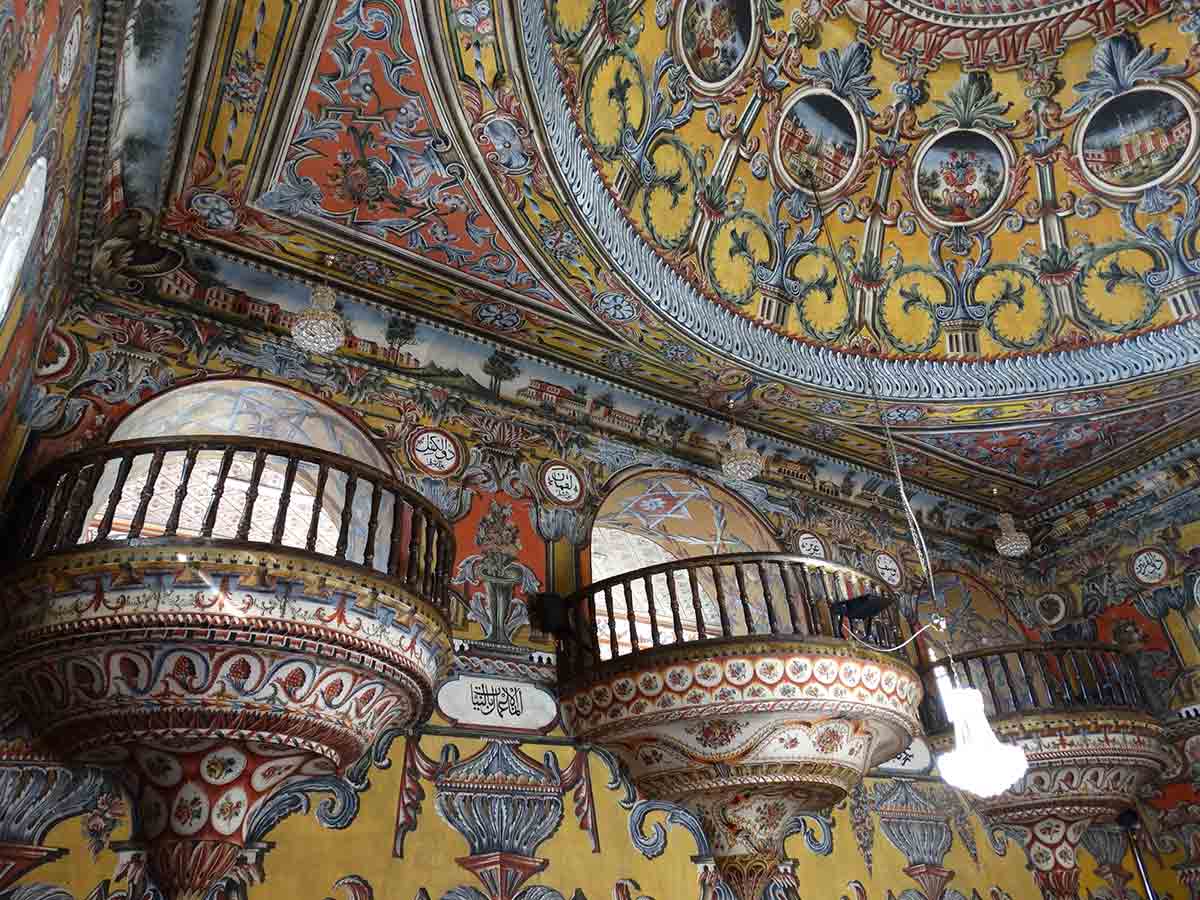
The “Decorated Mosque” in Tetovo, North Macedonia, is a charming structure reminiscent of Anatolian mosque architecture from before the Byzantine dome style became the preferred Ottoman style.
Built in 1438, the mosque was commissioned by two sisters, Hurshida and Mensure, from Tetovo. Outside of the mosque rests the mausoleum of these two sisters, who allegedly financed the construction of these structures with their dowries.
After a fire (or by some accounts, an earthquake) destroyed part of the building in the 19th century, it was reconstructed in 1823 by Abdurrahman Pasha, leader of Tetovo. The building’s façade and inner paintings reveal a unique blend of Italian and Ottoman Baroque designs.
Vivid colors, floral and foliage motifs, and miniature paintings of buildings grace the inner walls and ceiling of the mosque. Visitors can see popular baroque features, such as scrolls, acanthus leaves, and pillars, alongside traditional geometrical Islamic motifs. Going against Ottoman tradition, paintings, rather than intricately designed tiles, cover the walls of the mosque.
Although it is a site of historical and artistic significance, the Sarena Dzamija remains a place of worship used by the local community. Visitors should thus be aware of appropriate times of visitation and religious dress codes.
3. The Iconic Mostar Bridge
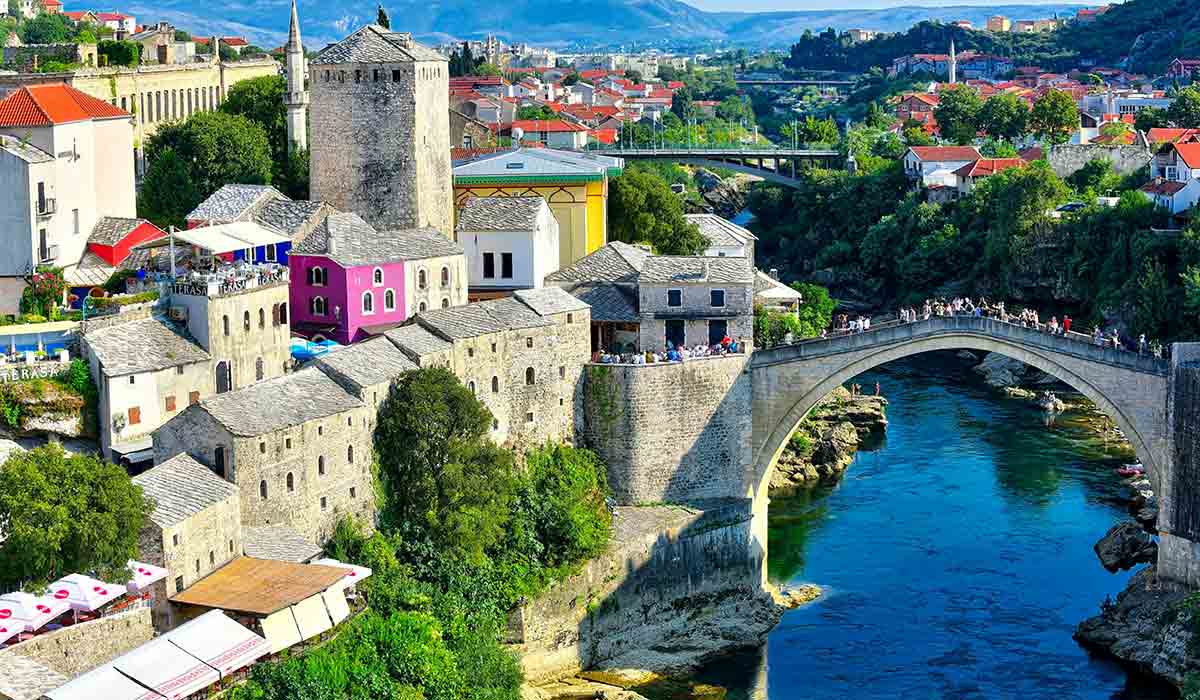
For centuries, the “Stari Most” or Mostar Bridge has connected the two sides of the historic city of Mostar in Bosnia. It has also been a bridge between cultures and tradition, history, and modernity. Built in 1566 by Ottoman architect Hayruddin, the bridge was destroyed by the Croatian Defence Council during the Yugoslav wars of the 1990s.
Efforts to rebuild the bridge began soon after, culminating in its reopening in 2004. Despite being a mostly modern construction, the Mostar Bridge retains some of its Ottoman-era structure and historical charm.
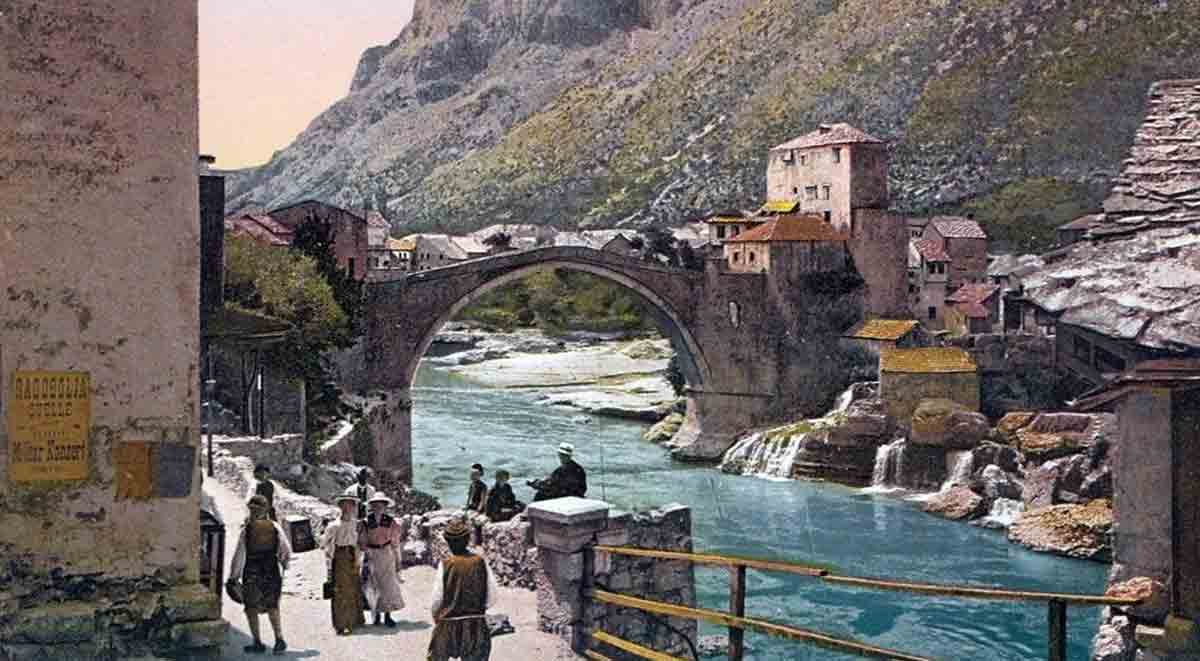
The bridge spans 30 meters (99 feet) across the Neretva River and, at 24 meters (79 feet) high, offers a view of the lush greenery and quaint town below. Retaining its old architectural style, cobblestones line the walkway, which is guarded at either end by watchtowers.
4. The Former Ottoman Bank of Thessaloniki
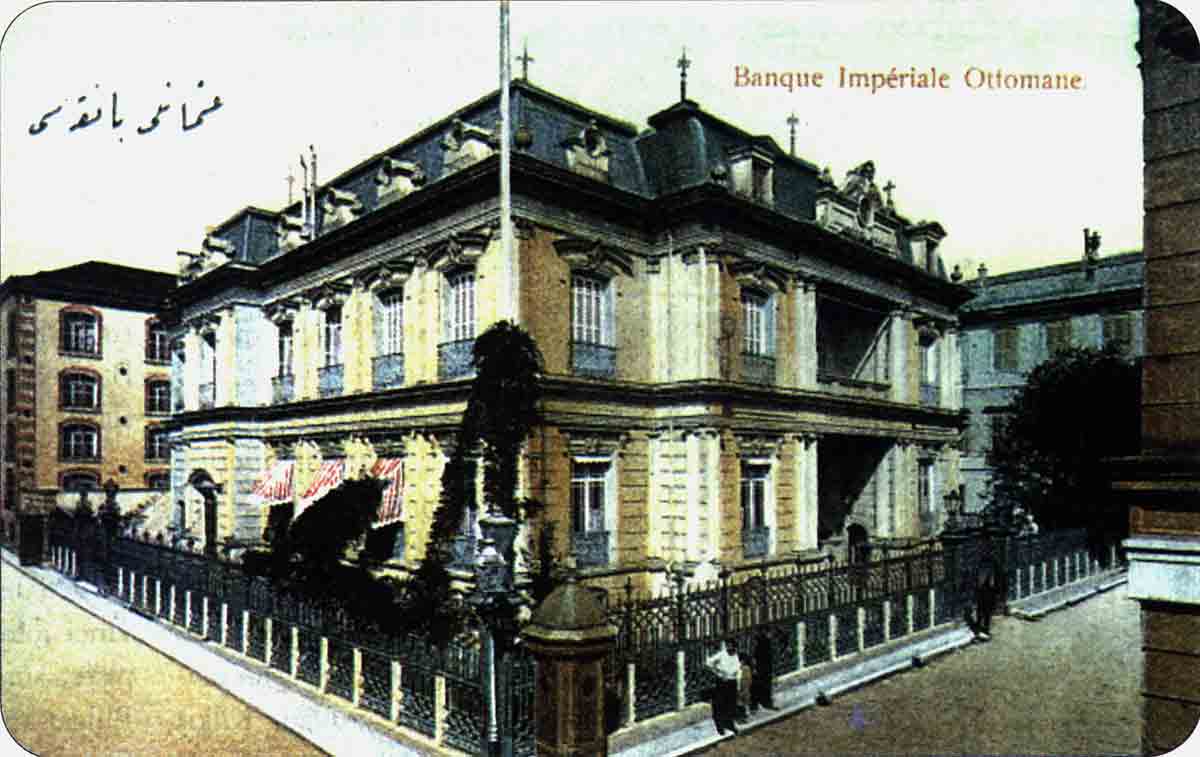
Established in 1903, the Ottoman Bank of Thessaloniki served as a major financial institution for one of the empire’s most important port cities. The stunning neo-Baroque building that housed the bank was designed by the Italian architect Vitaliano Poselli in 1903, although the Ottoman Bank itself had been established in the 1860s.
Over the years, the bank has seen its fair share of dramas. Aiming to attract attention to their nationalist efforts, Bulgarian nationalists attacked the building on April 29, 1903. As a result of the bombing, much of the building was damaged and caught on fire.
The building, a mix of Ottoman, French, and Italian classical design, now houses the State Conservatory of Thessaloniki. In addition to providing musical education, the institution enjoys membership in the European Union of Conservatories and holds free events and seminars.
5. Cairo’s Hosh al Basha Mausoleum
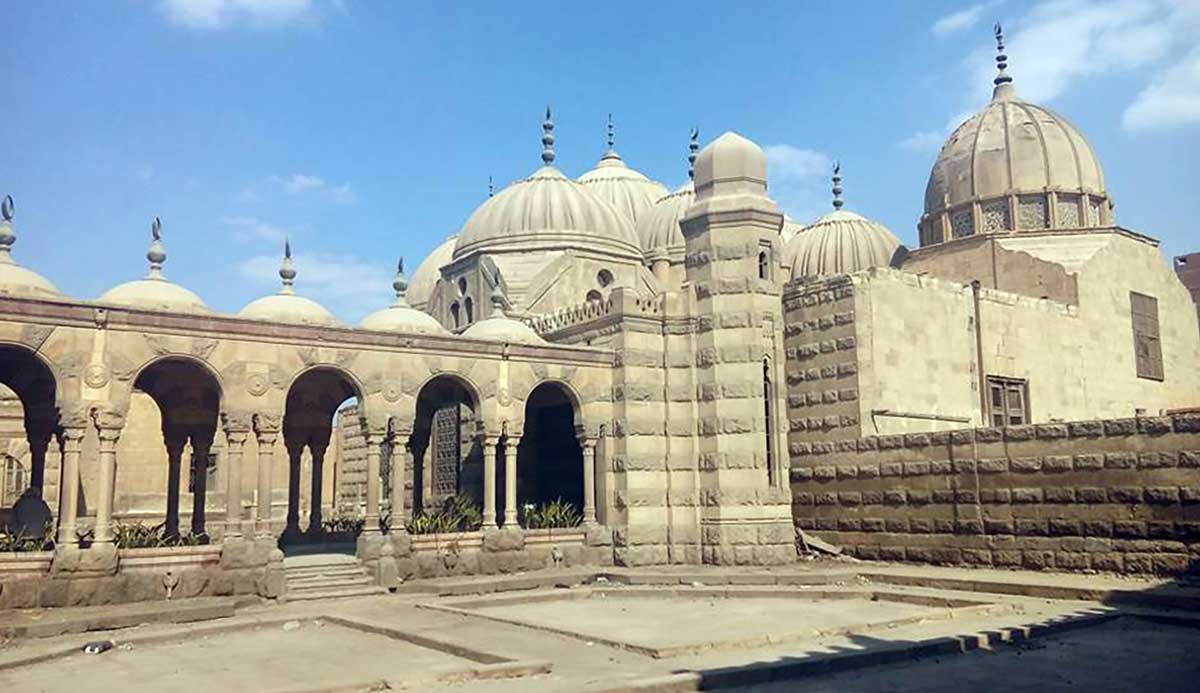
Located in the heart of Cairo’s historic City of the Dead is the Hosh al Basha, a funerary complex and burial site of the family of Muhammad Ali Pasha, Ottoman governor and founder of Modern Egypt. Sent to Egypt as a commander of forces deployed to repel the French Occupation of Egypt in 1801, Ali Pasha gained public support and asserted his own right to rule over the country.
Muhammad Ali Pasha, like many elite families of the 19th century, commissioned the construction of elaborate mausoleums, preferably near sites that were considered holy. In 1816, the site was chosen, possibly because of its proximity to the purported shrine of the prominent Islamic scholar Imam al-Shaf’i (d. 820).
Ottoman influence is noticeable in the mausoleum’s architectural style: six outer domes recall Ottoman mosques, and the inner courtyards are decorated with marble, Islamic motifs, and colorful Turkish rococo foliage.
Within the walls of the mausoleum, naturalistic depictions of fruit bowls have been compared to those in the Privy Chamber of Ahmed III in Istanbul. The Turkish inscriptions on cenotaphs around the mausoleum also reveal the lasting impact of Ottoman culture on Egyptian architecture.
6. The Landmark Clock Tower of Jaffa
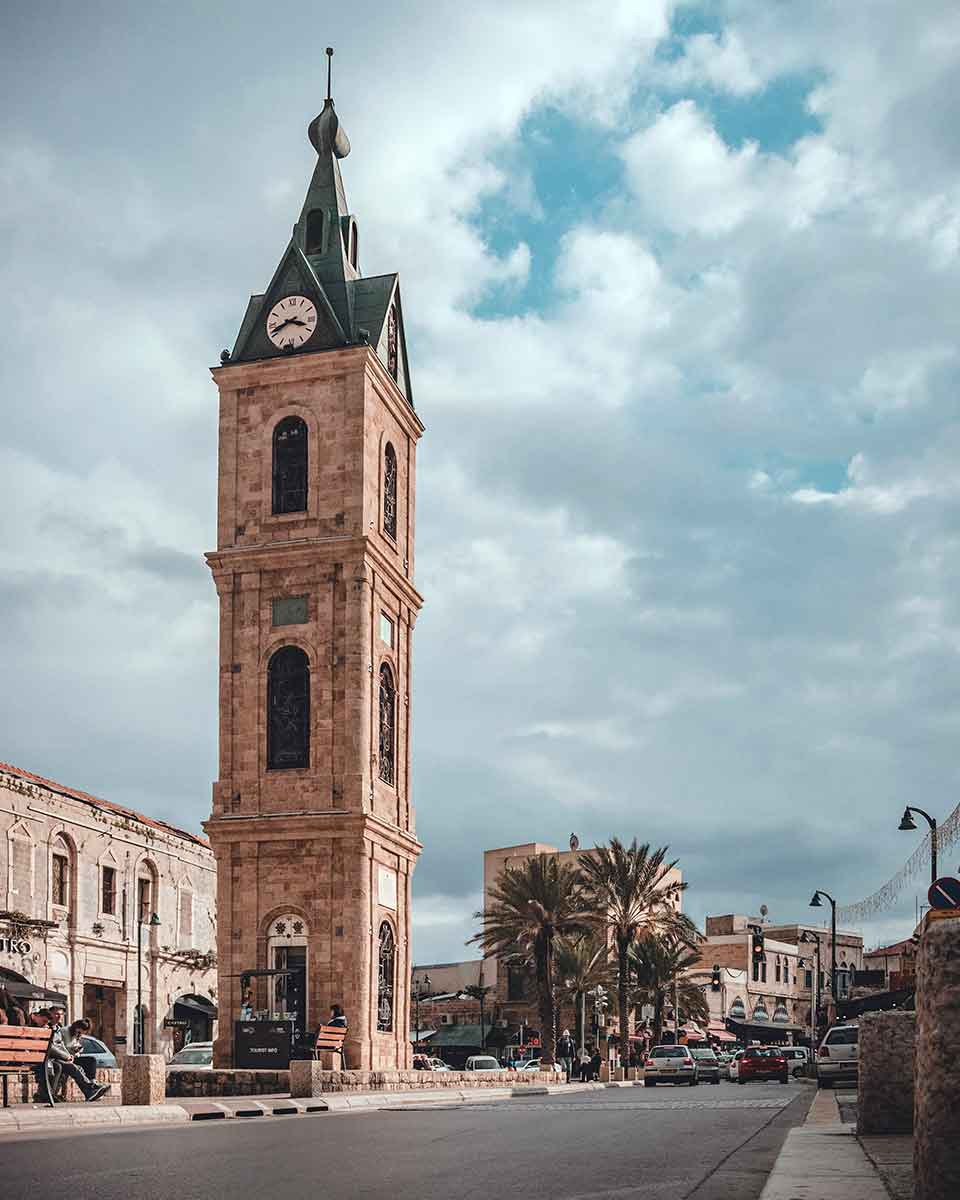
The Jaffa Clock Tower is one of the most recognizable landmarks in Jaffa, located in present-day Tel Aviv/Jaffa, Israel. The ancient port city, under Ottoman rule in the early 20th century, underwent rapid urbanization from the late 19th century onwards. Several clock towers built during this time served as community hubs and navigational aids.
A prominent Jewish businessman, Joseph Bey Moyal, had the tower constructed for the jubilee of Sultan Abdul Hamid II in 1900. Architecturally, the building is a mix of European design with local elements. Every side of the limestone tower has a clock, along with an engraving of the Sultan’s signature.
Throughout its existence, the clock tower has seen many renovations. In 1965, colorful stained-glass windows were added to represent the city’s heritage, and in 2001, glass replica seals were made to replace the deteriorated seals of Abdul Hamid.
Today, visitors can find help at the Tourist Information Centre housed in the tower. Nearby are several cultural and historical attractions. Starting from the entrance of the Old City, tourists can see the bustling Flea Market, Mahmudiya Mosque, and St. Peter’s Church.
7. UNESCO Heritage Safranbolu Houses
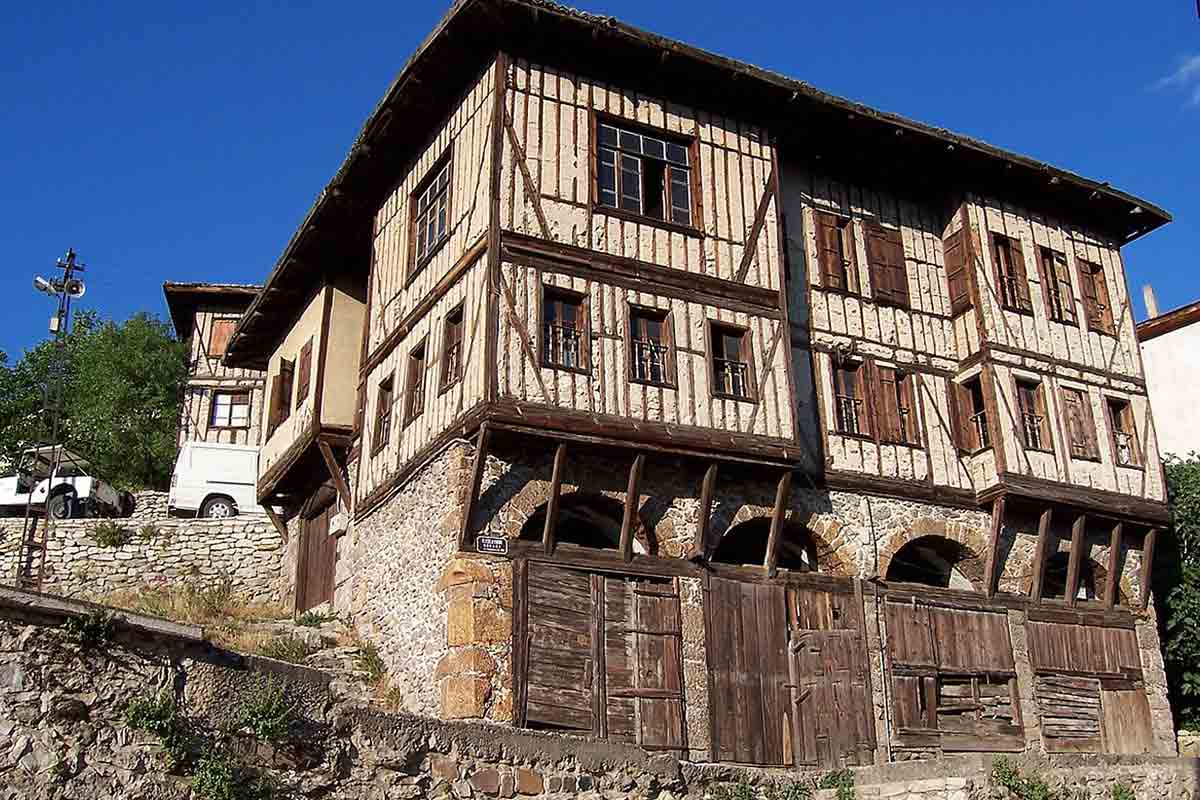
The traditional houses of Safranbolu, Türkiye, are outstanding examples of Ottoman residential architecture and are listed as UNESCO World Heritage Sites. Located in a key Black Sea city on the ancient Silk Road, the wooden houses are part of a wider town that has perfectly preserved historic baths, inns, and mosques.
The konaks, or traditional houses, known for their distinctive white facades and wooden windows, date mainly from the 17th and 18th centuries. While they appear modest from the outside, the insides often house intricate carvings, wall niches, and traditional furniture.
In line with Ottoman civil design principles, the houses have cumba, traditional upper-floor bay or oriel windows that project outwards and overhang the street. These structures increased the natural lighting and ventilation of the upper floor, keeping it cool during warm summers.
More than 2,000 konaks line the cobblestone streets of Safranbolu. Tourists can do more than simply visit the historic structures; many of the houses have been turned into small hotels and cafes, integrating history with modern-day life.
8. The Ever-Standing Fortress of Niš
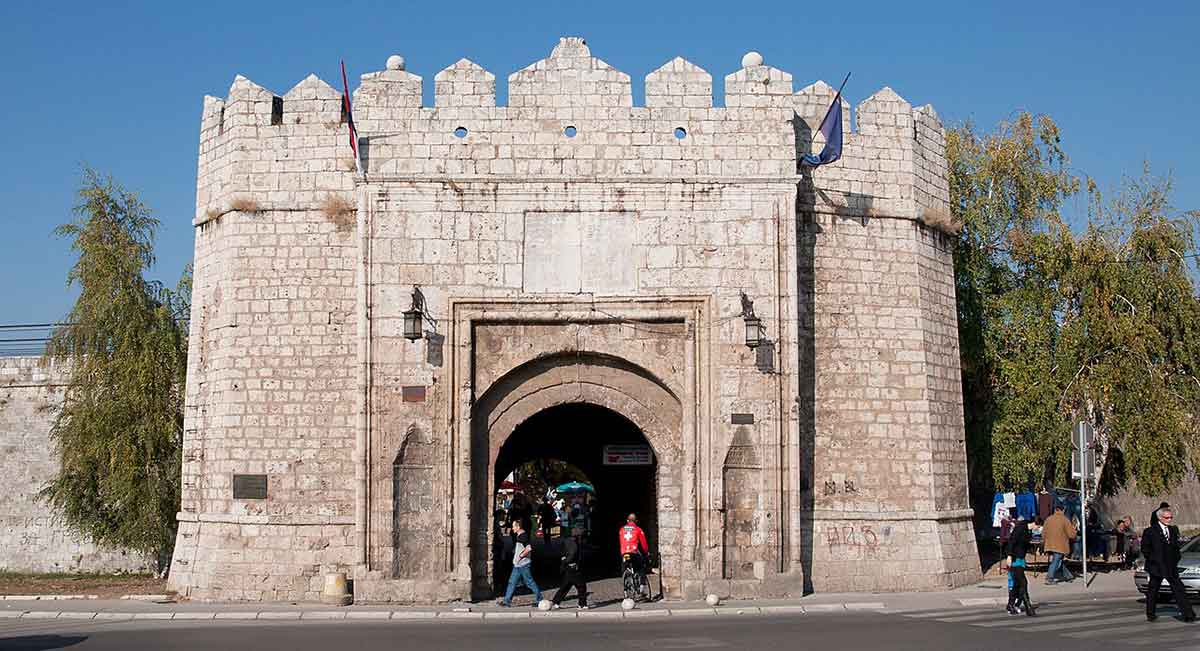
Located on the banks of the Nišava River in the city of Niš, Serbia, is a centuries-old fortification that highlights Serbia’s role as a crossroads for several empires. The fortress, standing on the ruins of Roman and later Medieval structures, was built by the Ottomans between 1719 and 1723 as a defense against Austrian forces.
The walls of the fortress are made of thick stone, both imported from the region and from the ruins of the earlier structures. Tens of thousands of local laborers, along with hundreds of masons and tradesmen from Istanbul, were employed to construct the 8-meter-tall (26 ft) walls.
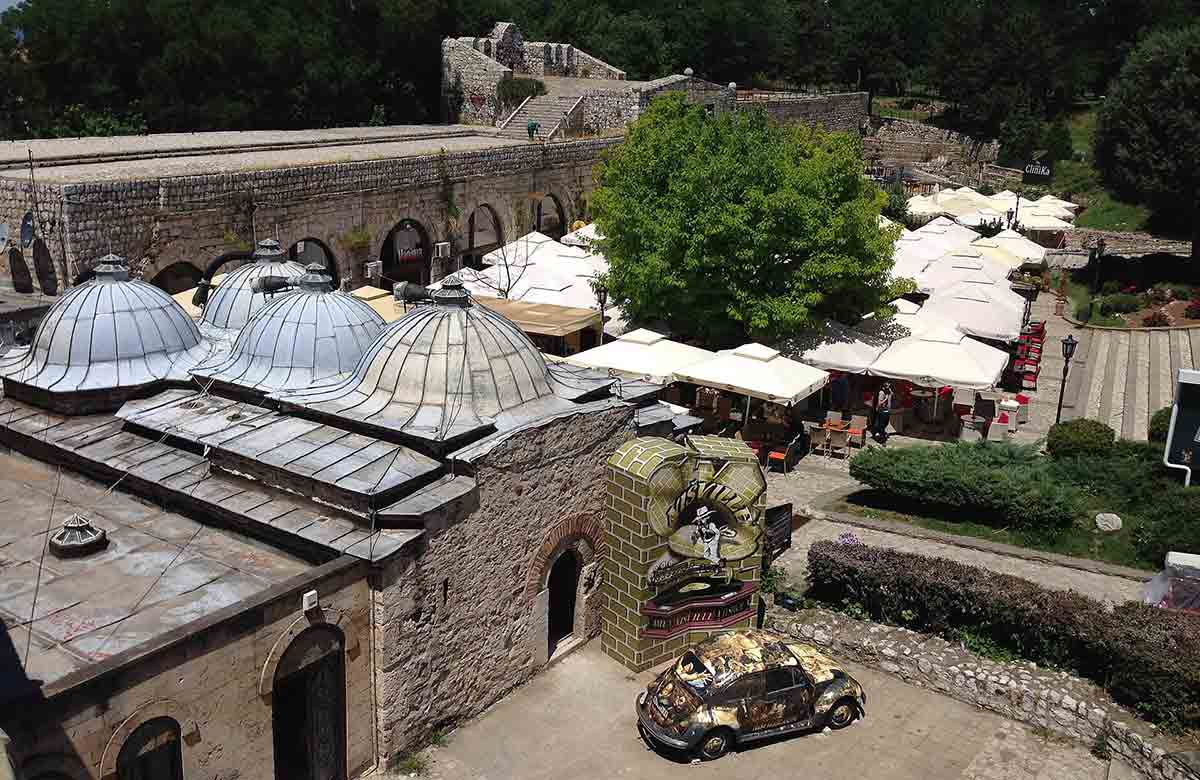
Several imposing gates, such as the Stambol Gate, are examples of Ottoman military defensive architecture. Inside the fortress, visitors can roam the former Ottoman bathhouse, prison, Bali Bey Mosque, and weapons arsenal, along with the ruins of a Roman aqueduct and palace.
In addition to its archaeological value, the fortress serves a cultural purpose. Its wide spaces and greenery make it a preferred site for public events and festivals, such as the annual Nišville Jazz Festival.