
The teenage years can be a time of stress and changes for many. Freddie Oversteegen’s young life was certainly filled with those things at levels unbelievable and intolerable to the average teen. Despite the tumultuous world she grew up in, Freddie, along with her friends and sister, was determined to do the right thing. Even though it meant taking death-defying risks and had emotional consequences that stuck with her for the rest of her life, Freddie’s important work was a cause she remained dedicated to without wavering.
Working Class Childhood

Freddie Nanda Oversteegen was a Dutch girl born to a working class family on September 6, 1925, in Haarlem, Schoten, The Netherlands. Freddie, along with her mother, father, and older sister, Truus, lived on a barge on the water. Later, her parents divorced amid financial struggles and the girls lived in a small apartment with their now-single mother.
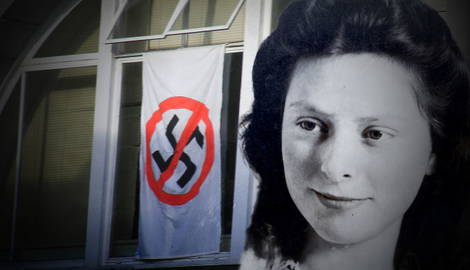
Despite her monetary challenges, their mother remained dedicated to social causes and encouraged her daughters to do the same. Freddie’s mother was a staunch communist and taught her children communist principles. She couldn’t stand injustice of any type and wasn’t afraid to take a stand when she saw it. Freddie grew up hearing her neighbors taken from their homes by Nazis. From 1939, Freddie’s mother hid Jewish refugees in their home, protecting them from growing Nazi influence in the area. Germany invaded the Netherlands in 1940, and occupied the country until the conclusion of World War II.

The Oversteegen family strongly opposed the Nazi presence into their homeland. In addition to an increasing presence of German soldiers, local Dutch sympathizers began joining the enemy cause with some in agreement with their beliefs, others likely in an effort to save themselves.
However, the Oversteegens began to work against the Nazis and their local supporters. Freddie and Truus, just 14 and 16 at the time, handed out anti-Nazi pamphlets throughout their community. Though even just these simple actions could have gotten them arrested or even killed, they didn’t stop there. They defaced Nazi propaganda and soon earned a reputation among other local resistors. In 1941, a leader from the Haarlem Resistance Group, an underground anti-Nazi organization, visited the girls and their mother with a proposal: he wanted the girls to join the resistance. Their mother gave Freddie and Truus permission to join, but gave them a piece of advice to abide by: “always stay human.”
Teenage Resistance Fighter
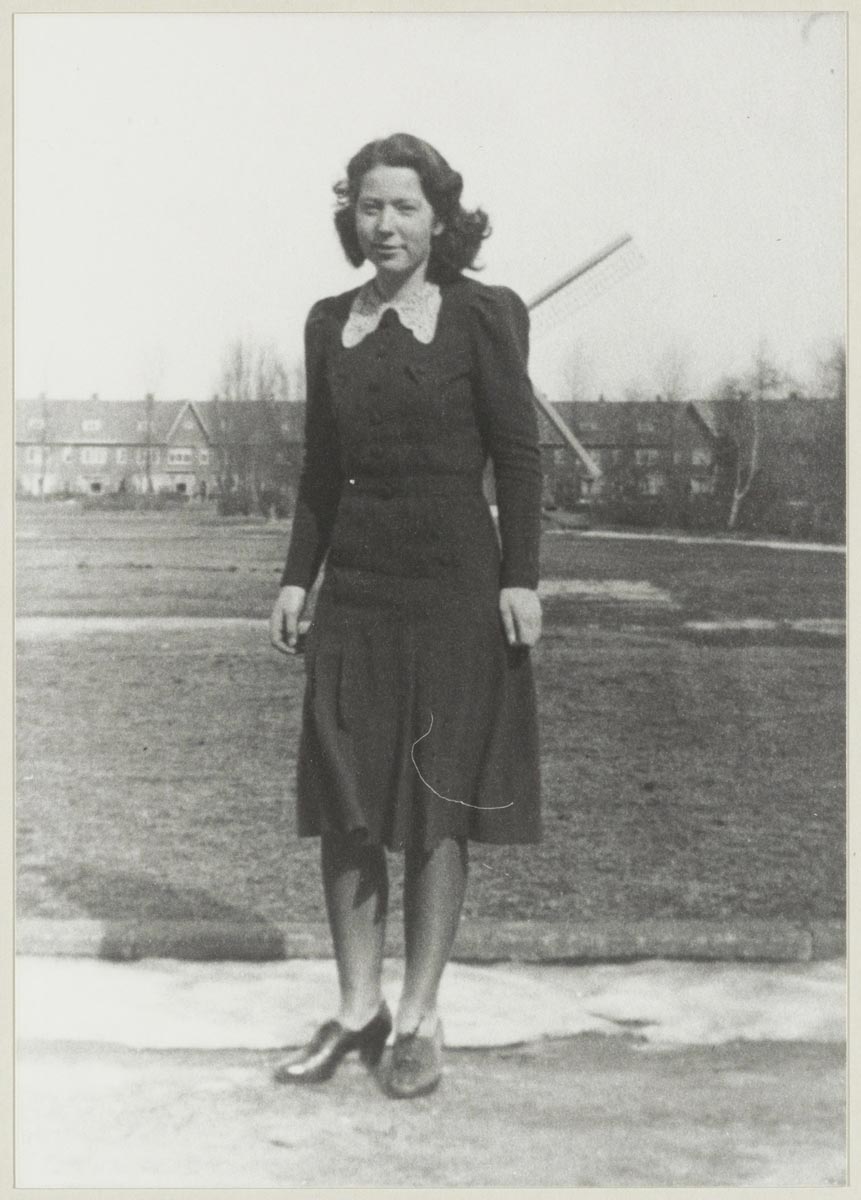
Freddie was uniquely suited for resistance work. She was dedicated to the cause, yet her young age and youthful looks (it is said she looked even younger than her 14 years) gave her an image of innocence. The enemy was unlikely to suspect a petite, pigtailed teen would cause any problems. Freddie and Truus were the first female members of their local resistance cell, though they would soon be joined by other young women.
Freddie and Truus started their activities by helping to smuggle Jewish children out of the Netherlands. Soon, they began participating in other, sometimes violent activities, and formed a formidable trio with Hannie Schaft. Hannie was an 18-year-old who became the feminine figurehead of Dutch resistance, and was known as “the girl with the red hair.” She was captured and executed by the Nazis three weeks before the conclusion of the war, but Freddie and Truus would survive.
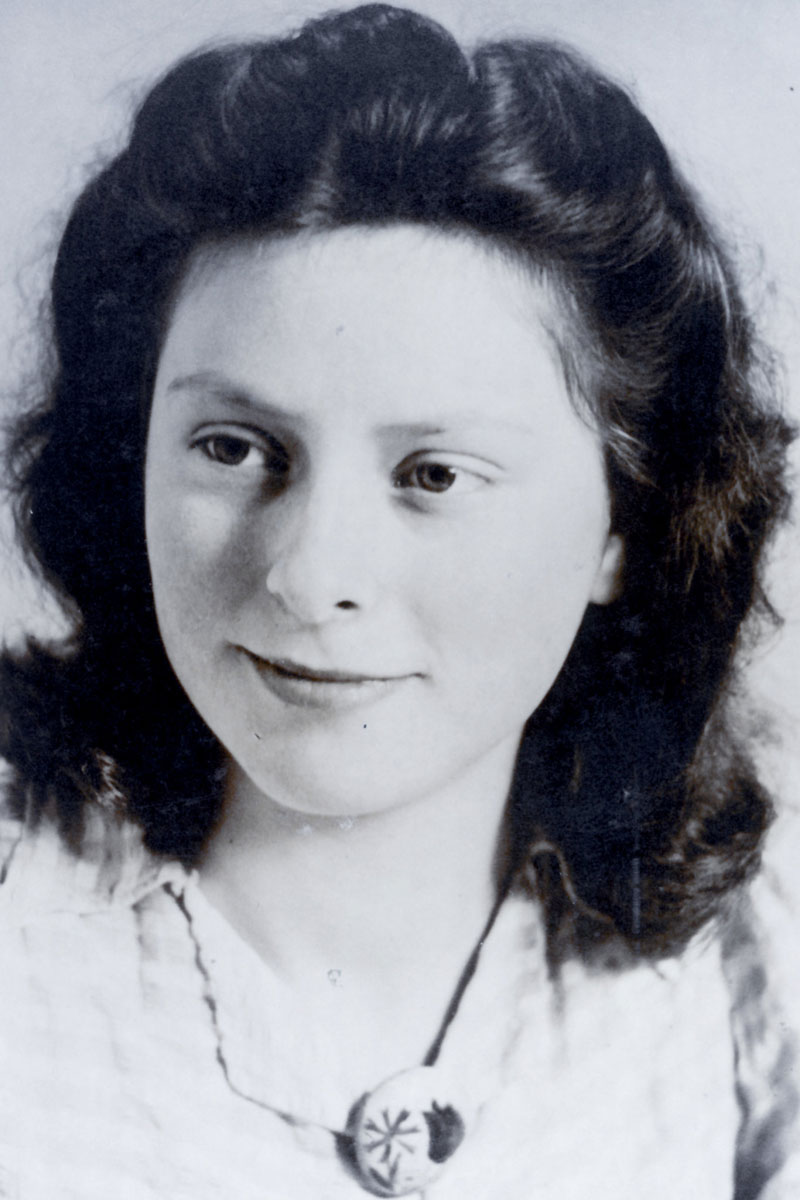
Freddie received firearms training and other instruction from resistance leaders to prepare her for her missions. Some of her earliest efforts included using her charms to flirt with Nazi guards to get them to lower their defenses so she could commit arson at supply depots and warehouses. They blew up bridges and train tracks in order to make it more challenging for the Nazi soldiers to complete their tasks. At one point, they even planted a communist flag at the local Nazi headquarters. Freddie became the first girl in the group to kill a Nazi soldier when she was 15 years old.
Freddie and Truus utilized bicycles to make movement between targets more efficient and aid in their escape. They would even commit “drive bys.” Truus would steer a bicycle while Freddie sat on the back and shoot at their target before fleeing the scene. Another tactic the girls used was frequenting bars and other local hangouts, asking Nazi soldiers if they’d like to “take a stroll,” hinting at the possibility of a sexual liaison. The men usually agreed eagerly, and the girls led them into the woods, where instead of a dalliance the men were met with bullets from the girls’ own guns or fired at from other resistance fighters lying in wait.
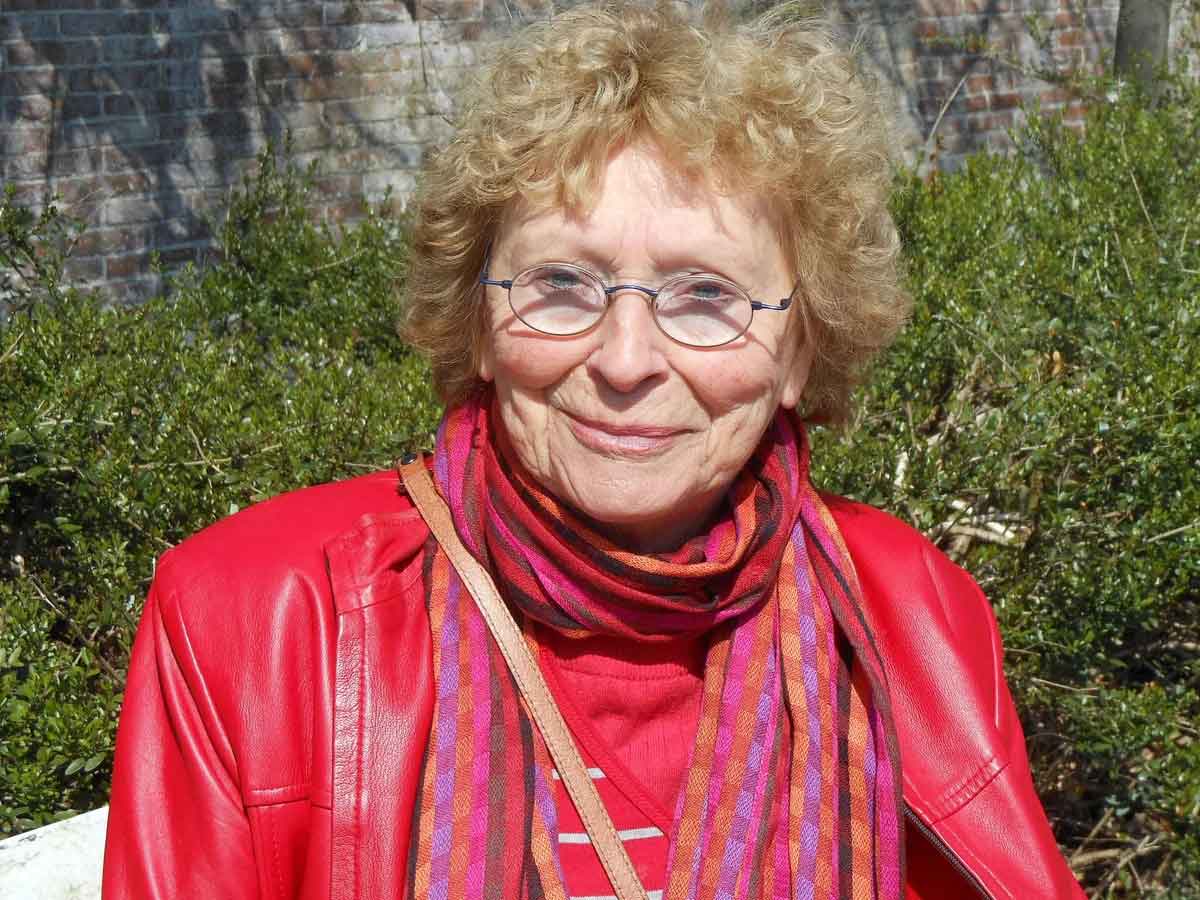
Though Freddie became a fierce and dedicated member of the resistance, she had her limits. She later spoke of the conflicting feelings she felt while carrying out assignments. Though she didn’t hesitate to fire a weapon, she said that her first instinct after making a shot was to help the fallen get back up. Though she believed in the cause fervently, she was not a cold-blooded killer.
On one assignment, the girls were asked to kidnap the children of a Nazi officer. They were to be exchanged for members of the resistance that were imprisoned by the Nazis. However, if the deal went south, the instructions were to kill the children. Freddie, Truus, and Hannie refused to complete the mission. Freddie later recalled that such an action would have been more in line with that of a Nazi, not a resistance fighter, stating, “resistance fighters don’t murder children.” It is impossible to say just how many lives were saved by Freddie and her fellow fighters, but their contributions to protecting the Dutch people during the course of the war were formidable.
Lifelong Turmoil
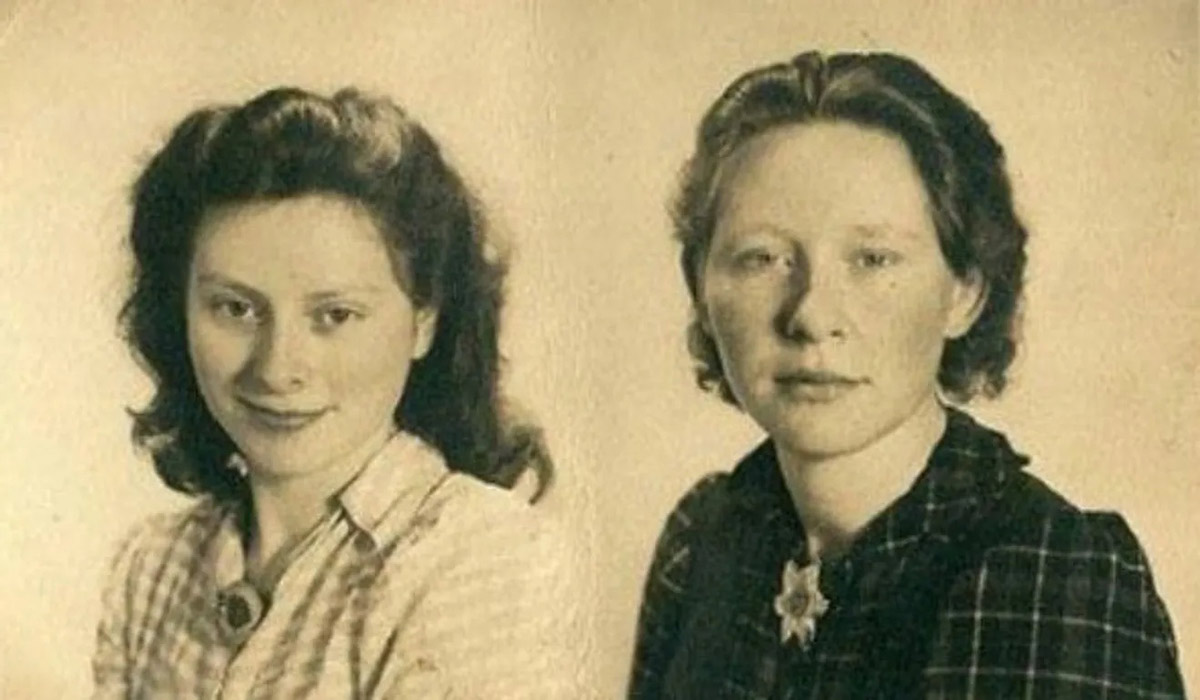
Freddie never discussed how many people she had killed as a member of the resistance. She often gave the response “One should not ask a soldier any of that,” considering herself and her fellow resistance fighters no different than any other front-line soldier during the war years. She did maintain that what she did was a “necessary evil,” and that the resistance only killed those that “betrayed the good people.” Despite the necessity of her efforts, Freddie still struggled with her actions long after the war. She and Truus recalled often crying after completing their assignments.
Truus once said in an interview, having to commit atrocities in defense of the innocent never “suited” them, though they felt it had to be done. She said it “poisons the beautiful things in life.” Though Truus often spoke publicly about their experiences, Freddie preferred to live her life out of the spotlight. She married and had three children and found that focusing on family helped her let go of some of her wartime trauma. Nevertheless, she suffered from insomnia and depression. She and Truus often felt as if their contributions to the resistance were unacknowledged and downplayed, especially by fellow resistance members who were male.
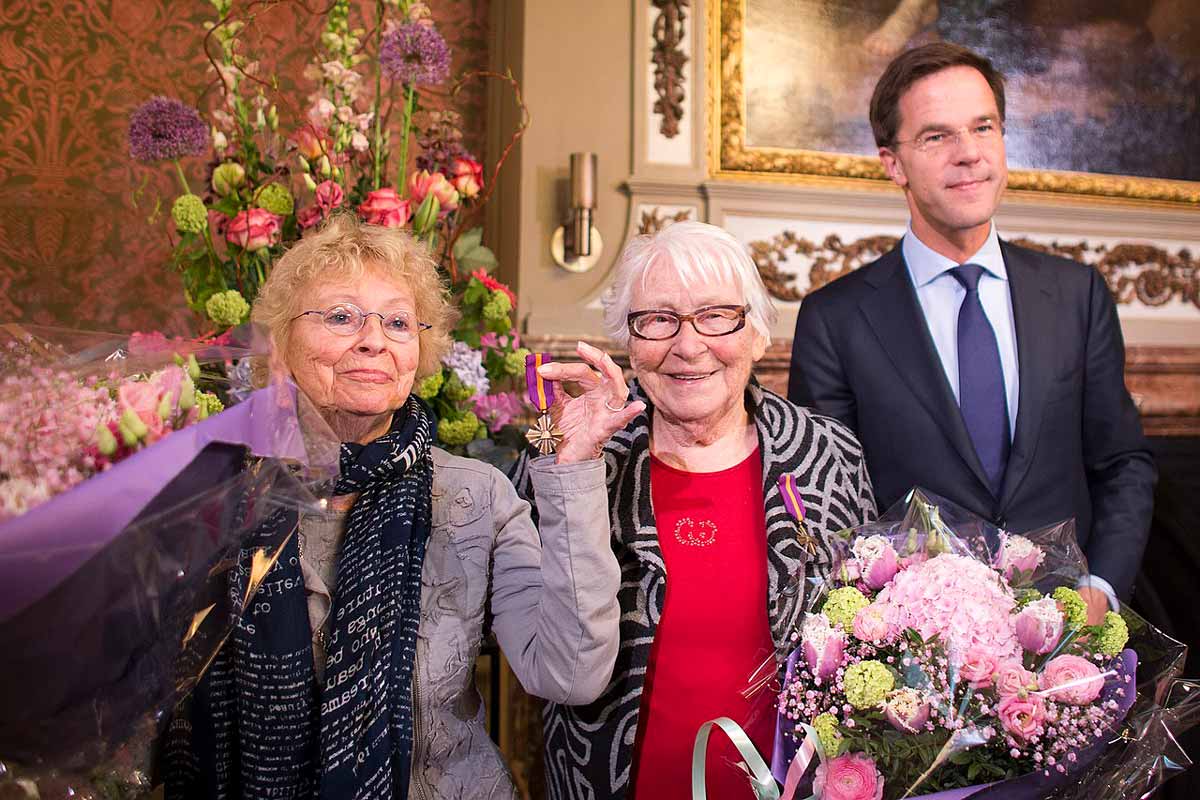
She dealt with the competing feelings of wanting to forget her actions while also being proud of her contributions to defeating the Nazis. They were finally publicly acknowledged in 2014, when they were awarded the Mobilization War Cross by the Dutch prime minister. Freddie and Truus also each had a street in Haarlem named after them. Multiple books have been written about Freddie, along with Truus, Hannie, and their resistance efforts.
The sisters participated in interviews about their experiences with the authors, including Ellis Jonker and Time correspondent Sophie Poldermans, who wrote Seducing and Killing Nazis, Hannie, Truus, and Freddie: Dutch Resistance Heroines of WWII.
Freddie died of a heart attack at age 92 in 2018, just a few days before her 93rd birthday. Truus predeceased her sister by two years.
Freddie Oversteegen suffered immensely as a result of her heroic efforts to save others. Saddled with post-traumatic stress and memories of violence, she was forced to confront the horrors she observed and the sometimes brutal acts she committed in defense of others over and over in her memories. In consideration of this, Oversteegen’s legacy is even more important in the annals of world history. Not only did she risk her life in defense of the innocent and wronged, she sacrificed her peace at the cost of doing the right thing. Freddie Oversteegen is an icon of femininity and courage for the ages.