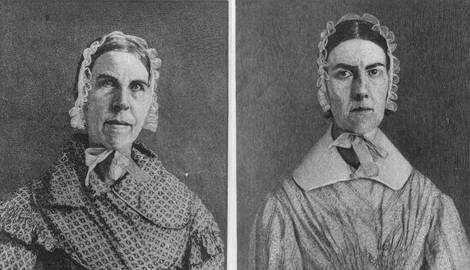

Sarah and Angelina Grimké were revolutionary figures in the 19th century, advocating for the liberation of enslaved people and women’s rights. Though they grew up on a plantation in the South, they bravely left their genteel lives and started anew in the North, where they met others who agreed with their religious beliefs, passion for women’s rights activism, and hatred of slavery. The Grimké sisters ignited social change, and their work left a lasting impact on both the abolitionist and women’s rights movements, including women’s suffrage.
The Grimké Sisters’ Early Beginnings
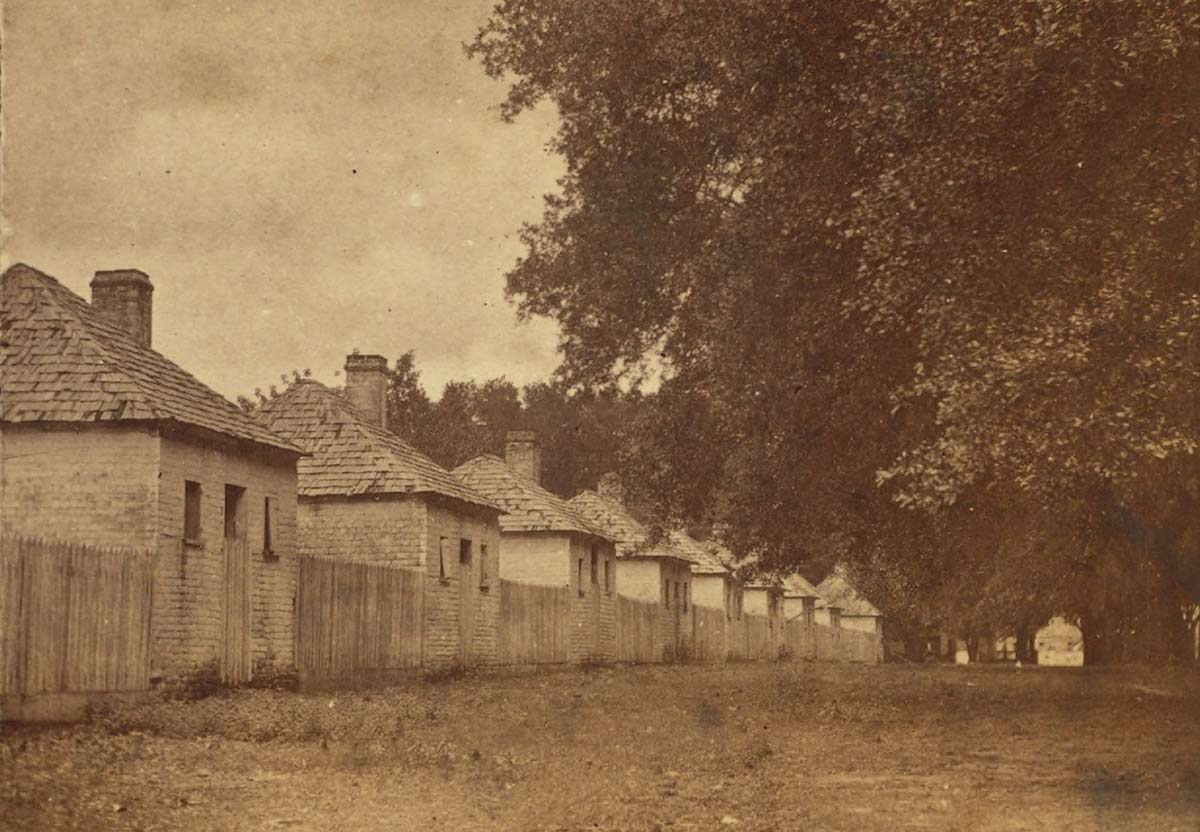
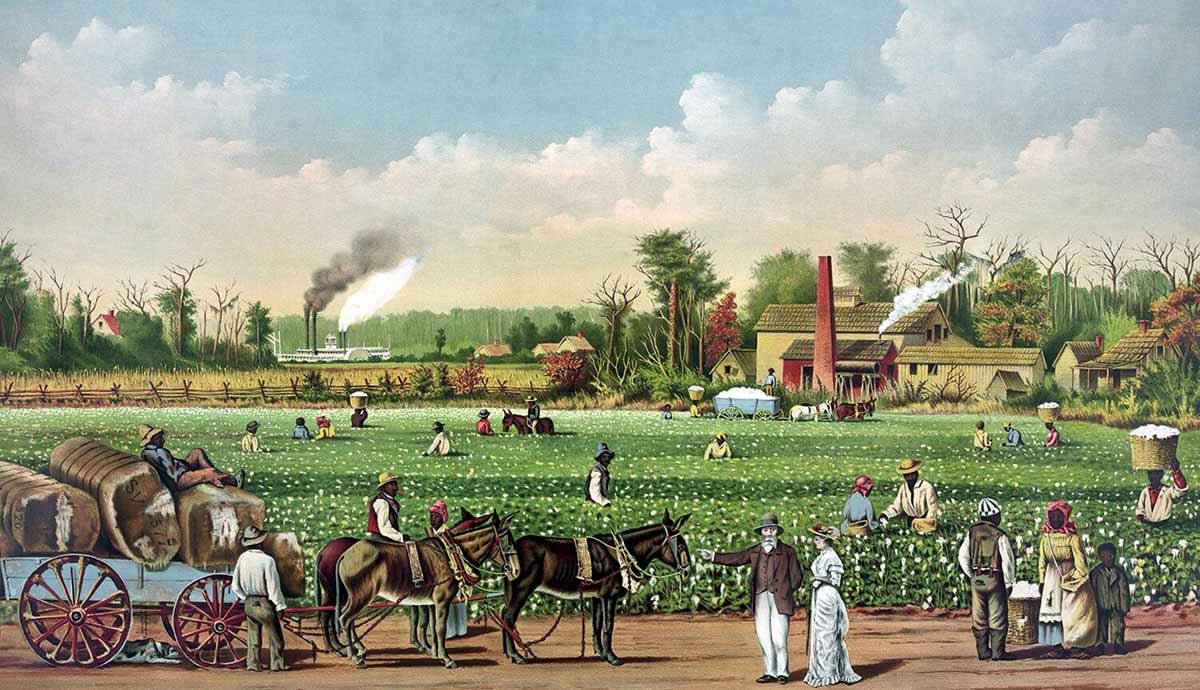
Sarah Moore Grimké (1792-1873) and Angelina Grimké Weld (1805-1879) were born in Charleston, South Carolina, to parents who were enslavers. The sisters grew up on a plantation surrounded by twelve other siblings and hundreds of enslaved people who labored in their household and on their property.
Their father, John Faucheraud Grimké, was a judge for the state supreme court, and their mother, Mary Smith, was a “plantation wife” who helped oversee the plantation. Neither parent was emotionally engaged with the children. John believed women should be subordinate to men, and Mary was known for mistreating and abusing enslaved people.
Sarah and Angelina grew up as privileged, white women in the Antebellum South. They were taught by private tutors in sewing, painting, and music. Though they were not allowed to learn subjects taught to boys in school, their brothers dismissed this idea and gave them lessons in mathematics, Latin, Greek, and geography. The educational limitations they faced due to their gender would ultimately inspire the sisters to advocate for women’s rights.
On her eleventh birthday, Sarah was given “ownership” of an enslaved girl named Hetty, and the two became close friends. From an early age, Sarah possessed anti-slavery sentiments. She treated Hetty well and sought to protect her and even tried to convince her parents to abandon slavery. When she attempted to hold prayer meetings and educate enslaved people, including Hetty, on how to read and write, Sarah’s parents stopped her.
Sarah’s anti-slavery sentiments influenced Angelina’s own ideas and thoughts. With a 13-year age gap between them, Sarah was more of a motherly figure for Angelina as she helped raise her, guiding her and teaching her to treat people equally. Witnessing the cruelty enslaved people endured impacted the sisters and would later influence them to speak out against the institution of slavery on a national scale.
Sisters as Quakers
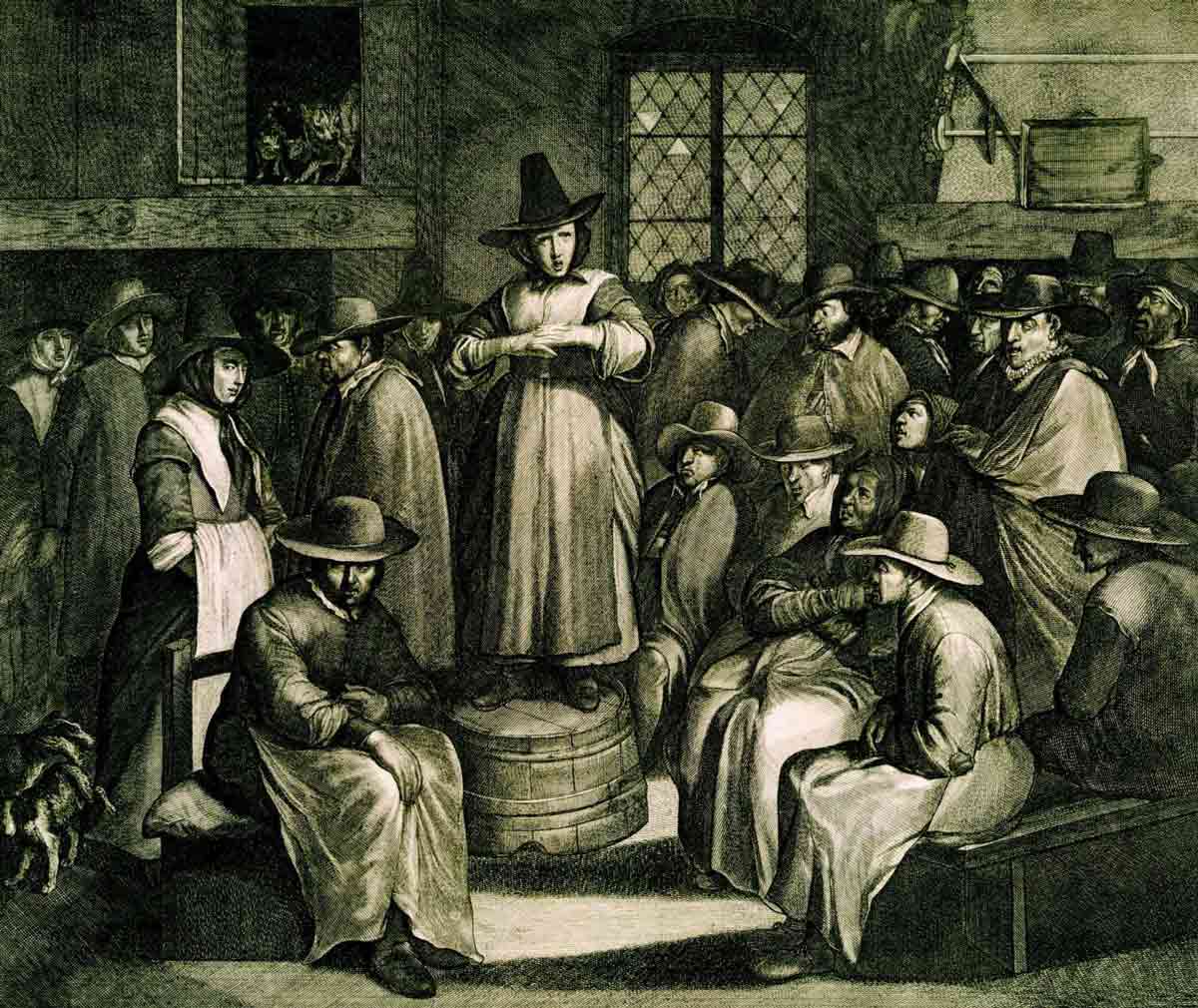
At the beginning, the sisters were heavily driven by religion as a reason for why slavery should be abolished. They believed slavery was a sin and that owners of enslaved people would be punished by God. They also believed that every person should be treated equally because God loves all of creation.
In 1819, Sarah and her father visited Philadelphia, Pennsylvania, where they met many members of the Quaker religion. Though she had grown up in the Episcopal church, Sarah was drawn to Quakerism. The Quakers she met believed in egalitarianism and expressed the need to abolish slavery as they felt that it was inherently evil and that they had a responsibility to help the marginalized in society. Quakerism also supported women, allowing them to be preachers and even leaders in the church. In 1821, inspired by their views on equality in society, women’s rights, and abolition, Sarah moved to Philadelphia to join the Quakers. Angelina later joined her.
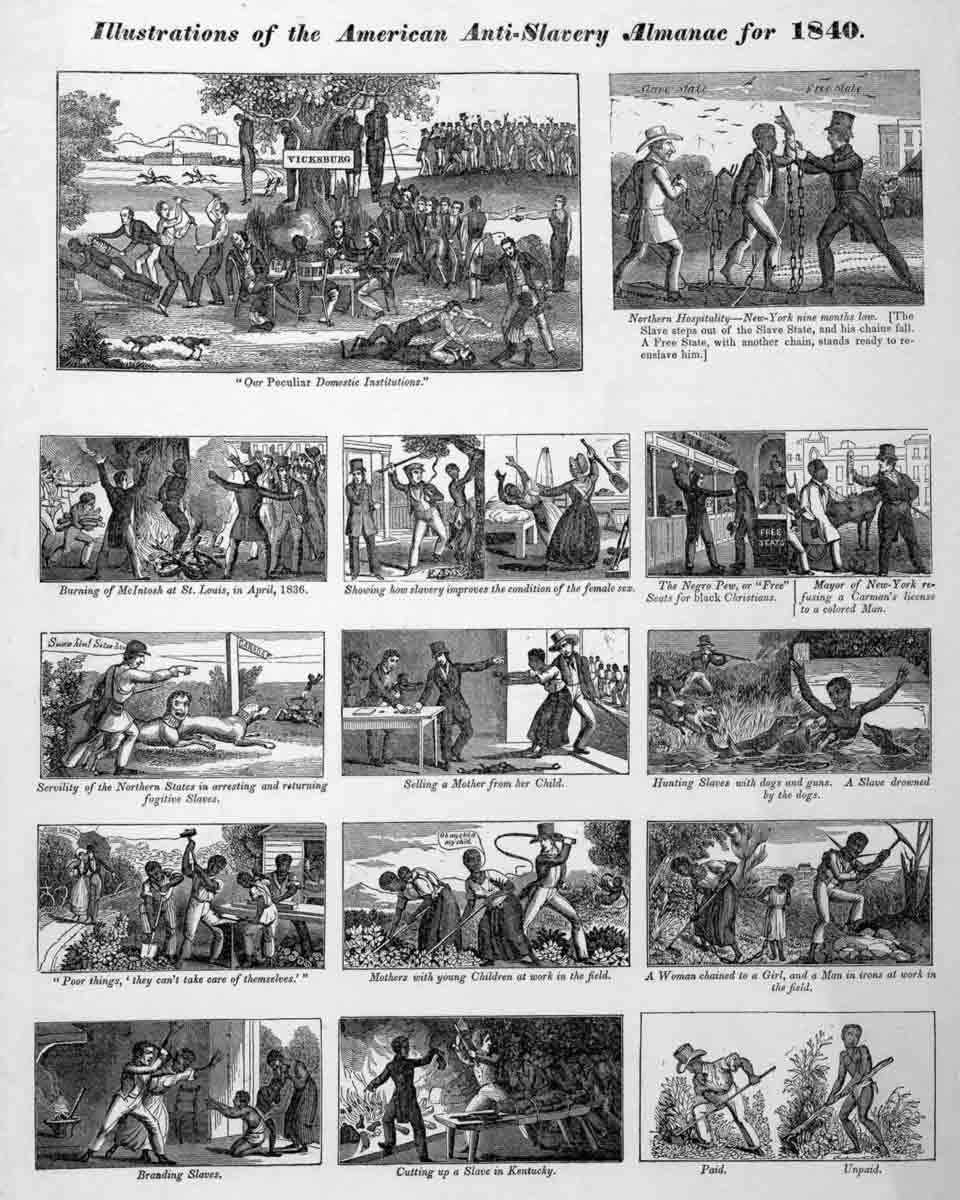
In Philadelphia, the sisters became Quakers and joined anti-slavery groups. They spoke out about the evils of slavery and the abuse that enslaved people faced on plantations. In 1835, they joined the Philadelphia Female Anti-Slavery Society, which was established two years earlier in response to the founding of the male-only American Anti-Slavery Society. Few women had attended conventions of the American Anti-Slavery Society, and yet the society was still met with resistance to mixed gender conferences and audiences.
Though the American Anti-Slavery Society had integrated membership, with Black members and speakers sharing stories of the horrors of slavery to audiences, Black people were not given leadership roles. On the other hand, the Female Anti-Slavery Society was one of the most integrated abolitionist societies in the US, and its members largely supported both white women and Black women to take on leadership roles.
The members of the society called for education for all children, regardless of gender or race, and opened schools. They wanted full representation and created an anti-slavery society where everyone would feel welcome and believed there was a space for them to make a difference. Women in the Female Anti-Slavery Society were motivated to fight for abolition, and the abolitionist movement gave them the chance to see their politics in action and witness the success of their hard work.
Publications and Activism
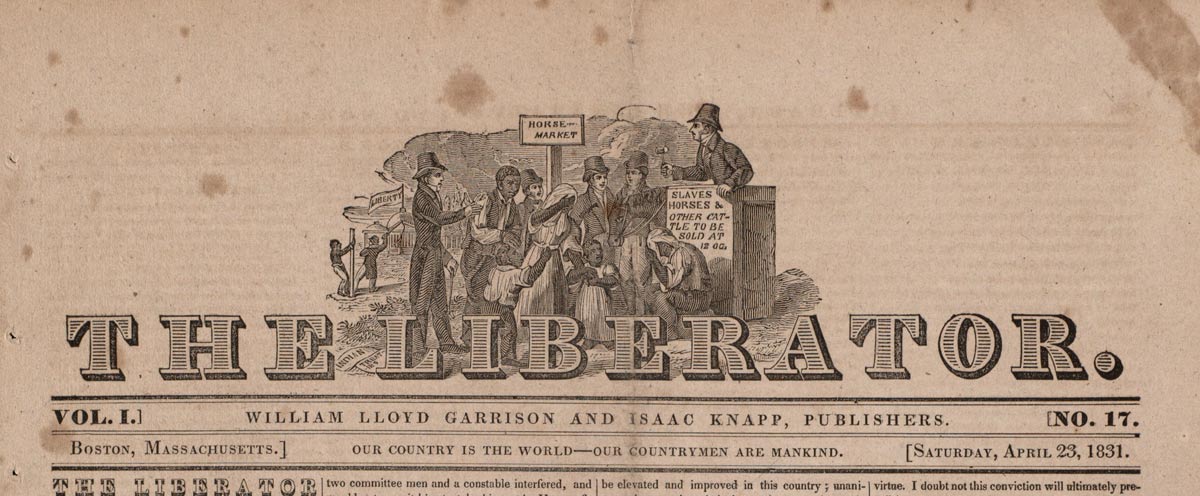
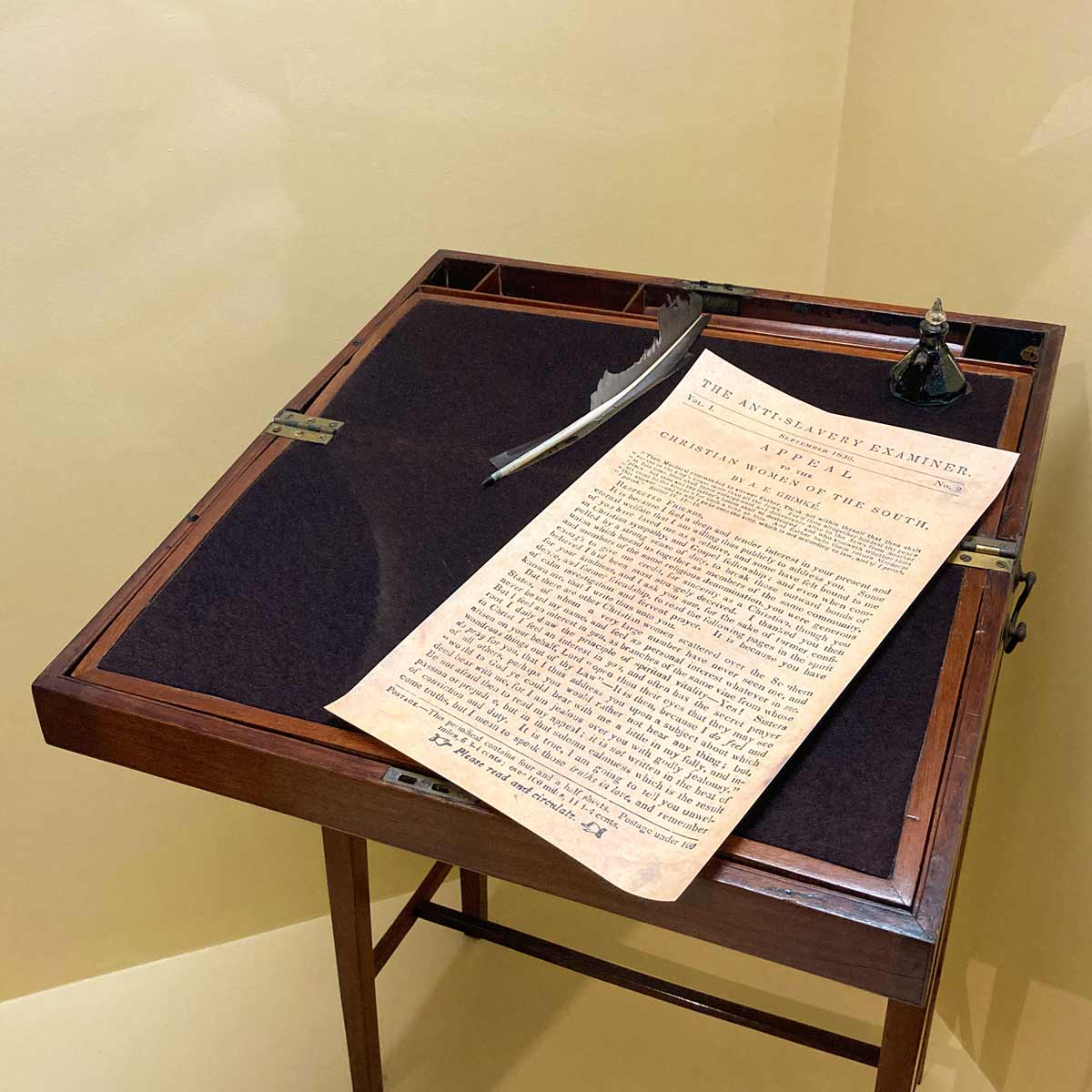
In 1835, Angelina wrote a letter to abolitionist leader and publisher William Lloyd Garrison. Garrison, without her explicit consent, published the letter in his newspaper, The Liberator. This began her career as a speaker and writer for the abolitionist movement. A year later, Angelina wrote her pamphlet, An Appeal to the Christian Women of the South, which urged Southern women to join the anti-slavery movement. That same year, Sarah penned the Epistle to the Clergy of the Southern States, similarly arguing against the enslavement of Black people.
These publications were met with resistance and outrage in South Carolina, and the sisters were threatened with imprisonment if they ever returned to Charleston. The General Association of Congregational Ministers of Massachusetts also expressed disdain for the sisters’ writings and did not like that the two women were giving speeches in front of men.
Though they were met with criticism and threats, the sisters continued writing. In 1837, Angelina wrote Appeal to the Women of the Nominally Free States, and Sarah authored Letters on the Equality of the Sexes and the Condition of Women, published in 1838. These publications addressed equality, women’s rights, and the need to support Black people.
Garrison invited the Grimké sisters to tour New York and New Jersey as the American Anti-Slavery Society’s first female agents. They were the first women to speak in front of a state legislature as representatives of the American Anti-Slavery Society. Addressing large audiences with both women and men in attendance, the sisters spoke openly and honestly about the unequal treatment of women in their community and the sins of slavery. They gave first-hand accounts of the evils of slavery on plantations. However, they were once again critiqued for their “unfeminine” behavior of speaking in front of audiences.
Continued Activism
Outraged by the bigotry and criticisms they faced due to their gender, the Grimké sisters began focusing heavily on advocating for women’s rights, with Angelina writing letters for The Liberator to address the plight of women in society. In 1838, Angelina married fellow abolitionist Theodore Weld. After her marriage, however, Angelina was forced to leave Quakerism because Theodore was not a Quaker himself.
Despite this setback, the Grimké sisters continued to speak and write about abolition and women’s rights. Days after getting married, Angelina spoke in front of the annual anti-slavery convention in Philadelphia. The building where it was held was then burned down by an angry mob that night.
In 1839, the sisters, along with Theodore, published American Slavery As It Is: Testimony of a Thousand Witnesses, and they began their work in education. That same year, Angelina gave birth to her first child. She would go on to have two more children over the coming years. By 1851, Sarah and Angelina were the directors of a boarding school and later opened a second school in New Jersey, where they taught students until 1862.
When the American Civil War broke out, Sarah wrote to President Abraham Lincoln in support of the abolition of slavery. During this time, the sisters welcomed their nephews, the sons of their brother Henry and a woman he enslaved, Nancy Weston, into the home they shared with Theodore. They supported their nephews in their education, with one nephew going on to attend Harvard Law School and the other attending Princeton Theological Seminary.
The Grimké Sisters’ Later Years and Legacy
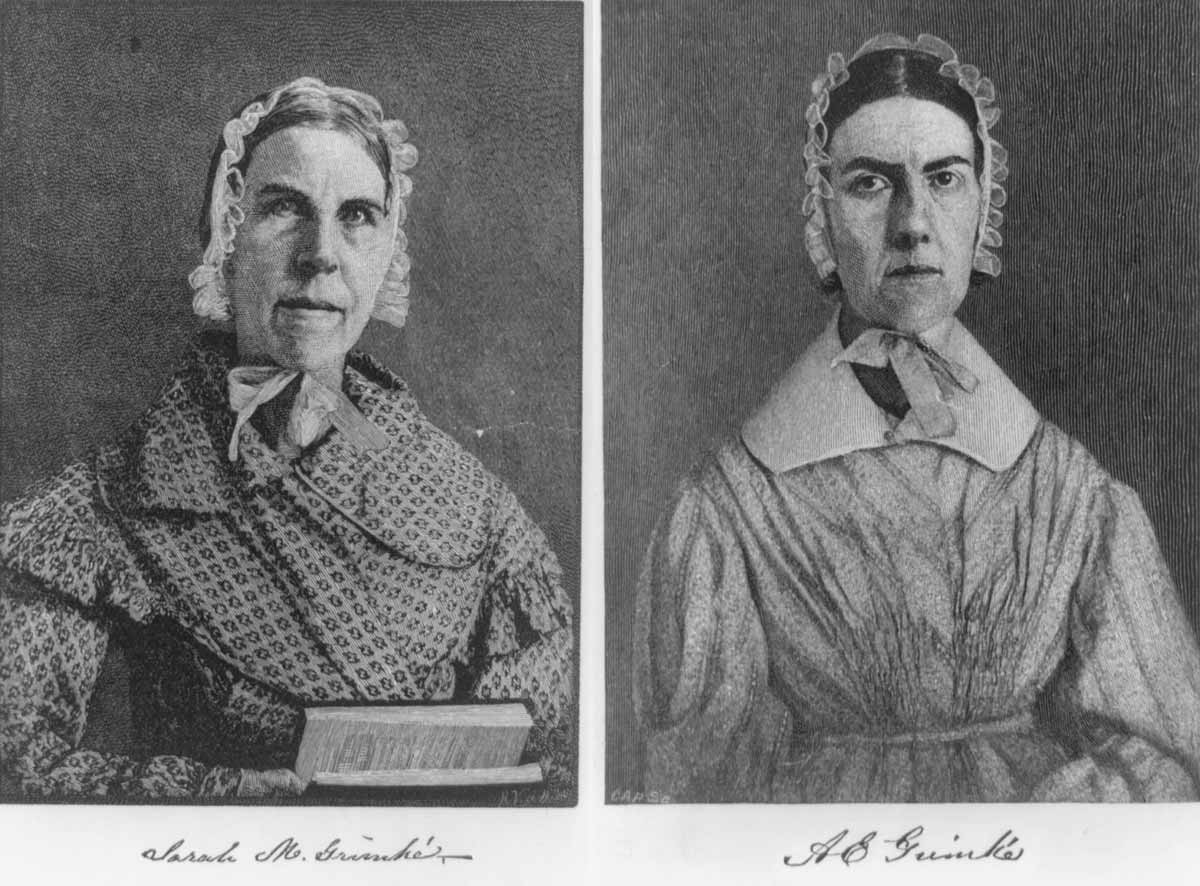
The Grimké sisters continued to fight for women’s rights and the rights of Black people for the remainder of their lives. After the family moved to Massachusetts in 1864, Sarah became the vice president of the Massachusetts Woman Suffrage Association in 1868.
In 1870, the two sisters, along with a group of other women activists, attempted to vote in a local election, despite it being against the law. Even in their elderly age, the women were known to encourage people, particularly women, to engage with feminist literature and stand up for gender equality.
The story of Sarah Grimké and Angelina Grimké Weld is a story about two Southern women from a slave-holding family who left their lives behind in the South to become champions for change. The sisters showcased what women can accomplish when they work together. They were prominent abolitionists and trailblazers for women’s rights, and their work would continue to influence the women’s suffrage movement into the 20th century.