Located on the Adriatic coast between Croatia and Albania, Montenegro is a small country known for its natural beauty. While Montenegro’s beaches and mountains are its chief attraction, The country also has much to offer for discerning travelers with an interest in the Montenegro’s rich history, which combines strong Venetian, Ottoman, and Serbian influences with a distinct Montenegrin national identity. Much of Montenegro’s history can be found within the walls of the cities and fortresses below.
1. St John’s Fortress, Kotor
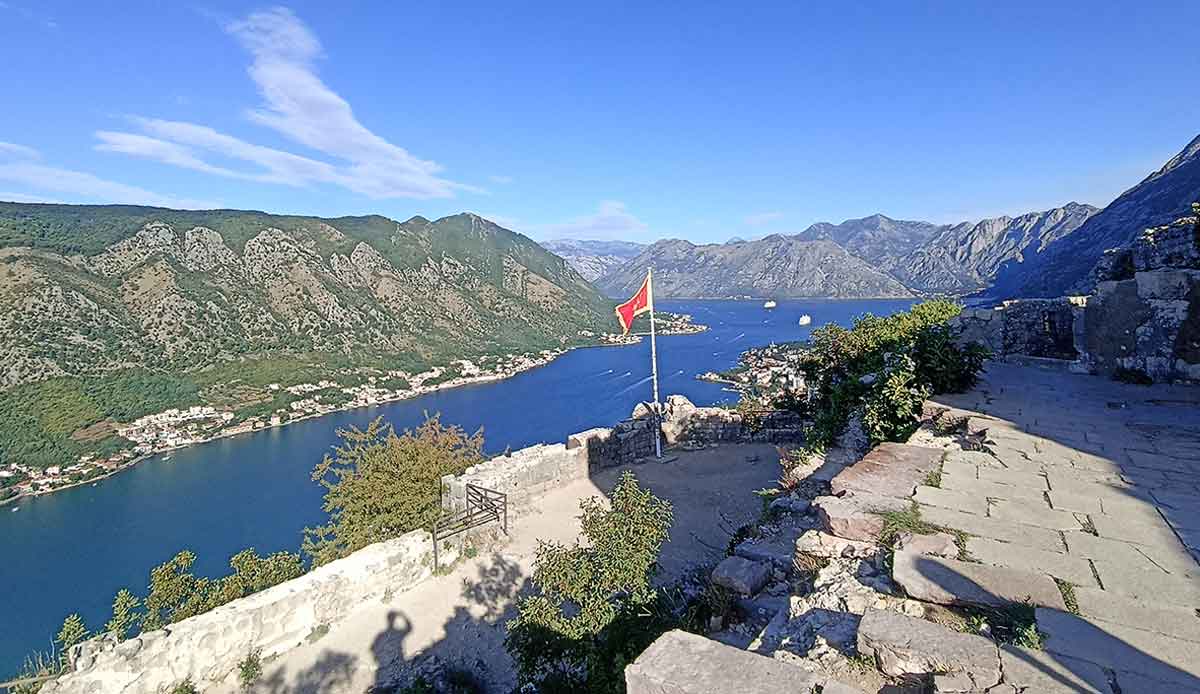
The port town of Kotor located on the eastern part of the eponymous Bay of Kotor is one of Montenegro’s most popular tourist destinations. The town owes its status as a UNESCO World Heritage Site to four centuries of Venetian rule between 1420 and 1797, when it was known by the Italian name of Cattaro.
Kotor’s well-preserved network of fortifications surround the triangular Old Town and extend up the steep western slopes of Mount Lovcen to the Fortress of St John, built by the Venetians on the site of a Byzantine fortress. After the fortifications were severely damage during a major earthquake in 1979, significant repairs were carried out in the early 2000s to develop the site as a tourist attraction.
Visitors can reach the fortress either by climbing the stairs along the ramparts from the Old Town, or by taking the Kotor Ladder, an old mule track behind the town which leads up towards Mount Lovcen and beyond towards the old capital of Cetinje.
While the crumbling structures at the top of the fortress are of limited interest in themselves, the climb to the top offers unforgettable panoramic views of the Bay of Kotor and the Old Town below.
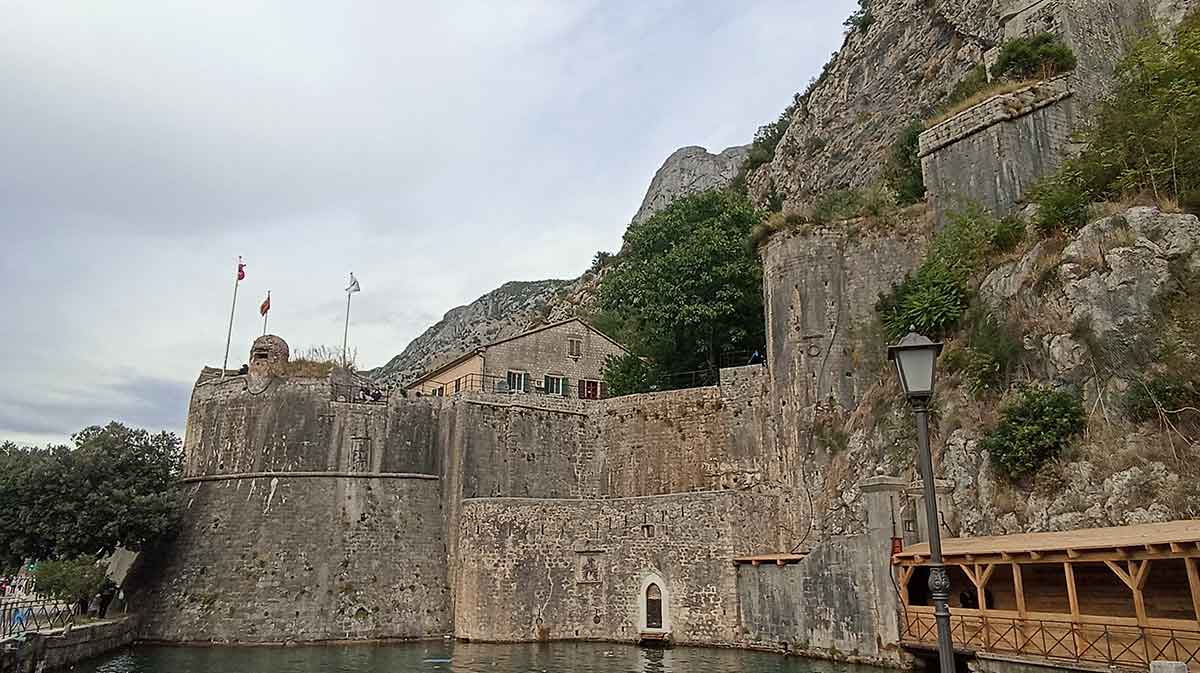
The small Old Town below the fortress has also plenty to offer to visitors. While it is worthwhile to simply get lost among its narrow streets and alleyways, Kotor’s main attractions include St Tryphon’s Cathedral, a 12th century Romanesque building catering to the Roman Catholic population, and the domed Orthodox Church of St Nicholas from the early 20th century.
Like the other towns along the bay, Kotor’s history is closely connected to the sea. The Kotor Maritime Museum offers visitors the opportunity to learn about the maritime heritage of the town and the wider Bay of Kotor. During the 18th and 19th centuries, several sailors from the Bay of Kotor went on to achieve great distinction with the Russian and Austro-Hungarian navies. Matija Zmajević from nearby Perast entered Russian service in 1712 and played a major role in the victory over the Swedish fleet at the Battle of Gangut in 1714 and was later promoted to vice-admiral. Kotor is also known for its large feline population and visitors can enter the small Kotor Cats Museum for a small fee.
2. The Fortified Island of Sveti Stefan
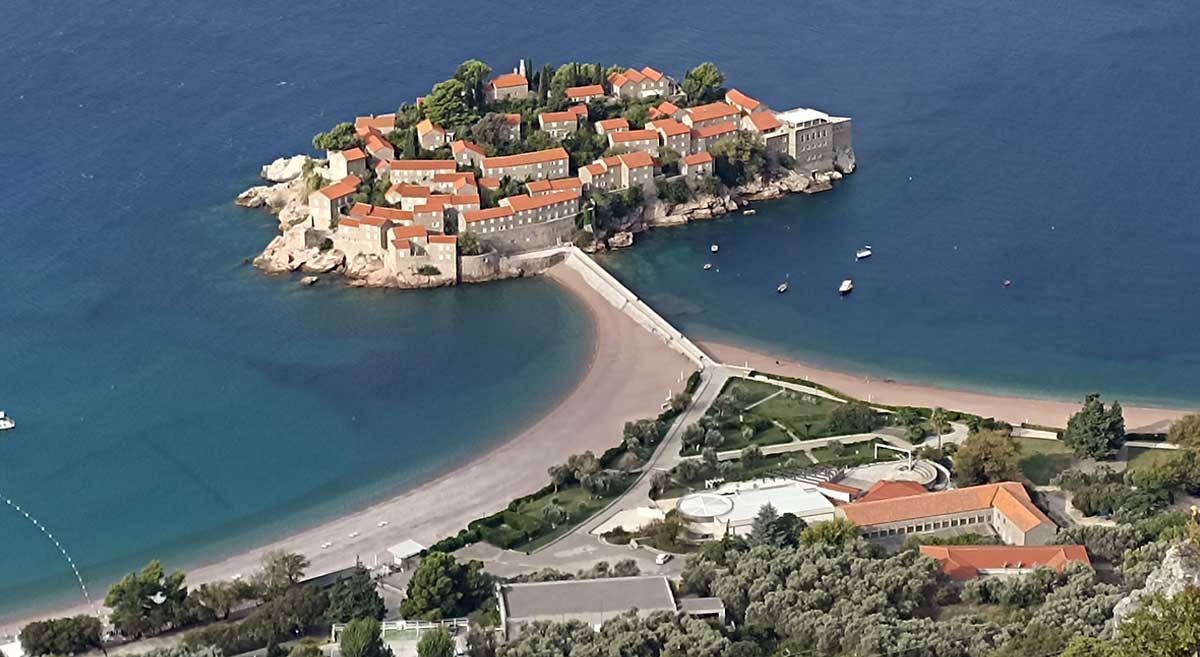
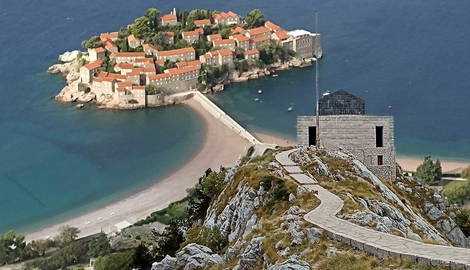
The fortified island of Sveti Stefan is one of the most picturesque spots on the Montenegrin coast. A few miles south of Budva, the island was home to the Paštrovići clan and served as a haven for anti-Ottoman pirates during the 15th century. The extant fortifications were built by the Venetians in the 16th century.
From the 1960s onwards, the island began to attract a clientele of celebrities including Marilyn Monroe, Sophia Loren, Princess Margaret, and Elizabeth Taylor. While tourism was disrupted by the Yugoslav Wars in the 1990s, Sveti Stefan has experienced a revival after Montenegro gained independence from Serbia in 2006.
Since 2009, the island itself is part of a private 5-star hotel resort alongside the nearby Villa Miločer, built in the 1930s for Queen Marija Karađorđević, the widow of the assassinated King Alexander I of Yugoslavia.
Although it is no longer possible to visit the island without emptying your pockets for a stay at the Aman Sveti Stefan resort, the small village on the mainland has a stretch of beach and a quaint charm of its own. Roadtrippers with access to a car can drive up the mountains to the viewpoint at the Church of St Sava for the picture postcard view of the island.
3. The Old Royal Capital of Cetinje
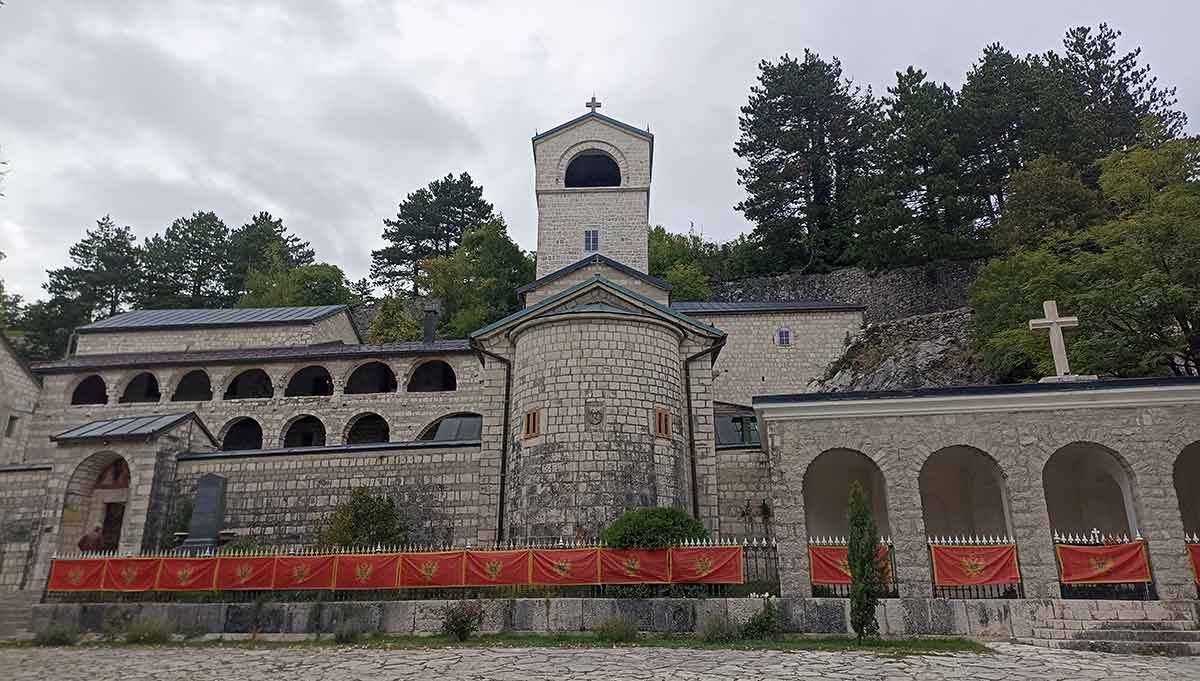
A quiet little town of some 12,000 people, Cetinje is the old royal capital of Montenegro and one of the most significant sites in Montenegrin history. Founded by Ivan Crnojevic in 1478, Cetinje was home to the prince-bishops of Montenegro between 1516 and 1852.
While Montenegro was conquered by the Ottoman Empire in 1496, the Montenegrins who retreated inland into the mountains continued their armed resistance and maintained a considerable degree of autonomy from the Turks. During the 16th and 17th centuries, Montenegrins often fought alongside the Venetians in their wars with the Ottoman Empire.
During the reign of Metropolitan Danilo between 1697–1735, the office of prince-bishop or vladika was transformed into a hereditary possession of the House of Petrović-Njegoš. Since officeholders had to be celibate, this typically meant that the succession passed to cousins or nephews.
The vladika exercised his power from Cetinje Monastery, founded by Ivan Crnojevic in the 1480s and restored by Metropolitan Danilo in the early 1700s. Danilo was the first Montenegrin ruler to seek protection from the Russian Empire, although this did not prevent the Ottomans from launching occasional incursions into Montenegro in the 18th century.
Montenegro reached new heights in the 19th century under prince-bishops Petar I and Petar II. The former ruled for almost half a century between 1782 and 1830 and was a talented military leader and statesman who centralized power and steered the country through the Napoleonic Wars. He was canonized as Saint Peter of Cetinje shortly after his death.
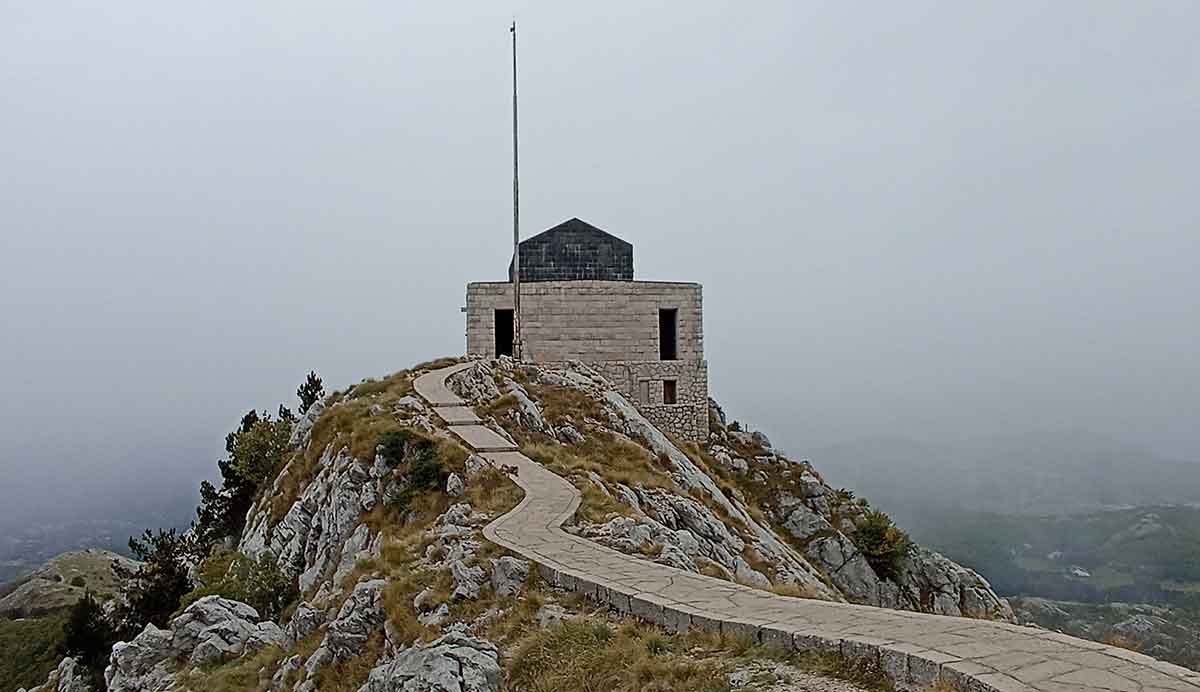
Petar I was succeeded by his teenage nephew Rade Petrović, who assumed the throne as Petar II. Although he achieved less military glory than his uncle, Petar II established formal political institutions. Known as Njegoš to most Europeans, he is also revered as Montenegro’s national poet, and his epic poem The Mountain Wreath is considered the Serbian national epic. (The Montenegrins considered themselves Serbs until the 20th century.)
In 1838, Petar II began construction of a new palace near the Cetinje Monastery known as Biljarda after its billiards table. Following Petar’s death in 1851, he was buried in a mausoleum on Mount Lovcen, the “black mountain” that gives Montenegro its name. Both Biljarda and the Njegoš Mausoleum are managed by the National Museum of Montenegro.
In 1852, Petar’s nephew and successor Danilo II transformed his realm into a secular principality. Danilo left no son after his assassination in 1860 and was succeeded by his nephew Nikola, who extended Montenegro’s frontiers to the Adriatic coast after capturing the fortresses of Bar and Ulcinj from the Ottomans, leading to formal recognition of Montenegrin independence in 1878.
Nikola became the first and only king of Montenegro in 1910 but was forced into exile during World War I prior to the abolition of the monarchy in 1918. Between 1867 and 1916, he lived at the Cetinje Royal Palace opposite Biljarda. The two-story palace is now a museum that houses the crown jewels of Montenegro and other exhibits connected to Montenegrin royalty. The neo-Renaissance Government House built in 1910 to house the royal administration is home to the National Museum of History and Art.
Although the Montenegrin monarchy was never restored, Cetinje remains an important center of Montenegrin national identity, and the Blue Palace in Cetinje serves as the official residence of the President of Montenegro.
4. Stari Bar Fortress
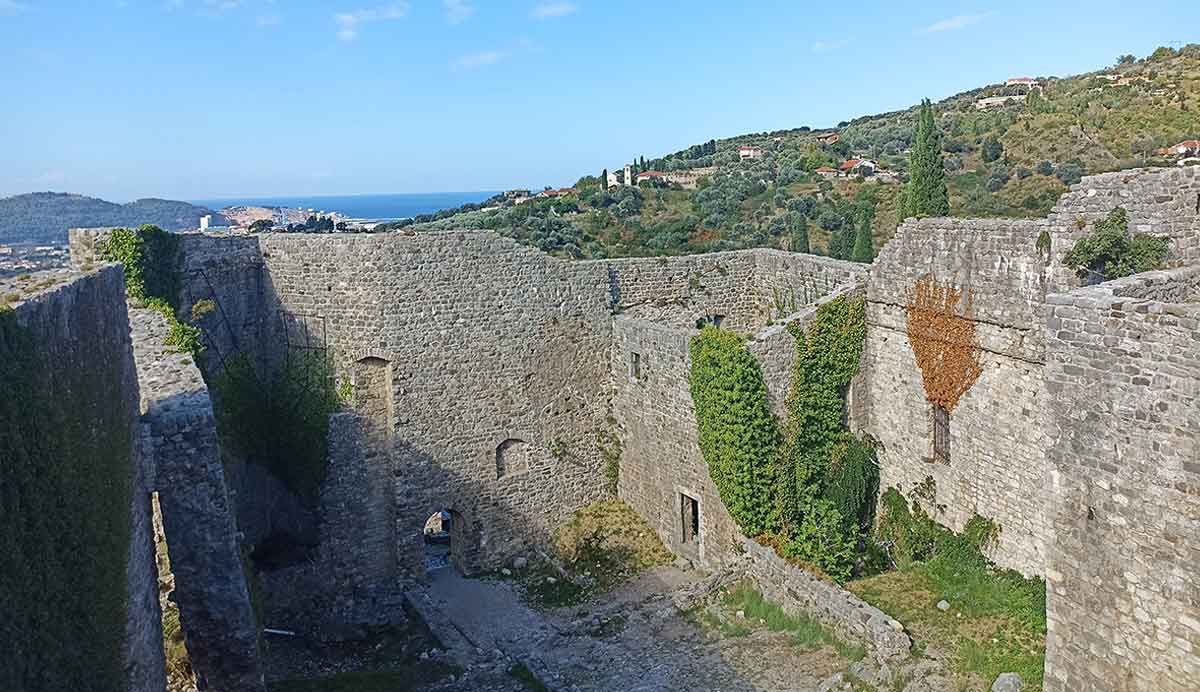
The port of Bar in southern Montenegro was known in antiquity as Antibari since it lies across the Adriatic from the port city of Bari in southern Italy. After several hundred years of Slavic rule between the 6th and 14th centuries AD, Bar developed rapidly under two centuries of Venetian rule until it was captured by the Ottomans in 1570. The Ottomans ruled the port for three centuries until it was successfully besieged by Prince Nikola in 1878.
Bar is divided into the modern port of Bar on the Adriatic coast, and the town of Stari Bar or Old Bar around two miles inland. Located on a hill overlooking the coast, the Fortress of Stari Bar remains largely intact. Visitors can climb up the walls of the citadel for panoramic views of the region and wander through the well-preserved old town.
Stari Bar was largely abandoned following the 1979 earthquake that damaged the 16th century aqueduct that supplied water to the town. The population relocated to the coast and built the modern town. A summer palace built by Prince Nikola in the 1880s now serves as the city museum. Another impressive landmark in the modern town is the towering Church of St John Vladimir, built between 2006 and 2016.
5. Budva Citadel
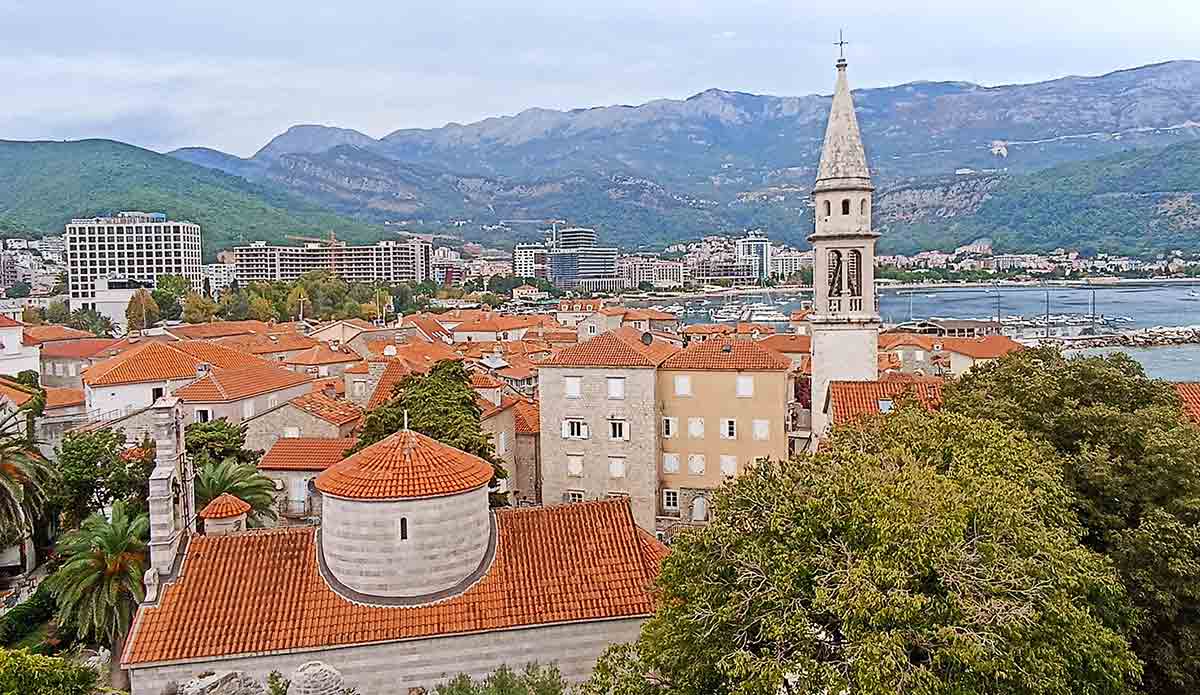
Around 25 miles up the coast from Bar, Budva is the largest city on the Montenegrin coast and a major tourist hotspot. Founded as a Greek trading settlement in the 5th century BC, the city is known for its attractive Old Town built during the period of Venetian rule between the 15th and 18th centuries. Visitors can learn more about the city’s history in the small Budva City Museum in the Old Town.
Budva’s imposing citadel is integrated into the city walls at the southern end of the Old Town. For a small fee, visitors can climb up the ramparts to enter the citadel, where they will find a large library, a small collection of model ships, and panoramic views of the city and the so-called Budva Riviera.
After wandering through the streets of the Old Town and admiring the views from the citadel, visitors can relax at the Mogren beach, accessible via a passage carved through the cliff. A short distance to the south of Budva’s Old Town lies the island of Sveti Nikola. It is a popular excursion for visitors to the city and has been ambitiously nicknamed Hawaii by local tour operators. Boat tours run on a regular basis from the city pier, around 15 minutes away from the Old Town by foot.
6. Fort Lesendro, Lake Skadar
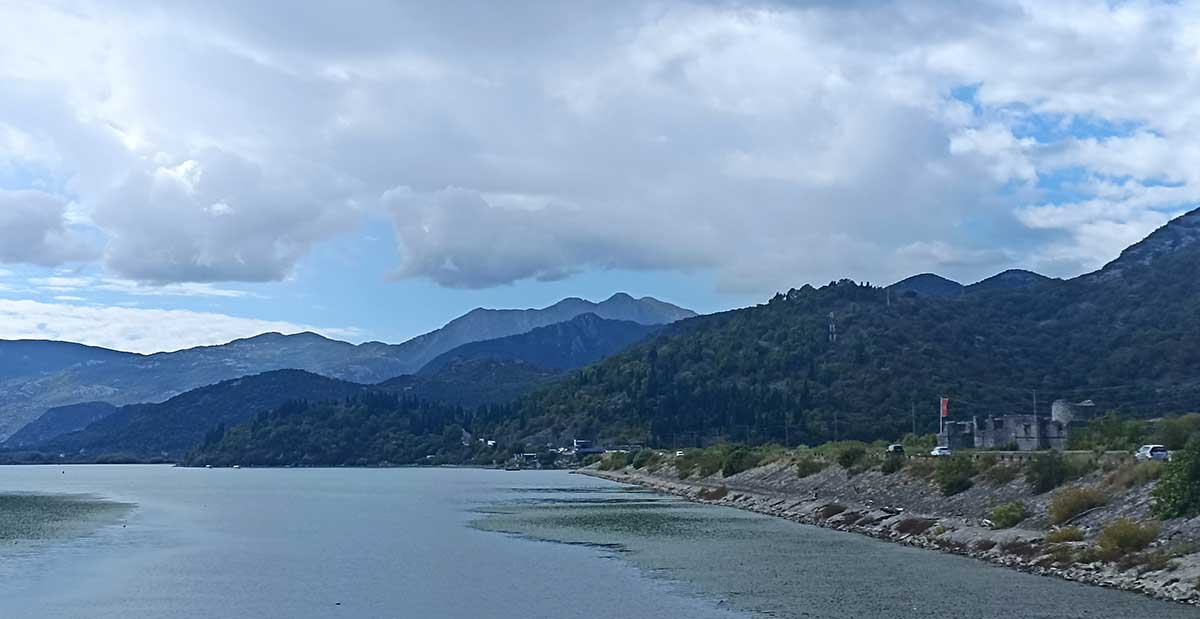
Straddling the border between Montenegro and Albania, Lake Skadar is the largest lake in southern Europe. Known for its rich biodiversity, the northern shore of Lake Skadar was home to the medieval Serbian principalities of Duklja (10th-12th centuries AD) and Zeta (12th-15th centuries AD).
After the Crnojević dynasty seized control of Zeta in the mid-15th century, the fortress of Žabljak Crnojevića near the lake briefly served as Zeta’s capital until 1478, when the Ottomans captured the Albanian city of Shkodër at the southern end of the lake. After retreating from Žabljak, Ivan set up his new base at Cetinje in the mountains.
The Montenegrins reoccupied the northern shore of Lake Skadar in 1832 and Prince-Bishop Petar II built Fort Lesendro to protect the entrance to the lake’s northern section and to collect customs revenue. However, after eleven years the fortress fell to the Ottomans in 1843, and Petar II spent the rest of his reign unsuccessfully trying to take it back. The fortress returned to Montenegrin control after Prince Nikola’s victory over the Ottomans in 1878.
In April 1913, Montenegrin troops captured Shkodër and the lake from the Ottomans after a six-month siege with the loss of some 10,000 men. Their costly success was short-lived as Montenegro was soon forced by the great powers to cede the city to newly independent Albania.
Since Fort Lesendro is next to a busy highway and railway line, it is not recommended to visit on foot. The fort can be seen from Vranjina on the eastern shore, where the Lake Skadar Visitor Information Center is located. Visitors can get a closer to the fort by taking the many boat tours of Lake Skadar from Vranjina or from Virpazar on the other side of the lake.