
In popular imagination, King Arthur is strongly associated with glorious castles, noble knights, and magical wizards. This is far removed from the reality of early Dark Age Britain in the 6th century AD. For instance, instead of castles, the centers of power were mostly either Roman settlements or reoccupied Iron Age hillforts. And what about Arthur himself? Did the legendary king really exist? In this article, we will examine five of the prime candidates for the historical King Arthur. Rather than being a single figure, they may all have contributed to the legend of the king.
1. Lucius Artorius Castus: The Roman Template
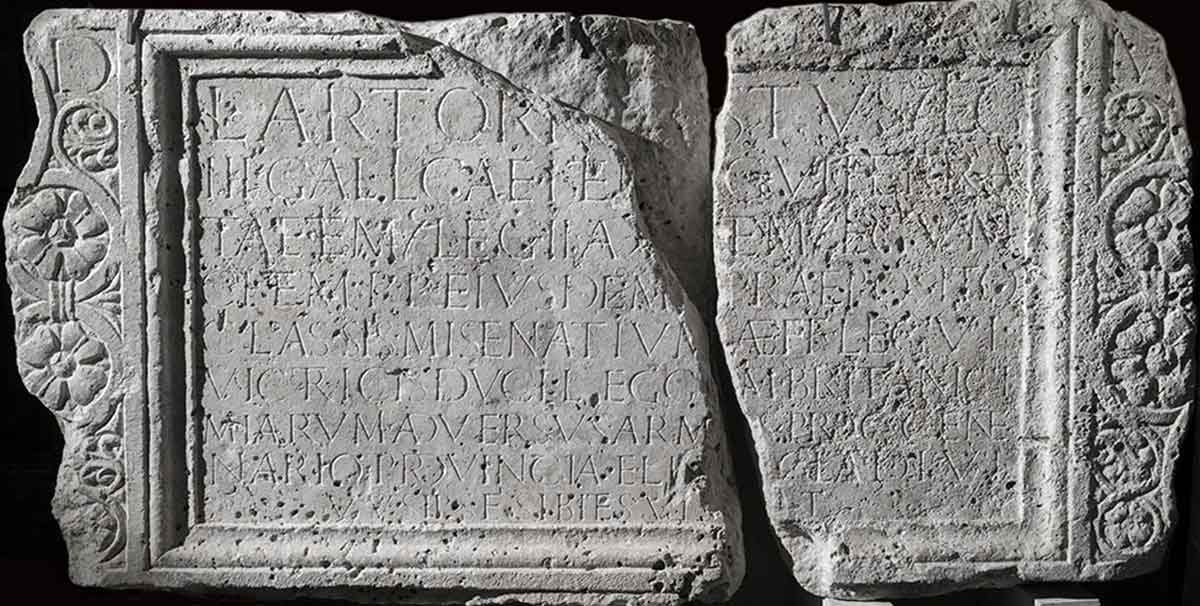
One of the historical King Arthur candidates that has become popular over the last few decades is Lucius Artorius Castus. He was a Roman officer who served in Britain at some point in either the 2nd or 3rd century AD. Supporters of this theory argue that Castus contributed to several fundamental aspects of the Arthurian legend.
The first obvious contribution that might be attributable to this historical King Arthur candidate is the name “Artorius.” Scholars widely agree that this is the origin of the name “Arthur,” which we see being used among the Welsh in later centuries. While we cannot be absolutely sure that Lucius Artorius Castus was the figure who introduced the name to Britain, it is not implausible. There is no other high-status figure named Artorius recorded as being present in Britain, certainly not earlier than Castus. So, the name of King Arthur may originate with this historical Roman officer.
Furthermore, Castus served at the legionary base at York, or Eboracum. This ties in with the fact that King Arthur is associated with the north of England in some of the earliest records. For instance, the battle list in the Historia Brittonum likely includes locations in the north. Hence, if Castus was a Roman officer leading the defence of the territory up to Hadrian’s Wall against barbarian invaders, that corresponds well with the legend of King Arthur.
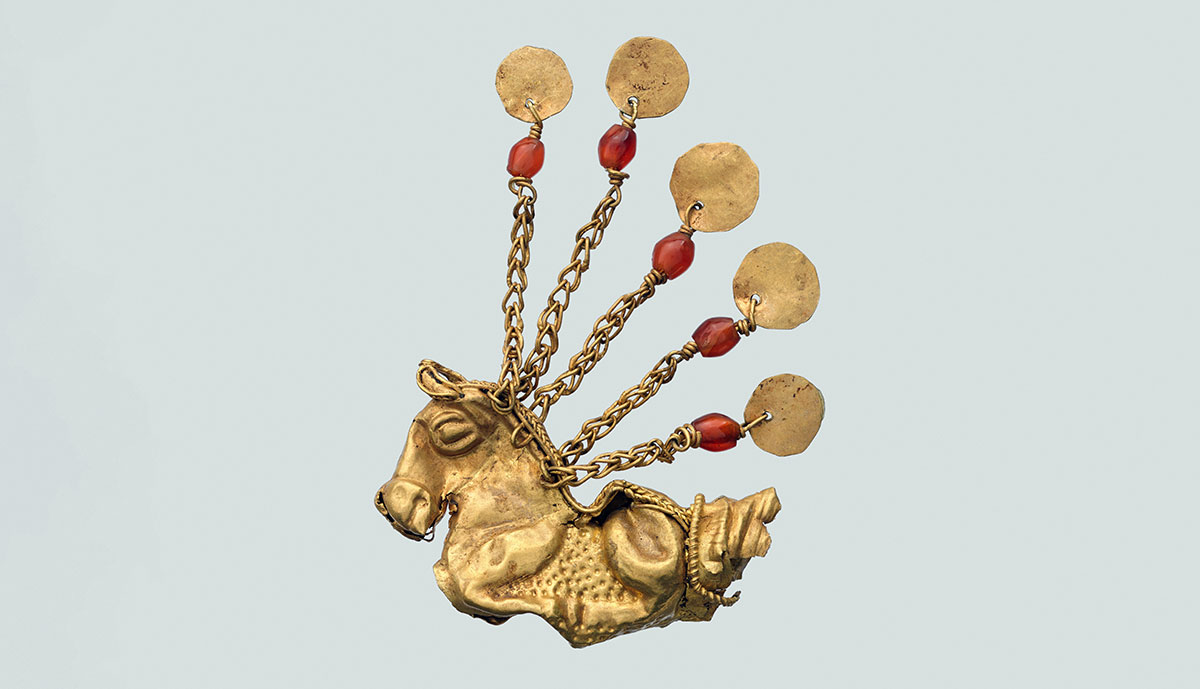
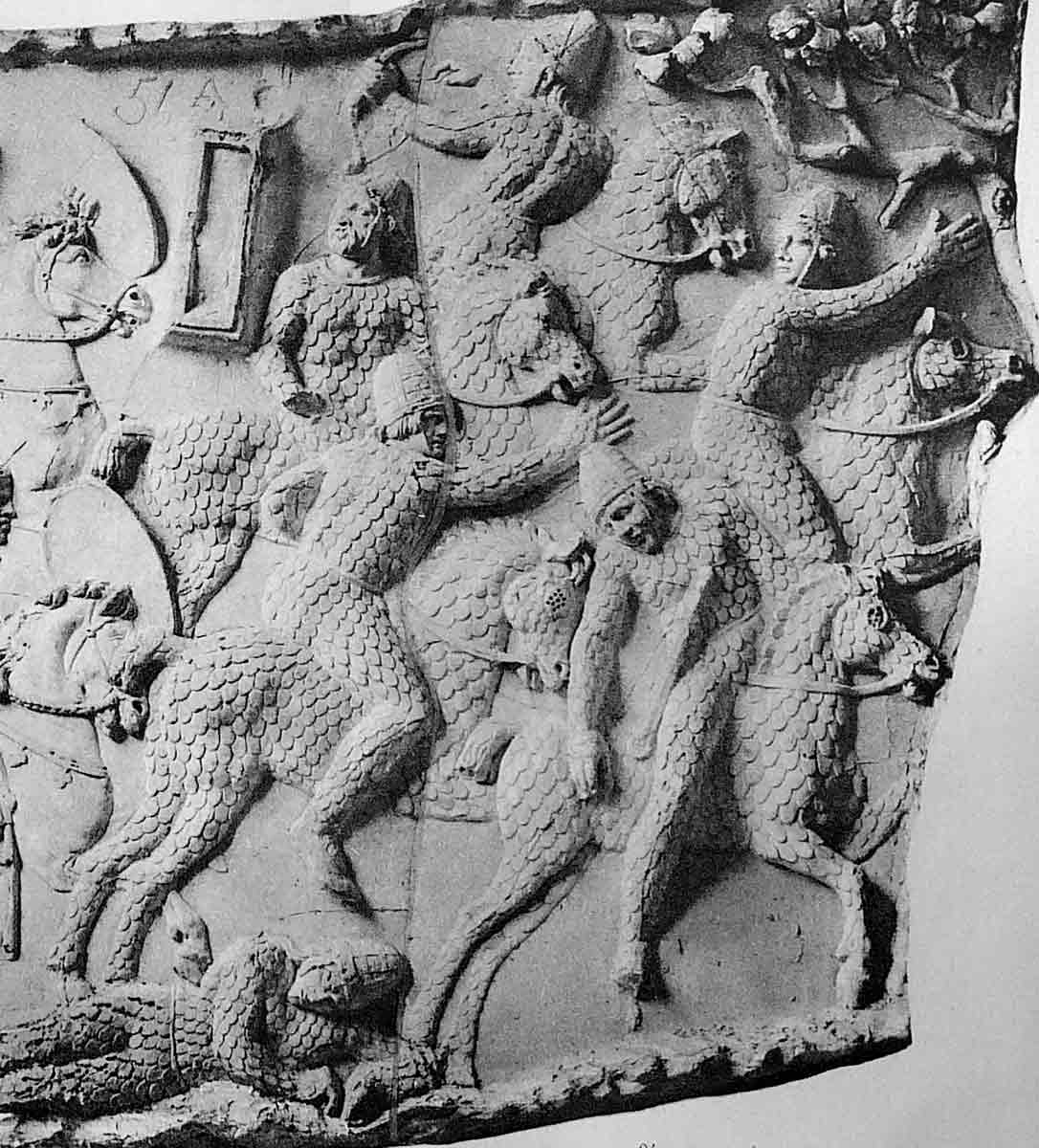
Additionally, some researchers have argued that Castus likely led Sarmatian troops who had been stationed in Britain in AD 175. The Sarmatians were famous cavalry warriors, and they fought under a dragon banner. This seems tantalisingly similar to the tradition of King Arthur leading his knights under dragon imagery.
The Sarmatian connection gets even more significant when we realise that Arthurian lore contains some startling similarities to legends from the east. One such Ossetian legend, which might reflect what the ancient Sarmatians believed, concerns a hero named Batraz. He was unable to die as long as his sword stayed on land, so he had his men throw his sword into the sea. When they did, the sea turned blood red, the water began to boil and storm, and the waves made supernatural sounds.
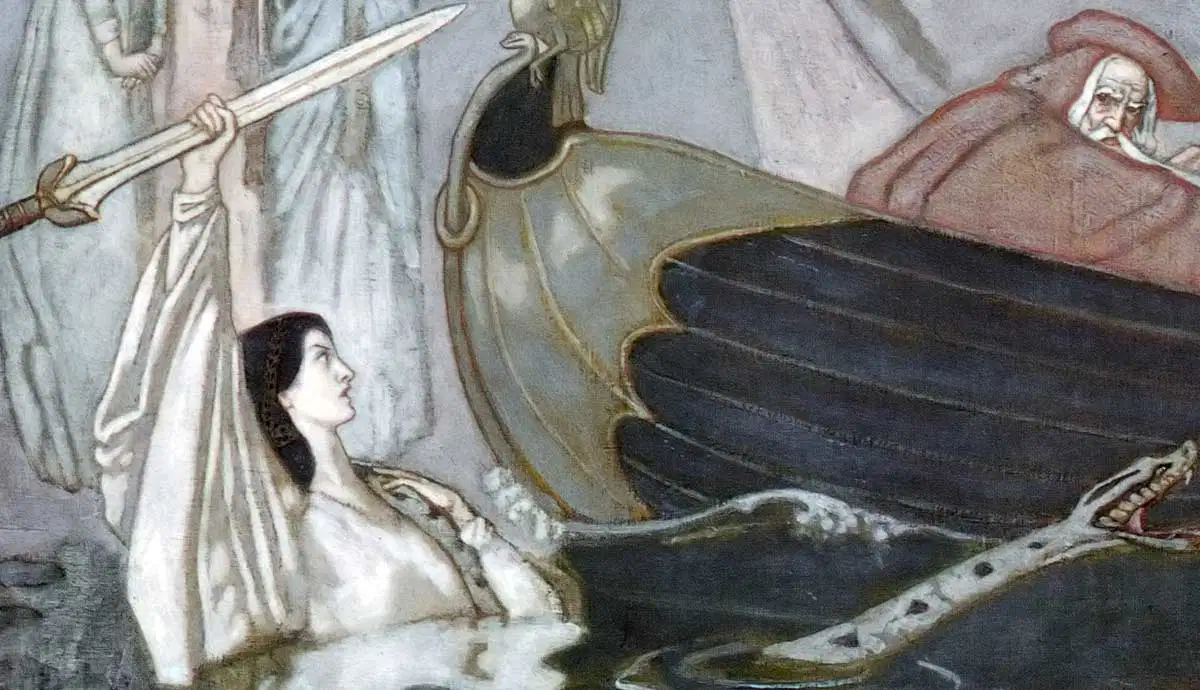
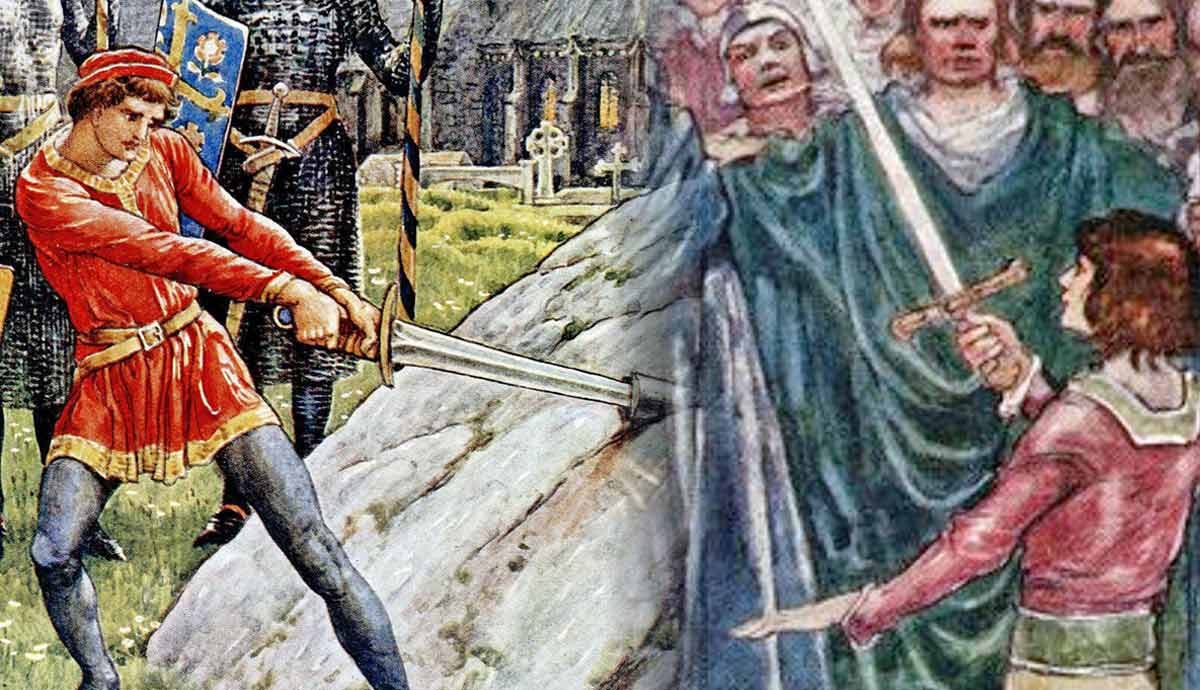
This is similar to the legend of Arthur’s sword, Excalibur, being thrown into a lake and caught by the magical Lady of the Lake. Furthermore, it has been argued that the Sarmatians had a cultic practice of plunging a sword into the ground. The imagery of a sacred sword sticking out of the ground admittedly evokes the famous Sword in the Stone from the Arthurian legends. If Castus, as the leader of Sarmatian troops in Britain, became associated with some of the Sarmatian legends, then this could go a long way to explaining the legends of King Arthur.
However, one of the key drawbacks of this theory is that Castus likely left Britain in the 160s, before the Sarmatians had even arrived. Also, his position at Eboracum makes it unlikely that he ever led any troops into battle in Britain. As for the legends of Batraz and the sword cult, there is no definitive evidence that these were actually part of Sarmatian culture. The legends of Batraz, in fact, are not attested before the modern era.
2. Ambrosius Aurelianus: The Last of the Romans
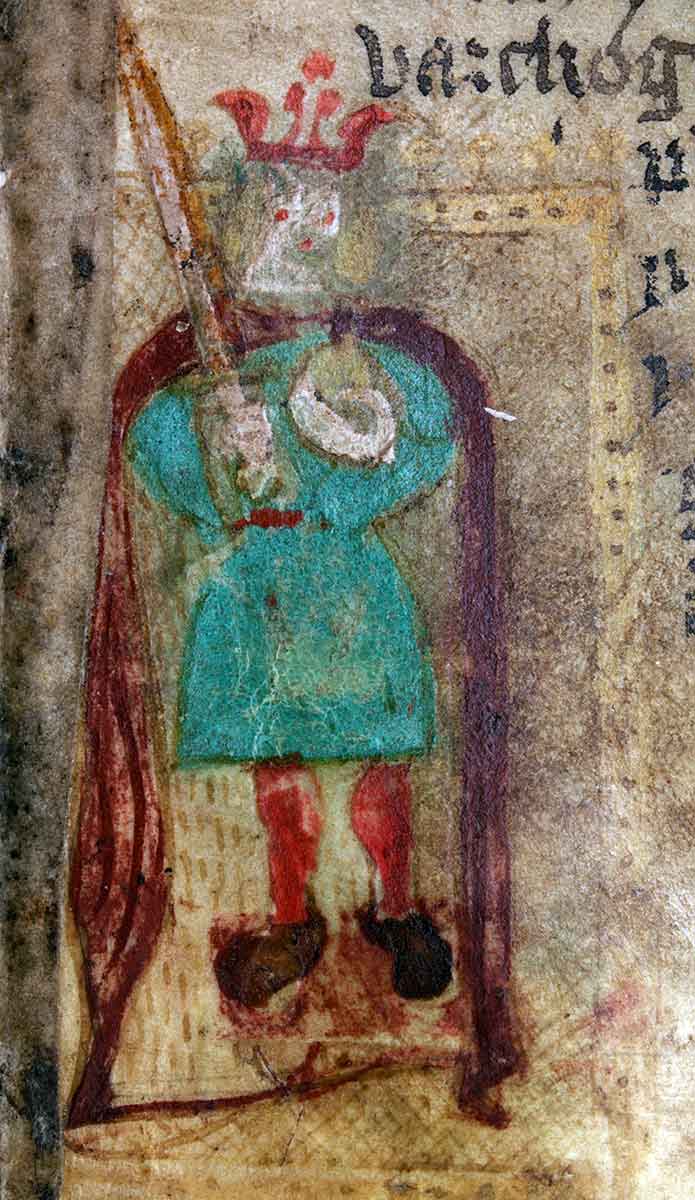
A more plausible candidate for inspiring the legend of Arthur is Ambrosius Aurelianus. He was recorded by Gildas, a writer from the 6th century. Based on this evidence, scholars widely agree that he was a real figure. How may he, at least in part, have been the real King Arthur?
The most famous victory attributed to King Arthur in the legends is the Battle of Badon Hill. This was the last of the twelve Arthurian battles in the Historia Brittonum’s battle list. It was the battle that supposedly halted the Anglo-Saxon advance for a generation or two.
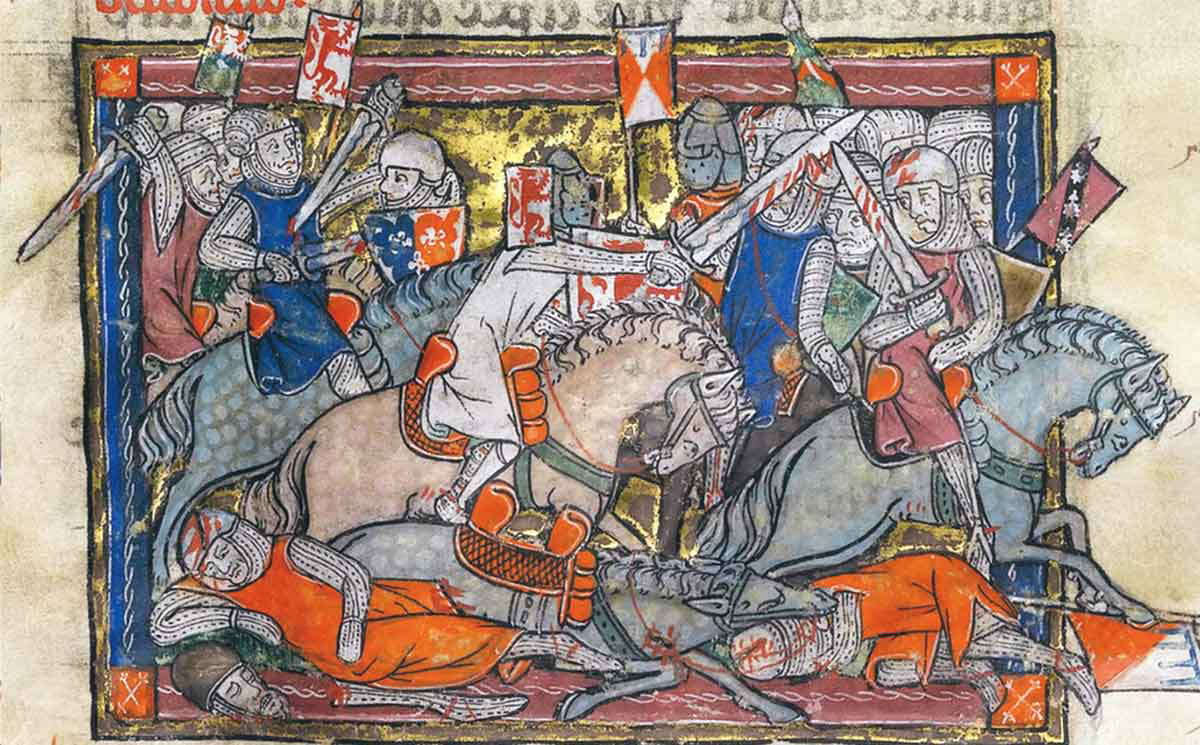
Gildas, however, infamously does not mention Arthur. From his De Excidio, we know that Ambrosius Aurelianus was a historical war leader who fought powerfully against the Saxons in the 5th century. We do not know much about his background, but Gildas does say that he was the “last of the Romans” and that his parents had “worn the purple.” The exact meaning of this is debated, but evidently, Ambrosius was some kind of Romano-British aristocrat.
After mentioning him, Gildas states that from that time on, sometimes victory went to the Saxons, and sometimes it went to the Britons, until the Battle of Badon Hill. He does not explicitly say that Ambrosius was the victor at this battle. Nevertheless, he makes it clear that it was the climax of the Britons’ efforts to fight back against the Saxons. Therefore, many scholars interpret Gildas’ words to mean that Ambrosius was the true victor at the Battle of Badon Hill. It was only later, according to this interpretation, that the victory was taken from Ambrosius and credited to Arthur by later scribes.
3. Riothamus: The King of the Britons in Gaul
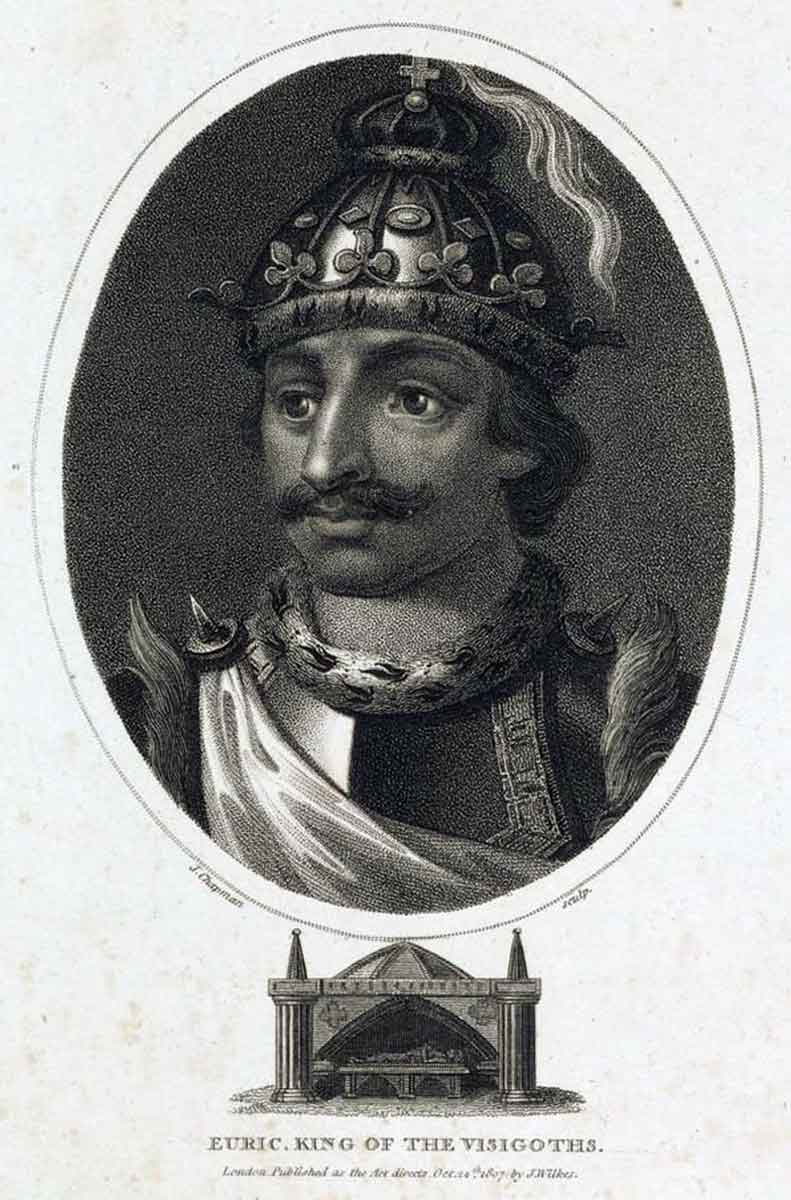
Another warlord from Dark Age Britain, who is one of the prime historical candidates for the real King Arthur, is Riothamus. He is known from two Roman sources, one from the 5th century and one from the 6th century. The more important of these two is the account by the 6th-century historian Jordanes.
He described how Riothamus, the king of the Britons, assisted the Romans in a battle against Euric of the Visigoths in the year 470. This idea of a king of the Britons travelling from Britain to Gaul to fight a battle in association with the Romans is fascinating for its similarities to the Arthurian legends. In the account of Arthur’s life by Geoffrey of Monmouth, Arthur is said to have travelled to Gaul with a large army to fight against the Romans.
In addition to this overall similarity, Riothamus is said by Jordanes to have fled to the territory of the Burgundians. It is argued that, given the location of the battle in the territory of the Bituriges, his route while fleeing would have brought him near a town called Avallon. This is then connected to the tradition of Arthur being taken to the Isle of Avalon after being betrayed by his nephew, Mordred.
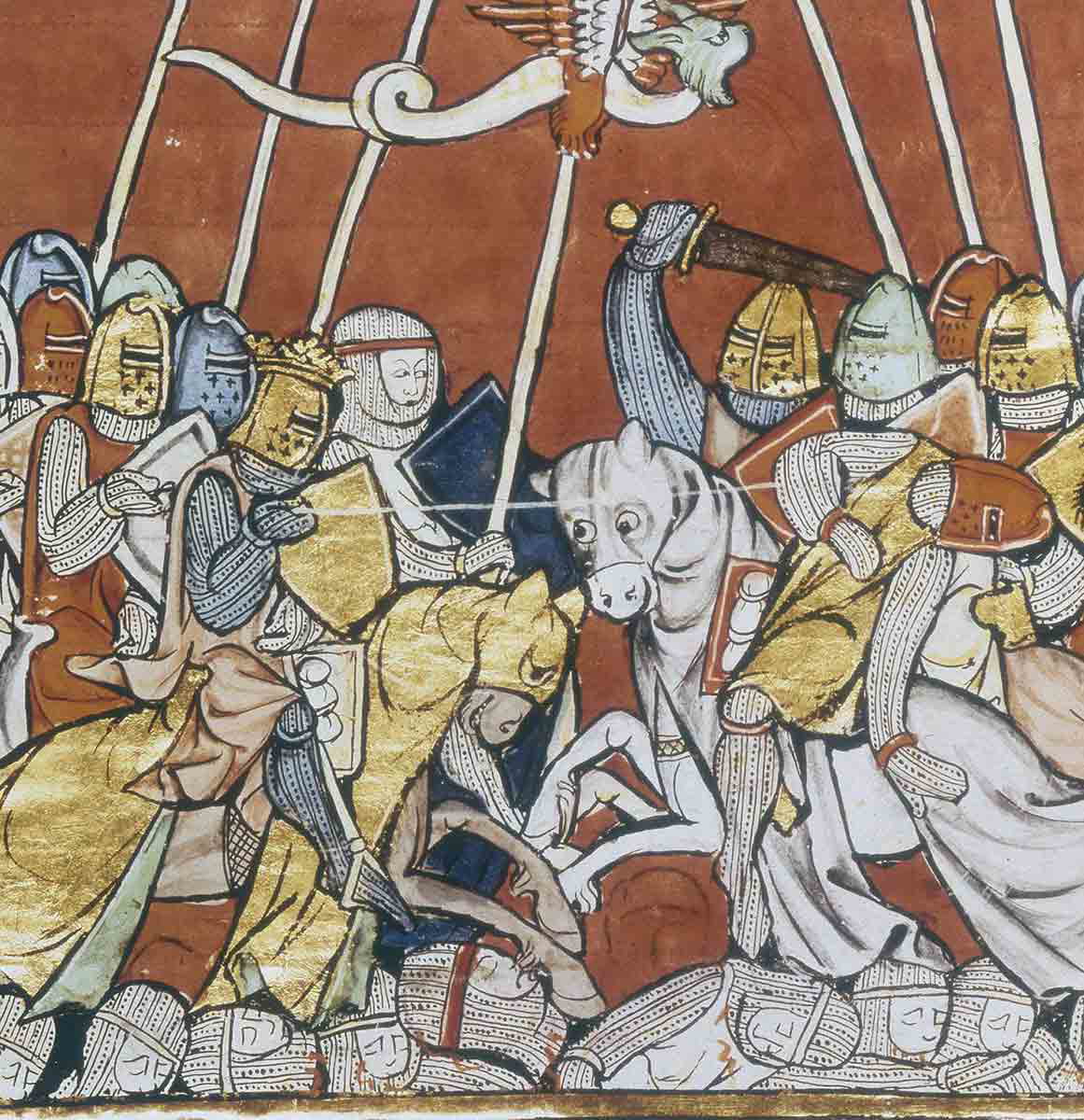
While a tempting connection, other scholars find this alleged connection to be fraught with difficulties. For example, Riothamus was an ally of the Romans. In contrast, King Arthur is said to have fought against them during his European war. Additionally, there is no guarantee that Riothamus led an army from Britain to Gaul. He is called the king of the Britons, but there were already Britons established in the northwest corner of Gaul by the 5th century. Therefore, Riothamus could easily have been the king of that region.
The connection between Avallon and Avalon also ignores that King Arthur’s Avalon was where he went immediately after the Battle of Camlann, not immediately after his battles on the continent.
4. Owain Danwyn: The Bear of Powys
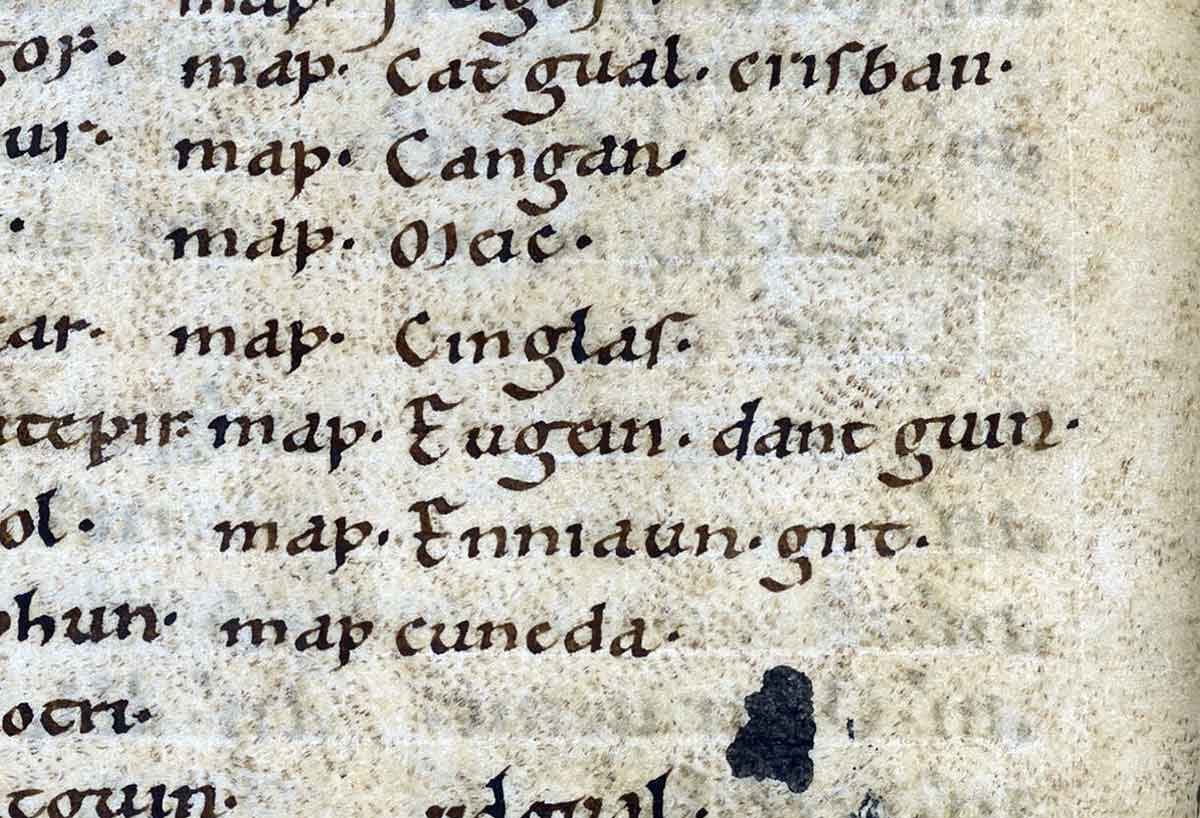
Another popular candidate for the real King Arthur is Owan Danwyn. In the context of historical figures who may have inspired King Arthur, he is usually called Owain Ddantgwyn, using an older form of his moniker. The foundation of this theory is based on a crucial piece of linguistic information. In Welsh, the word for “bear” is “arth.” The reason that this is so important is that Owain, according to this theory, was known as the Bear. Hence, stories about him may have contributed to the legends of Arthur.
The basis for this idea comes from Gildas. He directed some negative comments towards a king named Cuneglasus. As part of his condemnation of this historical king, he states: “thou bear, thou rider and ruler of many, and guider of the chariot which is the receptacle of the bear.”
In this statement, Gildas refers to Cuneglasus as a bear. Yet he also calls him the driver of the chariot of the bear. Based on this, some researchers argue that Cuneglasus was a commander in the army of someone else who was also known as a bear. These two pieces of information are harmonised by these researchers by claiming that the “Bear” was a nickname used by Cuneglasus and his father, evidently a nickname passed from father to son. According to later medieval genealogical records, Owain Danwyn was the father of Cuneglasus, thus connecting him to the name “Arth.”
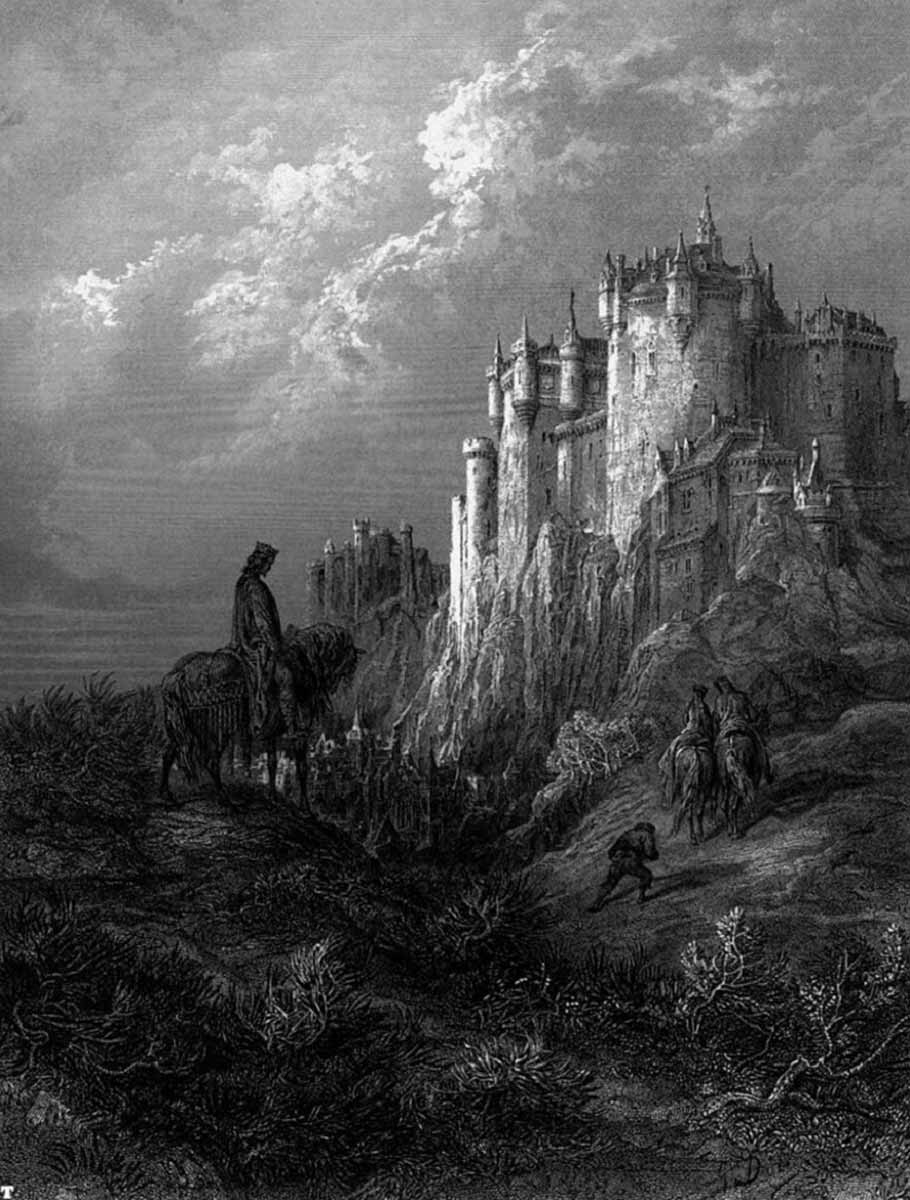
Archaeology has shown that Wroxeter, or the Roman Viroconium, was a powerful city in the Arthurian period. This was in the kingdom of Powys, the kingdom that Owain ruled according to this theory. This could have contributed to the legend of Arthur having his grand city of Camelot.
However, scholars have highlighted that there is actually no basis for linking Owain to the kingdom of Powys. In reality, historians believe him to have been the king of Rhos, a small kingdom next to Gwynedd.
5. Athrwys ap Meurig: The King of Caerleon
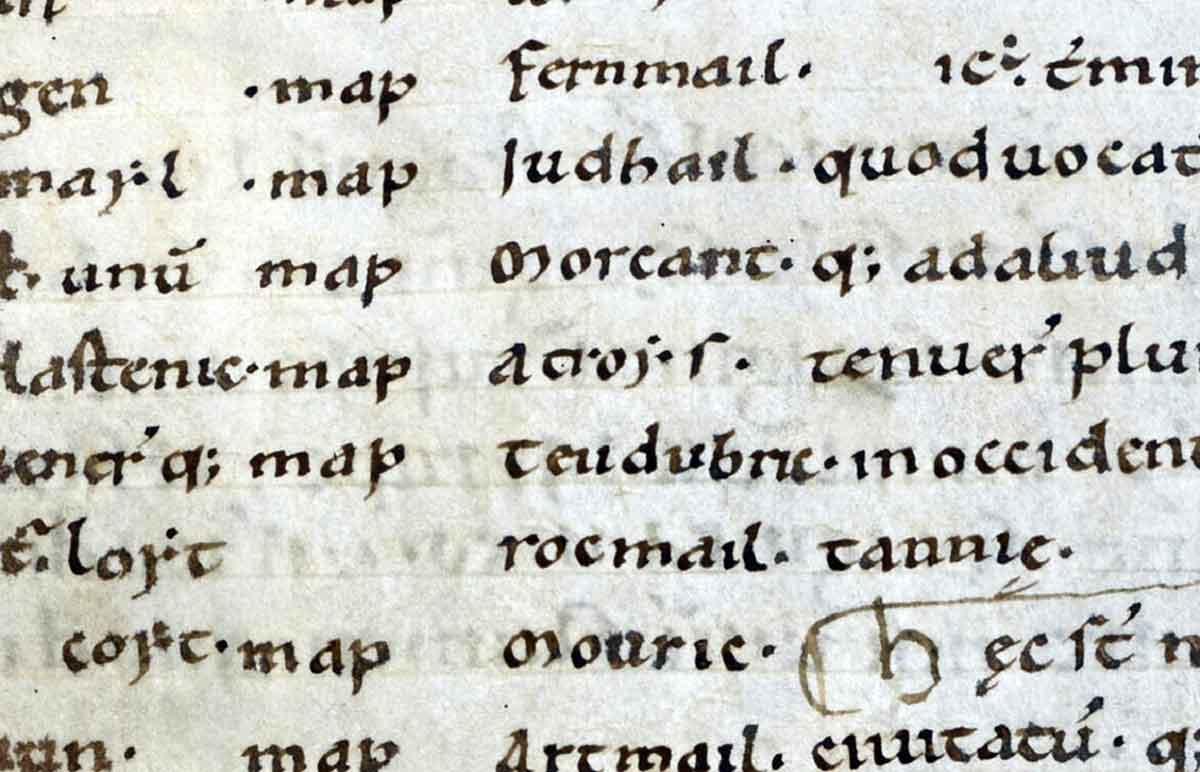
Our final candidate for the real King Arthur, who has been popular for several centuries now, is Athrwys ap Meurig. He was a king of Gwent and its two neighbouring kingdoms (Glywysing and Ergyng) at some point in Dark Age Britain. There is debate over whether he lived in the 6th century or the 7th century.
One of the biggest drawing points in favor of this theory is that he lived and ruled in southeast Wales. This is an area which is heavily associated with King Arthur in the legends. For example, King Arthur’s main court was said by Geoffrey of Monmouth to have been Caerleon-upon-Usk. The 11th-century Life of St Cadoc also associates Arthur with this area.
Furthermore, some researchers have pointed out similarities between Arthur’s legendary family members and those of Athrwys. One notable example is Gwrfoddw Hen. He appears in the Mabinogion as the maternal uncle of Arthur. Meanwhile, in the Book of Llandaff, a king of Ergyng named Gwrfoddw appears as an older contemporary of Athrwys. Ergyng was the kingdom of Athrwys’ mother, Onbrawst. There is also a tradition that Athrwys had a sister named Anna, just like King Arthur in the legends.
Many scholars believe that Athrwys lived too late to have actually been the real King Arthur. Nevertheless, many agree that he may well have contributed to the legends, especially as regards the Arthurian connection to Caerleon and southeast Wales in general.
How History Became Myth
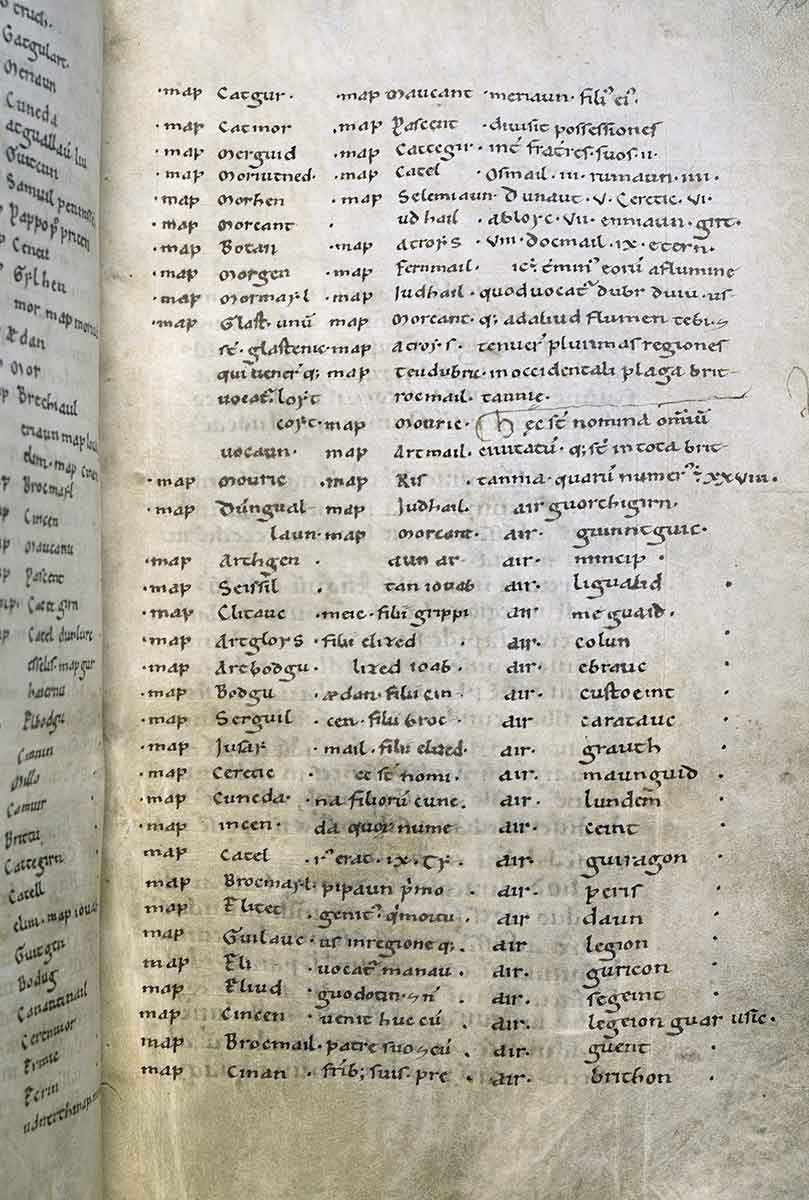
In conclusion, we can see that there are several figures who may well have inspired the legends of King Arthur. While one was a Roman officer, most were Dark Age warlords. These historical King Arthur candidates all have different merits, and scholars continue to debate whether any or all of them really did contribute to the legends.
Lucius Artorius Castus might have brought the name “Arthur” into Britain. However, given what we know about his career, it is unlikely that he contributed anything other than that. Ambrosius Aurelianus may have been the true victor of King Arthur’s most famous battle, although the evidence from Gildas is ambiguous. Riothamus might be the core behind the legend of Arthur’s European campaign and his journey to Avalon, albeit both suggestions are fraught with problems.
As for Owain Danwyn, while possibly being known by the nickname “Arth” (the Bear), the arguments for him inspiring the legends of King Arthur have been rejected by most scholars for good reason. Finally, we have seen that Athrwys ap Meurig may have contributed to the tradition associating King Arthur with southeast Wales, as well as potentially lending his family members to the legends.