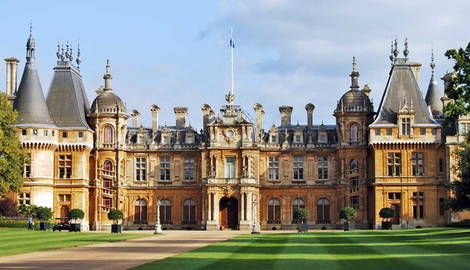
Buckinghamshire’s rich tapestry of history stretches back over a thousand years, shaped by political intrigue, royal influence, and cultural evolution. As a strategic defensive territory, it has continuously played a pivotal role in history. Today, Buckinghamshire’s picturesque rural landscape is adorned with iconic landmarks, from grand estates like Waddesdon Manor and charming 200-year-old windmills to the cottage of poet John Milton and the Chiltern Open Air Museum. These historically significant sites offer a glimpse into the stories that have shaped this beautiful region, from medieval times to the present day.
1. Take a Journey Through Time at the Buckingham Old Gaol
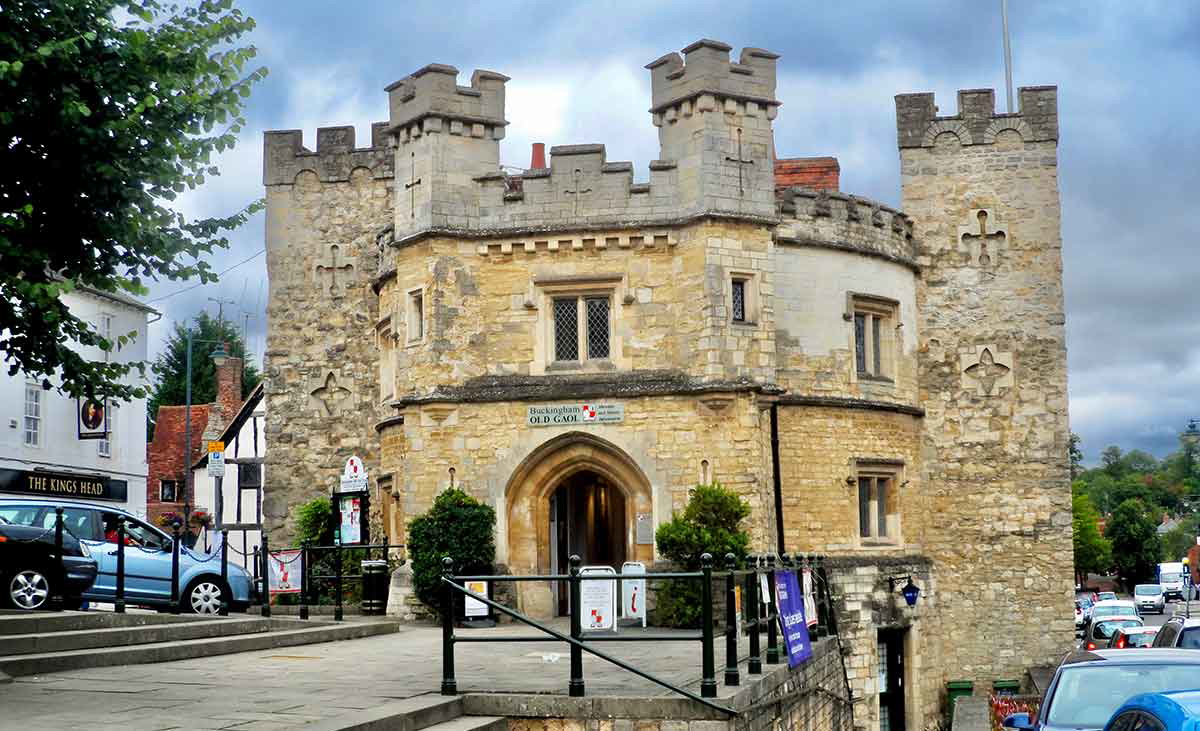
In the town of Buckingham sits Buckingham Old Gaol, an 18th-century prison turned museum that boasts Gothic architecture and holds significant cultural importance. The Grade II listed building was originally built in 1748 to serve as a prison; however, over the years it has also been used as a fire station and a police station. Its impressive architecture includes a rounded front designed by architect George Gilbert Scott and added in 1839. The building is still in relatively good condition, and today visitors can explore old prison cells, learn about local stories, and discover a rare Half-Angel coin. The museum also explains how some iconic women have connections with the Old Gaol. These include the longest reigning female monarch, Queen Victoria (r. 1837-1901); the pioneer of modern nursing, Florence Nightingale (1820-1910); and the first wife of King Henry VIII, Queen Catherine of Aragon (1485-1536).
2. Discover the Grandeur of Waddesdon Manor
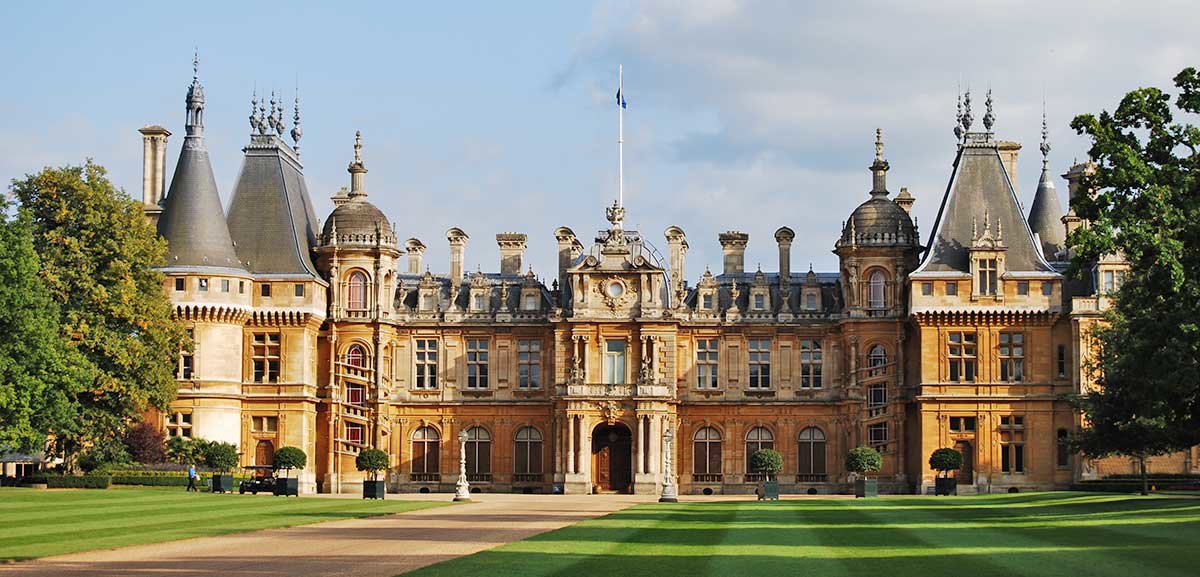
Southeast of the Old Gaol is a magnificent 19th-century château-style mansion, built sometime between 1874 and 1883 by Baron Ferdinand de Rothschild. The architect Gabriel-Hippolyte Destailleur designed the mansion in the French Renaissance style. Baron Rothschild mostly used the property to display his lavish antiquities and art collections and entertain his guests. The mansion was somewhat advanced for its age, as it had various modern innovations, including fresh running water, central heating, and electricity, which was added in 1889.
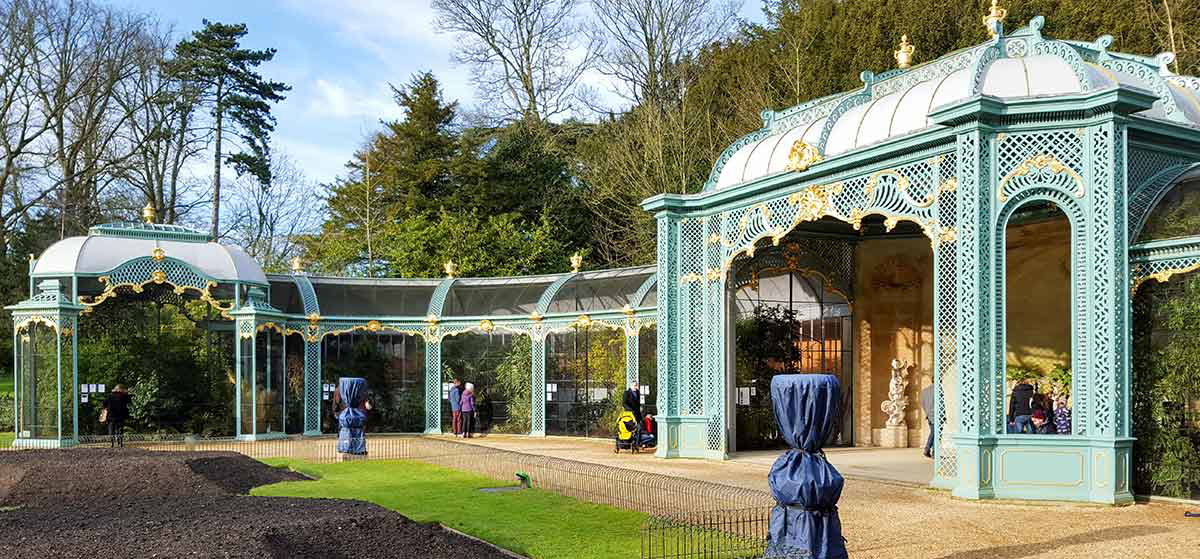
Beyond the fancy walls, Waddesdon Manor’s gardens were meticulously landscaped to reflect the beauty and style of the mansion. Rothschild worked with architect Elie Lainé to transform a bare hilltop into 2,700 acres of landscaped gardens and woodland. The Rothschilds held the property in the family until they bequeathed it to the National Trust in 1957. Another 6,000 acres were added to the estate in 2011. The property, a symbol of 19th-century aristocratic life, is well preserved and draws visitors who marvel at the architecture, antique collections, and gardens.
3. Spot the County’s Tallest Windmill in the Village of Quainton
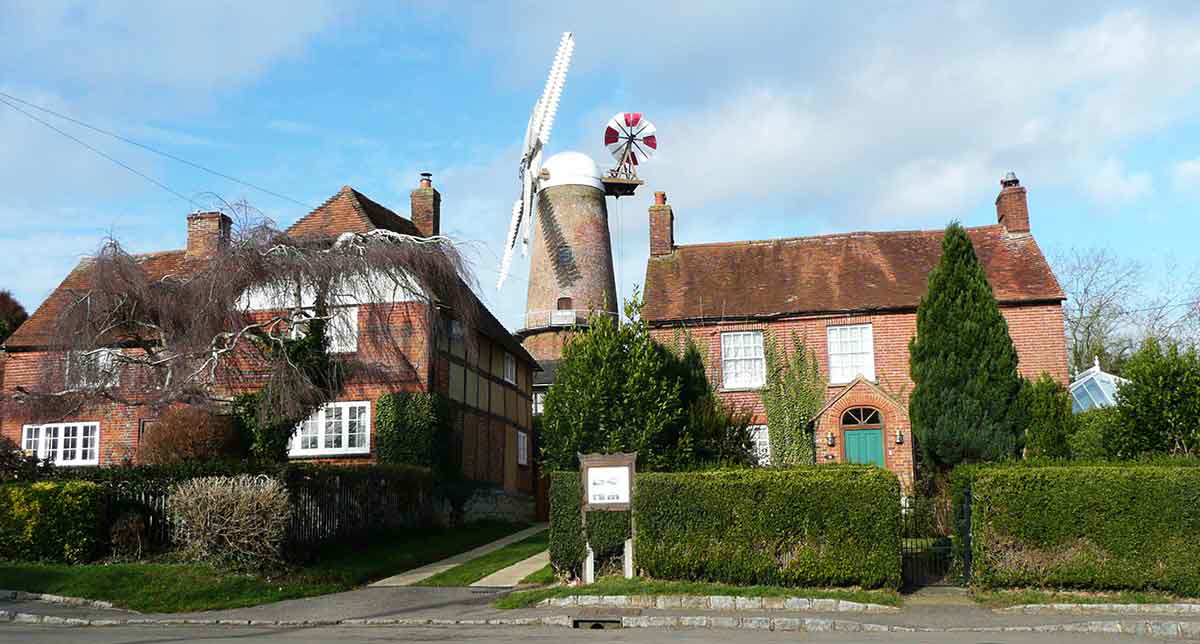
Northeast of Waddesdon Manor is the tallest windmill in Buckinghamshire. Named after the local village in which it resides, Quainton Windmill was built between 1830 and 1832. At 70 feet tall and with six stories, the windmill’s bright white cap boasts a red and white fantail that sits proudly over the village green. Built in brick, the windmill was first driven by wind but later switched to steam power. After 70 years of use, operations ground to a halt in around 1900, and for the next 70 years the windmill slowly fell into disrepair. In 1974, restoration of the windmill began under the direction of the Quainton Windmill Society, which was established that same year. After over 20 years of work, Quainton Windmill is now one of the fewer than 40 working windmills nationwide, still grinding wheat into flour to this day.
4. Explore Living History at the Chiltern Open Air Museum
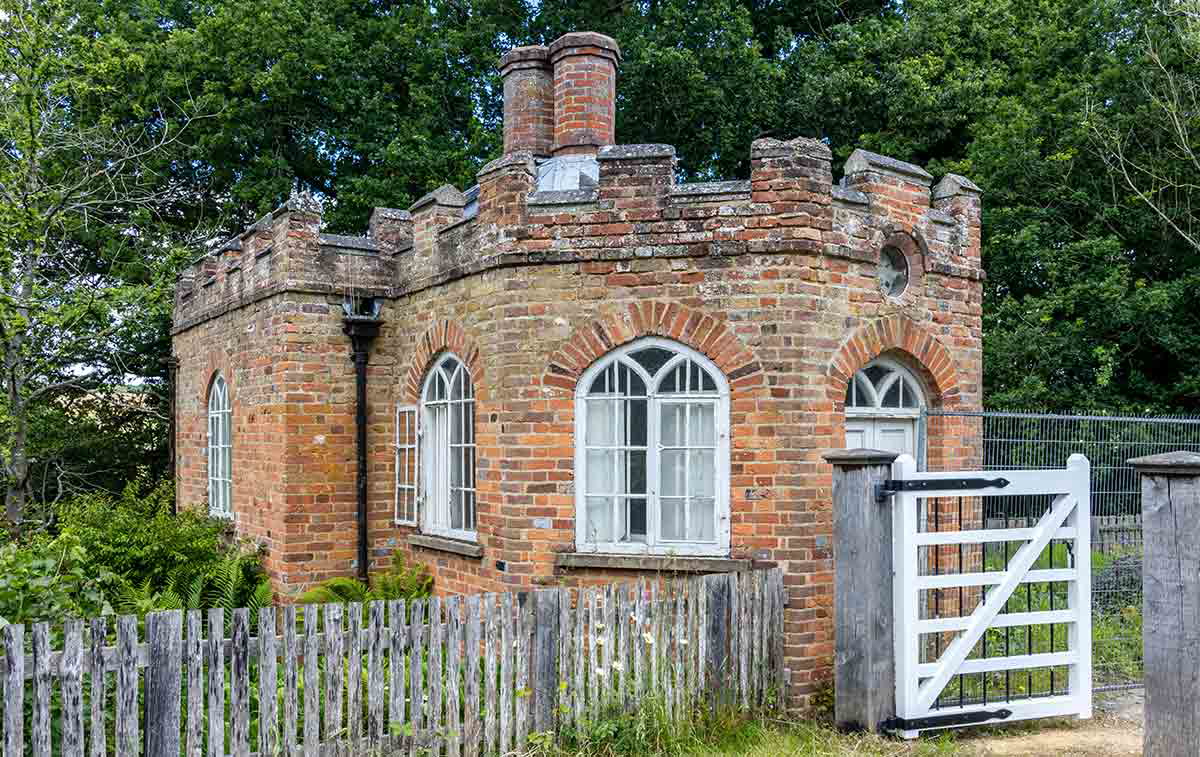
South of the Quainton Windmill, in Chalfont St. Giles, is the Chiltern Open Air Museum. Spread across a 45-acre patch of land are various vernacular buildings, including the charming Victorian Toll House (pictured above). The museum was established in 1976 to prevent the decay and demolition of the buildings and, over the years, has reconstructed more than 37 historic structures. In 1981, the museum opened to the public, showcasing everything from medieval barns to a replica of an Iron Age roundhouse. Visitors can explore the area’s living heritage and architectural history.
5. Wander the Ruins of the Coombe Hill Monument
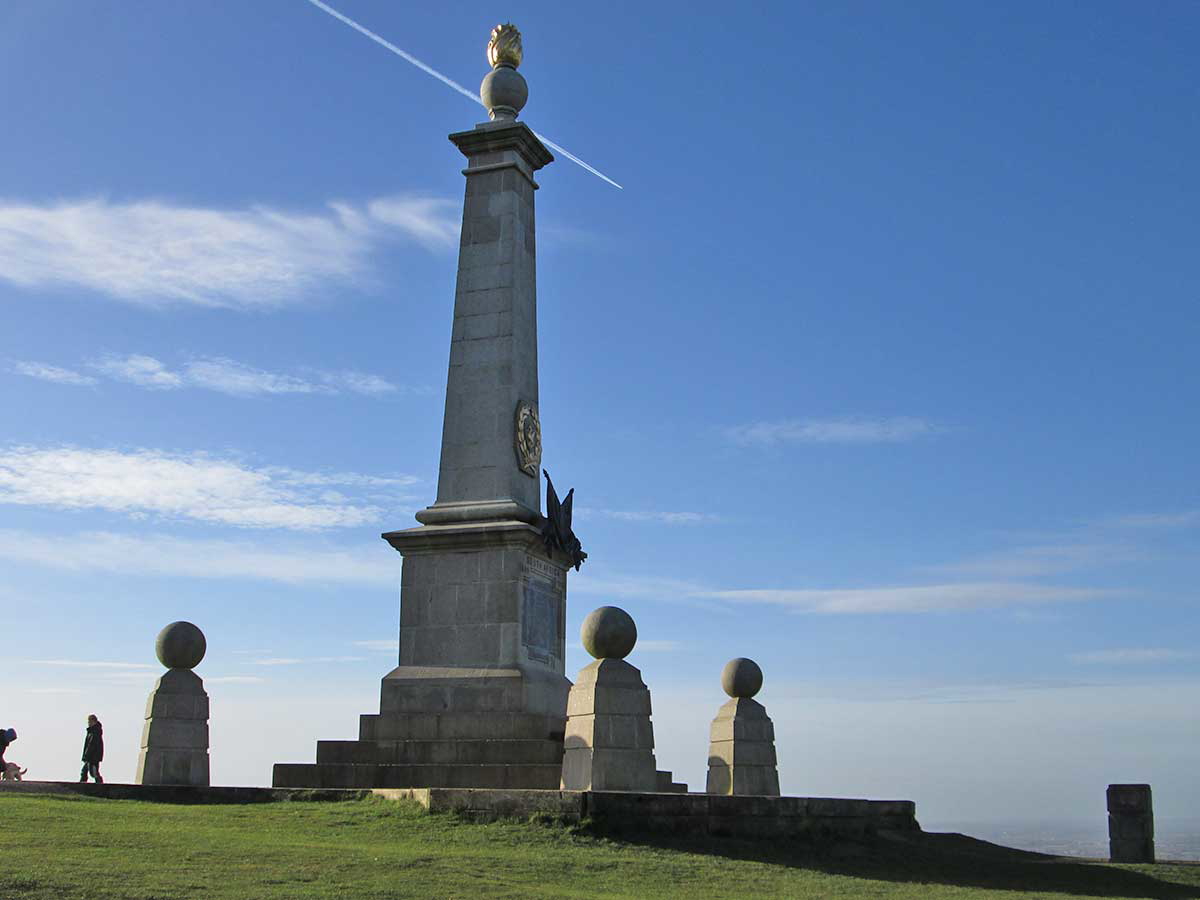
Southeast of the open-air museum is an impressive 20th-century war memorial, situated 850 feet above sea level and offering panoramic views over Buckinghamshire’s countryside. The Coombe Hill Monument was erected in memoriam of 148 men from Buckinghamshire who lost their lives during the Second Boer War (1899-1902) in South Africa. Built in 1904, it is one of the earliest monuments of its kind, erected in commemoration and honor of individual soldiers rather than in celebration of military victories. The ashlar stone obelisk has a central column atop which sits a carved flame finial. Four corner obelisks sit around, each with ball finials. Over the years, it has suffered from lightning strikes and vandalism; however, it still stands tall as an iconic landmark of the county.
6. Learn About the Literary History of Milton’s Cottage
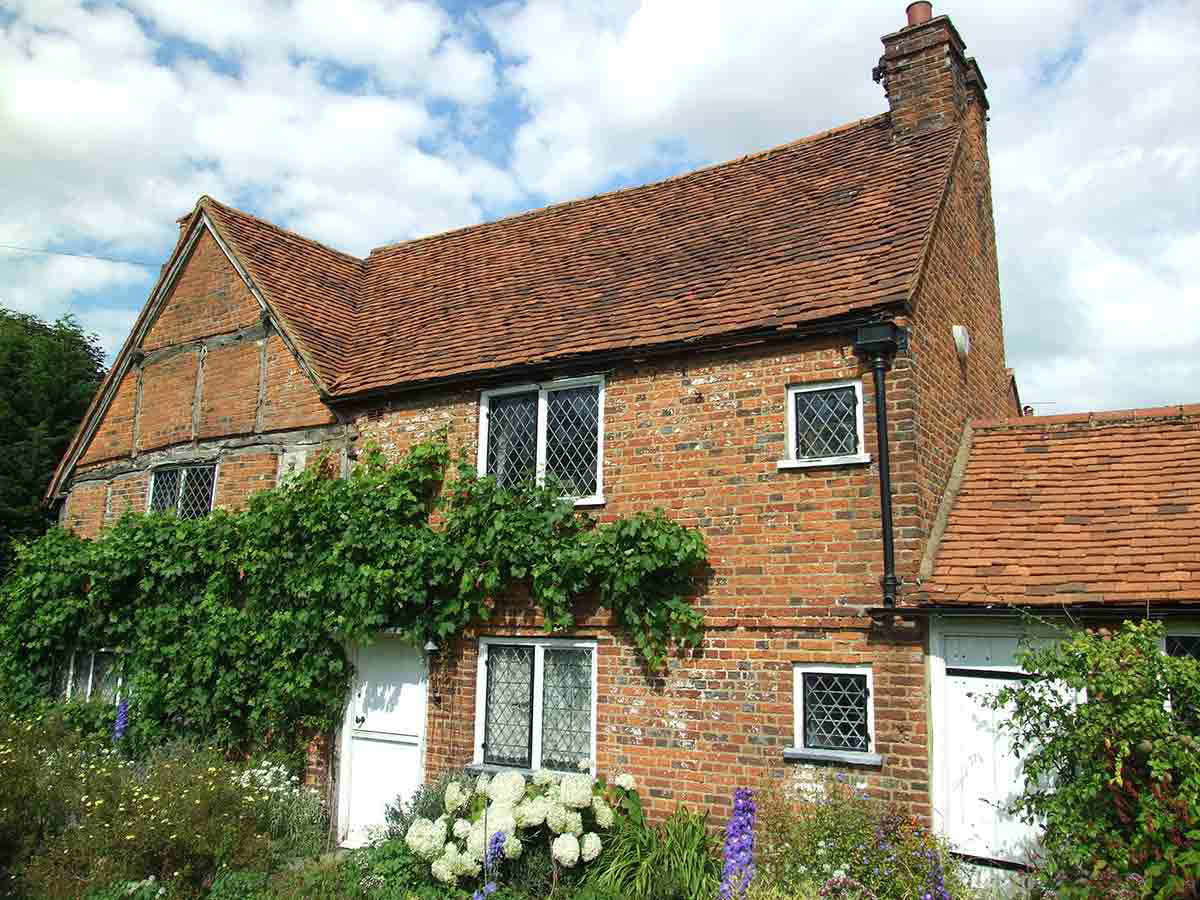
Southeast of the Coombe Hill Monument, visitors can find a quaint English cottage that was once home to the poet John Milton (1608-1674). Milton’s most famous piece is “Paradise Lost,” which he completed in 1667 following a tumultuous religious and political period in England and the outbreak of the bubonic plague in London. The English Civil War began in 1642 and lasted until 1651, consisting of many battles and political frays, and the execution of King Charles I in 1649. Then, from 1665 to 1666, the Great Plague ravaged London, killing an estimated 100,000 people, which was between 15 and 20 percent of the city’s population at the time.
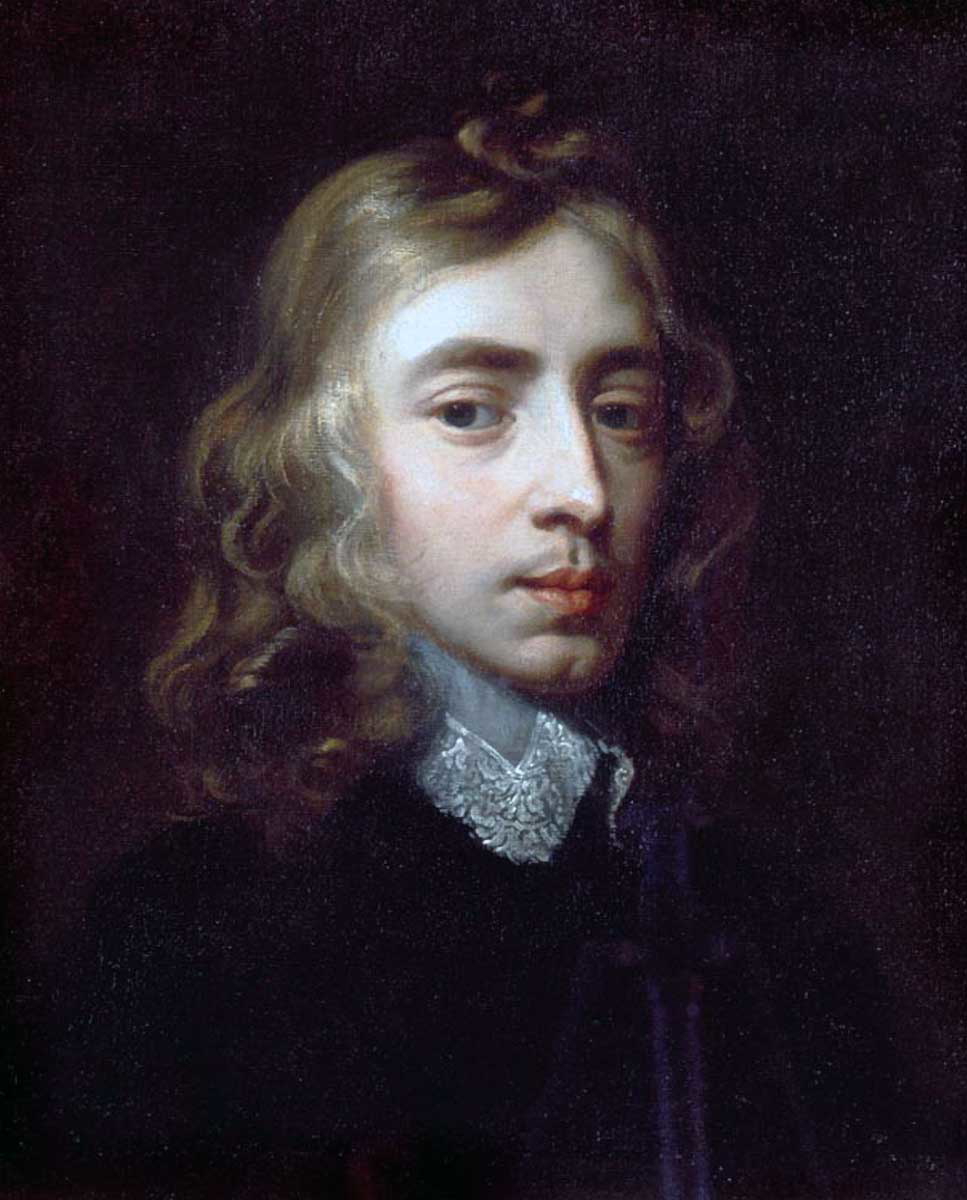
As the bubonic plague gripped London, Milton fled to a cottage loaned to him by his friend Thomas Ellwood. The building has a 16th-century timber frame and an old tile roof and is a perfect representation of a modest farmworker’s home from the time. Although he lived there for only two years, it is his only surviving residence and is home to a collection of his works, which inspired many subsequent poets. Romantic poets William Wordsworth and Percy Shelley were particularly influenced by Paradise Lost. Milton’s works and ideologies also influenced revolutionary thought and shaped revolutionary rhetoric. Many believe that he ultimately played a very nuanced role in both the American Revolution (1760-1783) and the French Revolution (1789-1799).
7. Look Through the Window Into Local Life at the Amersham Museum
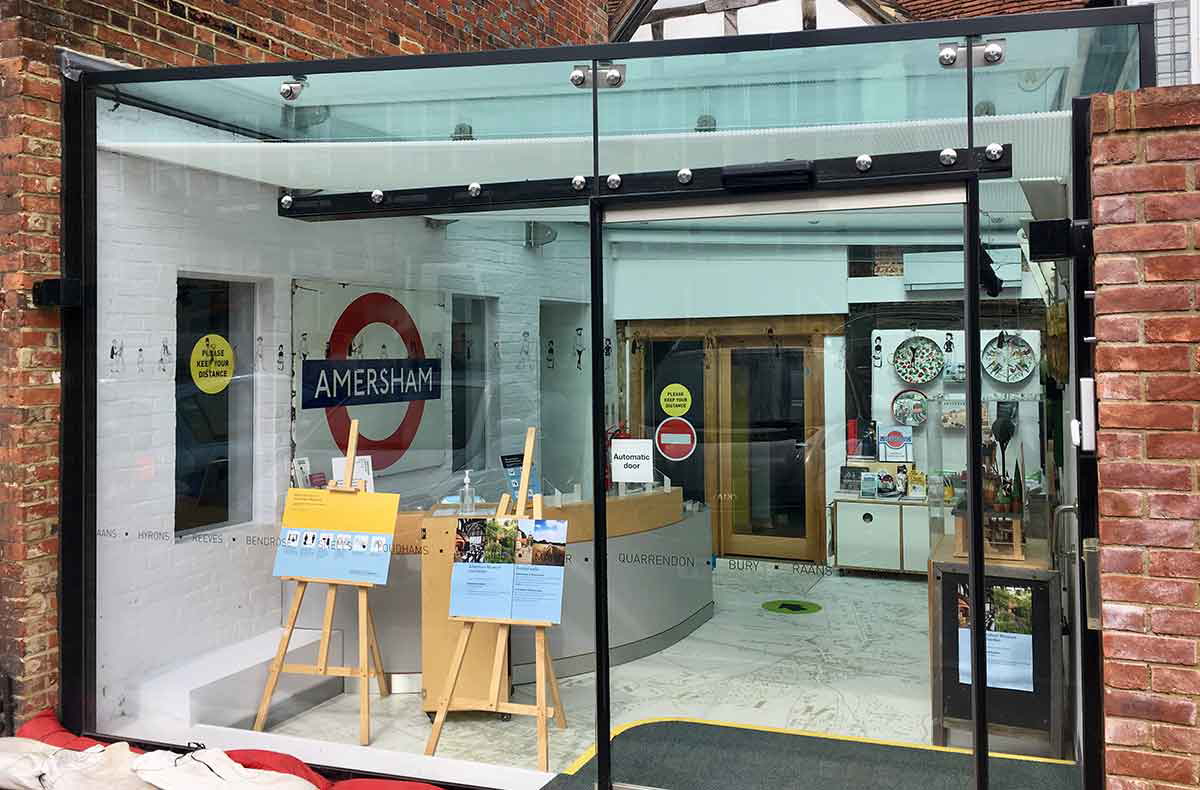
In a 15th-century building on the High Street in Old Amersham is a glass-fronted museum that proudly showcases the very best of the area. Founded in 1991 and later expanded in 2001 and 2017, the museum sits in a half-timbered construction that can be dated back to the 1480s. The building was probably constructed for a merchant and is now home to Roman artifacts, locally sourced fossils, and products of local craftsmanship, including lace and chairs. Visitors can trace over 500 years of history both in the varied displays and in the old structure itself.
8. Find Engineering Marvels at Pitstone Windmill and Brill Windmill
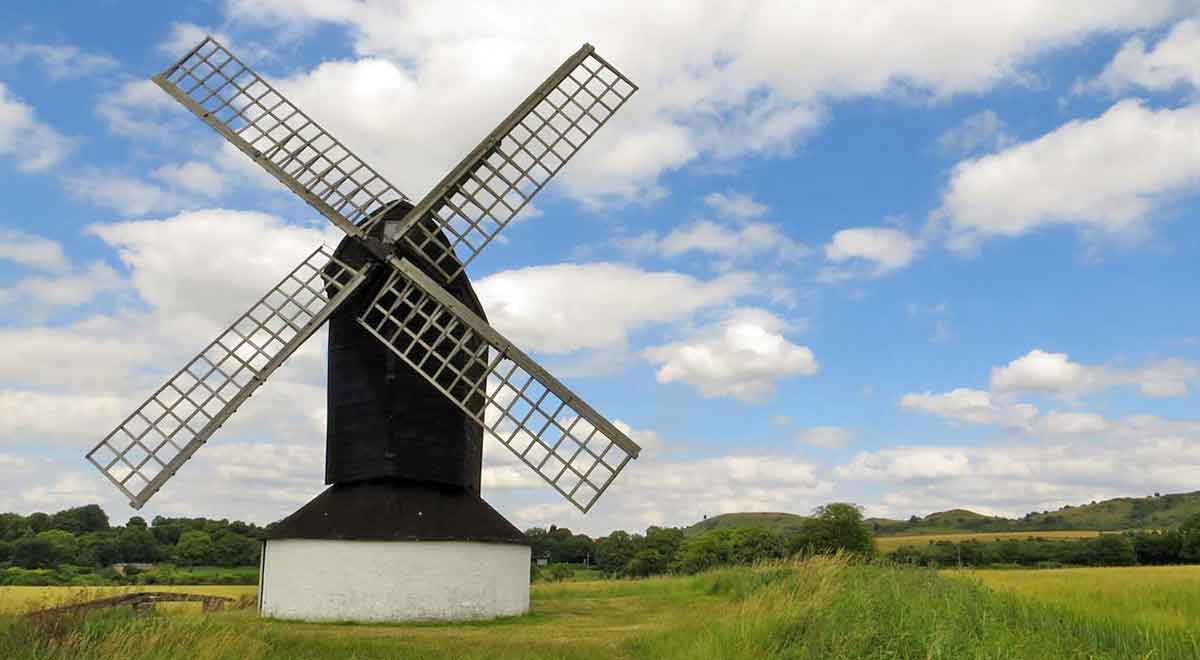
Northwest of Amersham are two historic post windmills designed so that their entire structures can rotate on a central post to face the wind. The Pitstone Windmill, located near Ivinghoe, is one of the oldest surviving post mills in England. Likely constructed in the 1590s—with marks on its timber dating back to 1627—it served as a vital flour mill for nearby villages for nearly three centuries. In 1902, a storm caused severe damage, rendering repairs financially unviable and halting operations. For 60 years, the mill deteriorated until local volunteers began restoration in 1963, completing it by 1970. While its sails are fixed and no longer functional due to structural concerns, the windmill remains operational for grinding grain and stands as an iconic symbol of Buckinghamshire’s rural heritage.
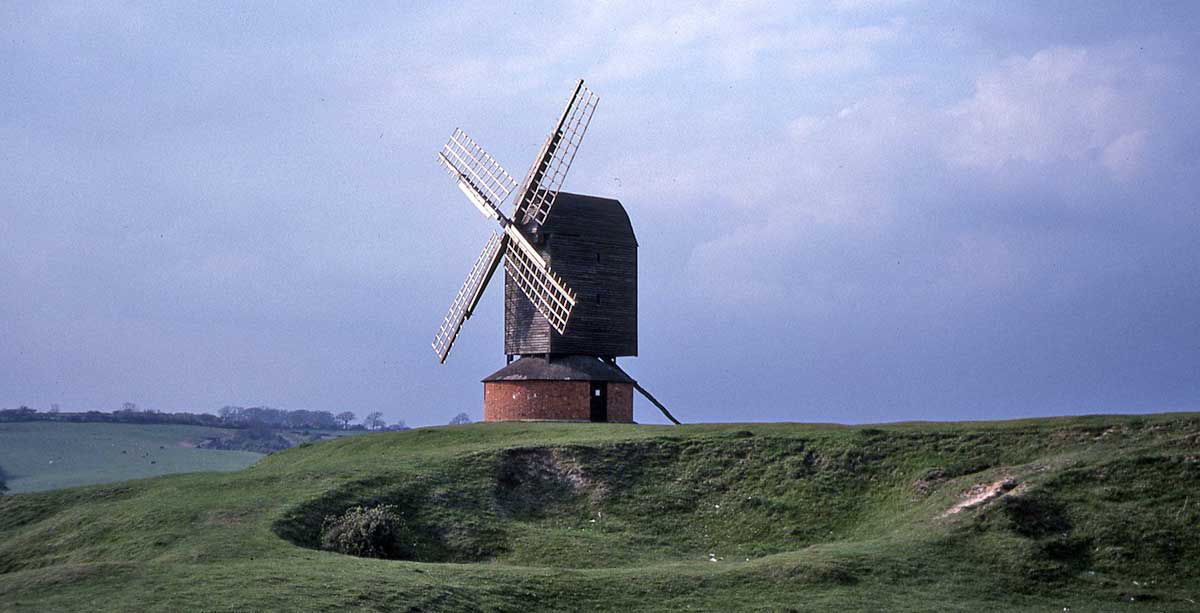
Situated on Brill Common is Brill Windmill, which dates back to 1686. It, too, served the local community; however, it operated as a grain mill. Unlike Pitstone, Brill Windmill struggled to keep up with industrial milling during the Industrial Revolution but continued to operate until 1924. In 1929, it was privately purchased to help preserve it, and then in 1947, the county council took ownership. Restoration efforts included the installation of a steel framework in 1967. It now serves as a popular attraction for visitors to explore Buckinghamshire’s rural past and the early milling technology that played such an important role in village life.
9. Visit the Monumental Corinthian Arch
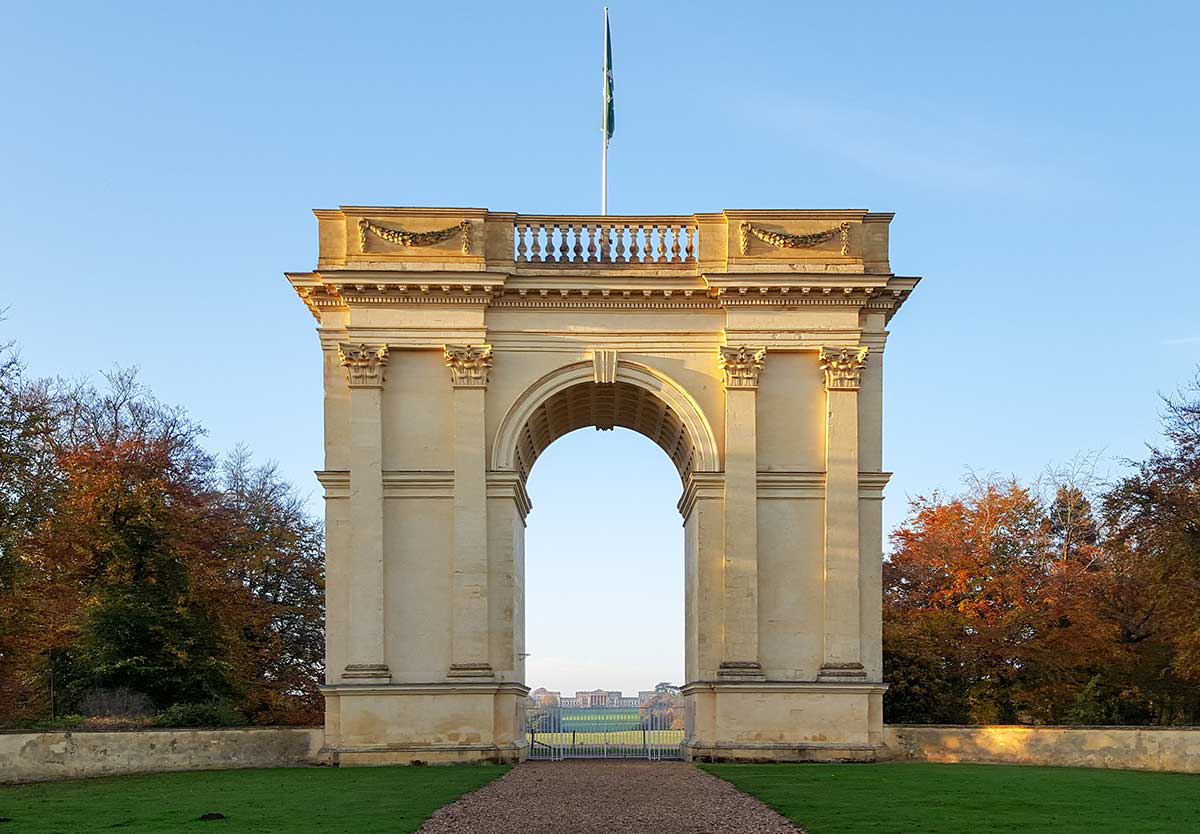
The last, but by no means least impressive or historically important, place to visit in Buckinghamshire is the Corinthian Arch in Stowe. The 18th-century stone arch was designed by Thomas Pitt, 1st Baron Camelford, and built between 1765 and 1767. Constructed from ashlar stone, the arch features giant Corinthian pilasters flanking a central arched opening, topped with a balustraded parapet. Low quadrant walls connect to columns on the podia, each adorned with urns. Flanking Tuscan columns were added later, in 1780. Although not immediately obvious, the arch does, in fact, contain two four-story residential dwellings. Significant restoration projects were completed in the 1950s, and there have been ongoing efforts to ensure this arch will continue to stand proud and tall in the coming centuries.