Embark on a fascinating journey through Essex’s rich history, with ancient Roman ruins, Jacobean splendor, Tudor elegance, and Cold War secrets dotted across the land. From the imposing Norman keep of Colchester Castle to the world’s oldest wooden church, the historical treasures of Essex go back thousands of years. Explore medieval halls, charming historic quarters, and secret nuclear bunkers. With iconic landmarks such as Southend Pier and Clacton’s seaside attractions, Essex delivers a diverse mix of historical sites and classic British coastal charm.
1. Uncover the Rich History of Colchester Castle
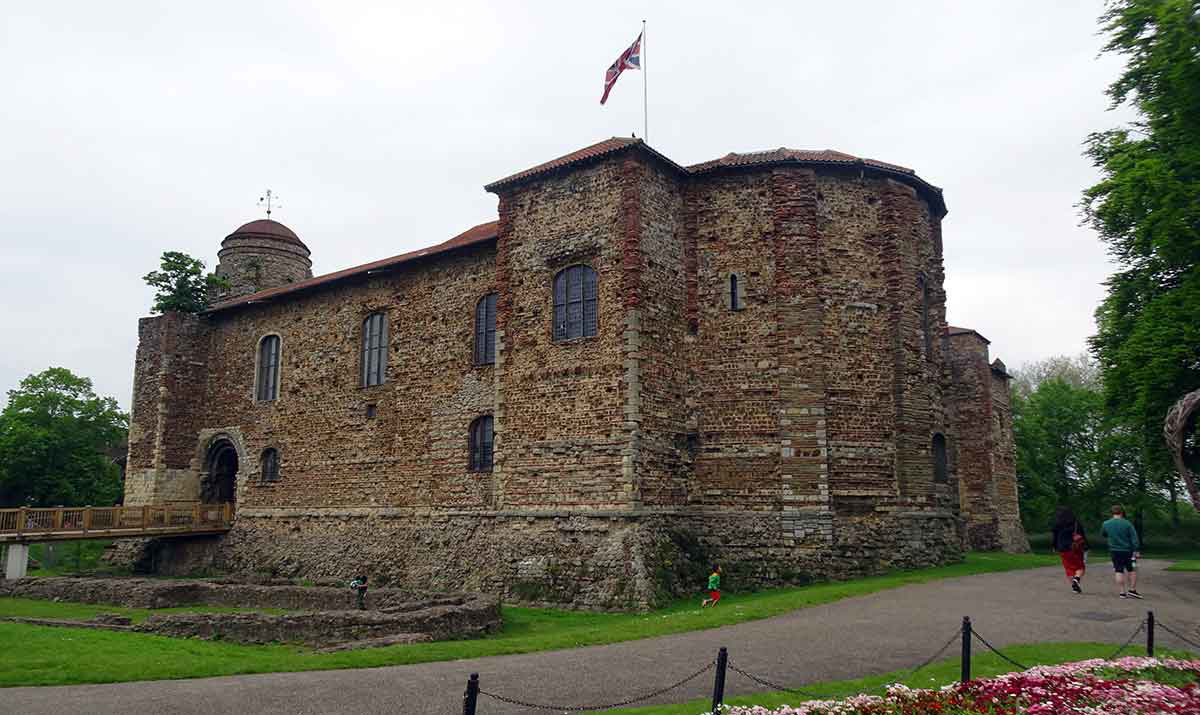
Many of the historic places of interest in Essex can be found in Colchester, which is said to be the oldest town in Britain. The town’s castle was constructed on the foundations of Temple Claudius, built in the first capital of Roman Britain, Camulodunum. The capital was designated as a “colonia,” a retirement settlement for soldiers, in around CE 49.
Following the Norman French conquest of Britain in 1066, William I, also known as William the Conqueror, commissioned Colchester Castle. Built in 1076, it is the largest Norman keep in all of Europe and showcases Norman architectural skill. Its construction was likely overseen by Gundulf, Bishop of Rochester. The Normans sourced the stone from the ruins of the Roman infrastructure in Colchester and used Roman tiles and bricks along with septaria, another form of local stone.
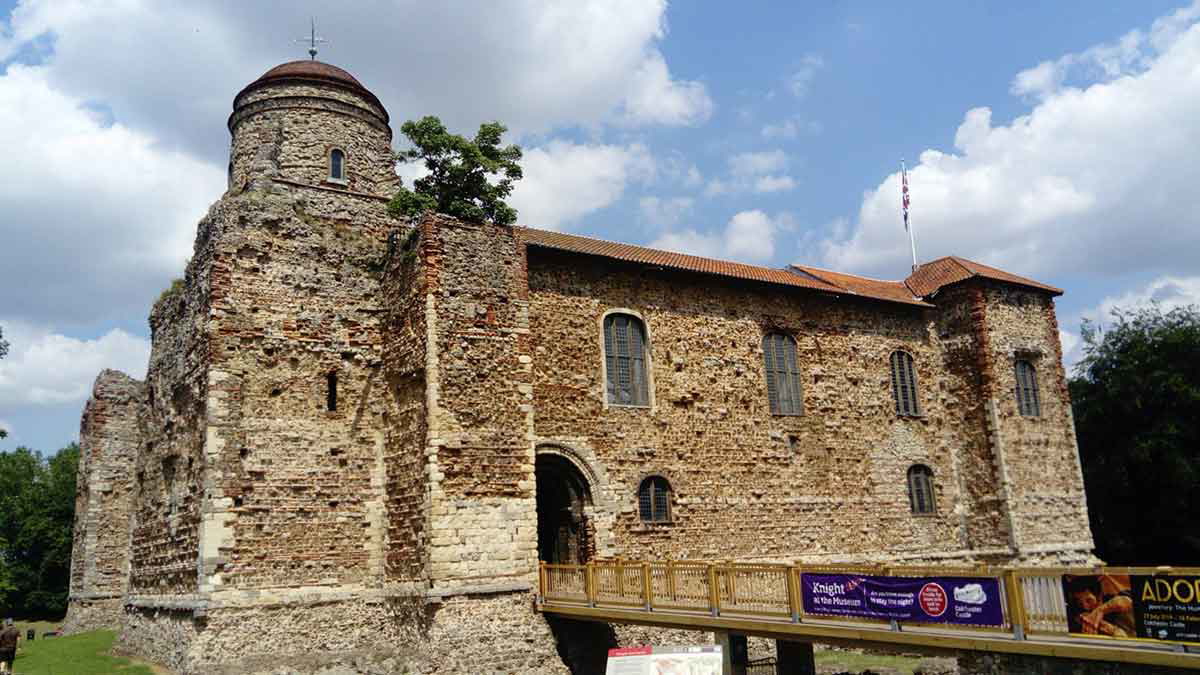
Between the 13th century and 1835, the castle was used as a prison, although it was almost demolished in 1727. Restoration efforts began around that time and culminated in a transformation in 1860 when Colchester Castle became a museum. In early 2025, £1.3 million was received to undertake urgent repairs. The old castle houses archaeological finds from the surrounding area and is an iconic piece of history itself. It is open to the public.
2. Gaze Upon the Majestic Saint John’s Abbey Gate
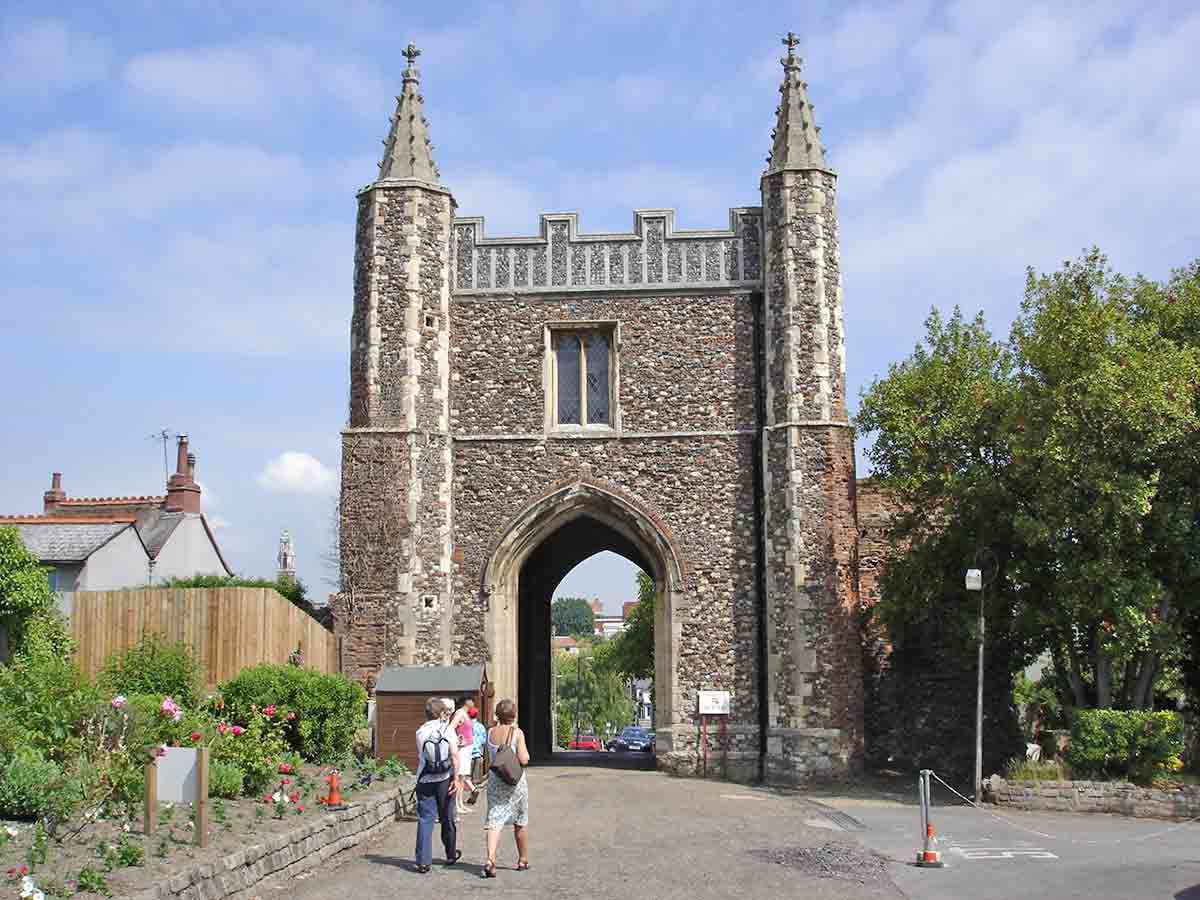
Only a short walk from Colchester Castle is a 15th-century gatehouse, which is the last remnant of the Benedictine Abbey of Saint John the Baptist. The gatehouse would have served as an entrance to a magnificent structure, as indicated by the elaborate architectural details. It was likely built to strengthen the abbey’s defenses following the Peasants’ Revolt of 1381.
The Benedictine Saint John’s Abbey was founded much earlier, in 1095; however, only the gate remains after it was dissolved in 1539 as part of the wider Dissolution of the Monasteries under King Henry VIII. Today, the public can visit the Grade I listed building to learn more about the architecture and the history, including the Siege of Colchester in 1648, during the English Civil War (1642-1651).
3. Wander Through the Ancient Balkerne Gate
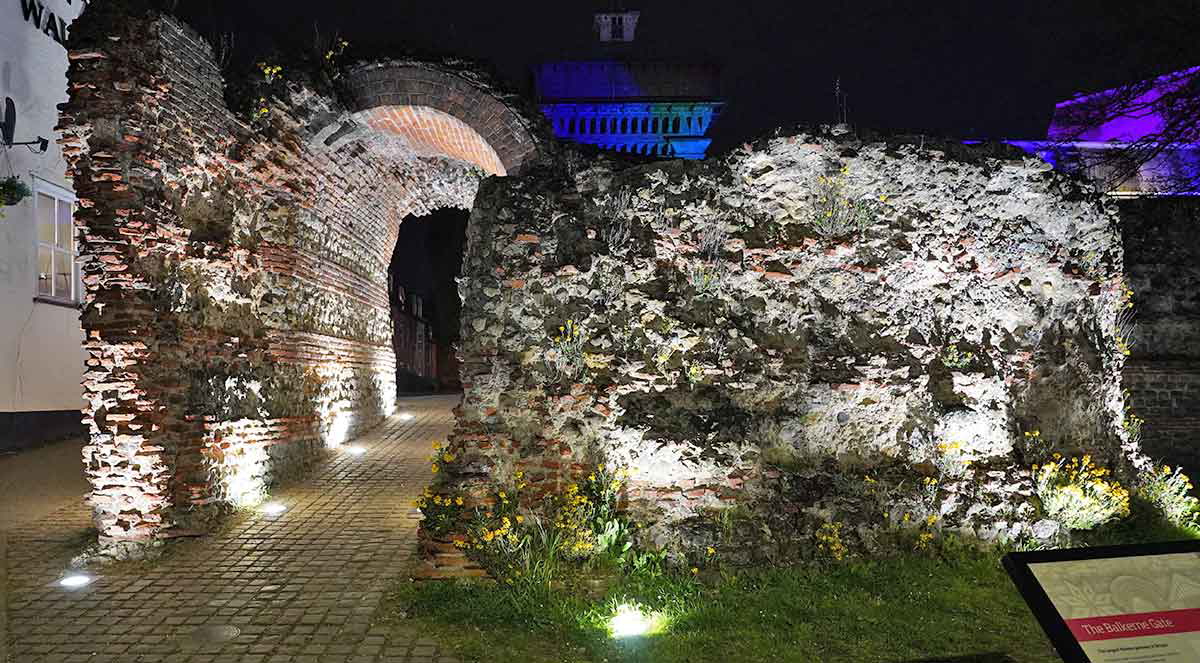
Close to Saint John’s Abbey Gate is a very different type of gateway. It is the largest surviving Roman gateway in Britain, dating back to the 2nd century CE, or possibly even earlier, between 65 CE and 80 CE. Balkerne Gate was constructed where the Roman road from Londinium (London) intersected the town wall of Camulodunum (ancient Colchester). The construction is thought to incorporate elements from an even earlier monumental arch that was built to commemorate the Claudian conquest of Britain around 50 CE. The gate features a unique design with multiple entrances and is a scheduled monument and a Grade I listed building. The public can access some parts of the remaining structure and discover other parts that have been absorbed by newer buildings, like the 18th-century Hole in the Wall public house.
4. Explore the Charming Dutch Quarter of Colchester

North of Colchester’s High Street is a historic area that touts 16th-century architecture with strong Dutch influence. The Dutch Quarter includes several streets, such as Maidenburgh Street, West Stockwell Street, East Stockwell Street, Stockwell Street, and Saint Helen’s Lane. Its history stems from the Flemish Protestant refugees who settled in the area in the 16th century, having fled religious persecution. Upon arriving, the Dutch settlers established their weaving trade, which significantly contributed to Colchester’s local economy and culture.
Today, the quarter is characterized by its collection of 18th-century buildings with a mix of Victorian, Georgian, and Dutch styles, including plenty of colorful facades and exposed timber frames. Visitors can explore the historic quarter year-round to discover the architecture, history, and the various independent shops and cafes that preserve the local culture and promote local craft.
5. Marvel at the Tudor Elegance of Paycocke’s House
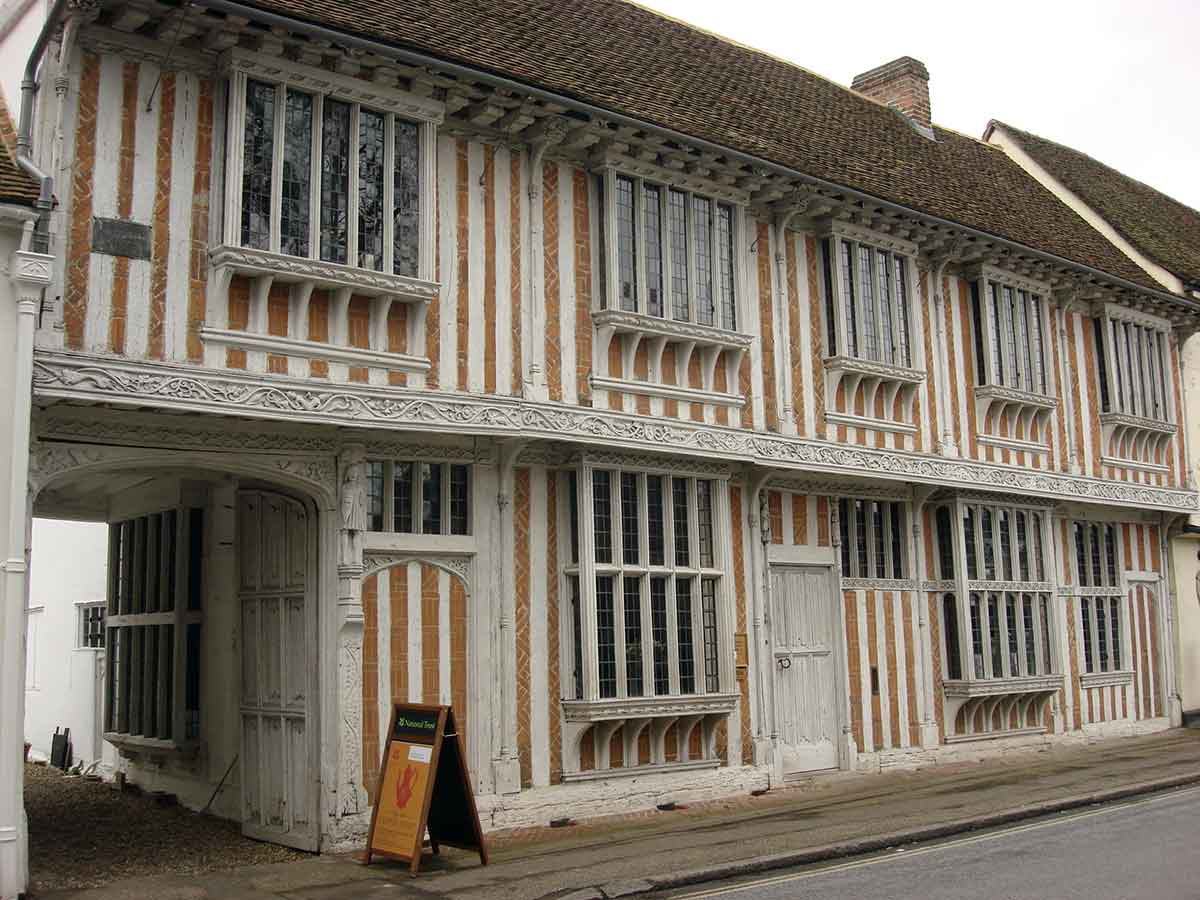
Due west of the Dutch Quarter is the village of Coggeshall, in which sits a well-preserved Tudor merchant’s house. Built sometime around 1509 for a wealthy cloth merchant, Thomas Paycocke, the property’s external facade showcases wooden finishes reflecting the Tudor style. Inside, intricate woodwork and carvings remind visitors of the wealth held by the Paycocke family, generated from the wool trade in East Anglia. Despite its rich history, the house was nearly destroyed in the 19th century. Lord Noel Buxton saved it and began restorations in the early 20th century. Today the property and surrounding gardens are managed by the National Trust and open to the public.
6. Discover the Knights Templar Heritage at Cressing Temple Barns
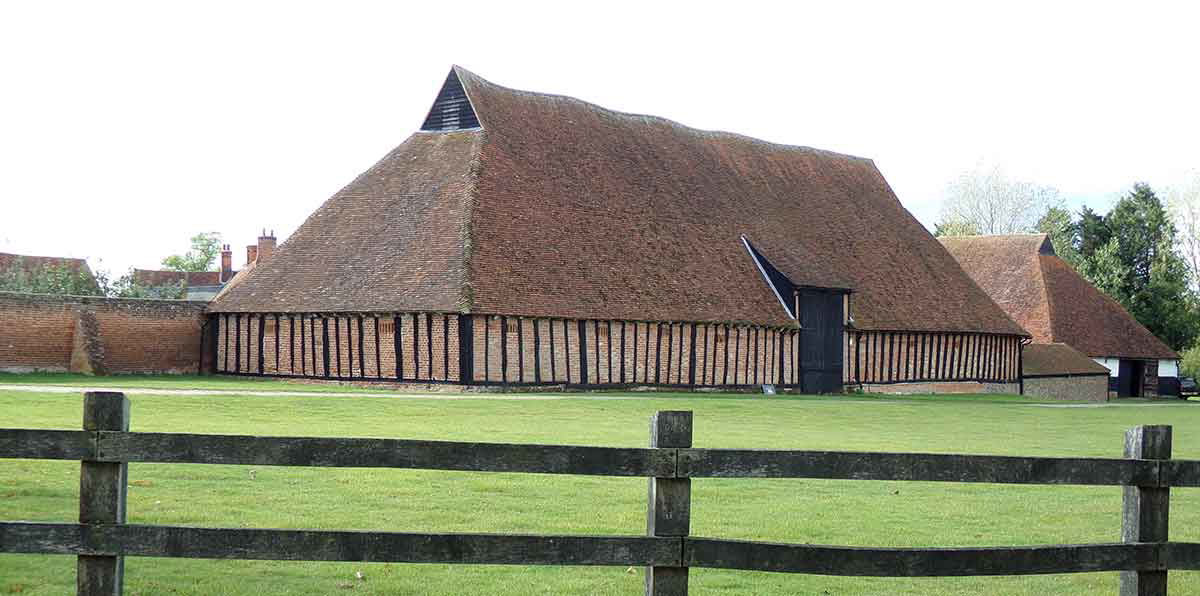
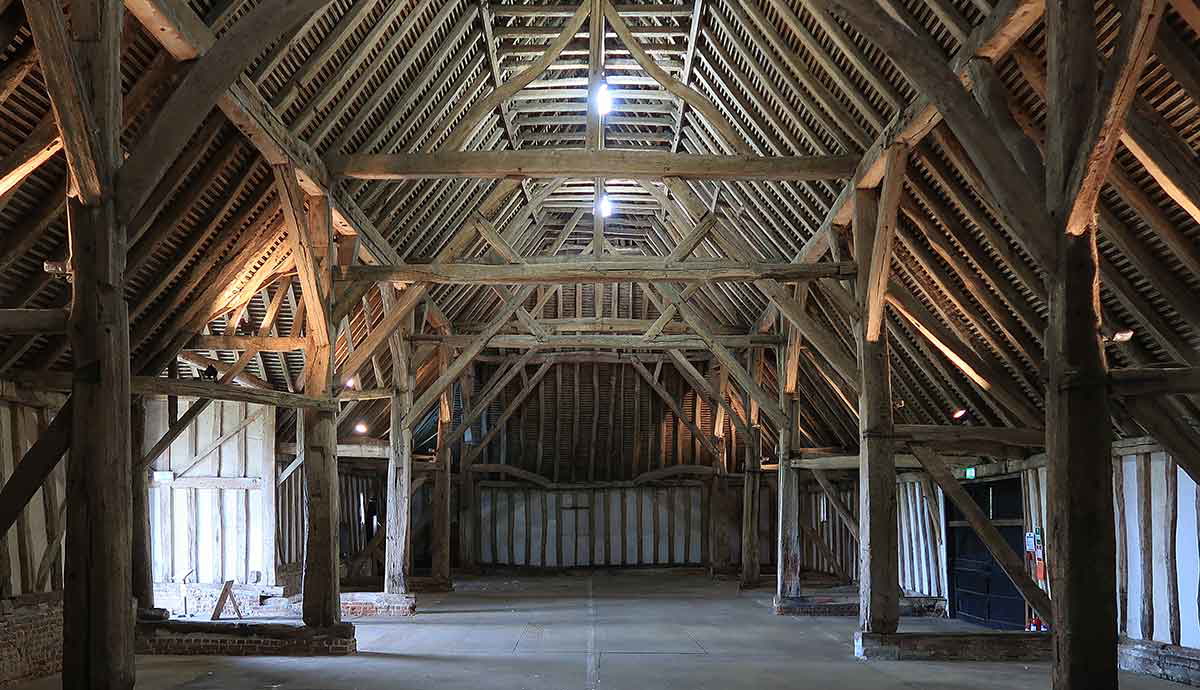
Southwest of Paycocke’s Tudor mansion is a collection of 13th-century Knights Templar barns along with a restored Tudor-walled garden. The manor of Cressing was granted to the Knights Templar in 1136 by Matilda of Boulogne, wife of King Stephen of Blois. It features the Barley and Wheat Barns (both Grade I listed), among some of the oldest timber-framed barns and a few surviving Templar buildings in England. These 13th-century barns showcase skilled medieval carpentry and give visitors insights into the preferred building techniques of the time.
The Tudor-walled garden is a re-creation of a formal pleasure garden from the Elizabethan era, complete with medicinal herbs and a knot garden. The original Tudor brick wall still stands, enclosing the reconstructed garden. Knot gardens were symbolic of order, control, and mastery that the Tudors believed they held over nature. In Tudor times, the evergreen hedges would have been carefully pruned and maintained year-round as a statement of the owner’s wealth and power. Visitors can explore the barns and the garden, which are all open to the public.
7. Experience the Imposing Grandeur of Hedingham Castle
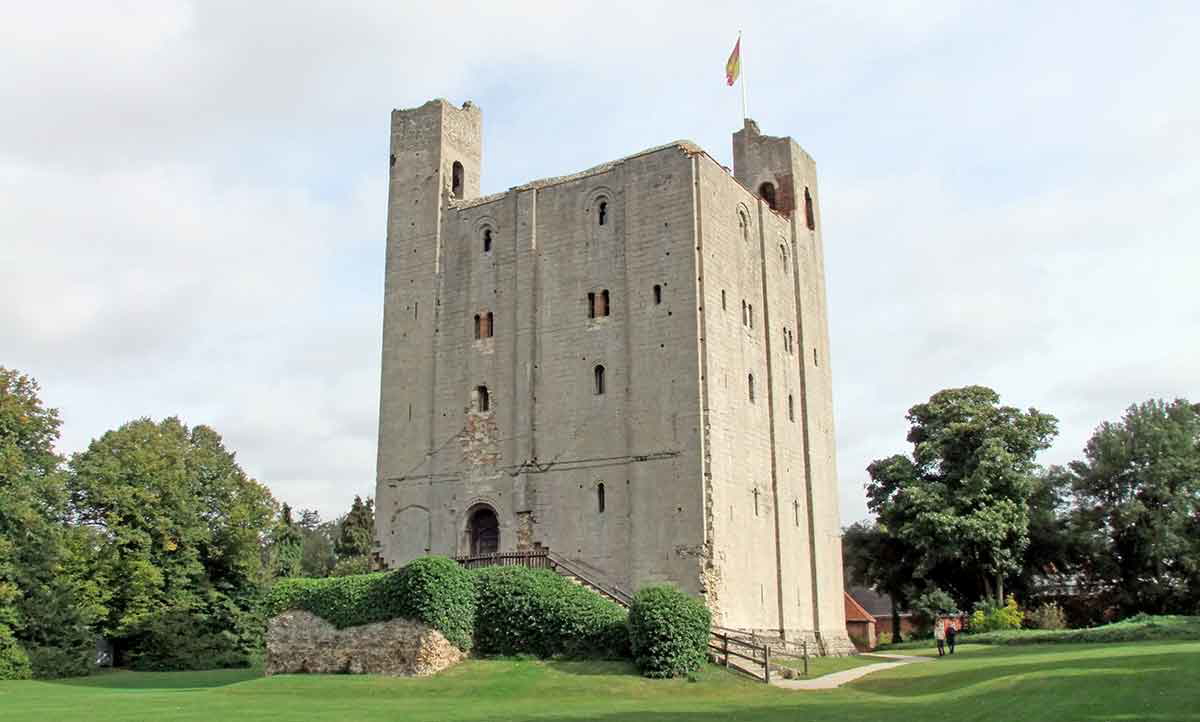
About 10 miles north of the Knights Templar barns is the towering Norman keep of Castle Hedingham. It is one of the best-preserved Norman keeps in all of England, holding almost 900 years of history. A prominent Norman baron—possibly the first Earl of Oxford—Aubrey de Vere, built the castle in 1140. It would serve as the seat of the De Vere family for more than half a century. Built using ashlar stone from Barnack, it is over 110 feet (33.5 meters) tall, contains four intact stories, and has walls up to 12 feet (3.6 meters) thick in some places. The banqueting hall ceiling is held up by an impressive 28-foot-high arch (8.5 meters), which was a huge architectural achievement of its time.
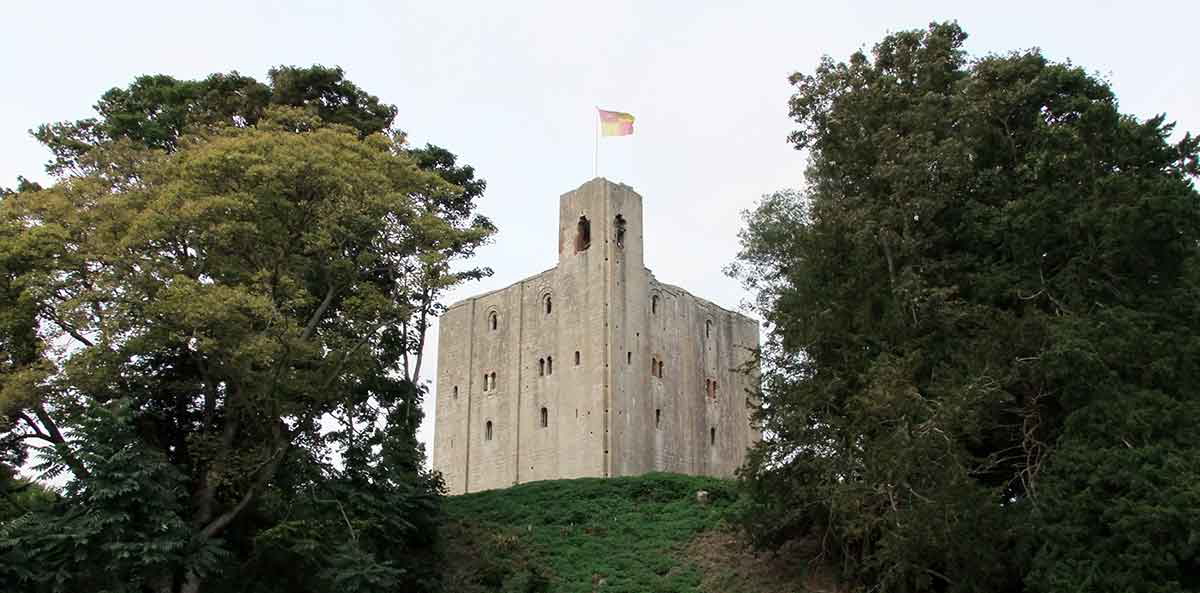
The de Vere family was powerful, with Robert de Vere involved in the Magna Carta in 1215 and his son John de Vere notably leading the Battle of Bosworth in the Wars of the Roses (1455-1487). The castle has also hosted royal visitors, including King Henry VIII and Queen Elizabeth I. Today, the castle is privately owned, and its doors are open to visitors to explore its medieval past and the surrounding woodland and landscaped gardens.
8. Visit Saint Andrew’s Church, the World’s Oldest Wooden Church
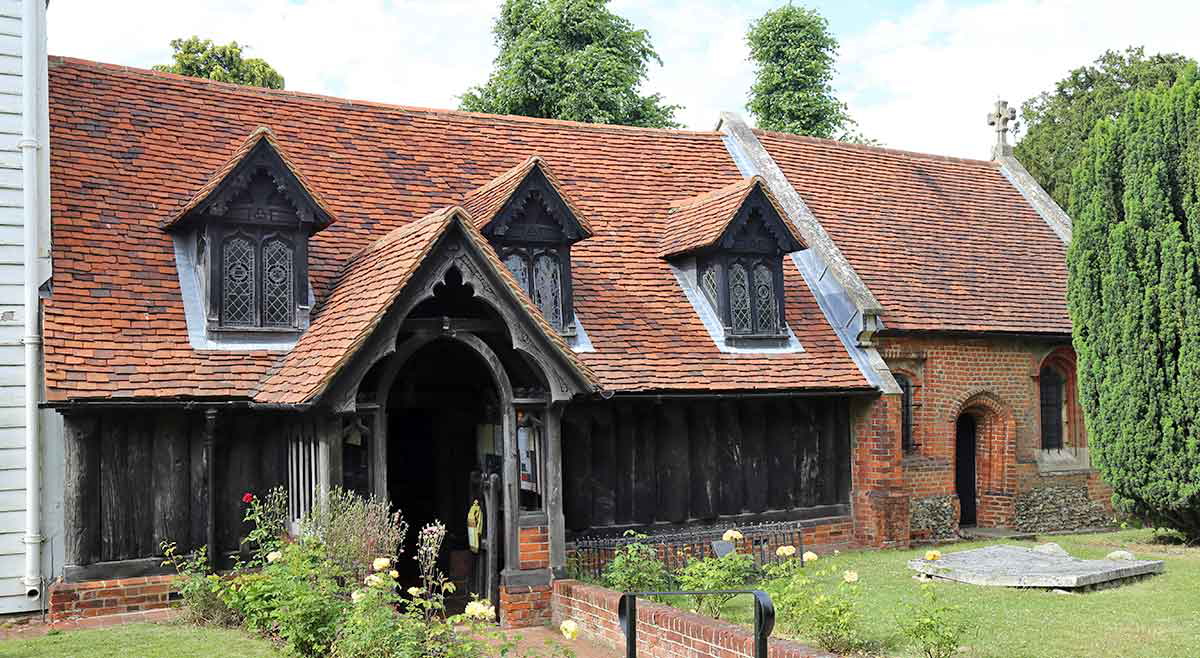
Leaving Hedingham Castle and driving south for about 25 miles will bring visitors to the entrance of a much more humble and understated building. Nestled in Greensted-juxta-Ongar is the oldest wooden church in the world. Greensted Church, also known as Saint Andrew’s Church, may also be the oldest timber building in Europe. Its nave is constructed from 51 oak planks dating back to 1060. Earlier timber structures have been discovered that date back even further, to the 6th and 7th centuries, with possible links to Saint Cedd’s mission to convert the Saxons to Christianity.
The church has undergone numerous—and occasionally quite intensive—restorations over the centuries, including Victorian renovations in 1848 and 1849 and further stabilization efforts in 1990. Historically, the church is a resting place for several significant figures, including Saint Edmund in 1013 and a 12th-century crusader. It also has connections to the Tolpuddle Martyrs, one of whom, James Brine, married Elizabeth Standfield at the church in 1839. This humble little building is a remarkable testament to Anglo-Saxon architecture and England’s rich heritage. It is open to the public and still holds weekly services for local residents.
9. Stroll Through the Historic Ingatestone Hall
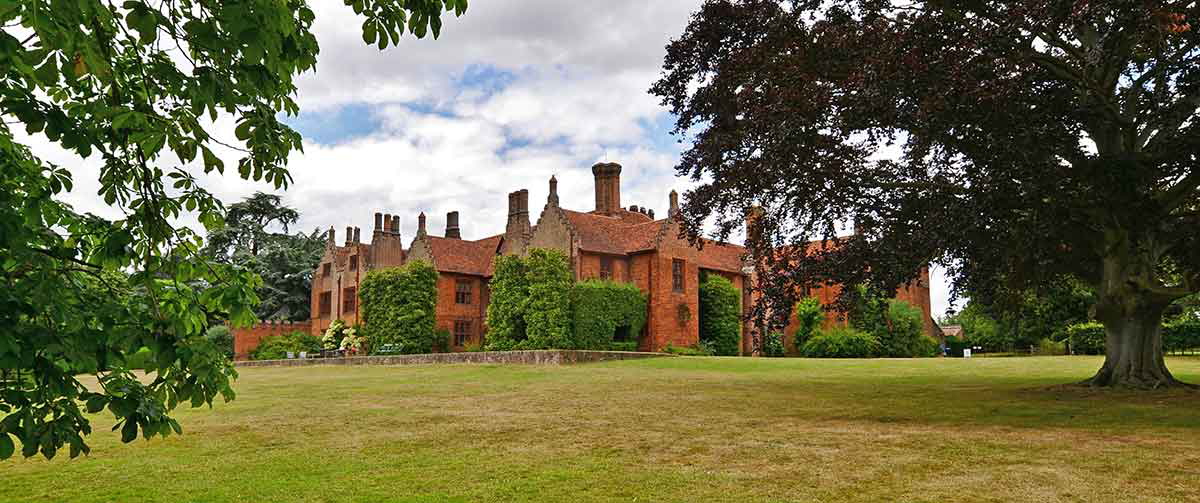
Not far from Saint Andrews Church is Ingatestone Hall, a stunning Grade I listed 16th-century manor house and a fine example of Tudor architecture. Its story begins in 950 CE, when King Edgar (959-75) granted the land to Barking Abbey. Centuries later, as monasteries fell under the command of King Henry VIII, Sir William Petre, an advisor to the king, purchased the manor. He set about building on the site of the old steward’s residence and completed the property by the mid-16th century.
The result was a manor house that was advanced for its time, as it had plumbed fresh water and flushing drains. Ingatestone Hall would remain a property of residence and retreat for the Petre family in the centuries that followed. Significant alterations in the 18th and early 20th centuries helped to restore its Tudor character. During World War II (1939-45), it housed Wanstead School for girls, and in the 1950s, it served as a record office for Essex County Council. Today, the Petre family retains ownership of Ingatestone Hall, which is open to the public.
10. Delve Into Cold War Secrets at Kelvedon Hatch Secret Nuclear Bunker
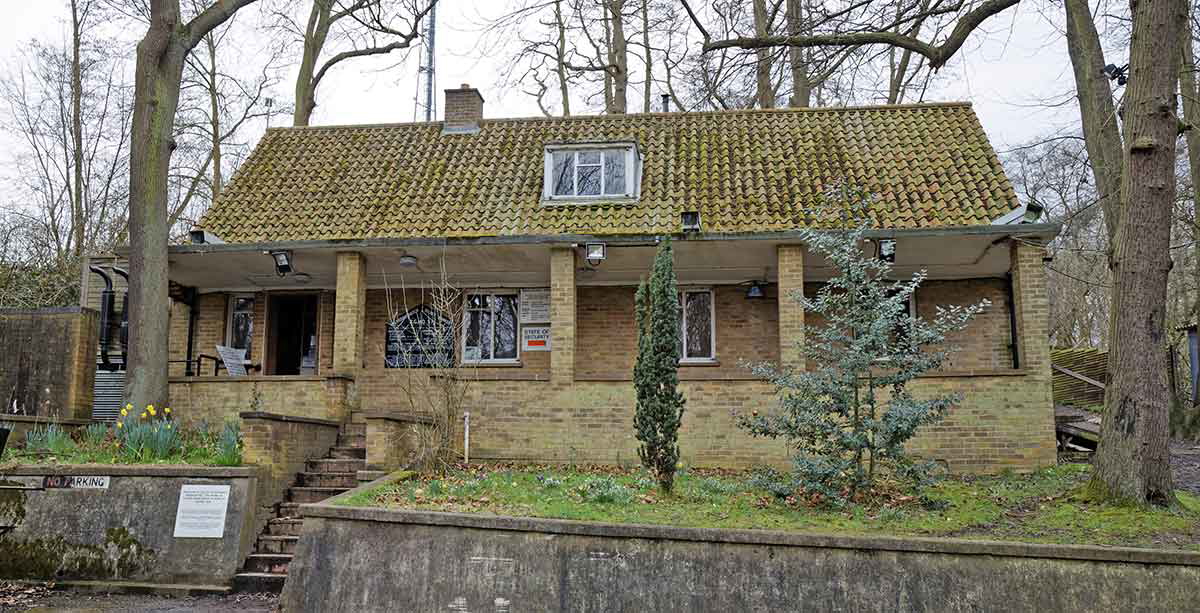
In the Borough of Brentwood, hidden away in the village of Kelvedon Hatch, is a Cold War-era underground facility. This secret nuclear bunker is one of the largest and deepest in South East England and is buried 125 feet deep. It was constructed in 1952 and 1953, during a period of geopolitical tensions, proxy wars, and a nuclear arms race between the United States and the Soviet Union. The bunker was designed to be a potential regional government headquarters and served various functions over the decades, including as a command center during periods of heightened nuclear threats. It was decommissioned in 1992 and has been open to the public ever since.
11. Admire the Jacobean Splendor of Audley End House
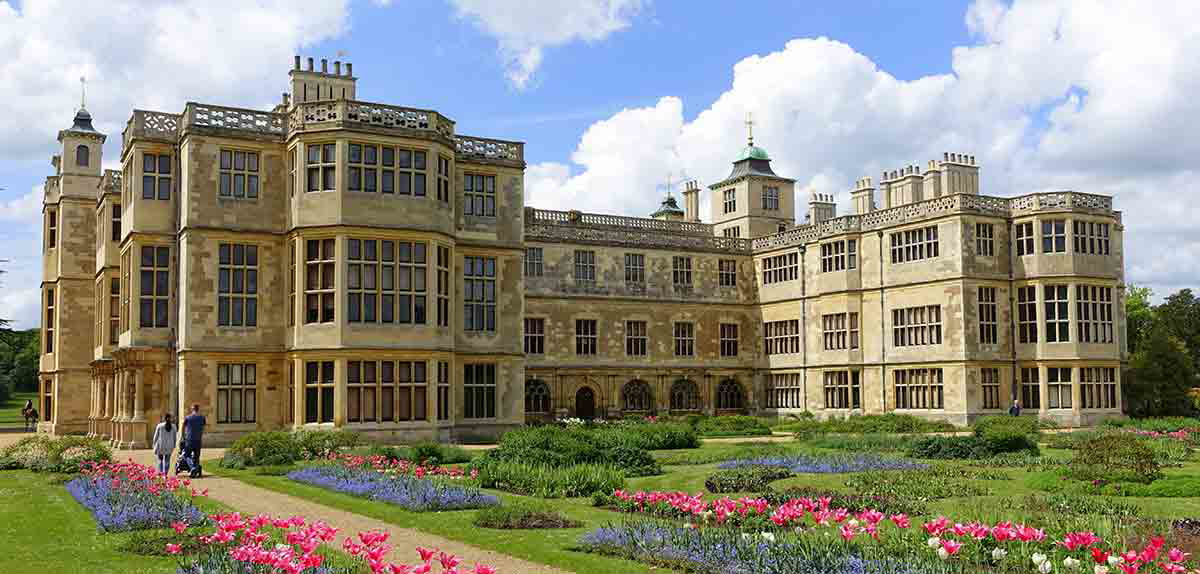
Around 25 miles north of the nuclear bunker is a magnificent Jacobean mansion. Located near Saffron Walden is Audley End House. It was once one of England’s grandest early 17th-century mansions, built between 1605 and 1614 by Thomas Howard, 1st Earl of Suffolk. Its initial design was to the scale of a royal palace, as it was destined to serve as an entertainment retreat for King James I (1566-1625). However, it was reduced to about a third of its original size due to financial constraints and also underwent various architectural developments. Notable changes include Robert Adam’s modernization that began shortly after Sir John Griffin Griffin inherited the property in 1762.
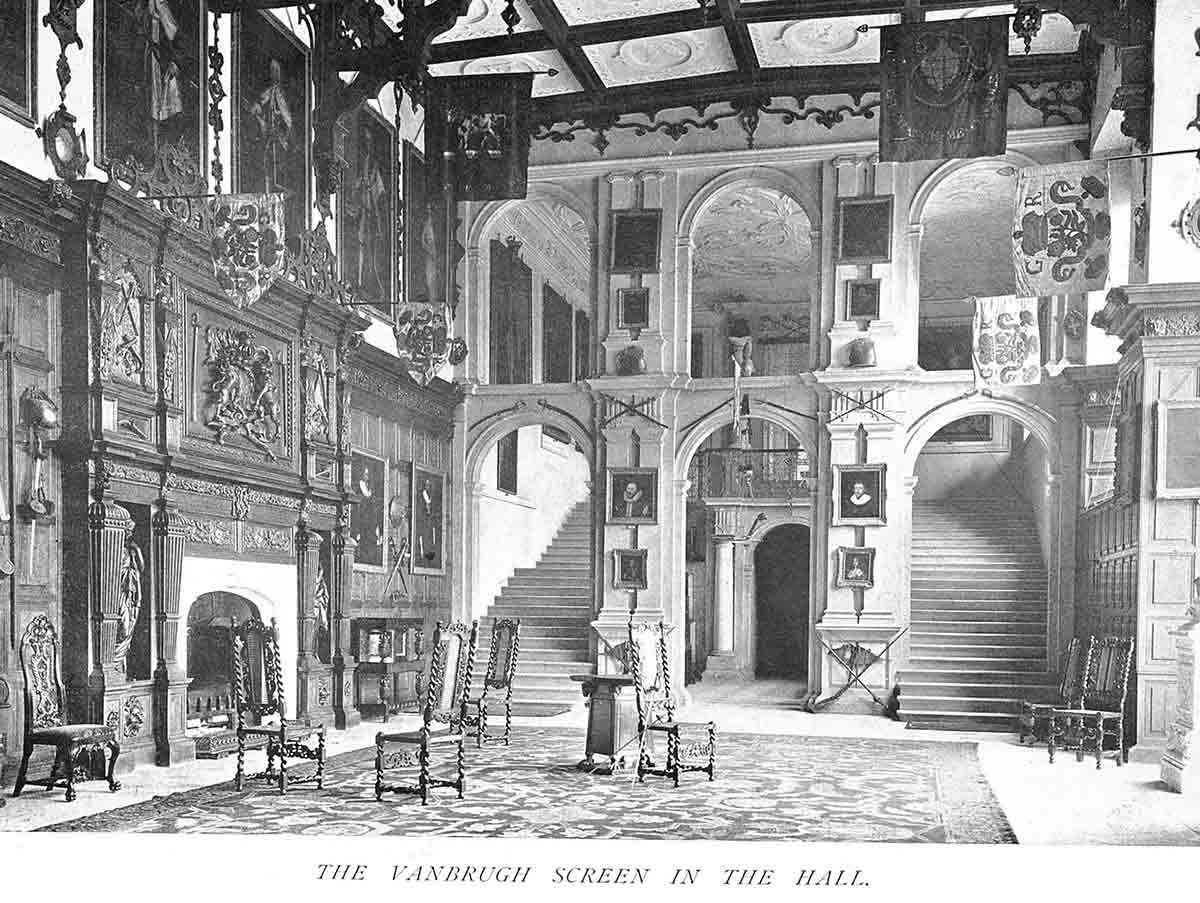
Under the instruction of Sir John, Robert Adam and several skilled craftsmen transformed the house into a Georgian wonder, adding neoclassical-style reception rooms. Lancelot “Capability” Brown redesigned the grounds by creating sweeping lawns, a meandering river, and garden features like the Palladian Bridge and Temple of Victory. Following Sir John’s death in 1797, the estate was passed on, eventually coming to the ownership of the 3rd Lord Braybrooke, who restored its Jacobean character in the 1820s. Much of what visitors see today is the result of his efforts.
Throughout its existence, the house has had many owners, including King Charles II in 1669. During World War II (1939-45), it was used as a secret training ground for Polish Special Operations Executive soldiers. Today, it is managed by English Heritage and open to the public.
12. Take In Scenic Views at Hadleigh Castle
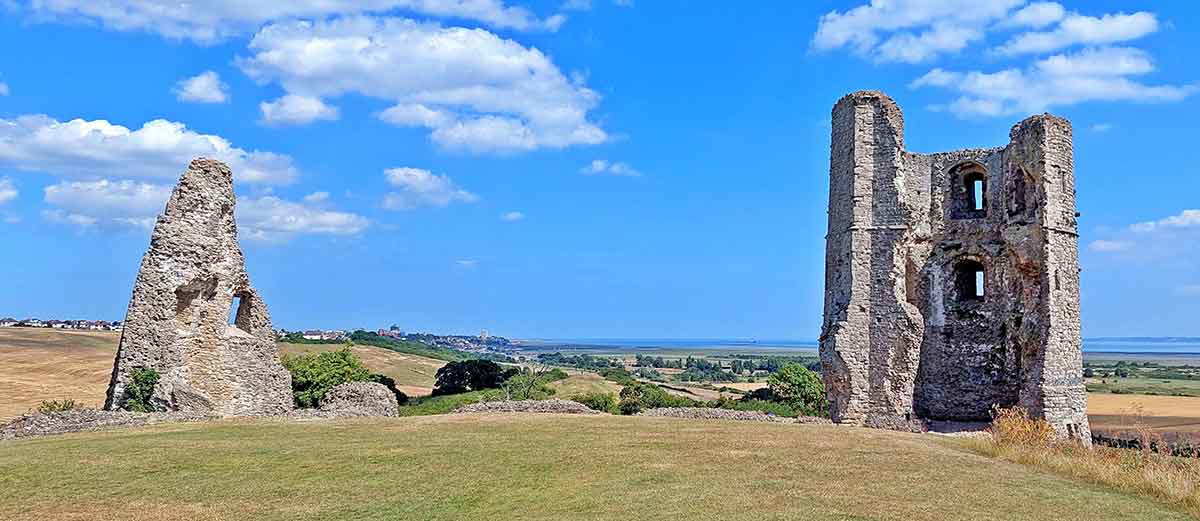
40 miles south of Audley End House lay the romantic ruins of a 13th-century castle that sits overlooking the Thames Estuary and Leigh Marshes. Hadleigh Castle was built in 1215 by Hubert de Burgh, Earl of Kent, to symbolize his power. In 1239, the castle was forfeited to the Crown; however, it was only in the early 14th century that it was put to royal use, when King Edward II (reigned 1307-27) began utilizing it as a royal residence. His son, King Edward III (reigned 1327-77), would recognize the castle’s strategic importance during the Hundred Years’ War in 1337-1453.
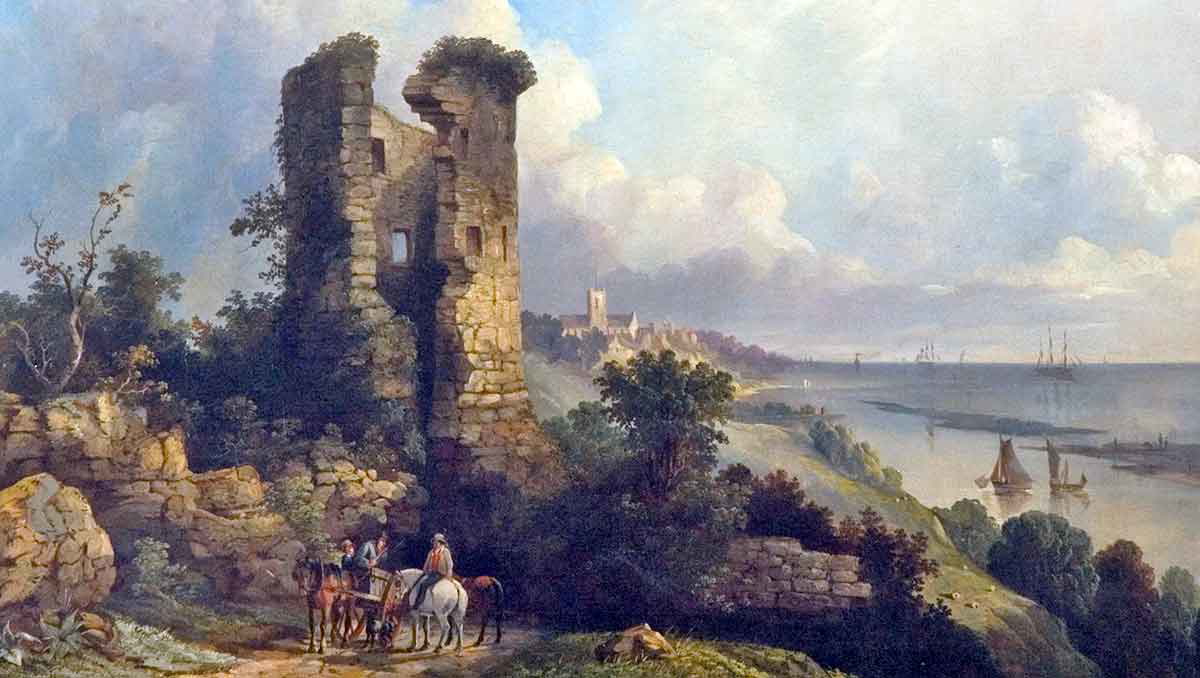
In the 1360s, King Edward III transformed Hadleigh Castle to protect the Thames Estuary against potential French raids. He extensively refortified and expanded the building, adding impressive features, including two circular towers, a main entrance with a portcullis and drawbridge, and a barbican and circular tower called the “High Tower.” In King Edward III’s later years, the castle became a favorite retreat, as he enjoyed its great hall with private chambers. Following the king’s death, the castle fell into disuse. It and much of its valuable contents were eventually sold in 1551. Today the site is managed by English Heritage, and visitors can explore the ruins in daylight hours.
13. Explore the Medieval Charm of Southchurch Hall

Head to Southend-on-Sea to discover Southchurch Hall, an intriguing medieval moated house that has become a museum. The Grade I listed property was built sometime between 1321 and 1364. It was home to many farming families until its restoration in the 1920s and presentation to the town of Southend. A Tudor extension was added in the 1930s, and it retains some of its original smoke-blackened timbers. Gardens surround the hall, which contains historical artifacts and information on life during the medieval, Tudor, Stuart, and Victorian periods. Visitors with a curiosity for local history can explore the museum year-round.
14. Take the Train on Southend Pier, the World’s Longest Pleasure Pier
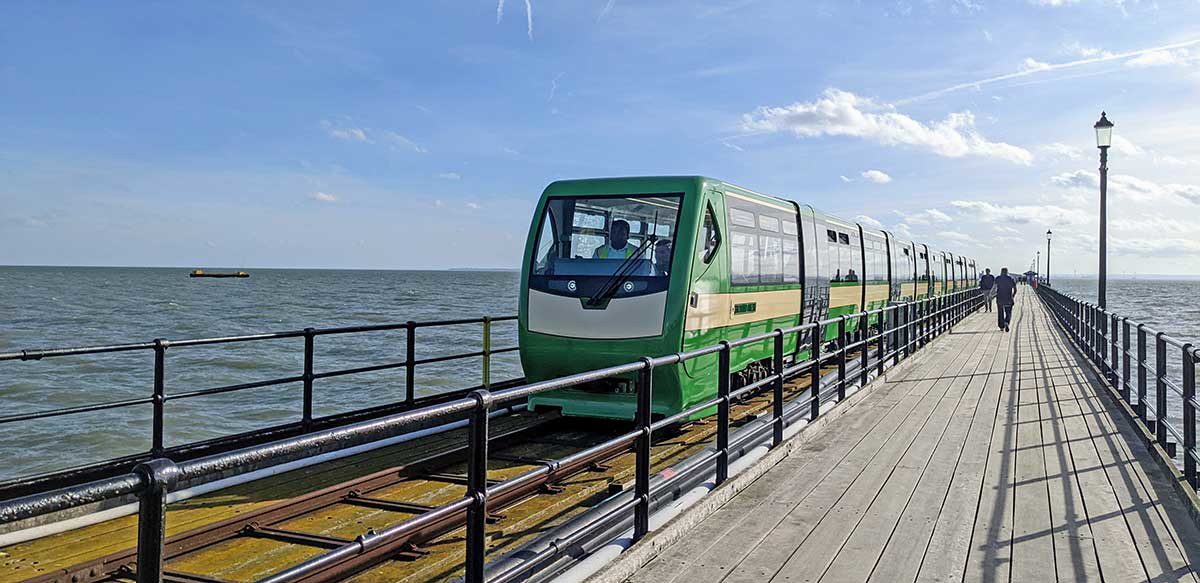
Close to Southchurch Hall is the Pier of Southend-on-Sea, the world’s longest pleasure pier, extending 1.33 miles (2.14 km) into the Thames Estuary. It was built in 1830 originally as a wooden structure and then extended in the 1830s and 1840s before reaching a record-breaking length in 1848. It was later reconstructed using iron before opening to the public in 1890. The first electric railway opened in 1889, and prior to that, in 1846, a primitive tramway with hand-propelled carts ran on a single wooden track. When the iron rails were introduced in 1875, the trams were pulled by horses.
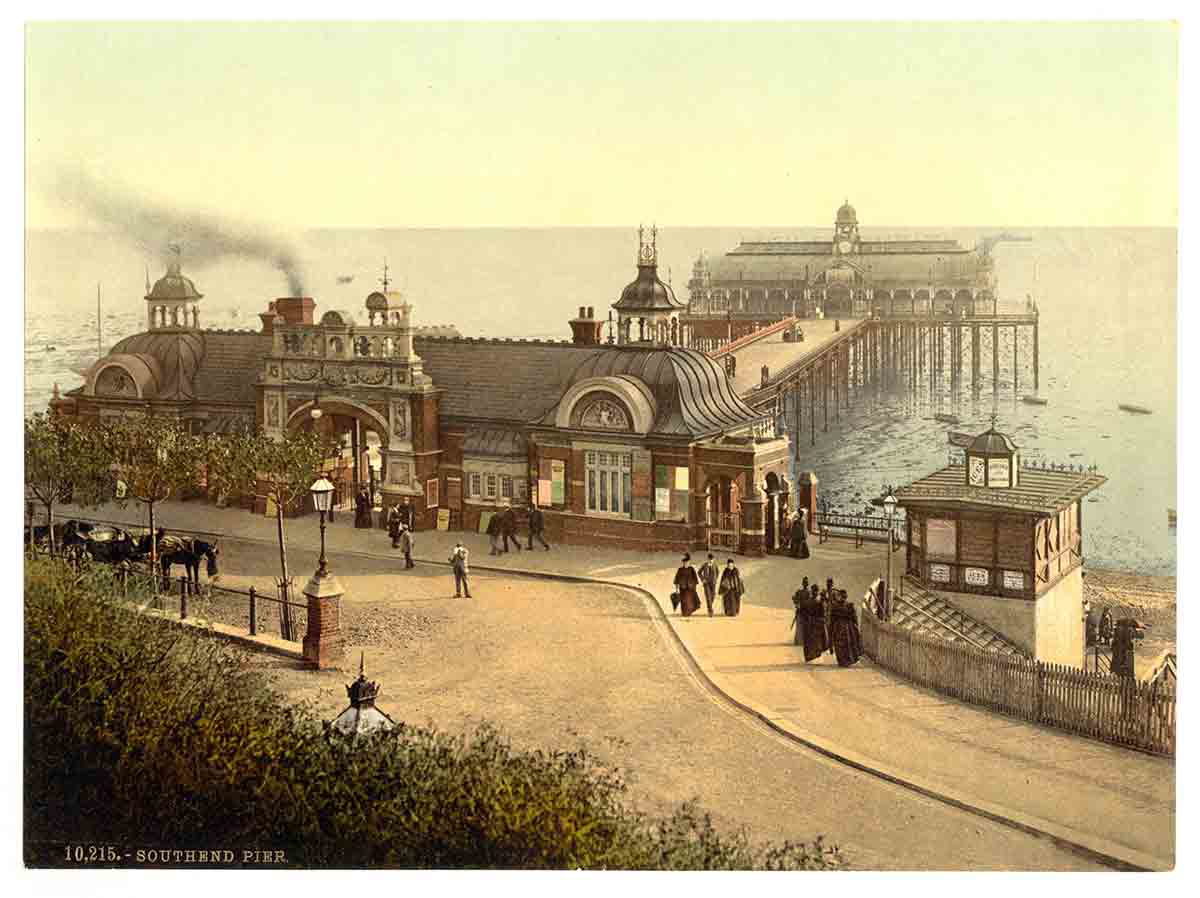
For over 100 years, visitors have been able to walk or take the train along the pier. The construction has survived the elements for nearly 200 years, including several devastating fires in 1890, in the 1900s, and as recently as 2005. In 1959, 500 people were rescued by boat when a fire started on the shore end of the pier. In 1976, crop-spraying light aircraft and boats battled flames that consumed most of the pier head. In both World War I (1914-18) and World War II (1939-45) the pier was used for military purposes, thus it was closed to the public from 1939 to 1945. Today, visitors can take the train or walk along the historic pier.
15. Enjoy Seaside Fun at the Historic Pier in Clacton
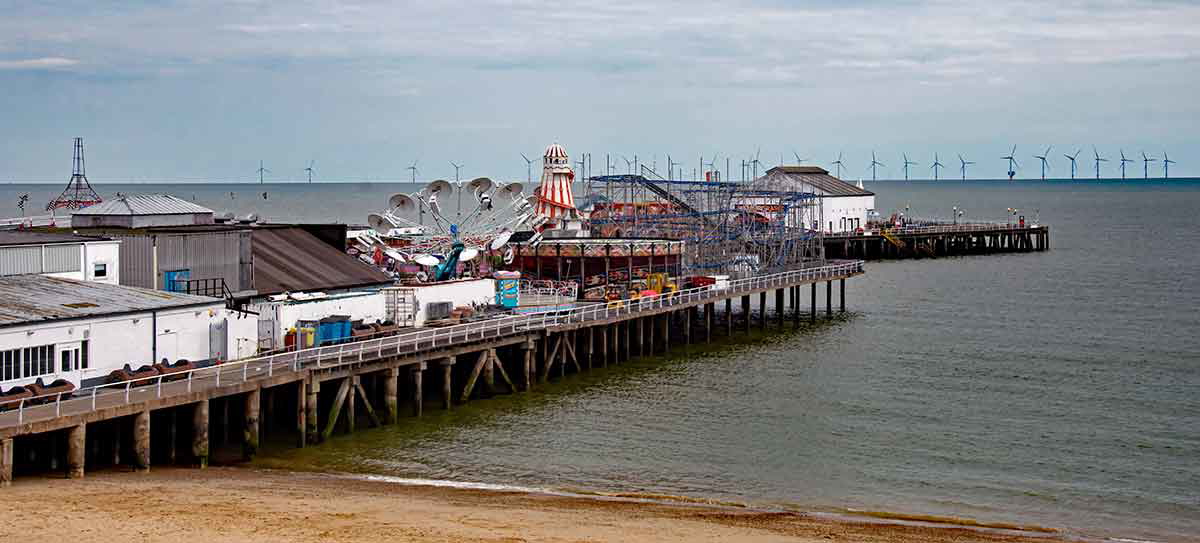
Northeast along the coast from Southend-on-Sea pier is another historic pier in Essex. Clacton Pier, located in the seaside resort of Clacton-on-Sea, is a Victorian pier and a symbol of Clacton-on-Sea’s seaside heritage. The first ship to call at the pier was the SS Queen of Orwell, which did so on July 18, 1871, although the pier officially opened nine days later. It was built to serve as a landing platform for goods and passengers and also facilitated steamship traffic from companies like the Woolwich Steam Packet Company. The original structure was only 160 yards (146.3 meters) long and 4 yards (3.7 meters) wide, but by 1893, it was extended to 1,180 feet (359.7 meters) in response to growing visitor numbers.
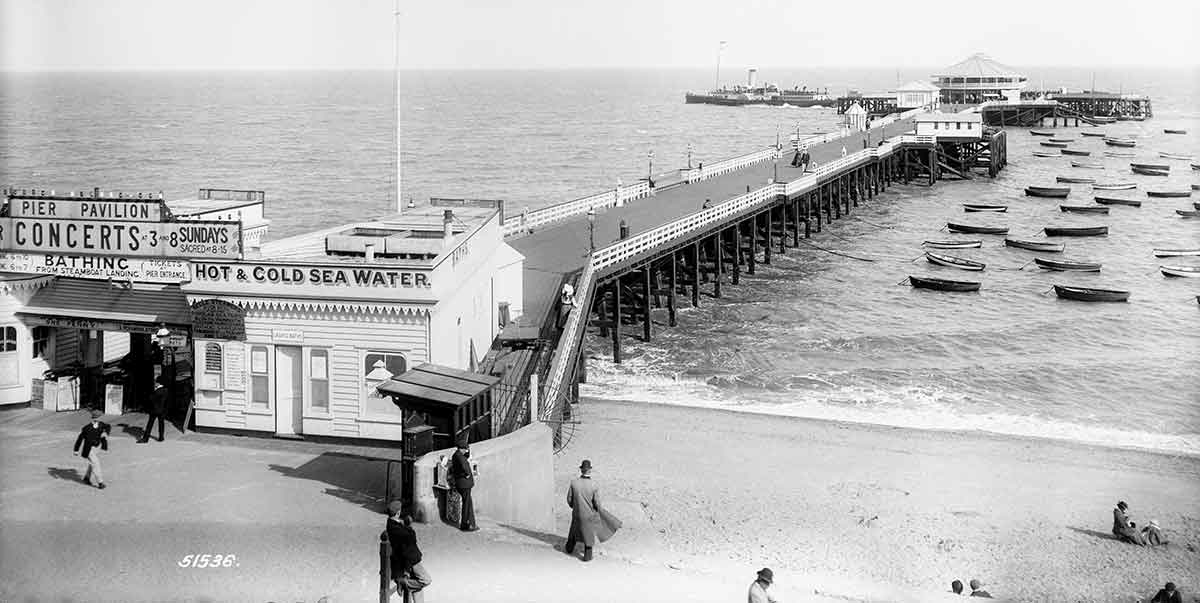
After World War I, Ernest Kingsman purchased the pier and transformed it into a leisure and entertainment center, adding a theater, casino, and dance hall. The pier suffered damage during World War II and also suffered a fire in 1973; however, it has continued to be rebuilt, with new rides, arcades, and attractions added by subsequent owners. In 2020, it was named Pier of the Year by the National Piers Society, and today it is open to the public who can explore this prominent landmark and historically popular tourist destination.
16. Discover Military History at Harwich Redoubt Fort
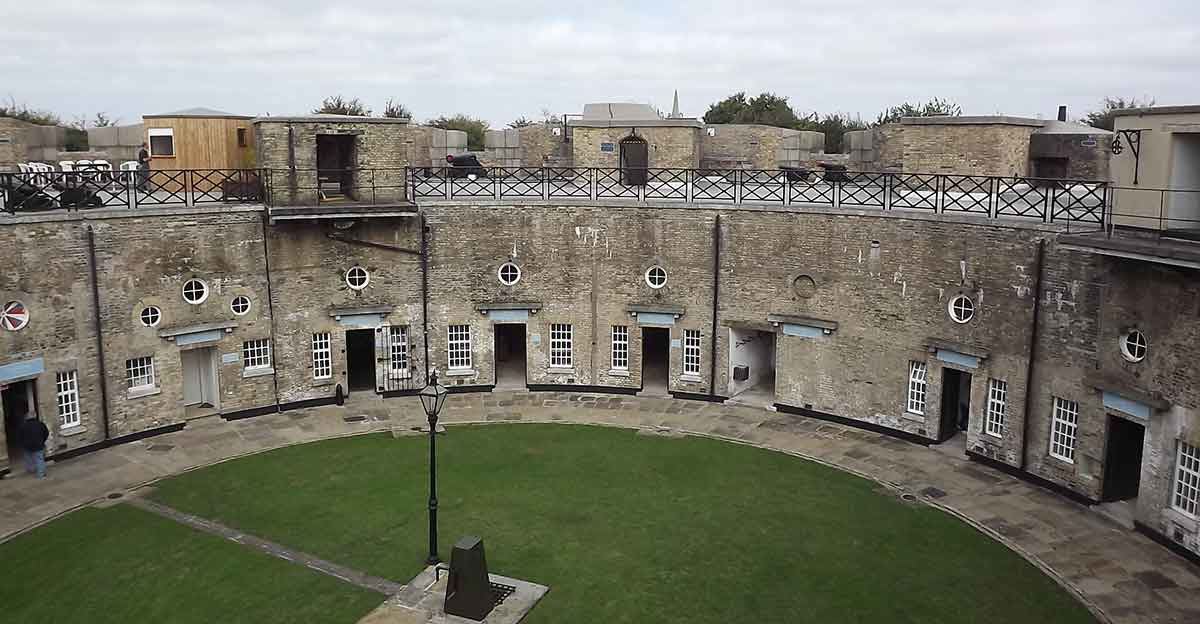
The last stop on a tour of historic places in Essex is 17 miles northeast of Clacton-on-Sea in Harwich, at a 19th-century circular fort. Harwich Redoubt Fort was built between 1808 and 1810 to defend against a possible Napoleonic invasion. The fort has a circular design with a diameter of approximately 180 feet (about 61 meters) and originally housed ten cannons on its battlements. The fort has notable historical architectural features, including a central parade ground and 18 casemates used for various military purposes. It has undergone several restorations since its construction. Today the Grade II listed building is managed by the Harwich Society and is now a museum that showcases military artifacts. Occasionally, battle reenactment events are hosted on the grounds, all of which are open to the public.