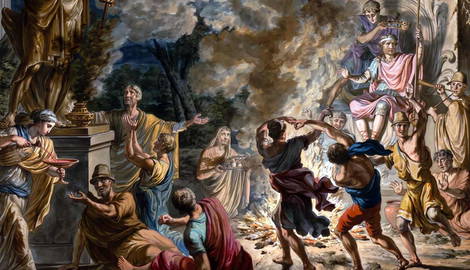

Every year in December thousands flocked to the Temple of Saturn at the Roman Forum to celebrate Saturnalia. Throughout Roman history, the god Saturn was worshipped in a week-long celebration to end the winter period and welcome the return of farming, hunting, and war. During the festivities, all social hierarchies were suspended and reversed as masters served their slaves, families exchanged gag gifts, and governmental offices closed to encourage drinking, gambling, and partying.
The Cult of Saturn in Roman Polytheism
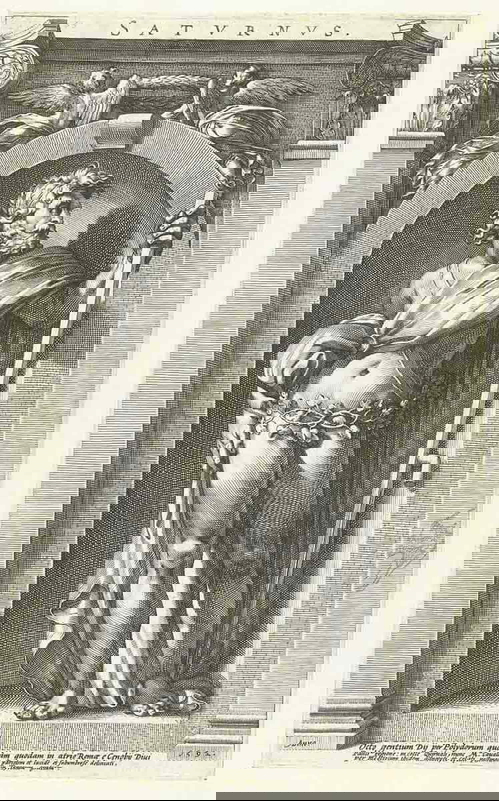
Variations of Roman myths record that Saturn was expelled from Greece and arrived in Italy when it was lawless and underdeveloped. He soon fostered the “Golden Age” in Roman mythology by uniting and civilizing all living creatures and humans as their king. Introducing agricultural practices and equality, his mythical kingdom became a utopia free from strife, competition, and hardship.
Saturn was one of the most important gods in Roman polytheism as the god of agriculture, wealth, abundance, and liberation. As such, his temple was one of the first structures built in the Roman Forum in 497 BCE, and became the official state treasury for centuries. Saturnalia has been celebrated at his temple since its completion in the 5th century BCE.
History of Saturnalia
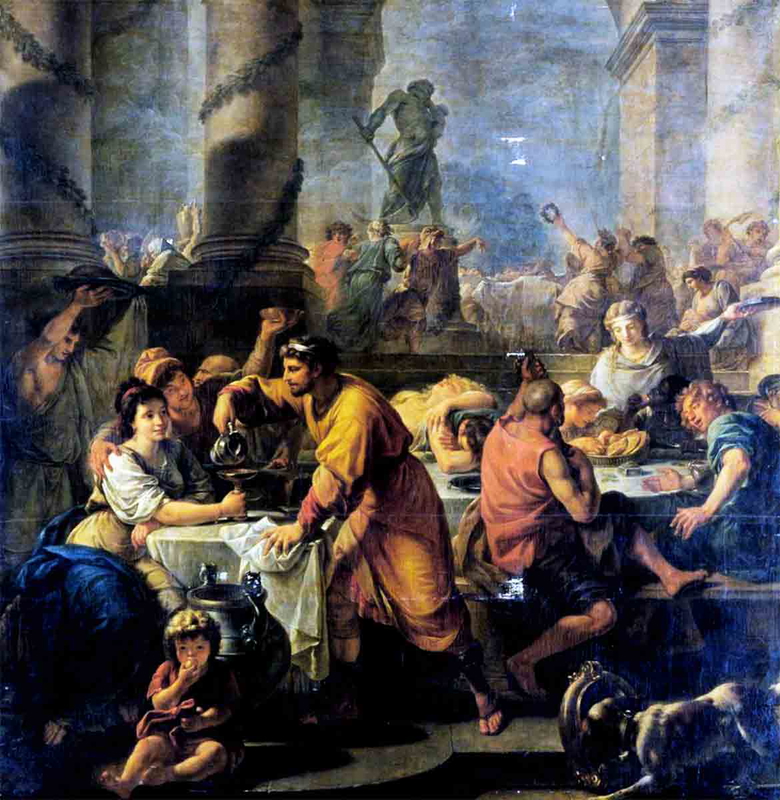
Romans viewed the transitional nature of the winter solstice as the sacred time to evoke, worship, and honor Saturn. This annual celebration became one of the most illustrious and beloved holidays in Roman society. Connecting this season to the start of the astrological Capricorn period also ruled by the planet Saturn, Romans observed Saturnalia in mid-December. After the standardization of the Julian calendar by Julius Caesar in 45 BCE, celebrations began on December 17th. By the Late Republic period, festivities were extended from 3-5 days to an entire week. Rituals, public banquets, and sacrifices venerated the god and asked for his blessing. With his favor, Romans hoped to achieve military victories, bountiful harvests, and good will in the new year.
Order of Events
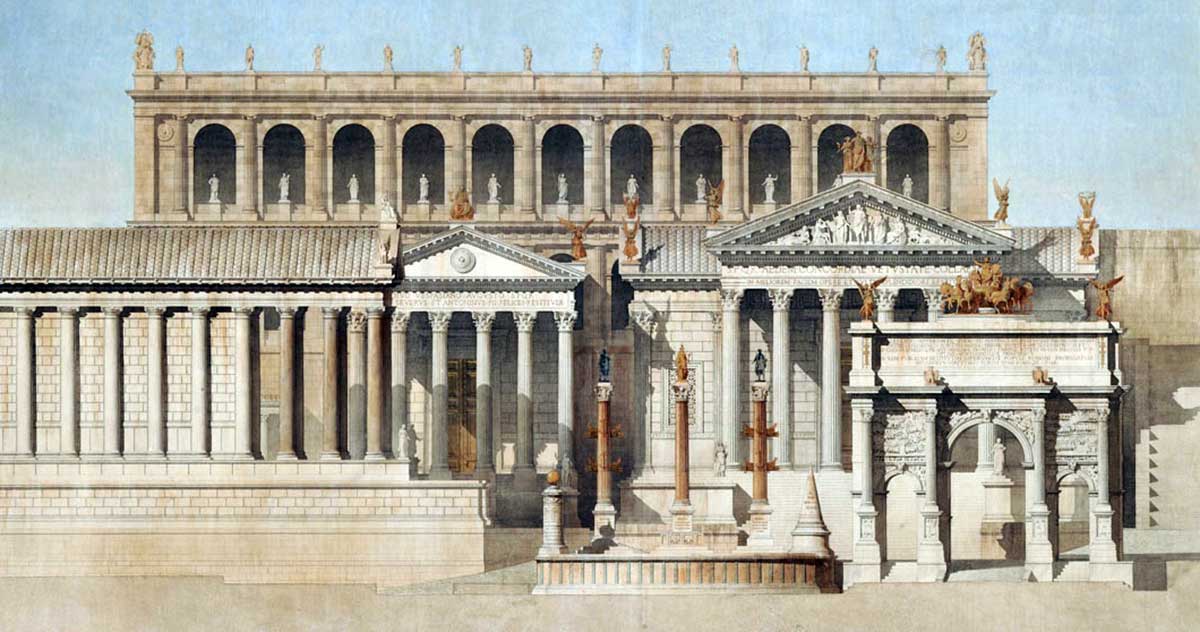
Saturnalia festivities sought to recreate the unfiltered, egalitarian, and joyous lifestyle during Saturn’s Golden Age rule. On December 17th, all businesses, schools, and courts were closed. It was also forbidden to wage war. Saturnalia began with a sacrifice at the Temple of Saturn in the Roman Forum officiated by priests. Sacrifices included a libation and the killing of a suckling pig or other livestock.
Afterwards, the woolen strips bound around Saturn’s feet at the temple were removed to free him for the festivities. The Senate then placed a figurine or painting of Saturn on a throne-like chair to bring him to public events. Following this summoning of Saturn, a massive public banquet was hosted for all to celebrate with copious amounts of drinking, food, and music. In the subsequent days, Romans were expected to continue partying with their friends and family.
Main Rituals and Celebrations
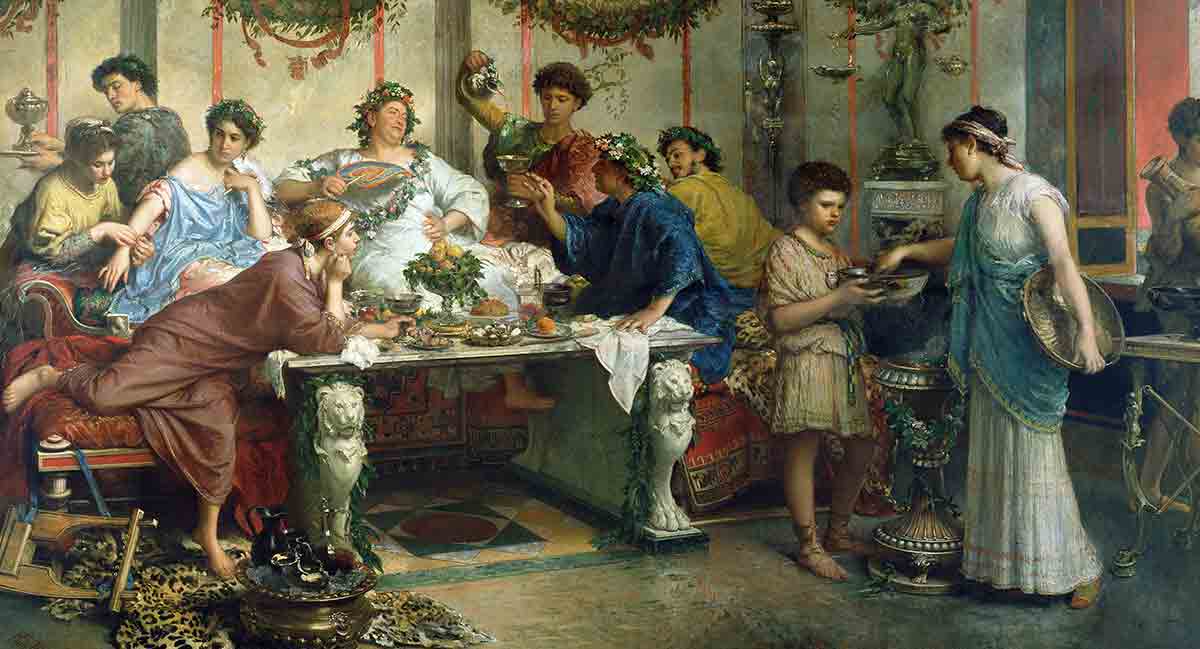
Saturnalia offered Romans the rare opportunity to celebrate publicly and at home. All class divisions, positions, and hierarchies were abolished for the holiday. A main ritual was the role reversal between masters and slaves. Masters hosted banquets, shared meals, and served their slaves. Slaves were also granted free speech during this time to provide criticism about the household.
Another staple event was the election of the King of Saturnalia within each household or public gathering. The King’s job was to cause ruckus by insulting guests and declaring odd rules like making people dance naked or drink more. The greeting, “Io Saturnalia!” was also shouted to greet or cheer during festivities.
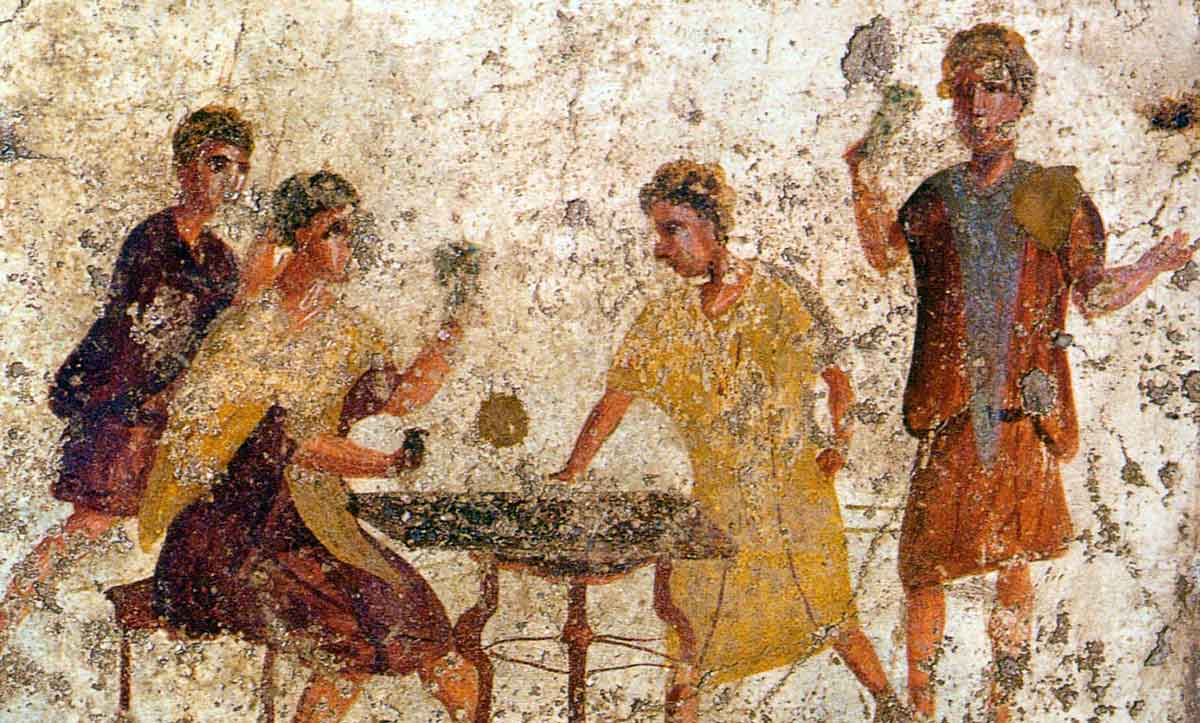
Gambling was encouraged during the weeklong celebration. Dice games, trivia tournaments, chariot races, and bobbing for corks were popular ways people won or lost nuts or coins bet during the week. Gift exchanges were also quintessential to Saturnalia. Most gifted sigillaria, small wax or pottery figurines of mythological characters, gods, erotic positions, or silly statues. While some exchanged fancier goods like writing tablets, gold combs, perfumes, and exotic animals, most gave gag gifts like bad poetry, dice, cheap wine or candy.
Decorations, Costumes, and Clothing
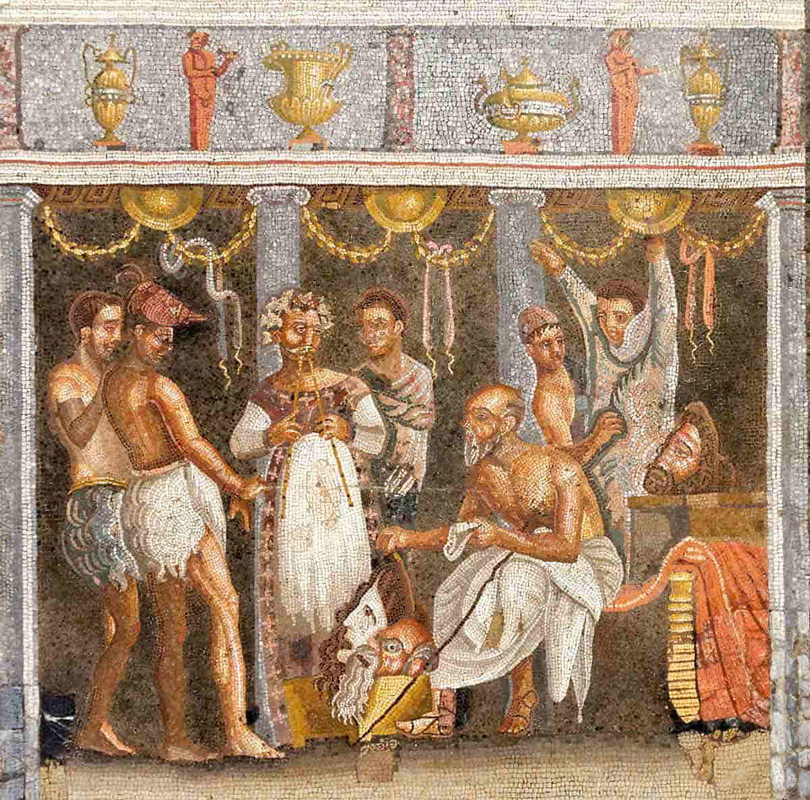
Saturnalia was the one time of the year when strict Roman fashion norms were rejected. Carnival-like costumes made from bright and gaudy fabric rid all indications of rank or status usually indicated by toga design and color. Called synthesis outfits, these costumes were thrown together with gold, purple, red, and other colorful fabrics. Masks and costumes concealed identities at public events. Roman citizens also wore the pileus, a cone-shaped cap typically worn by freed slaves.
Additionally, candles and greenery were used to decorate public spaces and homes for the holiday. Candles represented the return of the sun while the greenery symbolized all that grows under it during springtime. Wreathes, branches, and leaves were placed on banquet tables, doorframes, and walls. Households often gifted each other terracotta or oil lamps to wish their neighbors a bright and fruitful season.