Part of the appeal of discovering Italy’s most famous historic attractions is learning all about their fascinating stories. These stories are as intriguing as the landmarks, from swamplands turned into hubs of ancient political life to architectural feats and failures. They add a deeper insight to a visit to this majestic country and might just make you see each one in a different light.
1. The Colosseum, Rome
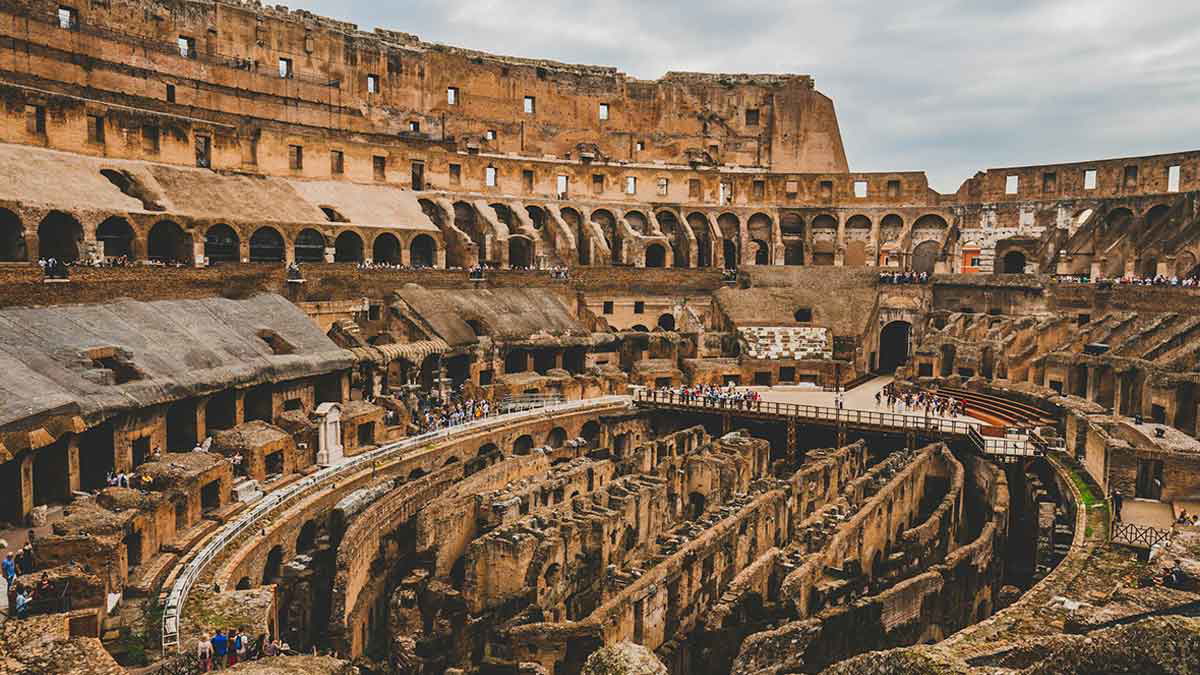
Rome’s Colosseum was the entertainment hub of the empire’s capital, where fierce gladiator battles and public spectacles enthralled crowds. Today, it still attracts millions annually, albeit for a different reason.
Emperor Vespasian (69-79 CE) kickstarted construction of the enormous amphitheater, but it was his son and successor, Titus (79-81 CE) who saw its completion and opened it to the public, with much ceremonial fanfare (and 100 days of games), in 80 CE. Some 50,000 – 80,000 spectators could squeeze into its spectator area, eager to see combatants and exotic animals fight to the last drop of blood.
Aside from the gory spectacles that enthused the bloodthirsty Romans, the Colosseum was an incredible feat of ancient engineering. It had a retractable awning (the velarium) and a complex underground system (the hypogeum) to house animals, gladiators, and stage machinery.
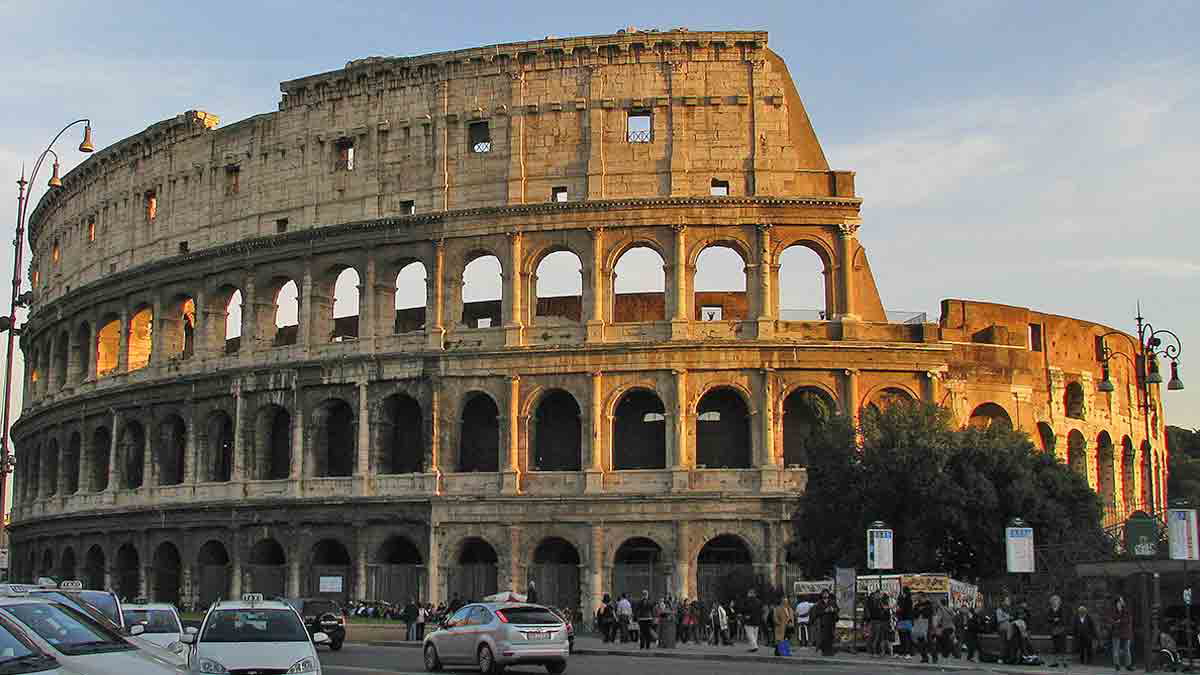
The Colosseum was initially named the Flavian Amphitheater, to honor the dynasty that commissioned it. Over millennia, Rome’s greatest work of architectural art has survived earthquakes, medieval re-purposing, and stone scavengers—even vandalism in more recent times.
Quite apt, given its construction was partially funded by treasures taken during Emperor Vespasian’s conquest of Jerusalem in 70 CE. The spoils of those endeavors, including gold and artifacts, were key to financing the project. What helped most in preserving the Colosseum was its re-purposing as a Christian site, used to commemorate martyrs for centuries.
2. The Roman Forum, Rome
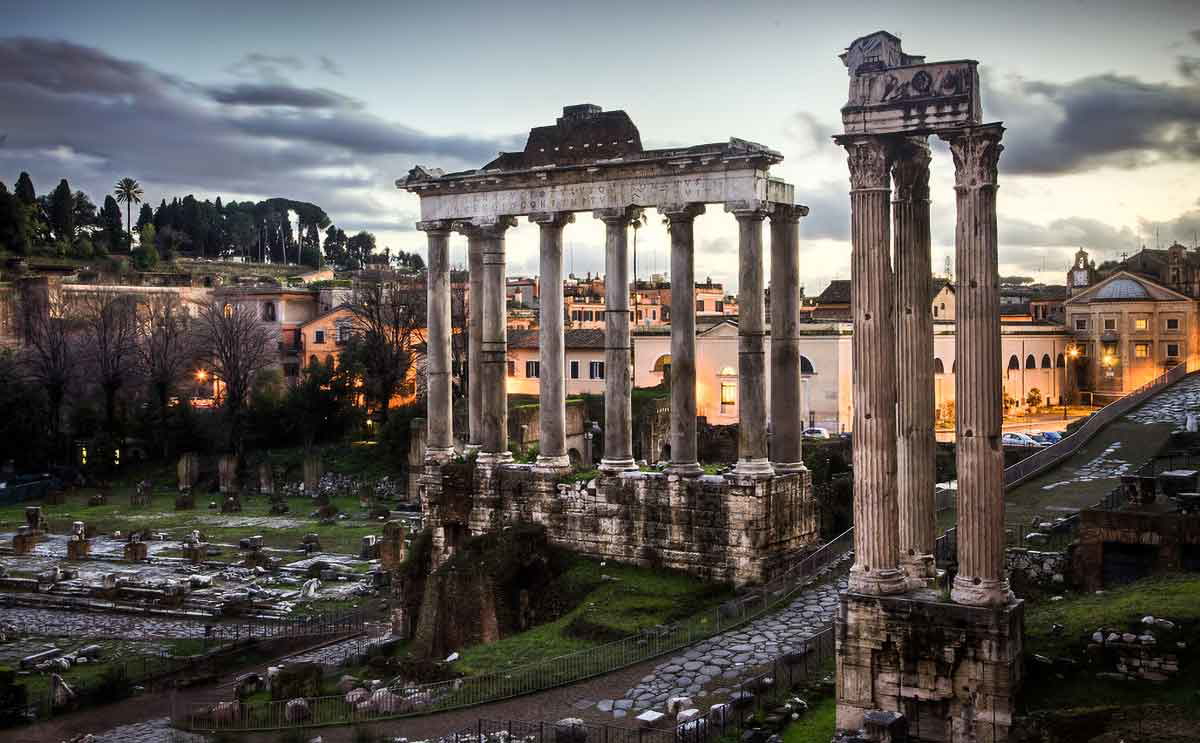
Whatever ceremony was deemed too “prominent” to be held in the Colosseum, like political debates, elections, speeches, and grandiose post-battle processions, was instead held on the sprawling stage of the Roman Forum. Built in the 7th century BCE, it evolved into the heart of Roman life, lined with temples, basilicas, and what became Rome’s first-ever marketplace.
The political epicenter of ancient Rome, the Foro, was built by various Roman leaders over centuries, starting around 600 BCE. It was built atop an Iron Age burial site—archaeologists have excavated tombs dating back over 3,000 years.
The Forum stands on natural marshland, which the Etruscans drained using the Cloaca Maxima, one of the world’s earliest sewage systems, which is still partly functional today.
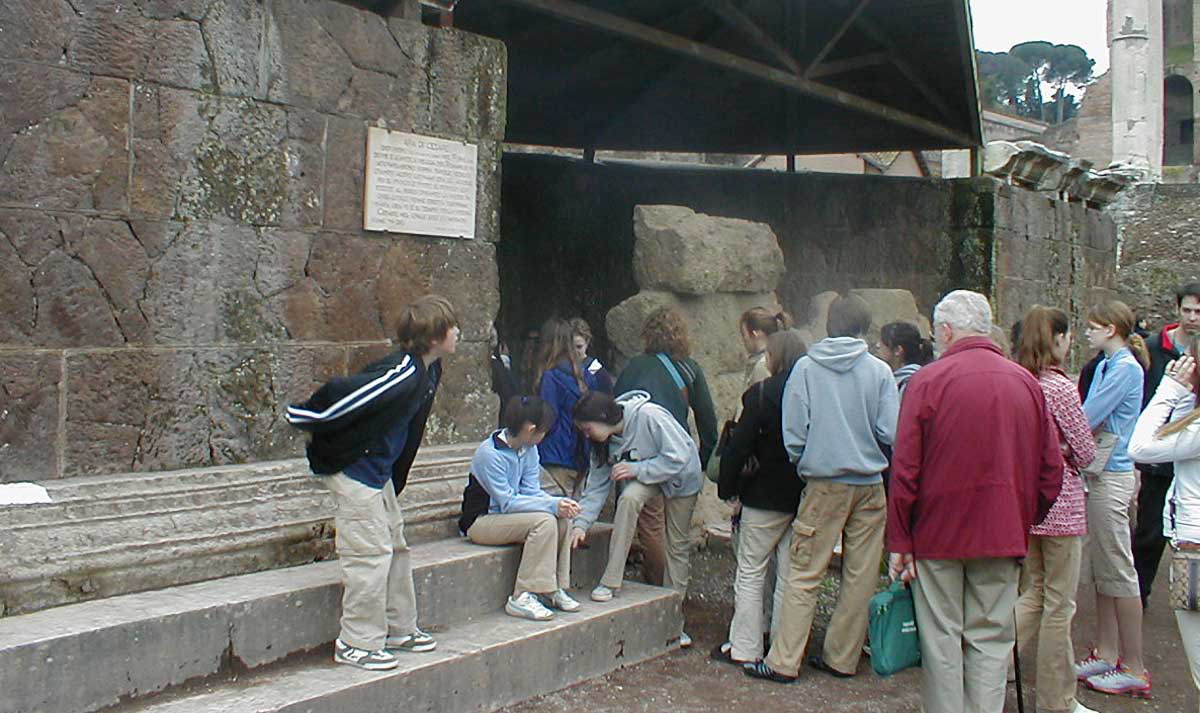
It was here that Julius Caesar addressed the Senate and, where important decisions that shaped Western civilization were made. Though it fell into ruin after the fall of the Roman Empire, the Forum’s story continued. By the Middle Ages, it was buried under layers of dirt and debris, turned into grazing land, and earned the nickname Campo Vaccino (Cow Field).
Centuries later, archaeologists would unearth its long-lost wonders, revealing the many fascinating layers of Rome’s past. Every corner of the Forum tells a story, from the Curia, where senators debated, to the Arch of Septimius Severus, whose inscription hides a saucy tale of family betrayal.
Visit with a local guide to gain a deeper perspective—this is highly recommended in Rome.
3. Pompeii and Herculaneum
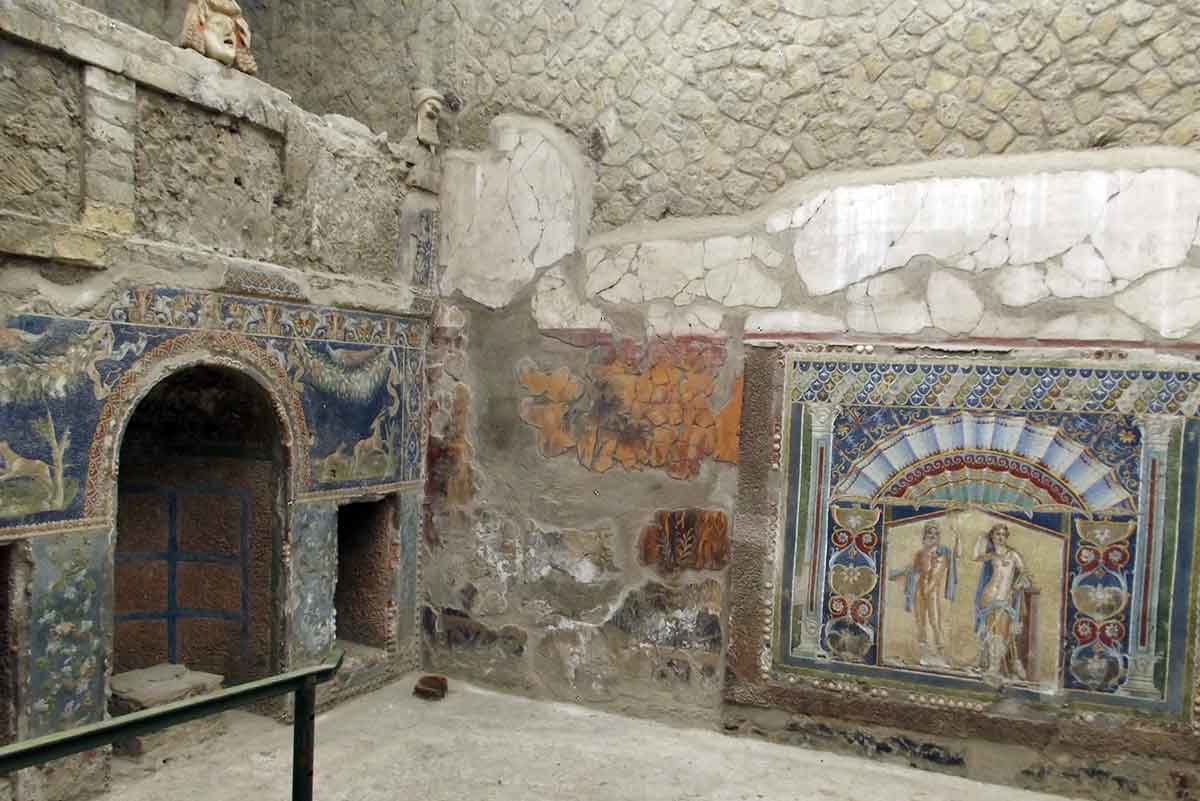
When Mount Vesuvius erupted in 79 CE, the consequential tons of ash, pumice, and mud buried the bustling cities of Pompeii and Herculaneum. The sudden, unexpected natural disaster destroyed the cities yet ensured their (near) perfect preservation for millennia. Archaeologists are still uncovering treasures today and consider the two settlements as startling snapshots of ancient Roman life.
These ancient cities were originally small settlements of the Samnites, an early Italic people known for repelling various attempts at Roman conquest, before capitulating to their rule in 290 BCE. The Romans would go on to expand these cities, turning Pompeii into a thriving commercial center filled with shops, temples, and public baths, and Herculaneum into a smaller but wealthier residential seaside town.
What sets these cities apart is how differently they were preserved after Vesuvius’s cataclysmic eruption. Herculaneum’s more soil mud sealed its treasures in extraordinary detail, while Pompeii’s blanket of ash captured a broader view of a bustling urban center.
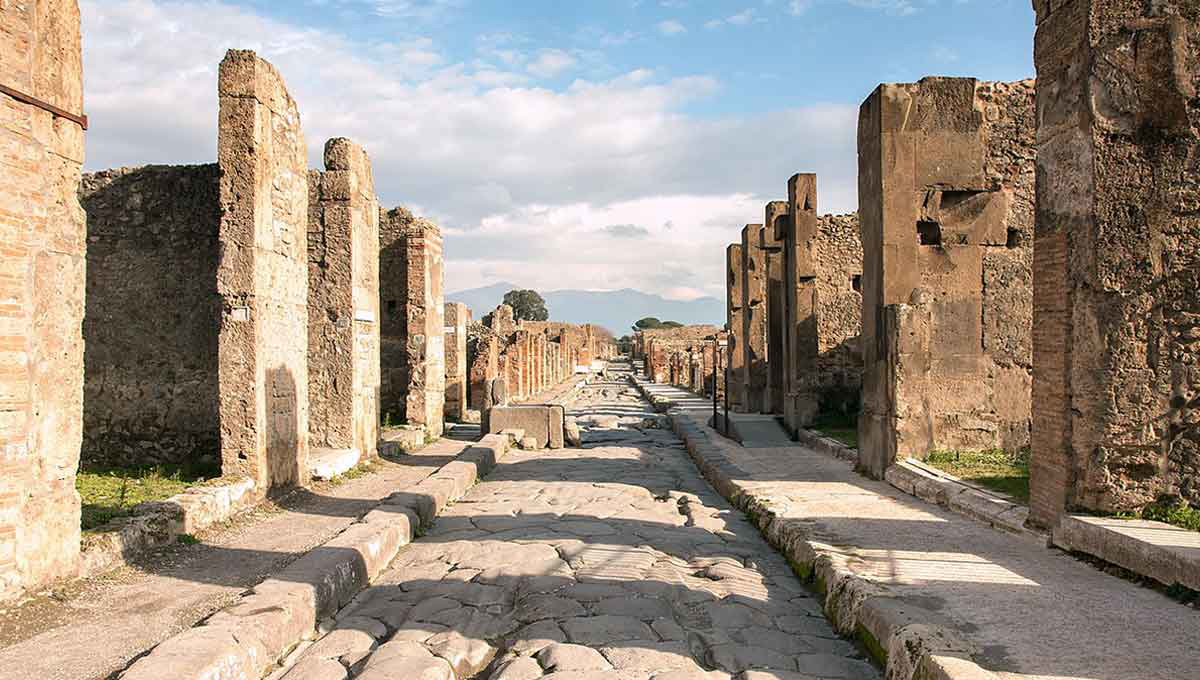
Excavations have uncovered vibrant public spaces, private homes, and even snack bars (thermopolia), showing how Romans lived, worked, and ate. The level of preservation in both cities is rare—here, we find snapshots of ancient life interrupted, making them among the world’s most haunting archaeological sites.
4. The Vatican City, Rome
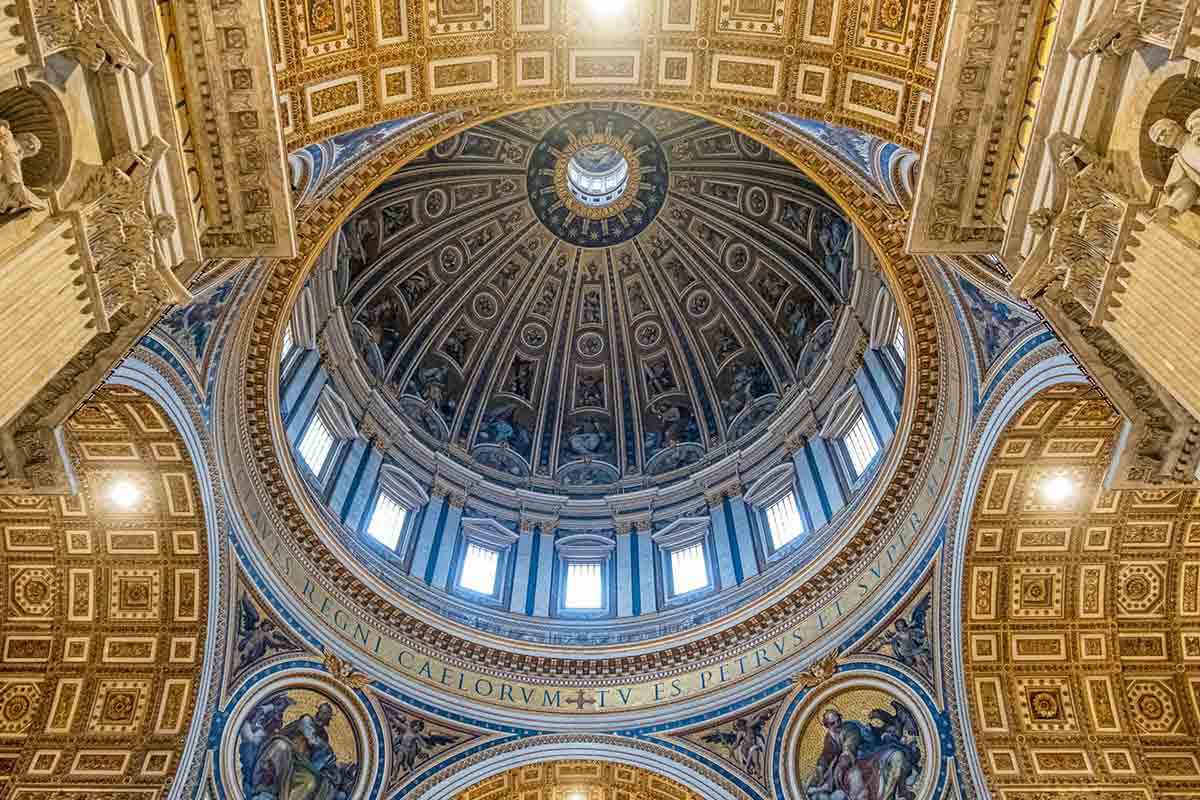
The Vatican City may be the smallest country in the world nowadays, but it is packed with more history and art than many nations combined. Officially established as an independent state in the 20th century, its roots go back to the early days of Christianity when St. Peter, one of Jesus’s apostles, was martyred here. St. Peter’s Basilica, built over his burial site, is a Renaissance architectural masterpiece crowned by Michelangelo’s jaw-dropping dome.
The city-state’s origins trace back to the 4th century when Emperor Constantine built the first St. Peter’s Basilica. Over the centuries, it grew into the spiritual and administrative center of the Catholic Church. By the Renaissance, the Vatican had become a hub of art and culture, with popes commissioning a flurry of masterpieces like Michelangelo’s frescoes in the Sistine Chapel and Bernini’s colonnades in St. Peter’s Square.
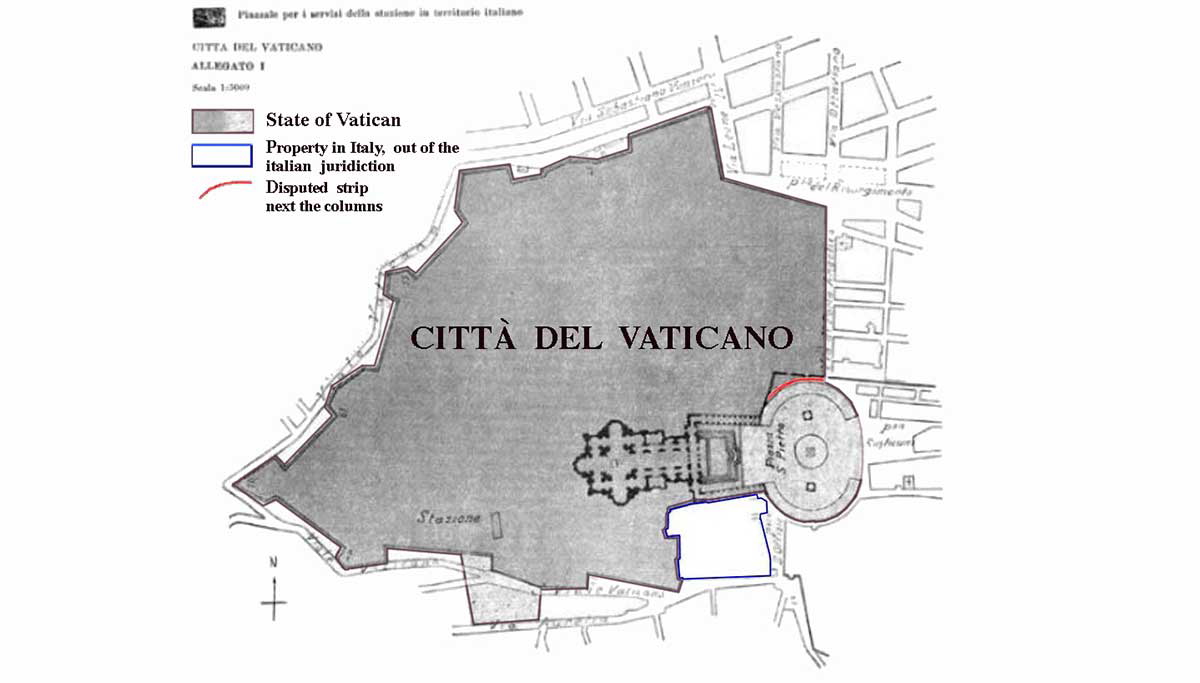
The site was formally established as a sovereign state in 1929 with the Lateran Treaty, which ended decades of conflict with Italy. Troubles between the two entities began when the Italian unification movement annexed the Papal States in 1870. The bold move left the then Pope, Pius IX, a virtual “prisoner” in the Vatican, although the isolation and imprisonment was self-imposed. The rather stubborn Pope, refusing to accept the annexation, retreated from public life and barricaded himself in the Apostolic Palace until his death, eight years later. The stand-off relaxed considerably with his more pliable successor, Pope Leo XIII, who thawed relations with the new state of Italy.
Eventually, his successor, Pope Pius XI would assign Benito Mussolini with the task of signing the historic 1929 treaty. The agreement gave the Vatican City its independence, granted the Catholic Church compensation for lost territory, and established Catholicism as Italy’s state religion (a clause that was later removed).
Italy eventually formally separated Church and State by revising the Lateran Treaty, an agreement known as the Concordat of 1984. Although Roman Catholicism is an integral part of Italian culture, the State is—unbeknownst to many, including Italians—secular.
5. The Leaning Tower of Pisa, Pisa
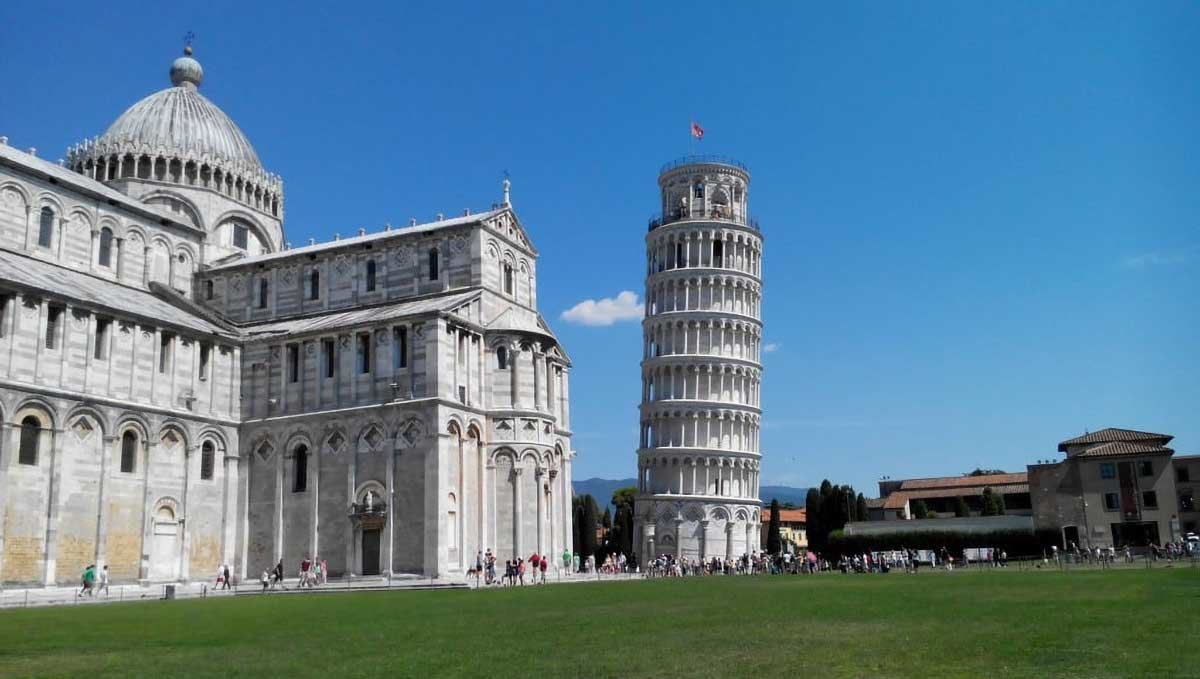
Due to its unintended tilt, this tower is a world-famous architectural marvel and a beaming symbol of Italy’s medieval engineering—primarily for all the wrong reasons.
The Leaning Tower of Pisa, one of the most recognizable landmarks in the world, began as a bell tower for the Pisa Cathedral in 1173. Built on soft, unstable soil, the foundation started sinking early in its construction, causing the tower to tilt. Despite what one would consider quite an alarming setback, construction on the tower continued in phases over nearly 200 years. With every new phase, ambitious architects attempted to correct the tilt by building in opposing angles.
Because what could possibly go wrong?
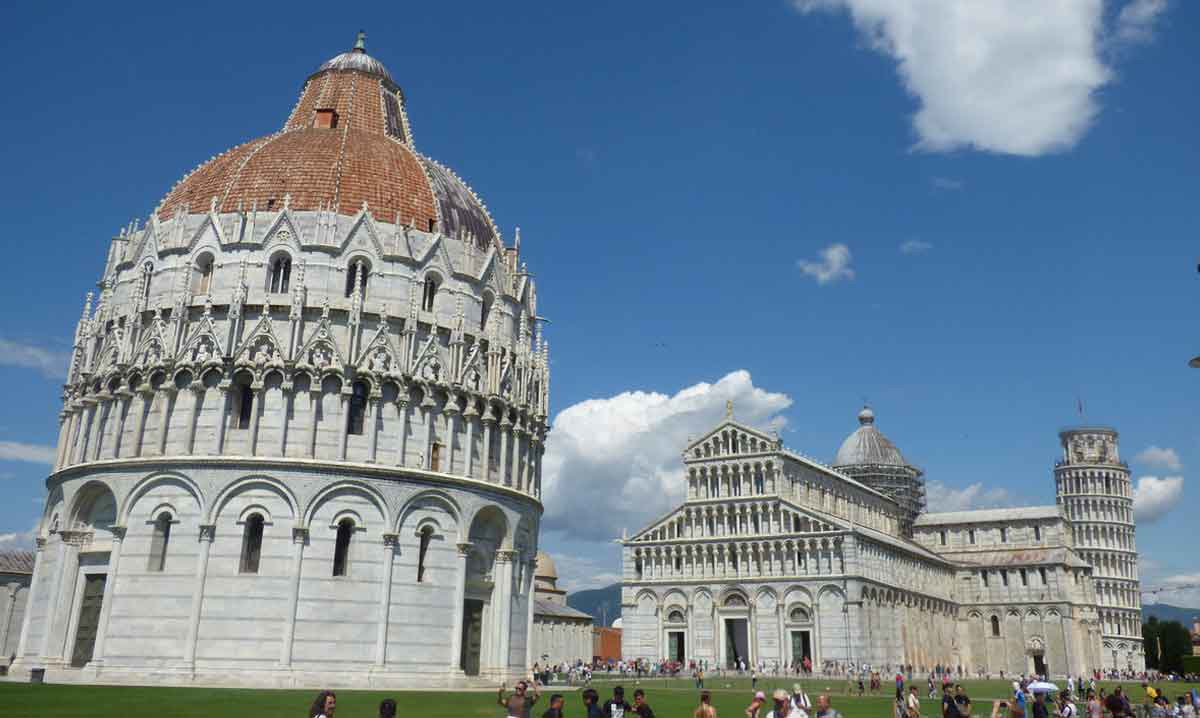
Giovanni di Simone was the first to try fixing the pesky issue by adding more floors, each slightly taller on the leaning side. This only made the tower lean more. In 1319, a seventh floor and heavy bells added tons of weight, further sinking the structure, mostly on one side. In 1838, architect Alessandro Della Gherardesca thought of a clever way to dig a path around the base to showcase the tower’s intricate design, but (guess what?) this worsened the lean.
Later, in the 1920s, cement grouting stabilized the foundation. Finally, sanity prevailed: after closing to the public in 1989 due to safety concerns, engineers worked to reduce the tilt by adding counterweights and tapping earth beneath the tower. By 2008, these efforts had reduced the lean to 4 degrees, ensuring the tower’s stability. Or so they say.
6. Florence Cathedral (Duomo), Florence
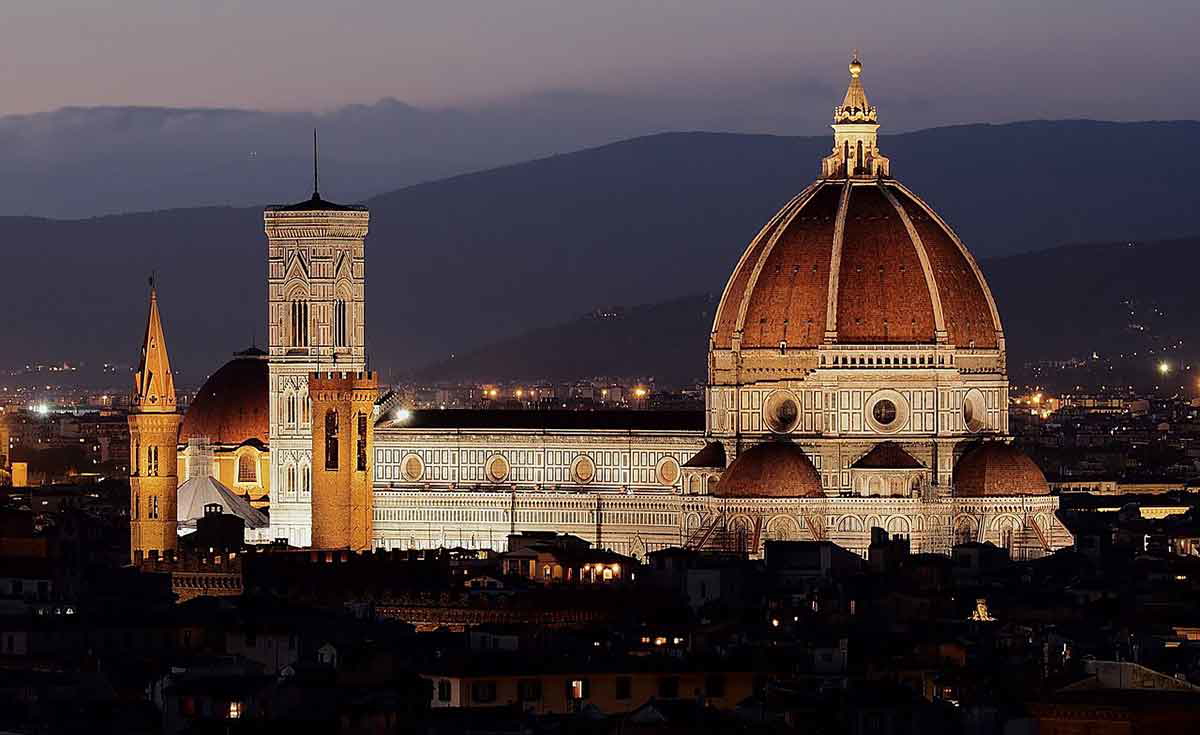
The Florence Cathedral, or the Duomo, is a triumph of art, engineering, and abundant human optimism. Officially named the Cathedral of Santa Maria del Fiore, Florence’s Cathedral has an inspiring medieval history that began in the 13th century. Designed to be a grand symbol of Florence’s wealth and power, the Duomo replaced an older and much smaller church on the same site.
Construction on the Duomo began in 1296 under architect Arnolfo di Cambio, following an incredibly wishful design meant as a showpiece and testament to the city’s growing influence. Amazingly, di Cambio designed a gargantuan dome that would need no supporting columns, something he had no idea how to actually construct. Yet the intrepid architect, trusting man’s ingenuity and relying on the fact that the dome would not have to be built for at least 200 years, bet that future architects would devise a clever way to construct it, thus completing his project. He was right.
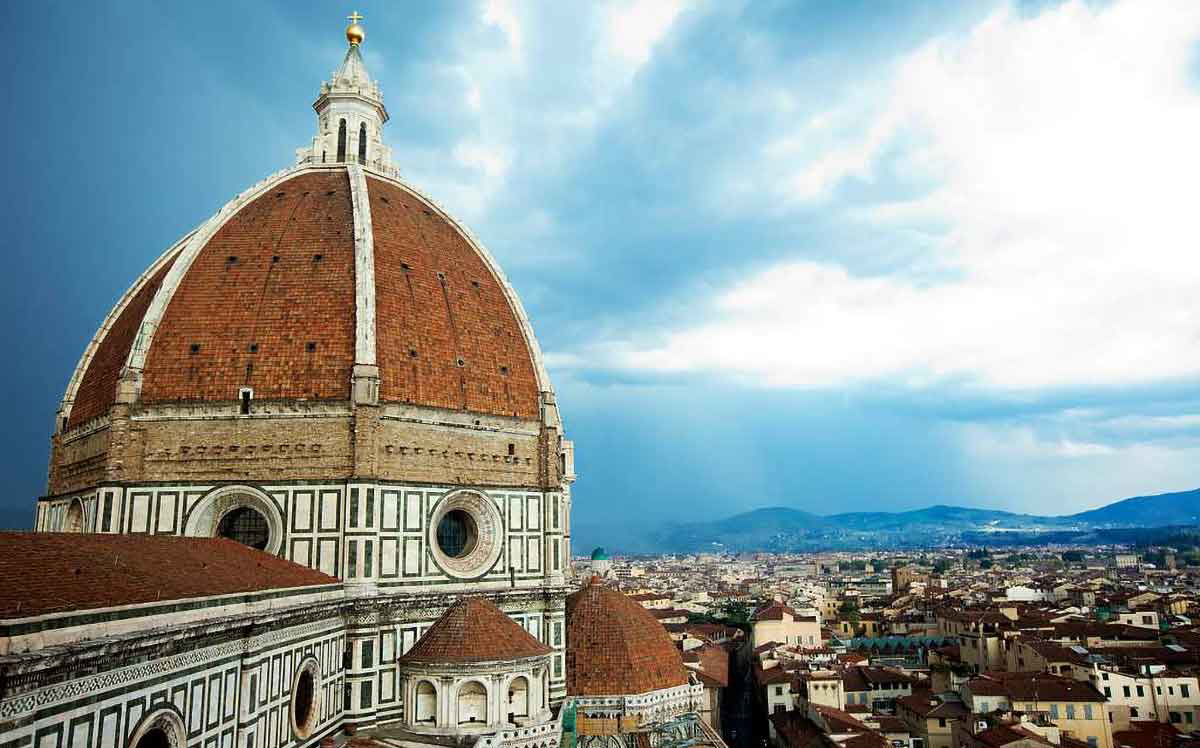
The completion of the dome cemented the cathedral’s place as one of the most impressive structures in the world, but the cathedral itself remained a work in progress for centuries. The cathedral’s pink, green, and white marble façade, completed in the 1800s, is as breathtaking as its interior, which features Giorgio Vasari’s fresco of The Last Judgment.
While climbing the 430-odd stairs to the top of the Duomo does afford breathtaking vistas of the Florence skyline, the most impressive view includes the cathedral itself. To soak up this splendor, head to Piazzale Michelangelo on the southern side of the Arno River.