The Gospels portray Jesus as the Son of God— a miracle worker, a friend, a rabbi, and a leader. Given his popularity, many archetypes of him arose. Yet there is a major time jump in the New Testament account of his life. We read about the birth of Jesus, and suddenly, he’s a full-grown thirty-year-old man.
What happened in between?
The Influence of the Silent Years on the Messianic Mission

On the one hand, Jesus is seen as the ultimate incarnated Son of God. Yet on the other hand, he was fully human and tested in every way.
“…God sent his Son, born of a woman…”— Galatians 4:4
The Gospels jump from Jesus as a baby to a 12-year-old boy and then suddenly he’s a full-grown adult. These silent years of Jesus’ life must have been foundational for his ministry that followed, informing his language, understanding, and worldview.
The hidden years in the life of Jesus were part of what the Father intended for him. The prophets understood this when they wrote about a child and a son who would come (Isaiah 9:6).
Education in Nazareth and the Mastery of Scripture

“Nazareth! Can anything good come from there?“— John 1:46
Jesus grew up in a culture of oral tradition centered around the local synagogue. Young Jewish boys would learn to memorize the Torah (“teaching” which was made up of the first five books of the Old Testament).
Nazareth was a humble community, centered around agriculture and hard work, with a strong religious life. Archaeological findings agree with this based on Jewish ritualistic remnants found, like stone jars used for purification, as well as the lack of imported or pagan items.
When reading the Gospels, it becomes clear how this early immersion in the Law and the Prophets gave Jesus the foundation needed to debate those teachers at the Temple. Note: Jesus also had direct access to God (the Father), so technically this “schooling” was not needed for him to do what he was sent to do.
Living as a Tekton and the Value of Physical Labor

Jesus likely spent the majority of his life working with his hands— with his father, Joseph, who was a tekton, meaning artisan or builder. For many generations, people believed that he was a woodworker, but the lack of wood in the region of Galilee indicates a higher likelihood that he worked with limestone. Therefore, Jesus worked with his father as a stonemason. This was hard, manual labor.
In a literal sense, this season of working with his father might have colored Jesus’ view of social justice. Some say that witnessing Roman wealth influenced his parables on inequality and hypocrisy— yet again, we need to remember the Bible tells one story. God’s big story. It was not Jesus who witnessed people’s struggle and changed God’s message from wrath into compassion.
“the Son can do nothing by himself; he can do only what he sees his Father doing.”— John 5:19
Growing Up in a Large Family With Many Siblings

Jesus was God incarnate in a very real sense. He lived a real human life, and he could empathize with believers’ real-life struggles because he lived them. There is perhaps no better example of this than the fact that Jesus had siblings.
While Jesus was conceived by the Spirit and born to Mary as her first, she and Joseph had other children later on. Jesus’ childhood was likely filled with many siblings, cousins, and close family members, given the culture he grew up in.
His brother, James, famously refused to believe that he was the Messiah until much later. He eventually wrote the Book of James and became a prominent voice in the early days of the Christian movement.
In his teachings later in life, Jesus spoke in ways that people could understand and relate to, often using the language of the “family of God.”
Religious Pilgrimage and the Early Awakening at the Temple
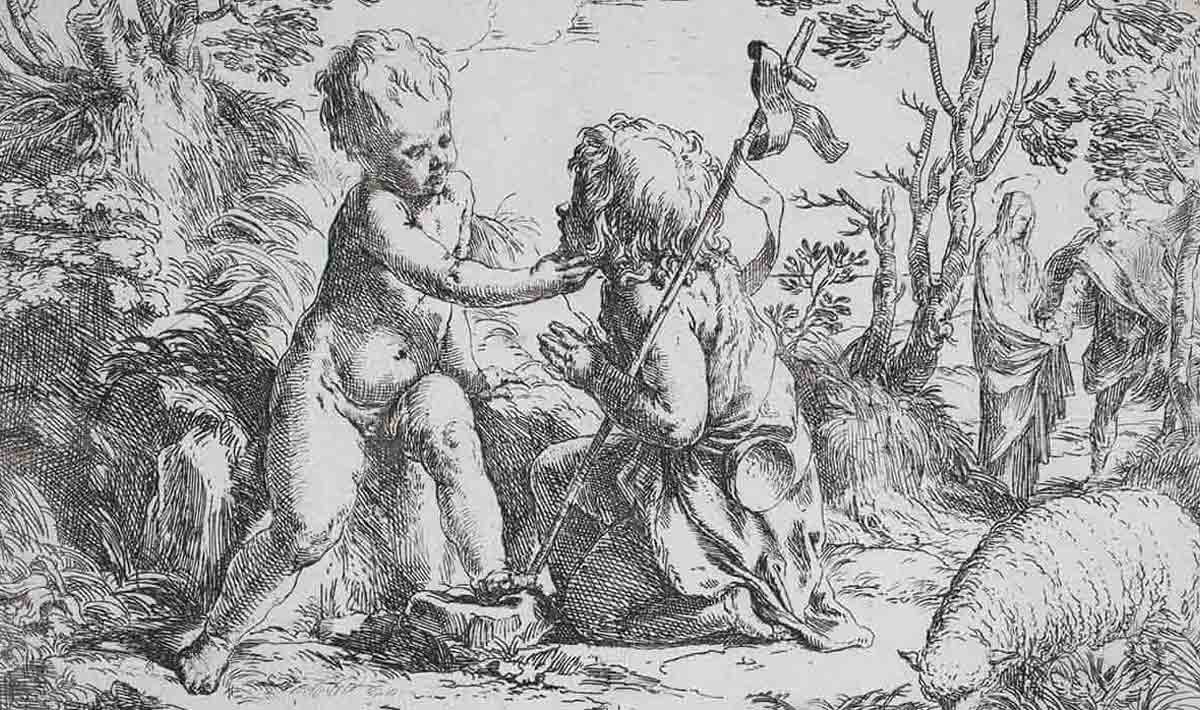
There is just one story of the childhood of Jesus in the New Testament. That is the famous one where Jesus’ parents search for him only to find him debating the scholars at the Temple. Other sources not included in the King James Bible describe young Jesus building clay birds and breathing life into them, as one example.
Annual trips to Jerusalem were part of Jesus’ world growing up. It was on one such journey that Jesus went missing for three whole days. Luke 2 states that the boy Jesus had an early realization of a unique mission apart from his parents.
“Why were you searching for me?” Jesus asked. “Didn’t you know I had to be in my Father’s house?”(Luke 2:49-50).
It’s fascinating to keep this encounter in mind and contrast it with how Jesus’ relationship with the Temple and its leaders turned sour later on.
Why the Ordinary Life of Jesus Was Essential to His Divinity

Many leadership gurus have wondered whether the “hiddenness” of Jesus’ early years was a deliberate part of his positioning later on. It seems that many leaders have seasons of obscurity or humble servanthood that precede promotions to positions of power. Whatever the case may be, the ordinary day-to-day of Jesus’ life as a young boy impacted the kind of leader he became later in life.
Jesus was the “Son of God,” and he was also the “Son of Man.” He had a real childhood with familiar challenges and a specific socio-cultural context that shaped who he became.
“And the child grew and became strong; he was filled with wisdom, and the grace of God was on him.”— Luke 2:40