
The American reconquest of Corregidor proved to be one of the most incredible feats by American forces in the Pacific War. Through a combined air and amphibious assault, the Americans overran the Japanese, who used the fortifications the Allies had once used themselves. It was redemption for the humiliation of 1942 and enabled General Douglas MacArthur to fulfill his “I shall return” vow.
What Was Corregidor’s Importance to the Allies and the Japanese?
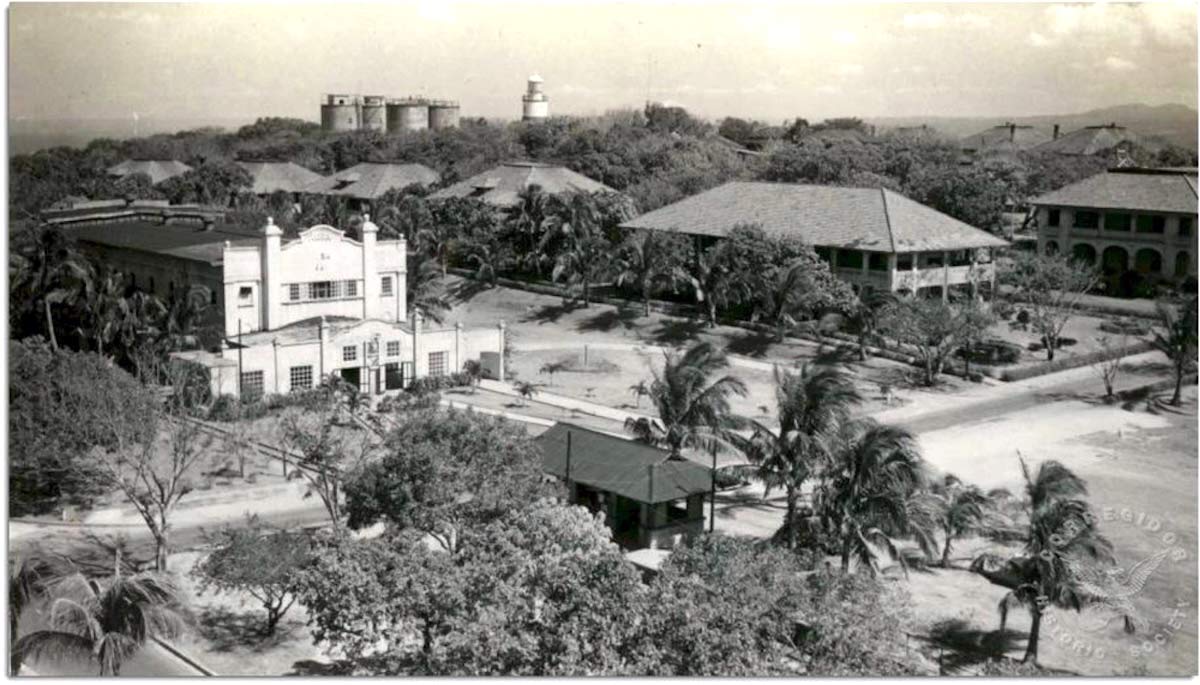
Strategically located at the entrance to Manila Bay, the island of Corregidor had long been sought as a critical piece of territory by whoever controlled the Philippine islands: the local tribes, the Spanish, the Americans, and the Japanese. When the Americans took control of the archipelago from Spain in 1898, they built a formidable array of fortifications on the island. This was designed to ensure that no hostile fleet could enter the harbor without coming under heavy fire.
By 1941, the island contained around 56 heavy guns that could cover much of the bay. The Malinta Tunnel was dug under the spine of the island to store supplies and included an underground hospital with a 1,000-bed capacity alongside command offices. The garrison was increased right before the Pearl Harbor attacks because it became a critical component of the Allied defensive plan for Luzon. Japanese planners studied its defenses in detail, knowing it was a formidable target.
When Japan first invaded the Philippines, General Douglas MacArthur, the commander of all American and Philippine forces on the islands, ordered a withdrawal to the Bataan Peninsula. He also moved his headquarters from Manila Hotel to the tunnel where he commanded for several months. While the fighting raged on land, the Allied headquarters staff operated from Corregidor, sending out several appeals to Washington for a relief force to be sent.
The Humiliation of the Island’s Fall and MacArthur’s Return
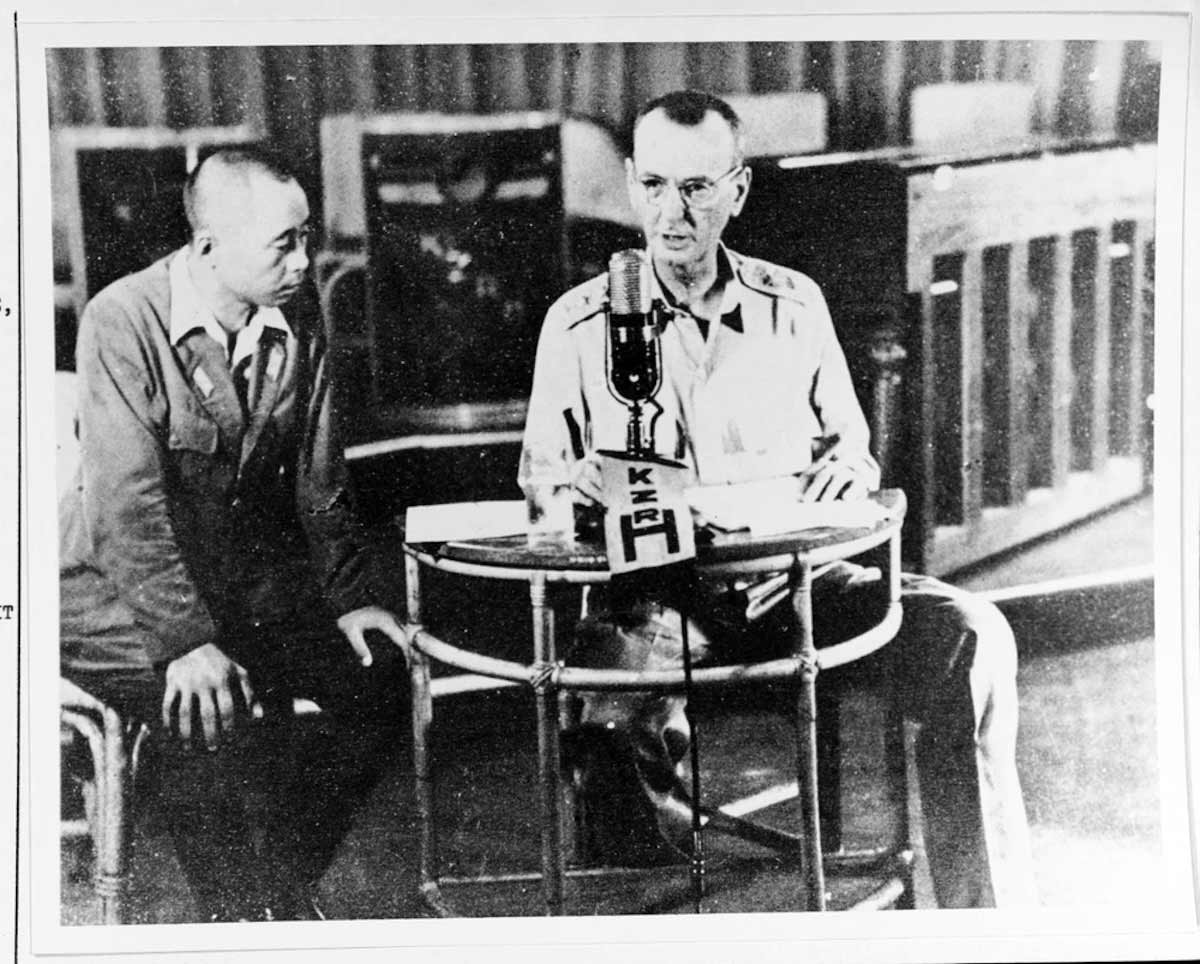
As the archipelago’s defenses crumbled, President Franklin Roosevelt and General George Marshall ordered MacArthur to be evacuated by a patrol craft. He was reluctant, hoping to command his garrison until the very end. He eventually agreed to leave on March 11, 1942. In his place, General Jonathan Wainwright agreed to hold out as long as possible. However, the Bataan peninsula fell in April and Japanese forces besieged Corregidor for a very hellish month, shelling every inch of the island. General Wainwright had to surrender both the island and the remaining Allied troops across the Philippines.
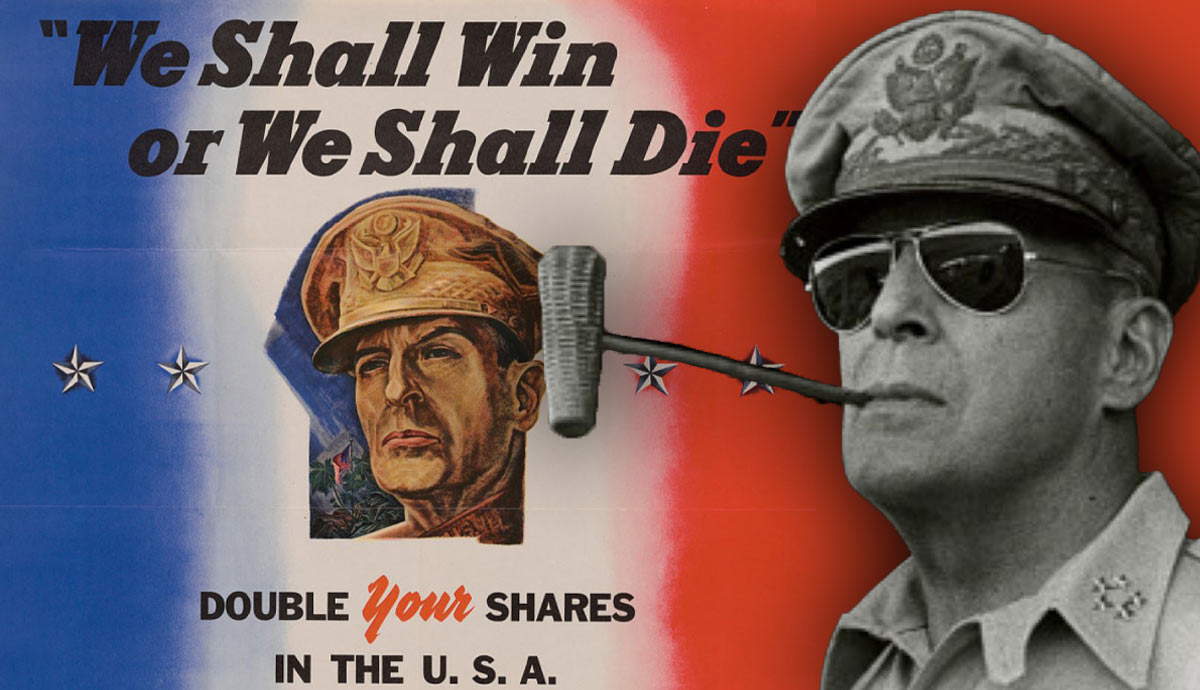
General MacArthur was furious to hear about the surrender and vowed that he would return to oust the Japanese from the Philippines. After months of debate, he convinced officials in both Pearl Harbor and Washington to support a massive assault on the Philippines. Just as Japan prioritized seizing the island to open up the bay to shipping, MacArthur and his staff vowed to seize the island and Manila concurrently. His plan was not just for American strategic purposes; it was an act of revenge for the loss in 1942.
After the initial conquest of Leyte, MacArthur landed on Luzon north of Manila in January 1945. This operation was designed to break Japan’s center of gravity in the region and liberate the Filipino people. The Sixth Army, which oversaw the assault, pushed southward and fought a bloody battle with the Japanese garrison in Manila. Meanwhile, other units pushed south into the trenches on the Bataan peninsula. Once that area was cleared, preparations could begin for the assault on Corregidor.
Japanese and American Preparations for the Battle
After the Americans finally eliminated the remaining Japanese presence on Bataan, they began to prepare for Operation Topside. This plan involved a two-pronged attack by sea and by air. Knowing that the Japanese had strong defenses on the highest ground on the island, American planners decided to occupy it first before an amphibious landing could commence. Colonel George Jones, the commanding officer of the 503rd Parachute Infantry Regiment, was given overall command of the operation. His formation was assigned to drop on a couple of narrow strips of territory that could accommodate paratroopers. Attacking from the sea was the 3rd Battalion of the 34th Infantry Regiment.
Awaiting the American assault was a Japanese force of 6,000 men under the command of Captain Akira Itagaki of the Imperial Japanese Navy. Itagaki knew that victory was almost impossible, so he aimed to inflict as many casualties as possible. Most of the island’s defenses faced south on the grounds that it was easier to land there. He discounted the possibility of an airdrop. Most of the defenders were Navy and Marine personnel from several stranded ships in the harbor. Some army units helped man the artillery and worked on reinforcing the defenses.
For three weeks before the attack, American aircraft and warships, along with long-range artillery based on Bataan, bombarded the Japanese defenses. Most of the above-ground structures were destroyed or damaged, forcing the Japanese defenders to retreat into their bunkers or the Malinta Tunnel. The bombardment helped conceal the American intention of dropping paratroopers onto the island.
The Allied Airdrop and Landing
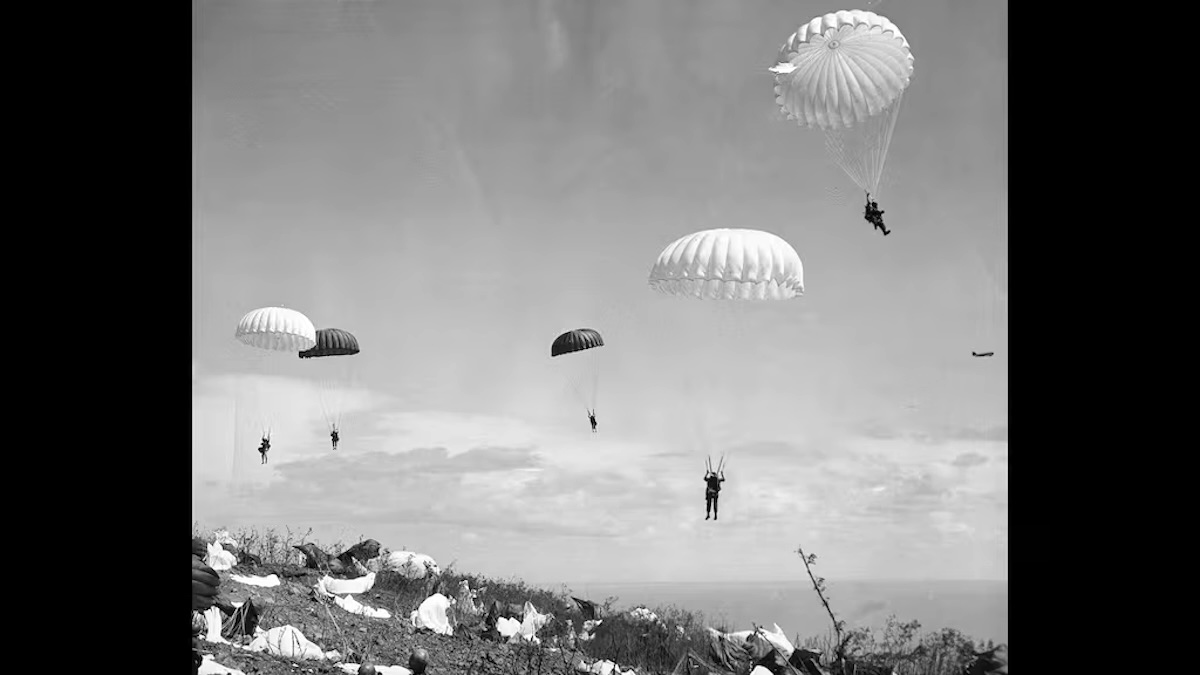
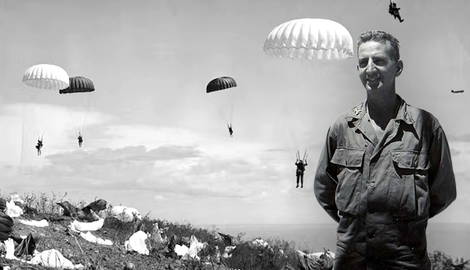
Just after 8 in the morning on February 16, American C-47 transport planes began flying over Corregidor. The paratroopers jumped out over tight drop zones from a mere 400-500 feet above ground. The wind was blowing at 20 miles an hour, further complicating the jump. However, the paratroopers were able to land and quickly move to their respective objectives. In a fluke incident, some of the paratroopers dropped right into Captain Itagaki’s command bunker, killing him and several of his staff in the process. This disoriented the Japanese defenders and undermined their ability to respond to the American assault.
As American paratroopers started overrunning Japanese positions on Topside (the highest point on the island), landing craft pushed off from Bataan and aimed to debark at San Jose beach on the tip of the island. These GIs were prepared thanks to prior landing experiences and the support of naval gunfire. Heavy fire from near the Malinta Tunnel poured into the American attackers. Nonetheless, the battalion pushed forward and controlled the beach by nightfall.
Despite the disorder following Captain Itagaki’s death, the Japanese soldiers fought with their customary ruthlessness, making the Americans fight for every inch of the island. By the end of the first day, American forces were reorganizing themselves and preparing to continue their attack the following morning.
Brutal Subterranean Warfare and the Battle for Malinta Tunnel
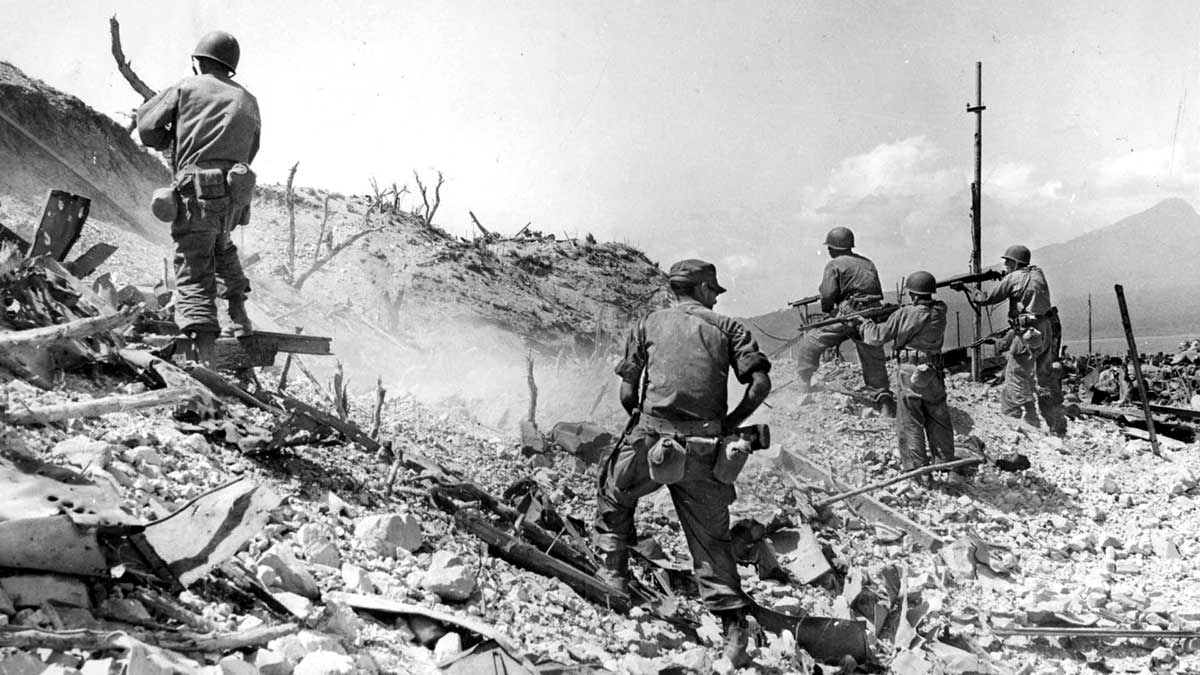
For the next two weeks, American forces found themselves locked in a brutal struggle against Japanese troops dug into fortifications that, ironically, the Americans themselves had used to defend the island back in 1942. Paratroopers and GIs could not just storm these positions wholesale; they had to combine the widespread use of flamethrowers with high explosives. American troops in the Pacific were no strangers to these tactics because they had to use them almost every time they were on the offensive.
The Americans used the night to reorganize their forces and bring up additional supplies. They could not afford to rest because the Japanese repeatedly launched small-scale banzai counterattacks. These wild charges were terrifying to face, but ironically helped the Americans, since it was easier to kill the Japanese above ground than those ensconced underground. On February 18, several hundred Japanese were killed in a desperate attempt to attack the 503rd’s positions at night.
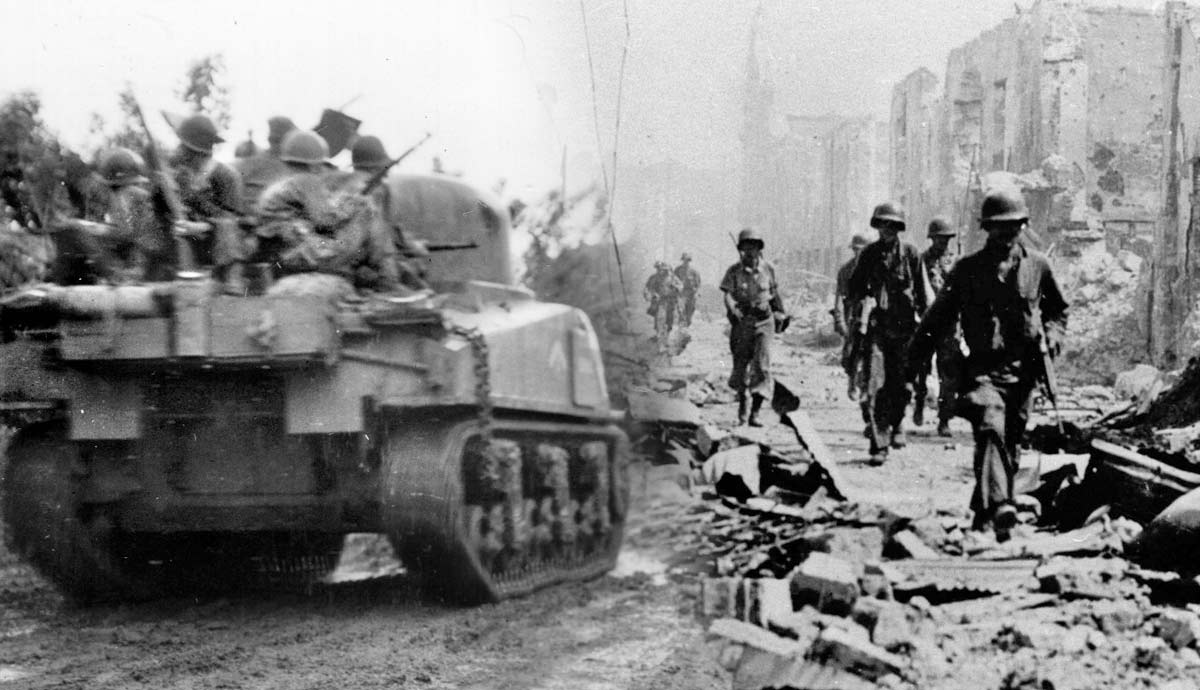
The 3rd Battalion, 34th Infantry, managed to push out of their beachhead and link up with the 503rd within the first few days. Additional landing craft brought up heavier weapons and vehicles, including some tanks. Their main objective was the Malinta Tunnel, which contained much of the remaining Japanese ammunition stockpiles and hundreds of troops. On February 21, Japanese troops in the tunnel set off demolition charges, leading to hundreds of deaths and the entrance caving in. From then on, it was a matter of time before the Americans cleared the island.
The Allied Reconquest and MacArthur’s Visit to the Island
Japanese troops in the waning days of the battle blew up more ammunition stockpiles, hoping to take many Americans with them. On February 26, a massive blast in a bunker at Monkey Point killed 50 Americans, hundreds of Japanese, and even flipped over a Sherman tank near the entrance. This blast was the symbolic end of the battle because organized Japanese resistance came to an end. The GIs and paratroopers still faced firefights with stragglers, but the overwhelming majority of Japanese troops on the island had been killed by this point. A mere 50 were taken alive by the Americans in the months following the battle.
American casualties were lighter than in other Pacific battles, but relatively heavy for the size of the force involved. Just over 200 GIs and paratroopers were killed during the drop and the subsequent fighting. Close to 1,000 more were wounded, either in battle or with broken limbs incurred by the drop at the start of the battle. The Japanese put up a very tough fight, but their defense proved futile due to poor planning and wasteful tactics.
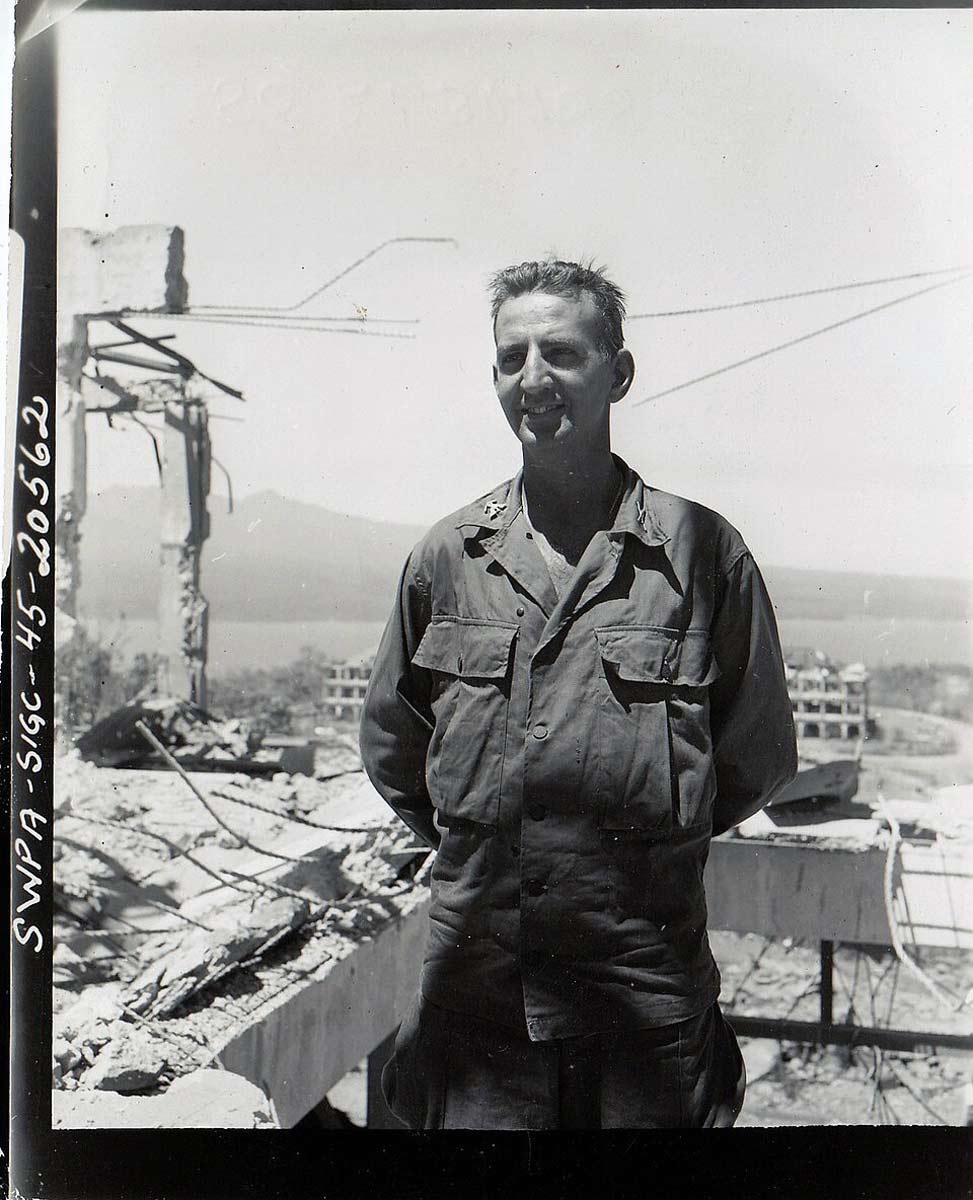
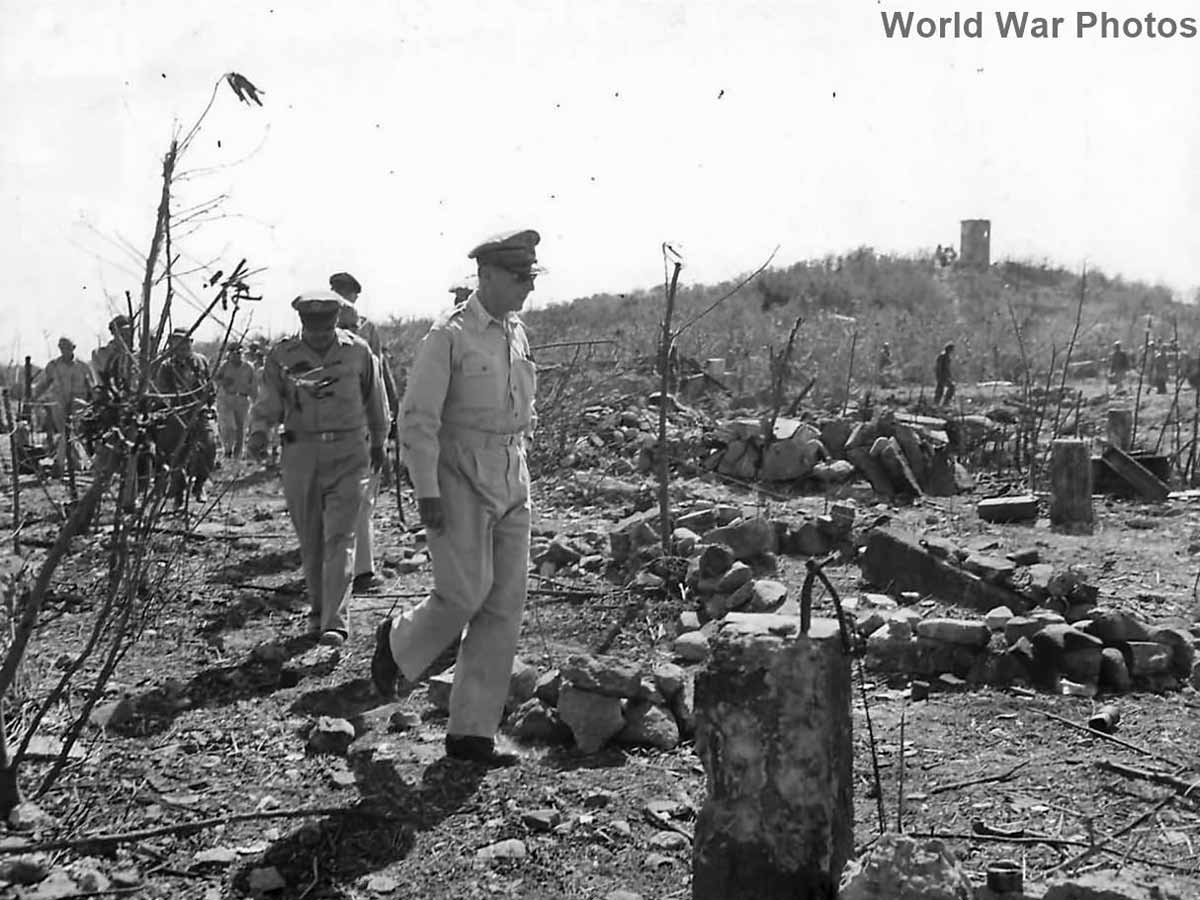
On March 2, MacArthur returned to Corregidor the same way he left three years earlier, by PT boat. Colonel Jones and his staff greeted him at the old headquarters building on Topside. The general, always eager for attention-grabbing moments, ordered the Americans to run up the Stars and Stripes on an old flagpole that had survived the battle. He then presented a Distinguished Service Cross to Colonel Jones. In the following weeks, American and Filipino engineers cleaned the harbor of mines and sunken ships. Most of the old tunnels were sealed off except for the Malinta Tunnel, which became a tourist attraction after 1954. Much of the above-ground infrastructure was not refurbished intentionally as a memorial for the men who died there. The battle remains a key episode in America’s reconquest of the Philippines.