
In April 1609, King Philip III of Spain issued a critical new decree. The king and his advisors had decided that Spanish Muslims (known as Moriscos) posed a dire security threat. The Moriscos of the Kingdom of Valencia were given a royal ultimatum to either abandon Islam or leave Spain. Over the next five years, the Crown would expand this decree to cover Morisco populations in its other territories. Faced with the threat of permanent exile and hounded by the infamous Inquisition, many Moriscos resisted their oppression. Some took up arms, while others relied on grand prophecies of deliverance from their persecution.
The Moriscos: A People Under Siege
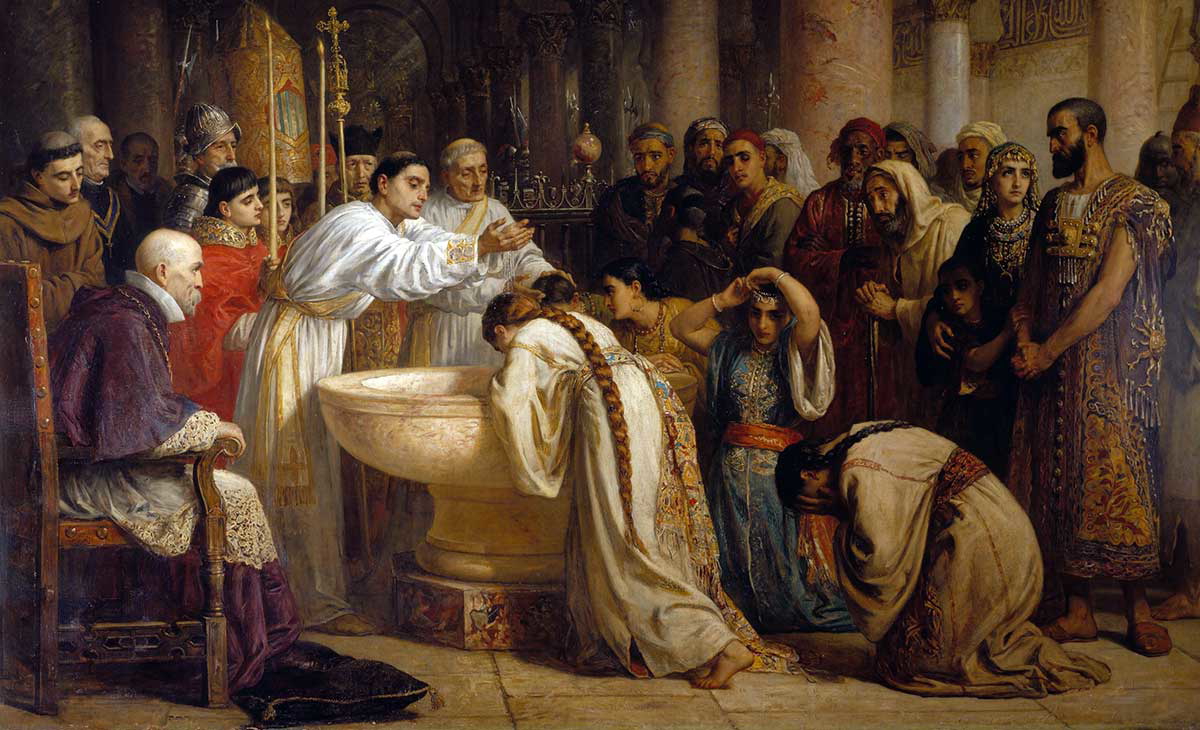
The persecution of the Spanish Moriscos was not new in 1609. Islam had been a vital force in Spain since the 8th century, birthing glorious achievements in the arts and sciences. But centuries of conflict between Muslims and Christians had sapped the Muslims’ military strength. The collapse of the Emirate of Granada in 1491 was the final nail in their political coffin.
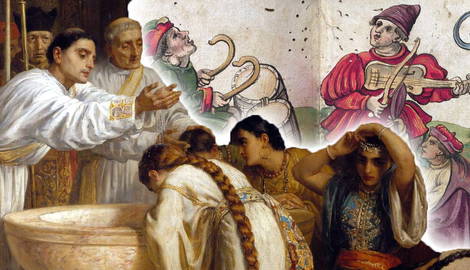
Granada’s surrender treaty to Spain’s Ferdinand II and Isabella I stipulated that its Muslims would be spared from harassment. Yet Ferdinand and Isabella violated the treaty. They set about converting Iberian Muslims to the Catholic Church. The Muslim converts became known as the Moriscos (“little Moors”). Despite their mass conversion, the Moriscos would always face accusations from other Spaniards that they were insincere in their Christian faith. Much like the Jewish Conversos before them, Moriscos fell under the legal category of “New Christians.” Discrimination was omnipresent.
How Does the Spanish Inquisition Factor In?
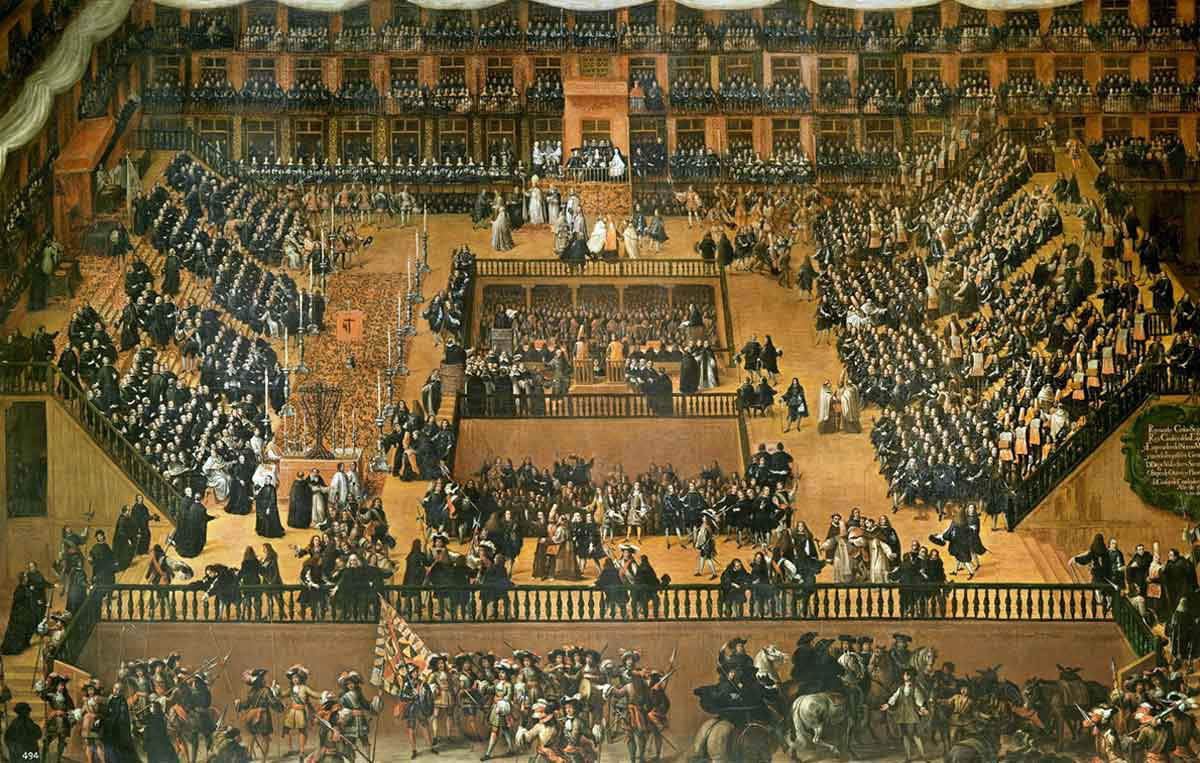
Ferdinand and Isabella founded the Spanish Inquisition in 1478 to enforce religious conformity across their kingdoms. The Inquisition held jurisdiction over doctrinal matters for all baptized Catholics. Since they had been forcibly baptized, the Moriscos fell under the inquisitors’ umbrella and could be investigated for any infractions.
The idea of a strict division between the religious and the secular did not exist in pre-modern Spain. A religious offense, such as blasphemy or apostasy, was often also a crime against the state. Since the Inquisition was a creation of the Spanish monarchy, inquisitors and royal authorities were collaborators in their efforts to pacify restless Moriscos. Much of the surviving documentation on Moriscos from 16th-century Spain comes to us from inquisitorial archives.
The Moriscos’ Armed Resistance
Morisco communities almost immediately voiced their discontent with Christian rule. In 1499, the Moriscos of Granada took up arms in the Alpujarra region. That uprising was crushed within two years. But it instilled a fear in Spanish authorities that the Moriscos were treacherous, willing to cast off the Christian façade and strike at any time.
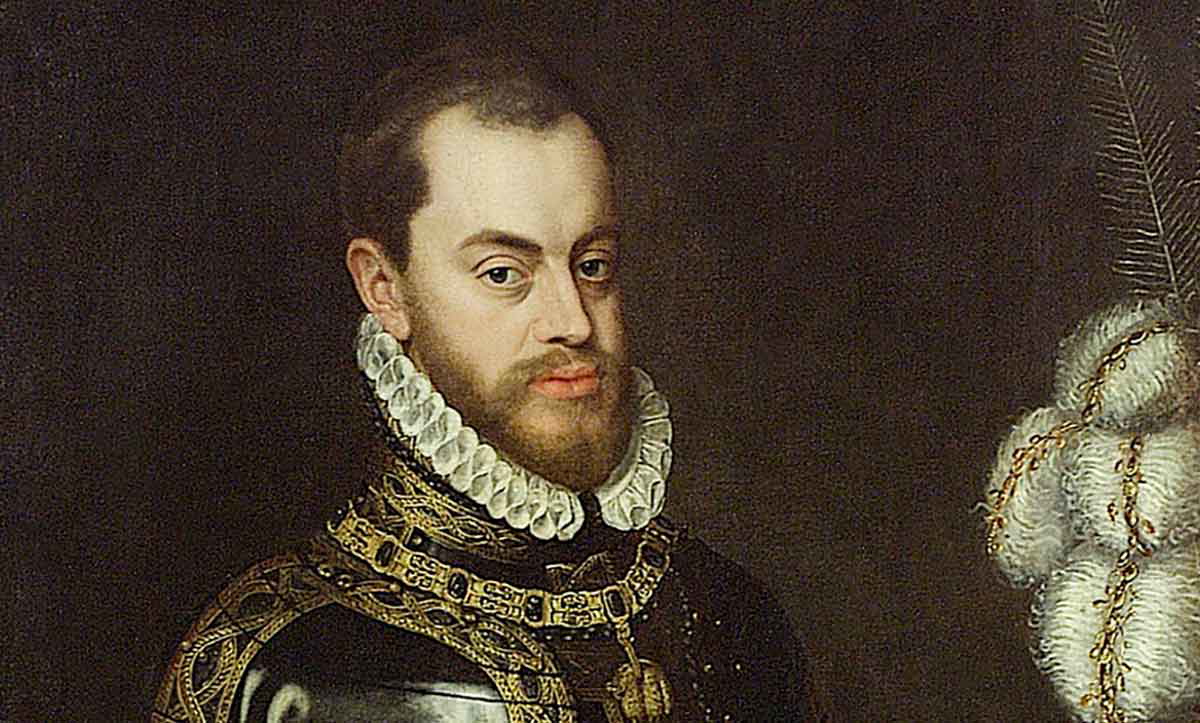
The Spanish Inquisition’s persecution of the Moriscos reached a fever pitch under King Philip II. In 1567, the king decreed a ban on public use of the Arabic language in Granada and ordered the closure of ritual bathhouses. Attempts by Morisco leaders to protest the decree went unheeded. So, on December 24, 1568, the Moriscos again ignited a rebellion in the Alpujarras.
The royal army crushed the new rebellion by 1571 and displaced thousands of Morisco families to the Kingdom of Castile. There, the Crown and the Inquisition hoped that they could more effectively monitor any signs of crypto-Islam. Numerous Inquisition cases in the aftermath of the revolt highlight fears of the Morisco conundrum escalating internationally. We will delve into this shortly.
The Role of Prophecies
Historian Mayte Green-Mercado has highlighted the role of religious thinking in shaping Morisco resistance against the Spanish Inquisition. Moriscos, like other people of the 16th century, were deeply religious. An armed rebellion was not simply a military affair—a just one had spiritual significance as well. It had to be sanctioned by God in order to assist his believers.
The Morisco rebels especially placed stock in prophecies. Morisco prophecies had two major functions: they explained the reasons for the Muslims’ persecution, but they also offered triumphant solutions rooted in Islamic theology. Many Moriscos viewed their suffering through the lens of divine punishment (Green-Mercado, 2019). God had decided to punish the Muslims of Spain for their sins. Yet, God was also testing those Moriscos to hold onto faith until the day they could rise up to reestablish Islamic greatness.
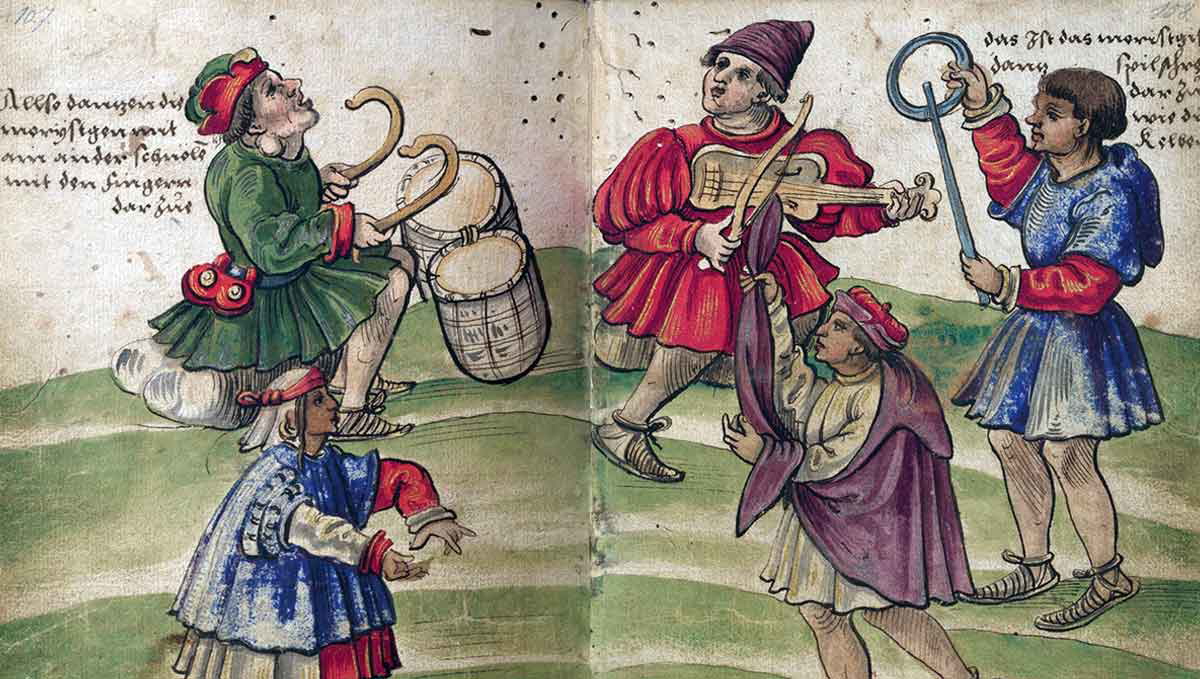
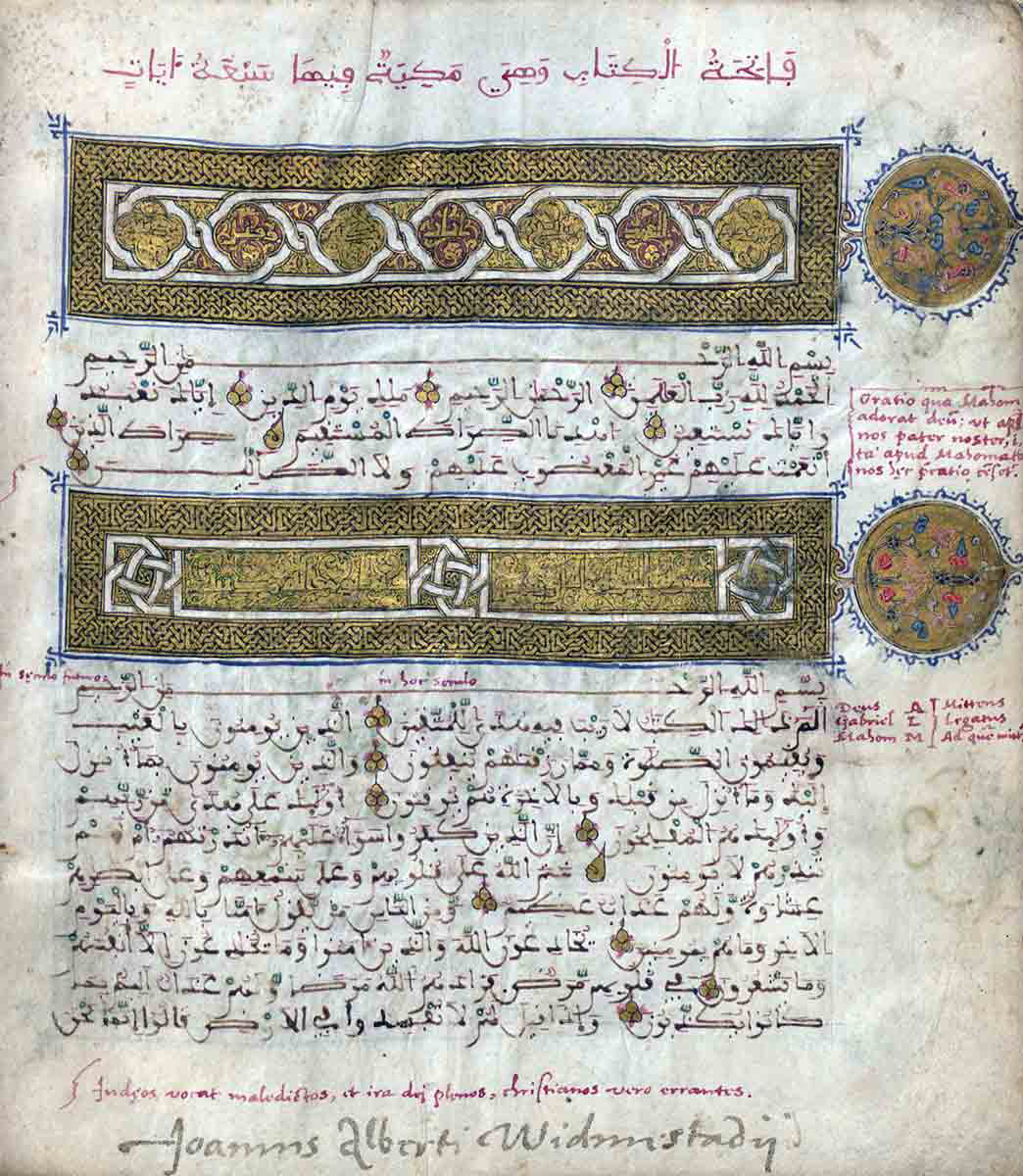
Inquisition documents are not the only primary sources available to modern historians of the Moriscos. The Moriscos actively wrote down many of their own prophecies in an Arabic adaptation into Castilian, known as aljamiado literature. A number of prophetic figures arose throughout Spain, purporting to have knowledge of a forthcoming apocalyptic battle between the forces of Islam and Christianity. Some of these prophets-in-waiting were children.
An International Affair
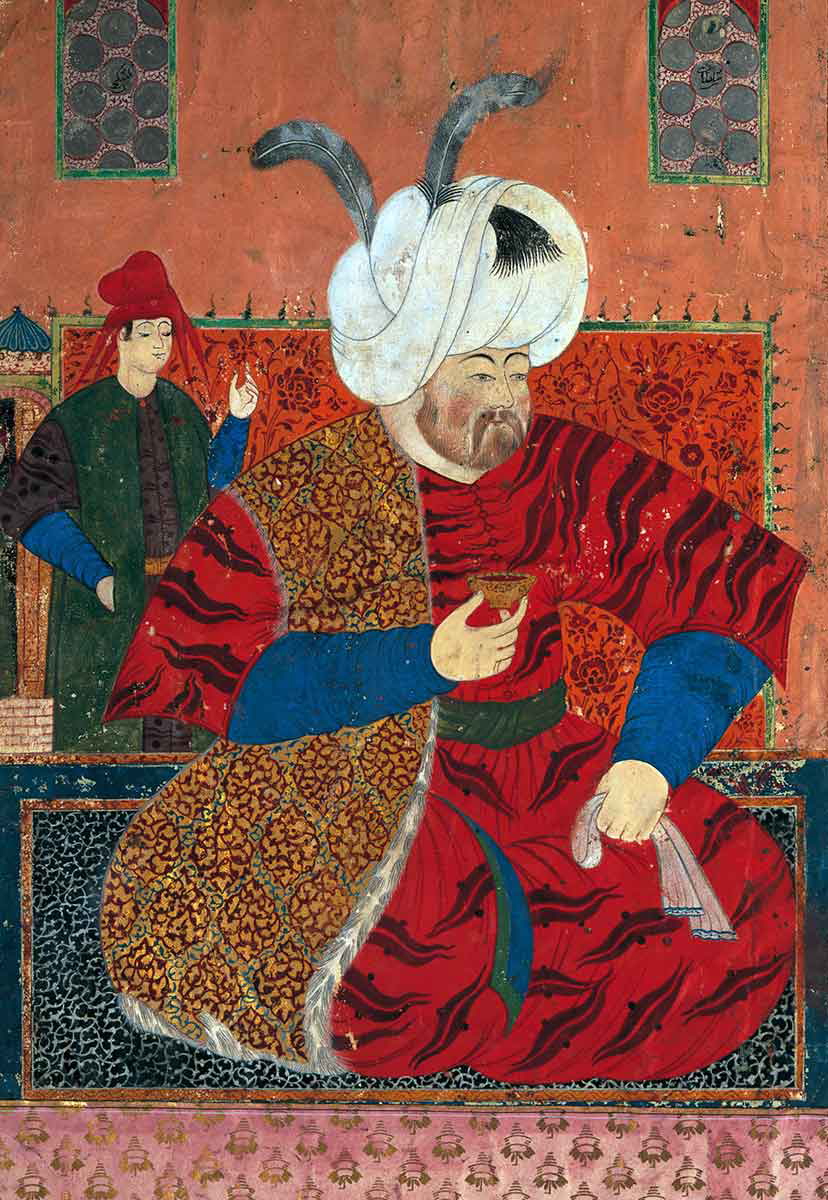
In the late 16th century, geopolitical rivalries between Christian and Muslim powers constantly kept residents of the Mediterranean on edge. The Spanish Habsburg Dynasty and the Muslim Ottoman Empire were archenemies. Both great powers had global aspirations. This meant that the Spanish Inquisition especially feared a possible Ottoman invasion to aid the Moriscos.
Morisco prophecies directly reference the Ottomans. Some of the texts describe the Ottoman sultan as a savior figure. Green-Mercado even records an instance of Sultan Selim II (r. 1566-1574) issuing a response to the Moriscos of Granada. According to the sultan’s edict, the plight of the Muslims in Spain saddened him (Green-Mercado, 2019). He instructed the Ottoman military commander Kiliç Ali Pasha to send arms and men from North Africa to Spain. Selim’s successors were very much interested in the Moriscos’ plight as well.

Surviving Morisco prophecies also note a more unusual foreign leader: the king of France. Although it, too, was a Christian country, war-torn France was a major enemy of Spain. Rebellious Moriscos knew this and repeatedly attempted to petition for the French monarch’s aid. Some prophecies posited a multifront conflict, with French Protestants invading Spain from the north and the Ottomans and North Africans attacking from the south and east.
The Expulsion of 1609
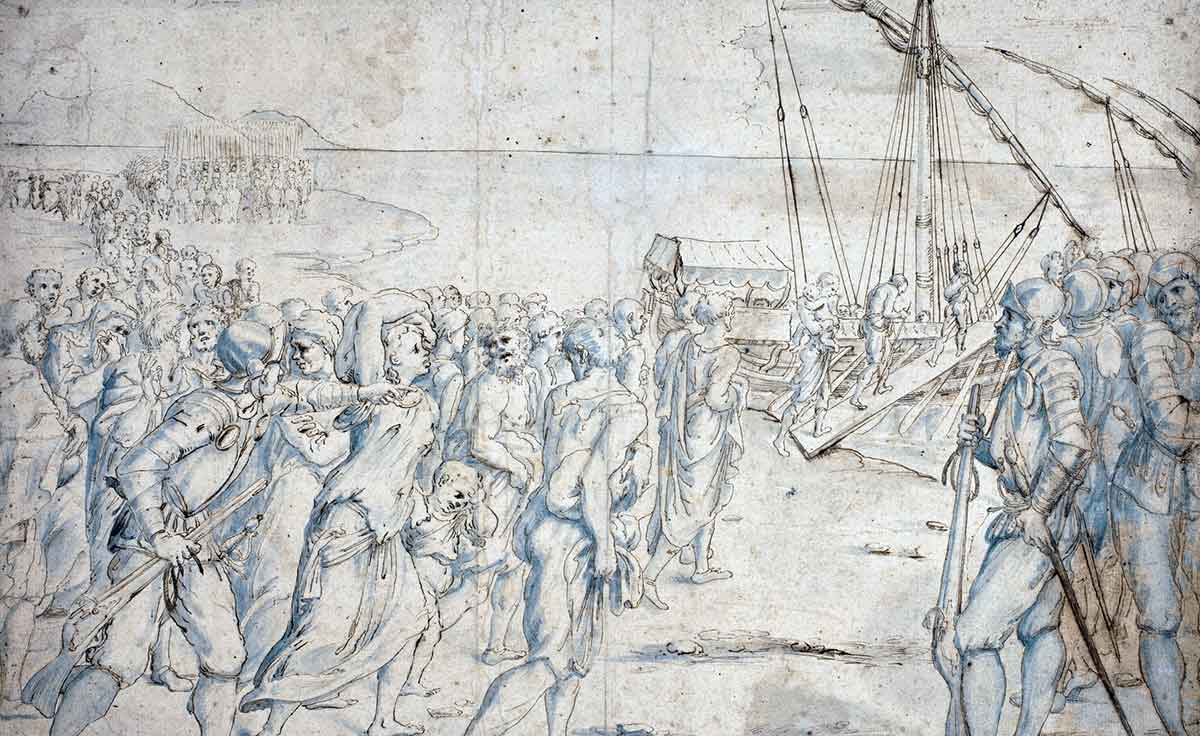
For logistical reasons, the Morisco rebels’ hoped-for Ottoman and French intervention did not sufficiently materialize. The Spanish Inquisition ramped up its persecution of alleged Muslims and Islamic practices. King Philip III’s decree of expulsion in 1609 can be seen as a breaking point for Christian-Muslim relations in pre-modern Spain.
We cannot know the exact number of Moriscos who were affected. Some relocated to North Africa or Ottoman lands, but most stayed within Spain covertly. A few Moriscos joined pirate crews menacing European ships in Algeria and Morocco. But by the end of the 18th century, Islam’s visibility in Spain had faded away.
Bibliography/Further Reading
Green-Mercado, Mayte. Visions of Deliverance: Moriscos and the Politics of Prophecy in the Early Modern Mediterranean. Ithaca: Cornell University Press, 2019.