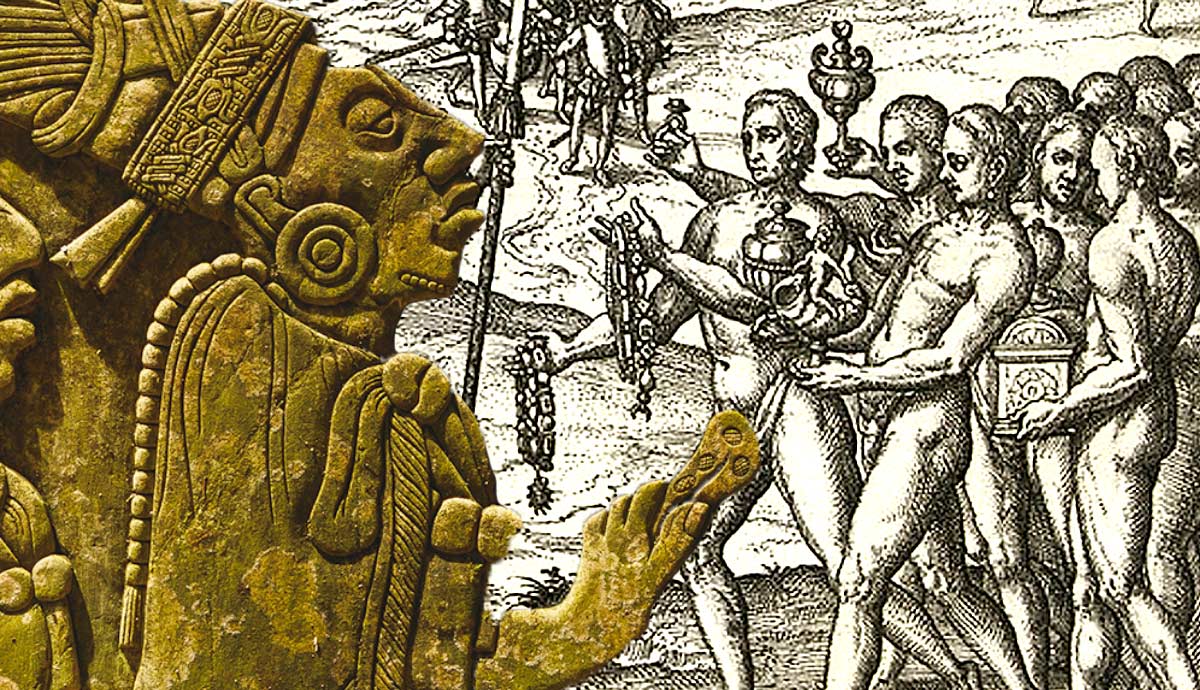

The Inca civilization may be the most well-known victim of the Spanish conquest of South America, but smaller cultures and tribes were also subjugated. The Muisca, centered in present-day Colombia, were first encountered in the early 16th century and like many pre-conquest civilizations, their use of gold—not as currency but for religious worship—would spell their doom. In the case of the Muisca, it would also birth a famous legend that kept the Spanish occupied for centuries: the mythical city of El Dorado.
Muisca Political Organization and Territory
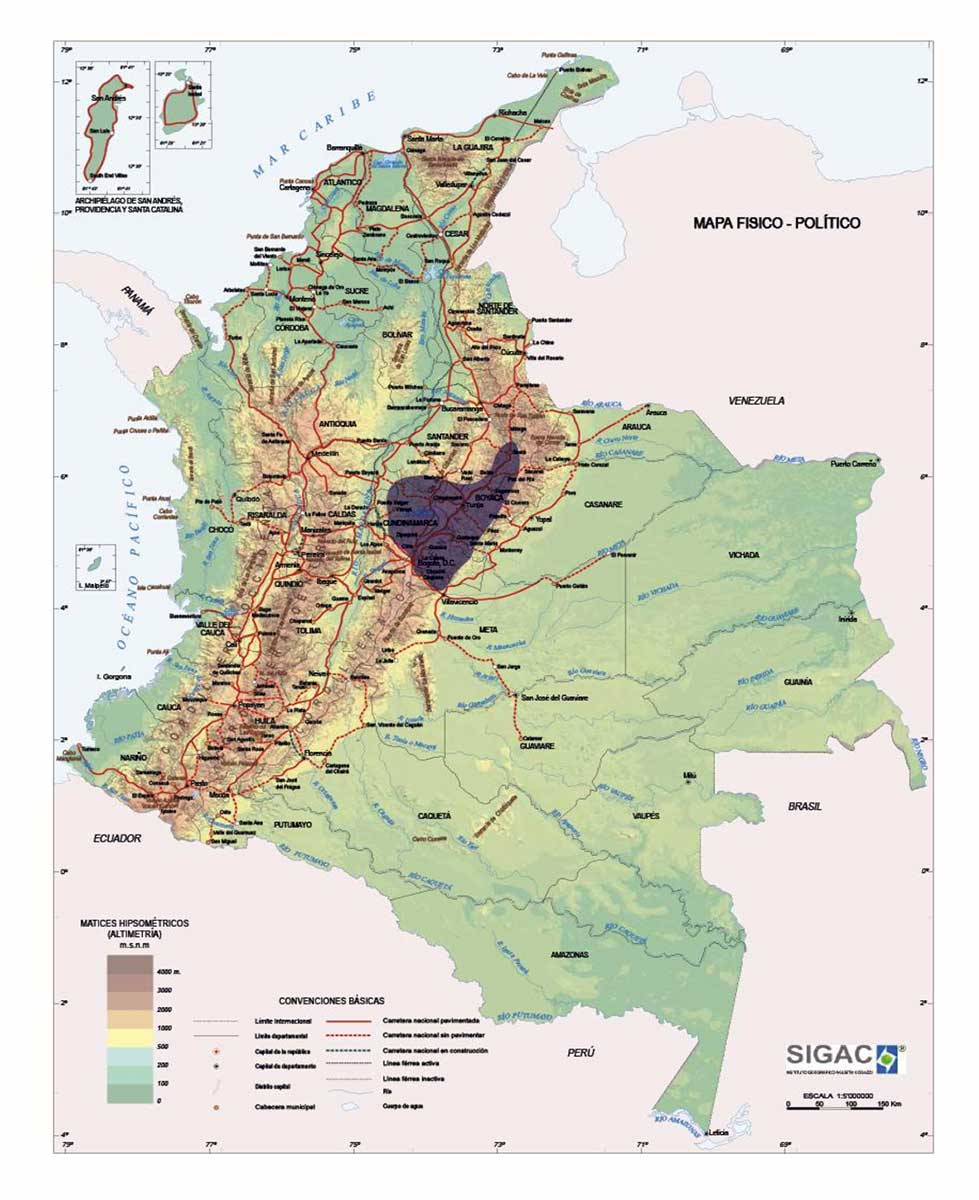
It is believed that the people who would become the Muisca, also erroneously called the Chibcha, began moving into the Andean highlands of Colombia around 500 BC, migrating from lower Central America, particularly present-day Panama. Estimates for the Muisca population prior to the conquest range from 500,000 up to 3 million.
Traditional accounts of the Muisca describe their society as divided into two primary political units, or confederations, centered in Bacatá and Hunsa, with powerful central leaders. Modern scholarship, however, argues that the political organization of the Muisca was in fact much looser and more flexible, with numerous largely independent chiefdoms and polities of varying sizes and no overarching political authority. Such a confederation allowed the Muisca to adapt more easily to changing conditions but, as some scholars note, may also have prevented them from unifying to face an external threat, like the conquistadors, particularly if rivalries allowed the Spanish to play different polities against each other, which some historians suggest.
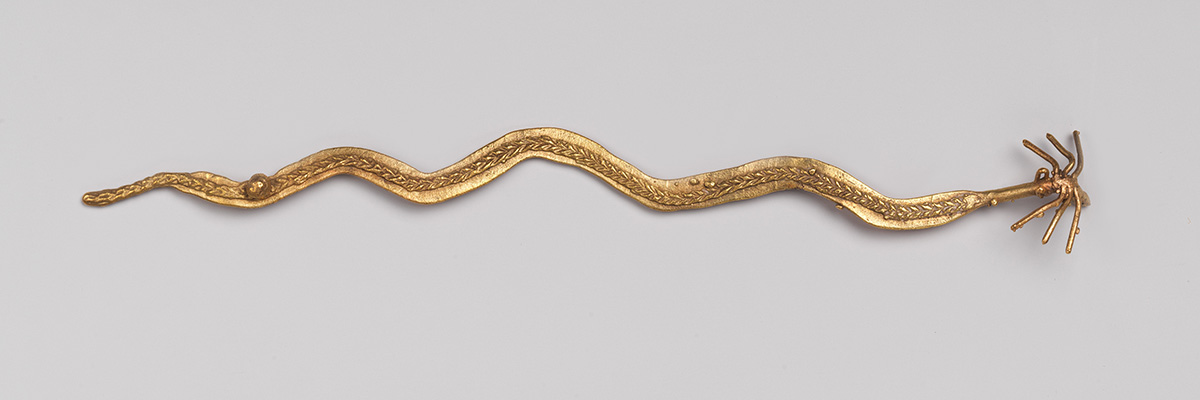
Positions of power in Muisca society were usually held by men but inherited through matrilineal relationships. The most recent research into Muisca society reveals that, in contrast with contemporary accounts written by Spanish colonizers, political power derived not from control and exploitation of economic resources, but from sacred authority; leaders were believed to be direct descendants of the gods, entrusted by them to care for the community and to manage and redistribute food and supplies. Though they received tribute, there is little evidence that they amassed personal wealth, a common practice in Europe that colored Spanish accounts of Muisca political structures. As Professor Monica Giedelmann notes, “descriptions about Muisca society are partially a reflection of sixteenth-century Spanish society.”
With no written language, a less rigid political hierarchy than contemporary civilizations that did not favor large-scale construction, and the relatively quick subjugation by the Spanish, for centuries what little was known about the Muisca came solely from conquistadors’ accounts—accounts that were written for one audience, the Crown, and are best taken with a grain of salt. Yet, they remain a valuable resource regarding basic facts about Muisca life, including their calendar (each month comprising three 10-day weeks), language, and mythology. Today, relying more heavily on archaeology, scholars have begun to paint a clearer, and often contrasting, picture of the Muisca.
Muisca Culture and Daily Life
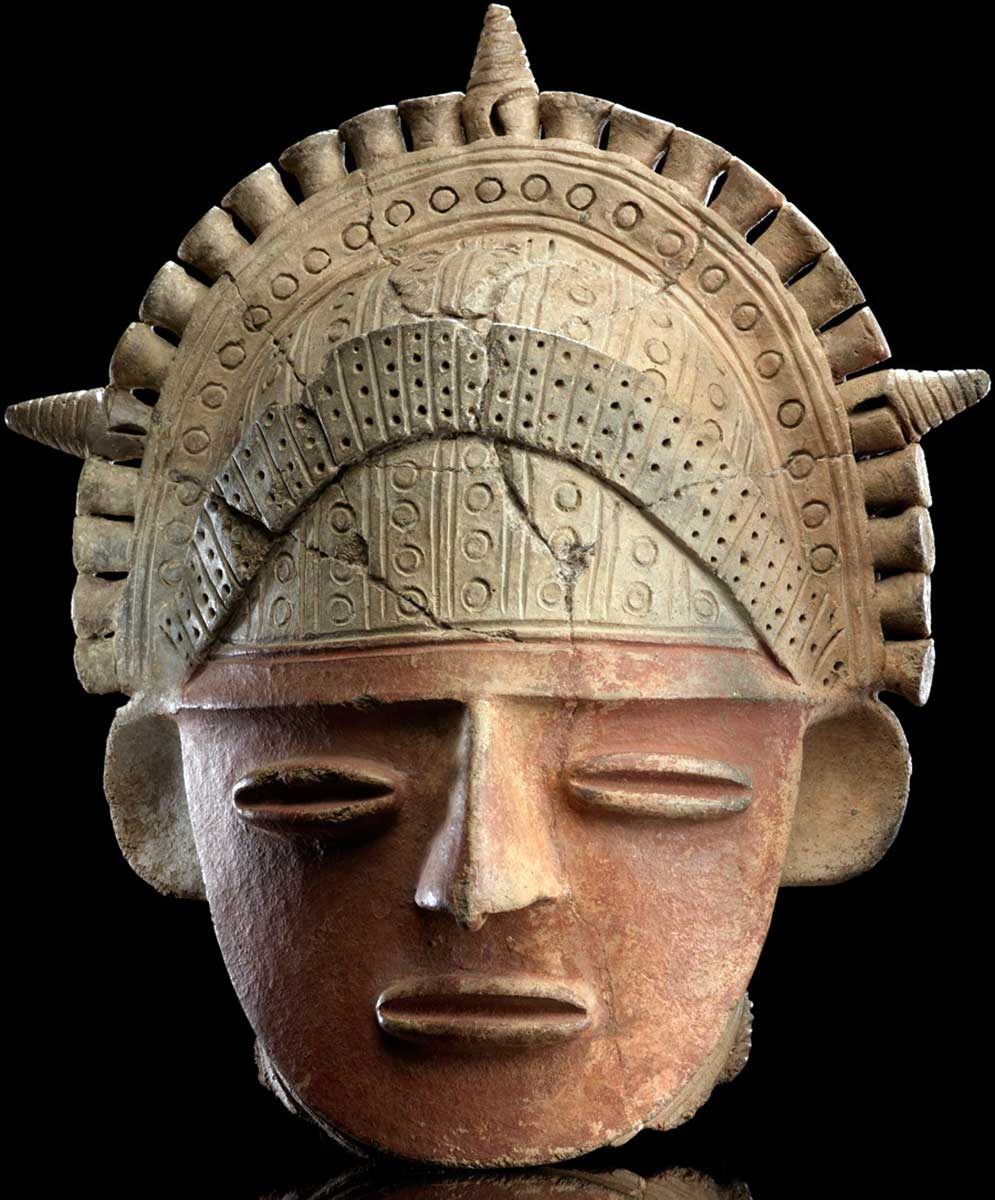
Though culturally and geographically distinct from their closest neighboring civilization, the Inca, some commonalities may create a sense of familiarity: the consumption of chicha (corn beer), the weaving of elaborate textiles, metallurgy, the cultivation of coca leaf and the construction of temples to the sun. However, while it’s possible trade existed between the two civilizations, there’s no evidence for significant cultural exchange.
A largely agricultural society, cultivating corn, quinoa, and potatoes, the Muisca constructed round wooden and thatch-roof homes and ceremonial centers. There is some evidence that stone was also used for temples, and possibly observatories, but on a smaller scale than contemporary civilizations. Salt was an important commodity for trade, with many Muisca working in a thriving mining industry that led neighboring groups to call them “the salt people.”
Muisca leaders held feasts periodically, even after the conquest began, which were important social, cultural and ritual events in which participants offered gifts to chiefs in exchange for sponsoring the events. Music, dancing, and religious ceremonies would also take place, as these events brought together leaders from throughout Muisca territory. There is also evidence that some communal projects, including planting and irrigation, were organized during these events. Rather than any overarching administrative structure, modern scholars argue that these and similar events were used for networking, alliance building and trading favors, cementing the social and political structure of Muisca society in subsequent years.
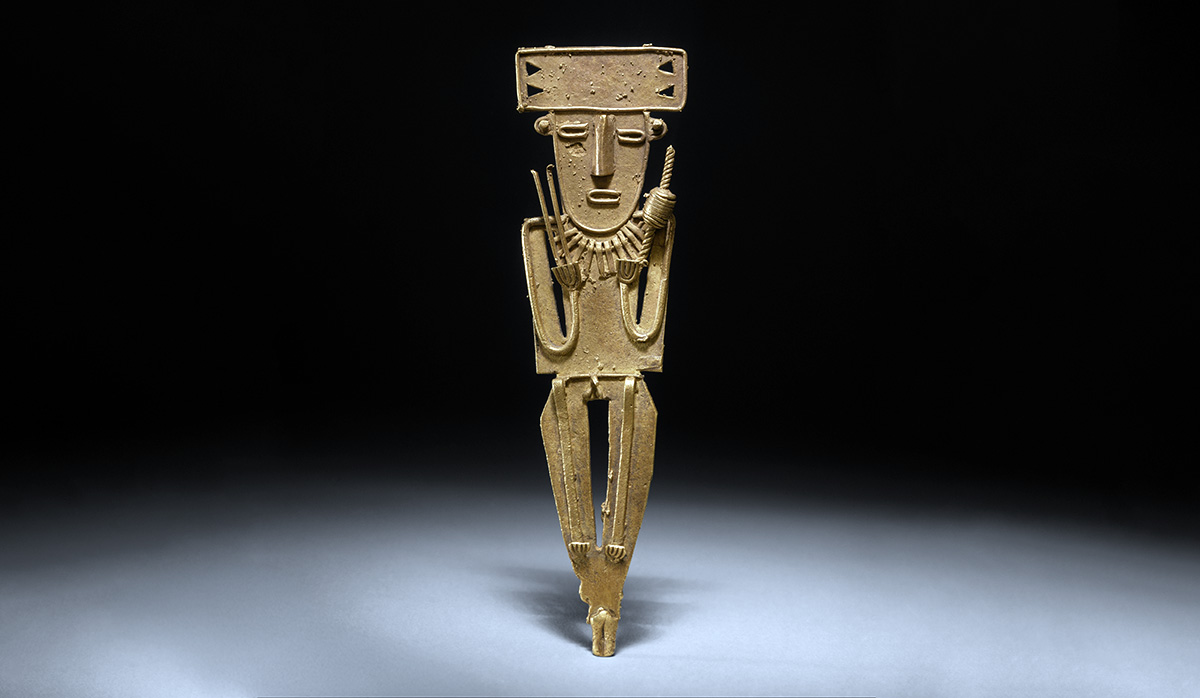
While they maintained an elite military class known as the Guecha warriors to defend their borders, the Muisca generally prioritized trade and agriculture over large-scale militaristic expansionism. Though surviving artifacts include warrior motifs, no weapons’ stores, defensive structures or notable warrior burials have been uncovered. Whether this indicates a largely peaceful society or simply a thorough destruction of such artifacts by the colonizers is unclear. Spanish sources of the period attest to Muisca communities defending themselves, both against the Spanish and from outside groups, but the frequency and scale of warfare prior to the conquest is largely unknown.
Muisca Religion: Honored in Gold
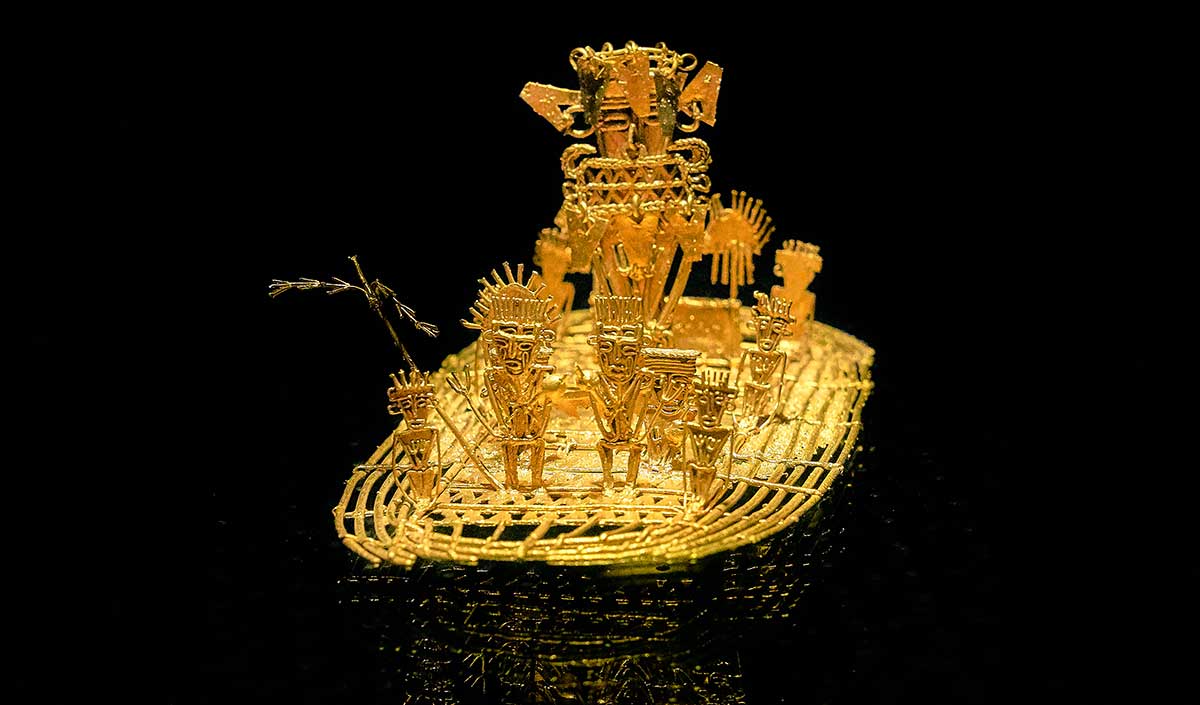
The polytheistic Muisca worshiped the sun god, Sué, and moon goddess, Chía, as well as other nature gods—like most pre-conquest cultures, their religion and environment were deeply intertwined. A temple to the sun god once stood in Sugamuxi, now Sogamoso, which was a religious center that some scholars compare with Christian Rome in terms of its significance to Muisca religious life. Making offerings to the gods was a central tenet of Muisca religious life, which may have included blood-letting and human sacrifice as well as more everyday gifts including coca, shells, wooden objects and special drinks and food.
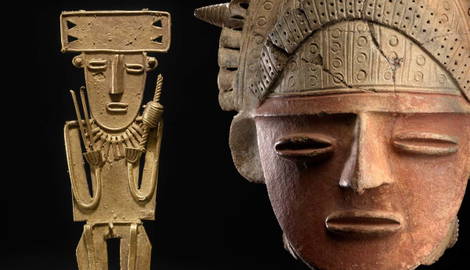
As in neighboring Andean cultures, gold played an integral part of Muisca ritual life. Perhaps the most well-known artifact of their culture is the Muisca raft, an ornate gold raft with figures perched on top, skillfully crafted and once offered to the gods. Re-discovered in a cave in 1969, the votive, or tunjo, would once have been part of a sacred Muisca ceremony in which gold and emerald offerings were deposited in lakes and other sacred places as a promise to the gods.
Scholars believe the raft depicts a particular religious and political event, one that the Spaniards observed and distorted over the years, ultimately inspiring the El Dorado myth: a zipa, or chief, newly come to power, would cover himself in gold dust and float into the center of the sacred Lake Guatavita to make gold offerings to the gods. He would then submerge himself, washing away the dust and reemerging as a divine leader. If true, it means El Dorado, then, was never a place but a man, covered in gold.
The Muisca After Colonization
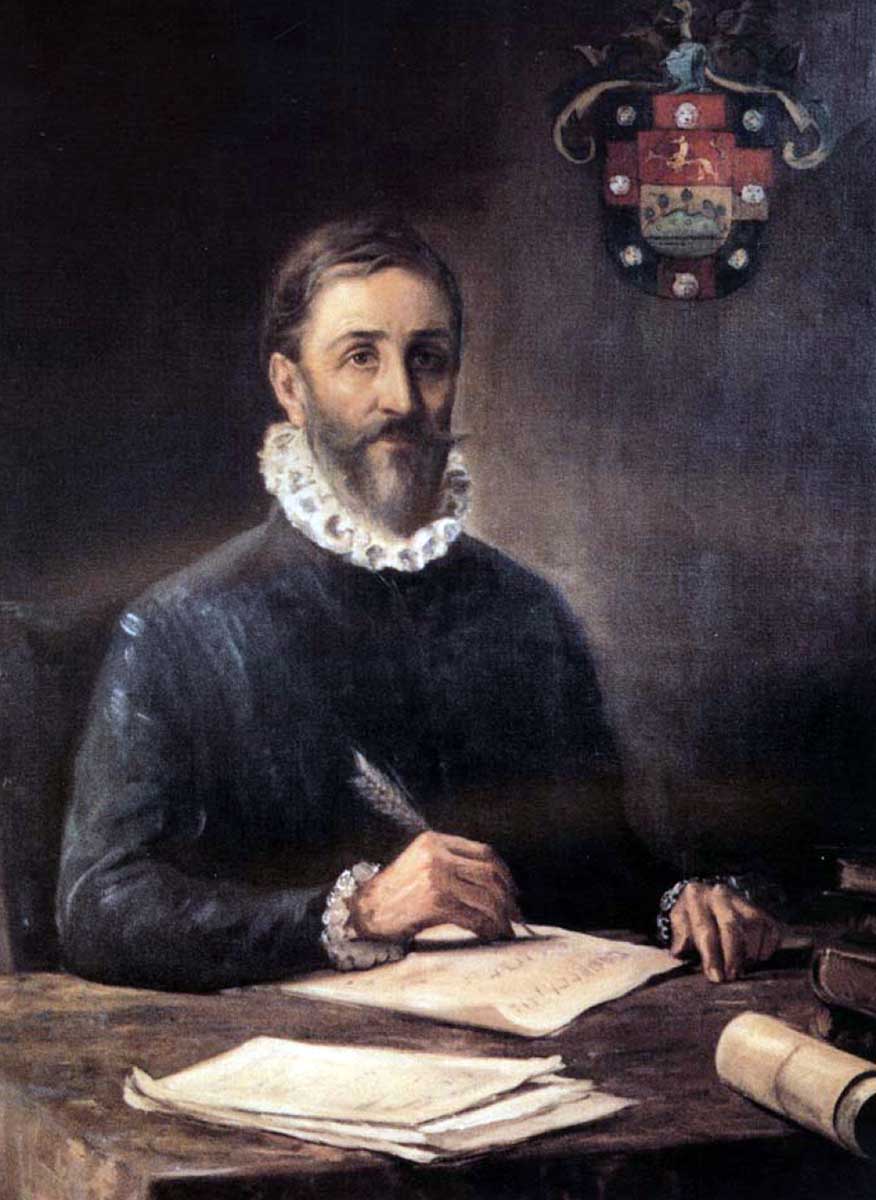
In 1537, conquistador Gonzalo Jiménez de Quesada, exploring the wilds of present-day Colombia, first made contact with the Muisca. The gold-obsessed Spaniards quickly toppled the Muisca rulers and established a new city, Nuestra Señora de la Esperanza, where Bacatá had once been—which went on to become the capital of the New Kingdom of Granada, the Viceroyalty of Granada and then Colombia. It was when Colombia gained independence that Simón Bolívar renamed the city Bogotá in recognition of its Muisca origins—but the Muisca themselves were long gone.
With colonization, what were once Muisca lands became encomiendas for the new Spanish colonizers, while Muisca people were forced into servitude, slaughtered or succumbed to new European diseases. As elsewhere in the “new world,” the conquistadors were accompanied by Catholic friars and priests determined to erase Indigenous religious practices; religious festivals were outlawed and sacred sites burned. By 1542, resistance to the Spanish was essentially stamped out, and within 100 years the entirety of the Muisca were nearly wiped out. Those few who remained were increasingly marginalized, pushed further from populated areas and into higher elevations as their productive lands were stolen from them.
Even after the colonial period, the governments of the newly independent Colombia continued to repress the country’s Indigenous population. Reservations were eliminated, traditional practices—like drinking chicha—were outlawed, and the Muisca were forced to assimilate. Efforts to eliminate the cultural influence of the land’s original inhabitants continued well into the 20th century.
The Muisca Today
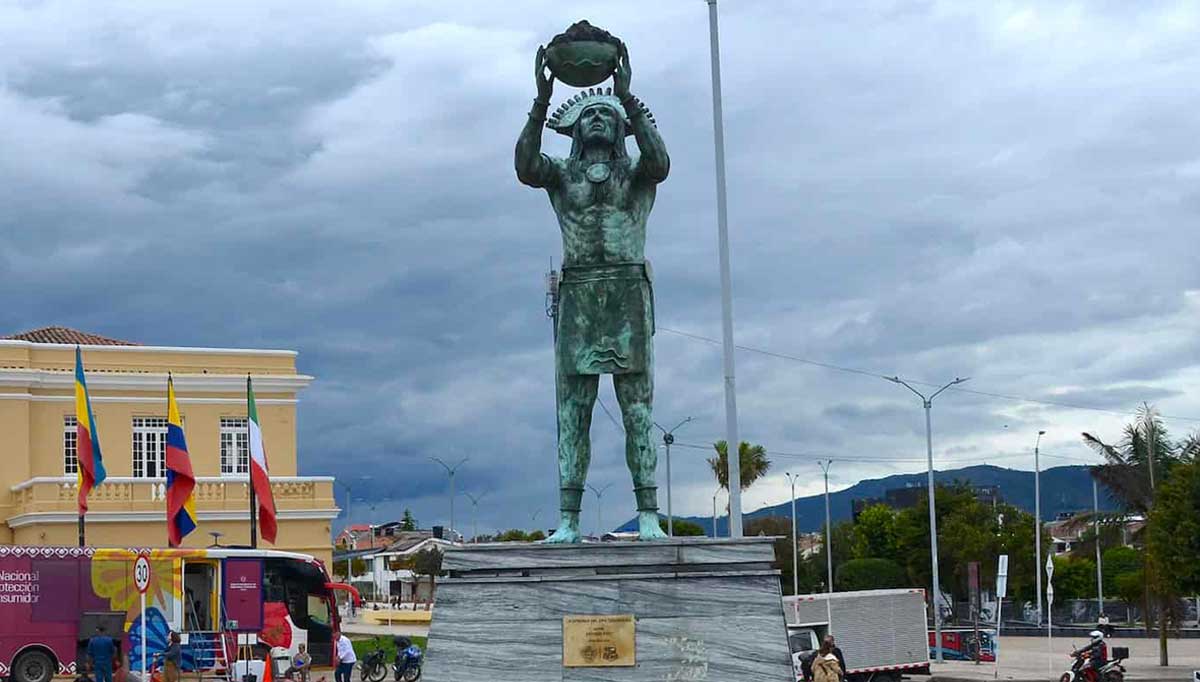
Though their original numbers were decimated by the Spanish, and they’ve faced centuries of repression and erasure, Muisca descendants remain in Colombia today; estimates of the current Muisca population range from 10,000–15,000. The Muisca culture has shaped the nation, and even the world, in often surprising ways. For example, Colombia’s national sport, tejo, is believed to have evolved from a popular sport among the Muisca that involved throwing discs at targets. Several volcanos on Jupiter’s moon Io bear the names of Muisca deities, and various species in the region have scientific names derived from the Muisca culture and language.
Following a formal recognition by Colombia’s government of remaining Indigenous groups in 1991, efforts have been ongoing in the country to revitalize native cultures, including the Muisca. In the greater Bogotá area, five Muisca communities have been established in Bosa, Suba, Chía, Sesquile and Cota, where Muisca descendants work to recover and celebrate their history and language. This includes planting traditional crops, rebuilding traditional medicinal practices and creating appropriate curricula for schoolchildren.
In Suba, classes in the Muisca language are offered for both children and adults. Groups from Bosa and Chia have been working the British Museum, which holds over 200 Muisca artifacts, on projects to connect Muisca descendants, and artists in particular, with these artifacts to produce new exhibitions exploring Muisca history and culture. Muisca have also been active in conservation work in the region, organizing to protect the native flora and fauna of the wetlands their ancestors shaped and managed thousands of years ago.