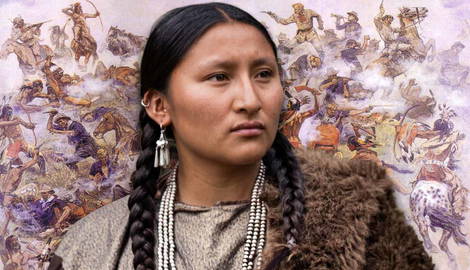

The Battle of the Little Bighorn holds a unique place in American history, and remains etched into the collective psyche of Americans even today. The actions carried out on that day by Crazy Horse, George Custer, and Chief Gall will never be forgotten. However, one participant remains overlooked. She is Pretty Nose, a young warrior who became a war chief.
From Manitoba Farmers to Master Horsemen on the Great Plains
Pretty Nose was born in 1851 to the Arapaho people, who originally inhabited the area that is now the province of Manitoba, Canada. They were an agricultural people that specialized in growing maize. However, due to aggression from the Ojibwe tribe, as well as European expansion, the Arapaho were forced to migrate to the Great Plains region of the United States in the 17th century.
As they moved to the Great Plains, they quickly adapted to their new environment. They became excellent horsemen and used their newfound riding skills to effectively hunt on the Great Plains. Arapaho society had several orders of warriors, which were needed for conflicts against the Kiowa and the Comanche. Over time, the Arapaho formed a close alliance with the Cheyenne and maintained a reputation as a proud and respected people.
How the Sand Creek Massacre Drove Pretty Nose to Take Up Arms
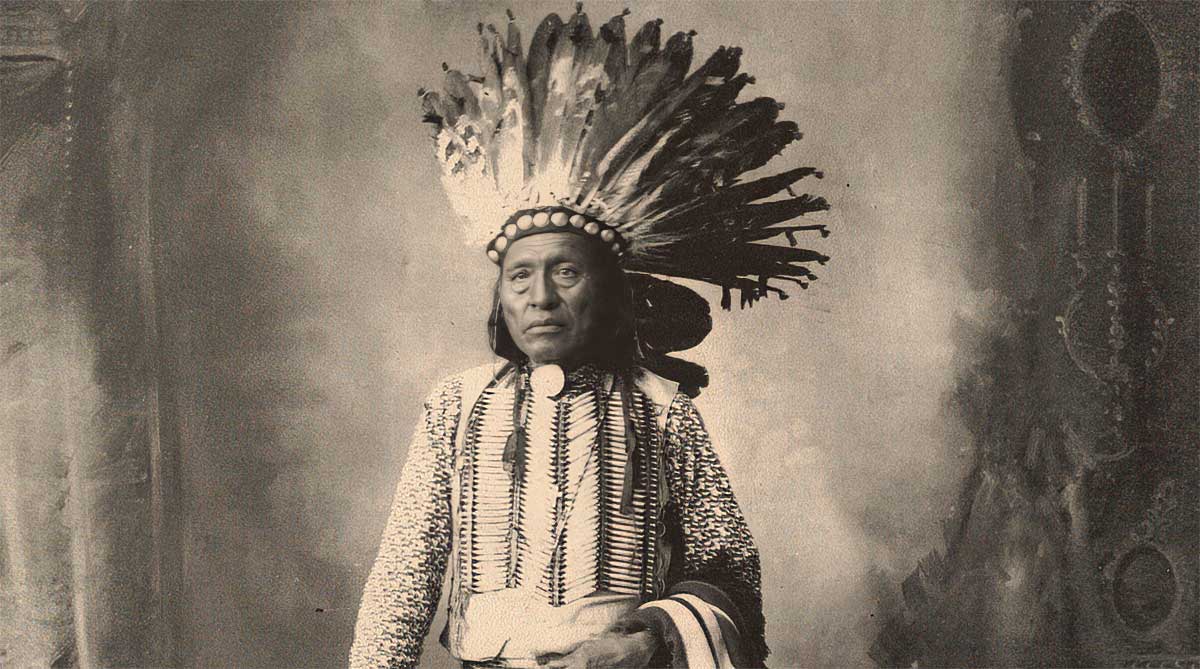
After the American Civil War, the United States government expanded farther into the Great Plains region. For most of their history, the Arapaho maintained a peaceful relationship with Europeans and enjoyed mutually beneficial trade. The arrival of settlers on tribal lands signaled that war was inevitable.
In 1864, the United States committed the Sand Creek Massacre against the Cheyenne and Arapaho people. The 150 people who were killed set off shock waves throughout the Great Plains tribes, who saw the massacre as just the beginning of what was in store for them. The Arapaho, in particular, were ready to fight invading settlers. Many warriors swore to fight for their tribe against the United States. Many women who had not previously fought as warriors took up the position as a means to avenge their loved ones. Among them was the teenage Pretty Nose.
The Battle of the Little Bighorn and the Women Who Took Up Arms
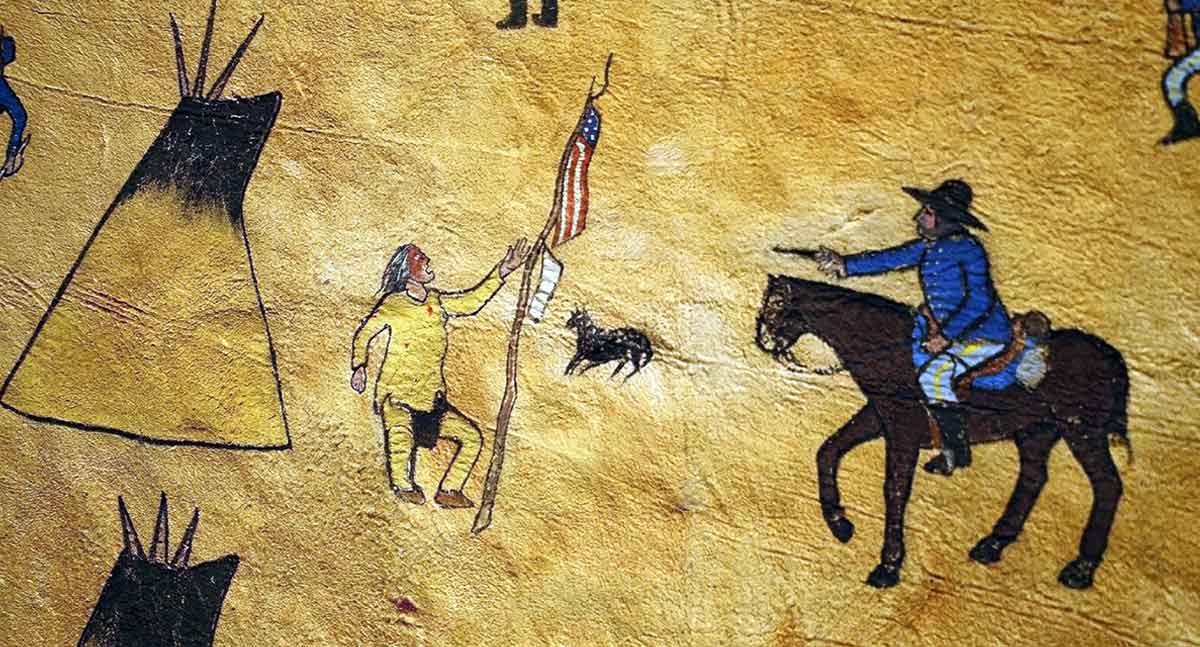
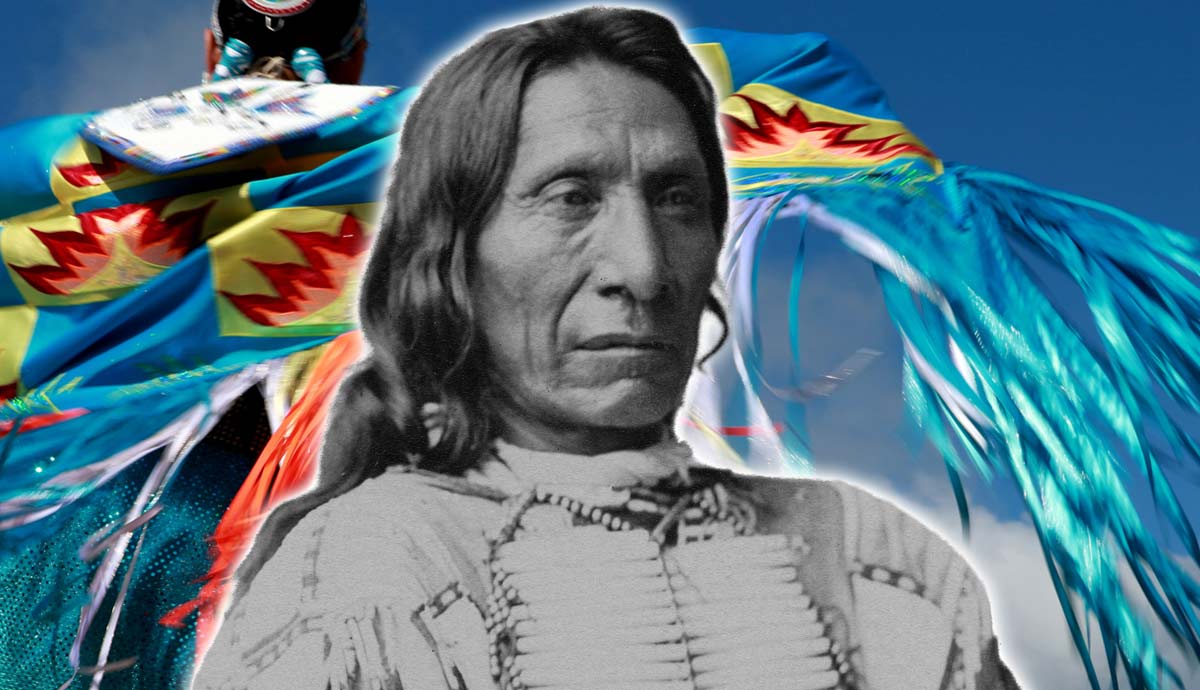
The Sand Creek Massacre triggered years of warfare between the Arapaho and the United States. The Arapaho won the Battles of Julesburg and Platte Bridge, while the United States Army won the Battle of the Tongue River. Joining the coalition of tribes led by the great chief Red Cloud, the Arapaho took part in his eponymous conflict, Red Cloud’s War. The coalition’s victory forced the United States to negotiate and sign the Treaty of Fort Laramie.
In 1876, war broke out once again between the United States and the Great Plains Indians. While the Arapaho had split with the Lakota and wanted to keep the peace, they were unwilling to give up their desired land in the Black Hills. And so, with the Arapaho taking part in the Great Sioux War of 1876, Pretty Nose carved her way into history.
On June 25, 1876, George Armstrong Custer made the fateful decision to launch his attack, and the Battle of the Little Bighorn began. With the badly outnumbered American unit facing a relentless onslaught from the determined Indians, one of the warriors they encountered was Pretty Nose. Fighting courageously at the battle, she was a part of the many warriors who left their mark on history. Pretty Nose was not the sole female combatant at the Little Bighorn. Among the other Indian women who fought at the battle were Moving Robe Woman, Minnie Hollow Wood, and Buffalo Calf Road Woman.
How Pretty Nose Became an Icon of Arapaho Pride
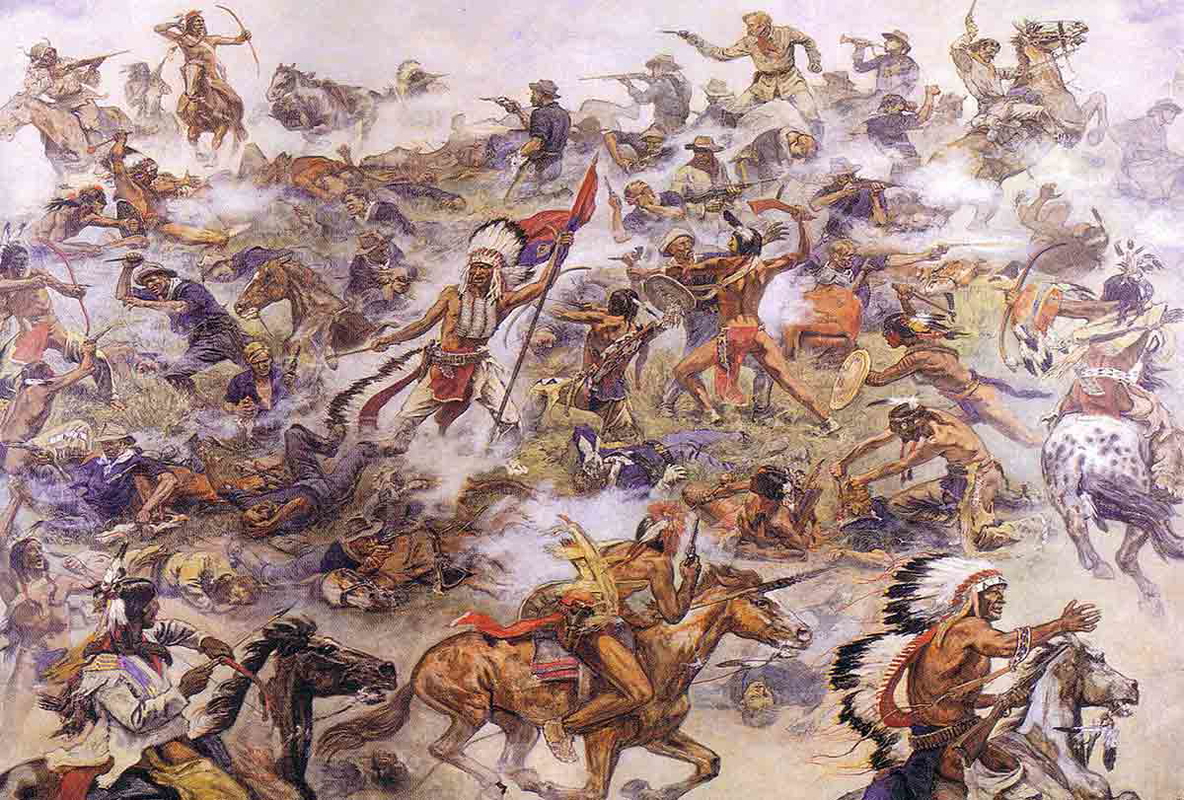
Though the native coalition was successful in the Battle of the Little Bighorn, they would go on to lose the war. The Arapaho were forced onto reservations in Oklahoma and Wyoming. However, this was not the end of the Arapaho people, or of their esteemed woman warrior who had fought so valiantly in the Black Hills.
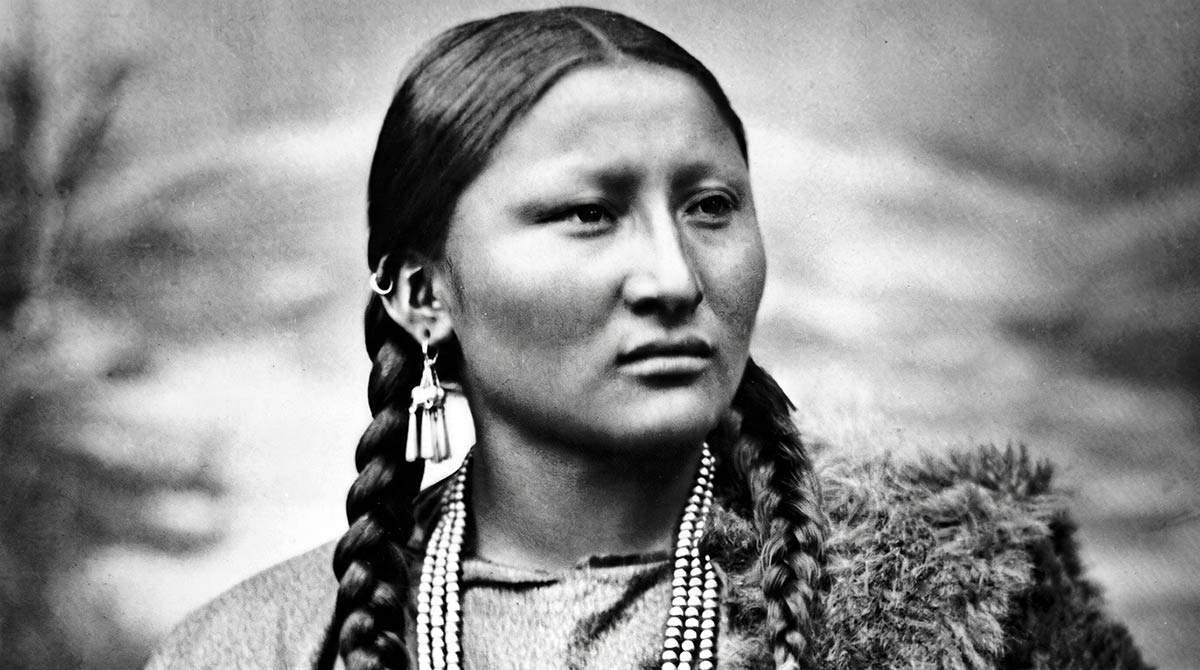
The Arapaho fought to keep their culture alive to the present day. While spending the rest of her days on her tribal reservation, Pretty Nose became a minor celebrity in the United States. The lore of the female warriors of the Little Bighorn captivated Americans, and Western photographer Laton Huffman photographed her in 1879.
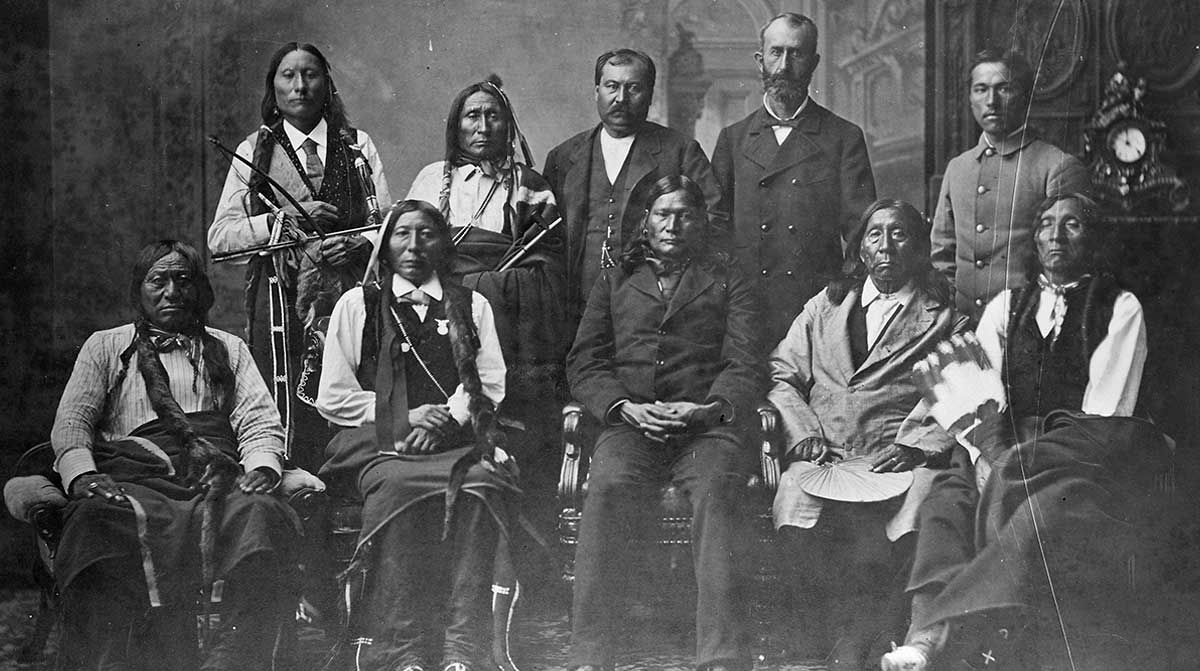
She was often misrepresented as being Cheyenne, but her red, black, and white beaded cuffs clearly marked her as Arapaho.
In 1951, Pretty Nose’s great-grandson Mark Soldier Wolf enlisted in the US military and was sent to fight in Korea. The following year, when he returned to the Wind River Reservation, his great-grandmother welcomed him back. The centenarian was adorned in the cuffs of a war chief. However, it is unknown when she received this honor, and oral histories often describe her as a war chief at Little Bighorn.
At 101, she still stood as a symbol of Arapaho pride. The exact date of her death is unrecorded, but it was some time after 1952.