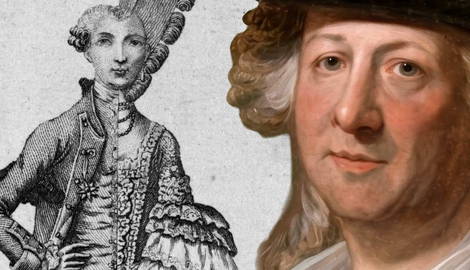

In the clash between Europe’s great powers, figures such as Chevalier de Saint Georges and Patrick Ferguson dominated the headlines. However, one remarkable figure from the century has gone unknown. That is Le Chevalier d’Eon, France’s unheralded spy master.
How an Inheritance Loophole Forced Charles to Grow Up as a Boy
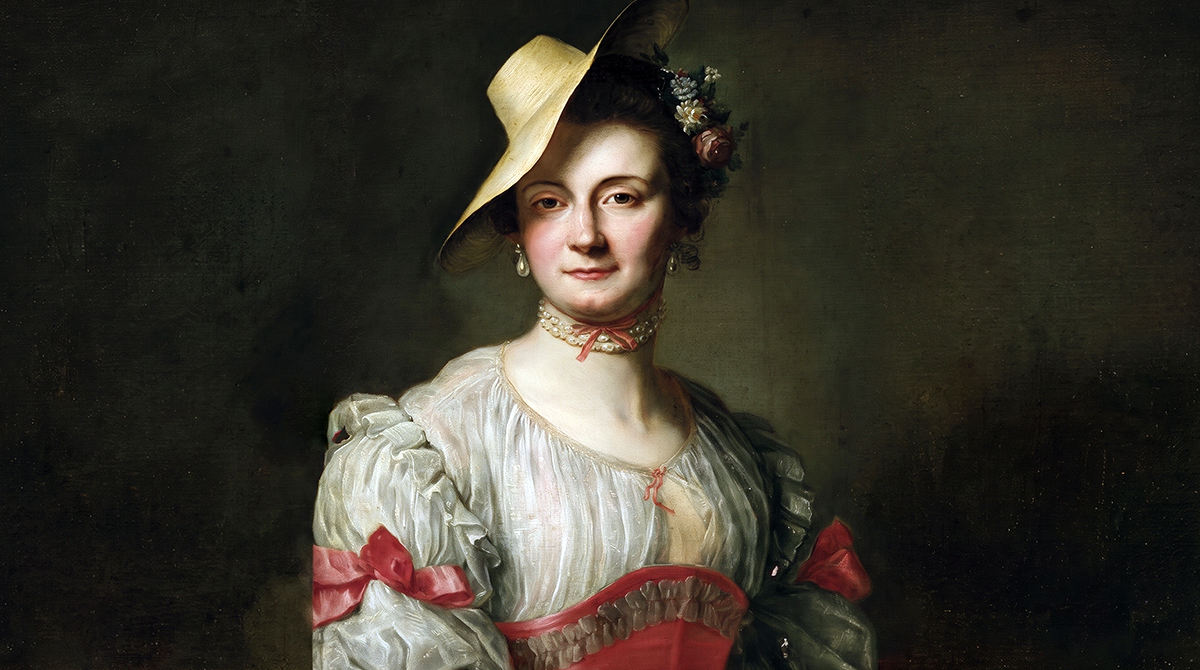
On October 5, 1728, Charles d’Eon de Beaumont was born in Burgundy, France, to a noble but impoverished family. While d’Eon was born with both male and female physical characteristics, she identified as a female. However, her father, Louis, could not inherit property from his in-laws unless he produced a male heir. And so, because of this arrangement, Charles was raised as a male.
D’Eon excelled in school, and soon began publishing works on governance and politics. The attention she received soon earned her employment first as a secretary, and then in several administrative positions. However, her career would truly take off in 1756 when she joined the Secret du Roi.
Infiltrating the Russian Court in Disguise and Fighting as a Dragoon
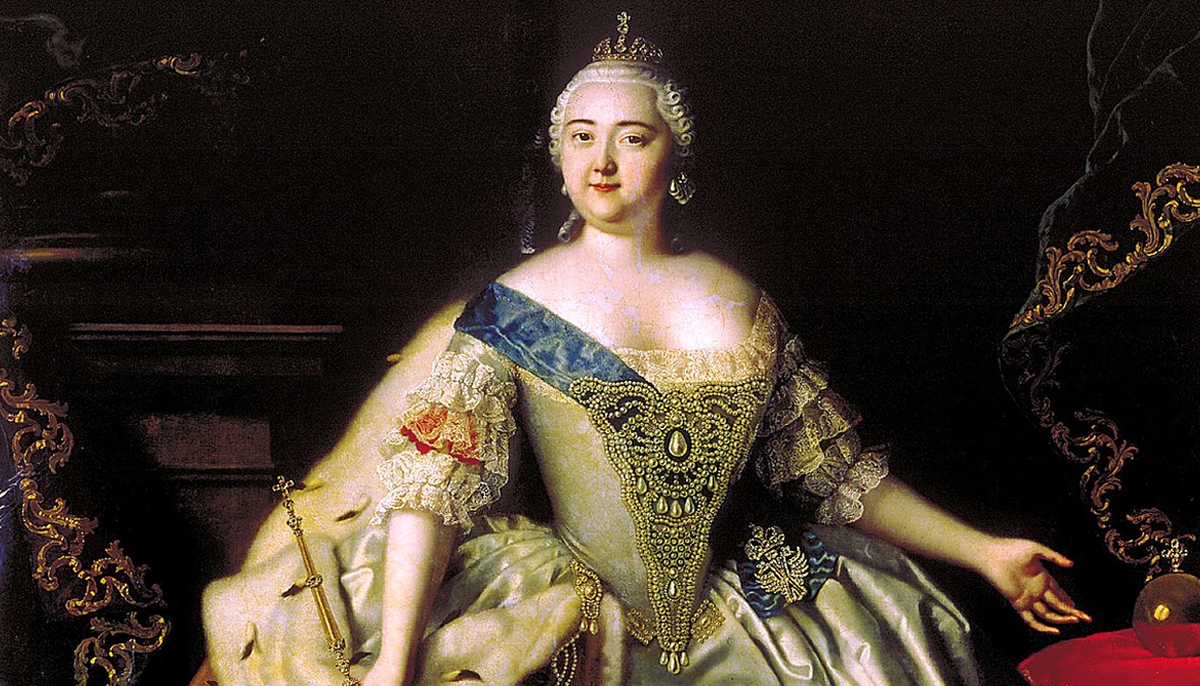
The Secret Du Roi was a French spy network created by Louis XV. Its existence was unknown to French government officials, as they were created solely for the use of the king and answered only to him. In 1756, their members were sent to Russia to infiltrate the court of Elizabeth Petrovna and to influence officials of the Russian Empire to support Louis’ interests in Europe. It was on the voyage to Russia that d’Eon first made use of cross-dressing. D’Eon claimed that on the way to Russia, she was confronted by a British patrol looking for French officials. To bypass the blockade, she dressed in women’s clothing and donned the alias of Lia de Beaumont. Once in Russia, d’Eon had many more opportunities to disguise herself as Lia because Empress Elizabeth hosted masquerade balls where cross-dressing was common. While d’Eon officially acted as a secretary, she covertly worked alongside other members of the Secret Du Roi to pursue intrigues.
Upon successfully completing her mission, d’Eon was recalled to France in 1760. She would go on to fight in the Seven Years’ War as a captain in the dragoons. She was wounded at the Battle of Villinghausen and earned respect for her service. Taking note of her exceptional secretarial skills, d’Eon was once again transferred to France’s diplomatic corps. From there, she traveled to London to help draft the Treaty of Paris, which ended the Seven Years’ War. For her services during the war, d’Eon was granted a generous pension and the title of Chevalier in 1763. At the war’s end, she became France’s interim ambassador to Great Britain.
Spying on the English Coast and Blackmailing King Louis XV
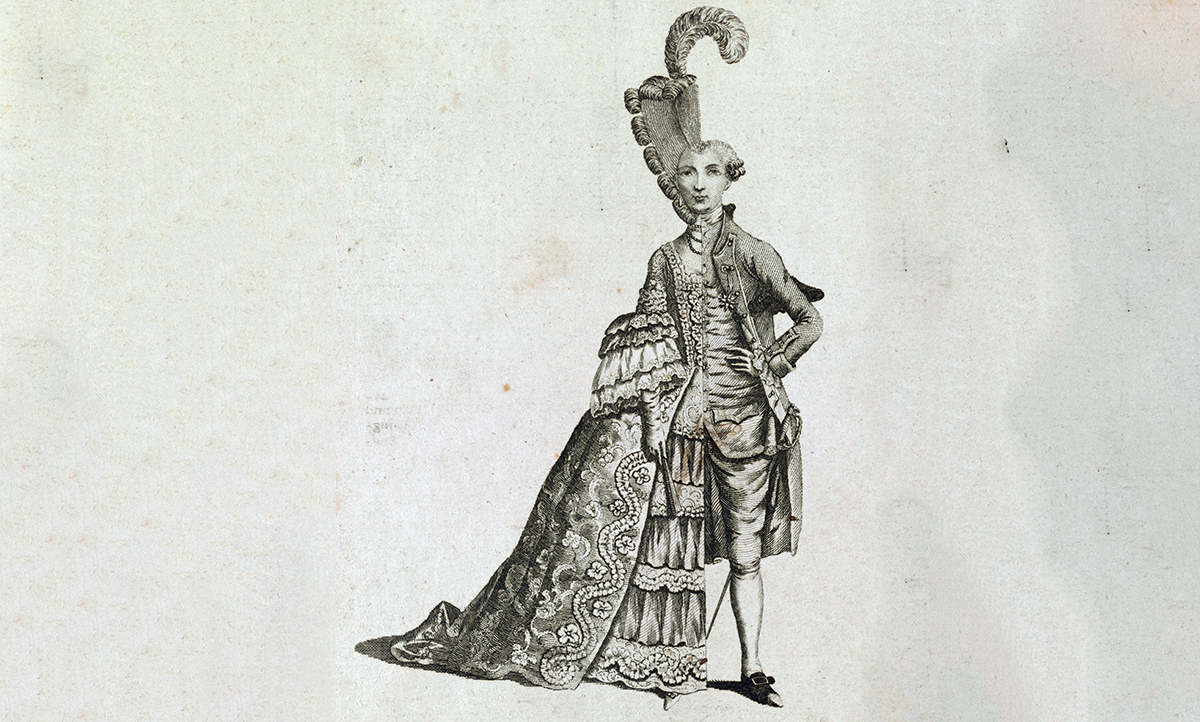
While d’Eon’s appointment as interim minister seemed like a great honor, in reality she had been sent to Britain to plan for an invasion. While Louis XV had publicly made peace with the British, he was secretly looking for an opportunity to resume hostilities and sent the Chevalier d’Eon to scout the British coastline for potential landing sites. While d’Eon quietly conducted reconnaissance, she also made sure to become the talk of the town in London. She imported expensive wine for parties with the English nobility and triggered large amounts of gossip among the public over her gender. She did little to quash these rumors, instead fanning the flames with sharp comments to the press.
D’Eon’s good fortune would end upon the arrival of the new French ambassador, the Count of Guerchy. The count was unaware of the Chevalier’s secret mission, and the two of them immediately entered into a vicious power struggle. When d’Eon was recalled to France, she refused to go, and her own government branded her an enemy. Her rank was stripped, and her pension discontinued.
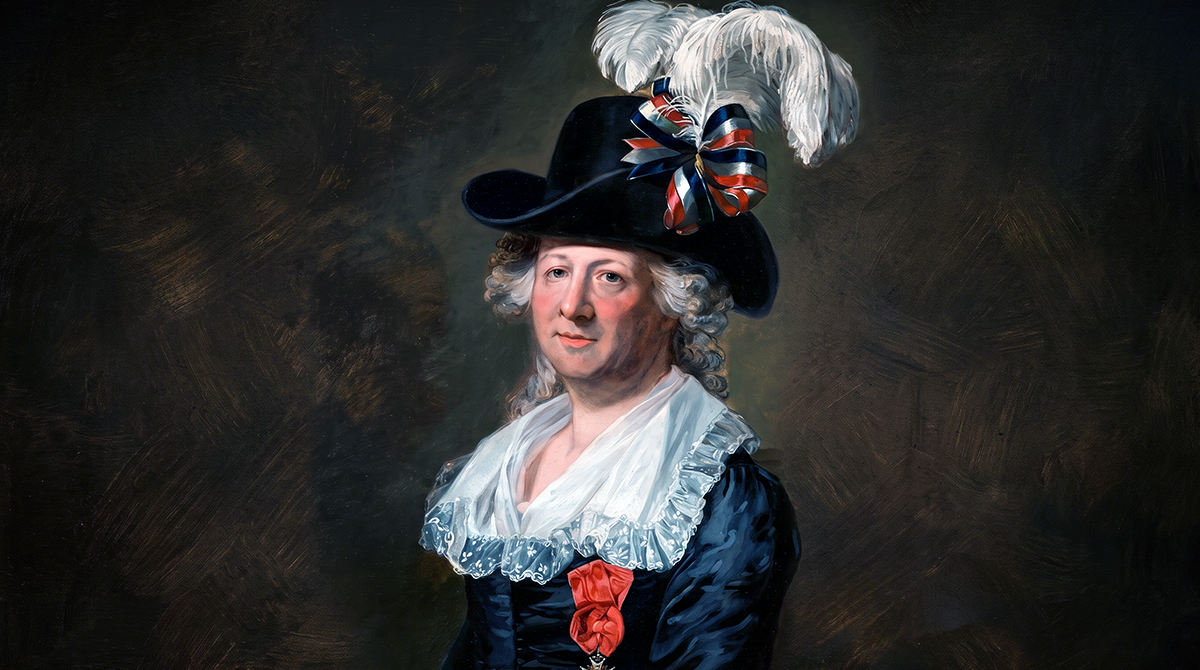
The Chevalier was not one to be defeated by the French King. After escaping a kidnapping attempt, she went into political exile. Because of her good relationship with the British nobility, she was not extradited back to France. Furthermore, her enemies had forgotten the major weapon at her disposal: blackmail.
D’Eon possessed documents that showed Louis XV had violated the Treaty of Paris. She began to leak parts of her diplomatic correspondence, greatly worrying the king. Eventually, a settlement was reached, where d’Eon’s pension was reinstated, in exchange for silence over the king’s secret invasion plan.
Public Fencing Matches in Dresses and the Fall into Debtors’ Prison
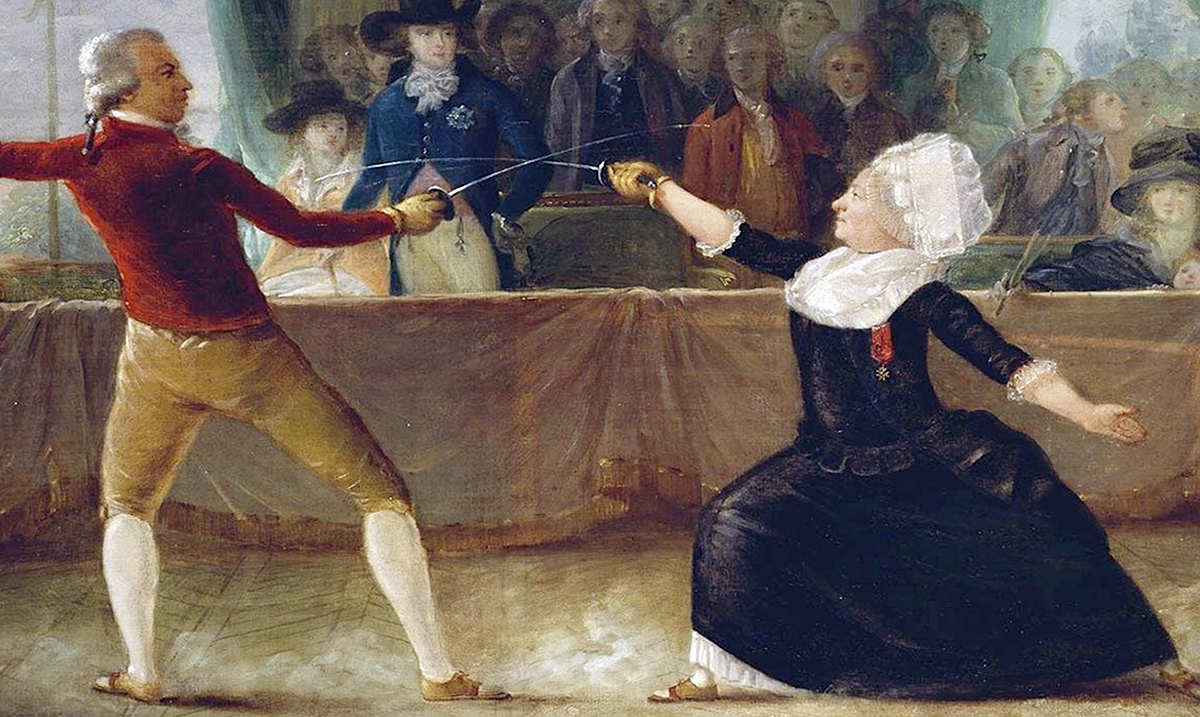
After the death of Louis the Beloved, his heir Louis XVI allowed d’Eon to return to France on two conditions: the first that she turn over all of her spying documents; and the second that she dress only as a woman. The Chevalier complied and settled into a semi-banishment in Tonnerre. However, she provoked outrage when she wore part of her old grenadier uniform along with her dress.
The Chevalier’s banishment was interrupted by the outbreak of the French Revolution in 1789. Her family’s property was confiscated, and her pension was discontinued. She spent her remaining years impoverished in London. As a means of earning some money to pay off her debts, she took part in a number of fencing matches, the most famous of which was with the Chevalier de Saint-Georges. Despite her fencing matches and selling off her most famous possessions, she would spend time in debtors’ prison before dying destitute and paralyzed in 1810. Although she died impoverished, she left behind a rich legacy.