
While many believe the Black Death was the worst disaster in medieval Europe, an earlier crisis just a few decades earlier left deep scars on the continent’s social and economic fabric.
Before the Black Death, Europeans had lived through decades of relative calm. Then things took a turn for the worse in the spring of 1315. Months of unrelenting rain washed out crops, preventing farmers from planting. The crop failure was dubbed the Great Famine of 1315–1317, a period of mass starvation and economic collapse that wiped out an estimated 10 to 25 percent of Northern Europe’s population.
The Little Ice Age: How Non-Stop Rain Sparked Mass Starvation
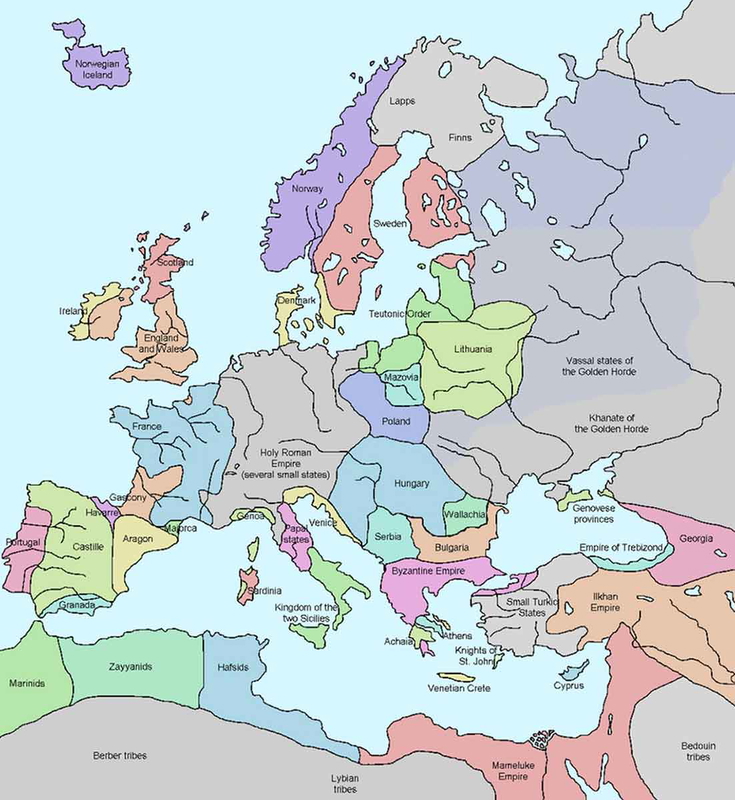
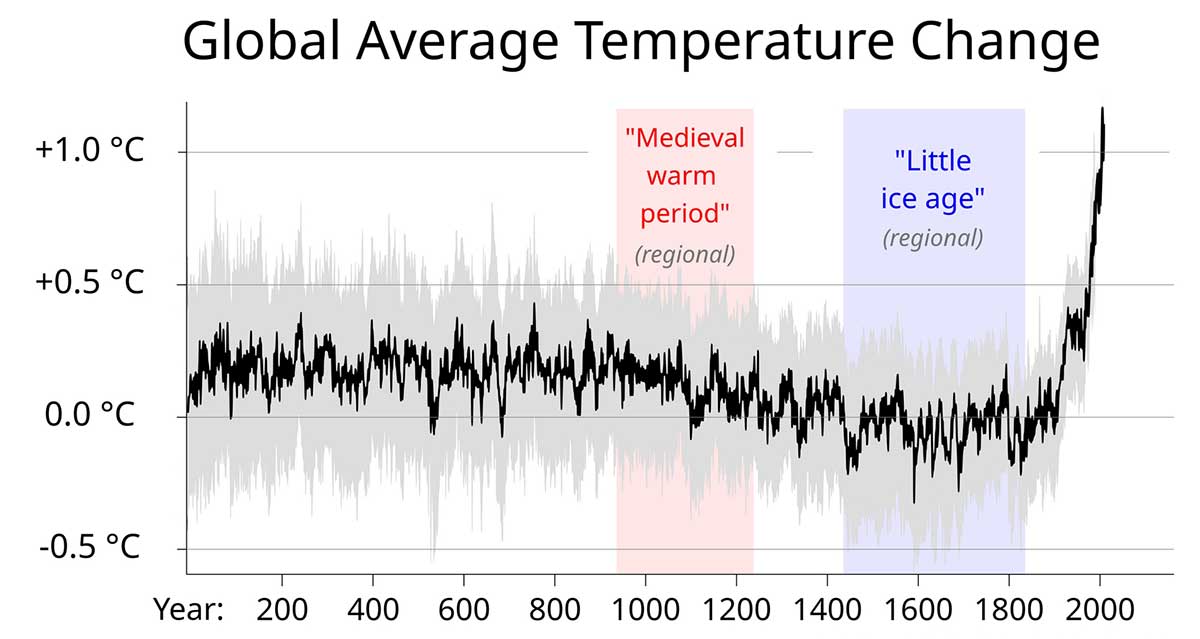
For centuries leading up to the shocking famine, Europe enjoyed unusually good weather conditions. From around 950, the region went through a climate cycle called the Medieval Warm Period that encouraged farmers to cultivate marginal lands, such as hillsides, forests, and swamps, in order to keep up with demand from a booming population. By the early 14th century, Europe was heavily populated, with approximately 75 million people. But that growth came with a dangerous catch. The population had expanded to the point where any small crop failure would cause immediate starvation. Because many families grew just enough food to feed themselves, there was little surplus stored.
In the spring of 1315, bad weather finally arrived in Europe. The transition was part of what is known today as the Little Ice Age. Heavier than usual rainfall and lower temperatures were hallmarks of this new weather pattern. In the spring of 1315, the rain fell non-stop. It poured relentlessly through the summer and into the winter and well into the next year. Excessive rain in the spring caused the seeds that had been planted for that year to rot in the ground, and summer rains prevented any remaining crops from ripening. By harvest time, the grain yields were catastrophically low across much of northern Europe, which included England, Scotland, France, and Scandinavia. Although the royals and the Church had some grain set aside, those stocks were quickly depleted despite relief efforts, leaving many commoners with little food.
300% Grain Inflation and the Collapse of Europe’s Markets
The famine was not only a biological disaster but also a severe economic shock. Grain was the lifeblood of the medieval economy. It was the dominant staple crop. And so, across much of England, wheat prices increased three to four times. Elsewhere in continental Europe, grain prices increased by over 300 percent in just one year. Of course, there was a ripple effect. Because people had to spend all their money on basic food, they could not afford other goods. Trade all but ground to a halt, as did artisan production.
Additionally, livestock died on a massive scale from widespread animal disease and a lack of feed. Starving farmers slaughtered their remaining breeding animals and ate their reserve seed grain just to keep themselves alive over the winter. Although this was understandable, it created a vicious cycle. By eating their seed grain and slaughtering their breeding stock, they were unable to produce normal crop yields for several seasons, which prolonged the food shortage and made recovery slower. The crop failures were at their worst between 1315 and 1316, though food shortages lasted until around 1322. Cattle numbers fell by as much as 80 percent as a result.
How Decades of Malnutrition Primed Europe for the Plague
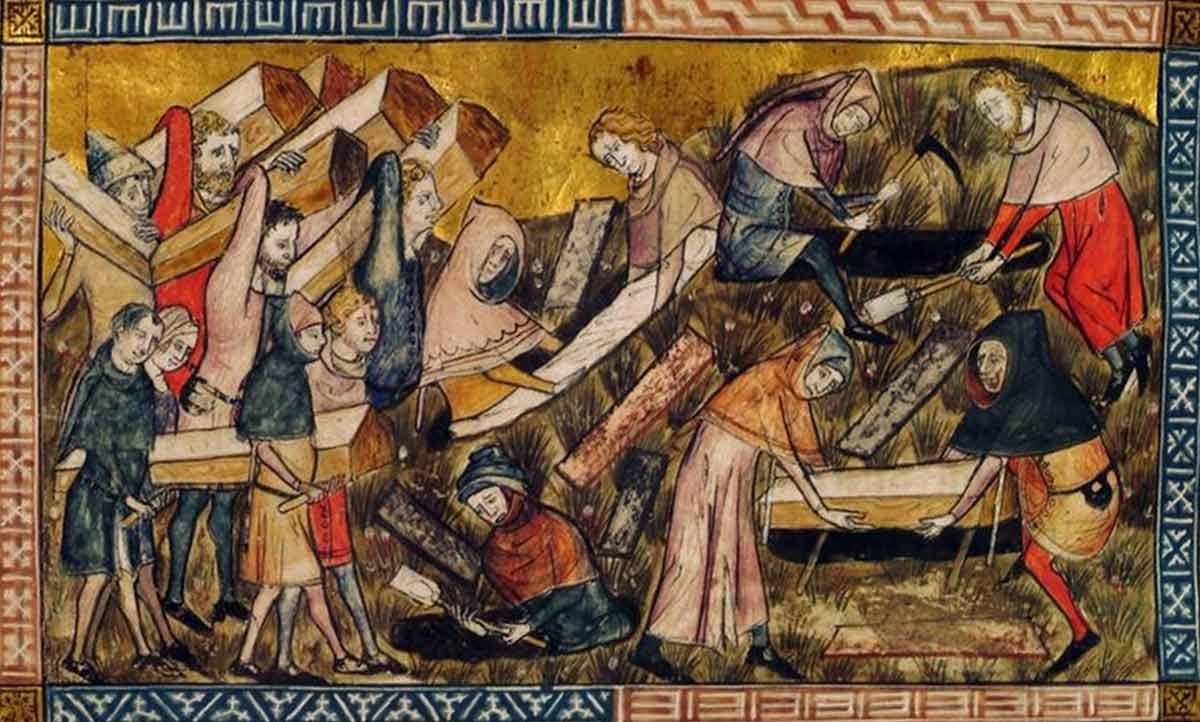
The Great Famine of 1315–1317 killed millions and created extreme health problems for Europe’s population. Recent studies have revealed that when humans go through prolonged periods of famine, their health takes a massive hit. Malnutrition during times of famine severely weakens the immune system. Also, when children are exposed to starvation before the age of 5, they face an increased risk of lifelong stunting. By the 1320s and 1330s, a sizable proportion of Europe’s population suffered from weakened immune systems or physical stunting due to malnutrition.
Consequently, in 1347, when the Black Death hit Europe, many adults were susceptible to the disease due to previous weakening of their immune systems. These factors allowed the disease to spread rapidly through the population during its initial wave. It is estimated that between 25 and 50 million people died in Europe as a result of the malady.
Mass Starvation and the Violent Breakdown of Medieval Order
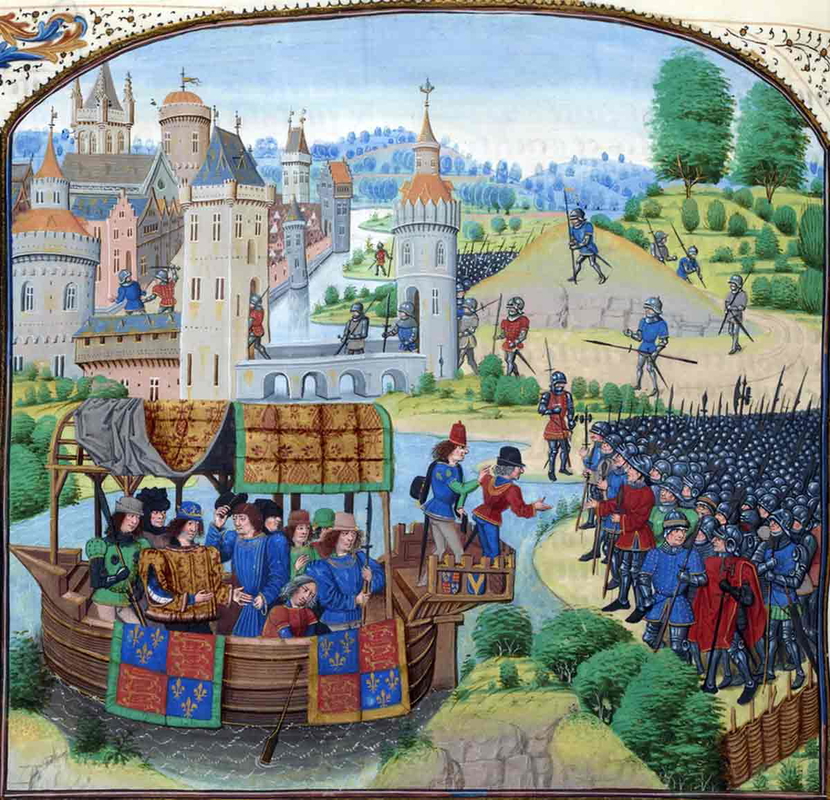
Beyond the physical and economic damage, the famine also ate away at the social bonds that held medieval society together. The medieval Church and aristocracy were, at the time, considered the protectors of the spiritual and social order. The famine exposed just how limited their power really was because they could not prevent the widespread deaths of commoners from hunger. Acts of social unrest such as the Peasants’ Revolt of 1381 soon became more frequent as citizens grew frustrated with leaders who could not fix the crisis. Over the following decades, local governments and even the Church faced growing challenges as they tried to maintain authority and restore the level of trust that the people had previously placed in them.