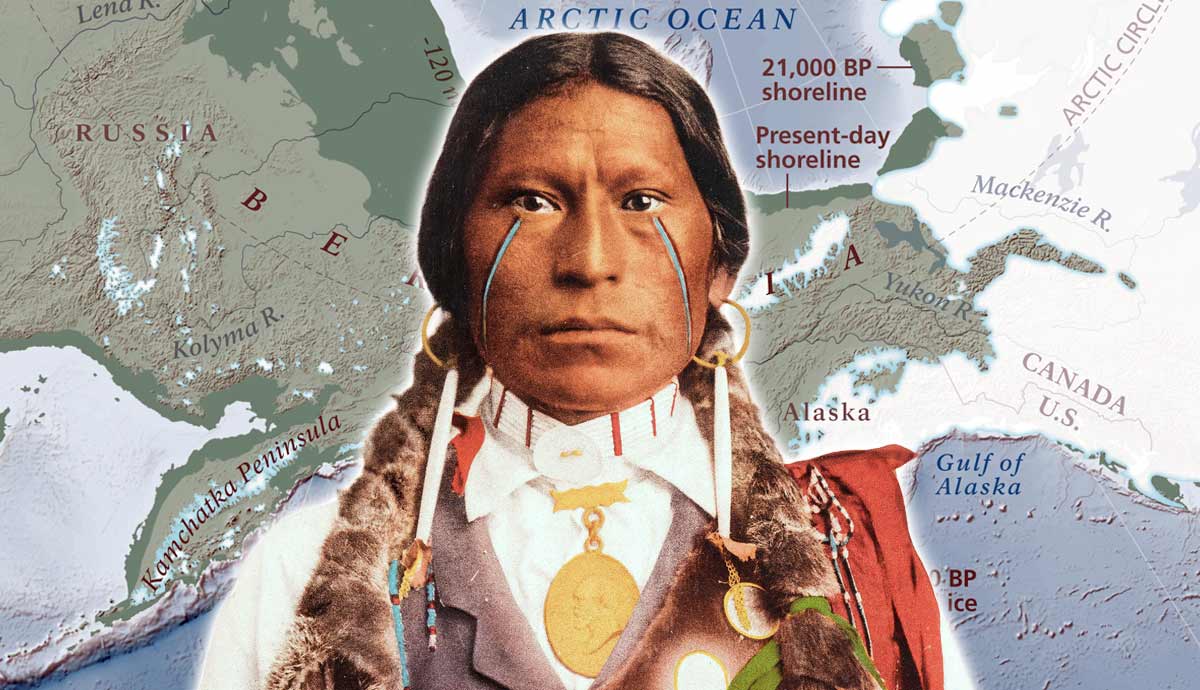

Rising from the central Alaska Range, Denali has been named, renamed, mythologized, and contested for over a century. Before prospectors of the Klondike Gold Rush arrived, the foothills and rivers surrounding the mountain were home to the Koyukon Athabascan people. Claims of first ascents, disputed photographs, and rival expeditions transformed Denali into a symbol of credibility and national prestige. These unfolding narratives had less to do with the physical challenge of the mountain itself than with who had the right to define it. Denali had never been an empty wilderness, and in 1913 Walter Harper, the son of a Koyukon Athabascan mother, was the first person to set foot on top of it.
The Koyukon Athabascan People Knew the Mountain as Denali, the High One
Denali was long known to the Koyukon Athabascan people as the High One, not an empty wilderness.
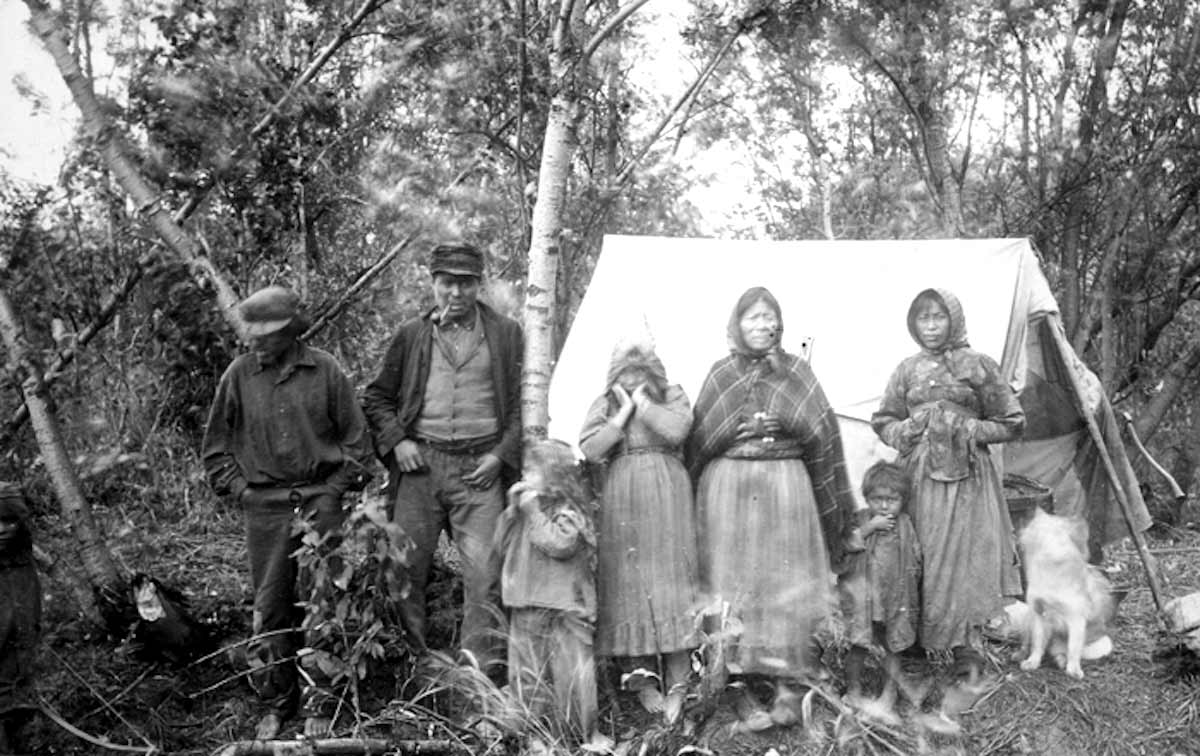
There once lived a Koyukon Athabascan warrior named Yako, who possessed great powers but had no wife. One day, he constructed a canoe and sailed into western Alaska in search of one. Arriving at the village of the Raven Chief, he quickly sailed off with the chief’s daughter, and the Raven Chief followed. The ensuing battle between Yako and the Raven Chief used magics and medicines, in which Yako turned great rolling waves into two mountains of stone. The smaller mountain to the west was known to the Koyukon as Sultana (later named Mount Foraker). The larger one would be called Denali, the High One.
For over 12,000 years, the resources of what is now Denali National Park and Preserve have supported human occupation. The Athabascan people adapted to the land by separating into small bands of 25 to 100 people who maintained ties with surrounding bands. Survival depended on knowledge of the landscape, seasonal migration of fish and wildlife, and the skills to construct the appropriate tools to harvest them. Athabascan people moved regularly to locate and harvest seasonally available resources. The Kuskokwim and Kantishna Rivers were the primary transportation corridors in both summer and winter. The firm ground of the mountains and foothills was easier to travel across than the lowlands and boreal forests, which several streams drained into, leaving them swampy. The Athabascan people were always in the process of moving, adapting to the changing seasons Denali dominated.
The Alaska Purchase and the Klondike Gold Rush Brought Prospectors North
Gold rush expansion brought prospectors, renaming, and conflict over who could define the mountain’s identity.
The United States purchased Alaska from Russia in 1867 for $7.2 million. The majority of reactions were positive, as many believed that Alaska would serve as a base to expand trade in the Pacific northern rim. Some critics of William H. Seward, the U.S. secretary of state who entered negotiations to secure Alaska, dubbed the purchase “Seward’s Folly” since they believed the United States had acquired useless land.
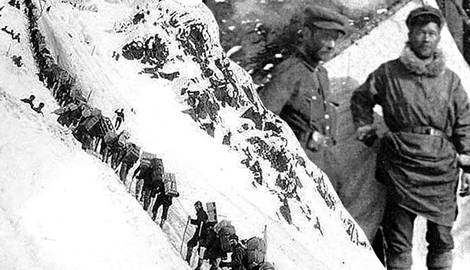
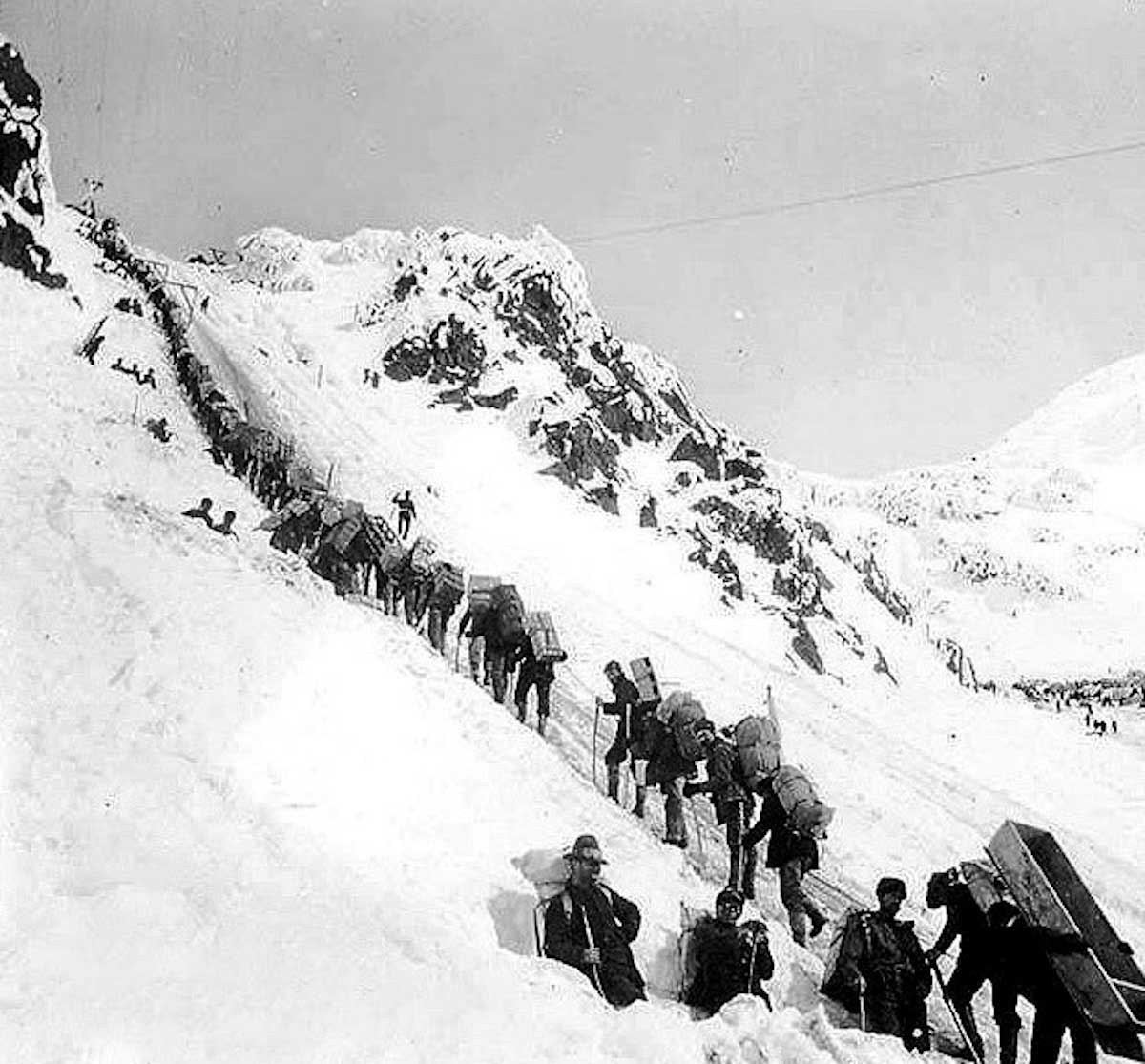
Seward was vindicated in 1896 when a major gold deposit was discovered in the Yukon. Alaska became the gateway to the Klondike gold fields. At the height of the Klondike Gold Rush, tens of thousands of prospectors migrated north. Although some Tlingit and Koyukon people may have benefited in the short term from the gold rush by working as guides, porters, and suppliers of food, they ultimately suffered in the long term. Many Indigenous groups inhabiting the Klondike region suffered from the environmental damage the gold mines caused to rivers and forests, destroying their fishing and hunting grounds.
A Gold Prospector Renamed the Mountain Mount McKinley in 1896
The most notable renaming occurred in 1896, when a gold prospector named William A. Dickey renamed the mountain Mount McKinley, after presidential candidate William McKinley. Despite having no connection to Alaska, nor having even visited it, the name Mount McKinley was heavily popularized following the president’s assassination in 1901.
Earlier, prospector Frank Densmore saw the mountain in 1889 while he was prospecting near Lake Minchumina with his companions. Densmore’s descriptions of the mountain prompted many other prospectors to refer to it as Densmore’s Mountain.
Frederick Cook’s 1906 Summit Claim Collapsed at Fake Peak
Frederick Cook’s 1906 summit claim collapsed after Fake Peak exposed his disputed photo evidence.
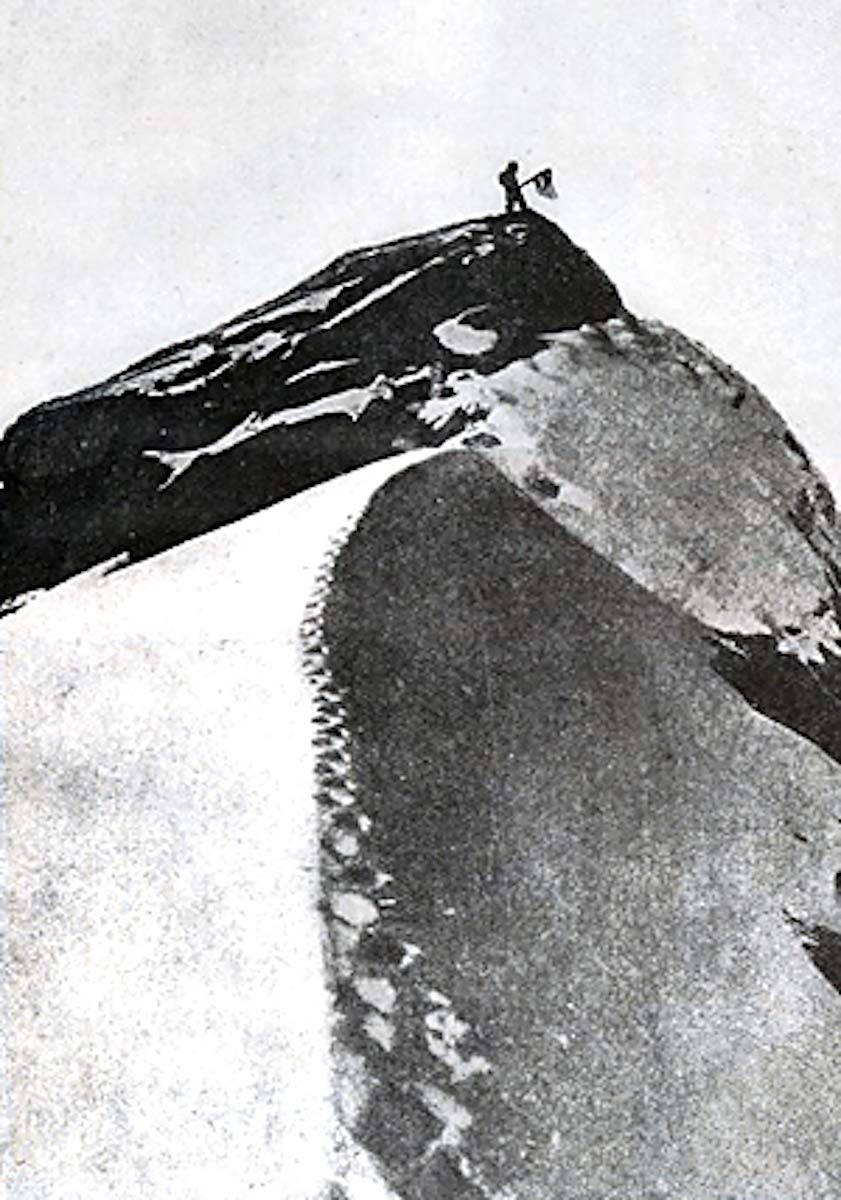
Dr. Frederick Cook was an American medical doctor, explorer, and ethnographer. In 1891, he volunteered to join Robert Peary’s expedition to North Greenland, where he served as a surgeon, ethnologist, and photographer. In 1897, he was hailed a hero on the Belgian Antarctic Expedition, where he treated the crew for scurvy. In 1903, he took the lead on an expedition which completed the first circumnavigation of Denali.
As far as anyone knew or could tell, Cook very well may have been the first person to reach the summit of Denali in 1906. Especially since he came down from the mountain with photographic evidence of Edward Barrill holding an American flag on the summit.
The photograph quickly received skepticism from Herschel Parker and Belmore Browne, who accompanied Cook in an attempt to reach the summit before his alleged success with Barrill. In 1910, Parker and Browne returned to Alaska and found the location of the rock on which Cook’s summit photo was taken.
It sat at an elevation of 5,338 feet, almost 15,000 feet lower than the true summit of Denali and about 19 miles southeast of it. This site is now known as Fake Peak, a small outcrop on a ridge near the Ruth Glacier.
Cook later claimed to have reached the North Pole in a 1908 expedition. A claim which was quickly disputed by Robert Peary, whom Cook had accompanied to North Greenland in 1891. By this point, Edward Barrill had been telling family, friends, neighbors, and reporters of his and Cook’s historic ascent. The Peary Arctic Club released an affidavit signed by Barrill stating that the pair never reached the summit. This revelation was used as fuel to cast further doubt over Cook’s claims of reaching the North Pole.
With Cook’s reputation in ruins, interest in claiming the first ascent remained. Many miners and residents living in Kantishna and Fairbanks wanted the honor to belong to Alaskans. It soon did.
Hudson Stuck and Harry Karstens Led the 1913 Denali Expedition
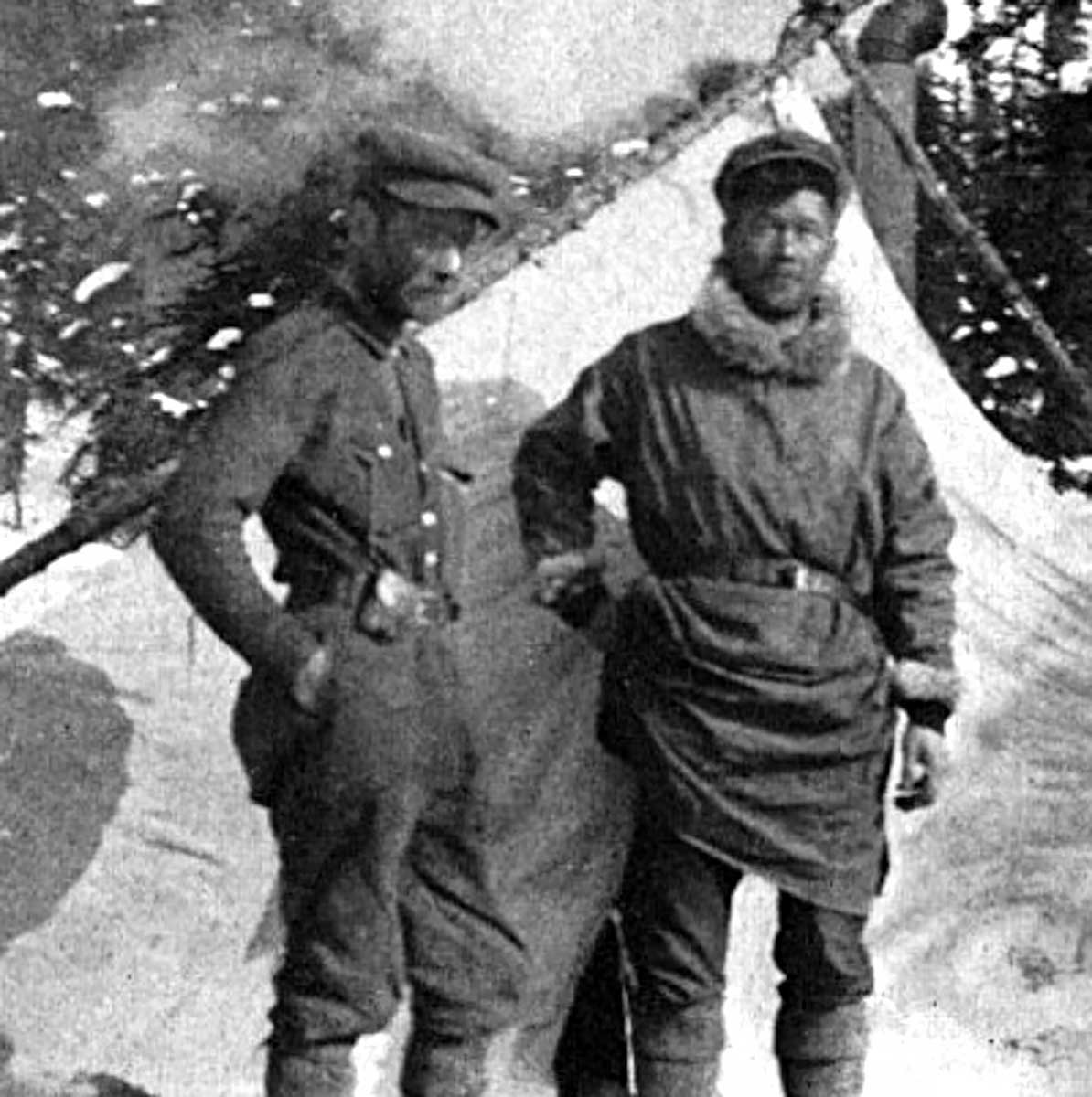
The party of four who first reached the summit of Denali was organized by Hudson Stuck and co-led by Harry Karstens. Stuck was an English-born Episcopal priest who moved to Alaska to serve with a missionary bishop. He was an avid mountaineer who recruited Karstens, a respected guide, to join and co-lead his expedition.
Walter Harper and Robert Tatum were the other two members of the expedition. Harper was 20 and Tatum was 21 at the time. Harper was the Alaskan-born son of a Koyukon Athabascan mother and an Irish gold prospector father. He was already regarded as a strong and capable outdoorsman. Tatum was the least experienced in the team. He was a theology student working at the mission in Nenana who had the primary role as expedition cook.
The expedition party left from Nenana on March 17, 1913, traveling cross-country by dog team in sub-zero conditions. They approached the mountain from the north via McGonagall Pass, an opening onto the Muldrow Glacier. Here, they hunted caribou and gathered firewood to use during the ascent. The team spent days transporting supplies to the head of the Muldrow Glacier. The route gently inclined, but as the glacier turned south, it rose steeply. The men had to navigate slab-sided ridges, crevasses, and large blocks of ice. They built several snow bridges as a means of proceeding, while the risk of avalanches loomed above them.
Walter Harper Reached Denali’s Summit First on June 7, 1913
The 1913 ascent by Stuck, Karstens, Harper, and Tatum made Walter Harper the first to summit Denali.
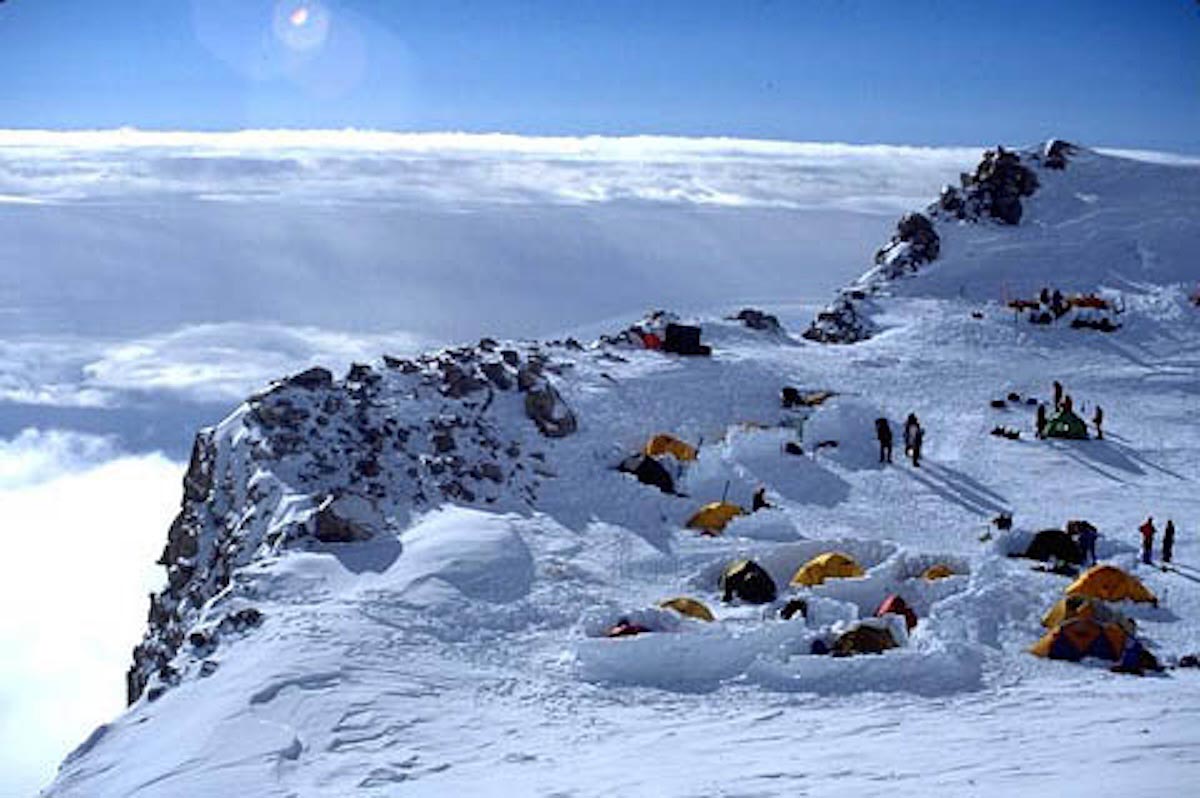
Six weeks into the expedition, an accidental fire, likely caused by a stray match or spark, destroyed essential supplies, including tents, clothing, and food. Still, they pushed onward up the central north-eastern ridge in an attempt to avoid a dangerous icefall at the head of the glacier. Periodic storms kept them confined to their tents for days until the weather cleared enough for them to push on and establish a new camp beneath a rocky outcrop at the top of the ridge. With bouts of favorable weather, the group was able to establish a high camp in the Grand Basin between the North and South Peaks.
The eve of the summit attempt fell on June 6. Every member, but particularly Stuck, suffered from altitude sickness. The temperature was -21°F. After a few hours of rest, the men left for the summit with headaches and upset stomachs. They stopped regularly up the summit ridge to catch their breath and shake warmth into their hands and feet.
By midday on June 7, Walter Harper, the 20-year-old son of a Koyukon Athabascan mother, was the first person to set foot on top of the tallest mountain in North America. Karstens and Tatum followed shortly after. Stuck, the last man on the rope, collapsed unconscious after reaching the summit.
It was not until the descent down to the high camp that the enormity of their accomplishment was realized. The expedition returned to Tanana on June 20, three months and three days after their departure. Stuck sent a message to announce their success, crediting himself as the expedition leader. News of their achievement was published in The New York Times the following day. Stuck was scheduled to travel to New York City in October for a General Convention of the Episcopal Church, which would give him another opportunity to discuss the ascent. Walter Harper, on the other hand, despite being both the first person to reach the summit and an Alaska Native, received comparatively less attention.
Mount McKinley National Park Fed the Myth of an Empty Wilderness
Alaska’s wilderness myth erased Indigenous presence, even as Denali remained a living homeland and cultural landmark.
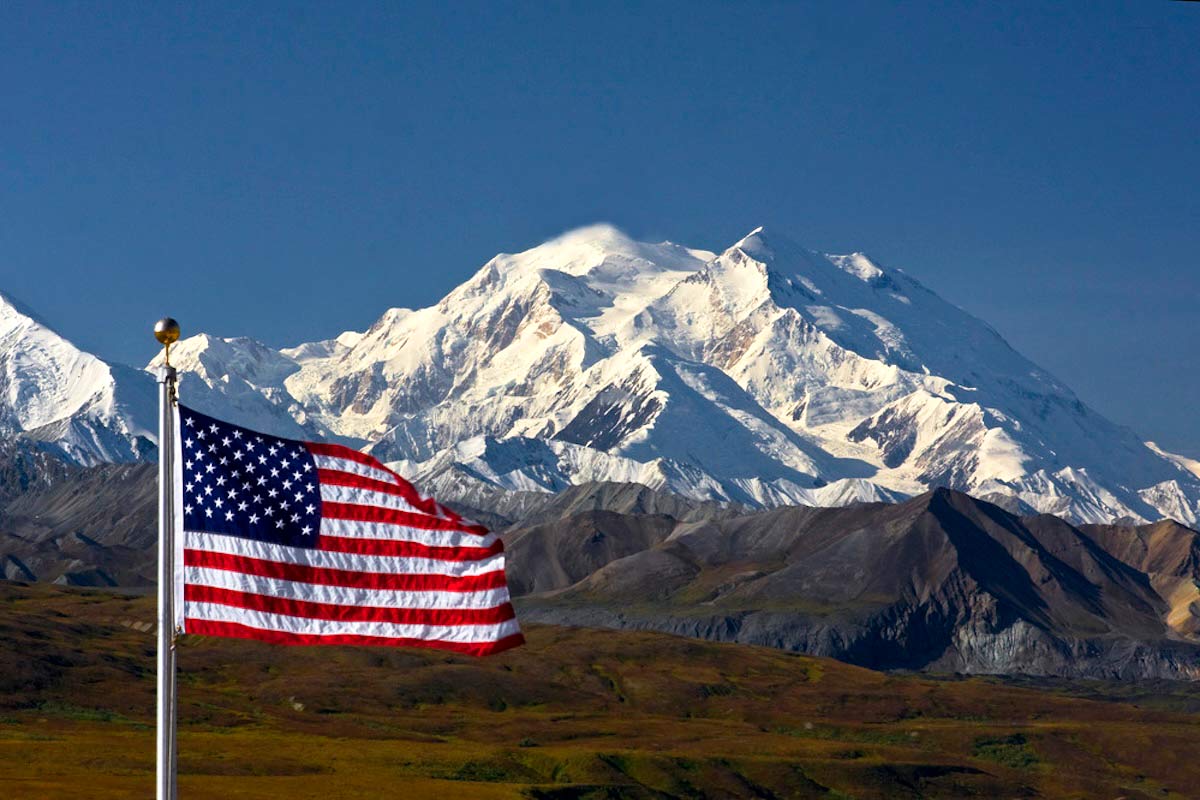
In 1916, legislation was drafted to establish a national park to protect wildlife. There was much disagreement over the name of the park, but after its legislation was signed into law on February 26, 1917, “Mount McKinley National Park” prevailed. An idea emerged across the United States that imagined wilderness as an untouched landscape, valuable solely because it was free from human influence.
This was a foreign concept for the Athabascan people. Denali had never been an empty wilderness. Chinook salmon pushed upstream in the spring. Caribou and grizzly bears grazed in the foothills in the summer and fall. Dall sheep inhabited the mountainous regions. Denali was not a wilderness waiting to be entered. It was a homeland whose rhythms influenced where people traveled, hunted, and survived. While no permanent settlements were established, the Athabascan people moved with the seasons in a way that sustained both themselves and the landscape.
Denali’s Official Name Has Changed Since Alaska’s 1975 Petition
Tension arose in 1975 when the State of Alaska petitioned the U.S. Board on Geographic Names to officially rename the mountain Denali. The Ohio congressional delegation blocked their efforts for the next four decades. Although the Alaska National Interest Lands Conservation Act officially renamed the park unit Denali National Park and Preserve in 1980, the mountain peak itself officially remained Mount McKinley until 2015, when President Barack Obama restored the name Denali to the mountain. But in 2025, President Donald Trump issued an executive order that changed the name back to Mount McKinley. In spite of this, the Alaskan government continues to recognize the mountain as Denali: the High One.