
What initially seemed like a miracle led to tragedy following the birth of the Dionne Quintuplets. The five girls were a medical phenomenon, but their fame resulted in a life full of exploitation and loneliness. Taken advantage of by seemingly everyone around them, the children were thrust into the spotlight and used to make money while seeing little of the reward themselves. Their presence generated millions for their little town as they became Canada’s premier tourist attraction. Still, as they grew into adulthood, the Dionnes would be challenged, struggling to find their place in the world.
Living Against the Odds
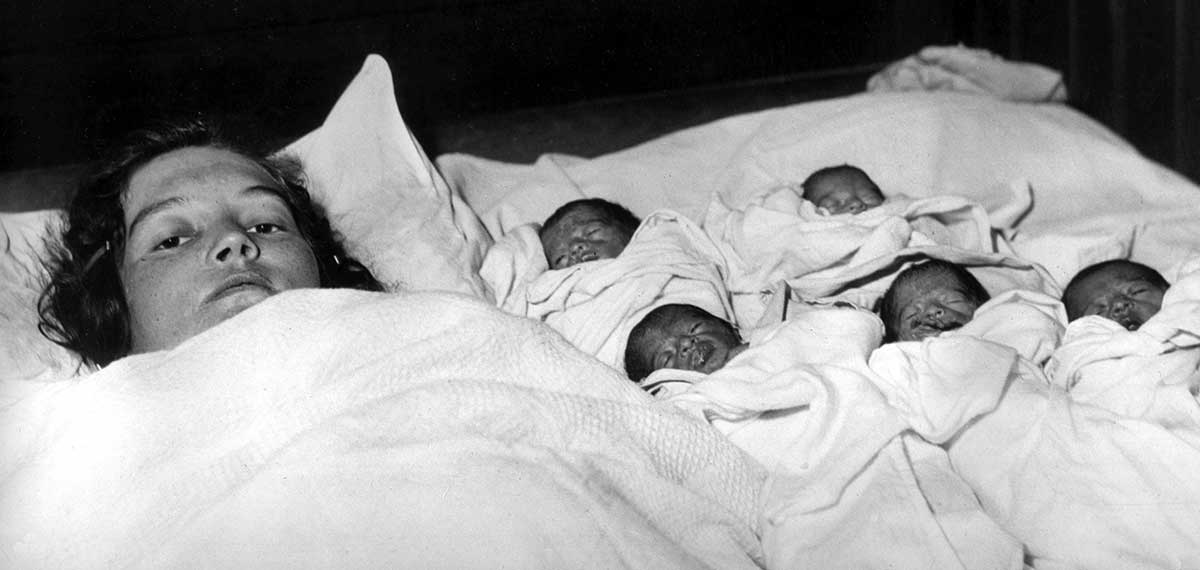
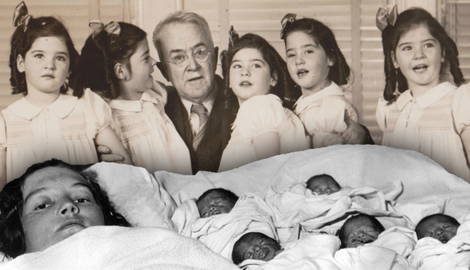
Olivia and Elzire Dionne were a French-Canadian couple living outside of Callander, Ontario, in the early 20th century. In the nine years since they had married, the couple had six children, and Elzire discovered she was pregnant again in 1933. This time, she believed she was going to have twins and was prepared to give birth at home. However, she went into labor two months early, giving birth on May 28, 1934.
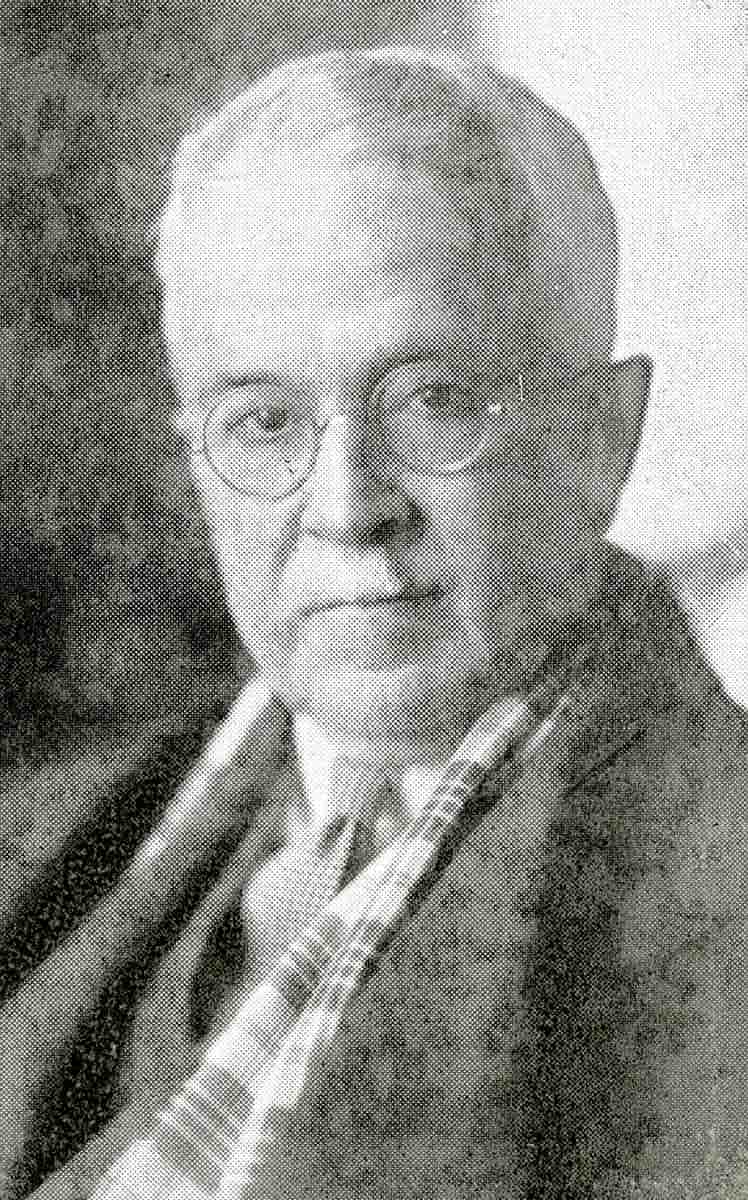
Despite the early arrival, Dr. Allan Dafoe and two assistants were on hand to assist in the birth, and plenty of hands were necessary. That day, Elzire gave birth not to twins but to five identical baby girls. The odds of having five identical quintuplets were about 57 million to one, and the likelihood that the premature babies would survive was even rarer. Infant mortality ran at a rate of 72.7 per 1000 births, and the odds were even further stacked against these unique babies. However, they survived, earning the title of the first known surviving quintuplets in world history.
Fame Times Five
The babies were born within an hour span, beginning at 4:10 in the morning. Yvonne Edouida was the eldest, followed by Annette Liliane Marie, Cecile Marie, Emilie Marie, and Marie Reina Alma. Due to their prematurity and status as multiples, the babies were particularly small and together weighed only thirteen pounds, five ounces.
The family was impoverished as it was, and adding five children was going to be a struggle (the couple would go on to have three more children after the quints). Within a few days after the birth, the girls’ father, Olivia, signed a contract to display them at Chicago’s World Fair. That contract was canceled the next day, but the race to profit from the girls was on. It was then that the Ontario government stepped in, alleging that it was in the children’s best interests if the state took over their care (this would also prevent American interests from profiteering from them).
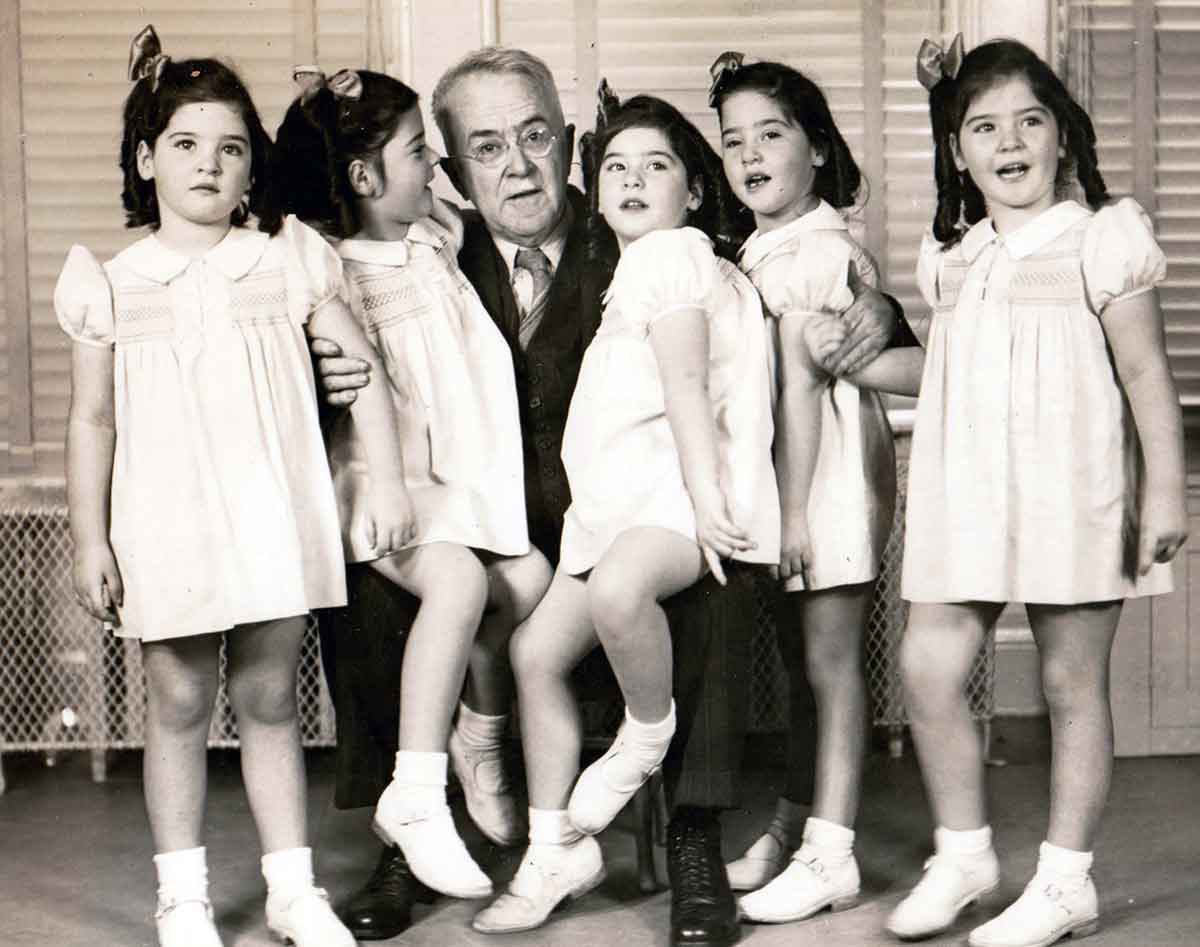
The girls were removed from their parents’ care at four months of age. However, they didn’t go far. A “hospital” was built across the street from their birthplace and became known as “Quintland.”
In Quintland, the girls went through the normal rites of childhood: playing, education, singing, and dancing, but these typical activities were not private. The nursery and indoor playground at Quintland were outfitted with one-way screens that allowed visitors to view the girls. The home became an observatory of sorts, attracting three million paying visitors between 1934 and 1943, regardless of the ongoing Great Depression that was affecting Canada and the United States. A theme park sprung up next to Quintland, and Olivia ran a burgeoning souvenir stand that, at one time, employed twenty-five people.
The Dionne Quints were a blessing to cash-strapped Ontario, bringing an estimated 500 million dollars to the area, outperforming even Niagara Falls in terms of tourism. The Great Stork Derby was underway in nearby Toronto, resulting in several families visiting the area in hopes of boosting their fertility. Some even attempted to touch Elzire in hopes that her fecundity was contagious. When a Chinese diplomat was asked what Canada was known for in 1934 China, he replied that the country was known for the Royal Mounted Police, the King, and “what happened in Callander.”
“Money Was a Monster”
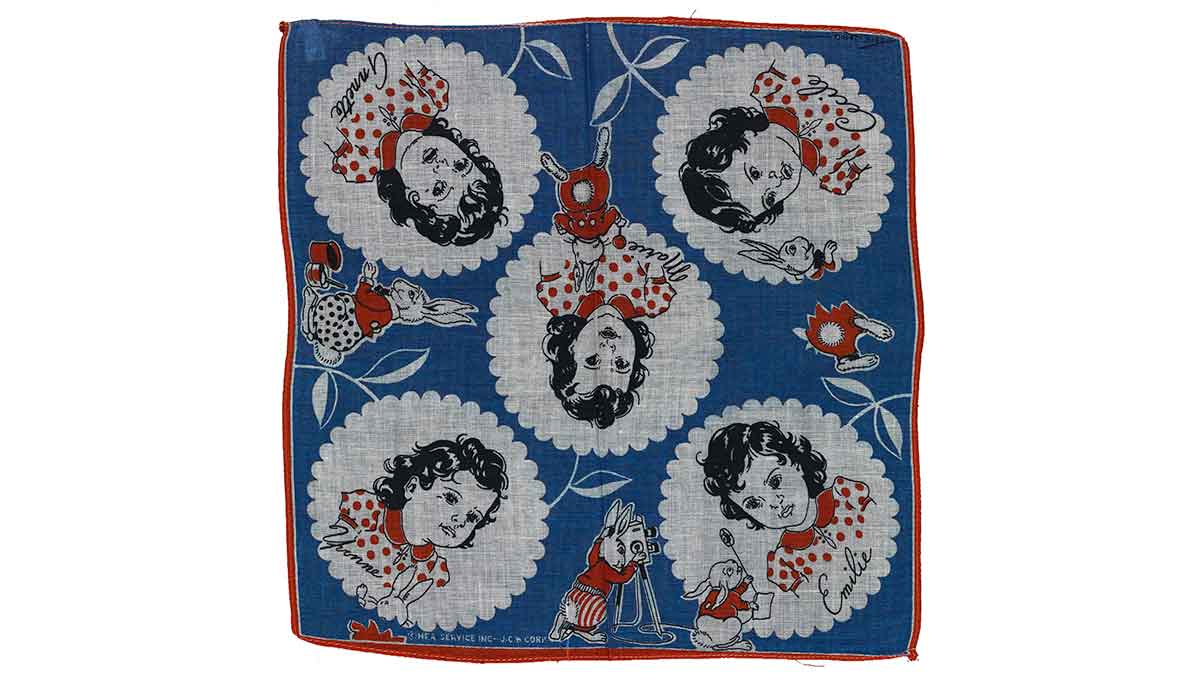
To many, the quintuplets represented hope in a trying time. Their adorable faces adorned advertisements for products such as cough syrup and toothpaste, and they became the most photographed children in the world. They graced the covers of magazines like Time and Life, and four movies were made about them in just the 1930s. Dolls of the girls became must-have toys, eventually outselling those of the iconic Shirley Temple.
The world perceived the girls as precocious princesses. However, the children felt very differently. According to their memoir, We Were Five, published in 1965, the girls felt isolated, as if they were simply attractions in a zoo or circus. They rarely left the compound to travel or interact with other children. The book went on to say, “Money was a monster,” causing those who were supposed to love and care for them to succumb to greed. Their popularity brought profit to their parents, who they interacted with infrequently, in addition to their legal guardian, Dr. Dafoe. The doctor spent very little time performing medicine and instead was tied up with speaking engagements and commercial endorsements. The quintuplets were exploited by nearly everyone around them amid their fame.
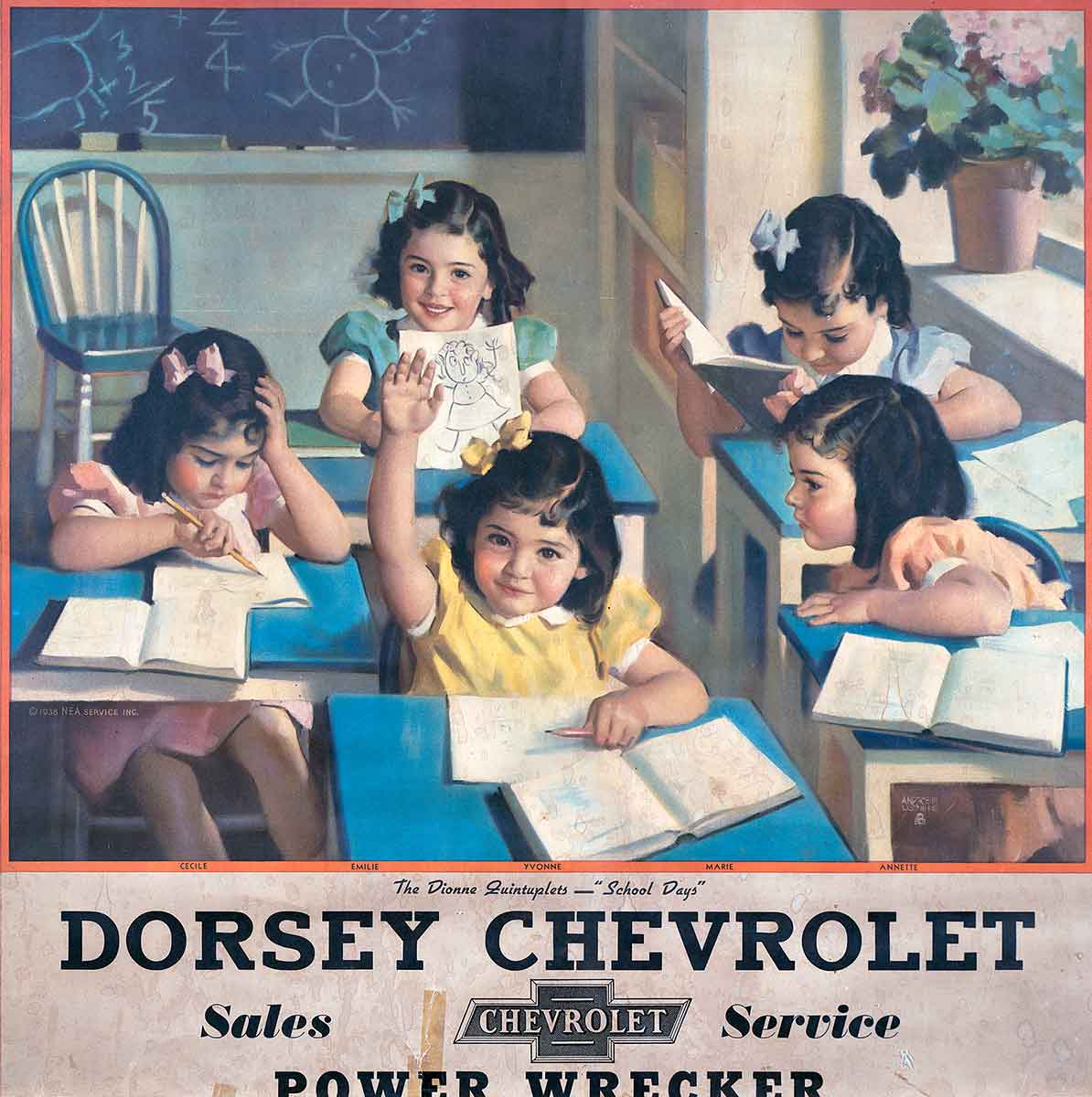
Money that didn’t go to the various adults in their lives went to the quints’ trust fund, which was utilized by the government to pay for the travel expenses of photographers, dinners with celebrities, and other things they saw as necessary to preserve the girls’ fame. In 1942, the fund was used to build a twenty-room mansion for the quintuplets’ parents and other siblings. When the girls were finally age-eligible to access their money, only 800,000 remained, despite the millions they’d generated in revenue. In 1998, the sisters received an apology and four million dollars from the Ontario government for their role in mismanaging the funds.
Back Home
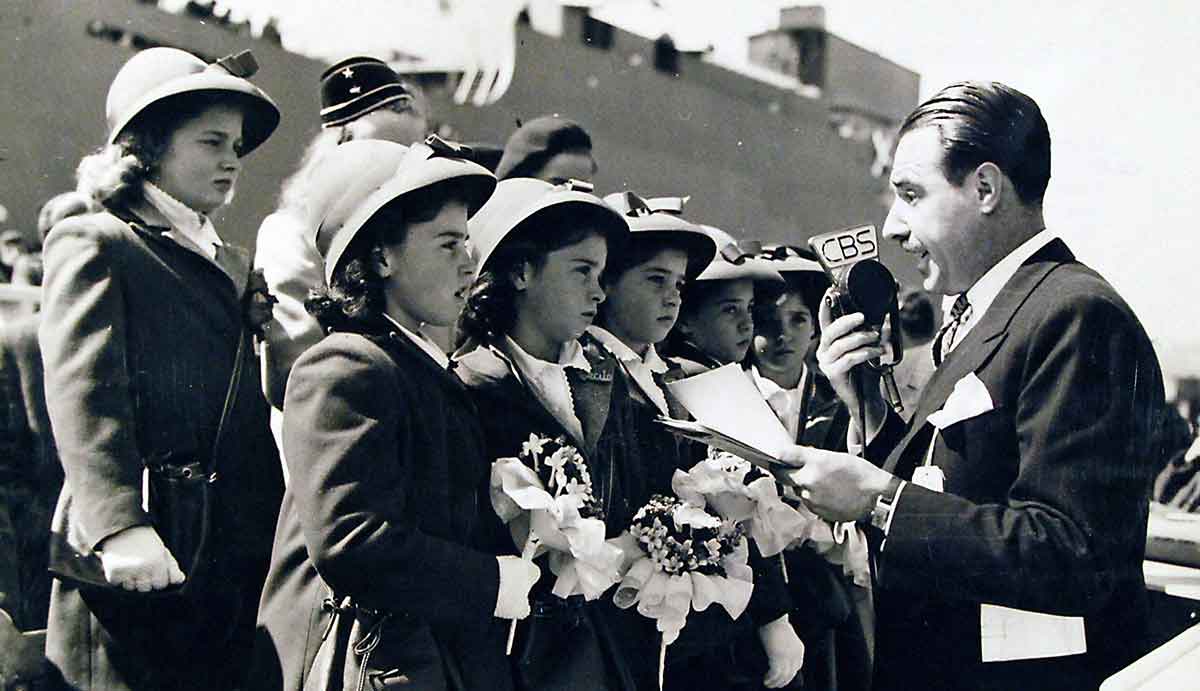
At age 9, Olivia and Elzire regained custody of their nine-year-old daughters. The girls moved out of Quintland and across the street to “the big house,” the home that had been built with their earnings. It was not a happy homecoming. The children later recalled that their mother was distant and cold, and their father was controlling. There were even allegations of abuse. The girls struggled to get along with their siblings, who they barely knew. The quints had been raised speaking French, while their siblings only spoke English, furthering the divide. They were assigned more chores than their siblings and treated more like servants than members of the family. As they said in later interviews, “We were not a real family.” They were forced to tour Canada and the United States several times, generating more income.
The “Freedom” of Adulthood
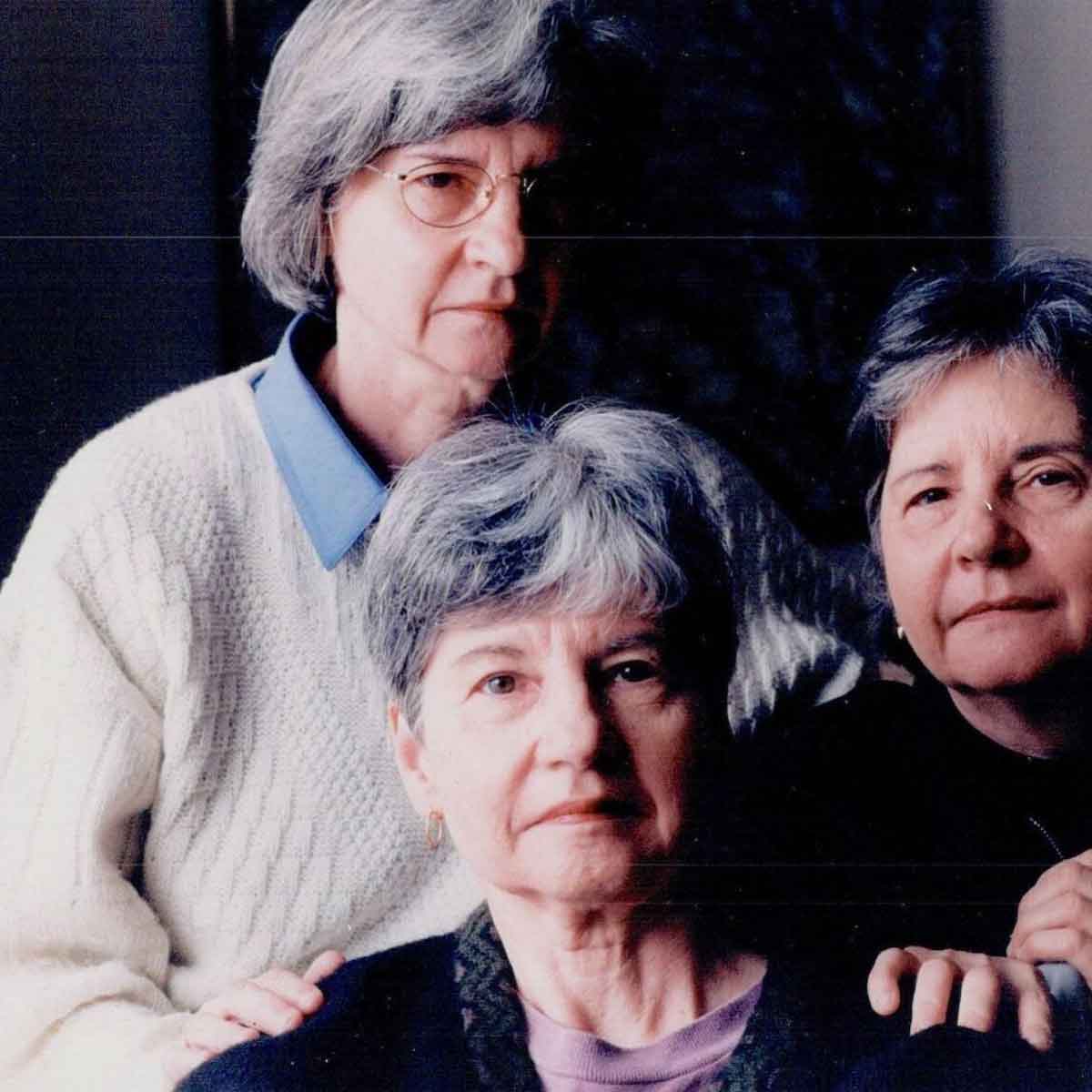
As soon as the girls turned eighteen, they left home for good. Despite their age and experience meeting thousands of people over the years, the women were ill-prepared for adult life. Their education was mediocre, and their social skills were stunted. Three of them married, but all three marriages ended in divorce. However, the married sisters did have children. Three were born to Annette, two to Marie, and five to Cecile. They relied on their trust fund to survive but attempted to live away from the spotlight for the first time in their lives. In 1954, Emilie, who had enrolled in a convent, passed away as the result of a seizure. She was only twenty years old. Marie died sixteen years later from a blood clot in her brain. The three remaining sisters got an apartment together in Montreal when they were in their sixties, subsisting on a combined income of $746 a month until they received their settlement from the government. Yvonne was the third sister to die, succumbing to cancer in 2001. The two remaining quintuplets celebrated their ninetieth birthday in 2024, and continue to live in Montreal.
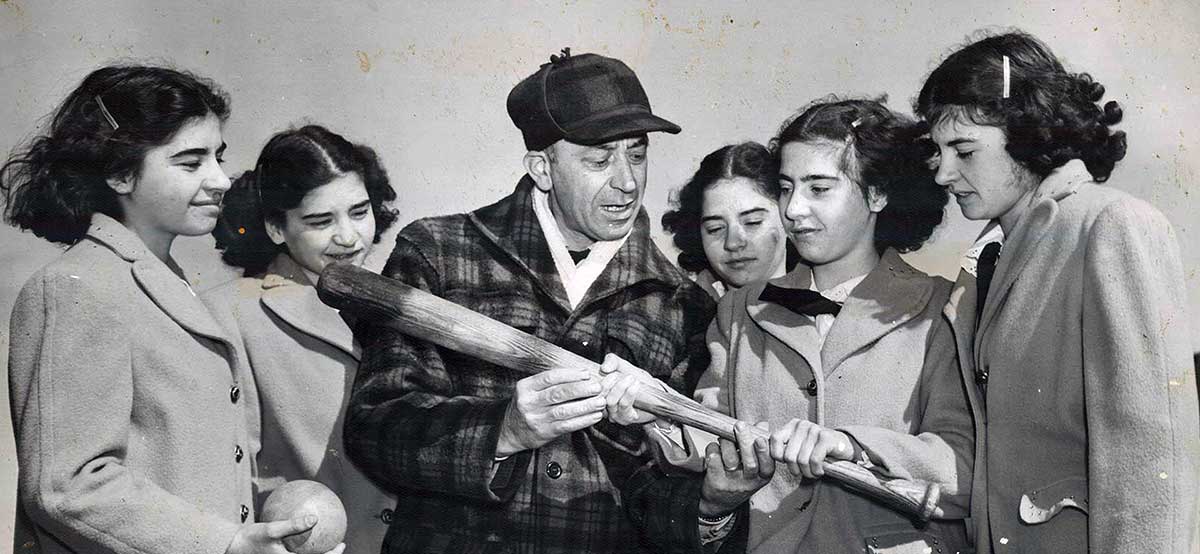
The story of the Dionne Quintuplets on its face appears to be a fairy tale of magic and celebrity, but on closer examination, it is anything but. These five girls, with no control over their fate, lived sad childhoods lacking in love and experience, resulting in isolated, struggling adult lives. Though they were adored by thousands the world over, few stopped to inquire about what really went on behind the scenes of the Dionne dynasty. A mistreated miracle, the legacy of the Dionne quintuplets is a cautionary tale as to the perils of fame—what happens when profits are prioritized over people.