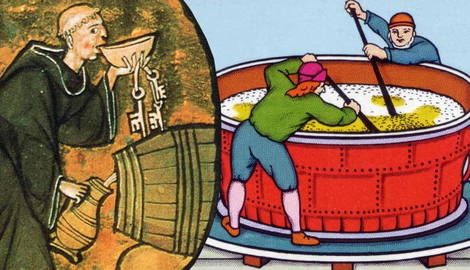

Imagine you are out with friends and you decide to try a new beer. The next thing you know, you are waking up in the emergency room. Though this likely wouldn’t happen today, over ten millennia, people have stared down the Grim Reaper just for the delicious taste of a good buzz. In its most simplistic form, beer includes a handful of basic ingredients: water, barley, yeast, and hops. What could possibly go wrong with this basic recipe? Humans have been making beer for more than 10,000 years, and getting the recipe right has not always been easy.
Which Came First: Bread or Beer?

The earliest traces of beer-making and bread-making date to c. 12,400 BC and c. 11,000 BC, respectively, during the Late Epipaleolithic period of the Stone Age. At a site called Shubayqa 1 in Northeastern Jordan, archaeologists found charred food resembling bread that looks like a really hard cookie. Also in present-day Israel, in Raqefet Cave, archaeologists discovered residue of a fermented grain beverage and three stone mortars, suggesting that the Natufians, a prehistoric hunter-gatherer culture, may have produced prehistoric beer (Liu et al. 2018).
Beer scholars debate what came first: beer or bread. This mystery stems from evidence of Natufian beer predating the grain surpluses of the Neolithic agricultural revolution. Before agriculture, Natufians stored gathered grains for later use. Perhaps rain had soaked the stored grain, triggering germination and leading to accidental fermentation. Or, perhaps people discovered that soaking and sprouting grains made them easier to process, inadvertently stumbling upon the making of an intoxicating drink. Was it the loaf or the lager? The historical record is still unclear (Nelson, 2005, 10).
How Agriculture Advanced Early Brewing Techniques

Once the Neolithic agricultural revolution took hold, with the surplus of grains and cereals, fermentation became intentional. Communities transitioned from gathering wild grains to cultivating them for bread and beer.
In the historic region of Upper Mesopotamia (now southeastern Turkey) lies Göbekli Tepe, a pre-pottery Neolithic agricultural site built around 9000 BC. Here, archaeologists found multiple oval structures, some up to 30 meters wide. They also found domestic dwellings and a wide variety of grinding tools that varied in shape and surface (Dietrich et al. 2019). These findings suggest specialized food preparation, organized labor, and community gatherings.
Beer owes a lot to a little thing called a sprout. At Raqefet Cave, evidence suggests that Natufian people were already germinating cereal grains as part of the early brewing process about 13,000 years ago. Over the millennia that followed, brewers refined the process by soaking grains and allowing them to sprout. Germination activated natural enzymes that broke down stored starches into simple, fermentable sugars. This foundational process, known as malting, allowed brewers to convert grain starches into fermentable sugars.
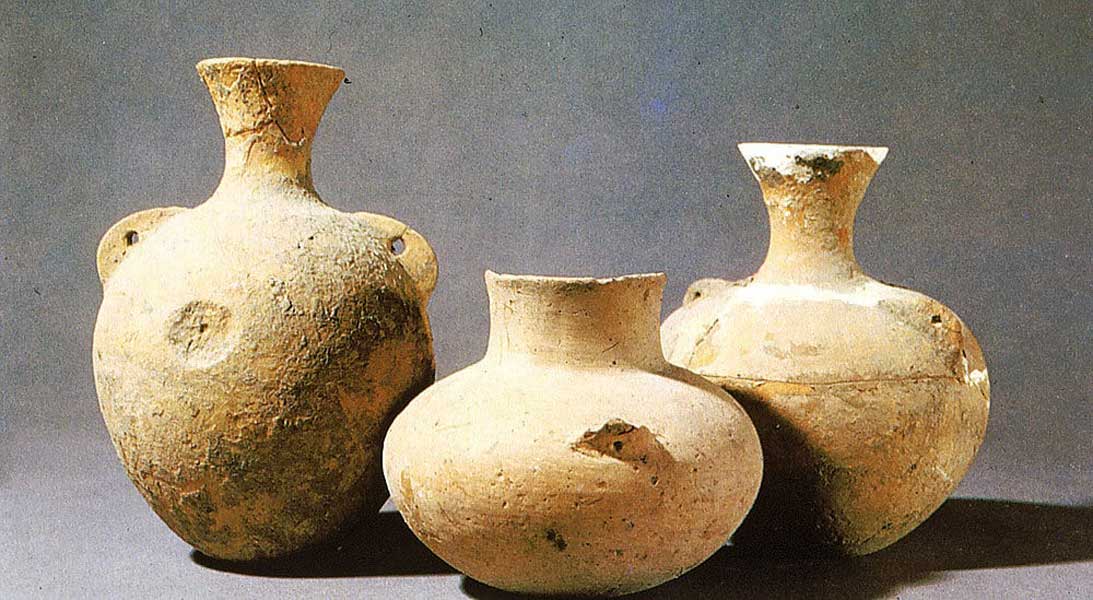
A different approach emerged in China, where brewers developed saccharification, another process that converts starches into sugars. In the lower Yangtze River, and at Jiahu, in North Central China, evidence of grain fermentation dates to 7000 BC. Brewers produced qu starters, a method that sweetens the drink. They cultivated mold on grains, allowing enzymes to break down rice starches into sugars. Yeast then converted those sugars into alcohol. At Jiahu, chemical analysis of early pottery from around 7000 BC revealed residues of rice, honey, and fruit compounds (Liu et al. 2026).
Although these approaches differed, both addressed the same challenge: making the starches in cereal grains available for fermentation. As brewing developed, so did the techniques and tools that were used to process, filter, and refine the finished drink.
When Early Brewing Became Sophisticated
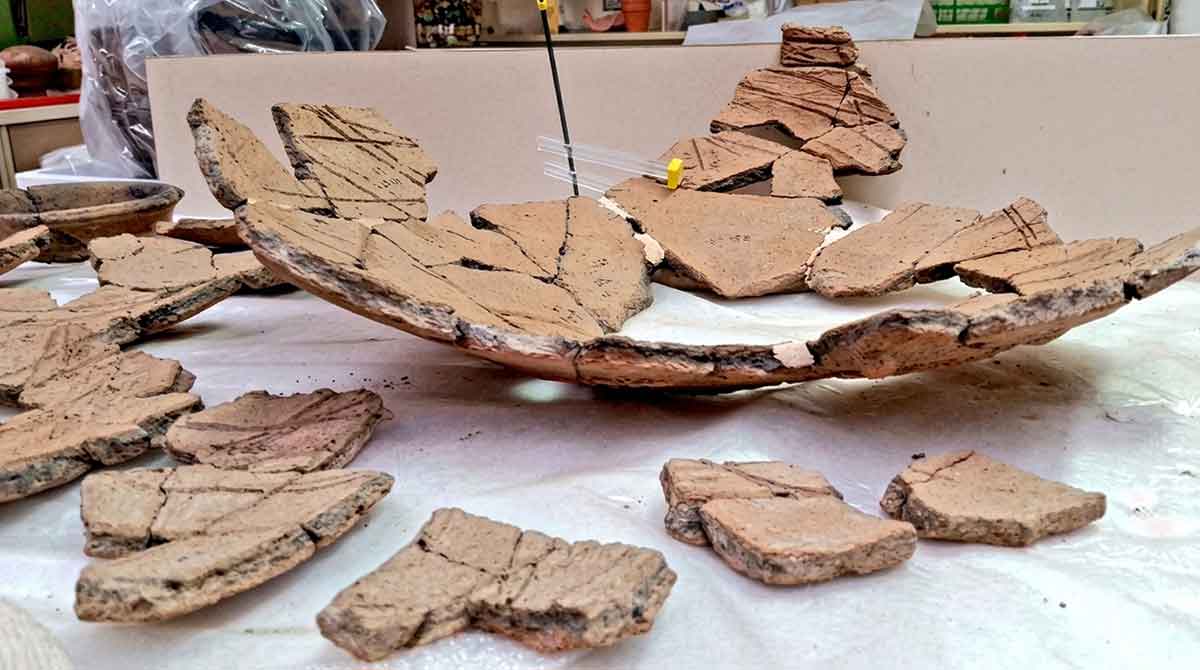
In the 4th millennium BC, in lower Mesopotamia, where some of the oldest literate civilizations lived, beer often accommodated their thirst for knowledge. In the Zagros Mountains along the Iran-Iraq border, at the Godin Tepe excavation site, a team from the Royal Ontario Museum found multi-room buildings, multiple artifacts, jar shards that possibly served as beer vessels, and walk-up counters. Findings at this site indicate it might have been a trading outpost and one of our earliest indications of commercial beer distribution. Analysis of the interior jar shards showed crosshatched grooves containing yellow residue rich in calcium oxalate, a compound from fermented barley. The grooves helped trap sediment, producing a smoother drink (Michel et al. 1992).
Also in southern Mesopotamia, brewers divided barley into two batches: one was coarsely ground, while the other underwent controlled germination to produce malt. In northern settlements such as Tall Bazi, brewers used the summer heat on rooftops to stop germination and create a shelf-stable malt that was easy to crush. Sumerians also used specialized ovens to heat titab (mash) and bappir (a yeast source), then combined them with water, malt, and honey to begin fermentation (Damerow 2012).
Model group of ancient Egyptians brewing beer, found at Deir el-Bahri, Egypt, c. 2050-2000 BC. Source: Google Arts & Culture
Around the same time, around 3000 BC, Egyptians were using multiple ingredients, like barley and emmer wheat, but they did not use hops. Egyptians also did considerable saccharification and added sweeteners such as dates, figs, honey, carob, and fruits.
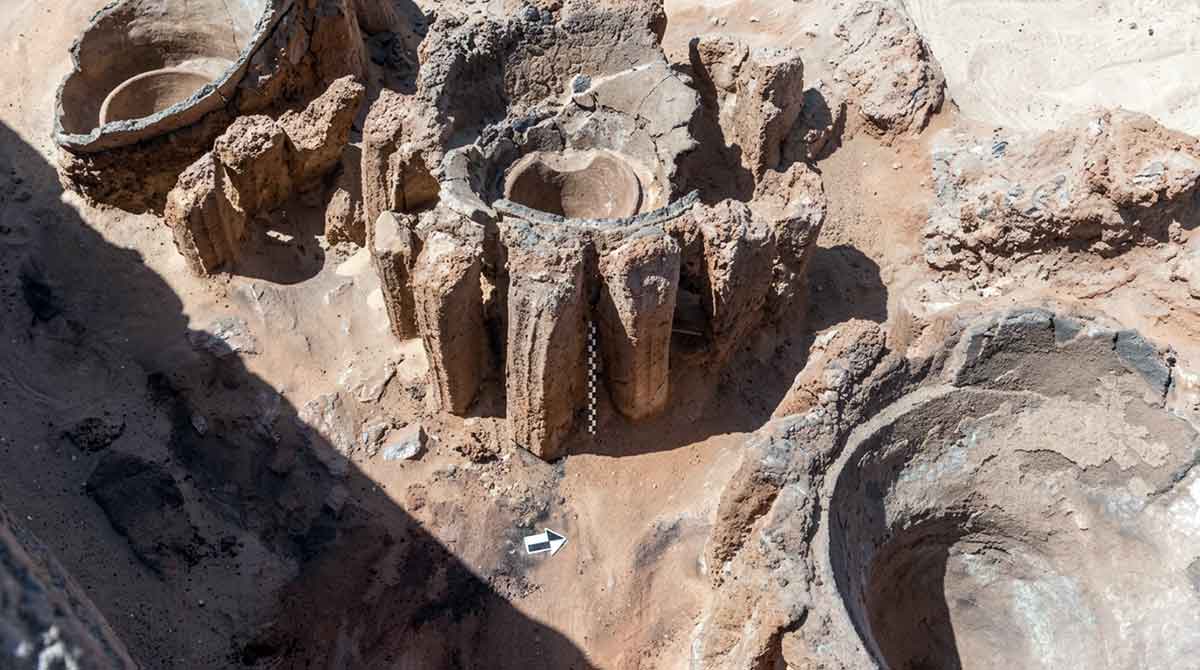
Like the Sumerians, they also used these methods and tools on a larger scale. Beer was becoming big business long before anyone had heard of a brewery tour. Excavation at Hierakonpolis in Upper Egypt revealed a partially intact brewery with ceramic vats ranging in size from two to three feet in diameter. They were coated with mud, suggesting that the vats were heated evenly.
Archaeological digs throughout Egypt show multiple breweries. In Tell el-Farkha, north of modern-day Cairo, in the Nile Delta, archaeologists found a complex that included a line of five breweries, indicating that production had significantly increased around Egypt. In Abydos, one brewery held 35 vats. In large quantities, production included gathering a wide variety of grains to soak, sprout, dry, store, crush, then soak again for mashing, then heat and ferment (Heiss et al. 2020). This grand scale also suggests large-scale distribution. For Egypt, these breweries contributed to a significant pre-dynastic economy.

Although Mesopotamia and Egypt were making beer around the same time, their processes differed. In Egypt, evidence shows they used sieves, strainers, and even woven materials to separate the grain particles from the liquid. In Mesopotamia, they used large perforated ceramic vessels to soak and germinate barley, which produced a dense drink. Egyptian brewers used sieves and strainers to separate the grain particles from the liquid (Samuel 1996). In Mesopotamia, vessels were not necessarily strainers but perforated ceramic vessels, which meant their beer had more sediment. One way to reduce the sediment was to drink it from a straw.
Controlled Brewing: Hops, Ingredients, Regulation and Politics

Brewing developed not simply by improving equipment and techniques. It also became a large-scale production and distribution process. And as beer became a valuable commercial commodity, questions of ingredients, quality, consistency, and production standards became more prominent. These concerns eventually led to brewing regulations that would shape the industry throughout the medieval and early modern periods.
Before brewing regulations, brewers experimented widely with flavors, including hops. One of the earliest references to hops comes from the Hallertau region of Bavaria in AD 736. Hop gardens and the use of hops were prominent in Bavaria, Bohemia (modern Czech Republic), France, Belgium, North Germany, and Scandinavia. However, hops were not a primary ingredient, just yet.
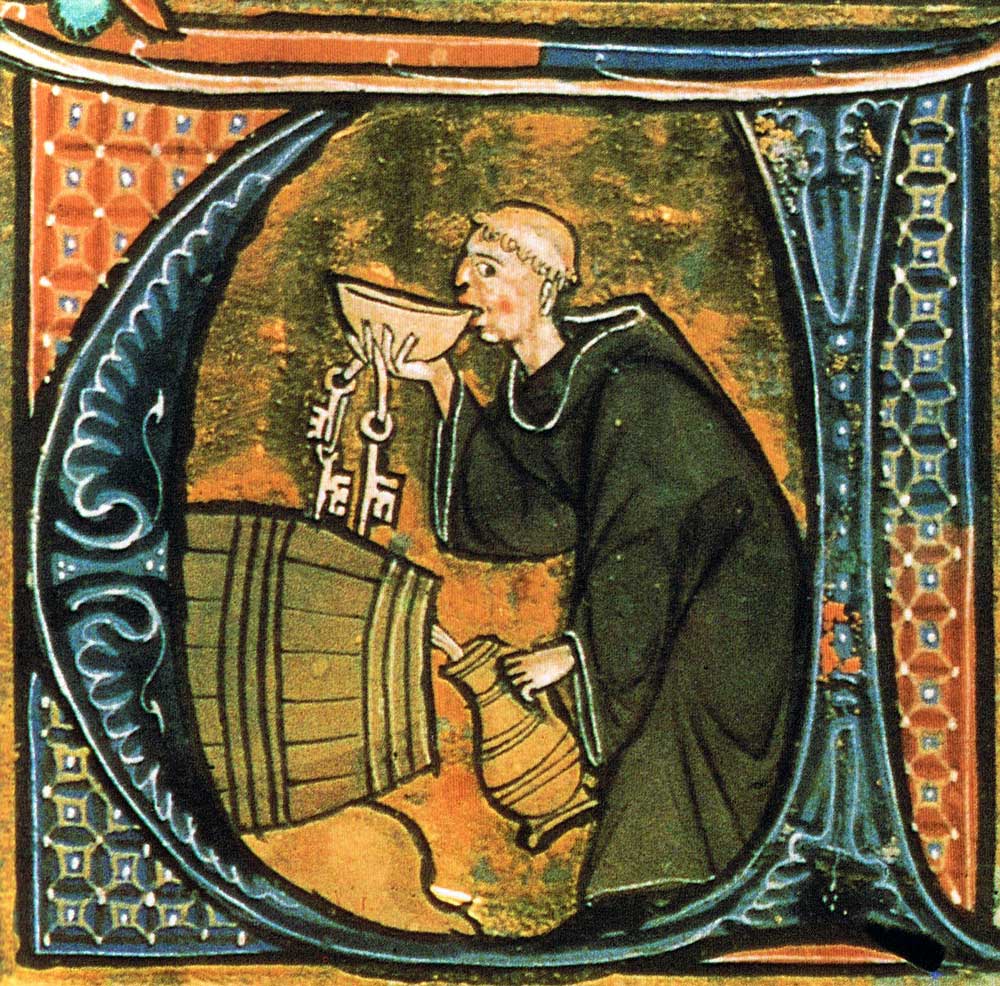
Then, in AD 999, Germany’s Emperor Otto III granted Utrecht’s St. Martin’s Church the liberty to demand taxes, to make its own coins, and to sell “fermentatae cervisiae, quod vulgo grutt nuncupatur,” which translates to “fermented ale, which is commonly called ‘gruit.’” The Emperor’s letter is the first recorded mention of gruit (groot), a mixture of botanicals and herbs used to flavor beer. Common ingredients included bog myrtle, yarrow, ginger, caraway, tree bark, wild rosemary, juniper, heather, and other regional herbs and spices. However, as commercial production expanded, merchants adulterated the beer with questionable substances like henbane, which causes hallucinations and delirium, and deadly nightshade, which is a powerful neurotoxin.
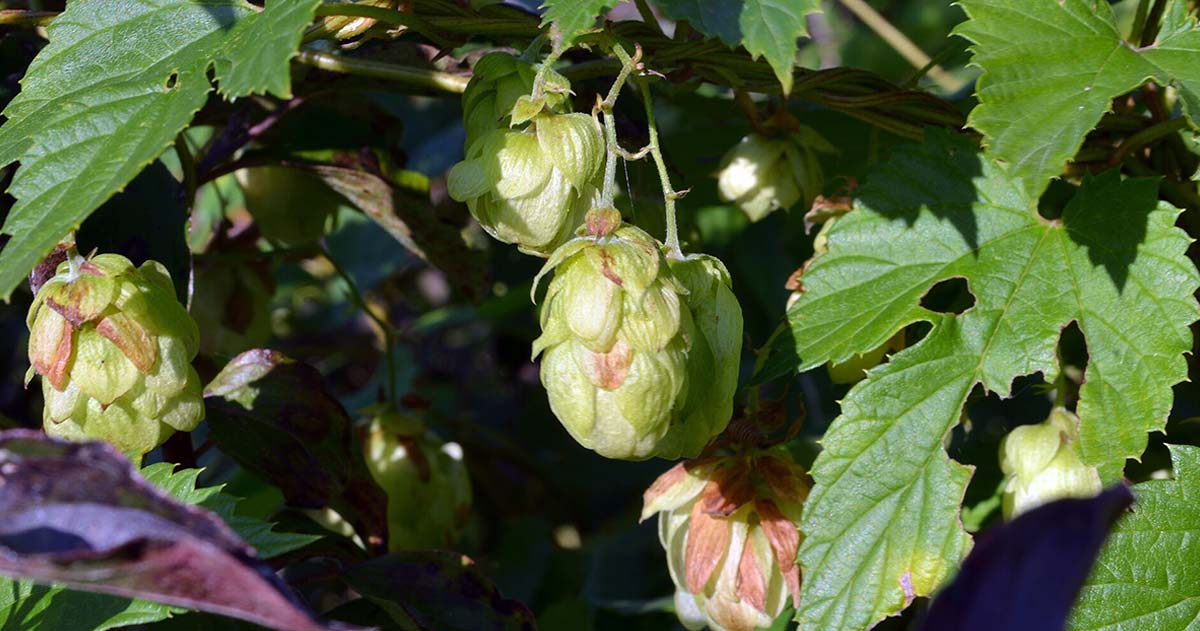
The Emperor’s endowment made beer with gruit a valuable commodity. Catholic churches and monasteries became Europe’s first breweries, thus creating a gruit monopoly known as Grutgerechtigkeit. Therefore, hops weren’t just changing beer; they were threatening someone’s bottom line. Brewers increasingly turned to hops, undermining the lucrative gruit trade.

By the late 15th century, hops had become the defining ingredient in Bavarian brewing. Munich’s 1487 ordinance and Duke George’s 1493 brewing regulations for Bavaria-Landshut restricted beer production to barley, hops, and water. These early measures culminated in the 1516 Bavarian Purity Law (Reinheitsgebot), which established the same ingredients across the united duchy. As a result, hops, which have natural preservatives and help beer keep longer, came to define the flavor of beer.
The Early Science Behind the Perfect Pint
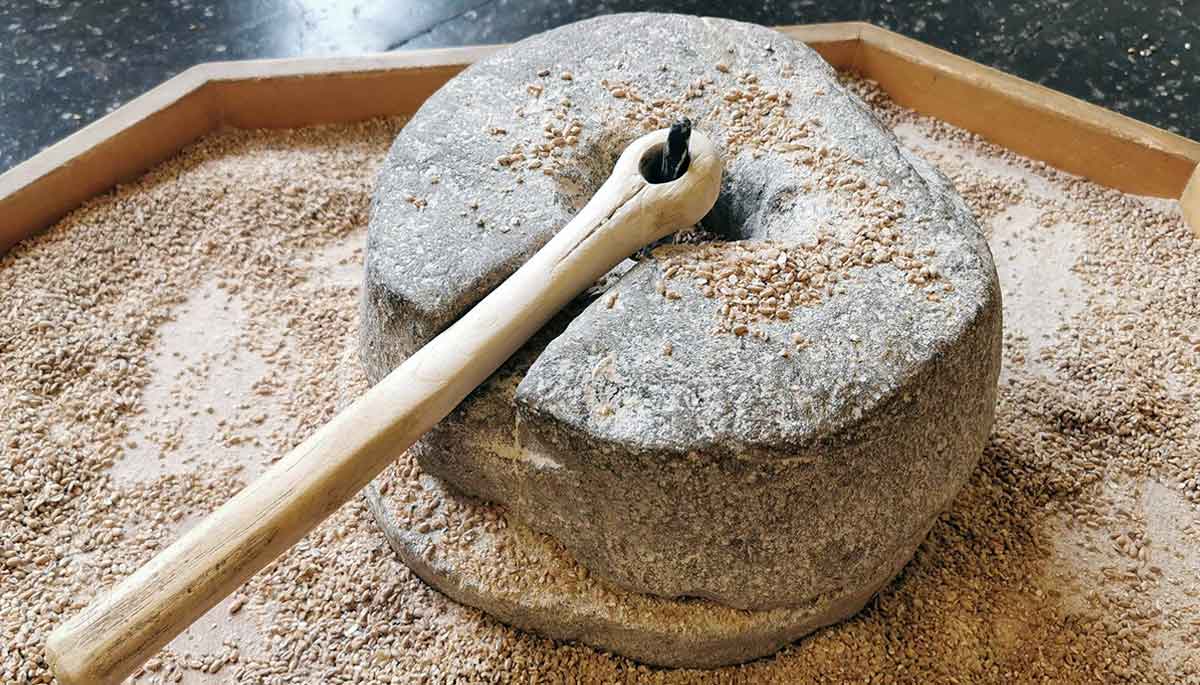
By the 16th century, the brewing process involved steeping barley in water until it began to sprout, spreading it across floors and turning it to encourage germination. Once the grains developed the enzymes needed to convert starch into fermentable sugars, they were transferred to kilns, where heat halted germination and dried the malt. They would then crush the dried grain into a coarse meal using hand-operated quern stones. Smaller breweries and households commonly ground their own malt, while large production facilities, like Dublin Castle, likely relied on nearby watermills to handle the greater quantities required for brewing (Flavin et al. 2023).
With the Bavarian Purity Law and the new brewing regulations, an age-old craft began to intersect with scientific discovery, setting the stage for a remarkable transformation in brewing. In 1680, Dutch scientist Antonie van Leeuwenhoek, obsessed with his microscope, started observing tiny globules floating in beer. This was among the earliest recorded observations of yeast cells. Intrigued by what he saw, Leeuwenhoek began examining the beer as it moved from cooling vessels to the fermentation vat, where yeast is formed. Although his observations offered a glimpse into the biological process of brewing, these little discoveries would remain a mystery for nearly 200 years.
From Ancient Craft to Industrial Powerhouse
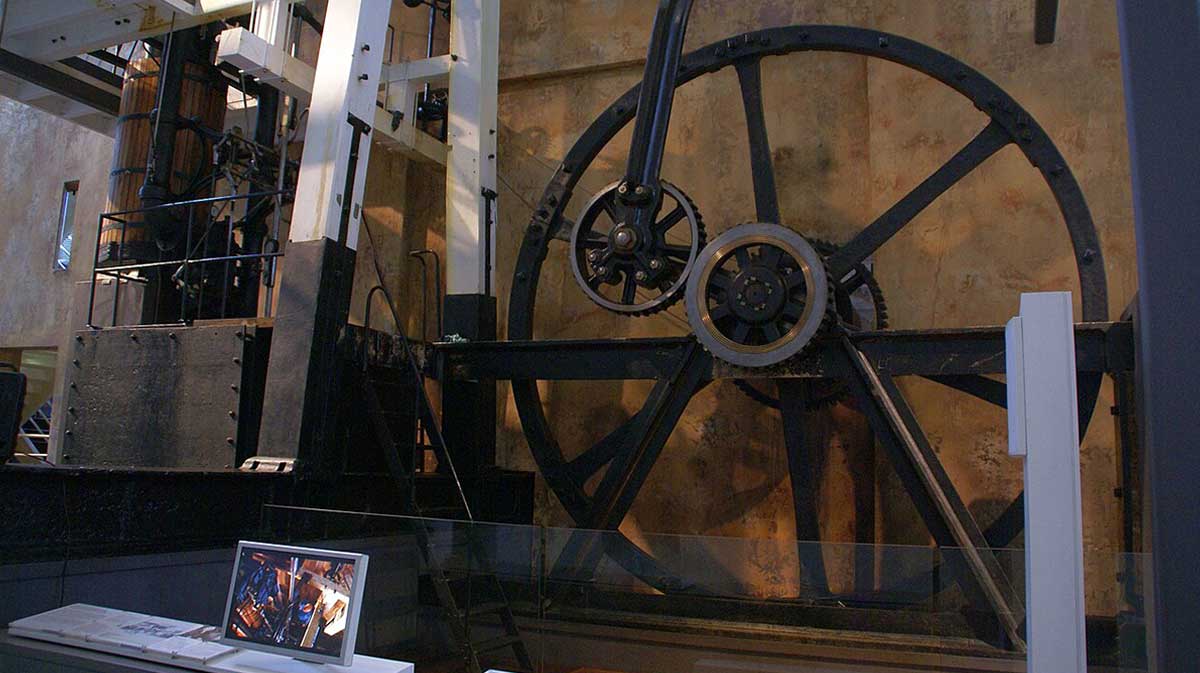
The Industrial Revolution became a monumental force in brewery production, with steam-powered engines, hydrometers, and thermometers shaping how brewers designed their beers. Steam-powered engines took over most industries, lowering costs and speeding up production. The modern brewery was looking less like an ancient workshop and more like a factory. In 1777, London’s Messrs. Cooke & Co. Distillery installed an 18-inch cylinder steam engine, which was used as a water pump. In 1784, Henry Goodwyn’s Red Lion Brewery installed a steam engine to replace the four horses that were powering the milling. In 1784, Samuel Whitbread’s Chiswell Street Brewery installed a 10-horsepower steam engine to power the malt mill and other equipment (Cornell).
As instruments became refined and precise, tools such as the hydrometer and thermometer, modernized by 17th-century scientist Robert Boyle, evolved to support large-scale brewing. The thermometer helped brewers control mash temperatures for converting grain starches into fermentable sugars. The hydrometer allowed brewers to measure the sugar extracted from malt during mashing. Before fermentation, brewers measured the original gravity (OG) of the wort – the sugary liquid extracted from malt – to estimate its sugar content. After fermentation, they measured the final gravity (FG). Because yeast converts sugars into alcohol and carbon dioxide, the liquid becomes less dense as fermentation progresses. Comparing these measurements helped brewers estimate alcohol content and produce more consistent beer strength and flavor between large batches.
The Science That Made Beer Safer

Leeuwenhoek had studied beer through his laboratory’s microscope. But 200 years later, Louis Pasteur took science out of the laboratory and straight into the brewery. In 1871, Pasteur visited a large London brewery where microscopic examination of yeast was not part of the brewing process. Examining the brewery’s porter yeast, he found abundant foreign microorganisms caused by poor fermentation. When he compared it with yeast obtained from a different brewery, he found the latter much purer. His observations showed how microscopy could help brewers identify contamination before it ruined entire batches. Brewing was no longer a matter of watching, tasting, and adjusting. Brewing had now become a science of observation, giving brewers greater control over consistency, character, and body of their beer.
Before mechanical refrigeration, brewers relied on icehouses and underground cellars to keep beer cool, making production vulnerable to seasonal temperatures and spoilage. In 1873, engineer Carl von Linde installed a prototype refrigerator in Munich’s Spaten Brewery, but the machine leaked refrigerant and needed further development. By 1875, the Paulaner Brewery had installed a working refrigeration system. Refrigeration freed breweries from the tyranny of the seasons. It allowed breweries to maintain consistent fermentation and storage temperatures, increase production, and expand distribution through refrigerated rail transportation.
With refrigeration and Pasteur’s discoveries, a new era of precision was taking shape. In 1883, Danish scientist Emil Christian Hansen, working at Carlsberg Laboratory, developed a method for isolating and cultivating pure yeast cultures. By separating the desired yeast from contaminated microorganisms, Carlsberg gained greater control over fermentation and more homogeneous results from batch to batch. In an unusually generous move, Carlsberg’s founder, J.C. Jacobsen, distributed these pure yeast cultures to other breweries. Jacobsen’s generosity benefited and helped advance the entire industry (Anderson 2012).
When Beer Became Poisonous
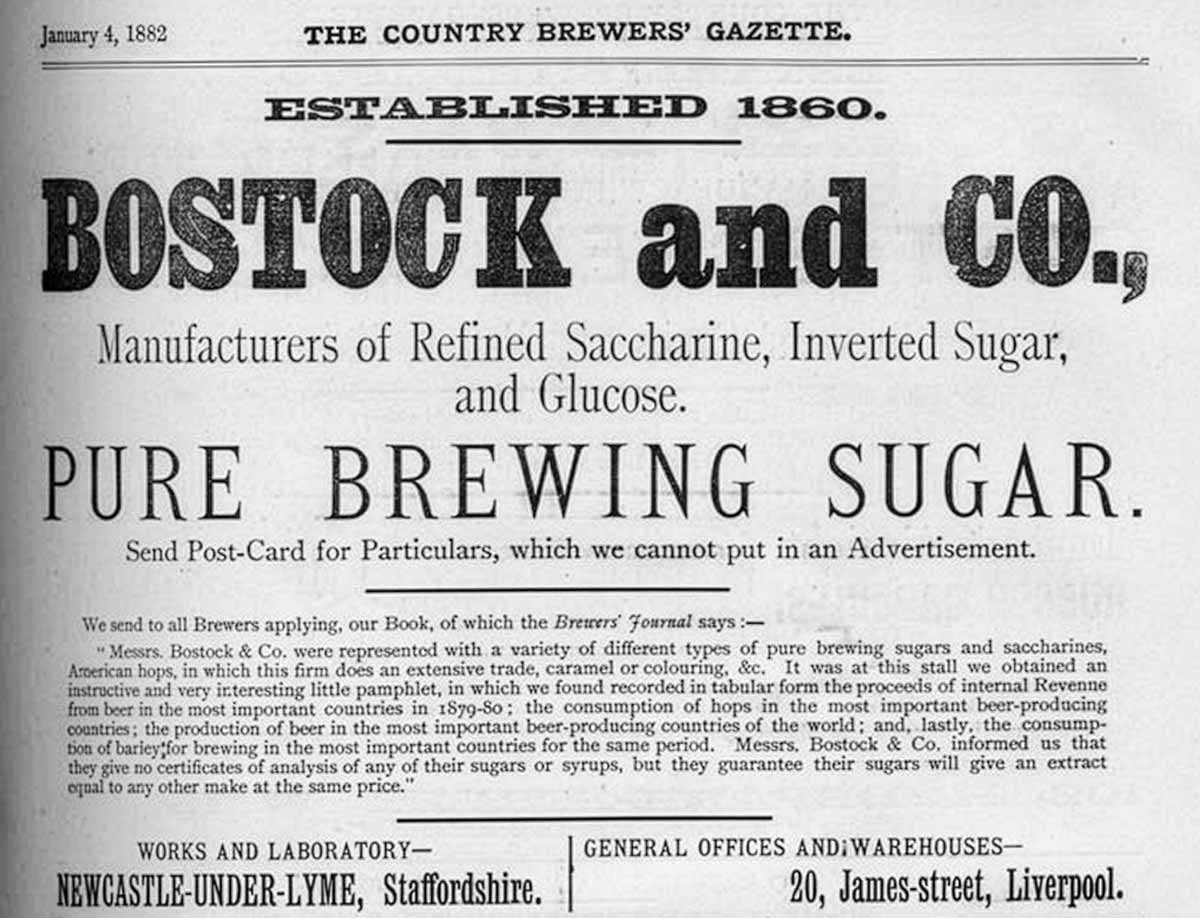
By the 20th century, brewing had now become more scientific, mechanized, and productive. The integration of science and chemistry into brewing made beer safer, more consistent, and more predictable. That is, until industrial manufacturing introduced a danger no brewer could have anticipated.
On January 8, 1901, physician Ernest Septimus Reynolds of Manchester, England, presented a paper that documented an epidemic. It had been described as everything from rheumatism and gastritis to chronic alcoholism and alcoholic neuritis. However, Reynolds noticed unusual skin conditions among his patients and began to suspect something more sinister. The symptoms were devastating: severe nerve damage, painful skin lesions, weakness, paralysis, and even cardiac failure. The culprit wasn’t a mysterious disease. It was hiding in the beer glass. Suspecting arsenic poisoning, Reynolds tested a sample of beer consumed by his patients, confirming his suspicions (Reynolds 1901).
Meanwhile, Professor Sheridan Delépine, a public-health investigator and bacteriologist at Owens College in Manchester, was conducting his own investigation. Delépine traced the illnesses to contamination in brewing sugars manufactured with arsenic-tainted sulfuric acid (Copping 2009). Even more devastating, the supplier, Bostock & Co., had distributed these sugars to approximately 200 breweries. On February 15, 1901, a United Kingdom Parliamentary estimate gave a death toll of about 100 people.
This was an event that the brewing industry could never have anticipated: a poisonous contaminant entering beer through an industrially manufactured ingredient. Today, brewers use laboratory analysis, supplier oversight, and traceability to ensure ingredient safety.
Raise Your Glass

For more than 10,000 years, beer and its creation have been a part of civilization. It evolved from an unpredictable product of fermentation to become one of the world’s most widely consumed beverages. Along the way, brewers experimented, developed new techniques, and applied scientific methods to develop a sophisticated process. Today, after more than ten millennia, we now have an industry capable of artfully crafting a drink that brings people together, marks our celebrations, and adds a little pleasure to human existence. After all, beer has never been just about what is in the glass. Beer is about the people who raise it.
From contaminated grains to industrial mistakes, humanity has consumed a simple drink that could bring an occasional visit from the Grim Reaper or a monumental celebration of life. Along the way, this golden brew has found refinement. Today, we take for granted that a handful of simple ingredients can bring joy, tragic consequences, or even just a heart full of gratitude. After thousands of years of trial, error, discovery, and craftsmanship, perhaps the better question is not what could possibly go wrong with this simple recipe, but rather, how we finally got it right.
References
- Anderson, R. “One Year or Two? Pure Yeast and Top Fermentation.” Journal of the Brewery History Society 149 (2012): 30–38.
- Barnett, J.A., and Lichtenthaler, F.W. “A History of Research on Yeasts 3: Emil Fischer, Eduard Buchner and Their Contemporaries, 1880–1900.” Yeast 18, no. 4 (2001): 363–88.
- Copping, M. “Death in the Beer-Glass: The Manchester Arsenic-in-Beer Epidemic of 1900-1 and the Long-Term Poisoning of Beer.” Journal of the Brewery History Society, no. 132 (2009): 31–57.
- Cornell, M. “Greater London Industrial Archaeology Society.”
- Craft Beer & Brewing. “The Oxford Companion to Beer.”
- Damerow, P. “Sumerian Beer: The Origins of Brewing Technology in Ancient Mesopotamia.” Cuneiform Digital Library Journal 2012, no. 2.
- Dietrich, L., Meister, J., Dietrich, O., et al. “Cereal Processing at Early Neolithic Göbekli Tepe, Southeastern Turkey.” PLOS ONE 14, no. 5 (2019): e0215214.
- Flavin, S., Meltonville, M., Taverner, C., et al. “Understanding Early Modern Beer: An Interdisciplinary Case-Study.” The Historical Journal 66, no. 3 (2023): 516–49.
- Heiss, A.G., Berihuete Azorín, M., Antolín, F., et al. “Mashes to Mashes, Crust to Crust. Presenting a Novel Microstructural Marker for Malting in the Archaeological Record.” PLOS ONE 15, no. 5 (2020): e0231696.
- Leeuwenhoek, A. “Brief No. 62 [32]. 14 Juni 1680., Alle de brieven. Deel 3: 1679-1683.” DBNL.
- Liu, L., Wang, J., Rosenberg, D., Zhao, H., Lengyel, G., Nadel, D. 2018. “Fermented Beverage and Food Storage in 13,000-year-old Stone Mortars at Raqefet Cave, Israel: Investigating Natufian Ritual Feasting.” Journal of Archaeological Science: Reports 21 (October): 783–93.
- Liu, L., He, Y., Li, J., Zhang, J., Luo, W. “Revisiting Jiahu’s 9000-Year-Old Fermented Beverage: New Microfossil Evidence for Early Qu-Based and Malt-Based Brewing Technologies in North China.” Heritage 9, no. 8 (2026): 335.
- Michel, R., McGovern, P., Badler, V. “Chemical Evidence for Ancient Beer.” Nature 360 (October 1992): 24.
- Nelson, M. (2005). The Barbarian’s Beverage: A History of Beer in Ancient Europe. Routledge, Taylor and Francis Group.
- Pasteur, L., Faulkner, F., Constable, D. Studies on Fermentation : The Diseases of Beer, Their Causes, and the Means of Preventing Them. University of Connecticut Libraries. London: Macmillan & Co., 1879.
- Reynolds, E.S. “An Account of the Epidemic Outbreak of Arsenical Poisoning Occurring in Beer-Drinkers in the North of England and the Midland Counties in 1900.” The Lancet (London) 157, no. 4038 (1901): 166–70.
- Royal Aethelmearc Guild.
- Rupprecht, K. “Purity Law, 1516 – Historisches Lexikon Bayerns.”
- Samuel, D. “Investigation of Ancient Egyptian Baking and Brewing Methods by Correlative Microscopy.” Science 273, no. 5274 (1996): 488–90.