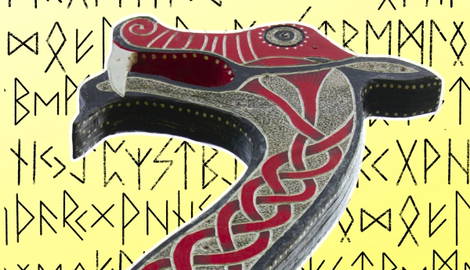

In 793 AD, longships landed on the shores of Lindisfarne in the Kingdom of Northumbria (modern-day England). Vikings poured out and put the inhabitants to the sword and the axe in what is considered by many historians to be the beginning of the Viking Age.
While this age is prominent in popular culture, the age before the Vikings was just as rich, with vibrant cultures and staggering wealth that indicated Scandinavia was not an isolated wilderness but a major factor in the geopolitical dynamic of Europe.
Looking Beyond the Stereotype of Primitive Northern Barbarians
It is convenient to classify eras of history into distinct categories, but the truth is that history exists as a continuum of events that were precipitated by events that came before. The “Dark Age” is characterized by a lack of written sources, but this does not mean civilization was absent, or in some way, regressive to what had come before or what came after.
The Viking Age was preceded by events that occurred in a dynamic that laid the foundation of the future. Before the Vikings, Scandinavia was shaped by the Migration Period and the Vendel Period—parts of the “Dark Ages” in Scandinavia that were already rich in culture and tradition.
How Roman Gold Sparked Scandinavia’s Migration Era
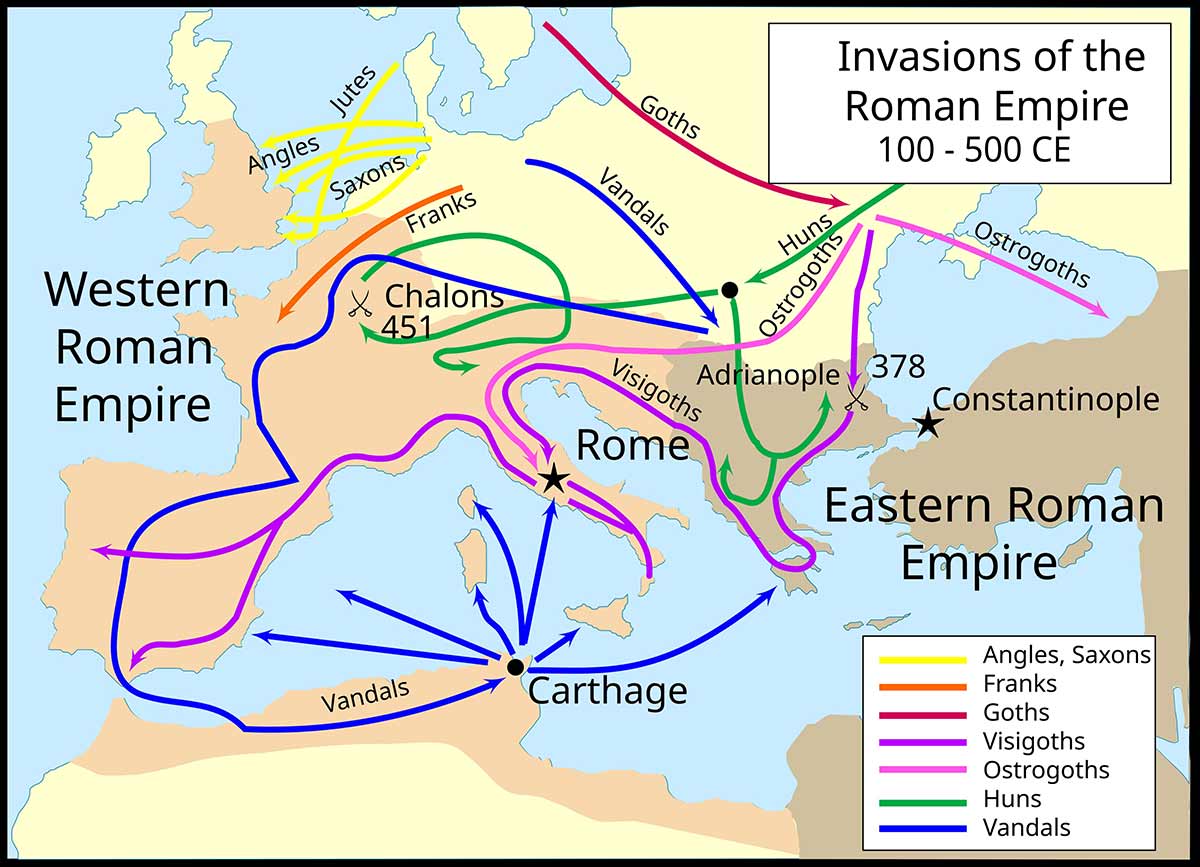
In the last centuries of the Roman Empire, Europe was being transformed by large-scale migrations of Germanic people, many of whom served as a catalyst for the end of Roman power in Southern Europe and beyond. New relationships were constructed, and old ones were re-imagined, while smaller polities replaced the universal rule of empire.
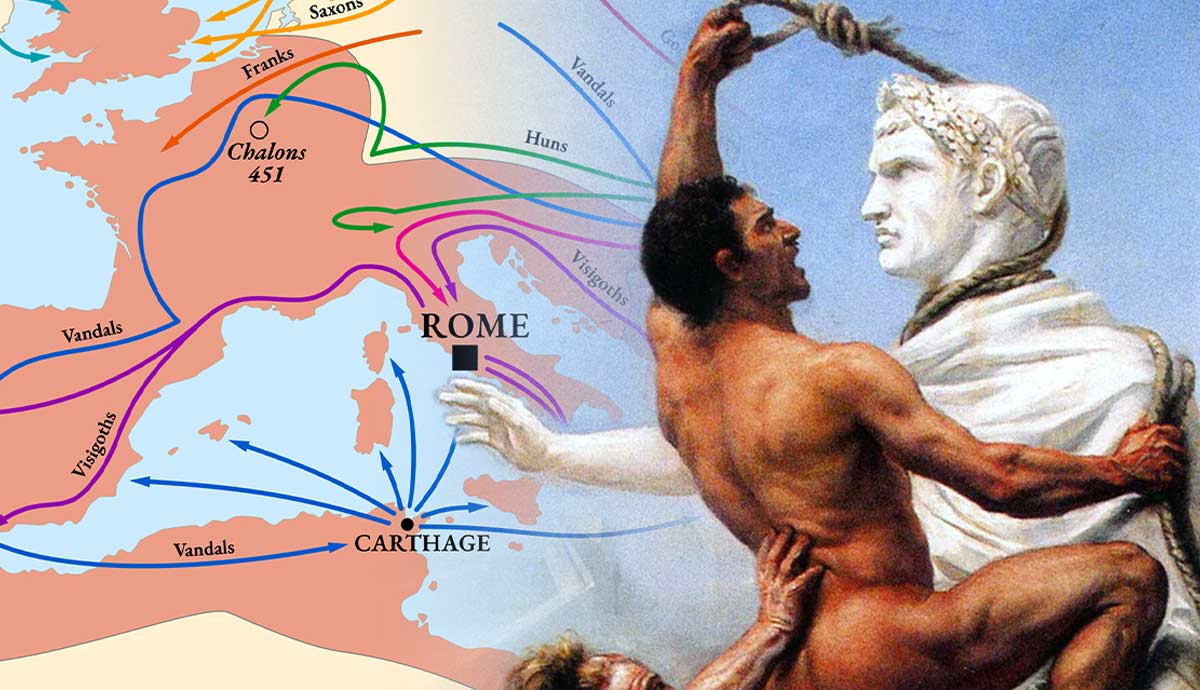
In this period generally cited (loosely) as between 300 and 600 AD, Scandinavia played an important part as a point of origin for peoples that moved south and pressed against the borders of Rome and displaced Celts living in other parts of Europe. Of major significance were the Goths, who are believed to have originated from Götaland in southern Sweden. But the movement dynamic started over a century earlier.
These migrations caused massive societal shifts. From around 160 AD, the Romans were in need of able-bodied men to defend the northern borders. According to Archaeology Professor Dagfinn Skre, people of southern Scandinavia flocked to Roman territory to earn a Roman salary as auxiliaries defending the empire.
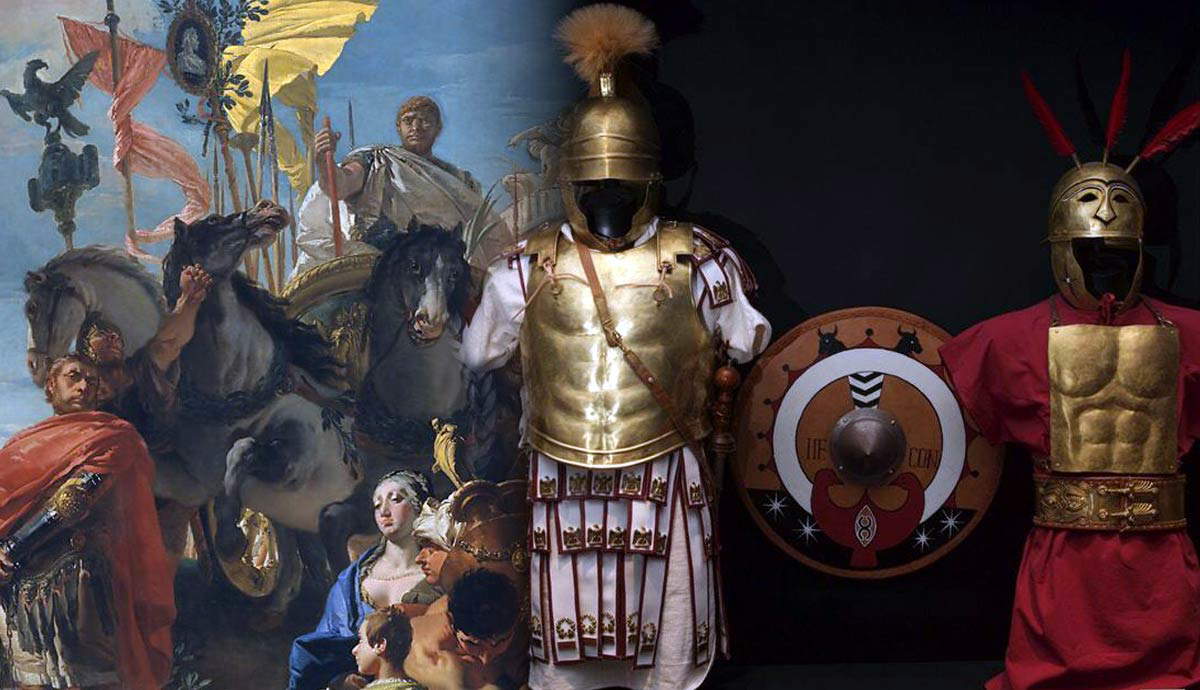
Archaeological finds show a massive influx of Roman coins, swords, and other goods into Scandinavia during this time, and graves in Norway dating to the first centuries of the Common Era reveal their owners as military men, partially equipped in Roman gear. This heavily suggests Scandinavians took on jobs for the Roman military, and returned home, bringing some of Rome with them.
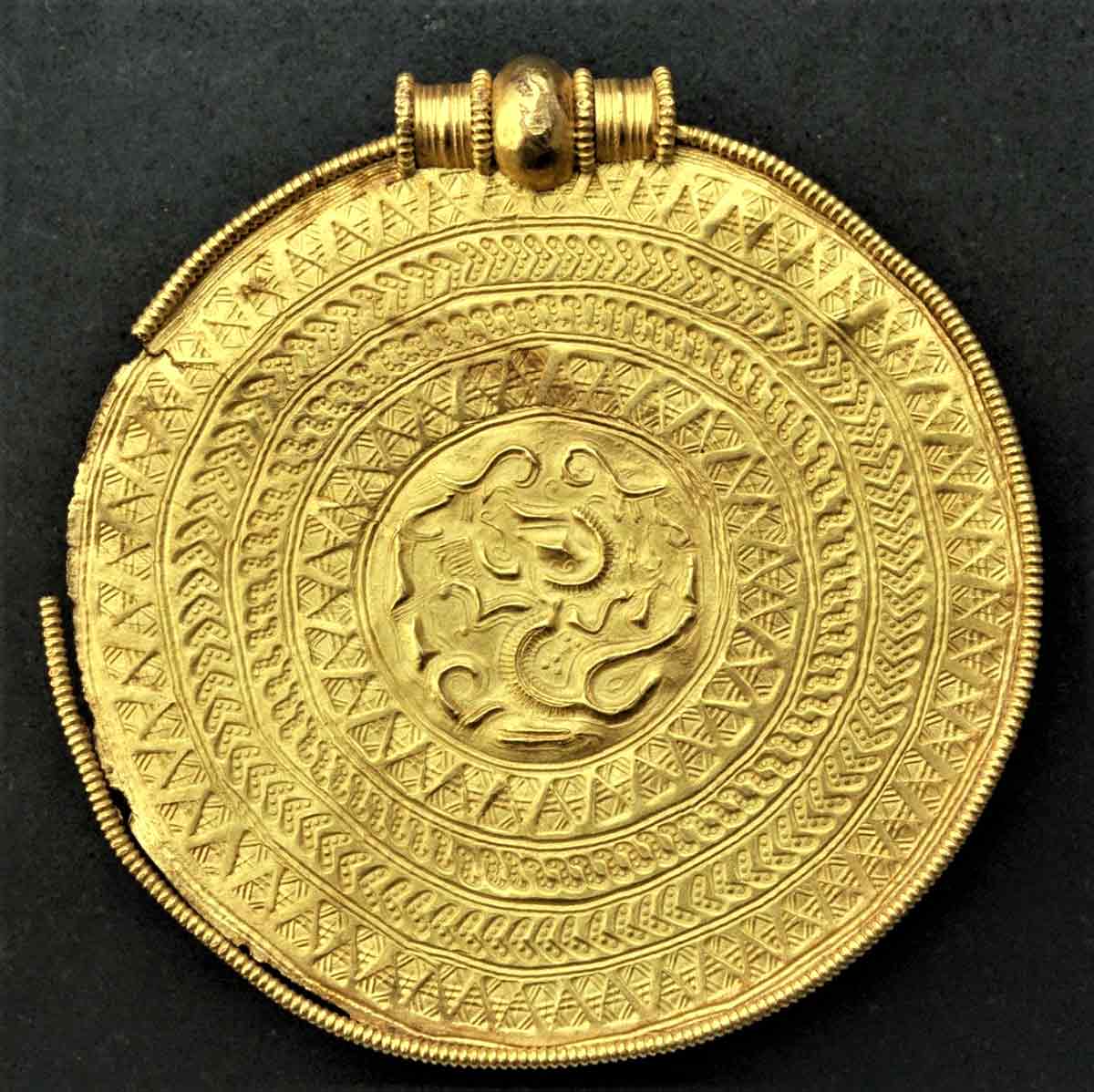
Gold was reworked by Scandinavian smiths. Late Roman and Byzantine coins were turned into gold collars and bracteates (stamped metal pendants) with distinctive Scandinavian styles. Eventually, acquisition of gold and silver in Scandinavia became much more difficult, especially as there were no gold or silver mines in Scandinavia at the time. A series of volcanic eruptions from 536 to 540 caused crop failures across the continent. Trade routes dried up and had to be diverted as barbarians blocked regular passage. In Scandinavia, offerings of gold and other precious goods were buried along with their owners around this time, perhaps to placate the angry gods.
With the gold drought, raiding and plundering became a more attractive option.
Why the Vendel Era Shifted From Gold Coins to Intricate Bronze
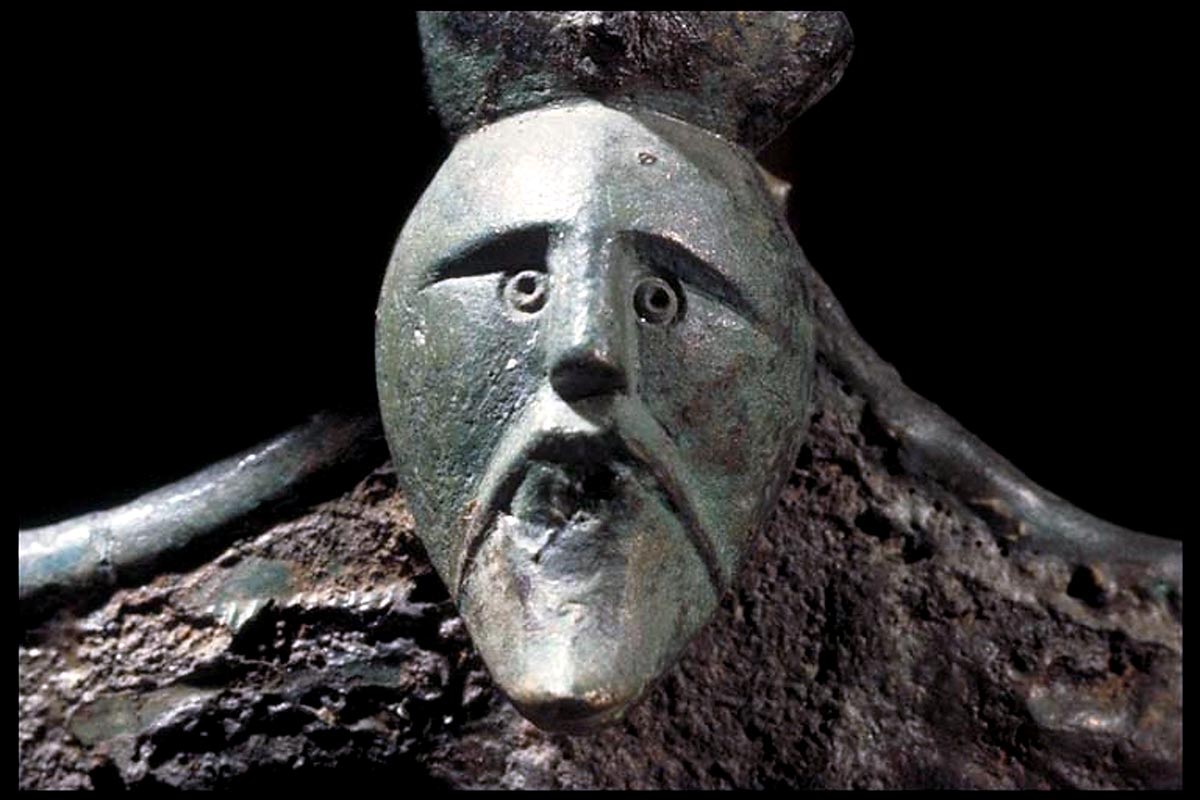
Bridging the gap between the Migration Period and the Viking Era is the Vendel Age, named after the Vendel Cemetery in Uppland, Sweden, where several 6th- to 8th-century ship graves were excavated. There is a noticeable drop in precious metal artifacts, but the Vendel Period was no less rich in history and culture. It brought more stability as smaller tribes, often in constant conflict with one another, were consolidated into larger, more organized societies, paving the way for an era of kingdoms.
During this era of stability, trade networks were built, high-quality goods were manufactured, and military technology advanced. Because of the lack of precious metals, bracteates were replaced with the thinner “guldgubber,” which were very thin pieces of beaten gold, stamped with a motif. Vendel-era smiths turned most of their attention to bronze, while artistic depictions evolved from representational figures to more abstract forms and designs that were interwoven and intricate.
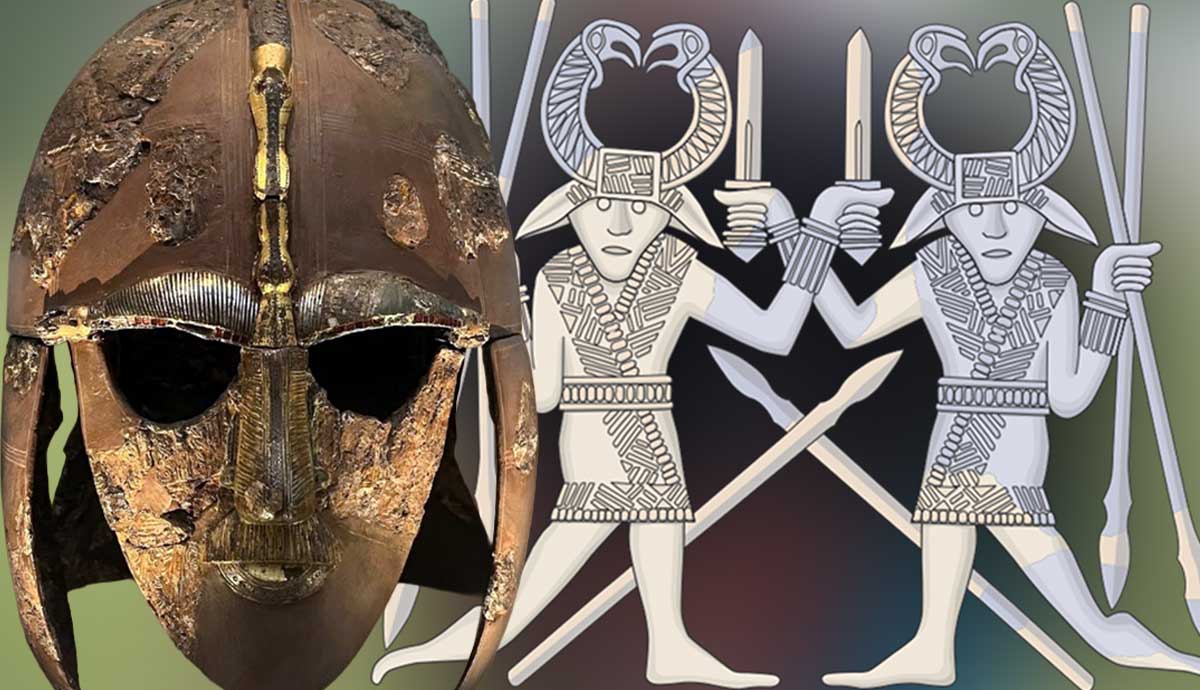
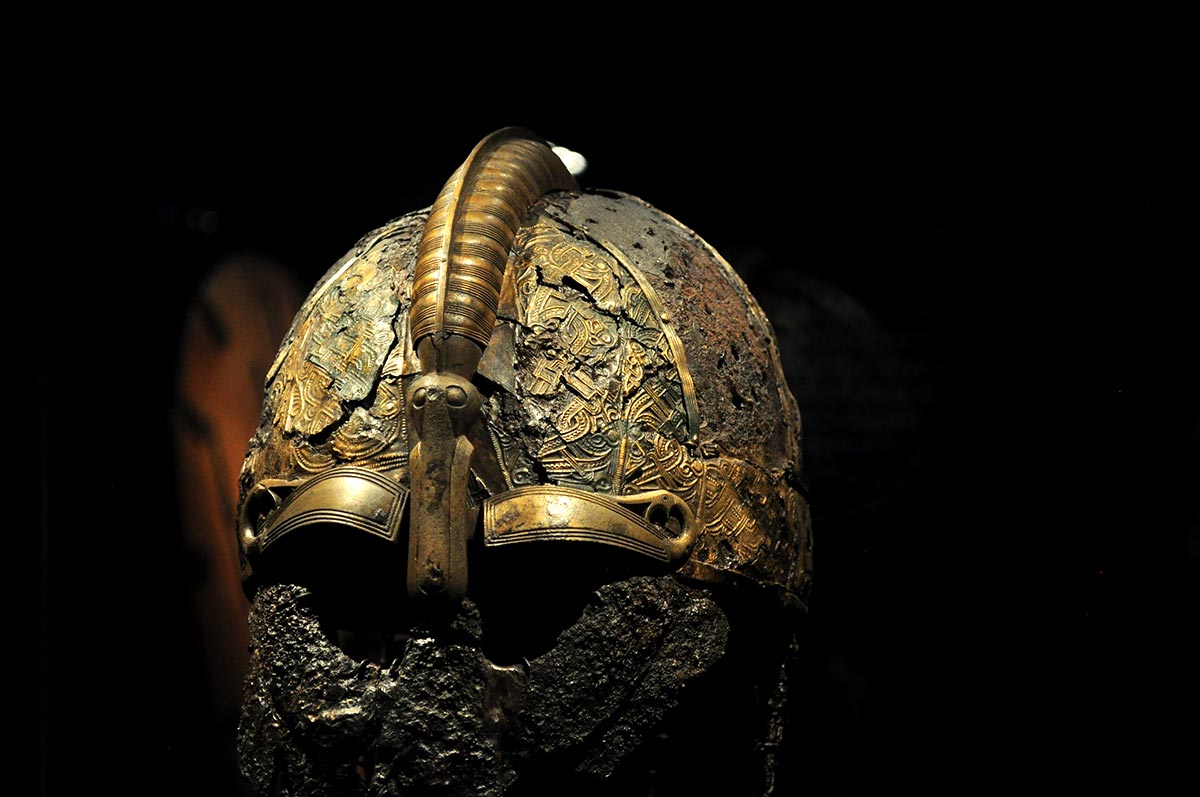
Iconic items of the Vendel Period include embossed helmets similar to the Sutton Hoo helmet of Anglo-Saxon England, suggesting a close link between the Scandinavian and Anglo-Saxon elites. Examples of similar Vendel helmets were found in Gamla Uppsala, Vendel, and Valsgärde.
The technical skill involved in the creation of such artifacts and the evidence of strong cultural practices upend the traditional and popular view of the North Germanic people as uncultured barbarians— a view espoused by the Romans, and which gained traction, even in academia, lasting beyond the fall of the Western Roman Empire. Instead, a culture of sophistication and tradition existed that represented a continuous evolution of practices that were already many centuries old.

Unlike during the Migration Period, the Vendel Period saw a massive reduction in bog deposits. While earlier, offerings had been made through laying valuable goods and burying people in wetlands, the practice died out, and instead, the wealthy elite were buried in mounds with all their belongings. Nevertheless, throughout both periods, standard earth graves and cremation remained the norm.
In other aspects of society, writing evolved from the Elder to the Younger Futhark runes, and a warrior tradition emerged that led to the dynamic of raiding as a sustainable economic practice.
Aristocratic Warbands and Conflict in the Age of Beowulf
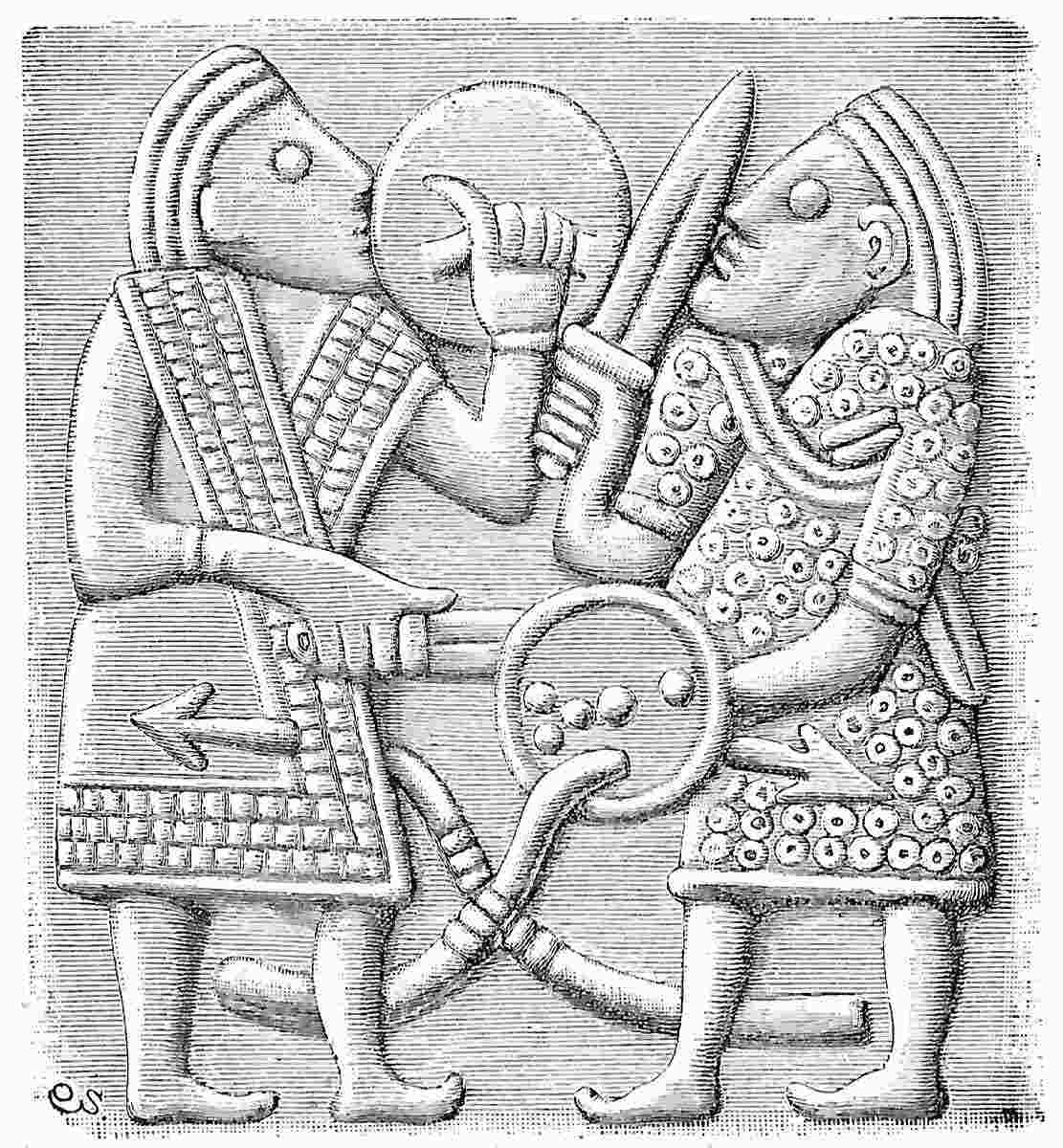
During the Vendel period, ostentatious displays of wealth and the sharing of its trappings were highly prestigious. Jarls (chieftains) hosted great feasts and won the loyalty of their countrymen by spending their wealth. In return, the Jarl’s subjects earned protection and prestige by association. Of great importance during this time were valuable items from faraway lands. Gold was even more valuable than before due to its scarcity. As such, explorers ventured forth from Sweden in search of riches, reaching areas that are now encompassed by Russia, Belarus, and Ukraine.
This dynamic, however, led to violence back home, as jarls competed for glory. Victory in battle only enhanced the standing of jarls, leading to more conflict. Strength, power, and martial ability were attributes that became highly prized in this era. Forts were built, weapons were forged, and soldiers were trained. Inspired by the Frankish kings, Jarls attempted to carve out their own kingdoms in an age marked by internecine strife. Indeed, the Vendel Period in Norway is also referred to as the Merovingian Age, echoing the Frankish influence.
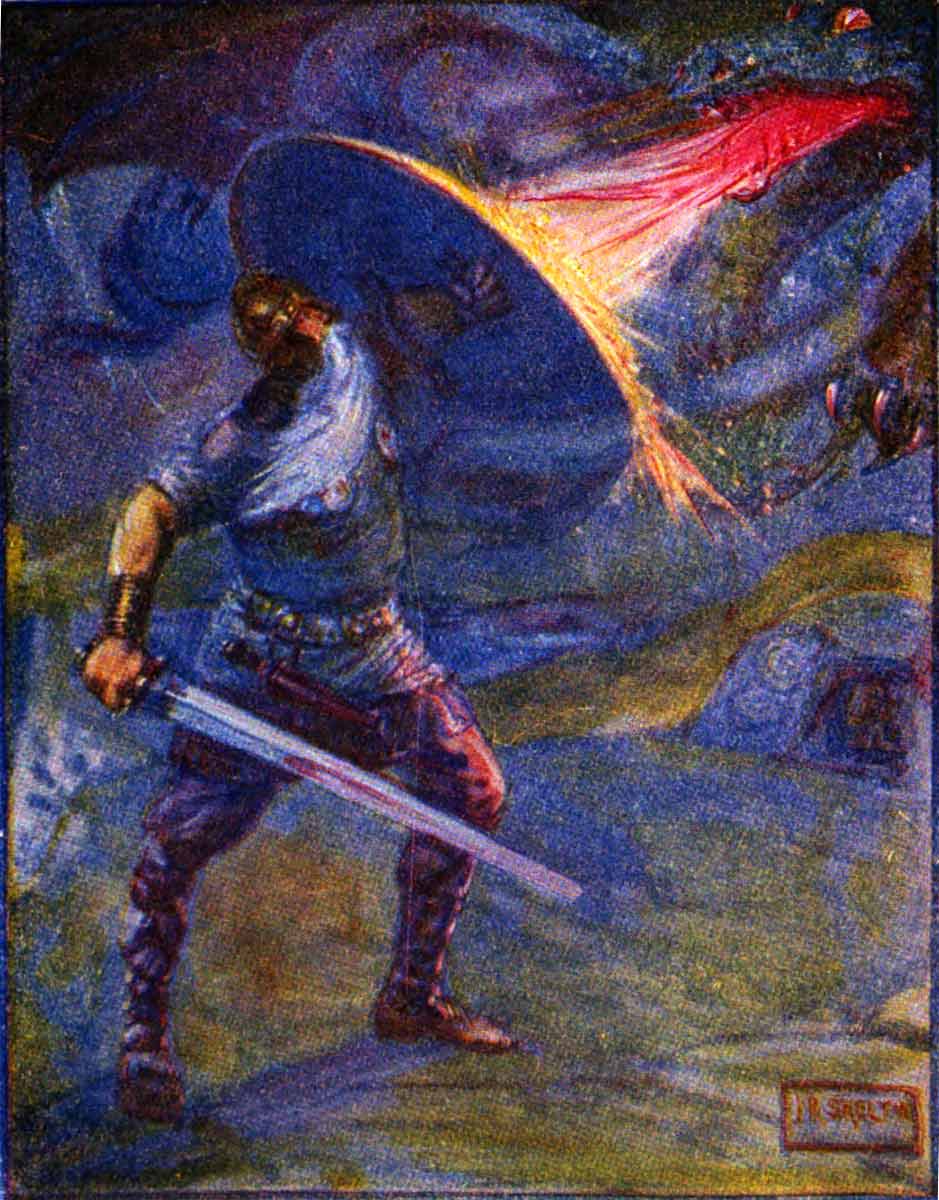
This was the age of Beowulf, and although a work of fiction, the opening lines speak to this era as one of battle:
Lo! the Spear-Danes’ glory through splendid achievements
The folk-kings’ former fame we have heard of,
How princes displayed then their prowess-in-battle.
Indeed, Norse culture was dominated by a warrior aristocracy, as attested to by the archaeological record and immense wealth of the graves of rulers from this time. Grave goods scaled directly to status. Warriors and nobles were buried with swords, axes, shields, spears, helmets, and chainmail as well as goods that were not directly related to war, such as bowls, cups, and other utensils. Animals such as dogs, horses, and sheep were also buried alongside their owners.
Ultimately, the warbands at the end of the Vendel Period struck out beyond their shores and began the Viking Age by raiding foreign assets in search of plunder.
How Ancient Ship Design and English Ties Set the Stage for Raids
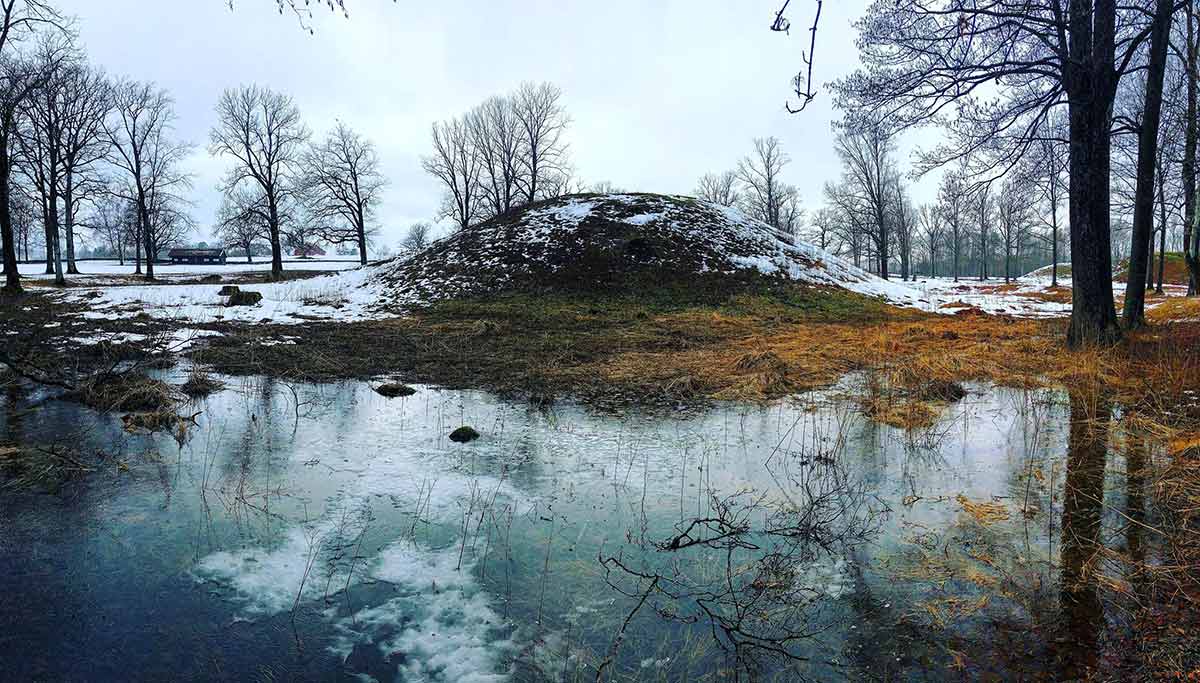
The beginning of the Viking Age can be regarded as a new era for much of Europe as raiding warriors began to shape Britain and the rest of the continent. In many regards, however, it was not a new beginning, but a continuation of old ideas and cultural traditions that were forged many centuries before the Vikings first laid eyes on the treasures of Lindisfarne.
An article by Raffield et al. from the Journal of Anthropological Archaeology notes that from the late 500s, the power complexes that were already in place were being consolidated, as can be observed through the archaeological evidence from Gamla Uppsala in Sweden, Gammel Lejre in Denmark, and Borre in Norway. This likely included an increased control over land and a more entrenched class divide that separated the rulers from the subjects.
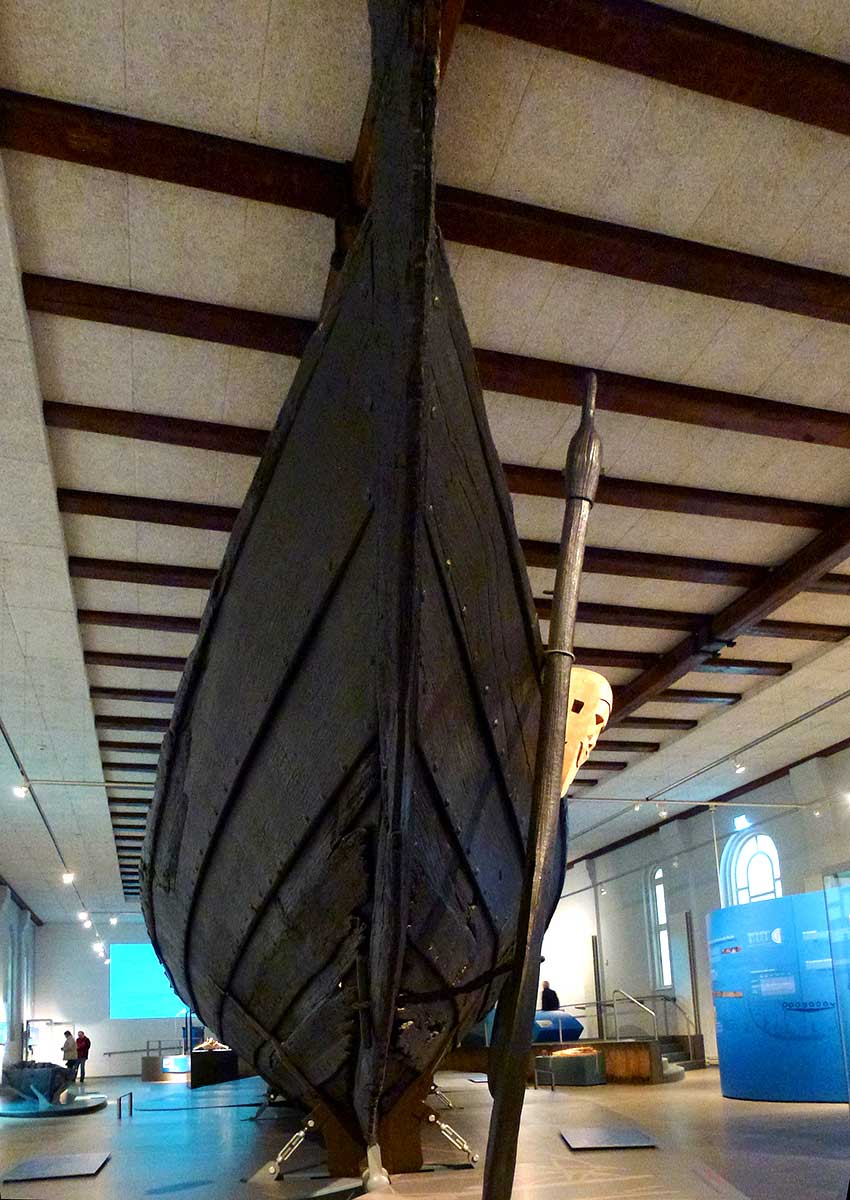
As in the Viking Age, there was also already a long-established culture of ship-building, which allowed the Vikings to sail far beyond their homes. The longboats that plowed the sea in the Viking Era were constructed with techniques that are evidenced far earlier. Of note is the clinker (lapstrake) design of overlapping planks. The earliest examples of this, with planks being joined by metal fastenings, are the Björke boat from Sweden dated to 310 AD, and the Nydam boat from Denmark dated to around the same time.
Such construction techniques were not unique to Scandinavia, and were found in various places around northern Europe, including Britain. Evidence from the 6th- and 7th-century Sutton Hoo burial sites in Suffolk, England, suggests a cultural link between Britain and Scandinavia. Here, the artifacts show design trends, with the famous Sutton Hoo helmet likely originating in Scandinavia, while the ship-burial suggests shared funerary customs, reinforced by the fact that the locally built grave ships are also of clinker design.
When the Vikings took to the sea, they weren’t sailing blind into the unknown. They knew about Britain and the rest of Europe, and they already had a very good idea of the riches that were to be found. This knowledge was entrenched by centuries of evolution from the end of the Roman era and through the Vendel Period.