
English royal palaces come in various shapes and sizes. Some began as formidable strongholds designed to withstand war and rebellion. Others were intended to be more comfortable residences, enabling the royal family to live in luxury. Whatever their origins, all of these palaces serve as symbols of power and authority, featuring grand architecture designed to impress and intimidate. While the fortunes of these seven palaces ebbed and flowed over the centuries, each played an important part over the last thousand years of British history.
What Is a Royal Palace?
Before discussing each of the palaces in isolation, it is important to define what constitutes a royal palace in the British context. Royal palaces are either owned by the Crown Estate or by the reigning monarch in right of the Crown. This designation stands in contrast to private estates such as Highgrove House and Sandringham House which serve as more intimate retreats for the Royal Family.
Buckingham Palace and Windsor Castle are the most famous English royal palaces and served as the main residences of the late Queen Elizabeth II during her 70-year reign. By contrast, King Charles III maintains his principal London residence at Clarence House near St James’s Palace. Kensington Palace in west London is most closely associated with Charles’ late wife Princess Diana and their son Prince William.
The Palace of Westminster, better known as the Houses of Parliament, remains a royal palace, although it has not been occupied by royalty since the early 16th century. The Tower of London and Hampton Court Palace are both owned by the Crown but have not been used as royal residences for centuries. Both are popular tourist attractions operated as museums by Historic Royal Palaces.
1. The Tower of London: The Norman Fortress

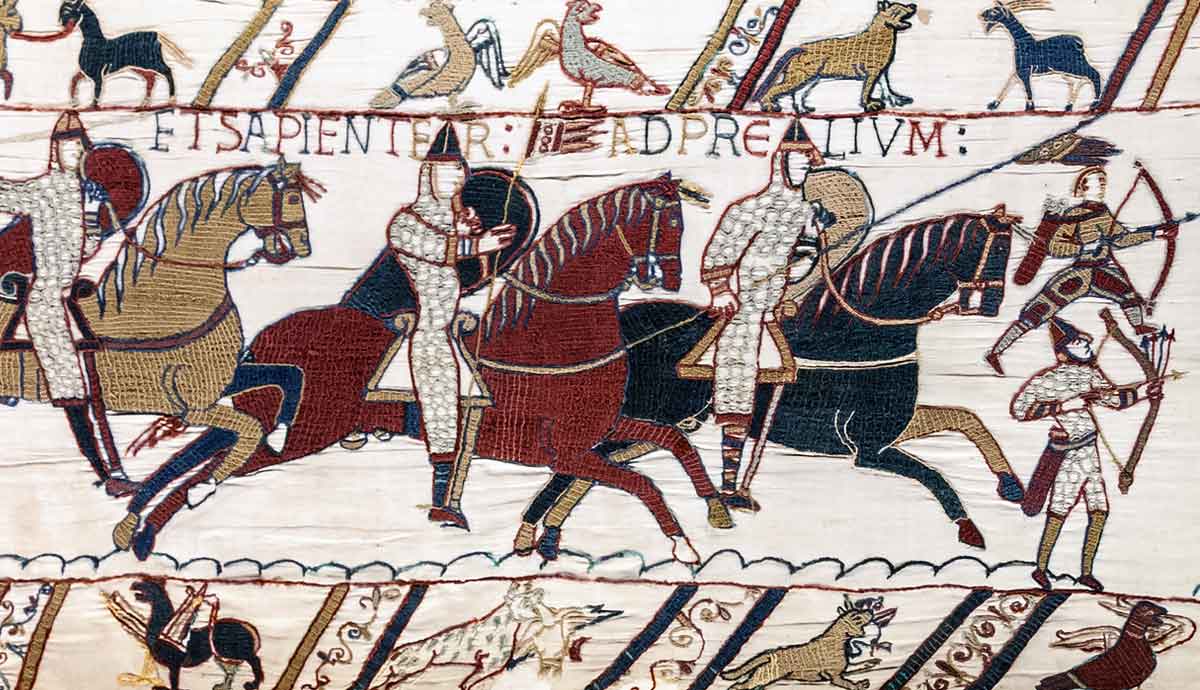
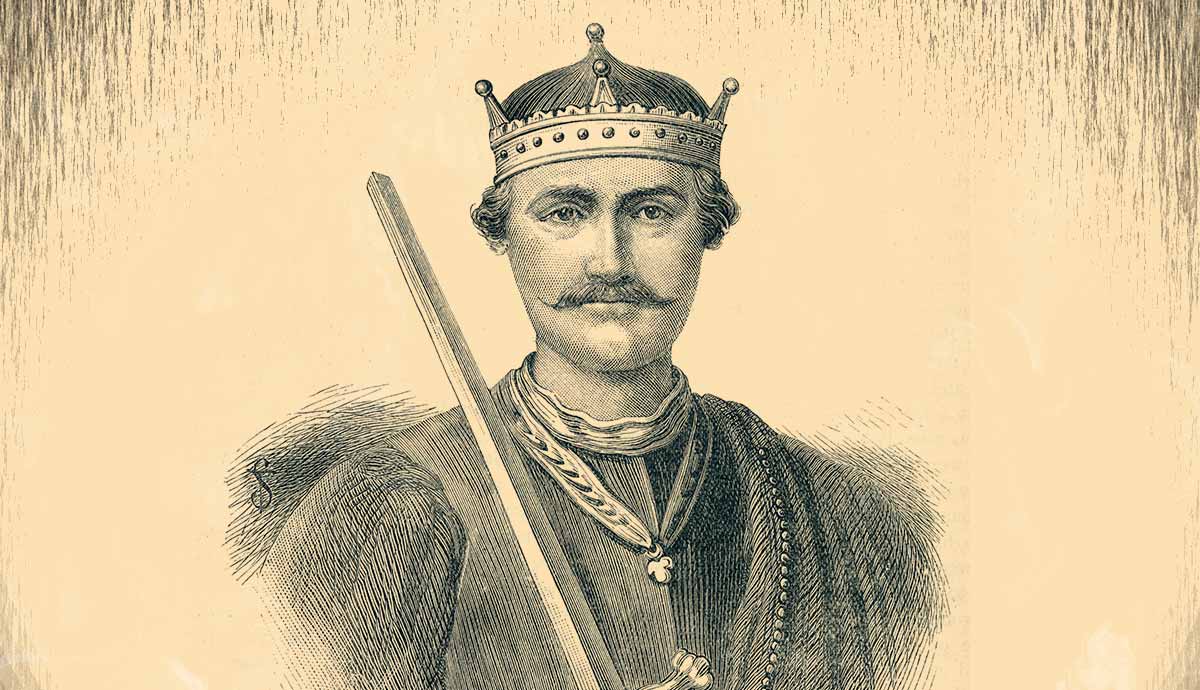
The Battle of Hastings on October 14, 1066, is rightly considered one of the most important events in British history. Yet William of Normandy’s victory at Hastings marked only the start of the Norman Conquest as William and his lords spent several years extinguishing Anglo-Saxon rebellions against Norman rule.
One of the most effective means for Norman lords to assert their authority was by building castles. Most early castles were rudimentary motte-and-bailey structures, but over time they were strengthened with stone keeps.
Construction on the famous Tower of London began in 1078. The oldest and most iconic part of the Tower of London is the square keep known as the White Tower, which was completed by 1100. The royal living quarters were on the top floor while the lower levels housed the banqueting hall and council chamber.
The castle was extended substantially in the 13th century during the reigns of Henry III (1216–1272) and his son Edward I (1272—1307). The former oversaw the construction of an inner curtain wall while the latter was a prolific castle builder who incorporated the latest defensive technology in his outer wall.

During this period the Tower became home to the Royal Menagerie, hosting many exotic animals gifted by foreign dignitaries, as well as the Royal Mint. Both of these institutions operated within the castle walls until the 19th century.
The Tower gradually fell out of use as a permanent royal residence and gained notoriety as a dungeon. King Edward V and his brother Richard of York were kept in the tower in 1483 and believed to have been murdered on the instructions of their uncle Richard III, while Anne Boleyn was kept at the tower prior to her execution in 1536.
The Tower of London now primarily serves as a museum, welcoming almost three million visitors a year. The site hosts an eclectic series of exhibitions highlighting the Tower’s multifaceted functions as a defensive fortress, a royal residence, a prison, an armory, and military barracks. Its main attraction are the crown jewels, which have been kept at the Tower since 1661.
2. Palace of Westminster: The Heart of British Government
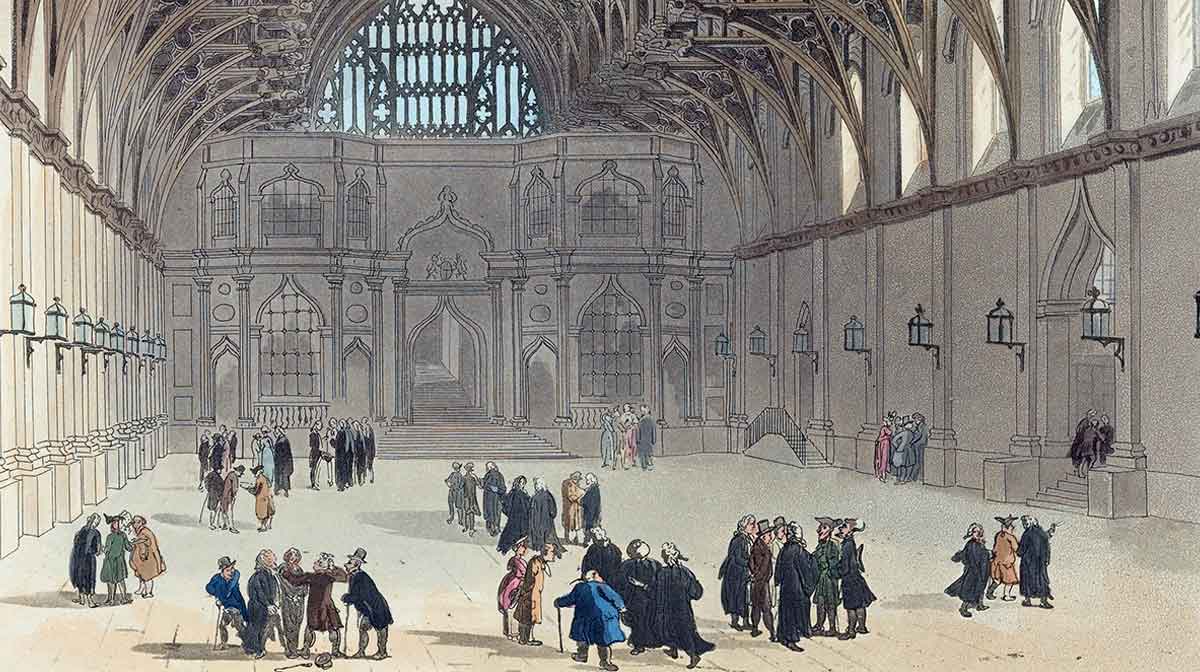
The Palace of Westminster is best known as the home of the Houses of Parliament but remains a royal palace. The original medieval palace was built in the mid-11th century by Edward the Confessor, who also founded the nearby Westminster Abbey.
The palace served as the principal residence for English kings for over four centuries, hosting the royal council and lavish banquets as a demonstration of the status of English royalty. Edward I’s Model Parliament, which set the blueprint for the institution, met at Westminster in 1295. Over time the palace came to be identified as the seat of the institution.
In 1512, King Henry VIII moved out of the palace after the royal apartments were destroyed in a fire. He would later adopt the Palace of Whitehall as his principal London residence, though parliament continued to meet at Westminster. A larger fire in 1834 destroyed much of the old palace, and a neo-Gothic structure was built by Charles Barry and Augustus Welby Pugin over the following decades.
The only survivor of the medieval palace was Westminster Hall, one of the largest medieval halls in Europe at 1547 square meters. Dating from the reign of King William II (1087—1100), its distinguishing architectural feature is the hammerbeam roof commissioned by King Richard II in 1393.
While no longer used for day-to-day business, Westminster Hall continues to serve various ceremonial functions. Sir Winston Churchill lay in state at Westminster Hall in 1965, as did Queen Elizabeth II in 2022. On rare occasions, foreign leaders such as Nelson Mandela, Barack Obama, and Volodymyr Zelenskyy have been granted the extraordinary privilege of addressing both Houses of Parliament in Westminster Hall.
3. Hampton Court Palace: Henry VIII’s Tudor Masterpiece
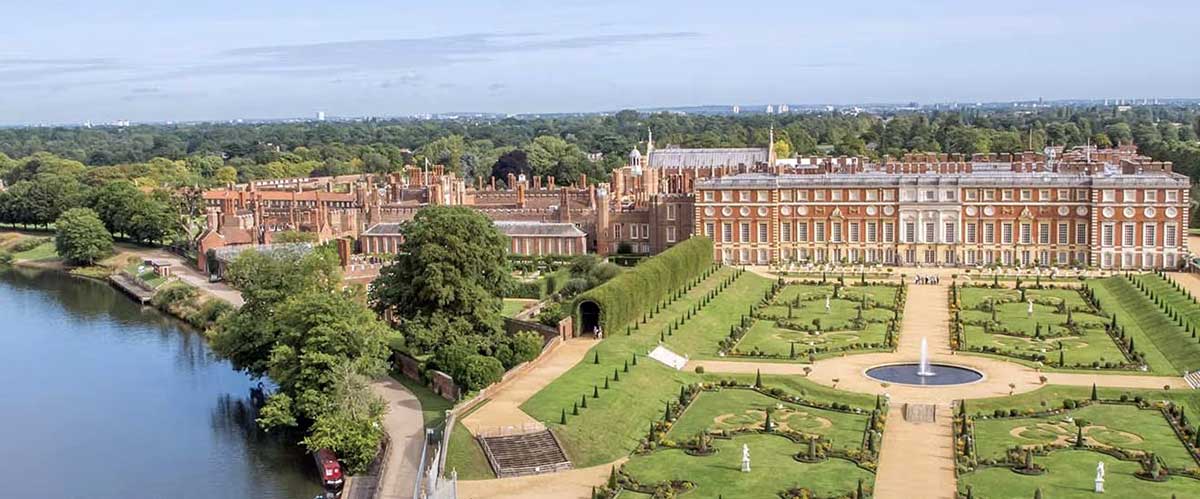
Located on the banks of the River Thames 12 miles upstream of central London, Hampton Court Palace began life as a residence for Cardinal Thomas Wolsey, Henry VIII’s chief minister. The vast palace was built in a style that combined traditional English Gothic Perpendicular with Italian Renaissance ornamentation.
In 1529, Wolsey gifted the palace to Henry VIII in a forlorn attempt to avoid falling from grace. It soon became one of the king’s favored residences. In 1533, construction began on a Great Hall to accommodate the larger royal court. The hall features H and A monograms combining the initials of the king and his second wife Anne Boleyn, whom he married in 1533. After Anne’s execution in 1536, Henry lived at Hampton Court with his new wife Jane Seymour, who died at the palace shortly after bearing him his only legitimate son Edward VI in 1537.
After Henry’s death in 1547, the palace continued to be used for state occasions throughout the Tudor and Stuart period. By the 17th century, Hampton Court’s Tudor architecture appeared old-fashioned as the Stuart court embraced the classical style introduced by the Renaissance architect Inigo Jones.
Nevertheless, the palace remained largely unchanged until after the Glorious Revolution, when William and Mary ordered Sir Christopher Wren to demolish the Tudor palace and replace it with a new Baroque palace. William lost interest in the project following Mary’s death in 1694 and half the old palace survived.
From the reign of George II, Hampton Court no longer functioned as a royal residence and was converted into “grace and favor” apartments for distinguished courtiers. This was discontinued in the late 20th century and the palace now serves as a museum with just under 800,000 visitors per year.
4. St James’s Palace: The Senior Royal Palace

The Palace of Whitehall served as England’s principal royal palace for much of the 16th and 17th centuries. Like Hampton Court, it had previously belonged Cardinal Wolsey (known as York Place) and was later appropriated by King Henry VIII. In January 1698, a fire tore through the palace and destroyed almost the entire building, with only Inigo Jones’s magnificent Banqueting House surviving the blaze.
Since Whitehall Palace was never rebuilt, the administrative functions of British royalty moved to St James’s Palace. Built by Henry VIII in the 1530s and distinguished by its towering Tudor gatehouse, St James’s was already out of favor by the 17th century but remained in occasional use as a royal residence until the accession of Queen Victoria in 1837. It has never lost its status as Britain’s “senior” royal palace, and ambassadors to Britain continue to be accredited “to the court of St James’s.”
St James’s Palace gives its name to the adjacent St James’s Park, London’s oldest Royal Park. The mansions Lancaster House and Clarence House were built in the palace grounds in the 18th and 19th centuries. While Lancaster House is owned by the British government, Clarence House remains the principal residence of King Charles III, who moved in following the death of his aunt Princess Margaret in 2002.
Despite its relative obscurity, St James’s Palace continues to perform a range of administrative, ceremonial, and diplomatic functions. It hosts the meeting of the Accession Council which proclaims the new sovereign after the death of the incumbent monarch, and is also the official London residence of senior royals such as Princess Anne. Unlike most royal palaces, it is rarely open to the public.
5. Windsor Castle: The Oldest and Largest Occupied Castle
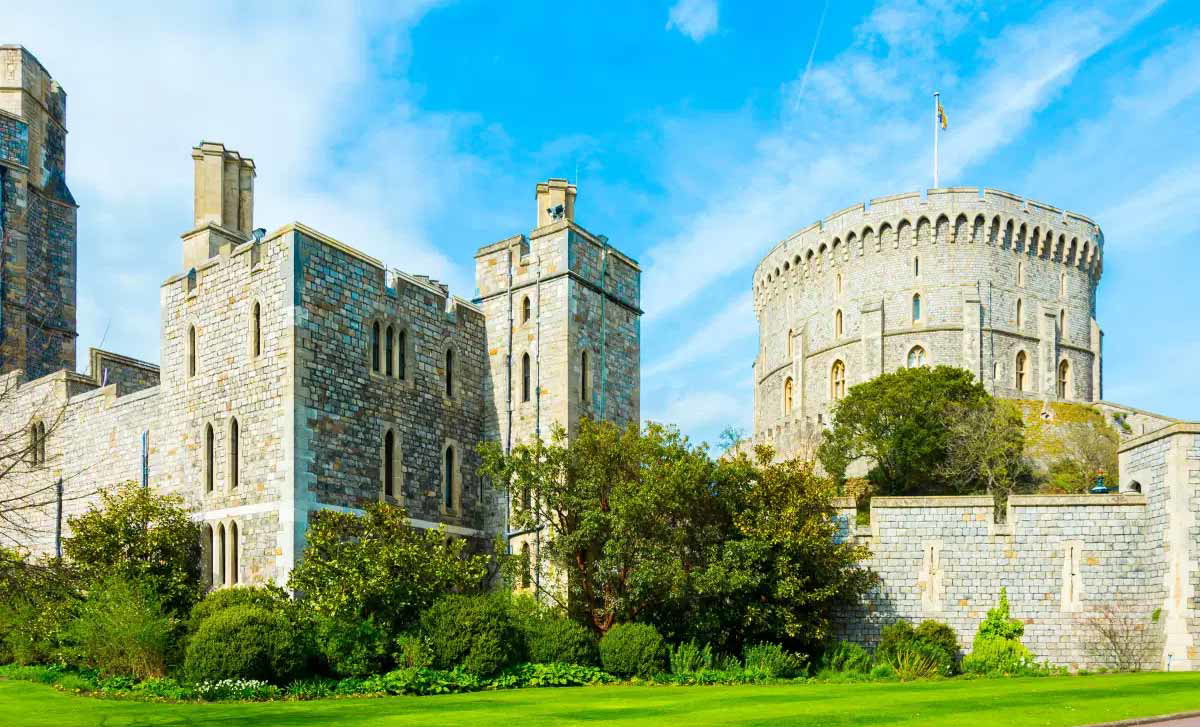
Founded by William the Conqueror in the 11th century to defend the western approaches to London, Windsor Castle has undergone several major transformations over the centuries but remains a royal residence to the present day.
While William’s son Henry I was the first king to live at Windsor Castle in the early 12th century, his grandson Henry II built fully-fledged royal apartments within the castle walls, which were upgraded from wood to stone. The original Round Tower was built on the motte at this time.
Windsor witnessed another major transformation during the reign of the warrior-king Edward III, who was born at Windsor in 1312. Edward’s redevelopment of the Upper Ward included new royal apartments and St George’s Hall, a banqueting hall for the newly established Order of the Garter. Between 1351 and 1377, Edward spent over £50,000 on the castle, an enormous sum financed in part by his military victories in France during the Hundred Years War.

The castle’s chapel was originally dedicated to Edward the Confessor but was rededicated to St George by Edward III. The chapel’s current appearance is the result of a redevelopment begun by Edward IV in 1475 and completed in 1528 during the reign of Henry VIII. Both Edward IV and Henry VIII were buried in St George’s Chapel, and it has become the final resting place of most British monarchs from the 19th century onwards.
Windsor Castle was extensively overhauled by George III and his son George IV. The architect James Wyatt and his nephew Jeffry Wyatville transformed the castle’s exterior to resemble a Gothic palace and increased the height of the Round Tower. Queen Victoria retreated to Windsor after Prince Albert’s death in 1861 and is buried alongside Albert at Frogmore Mausoleum within castle grounds.
Windsor remains an important royal palace and was one of the principal residences of the late Queen Elizabeth II. After a devastating fire in 1992 damaged more than 100 rooms, reconstruction work was completed in 1997. William, Prince of Wales, moved into Adelaide Cottage in the grounds of Windsor Castle following his grandmother’s death in 2022.
Windsor Castle is one of the leading royal attractions in the United Kingdom, with around 1.4 million visitors each year.
6. Kensington Palace: From William and Mary to William and Harry
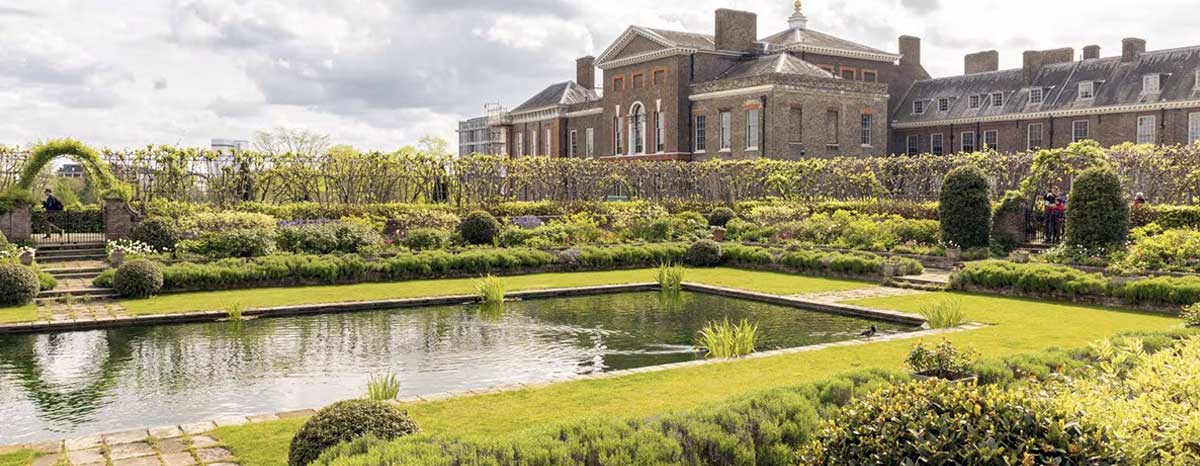
Kensington Palace began its life in 1605 as a modest Jacobean country retreat west of London. It was later known as Nottingham House after the 2nd Earl of Nottingham, who sold the house to William and Mary in 1689. The royal couple were seeking a new residence that benefited from cleaner air while still being within easy access of London, and Kensington fit the bill perfectly.
Sir Christopher Wren and Nicholas Hawksmoor helped transform the aristocratic mansion into a palace fit for royalty, and Kensington became the favored royal palace for British royalty for the next 70 years. In 1722, King George I upgraded the King’s State Apartments and commissioned three new rooms from William Kent, a hitherto obscure painter who would become one of the greatest architects and landscape designers of the 18th century. Kent’s Cupola Room is the architectural highlight of the whole palace with gilded Ionic pilasters and white marble niches crowned by a coffered ceiling.
While Kensington fell out of favor under George III, it witnessed the birth of the future Queen Victoria in 1819. The princess spent her formative years at Kensington until her accession in 1837 when she moved to Buckingham Palace.
Kensington Palace returned to prominence in 1981 when Prince Charles and Princess Diana moved in. Princes William and Harry continued to live in the palace following the death of their mother in 1997, when Kensington became the focus of public mourning. Kensington remains the official London residence of Prince William and Catherine, Princess of Wales after their move to Windsor in 2022.
Kensington Palace is managed by Historic Royal Palaces and boasts over 400,000 annual visitors.
7. Buckingham Palace: The Grand Stage of Modern Monarchy

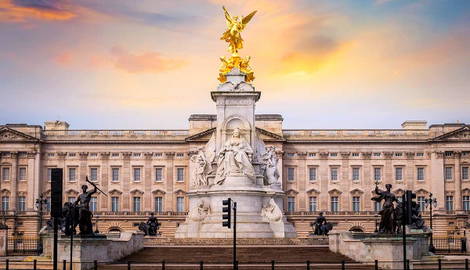
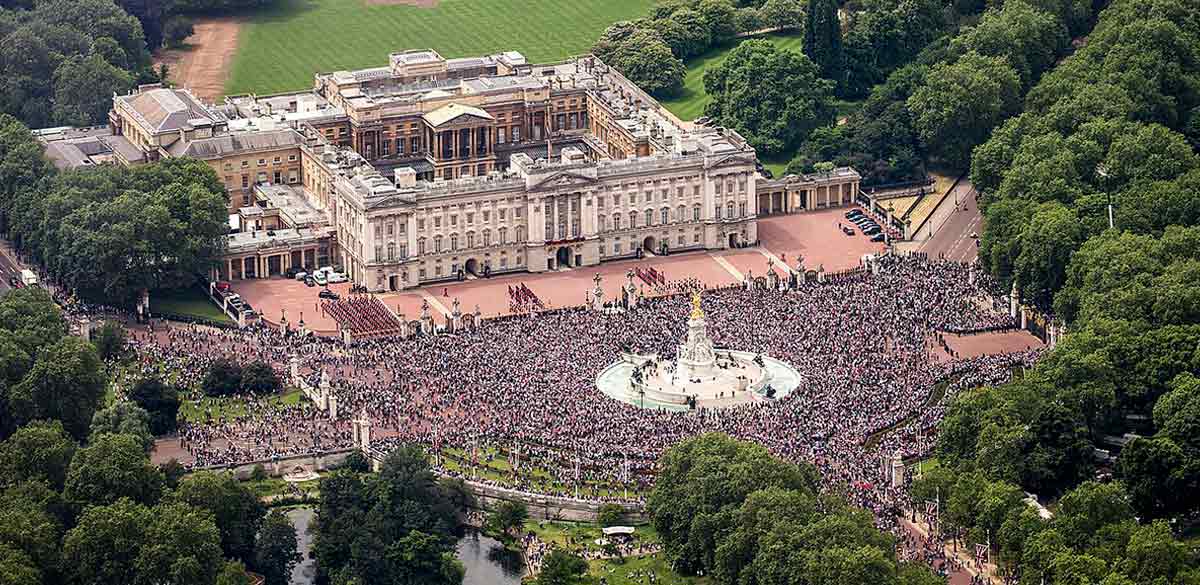
Buckingham Palace is the most iconic royal palace in England and a symbol of the grandeur of British royalty, but its history as a royal palace is relatively recent. The palace owes its name to John Sheffield, Duke of Buckingham and Normanby, whose mansion Buckingham House was completed in 1703. It was bought by King George III for his wife Queen Charlotte in 1761 and known as the Queen’s House.
The house was George III’s main London residence and was known colloquially as Buckingham Palace by the end of the 18th century. In 1826 King George IV commissioned John Nash to transform the house into a fully fledged palace. After George’s death, his younger brother William IV hired Edward Blore to complete Nash’s work with plainer ornamentation. The king preferred to live at Clarence House and even attempted to offer Buckingham Palace to Parliament after the Palace of Westminster was destroyed by fire in 1834.
Queen Victoria became the first monarch to live in the completed palace in 1837. Victoria and Albert soon found the palace too small to accommodate their growing family and commissioned Edward Blore to design a new wing to enclose the courtyard. The East Front was completed between 1847 and 1849 and became the public face of the palace, though its current appearance dates from 1913 when it was refaced in Portland stone.
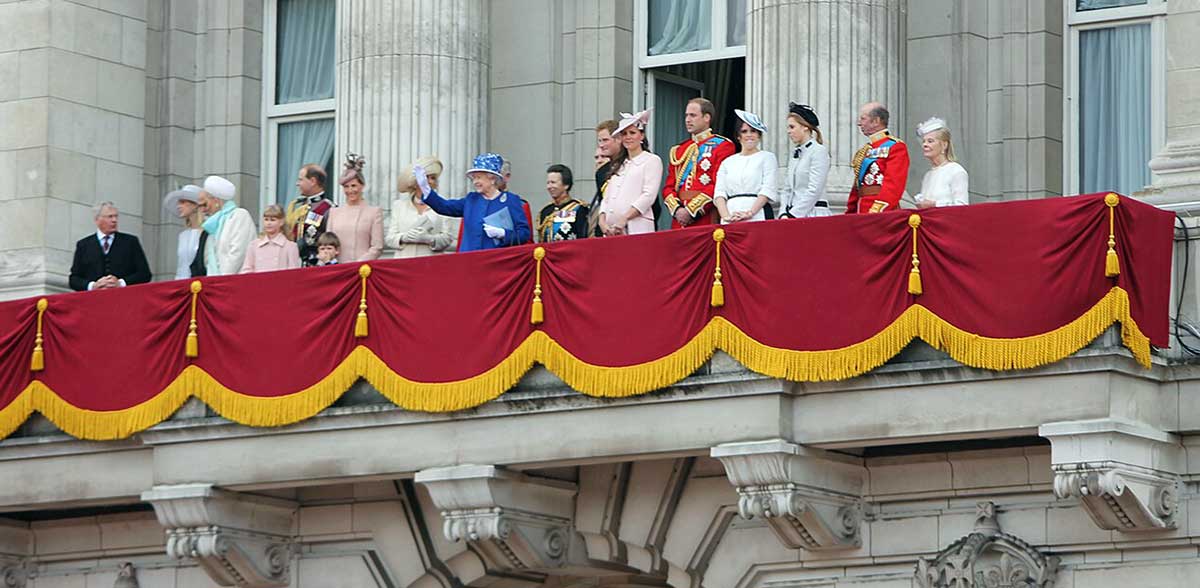
While Buckingham Palace was largely abandoned by Victoria after Prince Albert’s death, it was given an opulent set of state rooms during the reign of the extravagant Edward VII. Buckingham Palace remained the favored London palace for British royals up to Queen Elizabeth II, and the balcony on the East Front has become a focal point during royal events and national celebrations.
Why British Royal Palaces Remain Symbols of National Identity
The magnificent palaces owned by the British Crown may appear anachronistic in the modern age. In fact, most British royals now live in relatively modest cottages and apartments within the grounds of the larger palaces, most of which are major tourist attractions welcoming millions of visitors each year.
Nevertheless, royal buildings such as Buckingham Palace and Windsor Castle are key elements of British national identity. As the most famous monarchy in the world, the British royal family is a significant source of soft power that enables the United Kingdom to punch above its weight on the international stage.
The royal family’s ceremonial role in the British constitution is also apparent in the accreditation of foreign diplomats to St James’s Palace, and the sovereign’s role in the State Opening of Parliament at the Palace of Westminster every year. Far from being historical relics of a bygone age, British royal palaces continue to bear witness to history in the modern age.