
History is full of rebels who would go on to lead the countries they fought against. One such leader was Pierre Nkurunziza, who fought against Burundi and ended up leading the country as its president, serving two terms.
Early Life in a Divided Burundi and the 1972 Genocide
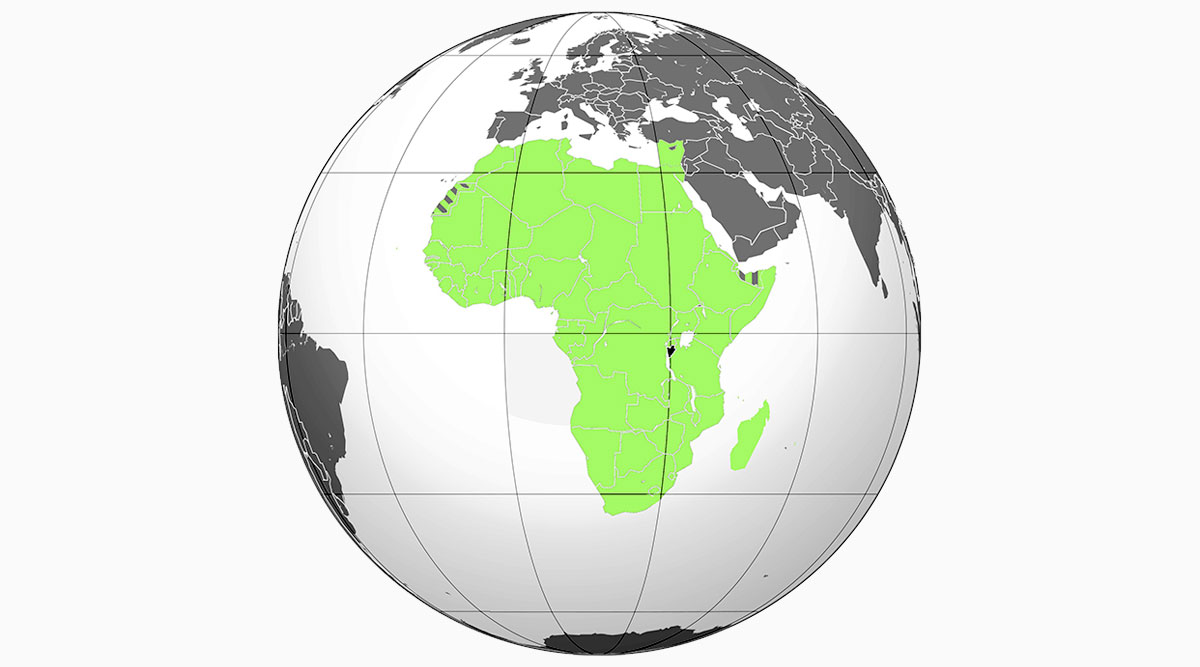
Pierre Nkurunziza was born in the Republic of Burundi in 1964. As the son of a Tutsi nurse and a Hutu politician, he was born into a family that appeared secure at the time. However, shortly after its 1962 independence, Burundi entered into a period of political instability. During its time as a colony of Belgium, colonial administrators favored the Tutsi ethnic group over the majority Hutu. This divide-and-rule strategy created a rift between Hutu and Tutsi leaders, who would compete for power in newly independent Burundi.
This competition turned deadly in 1972 when a major Hutu revolt broke out against the country’s Tutsi government. In response to the uprising, a genocide was unleashed against all educated Hutus. As many as 200,000 Hutus were massacred in the Spring of 1972. The killings were designed to eliminate the country’s educated Hutu population, so that they could remain a permanent underclass. In the aftermath of the Ikiza (Kirundi for ‘The Catastrophe’), educated Hutus were either dead or in exile. Among the deceased was Nkurunziza’s father, one of the many Hutu politicians who had been killed.
From University Lecturer to CNDD-FDD Rebel Commander
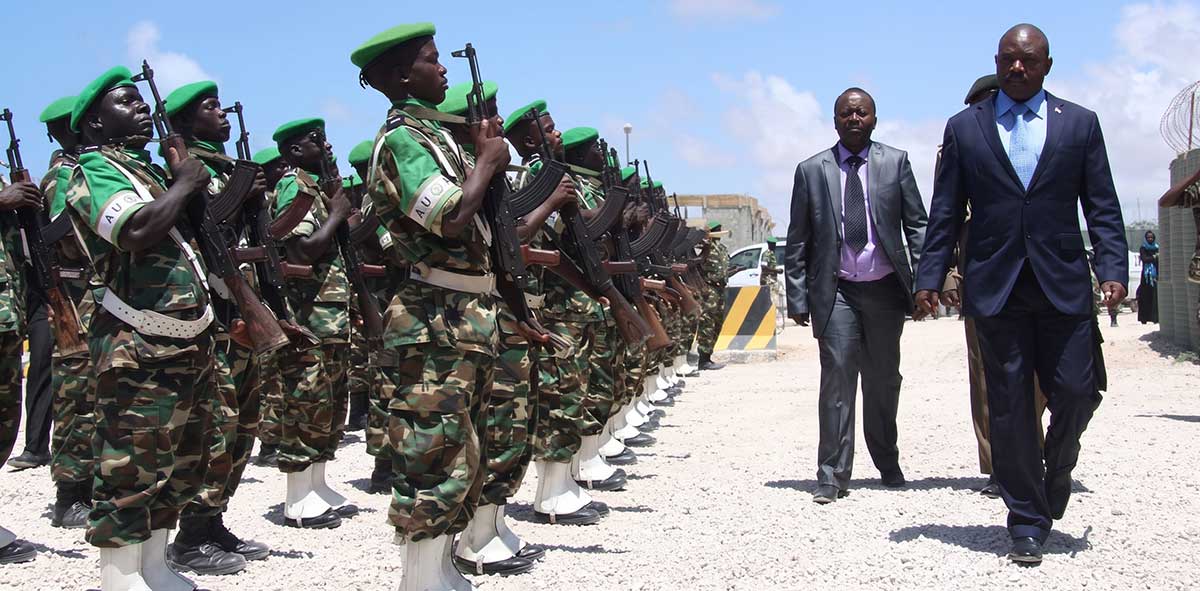
As a young man, Nkurunziza did not follow in his father’s footsteps, instead pursuing a career in athletics. After obtaining his degree from the University of Burundi, Nkurunziza worked as a physical education lecturer and a soccer coach. However, despite his non-political lifestyle, Burundi’s ethnic problems would return.
In October of 1993, Melchior Ndadaye, the country’s first Hutu president, was assassinated by Tutsi army officers. The assassination triggered a genocidal killing of Tutsis by Hutu extremists. In response, the Tutsi-dominated army retaliated against the country’s Hutu population. Aside from targeting those who had killed Tutsis, the government once again attacked educated Hutus. In 1995, the army attacked the University of Burundi, killing several hundred Hutu students. Nkurunziza narrowly escaped the massacre. With his name on the government’s kill list, he joined the rebels.
After his near brush with death, Nkurunziza became a member of the CNDD-FDD, a powerful Hutu rebel group. He lived a perilous life throughout the late 1990s, always on the move against government forces while conducting guerrilla attacks. Despite being wounded several times, he survived the war and eventually became the rebellion’s leader.
From the Arusha Accords to Burundi’s Presidency
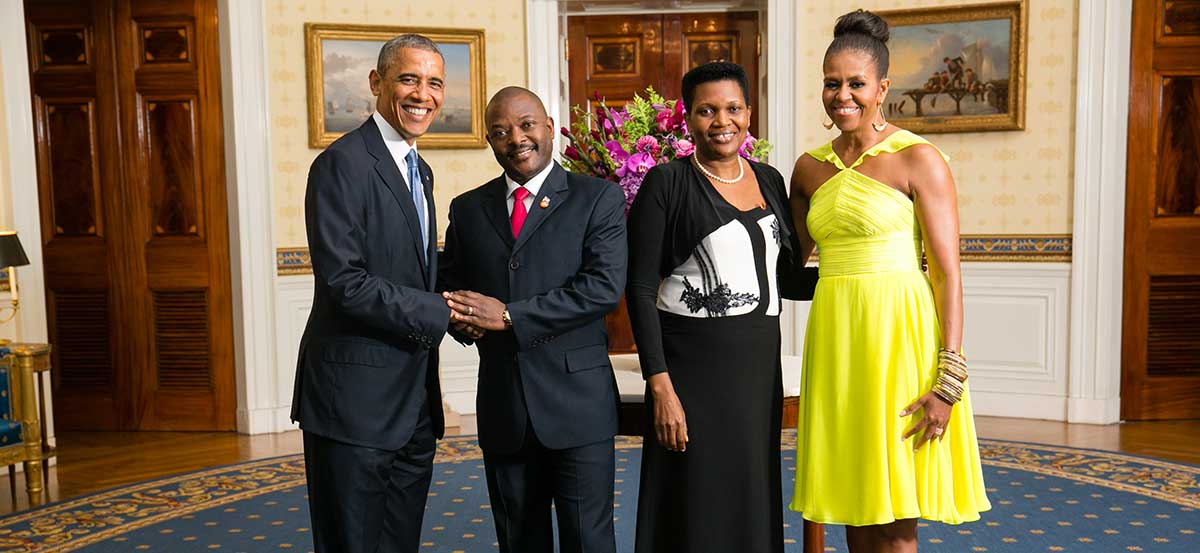
While the Burundian government had initially refused any notion of power sharing with Hutus, they were forced to reconsider their position as the years went by. Despite waging non-stop war, they could not eliminate the insurgents. International pressure led by Nelson Mandela pushed for negotiations with the rebels. As negotiations dragged on, the government was forced to grant concessions to the rebels because of the effectiveness of Nkurunziza’s continued raids.
Finally, in 2002, the CNDD-FDD signed the Arusha Accords, ending their rebellion. As part of the peace process, both sides agreed to disarm and commit to free and fair elections. Nkurunziza went on to win the country’s 2005 presidential election.
As the former rebel assumed power, his great triumph appeared to be more of a tremendous burden on his shoulders. Burundi was devastated by its 12-year civil war. Over 300,000 people had been killed, and the nation needed significant work to recover.
Early Postwar Reforms and an Authoritarian Turn
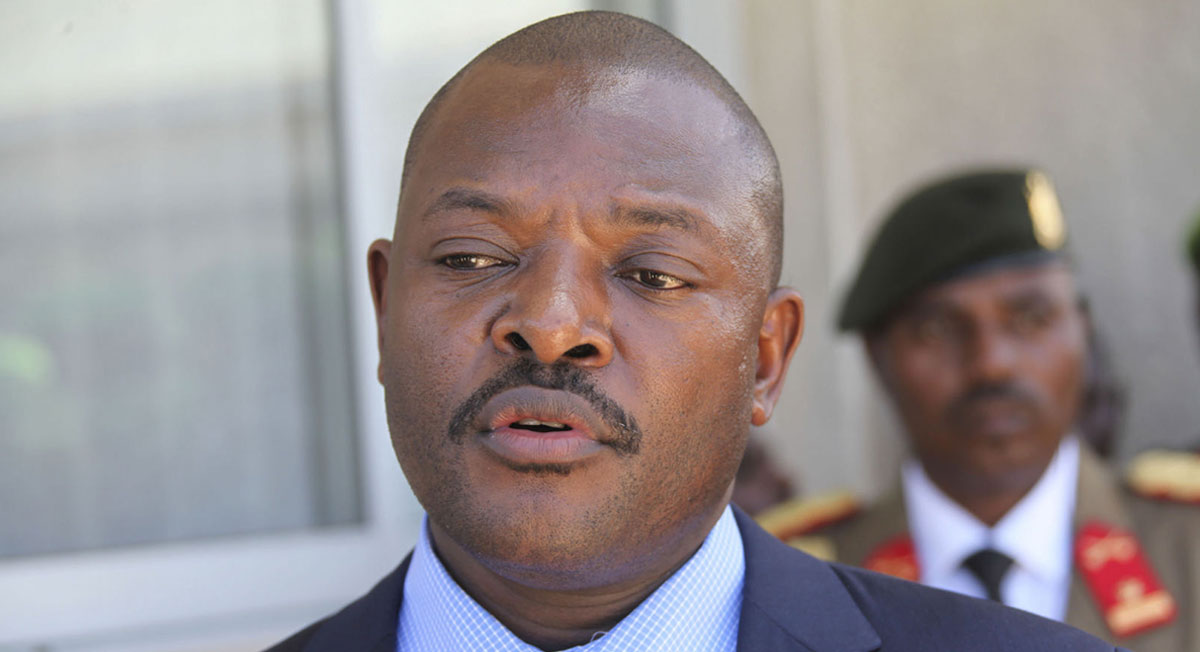
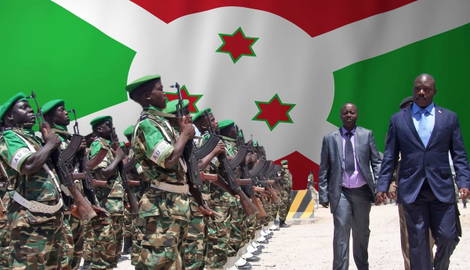
Nkurunziza’s initial years as president were positive. The country’s brutal war was finally over, and order was restored. To prevent future ethnic conflicts, political and military positions were balanced between Hutus and Tutsis, and people were encouraged to see themselves as Burundians first. While the country’s economy improved, Nkurunziza developed an image as an astonishingly humble leader who visited his people on a bicycle rather than in a motorcade.
Burundi’s positive signs would not last forever. Nkurunziza’s ruling party was accused of fraud and intimidation during their unopposed 2010 electoral victory. Things grew worse in 2015 when Nkurunziza announced that he would unconstitutionally run for a third term. The outrage against his slide into authoritarianism was immense and resulted in a failed coup attempt against his government. Despite massive opposition, he continued unhindered.
Dissent was viciously suppressed, and hundreds of thousands fled from political persecution. In one instance, three girls were arrested for drawing on his portrait. Burundi grew increasingly isolated as it withdrew from the International Criminal Court and experienced international sanctions.
Eventually, Nkurunziza announced that he would step down in 2020. However, before he had the chance to relinquish power, he unexpectedly passed away in June of 2020. While his announced cause of death was a heart problem, it is believed that COVID-19 contributed to the death of the 55-year-old.
Pierre Nkurunziza leaves behind a mixed legacy. It cannot be denied that he helped his country end its decades-long ethnic conflict. However, he also continued in the tradition of its past dictators.