
In 1565, the Ottoman Empire launched one of its largest operations in the Mediterranean, against the seemingly small and insignificant island of Malta. It was defended by the Order of Knights of the Hospital of Saint John of Jerusalem. This was a Catholic military order that had previously been expelled from Rhodes by the Ottomans. From their new refuge on Malta, the Knights Hospitaller became a threat to Ottoman shipping, making an enemy of an empire far larger and more powerful than themselves. However, instead of surrendering, the Knights held out through a siege that lasted nearly four months. Their victory shaped Malta for centuries.
From Crusaders to Mediterranean Pirates
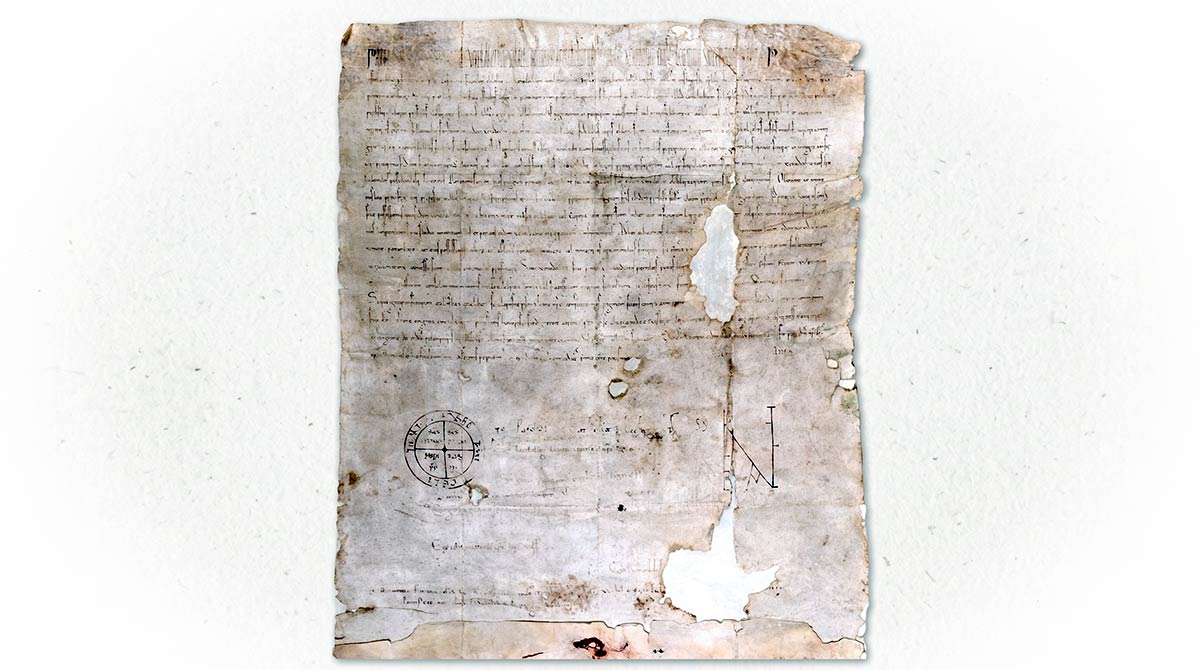
The Knights Hospitaller began as a hospital for pilgrims in Jerusalem, founded by merchants from Amalfi in the 11th century. Under the leadership of Blessed Gerard, it developed into a religious institution, formally recognized by Pope Paschal II in 1113. It took on a military character as conditions in the Crusader states demanded it. Unlike the Templars, the Hospitallers retained their charitable mission despite their new responsibilities.
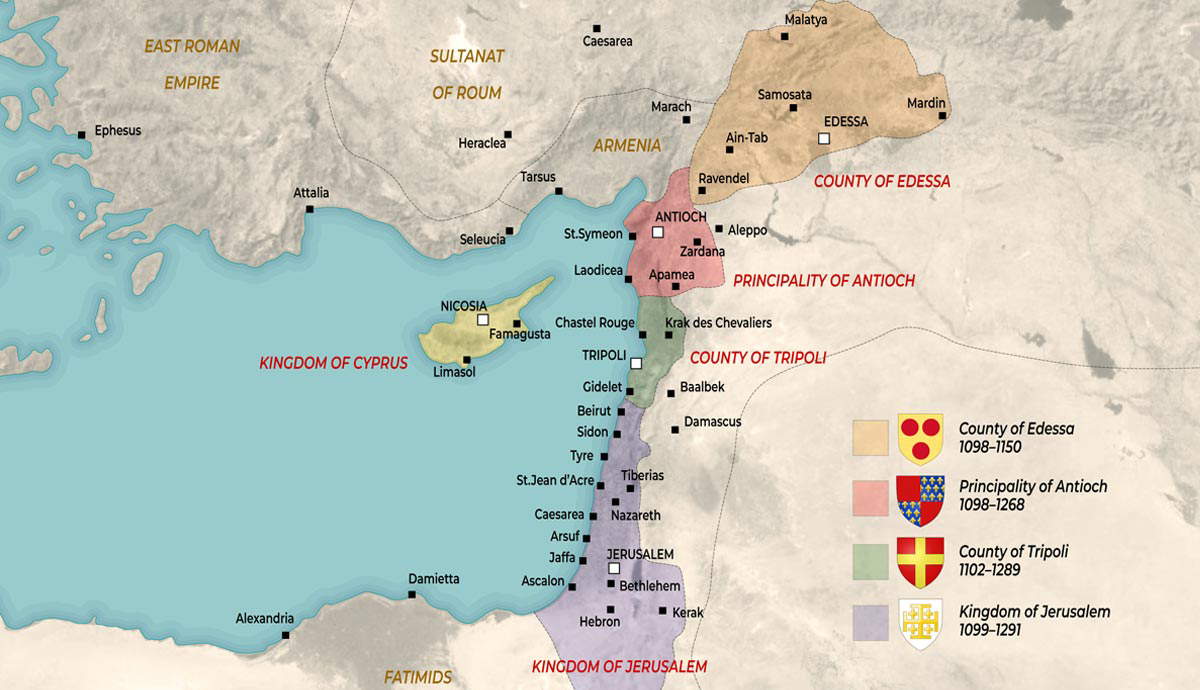
The fall of the last major Crusader stronghold at Acre in 1291 forced the Hospitallers to leave the Holy Land. They temporarily settled in Cyprus, then conquered Rhodes and the neighboring islands between 1306 and 1310. Since Rhodes was close to the coast of Anatolia, the Hospitallers found themselves under threat from the increasingly powerful Ottoman Empire.
After an earlier Ottoman siege failed in 1480, Sultan Suleiman the Magnificent launched a major expedition against Rhodes in 1522. After half a year of siege and fighting, the Hospitallers were defeated. The Sultan treated them with great honor, allowing them to leave peacefully with their possessions. After seven years without a permanent home, the Hospitallers received Malta in 1530 from Emperor Charles V, in return for the symbolic annual rent of a single falcon. The island occupied an important maritime position between Europe and North Africa.
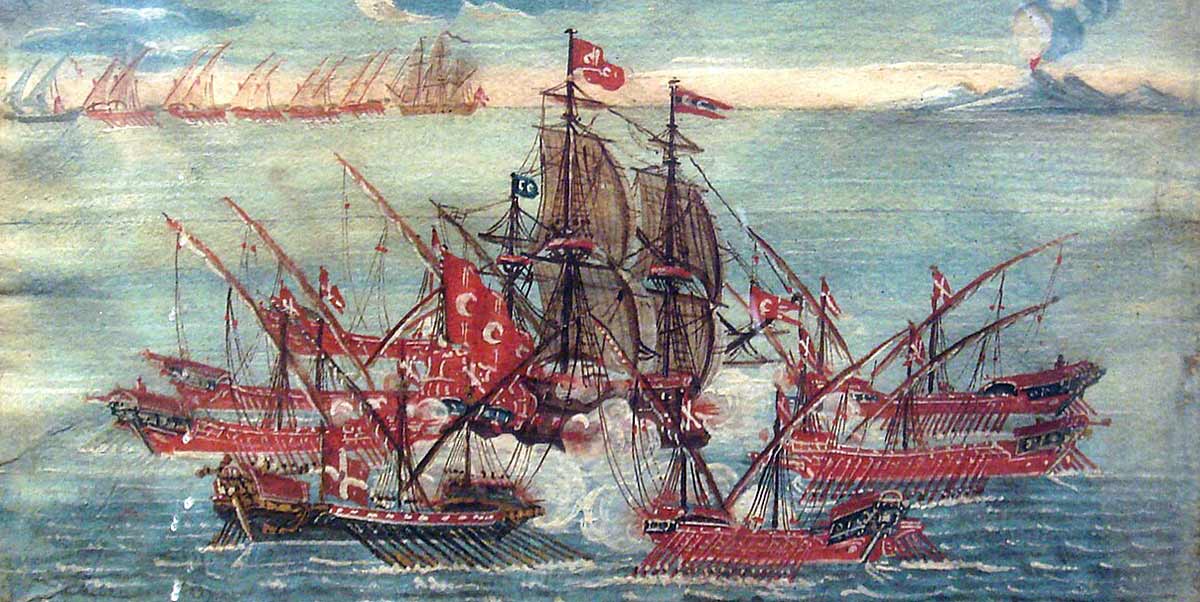
The main occupation of the Hospitallers in Malta was the corso, licensed raiding against Muslim shipping that their enemies regarded as piracy. The reasons were religious as well as economic. By the mid-16th century, the Knights Hospitaller had become a powerful force with a permanent naval force, diplomatic relations, and a well-fortified base.
The Ottoman Empire Sets Its Sights on Malta
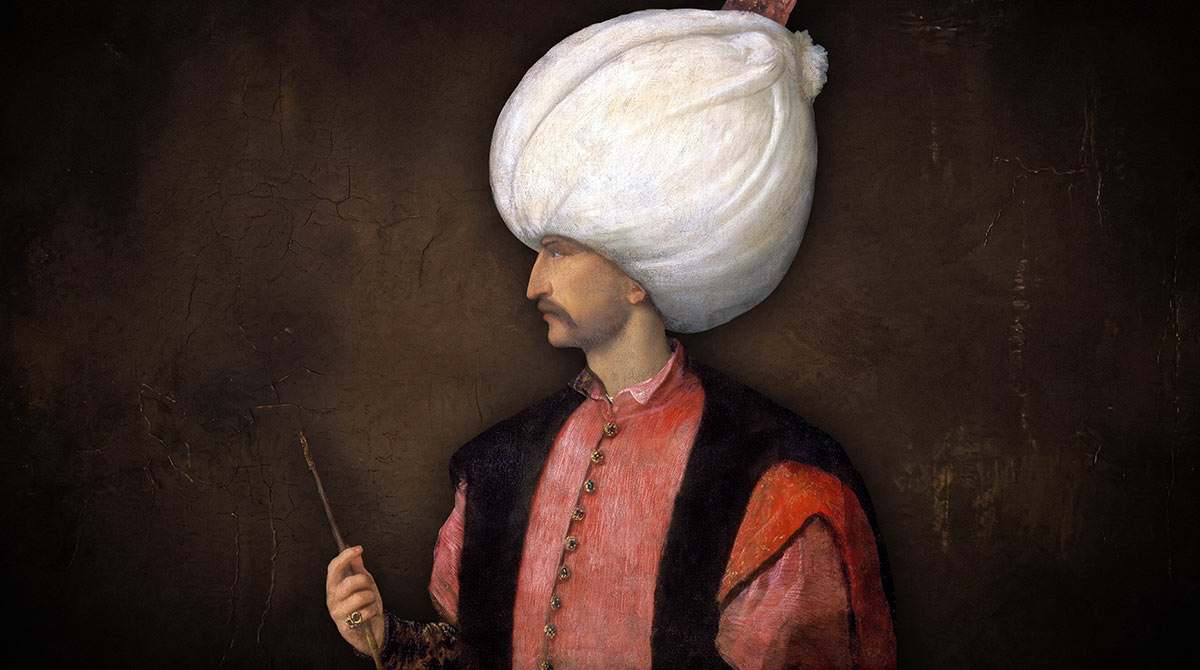
The economic damage the Knights Hospitaller inflicted on the Ottoman Empire through their attacks was enormous. They did not limit themselves to Ottoman ships. They also seized Christian ships carrying Ottoman goods, and they took wealthy, politically important prisoners for ransom. The last straw came in 1564, when the Order’s most notorious captain, Mathurin Romegas, captured a large merchant ship belonging to the chief eunuch of the sultan’s palace, along with several high-ranking Ottoman prisoners. Suleiman the Magnificent had unfinished business with the Hospitallers and, according to later accounts, regretted letting them go at Rhodes.
In the autumn of 1564, Suleiman made the final decision to launch an expedition against Malta. Piyale Pasha, the victor of Djerba in 1560 and husband of Suleiman’s granddaughter, was appointed to lead the naval forces, while the veteran general Kızılahmedli Mustafa Pasha commanded the land forces. Another key Ottoman player was Turgut Reis, known as Dragut, an experienced Barbary corsair and governor of Tripoli. He had extensive experience fighting the Knights and knew the terrain well.
The Ottomans were not embarking on a simple punitive expedition. They intended to destroy the Knights’ headquarters, capture the island, and remove one of the most enduring obstacles to Ottoman naval supremacy in the central Mediterranean.
The Great Siege of Malta Begins
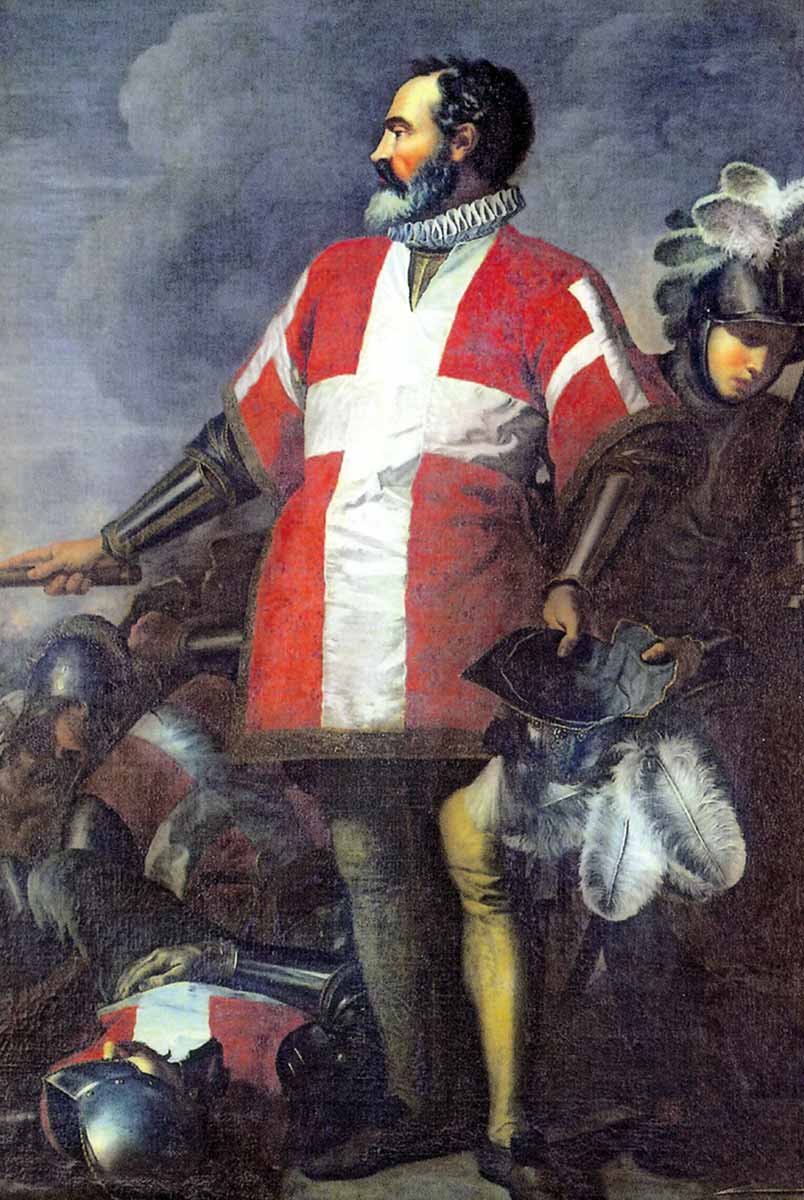
On May 18, 1565, the Ottoman fleet appeared off Malta. Estimates of the Ottoman army range from about 22,000, the figure in letters written during the siege, to 40,000 or more in the chronicles. The defenders numbered only about 6,100, including some 500 knights along with Spanish and Italian soldiers, Maltese militia, servants, and galley slaves.
The Ottomans landed at Marsaxlokk Bay in the south of the island and set up their main camp at Marsa, close to the Knights’ fortifications. They had a precise plan in mind. If they could capture Fort St. Elmo, they would gain access to Marsamxett Harbor and be in a much stronger position to attack Senglea and Birgu.
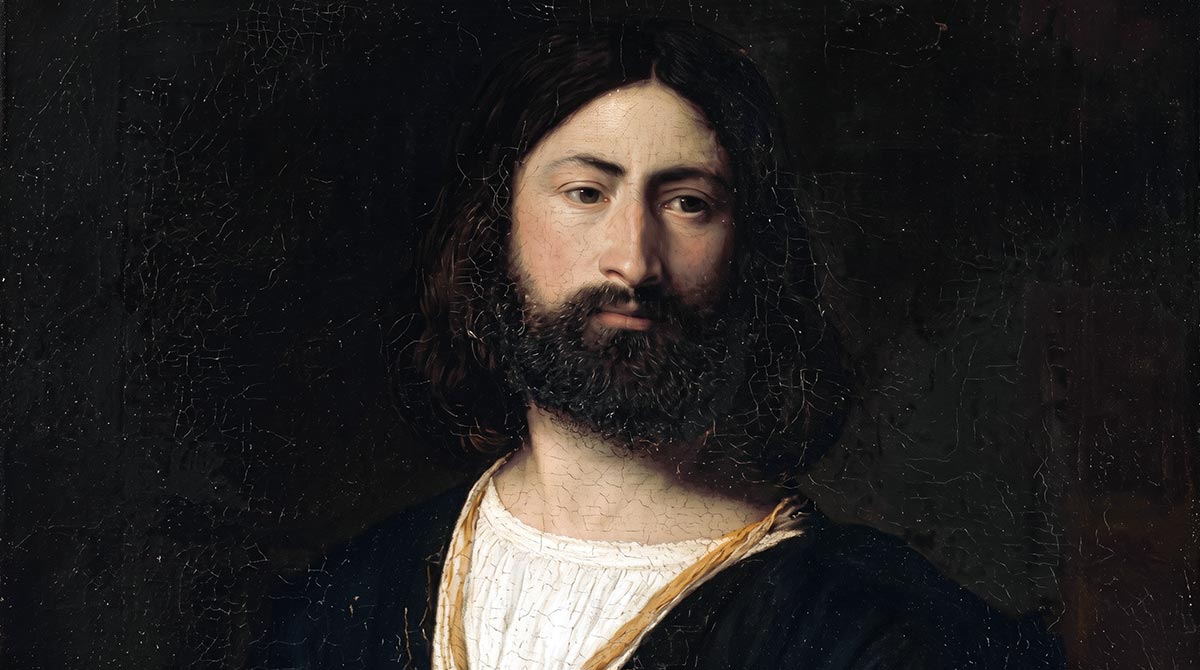
The defenders were led by the Grand Master of the Order, Jean Parisot de Valette. He had spent much of his life fighting the Ottomans. De Valette had prepared for months before the invasion by stockpiling food and ammunition, harvesting every crop, even unripe grain, poisoning the wells the invaders would need, and strengthening fortifications. He knew that the invasion would take time and that time was his greatest asset.
The Knights could not defeat the Ottomans in direct combat. They had to survive long enough for help to arrive from Sicily.
Fort St. Elmo: The Siege’s Bloodiest Battle
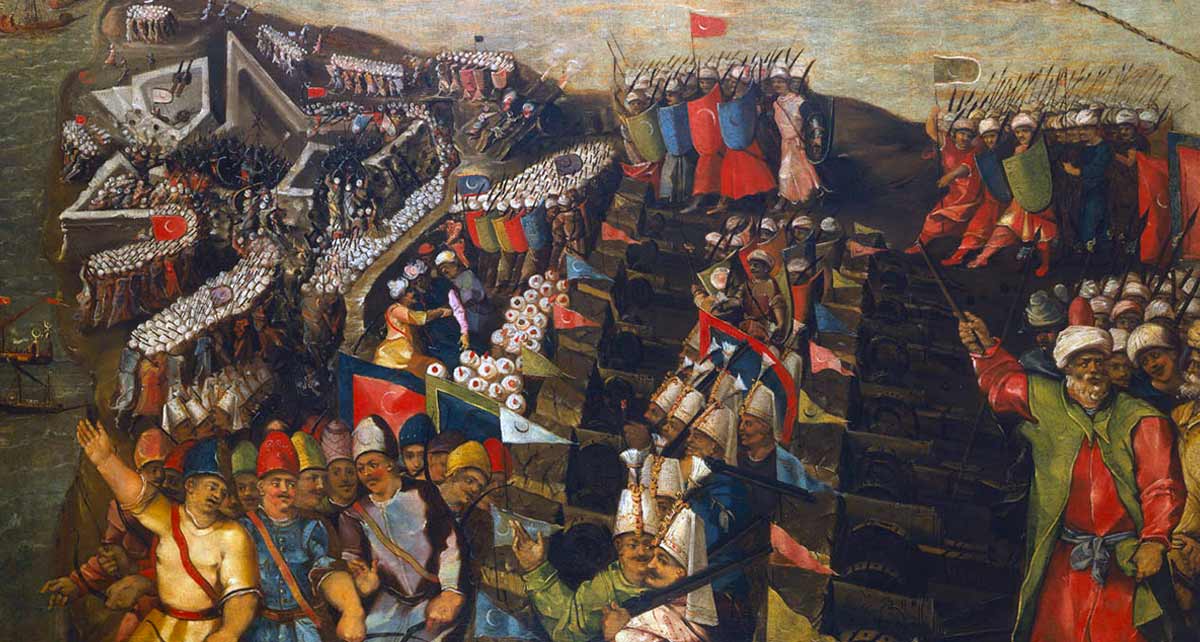
Fort St. Elmo was the first obstacle to the Ottomans. Built on the tip of the Sciberras peninsula, the fort controlled the entrance to Marsamxett Harbor and helped protect the approach to the Grand Harbor. At the start, the fort was held by about 100 knights and 500 Spanish soldiers, and repeated reinforcements brought the number who died there to more than 1,500. The Ottomans attacked with heavy cannons. The defenders responded by using their own cannons against the Ottoman army, and also repairing the damaged walls wherever possible. St. Elmo also received reinforcements from across the harbor, particularly from Fort St. Angelo.
The arrival and landing of Dragut strengthened the Ottoman efforts. His first move was to set up batteries that cut the fort’s boat link across the harbor to Fort St. Angelo. It was increasingly difficult to defend Fort St. Elmo, which had been reduced largely to rubble. On June 16, the Ottomans launched a large-scale infantry attack on the fortress with thousands of soldiers.
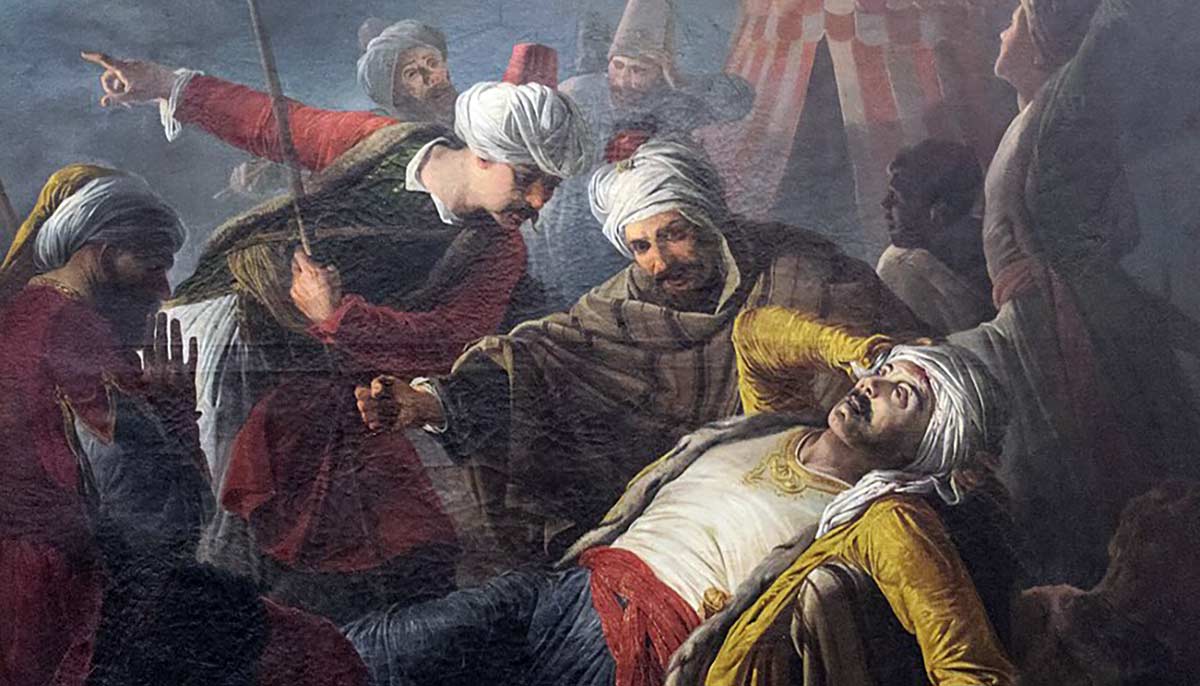
The assault failed, and two days later the Ottomans lost Dragut, who was mortally wounded. Accounts differ, but the most common version says Dragut ordered an Ottoman gun aimed lower, and its shot struck the trench wall and sent stone splinters into his head. Another chronicler credited a lucky shot from Fort St. Angelo.
However, Fort St. Elmo could no longer withstand the cannon fire. The fort was captured on June 23, and the remaining garrison was massacred. The Ottomans achieved their original objective, but it cost them at least 6,000 men, including about half of their Janissaries. Mustafa Pasha then had the headless bodies of dead knights floated across the harbor on mock crucifixes, and de Valette answered by firing the heads of Ottoman prisoners into the enemy camp from his cannons.
How the Knights Held Back an Empire
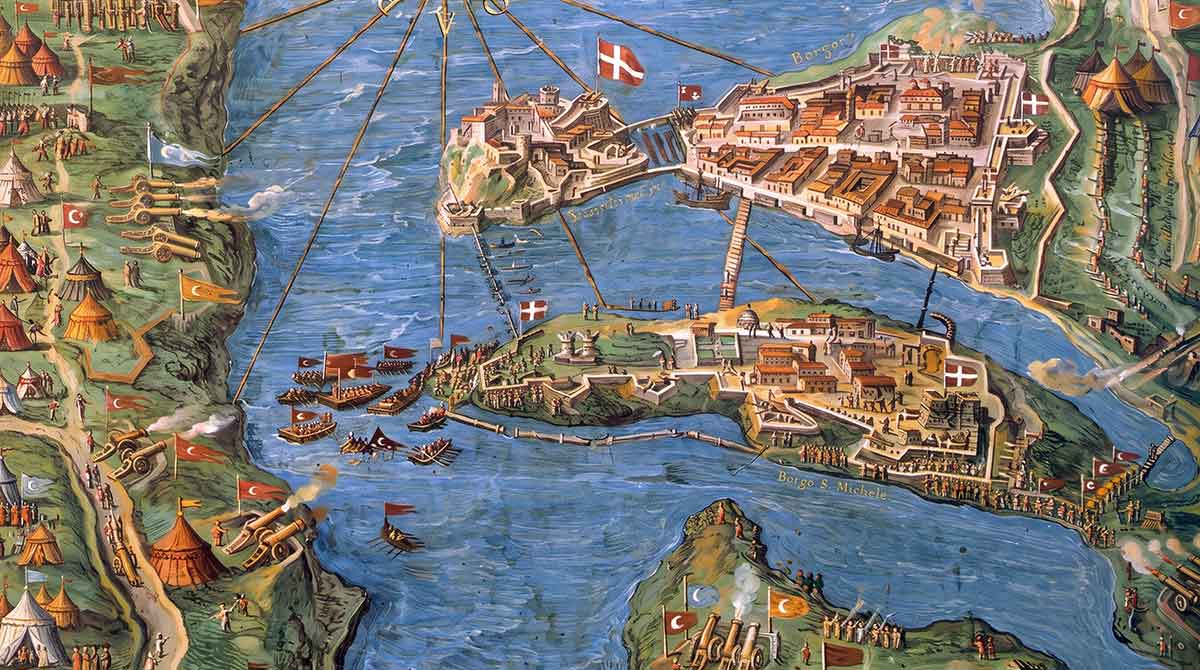
With the fall of Fort St. Elmo, the conflict entered its decisive phase. The Ottoman army turned toward Birgu and Senglea, two fortified peninsulas where the main Hospitallers’ defenses were located. Fort St. Angelo guarded the tip of Birgu, and Fort St. Michael anchored the landward end of Senglea.
The first major Ottoman attack began on July 15. The plan was to attack Senglea from two directions at once. Ottoman troops attacked the peninsula from the landward side while a flotilla of small ships attempted to land troops on its less protected flank. However, the defenders had anticipated this operation and had prepared additional obstacles along the coast. In addition, there was a hidden artillery battery beneath Fort St. Angelo.
As the Ottoman ships approached, the battery opened fire at close range. The Ottomans suffered heavy losses in this attack, with hundreds of soldiers killed and drowned. At the same time, the Ottoman land attack also failed. After this defeat, the Ottomans leaned more heavily on their guns, ringing Birgu and Senglea with some 65 siege cannons in what was probably the most sustained bombardment in history up to that time. Artillery batteries were placed around the harbor and on high ground overlooking Birgu and Senglea.
The knights were constantly repairing what the cannons destroyed, buying themselves time. They also had good intelligence. Information about the next Ottoman attacks came to them from deserters and other sources, so they could concentrate their small force in the right places.
On August 7, Mustafa launched a massive double assault on Birgu and Fort St. Michael, and his troops broke through the town walls. Then the cavalry garrison of Mdina, led by Captain Vincenzo Anastagi, raided the lightly guarded Ottoman field hospital at Marsa. Believing a relief army had arrived from Sicily, the Ottomans broke off the assault just as victory seemed within reach.
The Ottoman army continued its artillery bombardment. Although they had hoped to have the campaign over by the end of the summer, by the end of August, they still had not managed to breach the fortifications. Time was running out, and with it, resources.
The Ottoman Army Runs Out of Time
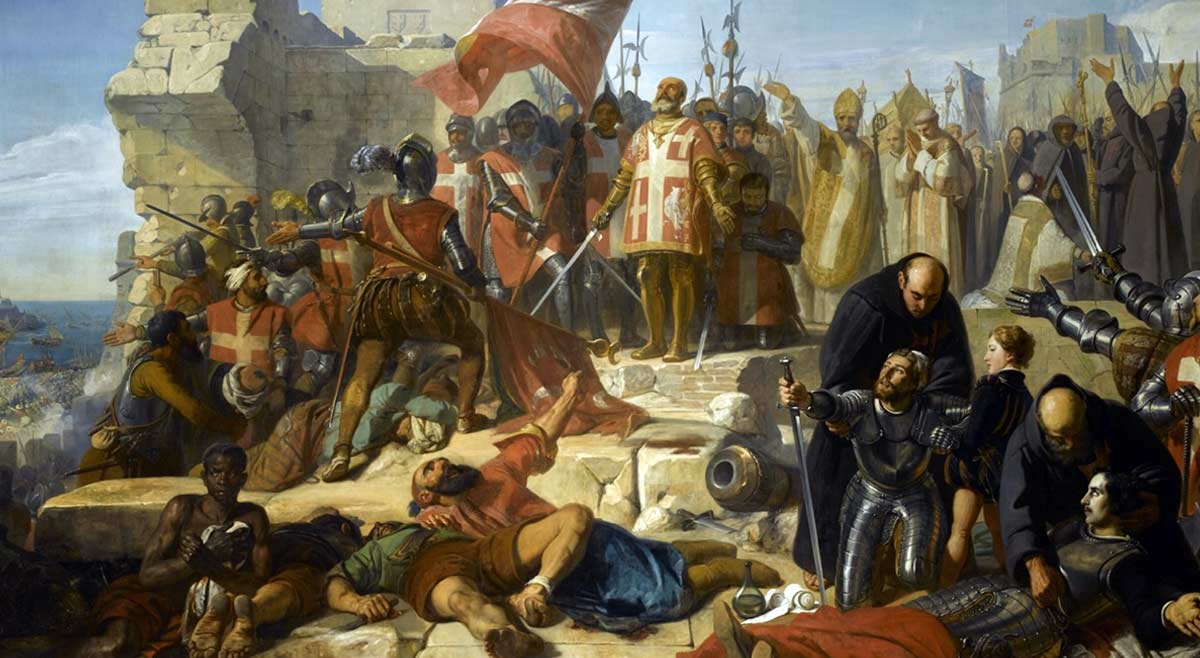
By September, both sides were suffering from heat, a lack of food, water, and ammunition, disease, and exhaustion. The Maltese were in a slightly better position because they were on home soil. Christian relief forces were gathering in Sicily under García de Toledo, viceroy for King Philip II of the Spanish Habsburgs.
The Ottoman commanders were in a deep dilemma. They could continue to attack the forts or retreat before more substantial help could arrive. Neither option was attractive. Then, on September 7, help finally arrived for the Maltese. A force known as the Gran Soccorso (“Great Relief”), organized by García de Toledo, landed at St. Paul’s Bay in the north of the island.
It is estimated that there were about 8,000 men. They consisted mainly of Spanish and Italian soldiers sent by the Spanish Empire, the Duchy of Florence, the Republic of Genoa, the Papal States, and the Duchy of Savoy.
Mustafa Pasha, believing the relief force was far larger than it was, ordered his army to reembark. The siege was effectively abandoned, and the Ottoman troops began to retreat to their ships. The retreat, however, was not peaceful or simple. When a deserter told him the relief force was smaller than his own, Mustafa landed his troops again, but on September 11 veteran Spanish infantry routed them near Mdina and cut down many as they fled to their ships.
The Aftermath of Malta’s Great Siege
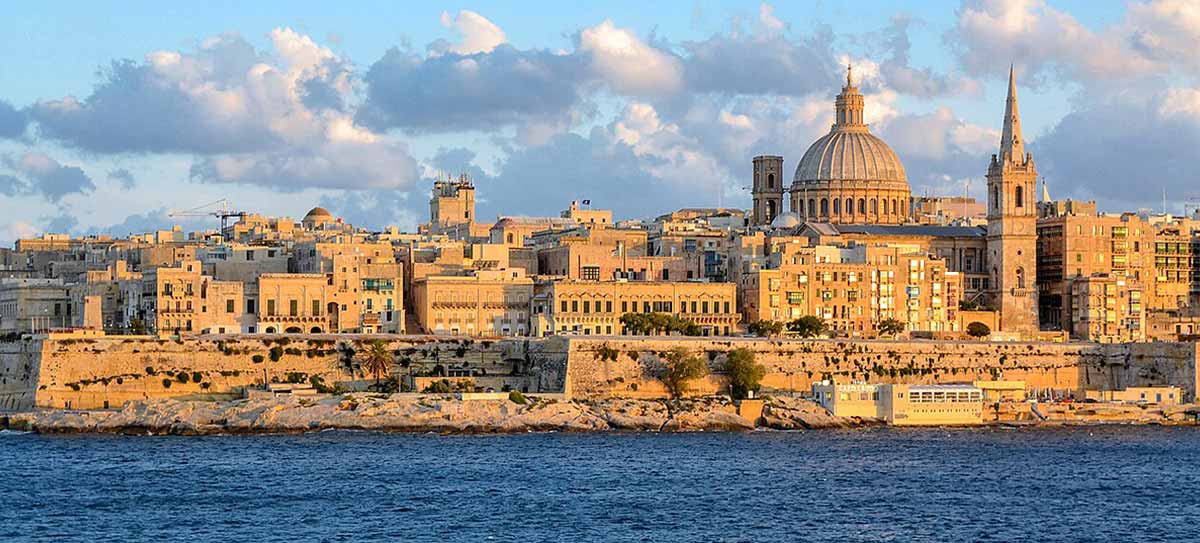
The siege incurred enormous costs on both sides. The Knights lost about a third of their number, Malta lost perhaps a third of its people, and Birgu and Senglea were left in ruins. On the other hand, the Ottomans failed to fulfill their mission and capture the island. Ottoman deaths are estimated at between 25,000 and 35,000. The Ottomans never attacked Malta in force again.
Hospitallers decided to build a new fortified city on the Sciberras peninsula, a hill that separates the two main ports. This city would provide a much better defense in case of another invasion. The project progressed with incredible speed. Francesco Laparelli, a papal military engineer, was sent to Malta to design the new city, and the Maltese architect Girolamo Cassar later played a major role in its construction. Jean Parisot de Valette laid the foundation stone on March 28, 1566. The city was named Valletta in his honor.
The news of the Ottoman failure spread quickly through Europe, and the prestige of the Hospitallers grew. The Ottoman Empire, however, was far from broken. It conquered Cyprus in 1570 and 1571 and rebuilt its fleet within months of its defeat at the Battle of Lepanto in 1571. It remained one of the greatest powers in the Mediterranean.