
The 1986 Chernobyl disaster was one of the most devastating nuclear accidents in history, and the events surrounding it are still somewhat shrouded in myth, urban legend, and state secrecy. The scientific facts have frequently become overshadowed by fallacies that have arisen over the decades following the Chernobyl disaster. These misunderstandings surround the consequences of radiation and the causes of the meltdown.
Here are five myths about Chernobyl, debunked.
Myth 1: The Explosion at Chernobyl Was Like a Nuclear Bomb
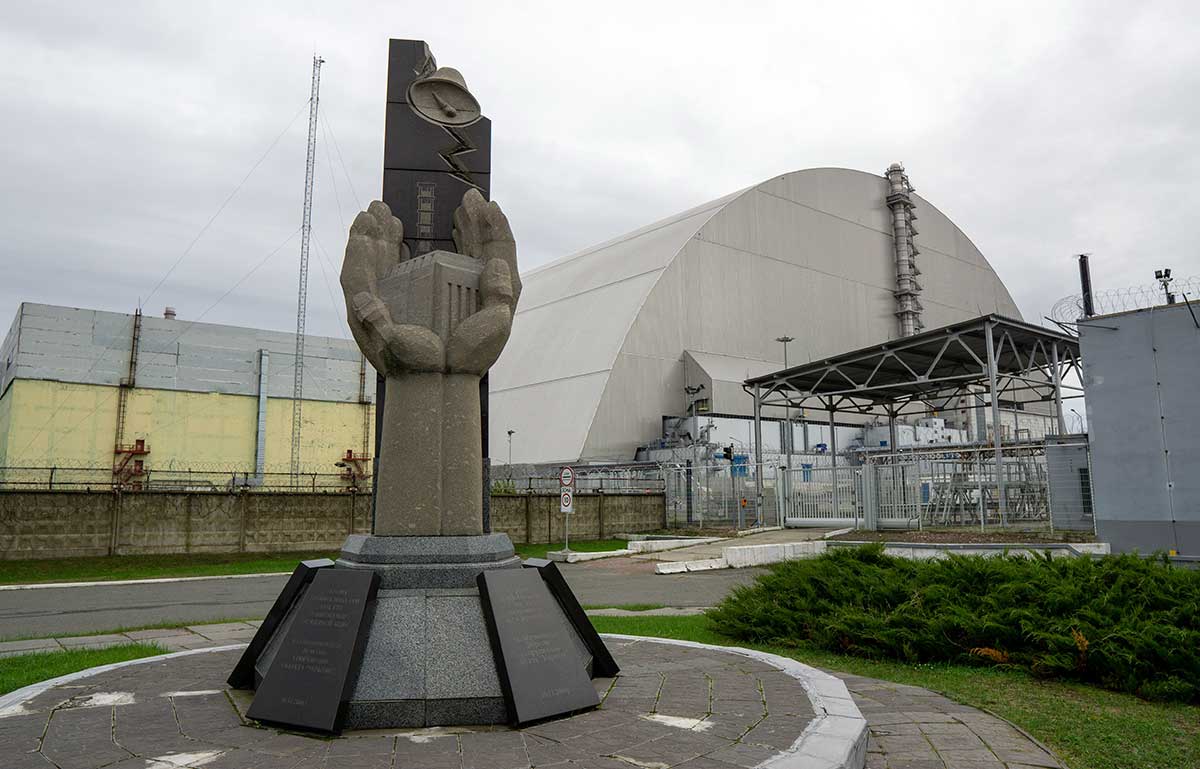
Since 1986, many people have been mistakenly led to believe that the Chernobyl tragedy was similar in scale to that of a nuclear explosion like the one that flattened Hiroshima. The vast damage that Reactor No. 4 sustained in the initial steam explosion and the high radiation levels that followed have led many to wrongly believe that a nuclear blast was to blame. However, the technical reality of the explosion at Chernobyl differs greatly from that of a nuclear bomb. The explosive force that a nuclear weapon produces is created via a carefully regulated chain reaction in which fissile material instantly reaches a supercritical mass, releasing a tremendous amount of radiation and energy within a split second. By contrast, a completely different physical mechanism and nuclear reaction were in effect at Chernobyl.
On April 26, 1986, an unexpected power surge at Chernobyl Reactor No. 4 resulted in a steam explosion within the core. This destroyed the roof of the reactor building and spread radioactive debris over the surrounding area. A poorly managed safety test caused the reactor’s power output to spike to a level well above its operating capacity. This resulted in a rapid buildup of steam pressure that caused the graphite containment to break, setting off an explosion. Although a large amount of radioactive material was discharged in the explosion, the mechanism did not resemble the chain reaction that causes a nuclear explosion.
Fundamentally, the RBMK type of reactor that Chernobyl used was unable to physically produce an atomic explosion, an important aspect of the events that is often overlooked. Rather, the radioactive elements that are used within an RBMK to generate power were not properly cooled. This caused a graphite fire and a steam explosion, which discharged radioactive isotopes into the environment.
Myth 2: The CIA Sabotaged the Chernobyl Reactor, Causing It to Explode
According to one of the most sensational myths surrounding the Chernobyl disaster, the CIA somehow sabotaged the reactor to destabilize the Soviet Union. The proponents of this theory contend that the explosion was purposefully planned to harm the strategically important Soviet nuclear program and injure the reputation of the USSR abroad. However, this theory is not backed up by any reliable evidence. Despite keeping the initial specifics of the disaster under wraps, the Soviet Union itself later conducted extensive investigations into the incident and later concluded that internal failures—specifically a combination of a faulty reactor design and human error—were to blame for the events of April 26, 1986.
Since the Chernobyl nuclear plant was located in a highly sensitive area that was closed to civilians, it is unlikely that a foreign agent would be able to infiltrate the plant. Moreover, the majority of the workers at the Chernobyl plant were Soviet citizens, and declassified state documents showed no signs of internal sabotage. The real reasons behind the disaster have been well-established.
The myth has persisted well after the collapse of the Soviet Union in part due to the enduring nature of narratives from the Cold War that tended to place the blame for all failings within the USSR on foreign instigators. Simply put, the idea that the CIA was somehow involved in the Chernobyl disaster is fundamentally infeasible because the disaster affected not only the Soviet Union but also most of Europe as the fallout spread. As the disaster unfolded, it also threatened to plunge Europe into a nuclear winter. In the end, the theory is unproven and generally considered a conspiracy theory that has been fed by the political atmosphere of the Cold War.
Myth 3: The Elephant’s Foot is the Most Radioactive Object on Earth

Deep in the bowels of the ruined Chernobyl reactor is a large mass of radioactive material known as the “elephant’s foot.” The early reports of its discovery soon after the 1986 accident gave rise to the widespread belief that the elephant’s foot is the most radioactive object on the planet. Following the explosion and meltdown, this notorious mound of corium—a mixture of melted nuclear fuel, lead, and structural material—formed beneath Reactor No. 4. At the time, the radiation produced by the elephant’s foot was unbelievable. Cleanup workers measured as much as ten thousand roentgen per hour emanating from the mass. Early photographic recording had to be done remotely or at considerable risk to the scientists and cleanup personnel because standing close to it for even a few minutes may have been lethal. Because of these risks, it was widely considered to be the most deadly and radioactive object on Earth.
However, because of the natural process of radioactive decay, the radioactivity of the elephant’s foot has steadily decreased over the decades. Over time, unstable radioactive elements quickly lose their intensity, and the short-lived isotopes present within the corium have largely decayed. Although the level of radiation within the elephant’s foot no longer poses an immediate threat to life, it is nevertheless considered a highly dangerous and radioactive object.
In reality, there are currently many radioactive objects across the planet that are considerably more radioactive than the elephant’s foot. Spent nuclear fuel rods from operational reactors and nuclear waste storage facilities that hold elements with much longer half-lives are just a few examples. Moreover, some naturally occurring deposits of high-grade uranium ore are also extremely radioactive.
Myth 4: The Entire Chernobyl Region Is an Uninhabitable Nuclear Wasteland
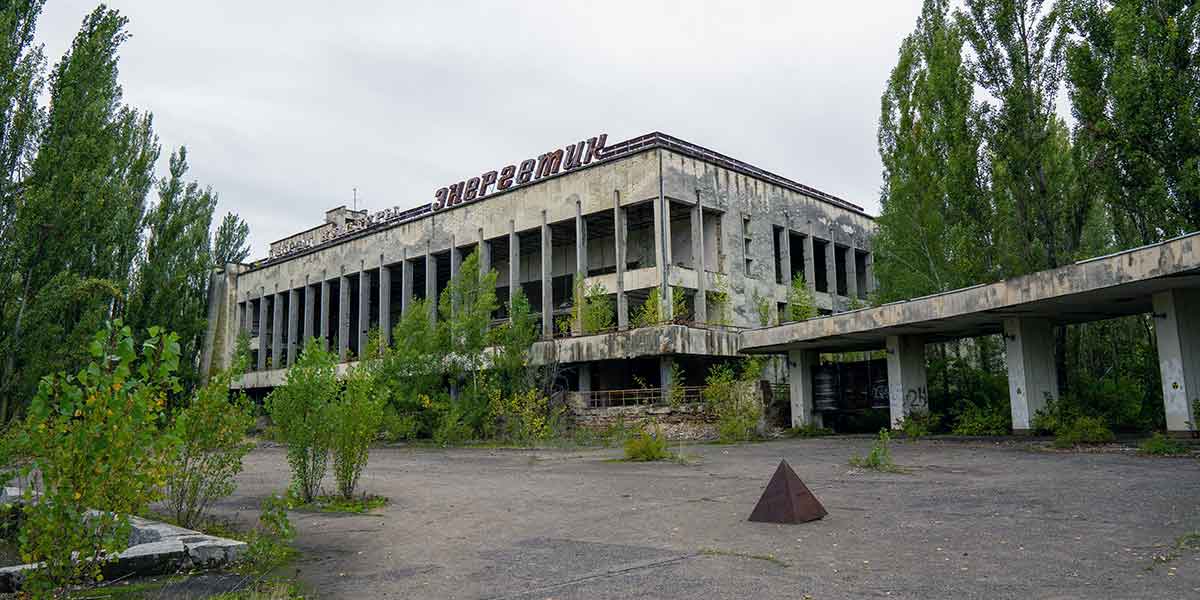
Another common myth surrounding the Chernobyl nuclear disaster is that the entire area is currently a desolate, dead, nuclear wasteland. The reality of the Chernobyl exclusion zone is much more complicated. While some parts are still extremely polluted and unsafe for long-term occupancy, some areas are relatively safe to inhabit. The exclusion zone has a wide range of radiation levels; certain regions are hotspots, while others have comparatively low levels of contamination. It is true that some isotopes, such as strontium-90 and cesium-137, which have half-lives of roughly 30 years, do persist in the environment. However, other radioactive substances, including iodine-131, decay far more quickly and are no longer considered to be a serious hazard.
Perhaps the most obvious evidence that dispels this common myth is the unprecedented return of wildlife to the exclusion zone. This provides observers with a rare opportunity to study the ecological impacts of radiation exposure on a large area without human activity. Countless animals have flourished in the exclusion zone, including bison, wolves, wild boars, and even rare wild horses. The idea that the Chernobyl region is a nuclear wasteland can be challenged by extensive research that quite clearly shows the area has become something of an unofficial nature reserve.
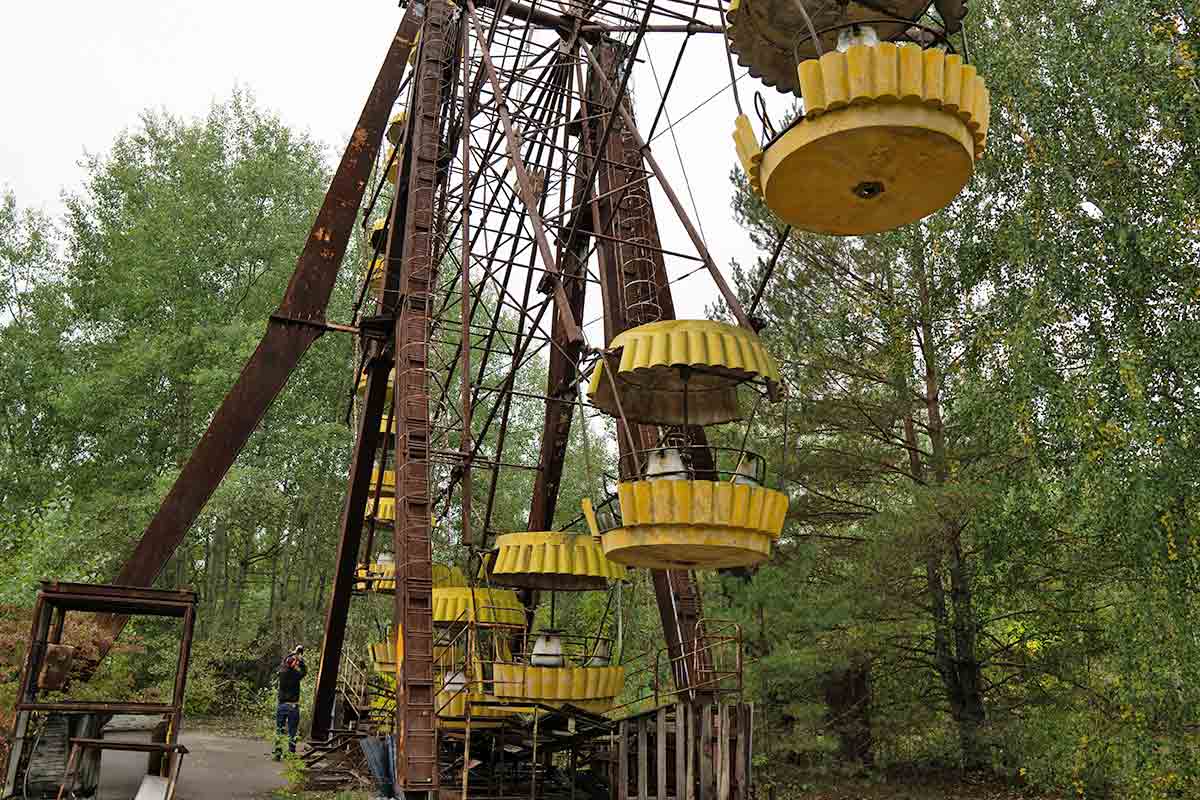
Moreover, the Chernobyl region has been populated by a permanent group of workers that continue the process of properly disposing of the contents of reactor number 4. Notably, the disaster only affected one reactor at the Chernobyl NPP; there were several other reactors active for decades following 1986, and these were manned by a group of engineers and scientists. In addition, Chernobyl tour companies offer guided visits to the exclusion zone, allowing visitors to freely explore the abandoned city of Pripyat among other locations.
Myth 5: Chernobyl Caused Widespread Mutations and Severe Deformities

One widely held myth is that the fallout from the Chernobyl disaster caused an epidemic of serious abnormalities and mutations in the local population, especially in children born around the time of the incident. While there were some cases of infants born with genetic mutations resulting from excessive radiation exposure, the vast majority of children have not been born with a severe or pervasive physical abnormality, and the adult population did not spontaneously develop mutations.
One factor that reduced the immediate consequences of radiation exposure was the fact that nearly all residents were evacuated following the incident, which decreased the amount of time they were exposed to radiation. However, there is documented evidence that exposure to the isotope iodine-131, which was spread over a wide area due to the ensuing fire from the Chernobyl reactor, significantly impacted thyroid cancer rates.
While thyroid cancer rates did increase dramatically, and some birth deformities did occur, there has been no evidence that human DNA has been directly affected. Therefore, the assumption of widespread, apparent malformations or hideous mutations is not supported by any kind of scientific consensus, despite the fact that Chernobyl survivors still suffer from health problems to this day.
This myth has most likely arisen due to exaggerated media representations that emphasize individual outlying cases of birth defects, which do not accurately reflect the reality across the general population. Research on the impact of radiation within the human population surrounding the Chernobyl exclusion zone has shown that although some genetic abnormalities do occur, they are not as common or as visually striking as is frequently portrayed.