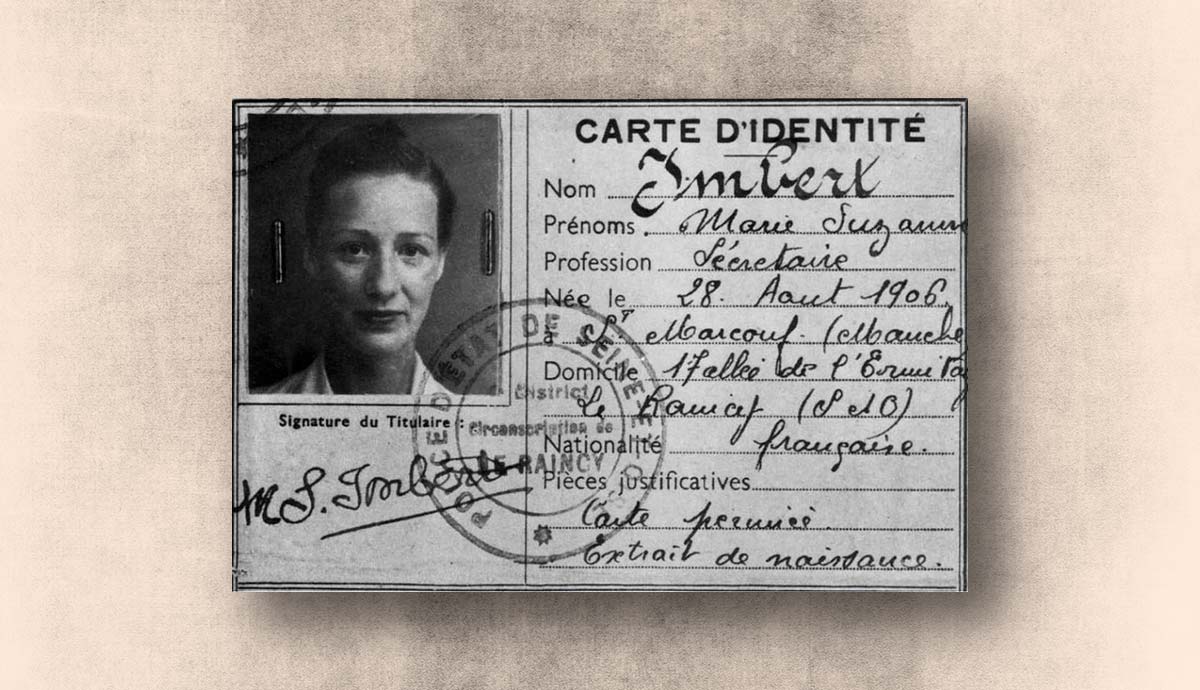
Nancy Wake, a New Zealand-born, Australian-raised journalist, lived in France and traveled around Europe from the late 1930s. She saw fascism’s terror firsthand and despised it. With France’s surrender in 1940, she joined the underground. Nancy soon emerged as a resourceful operative and consistently escaped the traps the Gestapo set for her, earning her the moniker of “the White Mouse” from her enemies. She mastered strategy, intelligence gathering, sabotage, and full-unit guerrilla warfare. By 1944, Nancy supported 7,000 fighters, one of the largest Maquis groups.
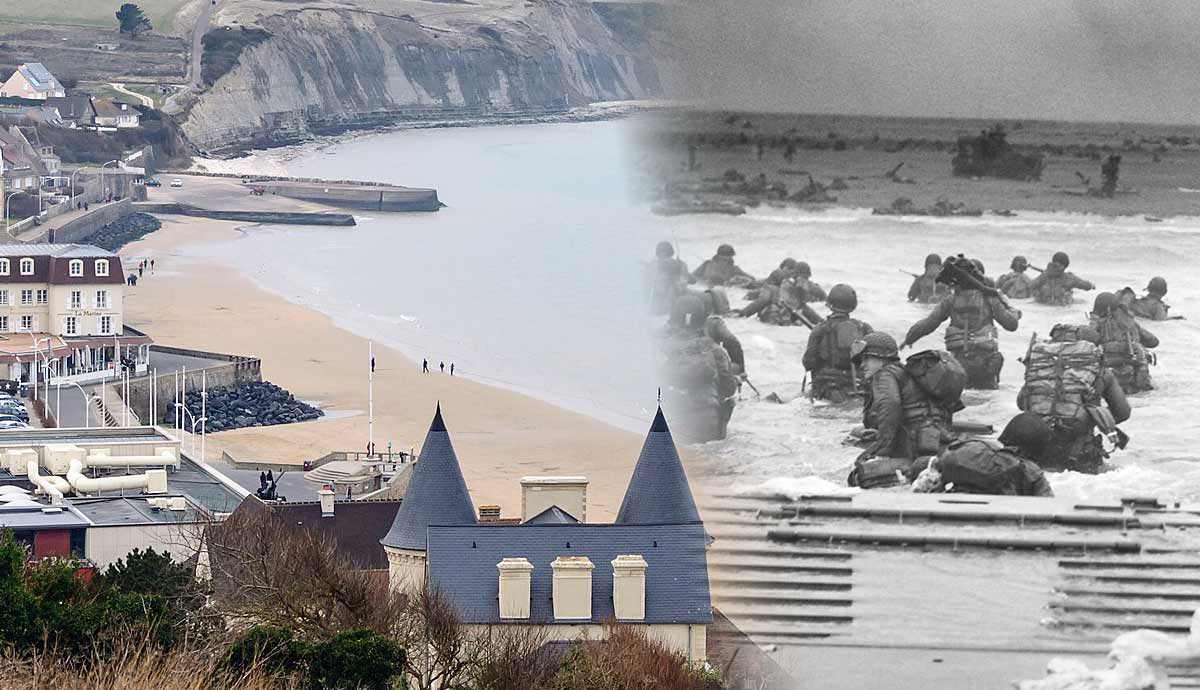
For the Germans, Nancy Wake’s Maquis operated effectively, tying down German formations desperately needed to oppose the June 6, 1944, D-Day landings. Yet Nancy’s story started far from Europe.
The Making of an Agent
Nancy Wake’s life didn’t begin in France but rather in New Zealand. Born there in 1912, she later migrated with her family to Sydney, Australia. At 16, restless and lively, she left home for Europe via an inheritance and studied journalism. Her assignments sent her to the continent. There, Nancy witnessed fascism’s rise and brutality, such as Nazis whipping Jews. Events like these sparked her hatred of the movement.
In 1939, she married a French manufacturer, Henri Fiocca, and settled in Marseille. Following France’s collapse in June 1940, Nancy quickly sided with the Resistance, first by opening her home, but her responsibilities quickly grew.
By late 1940, Nancy’s role had grown. She began to smuggle pilots and civilians. Her remarkable French fluency, charm, and unflappable nature allowed her to get through checkpoints, often carrying messages, money, or papers. Nancy drove, biked, or walked all over southern France. Given these risks, Nancy faced immediate execution if caught.
A Nickname, Escape, and the SOE
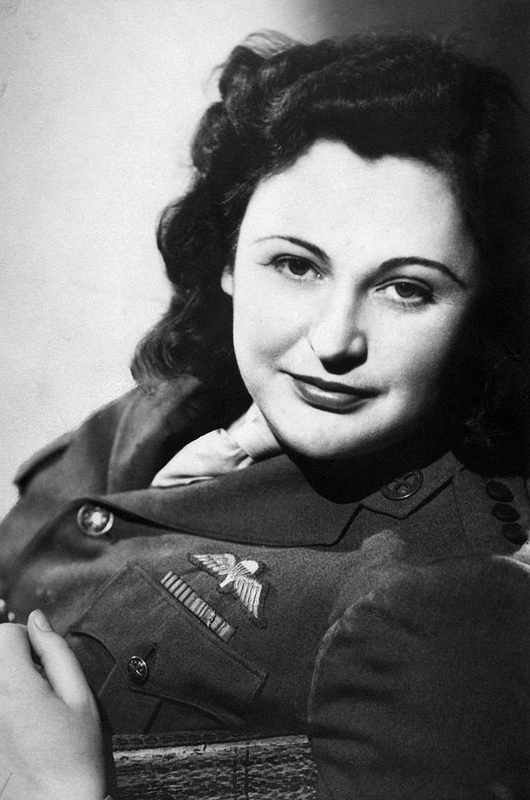
By mid-1941, Nancy’s continued success made the Gestapo aware of her. Through interrogations, informants, and surveillance, they discovered a dark-haired, Australian, French-speaking woman was their target. Somehow, this agent continually escaped Gestapo nets. Frustrated, the Germans gave this ghost the moniker “the White Mouse,” thus creating a legend. Due to pressure, Nancy had to escape to England in June 1943.
Upon Nancy’s arrival in England, the Special Operations Executive (SOE) quickly noted her talents for clandestine operations in France. Naturally fluent, resourceful, and cool under pressure, SOE officers recruited Nancy into their ranks. Sent to SOE training camp, Nancy trained in weapons, explosives, parachuting, and many other combat skills. More importantly, SOE camps stressed psychological conditioning, intending to give agents survival skills in a hostile country where failure usually meant death.
Into the SOE, Then Back into Action
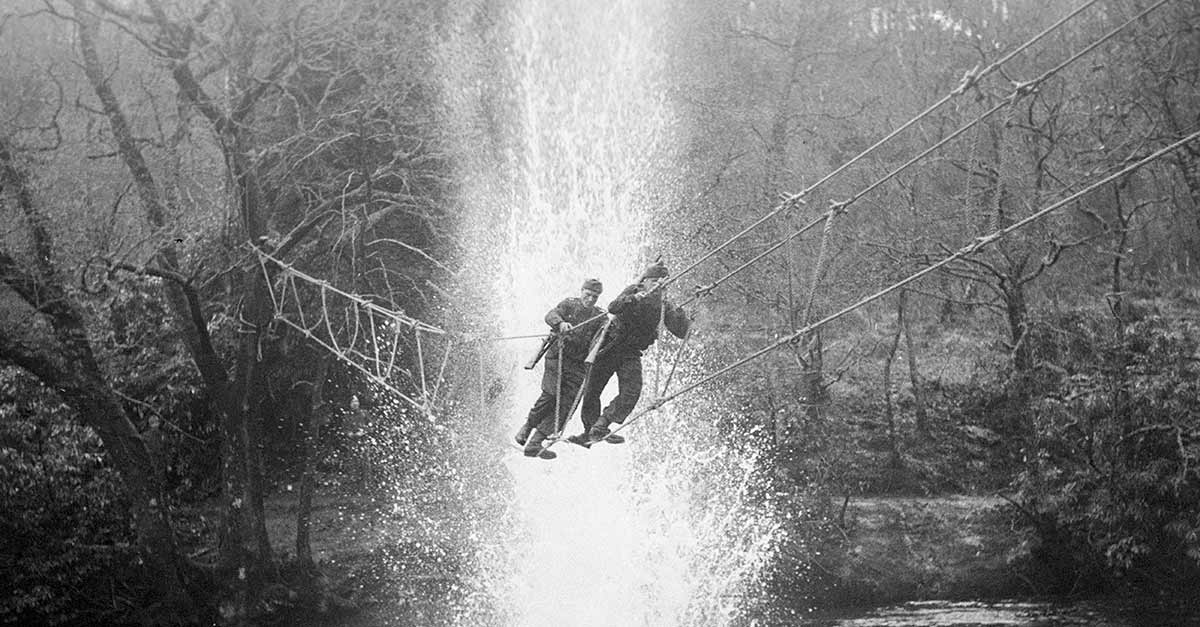
Given Nancy’s history, SOE command also recognized her abilities. She impressed both her instructors and comrades, and was rated an “excellent shot.” With her training completed, she parachuted into the Allier region of France on April 29-30, 1944. Her mission: Unite, prepare, and coordinate Maquis groups for D-Day operations. Nancy soon discovered the Maquis’s fragmentation, whether due to ideological differences, competing aims, or pressure from the Wehrmacht. She crisscrossed the region, unifying the groups.
Nancy Wake gained the Maquis’s confidence through competence. She demanded obedience and discipline, but delivered too. She arranged supply drops of guns, radios, and explosives, ensuring these reach the intended groups. Nancy established training in new weapons to increase guerrilla fighters’ effectiveness.
Under Nancy’s support, the Maquis began a brutal campaign. Across her area of responsibility, they attacked German garrisons, blew up railroads, and disrupted communications. This forced the Germans to react, keeping forces away from the important Normandy beaches.
The Commander of 7,000
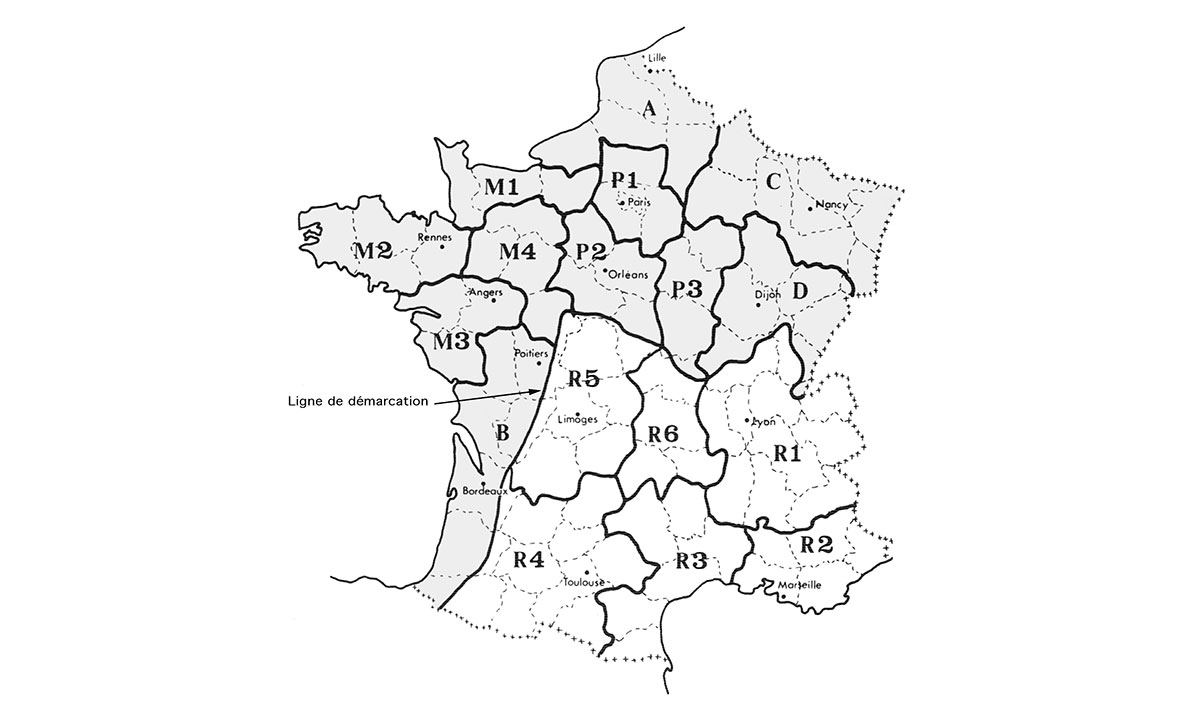
Luckily for the Maquis, Nancy was no armchair leader. Practical and fierce, she went on raids, exchanging gunfire with German forces and taking the same risks that built a lifelong legend. She didn’t tolerate slackers, held everyone to identical high standards, and removed anyone who endangered the mission.
Among SOE’s feats, Nancy’s legendary bicycle ride is perhaps unmatched. After a German raid forced her radio operator to burn the codes, Nancy pedaled some 300 miles in about 72 hours through German roadblocks to request new codes. After this, and her consistent ability to deliver or achieve what she promised, Nancy cemented her reputation among the Maquis. Meanwhile, Nancy kept recruiting, training, and issuing weapons, swelling the Maquis ranks to 7,000 fighters by early June.
Nancy Wake brought together disparate Maquis groups in just five weeks. She used her sheer ability, willpower, and intelligence. The Maquis groups under her sway kept Wehrmacht troops engaged, who could have been used to oppose the Allied Normandy landings. Postwar, numerous governments awarded Nancy Wake for her efforts.