
Nietzsche addresses the enigmatic character of the sovereign individual only once: in the Second Essay of On the Genealogy of Morality. In the secondary literature, there are many different interpretations not only on how we ought to understand the sovereign individual but also on the importance of the concept. After all, Nietzsche brings the subject up in the Second Essay and does not mention it again. Here, I will argue that the sovereign individual is best understood not as a type of person but the personification of an important idea.
The Sovereign Individual
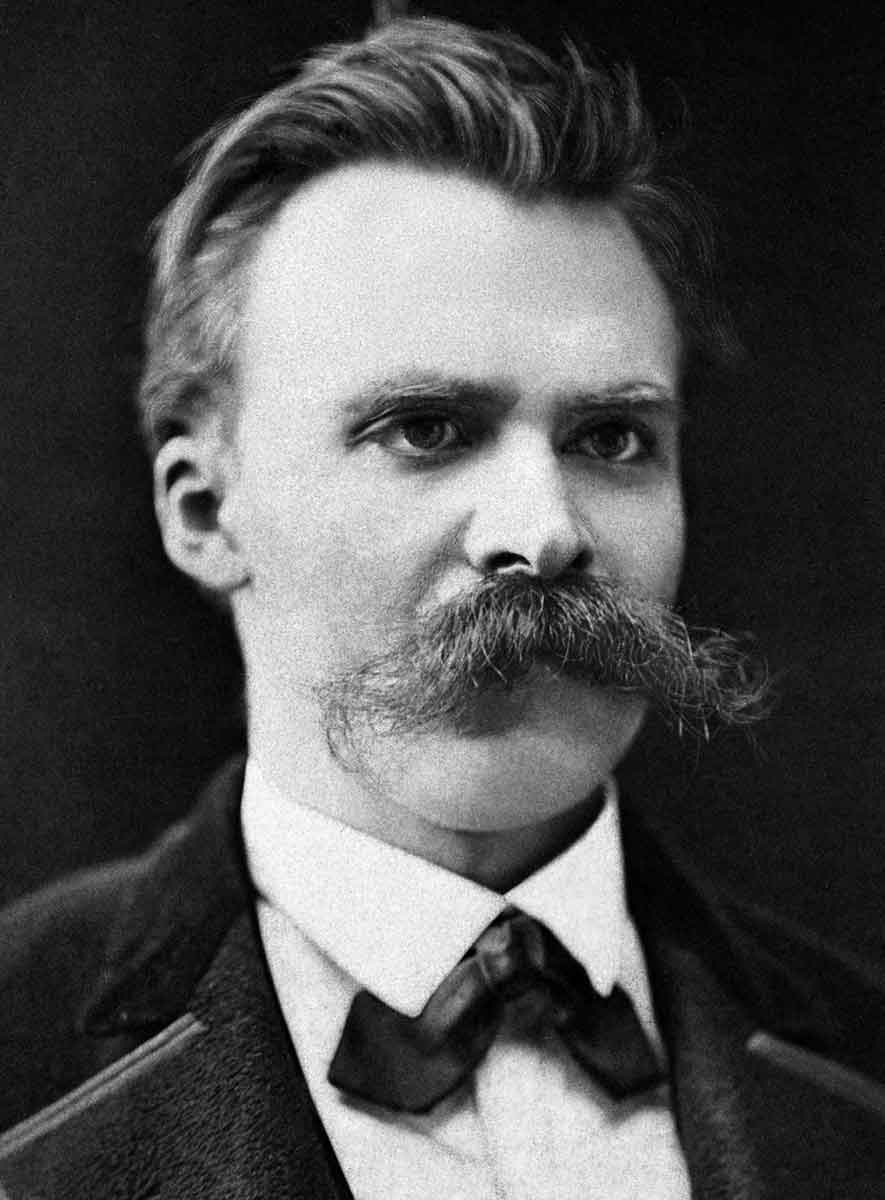
Nietzsche introduces the sovereign individual at the beginning of the Second Essay of On the Genealogy of Morality, and describes him as if he were a real person.
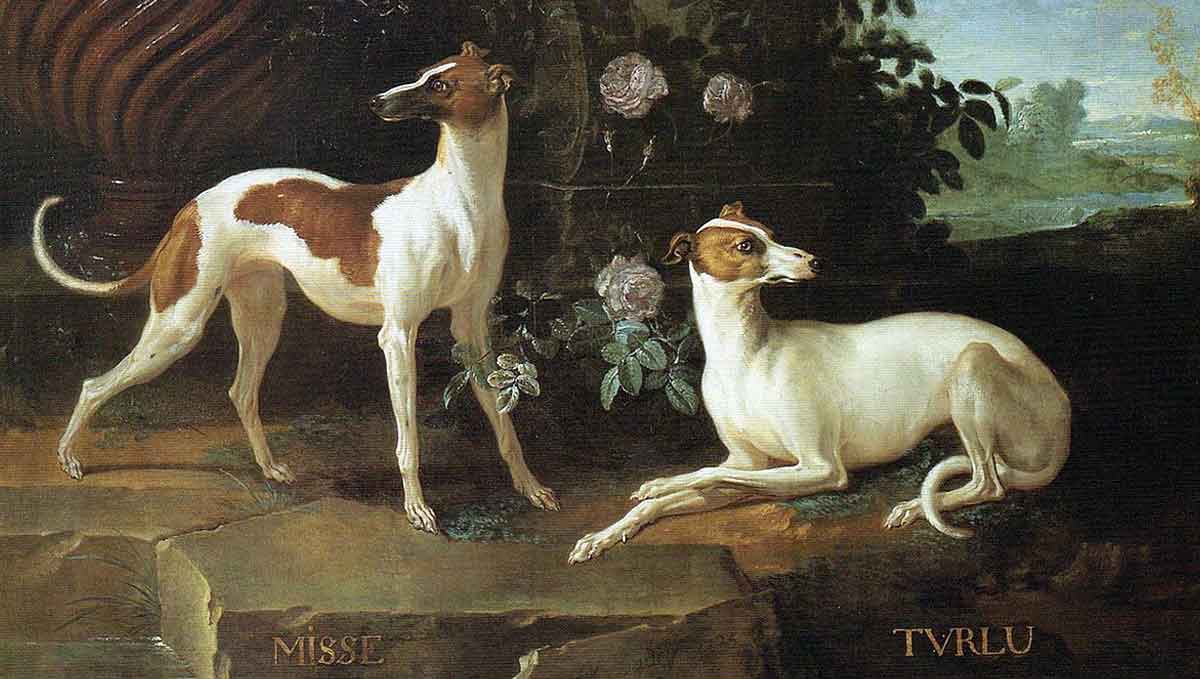
“This man who is now free, who actually has the prerogative to promise, this master of the free will, this sovereign – how could he remain ignorant of his superiority over everybody who does not have the prerogative to promise or answer to himself, how much trust, fear and respect he arouses – he ‘merits’ all three – and how could he, with his self-mastery, not realise that he has necessarily been given mastery over circumstances, over nature and over all creatures with a less enduring and reliable will? The ‘free’ man, the possessor of an enduring, unbreakable will, thus has his own standard of value: in the possession of such a will: viewing others from his own standpoint, he respects or despises; and just as he will necessarily respect his peers, the strong and the reliable (those with the prerogative to promise),– that is everyone who promises like a sovereign, ponderously, seldom, slowly, and is sparing with his trust, who confers an honour when he places his trust, who gives his word as something that can be relied on, because he is strong enough to remain upright in the face of mishap or even ‘in the face of fate’ –: so he will necessarily be ready to kick the febrile whippets who promise without that prerogative, and will save the rod for the liar who breaks his word in the very moment it passes his lips.”
It looks like the sovereign individual is someone who has their own standard of value, different from others. A kind of person whose superiority is derived from their prerogative to promise. Is Nietzsche talking about a real person?
The Personification of Nature
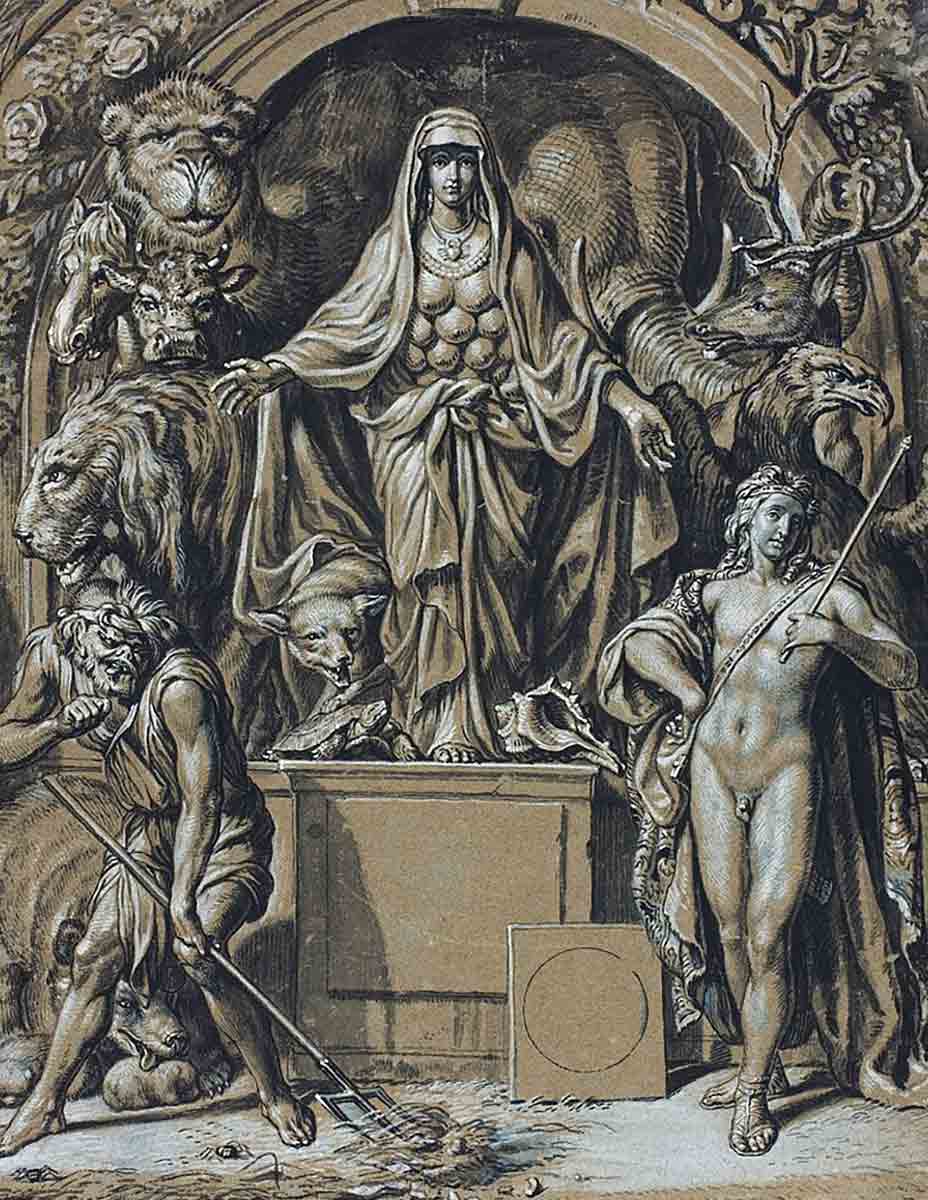
Nietzsche describes the sovereign individual as if they were a person, but not everything is as it seems. He begins the Second Essay with a strange question: “To breed an animal with the prerogative to promise – is that not precisely the paradoxical task which nature has set herself with regard to humankind? Is it not the real problem of humankind?”
Nature here is personified: she sets herself a task. Nothing in any of Nietzsche’s writings suggests he has any kind of belief in a nature deity. Clearly, he is speaking metaphorically. The task he refers to is the evolution of human beings.
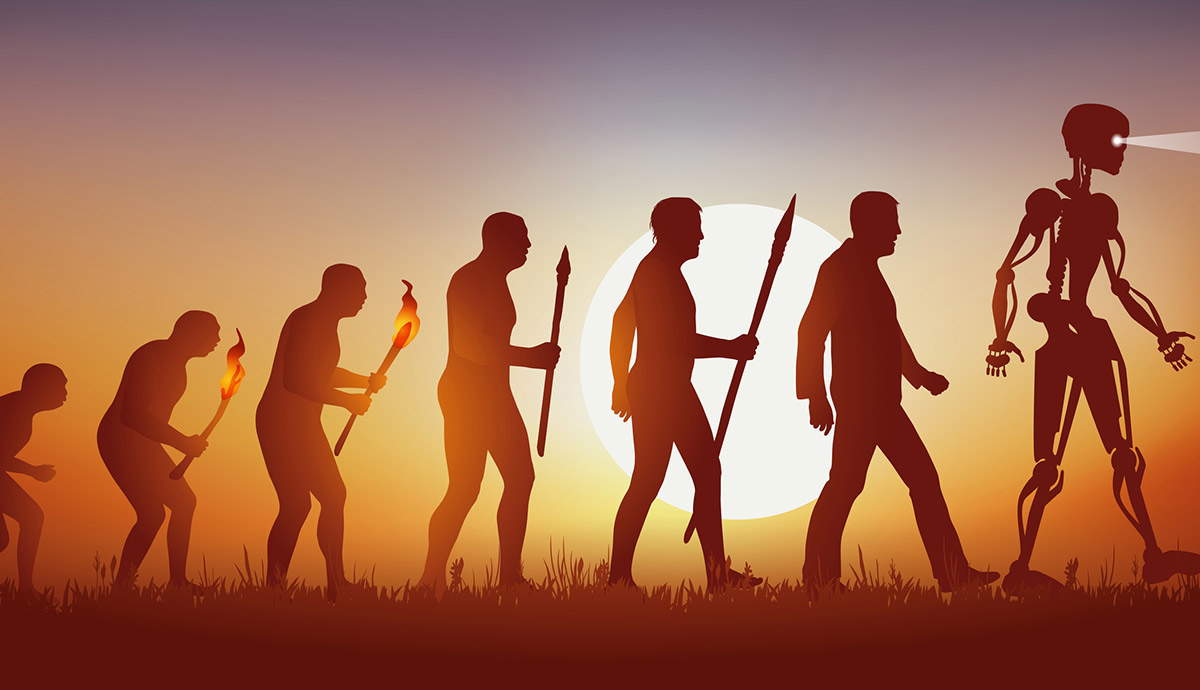
Making and keeping promises is essential for human civilization. Nietzsche offers a story of human evolution in which he uses the character of “nature.” She is a selective breeder attempting to establish the conditions for human civilization. I will argue that the sovereign individual is the personification of a stage in human evolution.
When Nietzsche talks about “the real problem of mankind,” he is not talking about a problem in the sense of something that is harmful that needs to be overcome. Rather, he means a problem in the sense of a puzzle. The puzzle is: how did human beings come to be the way we are?
Solving this puzzle is one part of the larger project of his On the Genealogy of Morality, where he undermines Christian justifications for our values. As we shall see, Nietzsche’s ideas on the origins of morality differ greatly from the Christian account. On this reading, we can think of sovereign individuals as analogous to Adam and Eve. That is, a mythological representation of the human condition but without reference to God.
Revaluing Values
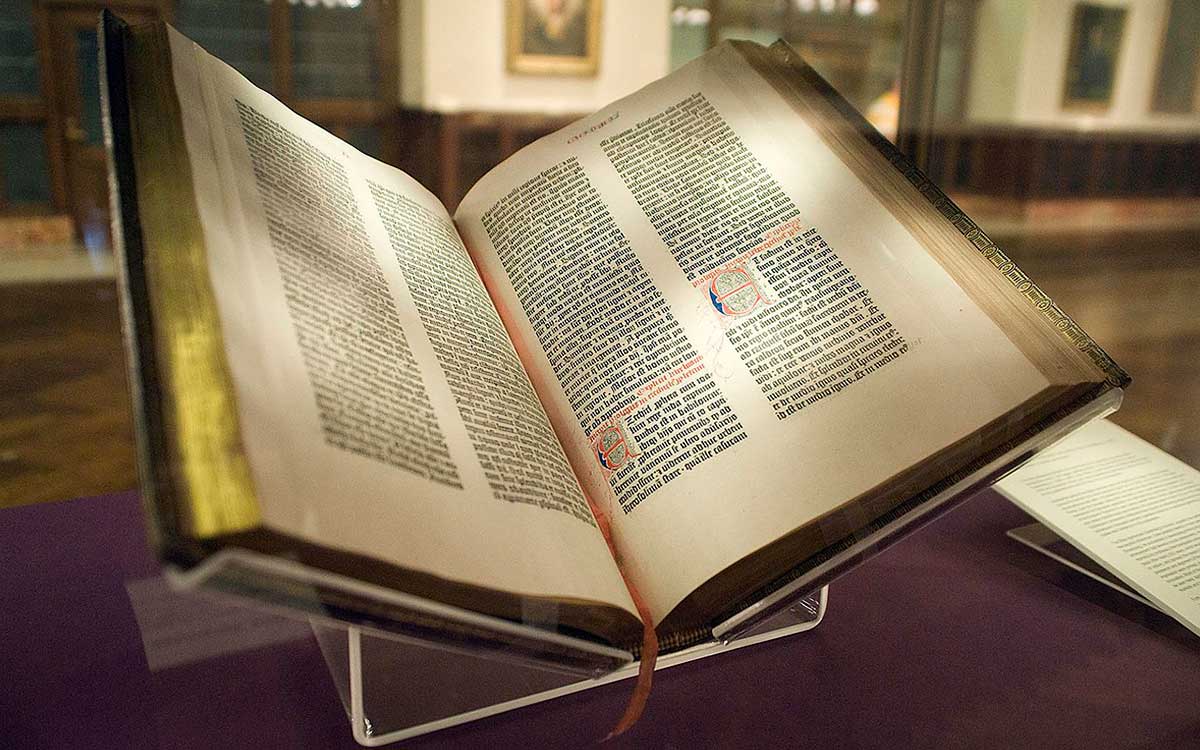
Cultural values and moral beliefs originating in Christianity are justified through appeals to God. For example, how do we know that human beings have value?
The Bible tells us that humans are made in God’s image and that he considers his creation to be good. How do we know that it is wrong to murder other people? The Bible tells us that unlawful killing is against God’s will. So, what reasons can atheists use to justify beliefs that human life is valuable and that murder is wrong?
There are broadly three options. (1) Atheists can do nothing and continue with the Christian values ‘inherited’ from the communities they are born into. The problem here is that they have no justification for why their values are, in fact, valuable. (2) They can embrace nihilism and reject all existing values. Lastly, (3) atheists can temporarily suspend their current moral beliefs and re-value their values.
Nietzsche thought that it was inevitable that Christianity would eventually lose all its adherents. To avoid the nihilistic drama that would follow, a new set of values needs to be discovered that would be preferable to Christianity.
Of the choices outlined above, Nietzsche, therefore, advocates (3) re-valuing our values. Note that re-valuation does not have to be negative. For example, it is possible to re-examine the belief that murder is wrong using a different set of values, and still judge it to be wrong.
A problem Nietzsche thought needed to be solved is whether it is possible to replace Christian values. Could it be that a sovereign individual is the kind of person capable of solving the problem?
In On the Genealogy of Morality, the appearance of the sovereign individual marks a change in values that, Nietzsche claims, occurred at some point in human history. One way of looking at the sovereign individual is as a personification of this event.
More Mythology Than Anthropology
Nietzsche’s account of human beings is seemingly anthropological rather than theological. That is, he offers an account of human beings without reference to God, in which the emergence of the sovereign individual appears to be a metaphor for a stage of human evolution.
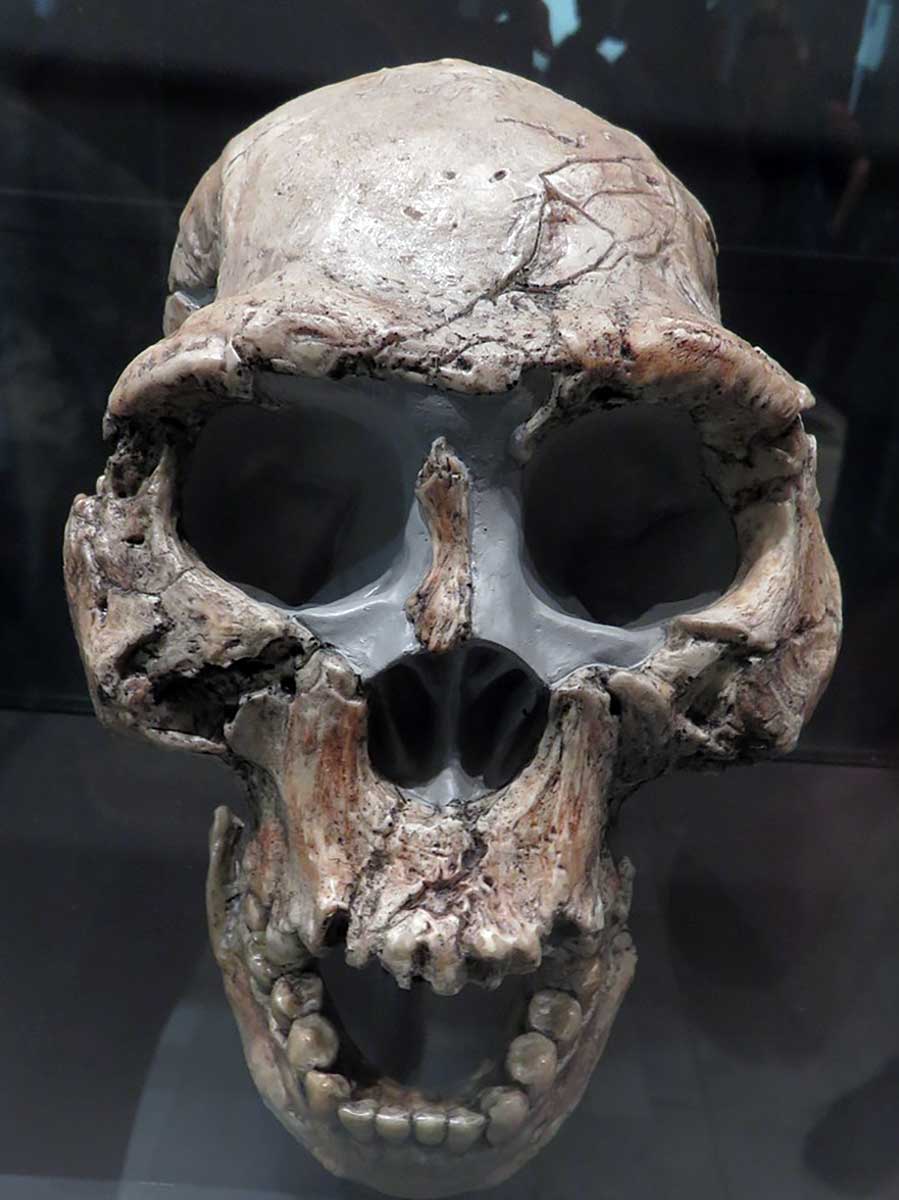
However, we cannot pinpoint any particular time or place in human prehistory when the first sovereign individual emerged. Talking about the sovereign individual in this sense is not like talking about homo habilis or homo erectus. What Nietzsche calls the sovereign individual is a personification of the origin and ‘completion’ of the human animal that we are today.
What Nietzsche offers in the Second Essay is much more of an origin myth than a serious piece of paleoanthropology. And, like many mythological characters, it is difficult to pin down exactly what sovereign individuals represent.
In addition, in mythology, the same myth is used to talk about different things. For Nietzsche, sovereign individuals seem to be a kind of person, but are also a personification of the emergence of a new kind of knowledge or ability.
In the first and second sections of the Second Essay, Nietzsche refers to ‘ripe fruit’. Here he refers to both a kind of human being and an attitude. In the first section, Nietzsche says that the sovereign individual is “the ripest fruit on the tree.” But in the following section, he says that to be able to say yes to oneself with pride is this “ripe fruit.”
The idea of the sovereign individual expresses mythopoetically a great stage in human evolution, something that came about through the acquisition of an ability (which Nietzsche calls “making promises”). But he also uses the idea of the sovereign individual to express the product of this evolution. Let us conclude by looking at the ability to make promises.
Forgetting, Remembering, and Making Promises
Nietzsche ties together three different kinds of ability: forgetting, memory, and making promises. When Nietzsche talks about “forgetting,” he means something different than usual. Instead of “inability to recall,” he means “inability to remember.”
All animals are bombarded with billions of pieces of information at any given time. As humans, to survive, most of the information we receive must go unnoticed. In other words, we need to be selective in what we pay attention to. This ability to not process information is what Nietzsche calls forgetting. Different animals evolve to “forget” with different levels of complexity.
By “memory,” Nietzsche means retaining a few pieces of information, such as “I should not do this” or “I must do that.” With memory, not only can an animal selectively process information, but they can also be aware of simple ideas and follow simple rules. Domestic cats and dogs have this ability in a limited way.
Nietzsche says the very first societies were held together by awareness of simple rules. These rules were like a precursor to modern morality. On an evolutionary scale, this ability is a huge step forward.
However, the bigger leap is the ability to say something and mean it. This is what Nietzsche means by promising. Sovereign individuals can make promises; those Nietzsche describes as “febrile whippets” and “liars” cannot. Sovereign individuals can create their own standards of values rather than just obey simple rules.
Sovereign Individuals as a Mythological Justification for Inequality

Nietzsche’s account is best read as a kind of myth rather than an attempt to describe the actual process of human evolution. In this light, it is worth noting that Nietzsche refers to sovereign individuals as having the prerogative or right to make promises (he uses the German verb dürfen). In evolutionary terms, this makes no sense. It would be like talking about an animal developing the right to have opposable thumbs. What he is actually doing is suggesting that the sovereign individuals are some kind of ideal, that their development is a good thing. He is also justifying human inequality.
Note that in Nietzsche’s account of human evolution, humans with the ability to make promises (sovereign individuals) live alongside those that cannot (whippets and liars). The former are superior to the latter. Nietzsche was an elitist who despised egalitarianism. His “origin myth” gives an account of superior and inferior human beings, an idea that runs counter to the Christian idea of everyone being equal before God.