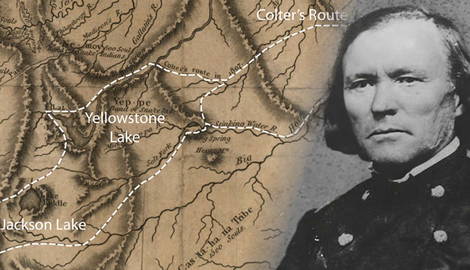

The brutal and unforgiving American frontier created a different kind of man. These explorers, fur trappers, guides, and frontiersmen led the American expansion in the early 1800s. The best, like John Colter, Kit Carson, and Jim Bridger, became legendary. Mountain men roamed the wilds alone or in small groups, becoming skilled in survival, exploration, and trading furs with Native American tribes.
What Made the Mountain Men Go into the Wilderness?
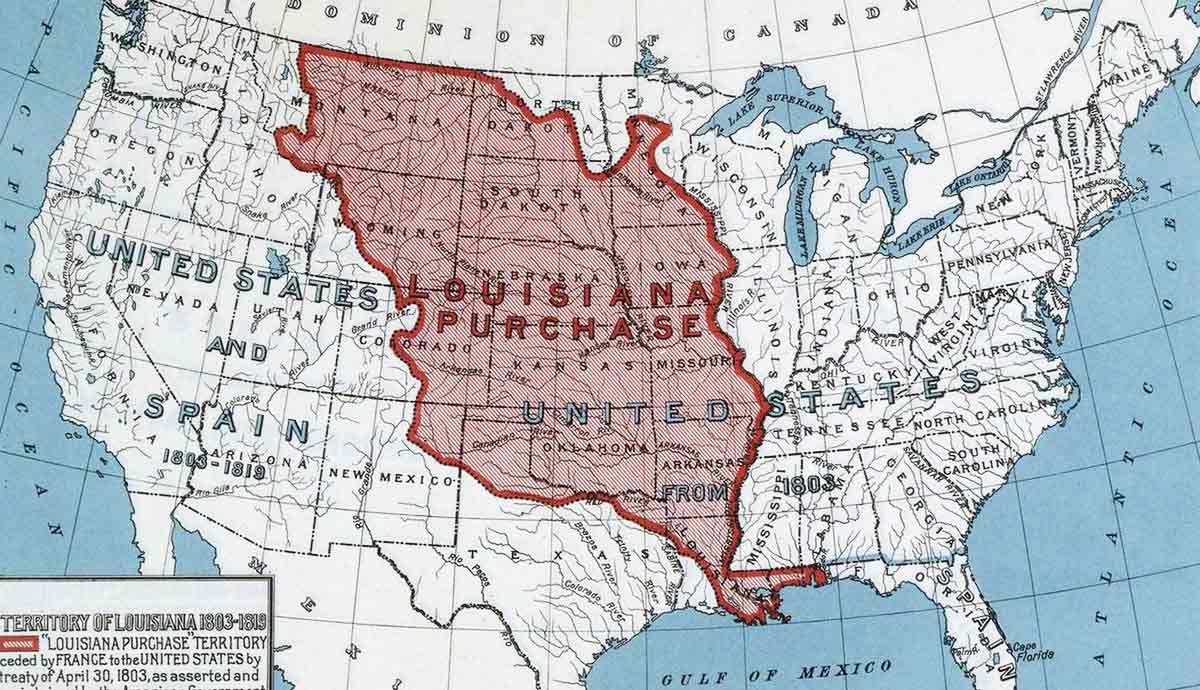
With the 1803 Louisiana Purchase from France, the size of the United States almost doubled. With so much unknown territory, the chance to become rich and adventure lured men into the wilderness. The Lewis and Clark expedition’s reports only fueled that desire. The insatiable demand for fur in Europe and the East Coast drew men west, especially for beaver pelts. Wiped out in Europe, beaver skins were popular for hats and commanded high prices. Other highly sought-after skins included otter, muskrat, and mink.
John Colter: The First Famous Mountain Man
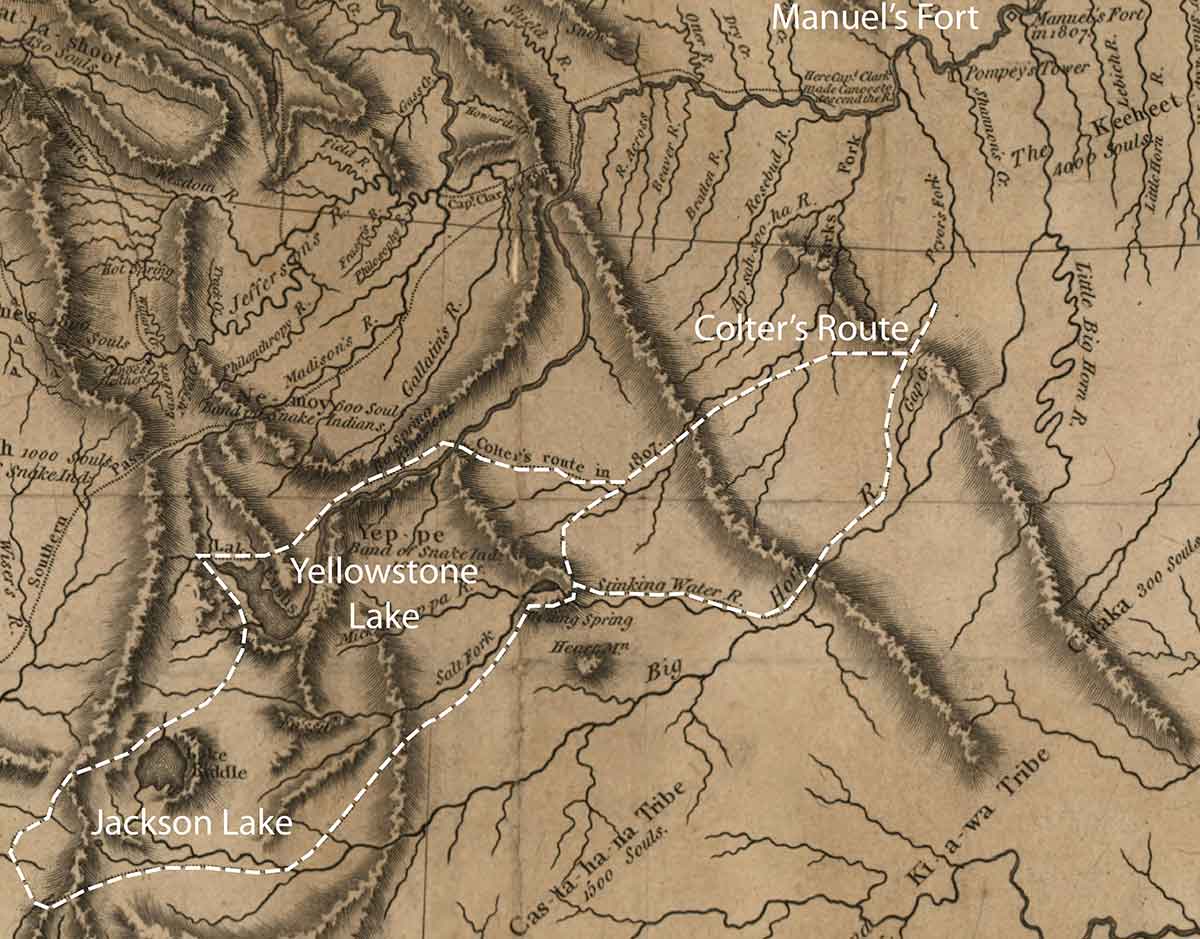
John Colter was one of the first known mountain men. Born in 1775, he grew up in then-frontier Kentucky. His story began in 1803 when he enlisted in Lewis and Clark’s Corps of Discovery as a hunter and scout. Colter’s wilderness skills, toughness, and independence quickly gained his boss’s trust. Soon, he scouted alone far ahead of the expedition. Upon the Corps’ 1806 conclusion in St. Louis after an 8,000-mile trip, Colter left with two other trappers. The trio sought beaver pelts in areas like Montana.
Ever restless, Colter traveled hundreds of miles solo during the harsh winter of 1807. He trapped and traded, exploring areas like Wyoming, Nebraska, and Idaho. He became the first non-Native man to view the thermal area near modern-day Cody, Wyoming, afterward known as “Colter’s Hell.” Yet the traumatic event that happened next cemented his mountain man legend.
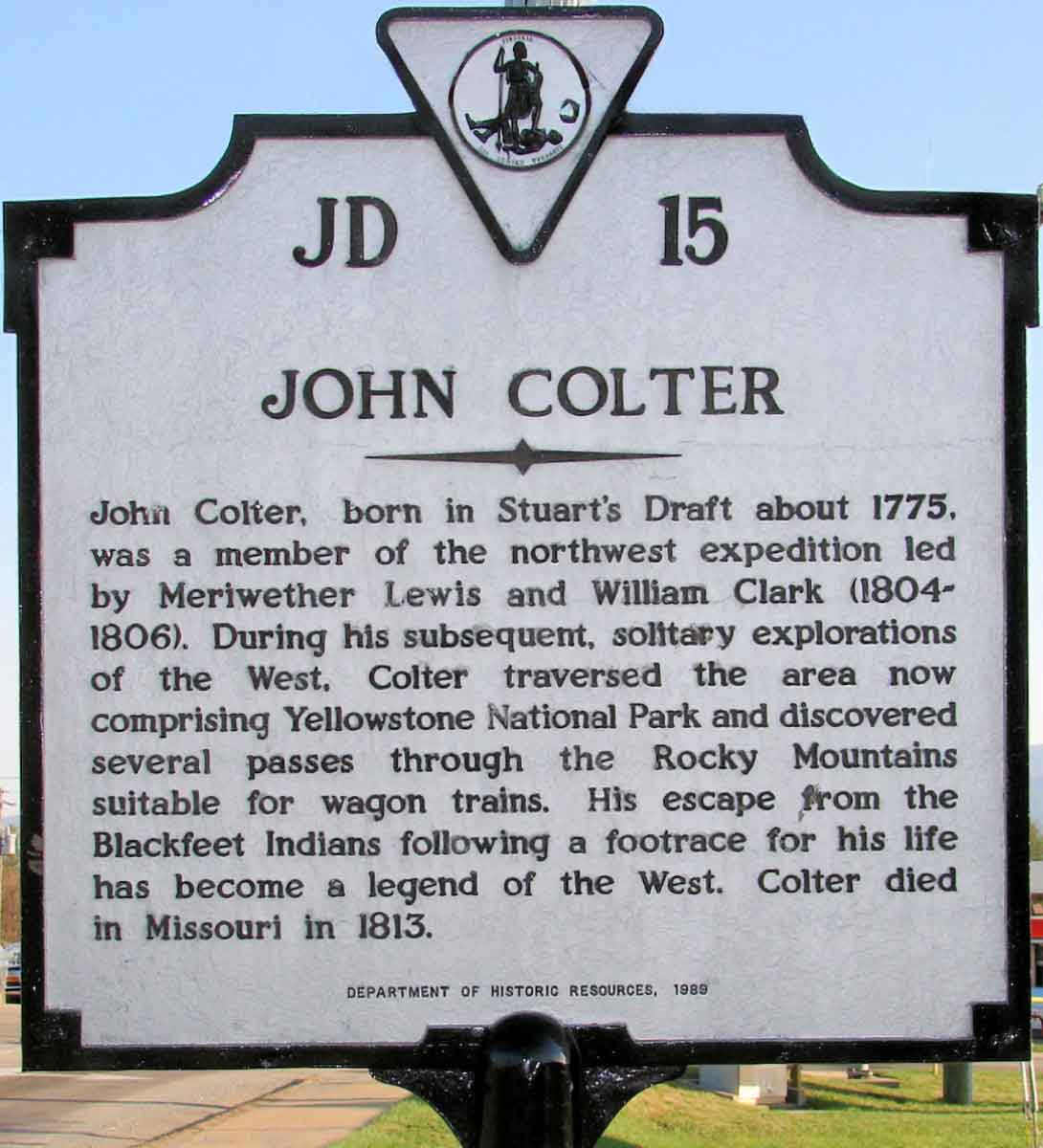
While trapping in 1808 in Montana, a Blackfeet war party ambushed Colter and killed his companion, John Potts. Colter was tortured and told to run. Naked and wounded, Colter escaped, even killing a pursuer. He hid in a river log jam and somehow walked hundreds of miles to the nearest fort. In 1810, Colter returned to Missouri, where, in 1813, he passed from jaundice.
The Controversial Kit Carson
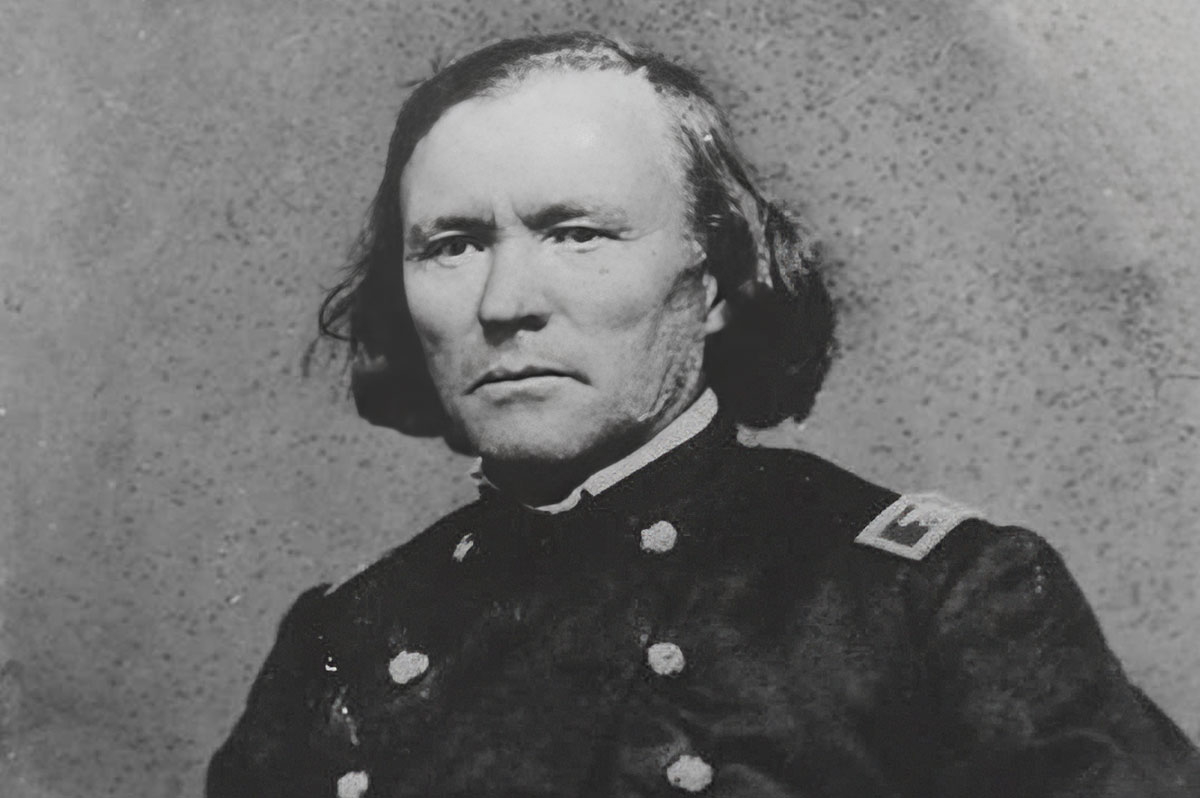
Kit Carson’s adventurous life started like many of the mountain men. Upon leaving his Kentucky home at age 17, Carson joined a trading expedition in 1826. He roamed the West as a trapper, guide, and explorer. His navigation skills and reputation became such that, in 1842, John Fremont hired Carson to guide his U.S. government expedition.
Carson married into two Native American tribes. Carson’s first wife passed away, and his second divorced him. Carson explored, fought alongside, and became friends with the storied Jim Bridger. Carson also became famous in the ever-popular dime novels in usually exaggerated stories.
Despite his solid reputation as a guide, Civil War officer, and even Indian agent, Carson’s later actions shadowed his legacy. He mediated several disputes with Native tribes and settlers, being able to speak Comanche, Apache, Navajo, Spanish, and more.
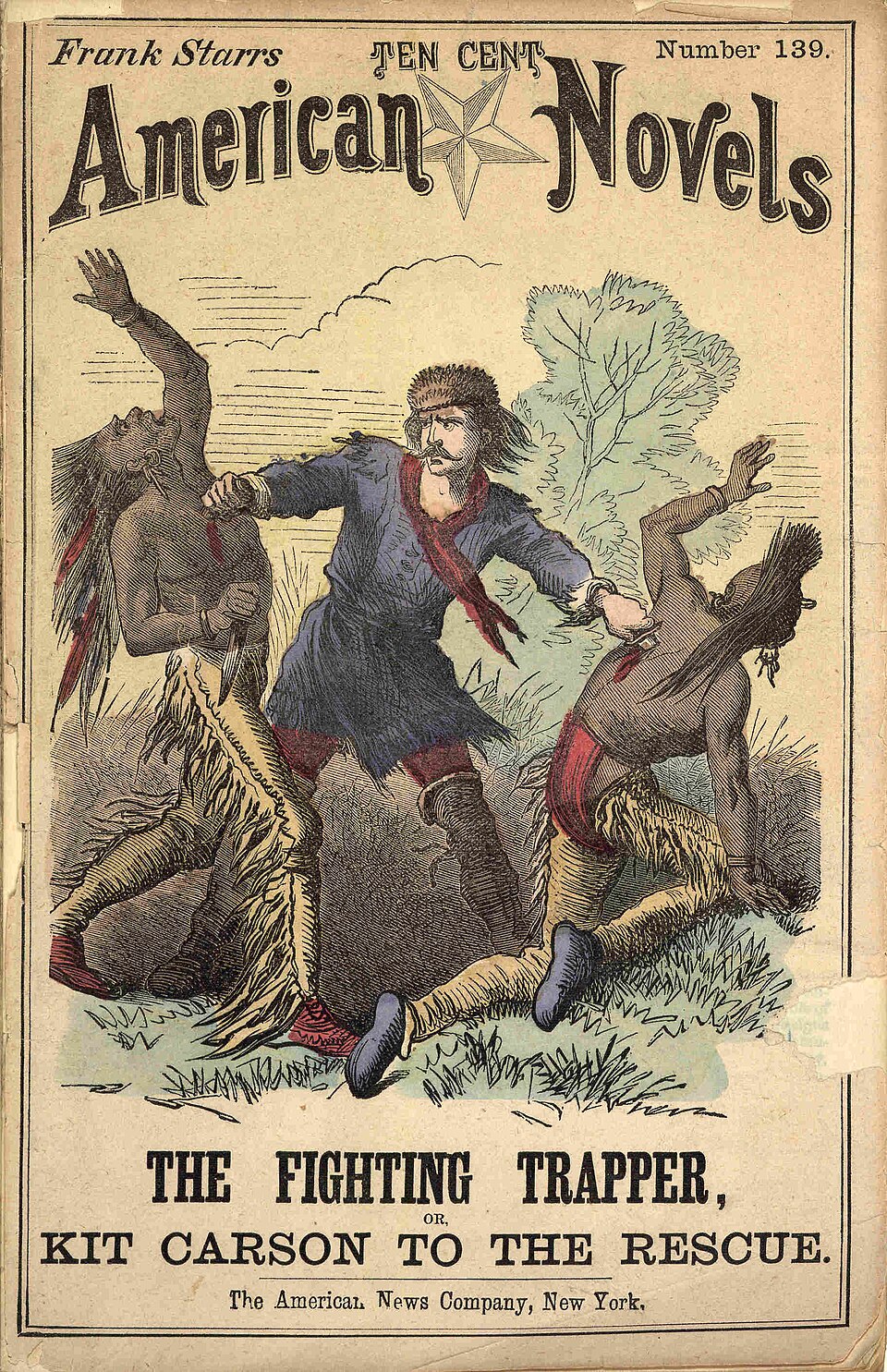
Carson fought in several campaigns or actions. He was part of the conquest of California from Mexico and participated in the Sacramento River Massacre, which saw over 500 killed, and the Klamath Lake Massacre, in which they assaulted a village. During the American Civil War, he led mostly Hispanic volunteers on the side of the Union at the Battle of Valverde in 1862. After the war, he led forces to suppress the Navajo, Mescalero Apache, Kiowa, and Comanche, destroying their food sources.
Carson became a celebrated figure in the late 19th century, and several statues and public monuments were erected in the 20th century, but more recently, his legacy has been contested due to his treatment of Native Americans.
Jim Bridger: The Stand Out Mountain Man
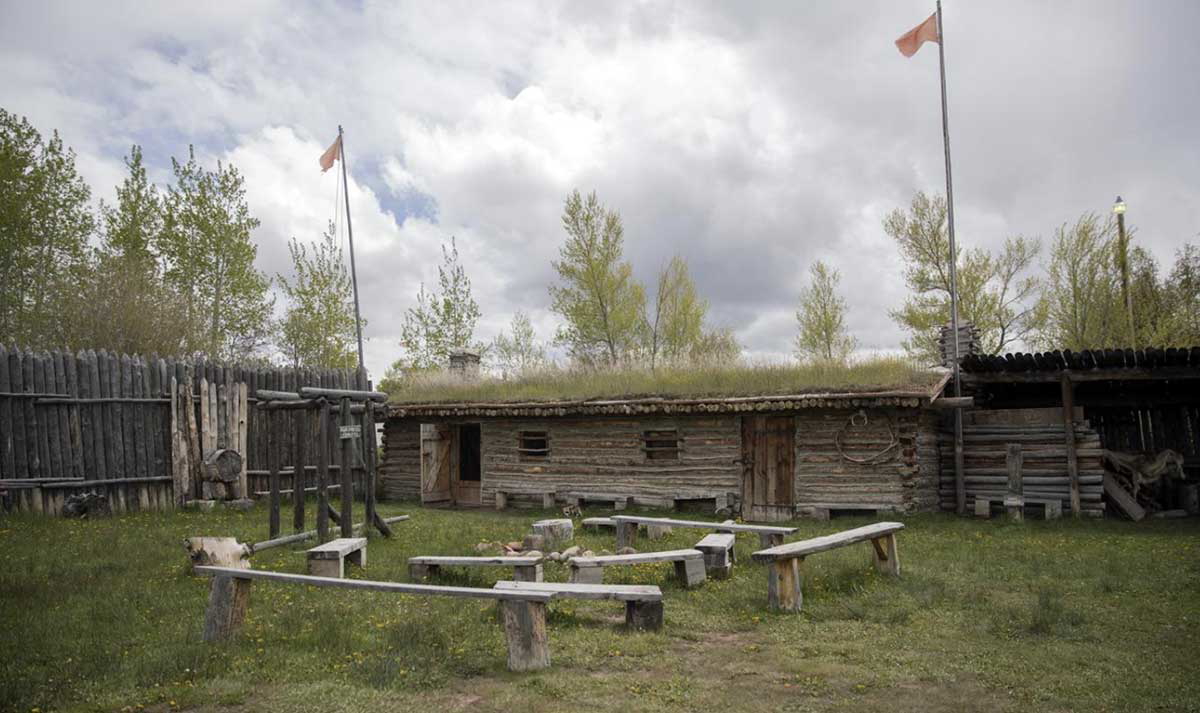
Jim Bridger was born in Virginia on March 17, 1804, and passed on July 17, 1881. During his lifetime, Bridger’s exploits and legacy are only surpassed by Hugh Glass. Filled with the mountain man’s restless energy, Bridger traveled west from Missouri to California. His twenty years of trapping and wandering took him from Canada to Utah. His ability to survive bad weather, plus constant encounters with animals or locals, both white and Native, helped build his reputation. Bridger also spoke decent Spanish, French, Shoshone, Blackfoot, and Flathead.
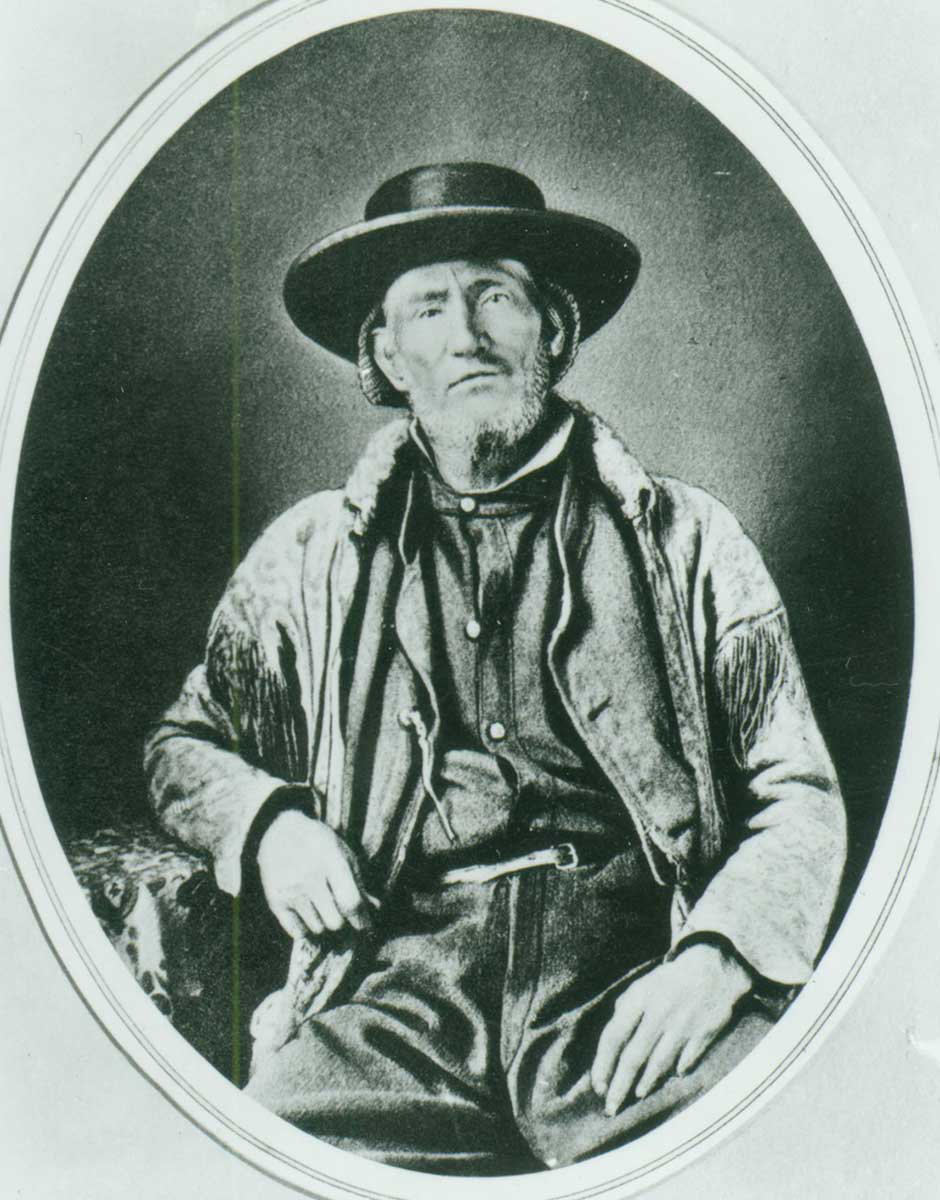
Bridger is believed to be the first non-Native to see the Great Salt Lake in 1824. He mistook this for the Pacific Ocean. With the decline of the fur trade after 1840, Bridger guided settlers across the mountains. With his picture-perfect memory, he successfully led wagon trains on the Oregon Trail, avoiding pitfalls or potential delays. He married three times; his wives passed away, but they had five children.
He served as a U.S. Army scout in two wars. Bridger’s biggest feats came with establishing Fort Bridger in Wyoming and locating Bridger’s Pass. The Pass he discovered in 1850 reduced travel time on the Oregon Trail by 61 miles. Jim Bridger died in 1881 at his daughter’s Missouri farm due to poor health, but he left an incredible legacy.
Hugh Glass: Hero of “The Revenant”
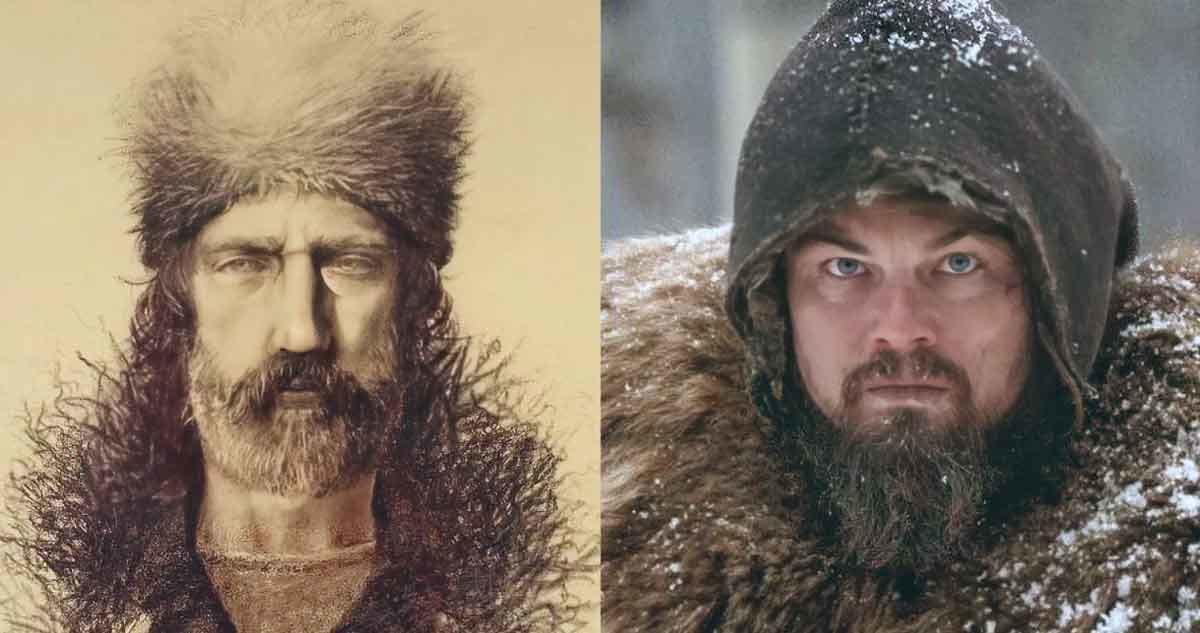
Hugh Glass might be the most famous of all mountain men, not least due to his portrayal by Leonardo DiCaprio in “The Revenant.” This tells the story of how he was mauled by a bear and abandoned by his companions and then travelled 200 miles alone to safety at Fort Kiowa, South Dakota. It is now wondered whether this story was a work of fiction by author James Hall, as nothing written by Glass himself confirms the story.
Little information survives about his background or early life, but he was probably born around 1783 in Pennsylvania. He was reportedly captured by pirates as a young man in the Gulf of Mexico and forced to become a pirate for two years. Glass allegedly escaped by swimming ashore. He is also said to have been captured by a Pawnee tribe, with whom he lived for several years.
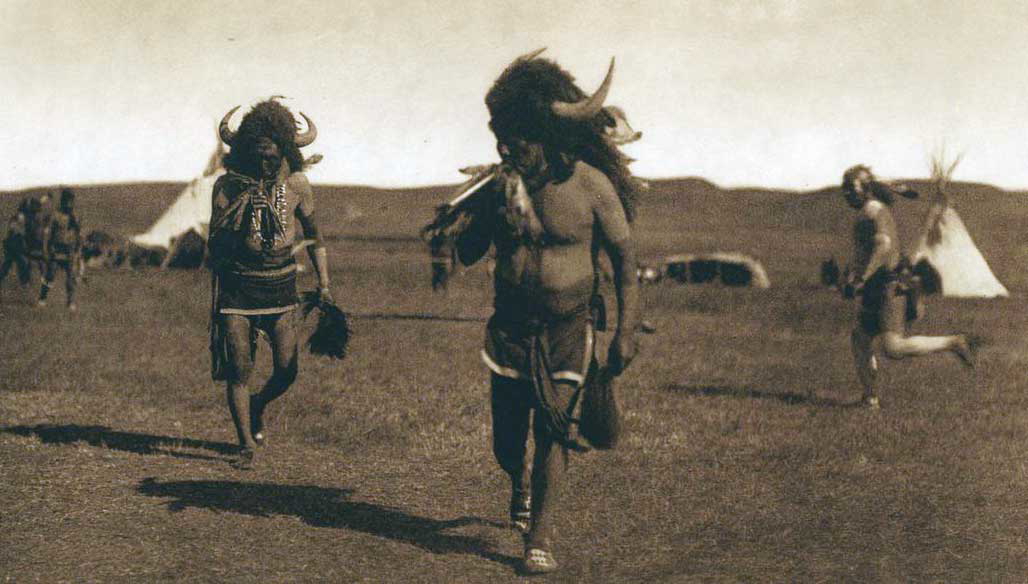
In 1822, he responded to an advertisement for 100 men to explore the Missouri River. The group became known as Ashley’s Hundred, and many of them became famous mountain men. He played a key role in the exploration of the watershed of the Upper Missouri River in modern Montana and the Platte River in Nebraska, which they crossed in bull skin boats. There, Glass discovered an Arikara settlement, led by a chief known to Glass. The tribe claimed to be friendly, but Glass noticed their equipment being taken and recognized it as a trap, and led the escape.
He continued to work as a frontier trapper and fur trader until he was killed with two fellow trappers on the Yellowstone River in 1833 by the Arikara.