
Japan launched a surprise military strike on the United States naval base at Pearl Harbor on December 7, 1941. Over 2,400 Americans were killed, and numerous ships and aircraft were destroyed or damaged. Japan needed to neutralize the US’s military power in the Pacific so that they could achieve their expansionist goals. The US declared war on Japan after Pearl Harbor, and Nazi Germany declared war on the US a few days later as a preemptive move. But why did Pearl Harbor happen?
Why Did Pearl Harbor Happen? The Role of Imperial Japan
Pearl Harbor, “a date which will live in infamy,” did not happen for no reason; history does not unfold in a vacuum.
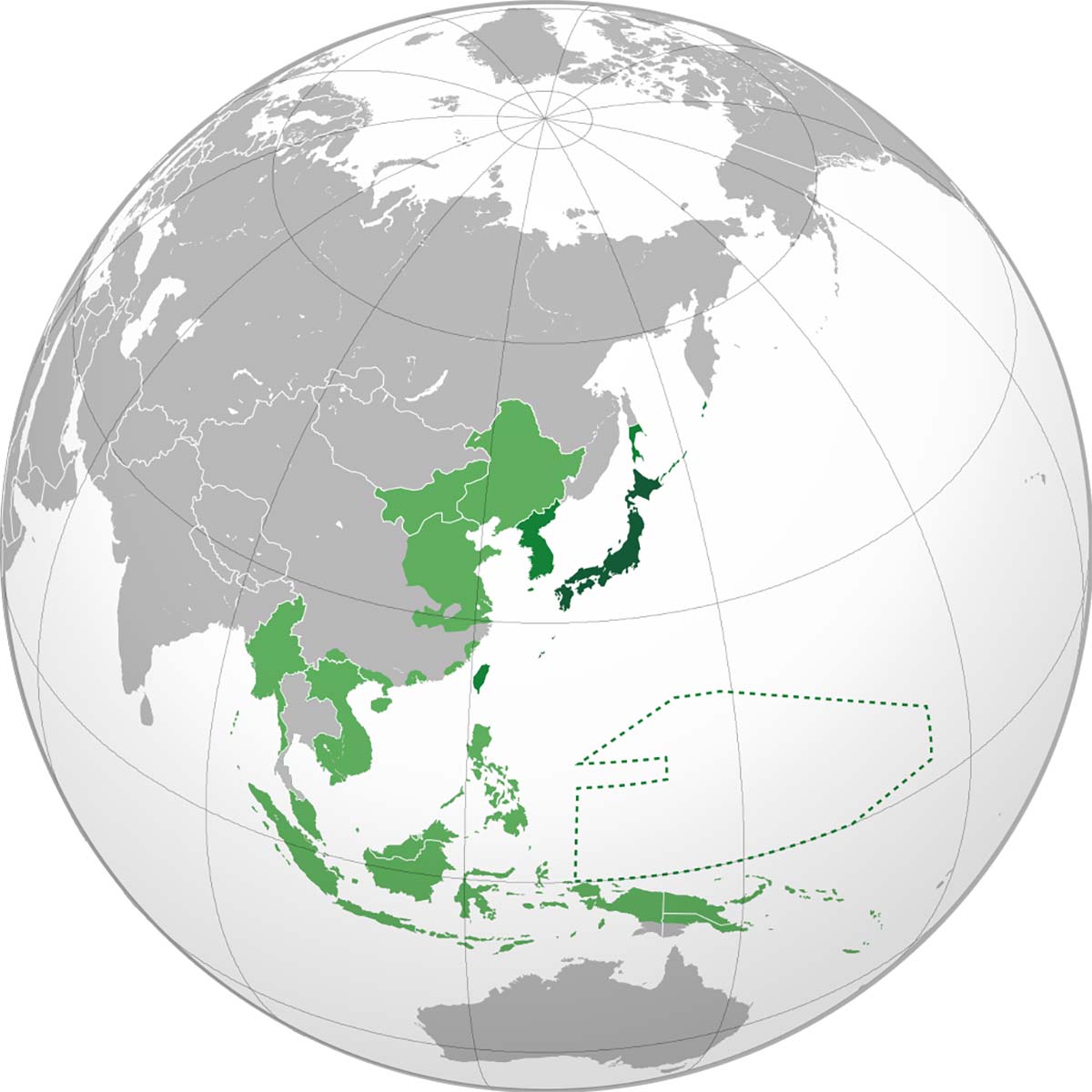
Imperial Japan wanted to expand its influence and control in Asia and the Pacific islands, as well as to secure resources like oil, rubber, and steel, which were necessary for their military. Thus, Japan invaded Manchuria, an area of present-day northeast China, in 1931 and turned it into a puppet state under its control. The region served as a starting base to invade the rest of China in 1937. The invasion was seen as an aggressive action and a violation of international law by Western nations.
Tensions between Japan and the United States were escalating in the early 1900s due to economic and trade agreements and Japan’s territorial expansions. The US had missionary and economic interests in China, and Japan’s invasion jeopardized American capitalist interests in China. Not only that, but it threatened the rest of the world’s equal access to trade with China granted by the “Open Door Policy,” a cornerstone of US policy in East Asia. Japan sought to control the entire region and disrupt diplomacy and trade with Western nations, and the US saw this as a great threat.
In an attempt to impede Japanese expansion, the US sanctioned Japan by freezing its assets and initiated an oil and natural resources embargo. Those tactics damaged Japan’s economy and set its military goals back because the country could not import the necessary materials for war manufacturing.
In the 1930s, Imperial Japan’s policies and colonial techniques matched, or at least complimented, Nazi Germany and Fascist Italy’s expansionist goals, which prompted them to form an alliance called the Tripartite Pact.
The Tripartite Pact
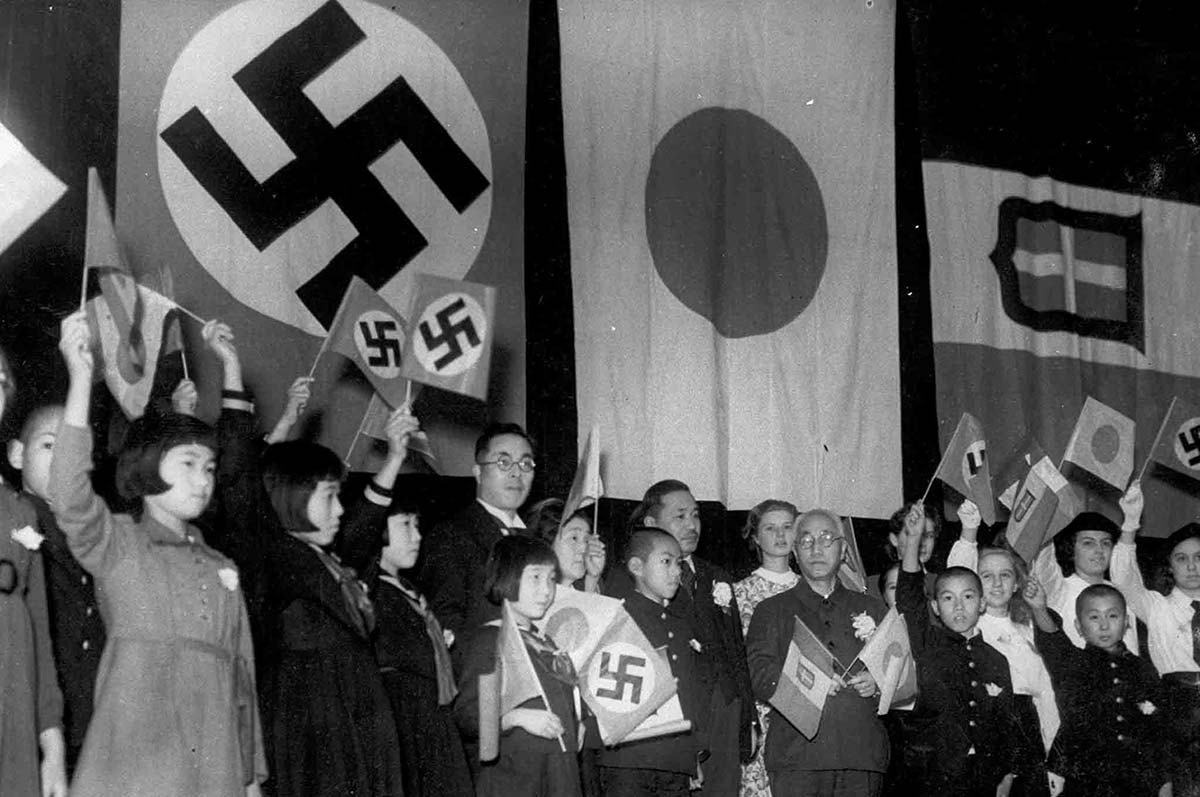
In East Asia, World War II started before they signed the Tripartite Pact. Indeed, scholars point out that the date the war technically began should be pushed from Nazi Germany’s invasion of Poland on September 1, 1939, back to Japan’s full invasion of China on July 7, 1937. That invasion started the Second Sino-Japanese War and came after the conquering of Manchuria in 1931.
By then, Japan and Germany had already signed the Anti-Comnitern Act, an agreement directed against the Communist International (Comintern) and the Soviet Union. Then, on September 27, 1940, Japan, Germany, and Italy signed the Tripartite Pact. The new military alliance strengthened the connection between the three countries commonly known as the Axis Powers.
Their ultimate goals were to limit the power and reach of the United States, a common enemy of theirs, cooperate militarily, and support each other in territorial advances to build their respective empires. Additionally, there was a mutual defense clause stating that if any one of them was attacked, the others were to provide military, political, and economic support.
The Axis Powers aimed to dismantle the geopolitical map established by the 1919 Treaty of Versailles. In the new world order envisioned by the three powers, Nazi Germany and Italy were to dominate Europe, and Japan was to dominate East Asia and the Pacific.
In response to the Tripartite Pact, President Roosevelt of the United States placed an embargo on iron, steel, and oil from Japan and seized Japanese assets in the US.
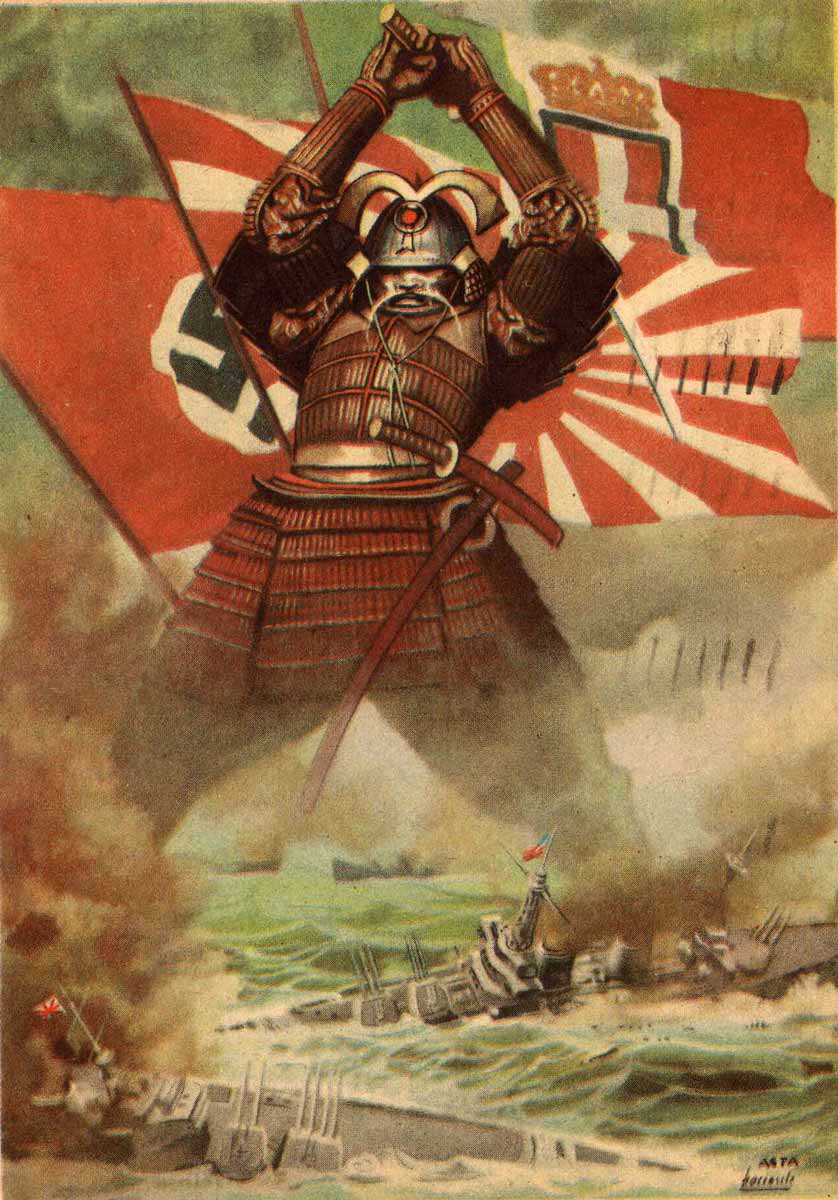
The Tripartite Pact discouraged the signatories from attacking the US, but it did not explicitly prevent them from doing so. Attacking the US would have resulted in retaliation by the US and its allies, which the Tripartite Pact signatories wished to avoid.
Japan had been trying to negotiate with the US to resolve their disputes because of the sanctions imposed by the American government, but the negotiations failed. Japan acted alone and did not inform Nazi Germany or Fascist Italy of its plans to attack Pearl Harbor in order to neutralize the US Pacific Fleet. The military leaders were even secretive about the plan within the Japanese Imperial government.
The Tripartite Pact did not mean that the signatories were true allies; it was more about mutual interests, but attacking the US was not everybody’s mutual interest.
Although surprised by the attack, Hitler hoped it would divert US attention away from Europe, and the Nazis declared war on the US on December 11, 1941.
The First Wave
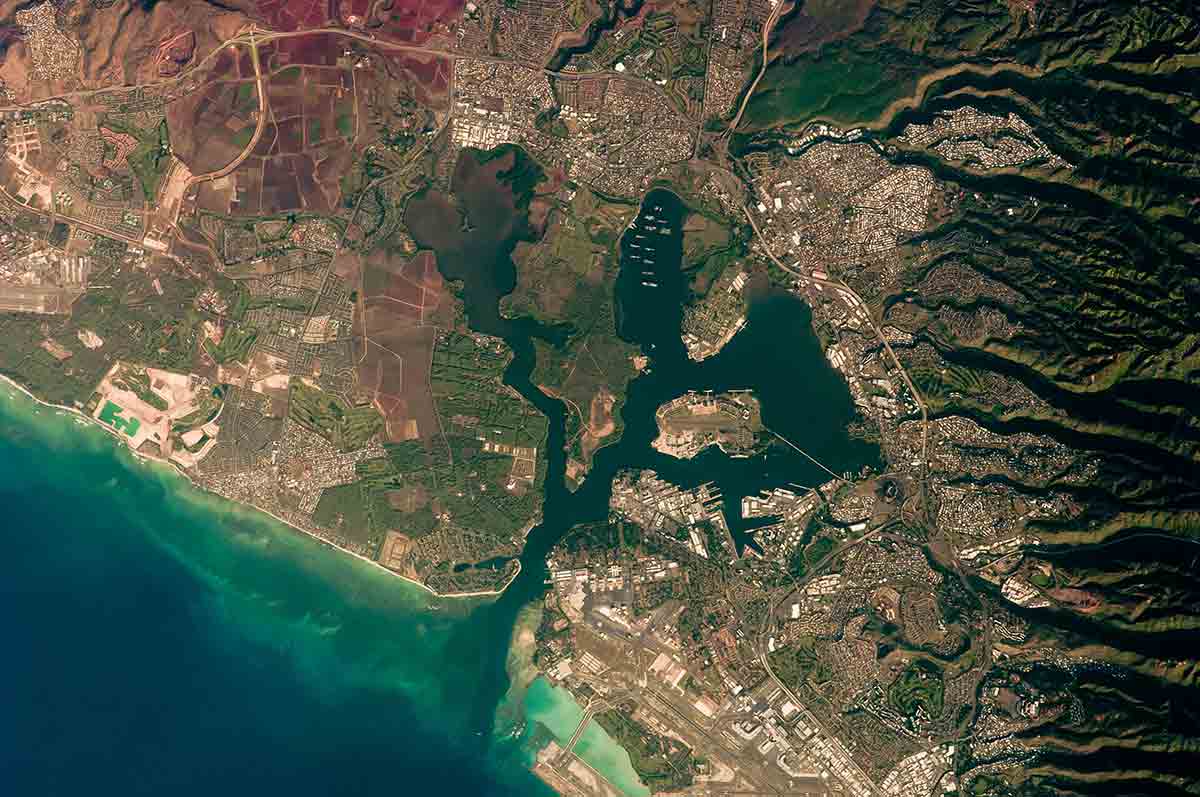
The US Pacific Fleet was stationed at Pearl Harbor, Oahu, Hawaii, a US colony in the Pacific. The Japanese saw the fleet as an obstacle to their imperialist goals, and they needed to neutralize the US’s military power.
They had a narrow window of time to attack other islands in the Pacific after they attacked Pearl Harbor. If they did not cripple the US’s military power in Oahu, then the US would have time to thwart their expansionist goals; and they knew that it was a matter of time before military support was sent in after the attack, so they had to act quickly.
On December 7, 1941, before the attack began, the USS Condor, a US naval vessel, detected a Japanese submarine near Pearl Harbor in the early hours of the morning. Three hours later, the USS Ward, a Navy destroyer, sank a Japanese submarine attempting to enter Pearl Harbor.
Japanese aircraft had previously begun their flight towards Oahu from an aircraft carrier about 230 miles north. Once the mission was underway, they went radio silent. At 7:02 a.m., an army radar station at Opana Point noticed the incoming aircraft, but the report was dismissed because they were expecting US B-17 Bombers to arrive from California.
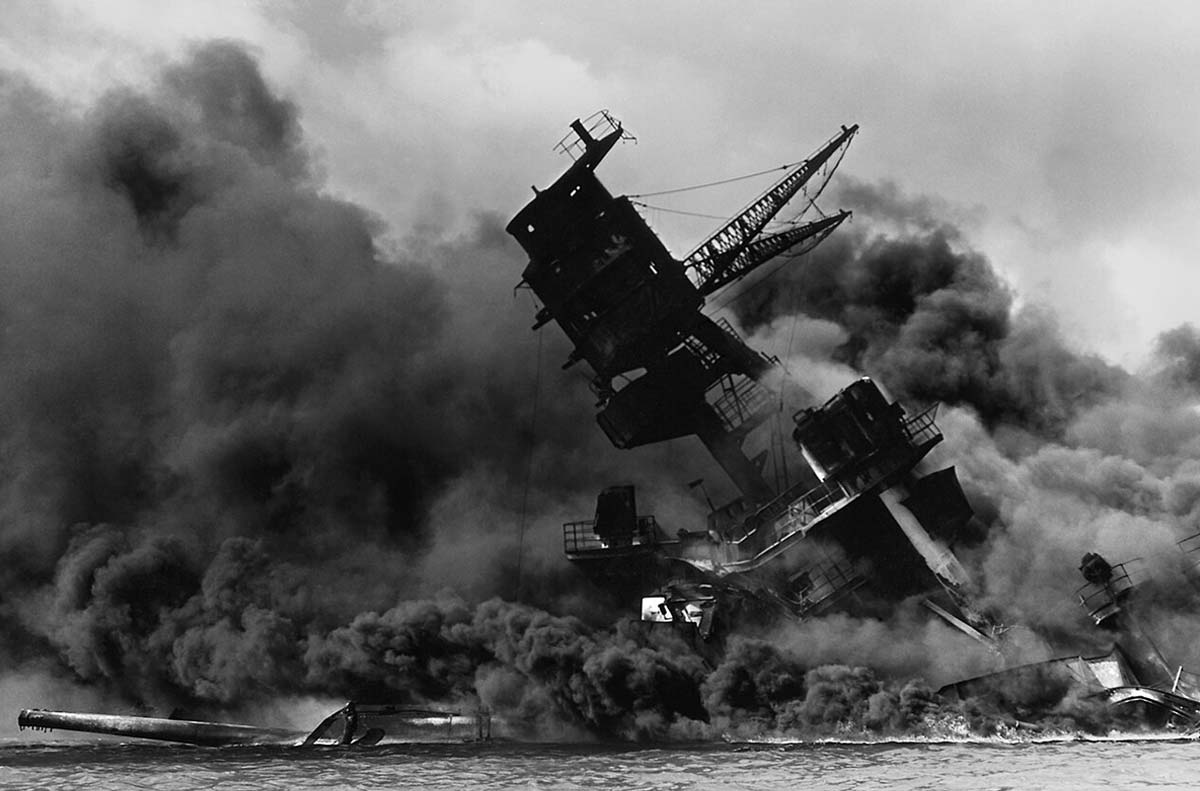
The First Wave began just before 8 am with torpedo bombers striking the ships in the harbor. The assault lasted thirty minutes. Japanese aircraft targeted US battleships and airfields on Oahu. The USS Oklahoma and USS Utah were hit, capsized, and sank. The USS West Virginia and USS California were damaged by the torpedoes, and the USS Arizona was bombed and sunk. Two air bases, Hickam and Wheeler Field, were bombed, and many aircraft were destroyed.
The Second Wave
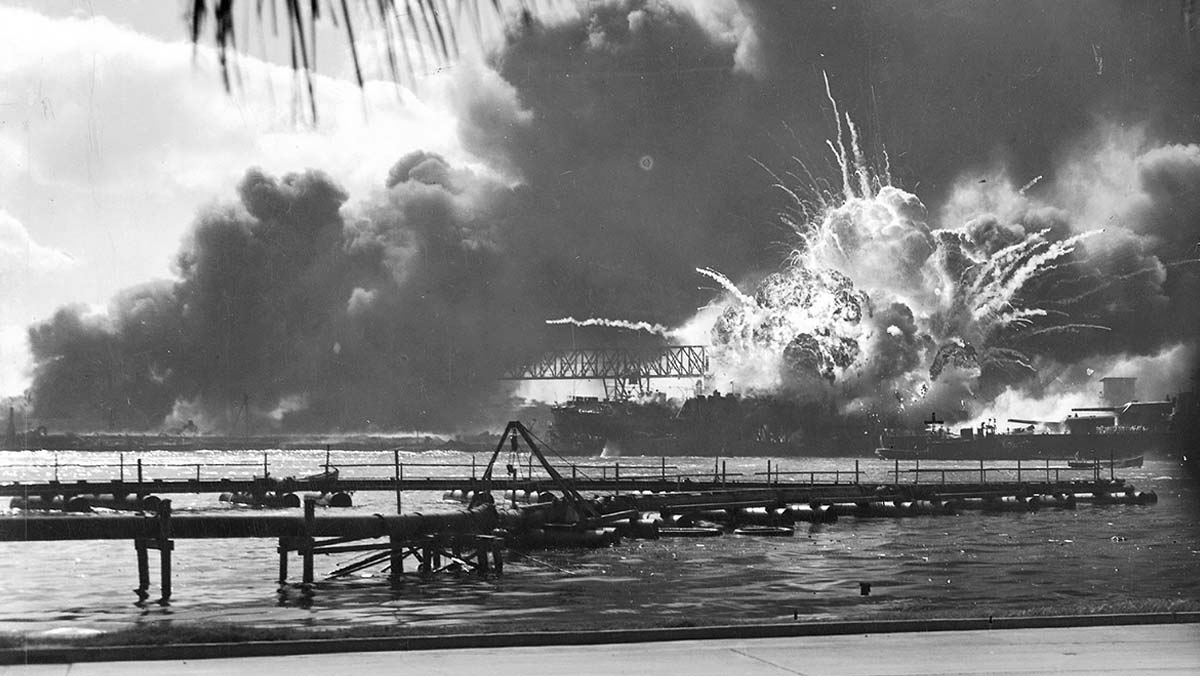
The Second Wave began at 8:40 am, shortly after the first wave was finished, and lasted over an hour. In addition to targeting the ships in the water, Japanese forces also focused on the shipyards and docks. They bombed the USS Nevada, which had to beach itself in shallow water to avoid blocking the harbor. Airfields at Kaneohe Naval Air Station and Ewa Marine Corps Air Station were bombed, as well.
A total of 353 Japanese aircraft attacked Pearl Harbor. Japan lost 64 men, 29 planes, and five midget submarines. One naval officer was taken as a prisoner.
Four US battleships were sunk (the Arizona, Oklahoma, West Virginia, and California,) and four battleships were damaged (the Nevada, Tennessee, Maryland, and Pennsylvania). Three destroyers and three cruisers (both warships) were damaged, 188 aircraft were destroyed, and even more were damaged.
In total, 2,403 Americans were killed in the attack, including 68 civilians, and 1,178 were wounded. When the USS Arizona began sinking in flames, people began trying to rescue the crew members, but many were trapped and could not escape. There were 1,177 crew members who died on the USS Arizona alone, making it the most devastating ship loss of the attack. The Japanese bombs ignited the ammunition on board, which caused an explosion and a fire.
America’s Response to Pearl Harbor
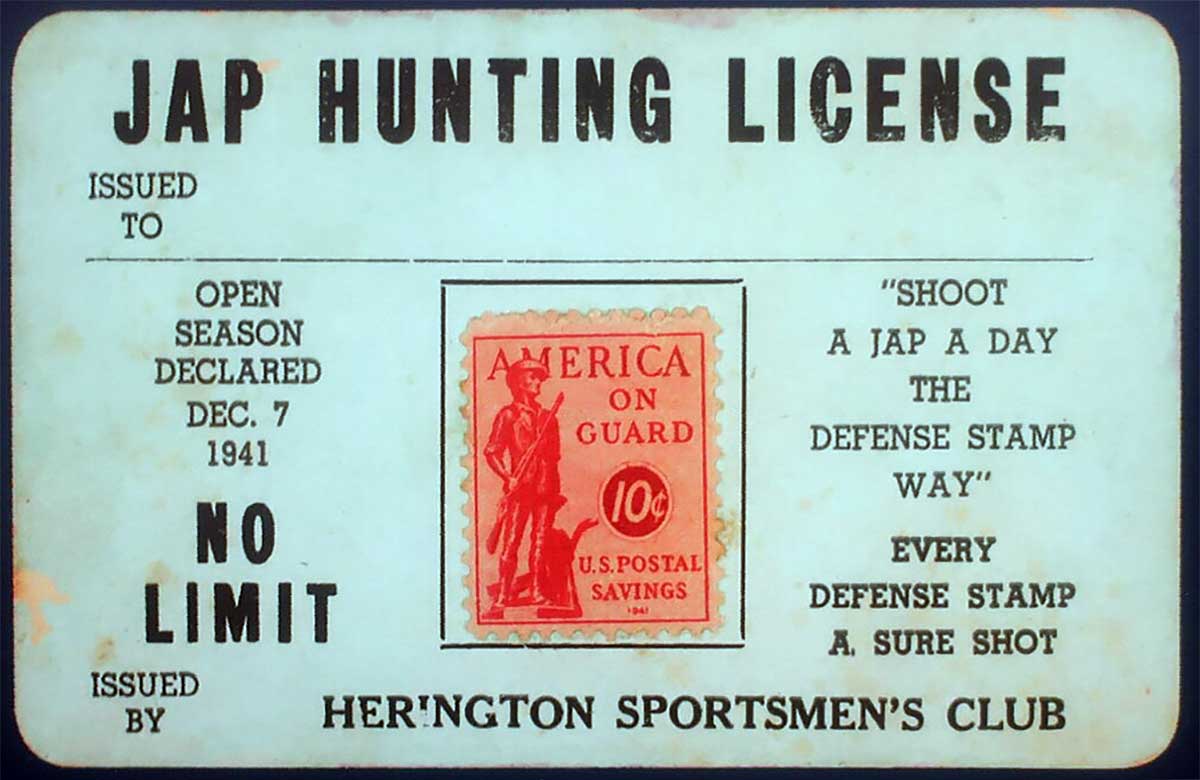
Japan miscalculated the US’ capacity to rebuild its navy and its ability or willingness to retaliate. The hope that the US would seek to negotiate peace was one of the reasons why Pearl Harbor happened. However, the attack was not the discouragement or the demoralization that they hoped it would be for Americans, and it did not make the US want to settle on Japanese terms.
The attack also fueled anti-Japanese propaganda and rhetoric in the US and triggered the government to begin forcing Japanese-Americans into internment camps, similar to a concentration camp. Over 120,000 (or 90%) of all Japanese people living in America were put into camps, the vast majority of whom were born and raised in America as second or third-generation citizens.
After the attack, President Roosevelt addressed Congress and the country, asking for a declaration of war. The US declared war on Japan on December 8, officially entering World War II—the American government had been supplying military aid to the Allies up until that point. In the 30 days after the attack, about 134,000 Americans volunteered for the US military before the government instituted the draft. Hundreds of thousands more would volunteer in a show of patriotism, but some joined out of outrage and yearned to get revenge on the Japanese.
The war between the Allies and Japan is often referred to as the Pacific War or the Pacific Theater of WWII.
Why Did Pearl Harbor Happen? Japan in the Pacific Theater
After the attack on Pearl Harbor, Japan continued its expansionistic policy in East Asia. In 1941 and 1941, Japanese forces attacked the Philippines, Guam, Wake Island, Singapore, Hong Kong, Malaya, Thailand, the Dutch East Indies (Indonesia), Burma (Myanmar), Rabaul (Papua New Guinea), and the Solomon Islands. Here is a timeline of Japan’s aggressive military operations in the Pacific Theater.
December 8: The Philippines was attacked just hours after the Pearl Harbor attack (the difference in day is due to the international date line). It was a US-controlled territory, and Japan needed it as a strategic base for its occupation of Southeast Asia. Japanese forces bombed the air bases, which affected US air control and landing capabilities. They invaded and eventually took control of Manila, the capital, and when the US surrendered in April of the next year, the Bataan Death March ensued.
December 10: Guam, a US territory, was attacked, and the Japanese took control easily.
December 8-23: Wake Island, a US territory, was repeatedly attacked to destroy military capabilities on the island. Japan needed the island as a strategic base for air and naval operations, and even though the US service members defended the island and even sunk two Japanese destroyers, Japan eventually won control of the island.
December 8-23: Hong Kong, a British territory, was attacked to destroy British defenses and establish Japanese control in southern China.
December 8-February 15: Malaya and Singapore, two British colonies, were attacked for over two months. Japan wanted to secure the locations for their vantage points in the Pacific and for their natural resources like rubber and tin. They overpowered the defense, and the fall of Singapore was a hard hit for the British.
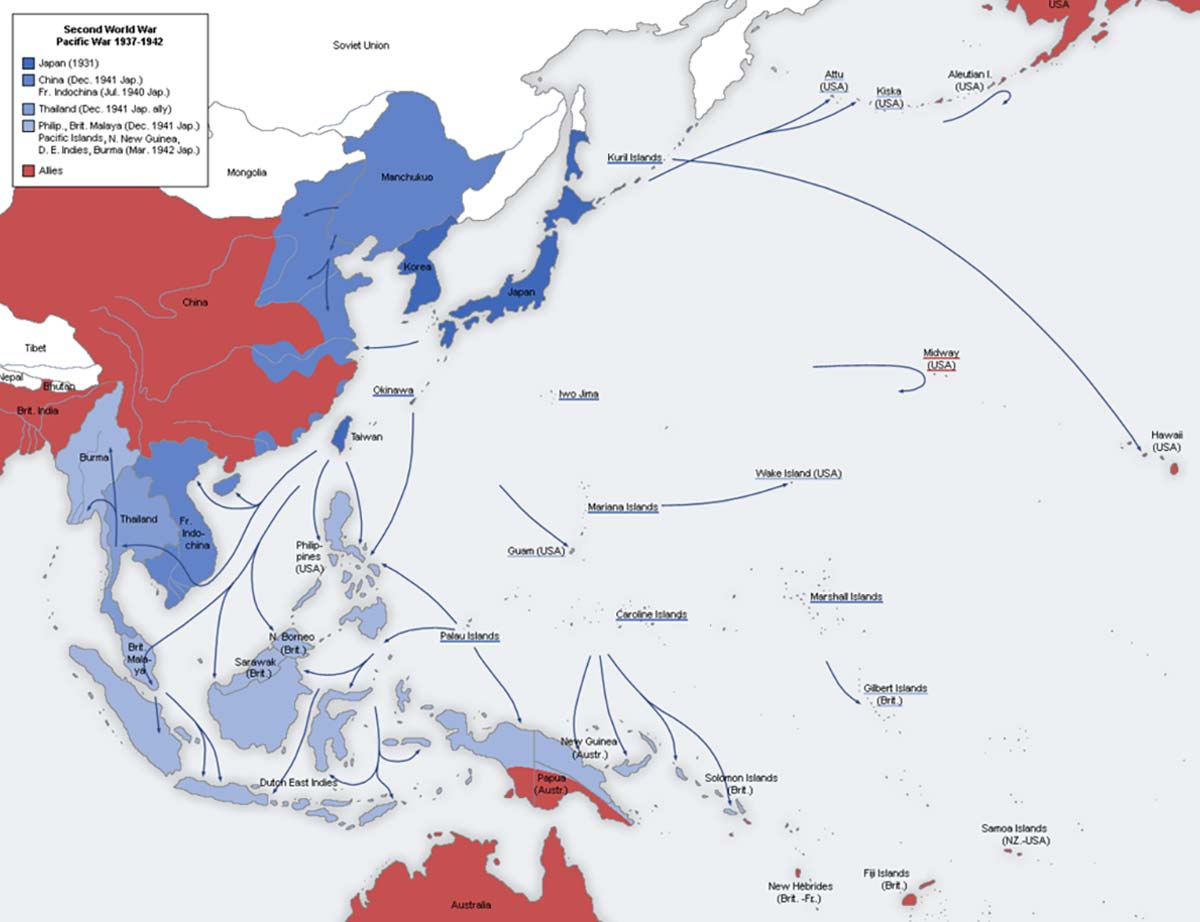
December 8: Thailand, a neutral territory, was attacked and fell quickly to the Japanese, who needed the location as a vantage point to attack Burma and Malaya. Thailand signed an armistice and aligned itself with Japan.
December 17-March 9: The Dutch East Indies (present-day Indonesia), a Dutch colony, was attacked. Japan desperately wanted control of the oil reserves, and it launched a full-scale invasion in January. After several battles, the campaign ended in a Japanese victory.
January-May 1942: Burma (Myanmar), a British territory, was attacked by land, air, and sea throughout several battles. Japan wanted to cut off the Burma Road, a supply route to China which was critical for the Allied powers.
January 23, 1942: Rabaul (Papua New Guinea), an Australian-controlled territory, was invaded quickly. Japan needed the location as a key stronghold because of its proximity to the Solomon Islands. It became one of the largest Japanese military installations outside of the mainland.
May 3, 1942: The Solomon Islands, a British territory, were attacked. The island of Tulagi, near Guadalcanal, was a suitable location for the Japanese to build a base in the harbor. They began building on Guadalcanal in July. In August, the US began the Guadalcanal campaign, which lasted for months.