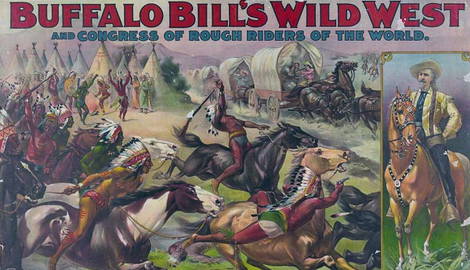

Buffalo Bill, the famous American explorer and scout, created and named Buffalo Bill’s Wild West Show. This outdoor live show gave audiences a glimpse into Wild West life. The massive production contained buffalo, cowboys, Native American tribespeople, sharpshooters, and staged performances.
During its nearly three-decade run, the Wild West show entertained millions in America and Europe.
The Real Scout and Bison Hunter Behind the Buffalo Bill Legend
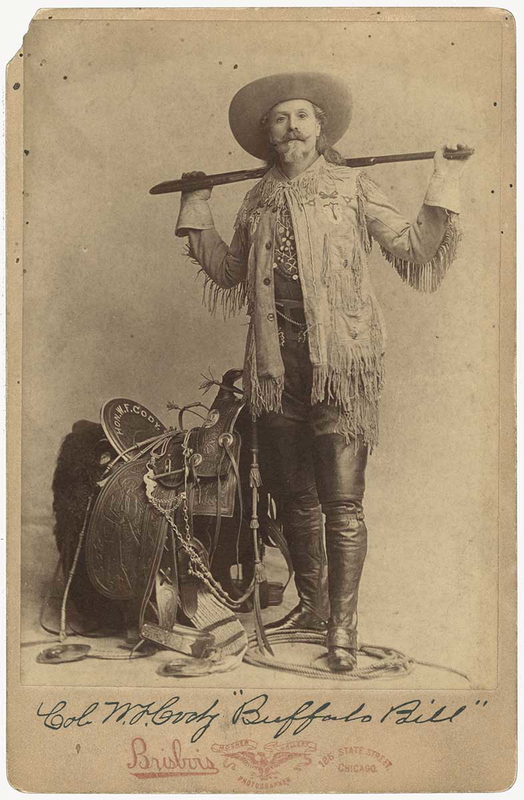
Also known as William Frederick Cody, Buffalo Bill was not your typical cowboy. Before the Wild West Show, Bill was a Pony Express Rider, served in the American Civil War, and worked as an Army guide during the Indian Wars. He earned his moniker hunting buffalo to supply meat to the US Army. Born in 1846 in Iowa, Bill passed away at 71 in 1917.
Why Buffalo Bill Created a Live Show to Preserve Vanishing Frontier History
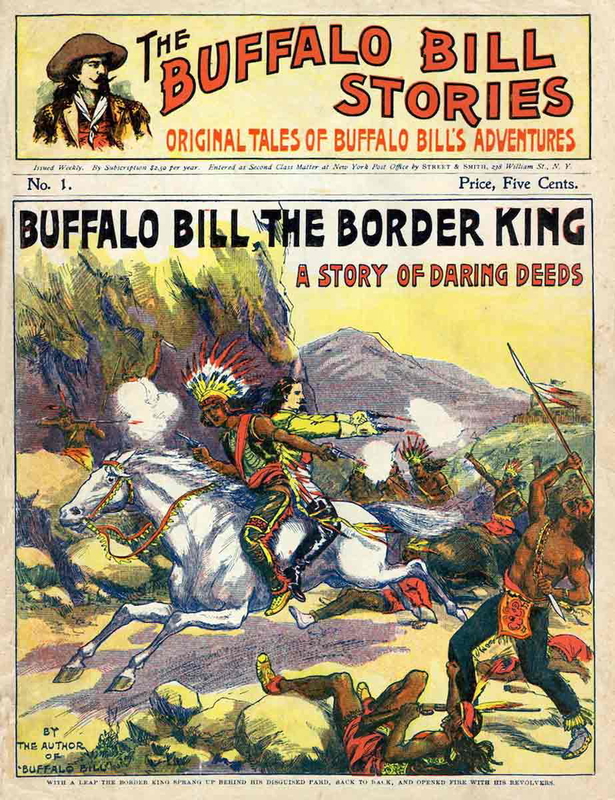
The Wild West Show for Buffalo Bill became his crowning achievement, and he continued producing it until nearly his final days. Bill’s own colorful and adventurous life earned him an excellent reputation. The 1869 dime novel titled Buffalo Bill, The Border King, and his theatrical performances made him famous. In 1883, he created his show to capitalize on his reputation, and Buffalo Bill’s Wild West Show came to life. The first show was in Omaha, Nebraska, and it hit the road soon after.
Buffalo Bill’s Wild West Show was more than a show to Bill. By the 1880s, the Old West era began fading as people moved in, laws solidified, and the wars with Native American tribes ended. Bill hoped to preserve the Wild West’s traditions and share them for the future. By doing so, he created an idea of outlaws, lawmen, and good people battling constantly, ready to defend their own. With showmanship and flair, the spectacle became a worldwide phenomenon.
Launching in Omaha and Taking Europe by Storm at Queen Victoria’s Jubilee
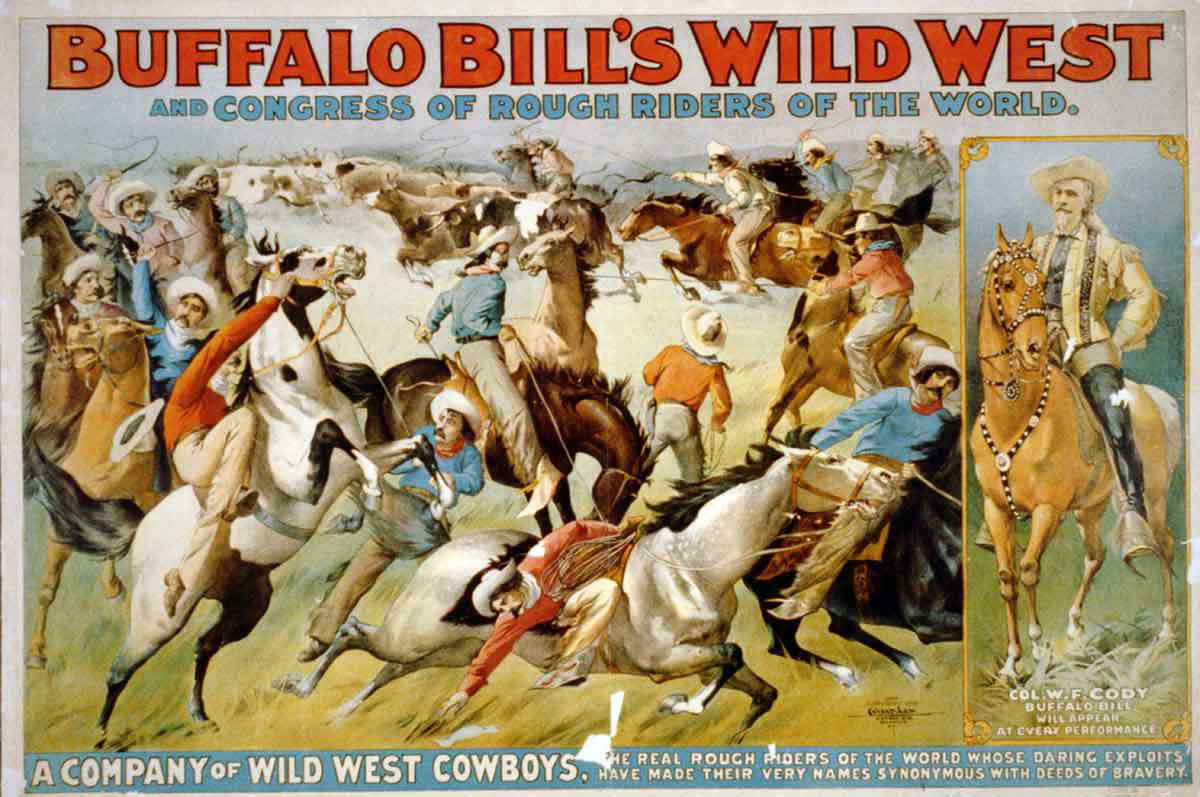
Buffalo Bill Cody founded the Wild West Show in Omaha, Nebraska, in 1883. Over its 30-year run, the show traveled across the US and Canada in 1884, and eventually to Europe. Its first European show happened in 1887 at Queen Victoria’s Golden Jubilee. This tour gave a glimpse into what America’s Wild West looked like.
Annie Oakley, Sitting Bull, and the Famous Performers Who Joined the Cast

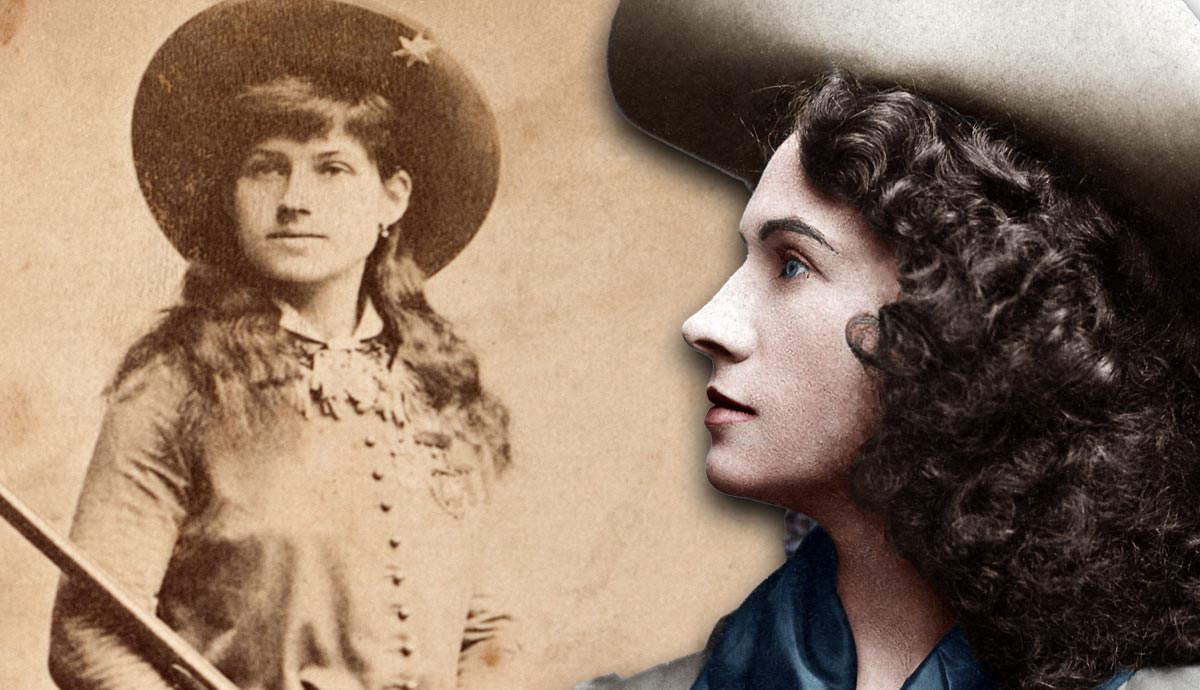
The Wild West Show employed nearly 1,200 people at its height. It began with cowboys, sharpshooters, and Native Americans, but other groups joined in, adding their flair to the show. Buffalo Bill hired the famous Annie Oakley, also known as “Little Sure Shot,” well-known for her shooting skills, as well as Calamity Jane, another renowned sharpshooter.
Native American performers were integral to the Wild West Show. Tribes like the Lakota Sioux, Arapaho, and Cheyenne joined, reenacting battles and traditional dances. Legendary Native leaders, whose names already echoed in Old West lore, like Sitting Bull, joined for a time.
Sitting Bull was instrumental in Custer’s defeat at the 1876 Battle of the Little Bighorn. He and Annie Oakley even became friendly, and he coined her nickname “Little Sure Shot.” After 1900, the Wild West Show expanded, adding Argentine gauchos, Mexican vaqueros, and Zulu warriors.
How Competition Debt and Early Cinema Ended the Show in 1913
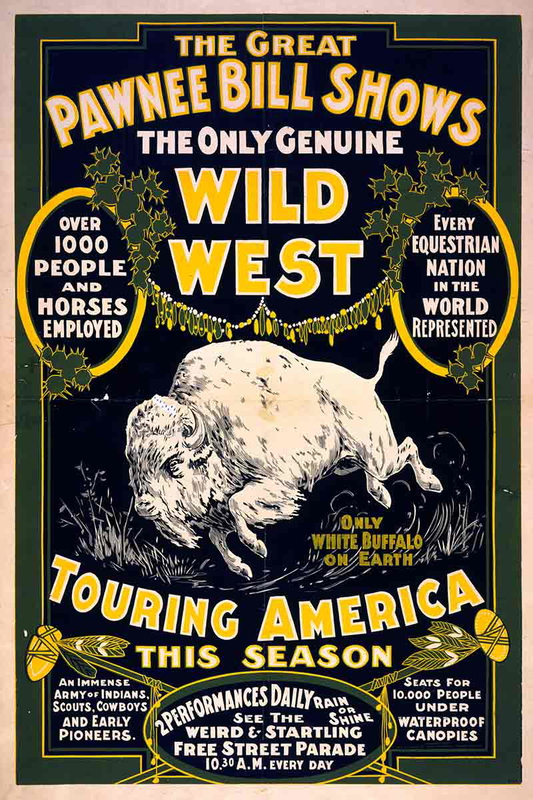
The Wild West Show lasted 30 years, performing in America and touring Europe eight times, but ended in Colorado in September 1913. Estimates put the total number of performances at over 3,000 during its run. One hint of the Wild West Show’s popularity came during its 1887 London run, with over 300 shows and 2.5 million tickets sold.
As time went on, the Show experienced money troubles. By 1910, competing Wild West shows such as Pawnee Bill’s Wild West Show or Texas Jack’s Wild West Show had chipped away at Buffalo Bill’s audience. Live shows’ popularity faded as new entertainments like circuses offering broader acts became popular. Western movies appeared in 1900, becoming another way to see and experience the Old West.
Financial troubles hit the Wild West Show, too. Ticket sales dropped, plus the increasing competition took its toll. Bill took on debt to help keep the show running. In September 1913, creditors took over the Wild West Show, with a last performance one month later.
How Buffalo Bill Permanently Shaped the Myth of the American Old West
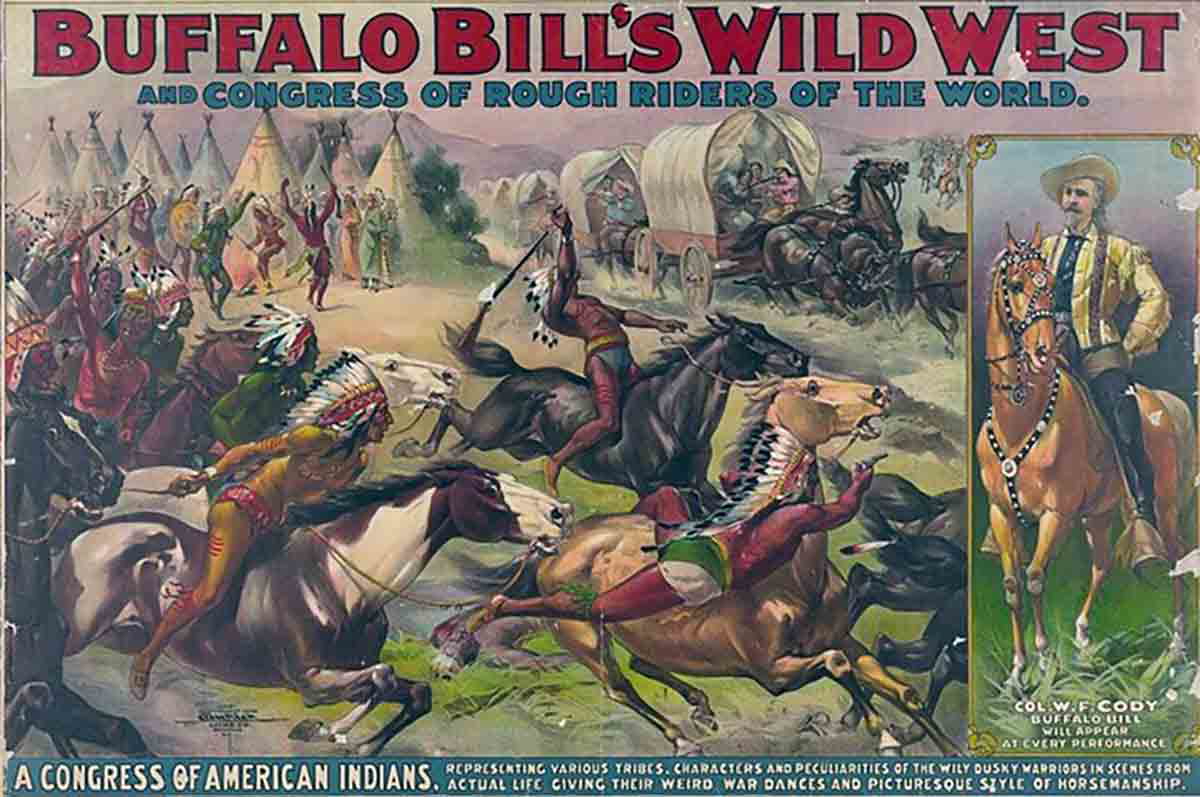
The Wild West Show lasted three decades but created a lasting impact. It shaped the legend of the Old West, popularizing its image of Indians, cowboys, showdowns, and gunfights. The show celebrated American history, showcasing but distorting the Wild West and the frontier.